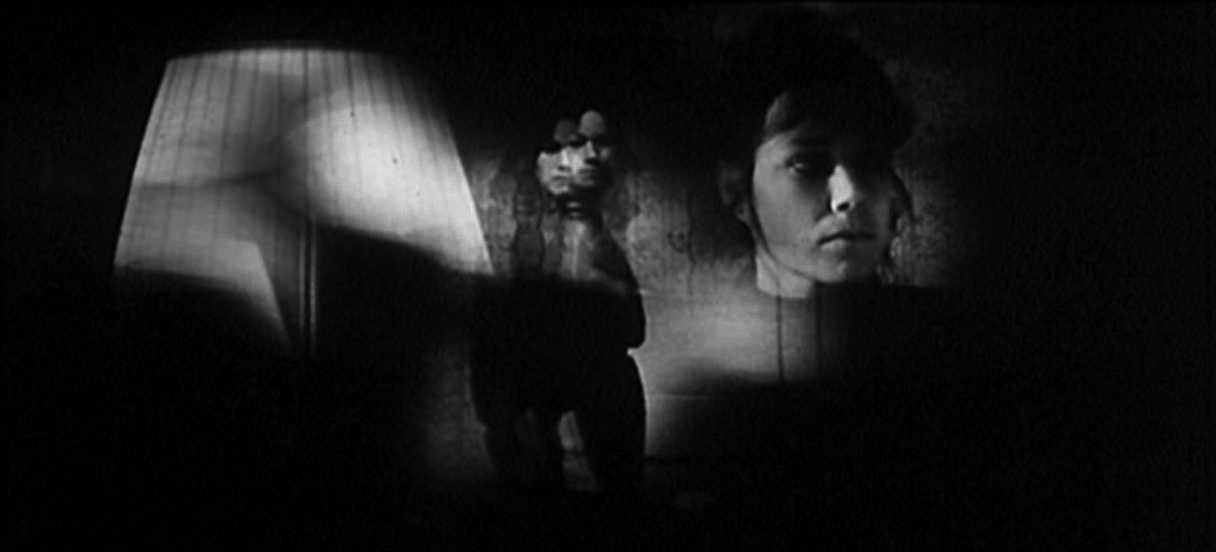
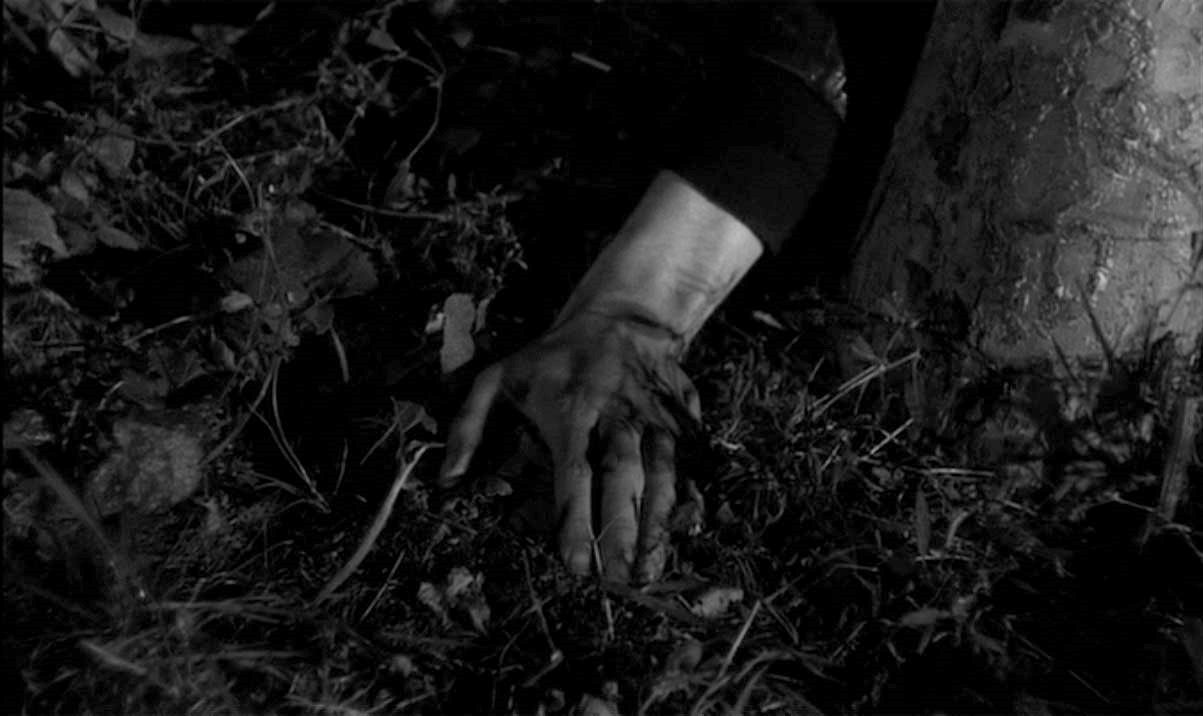
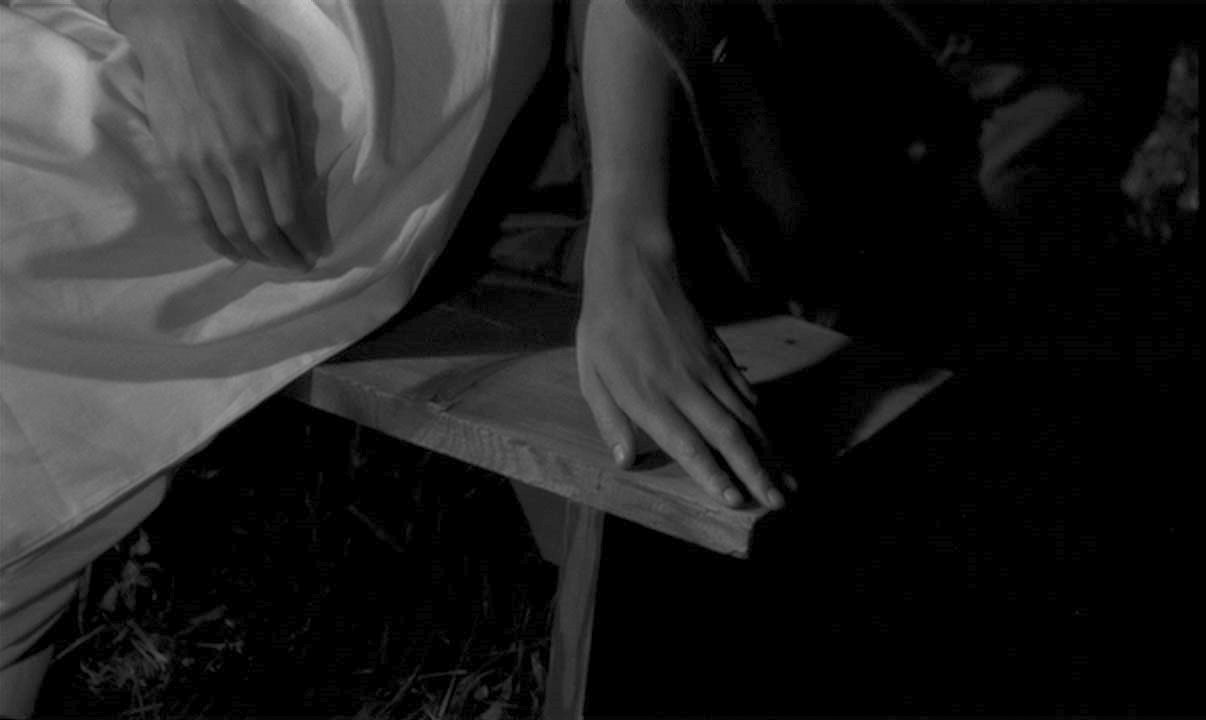
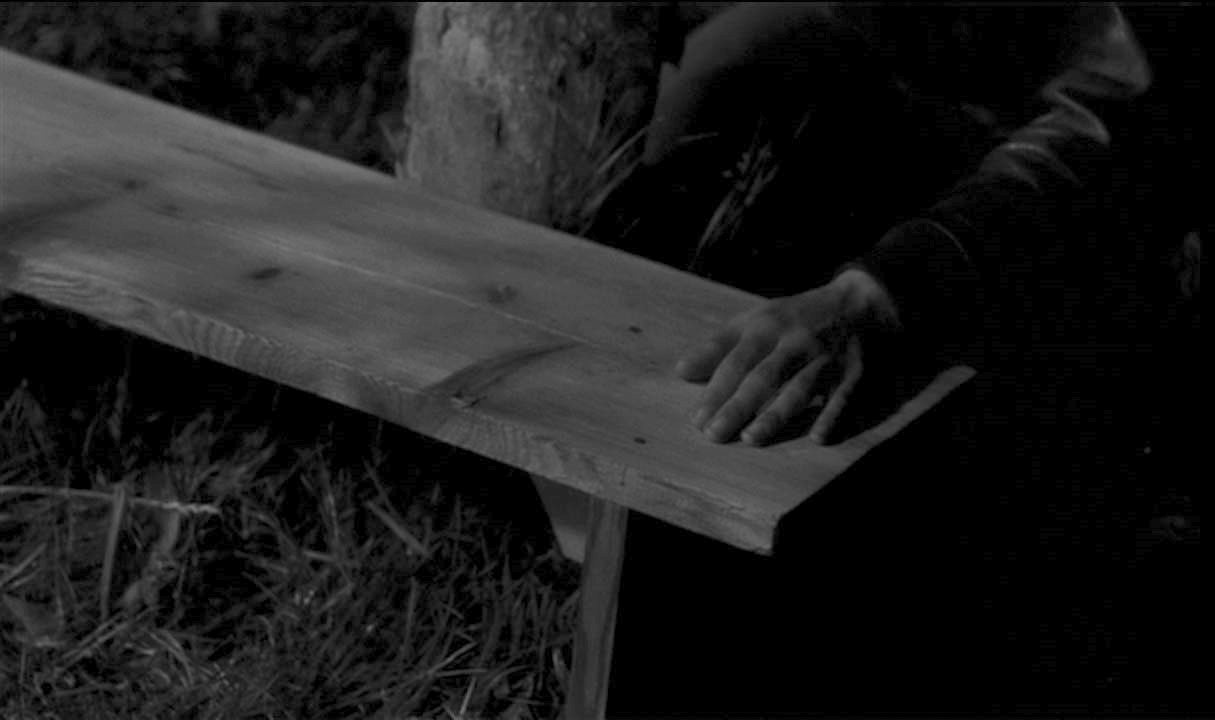
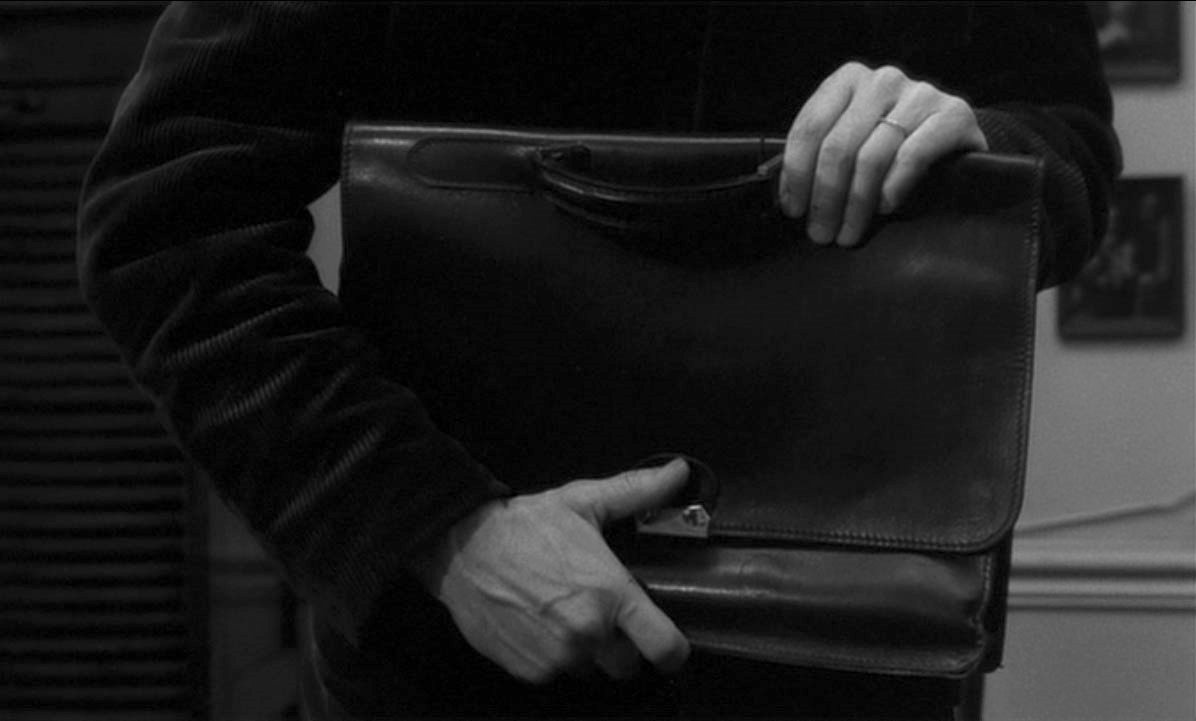
a glimpse at a mystery

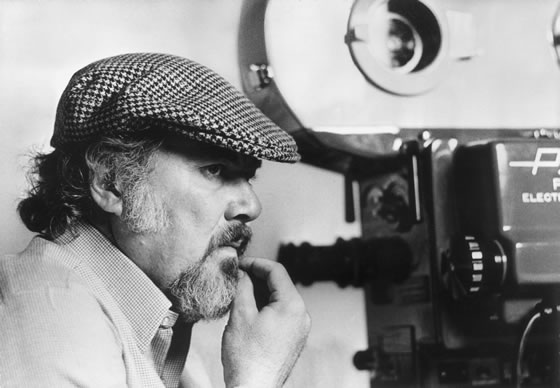
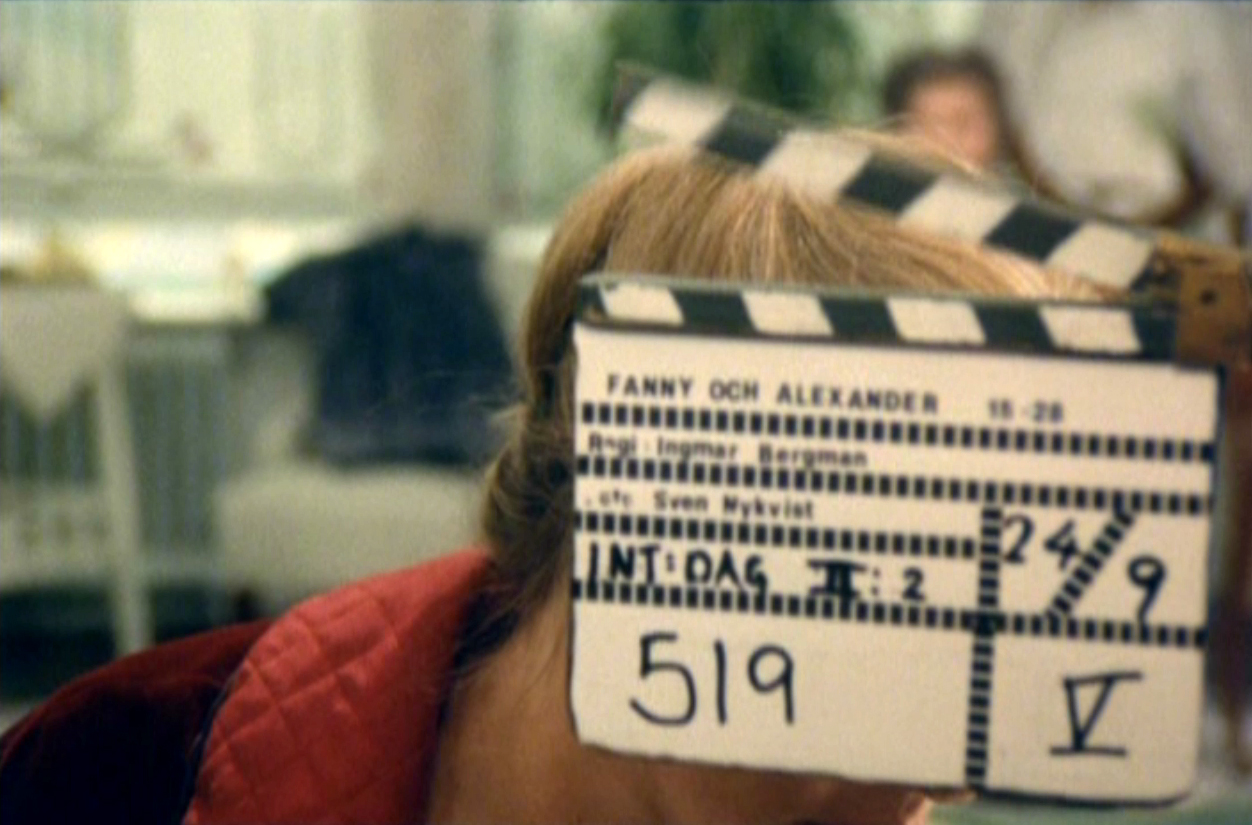
In Dokument Fanny och Alexander (1986) – a.k.a. The Making of Fanny & Alexander – the camera (our camera) observes the film crew at work. We are as a fly on the wall, and yet closer still. Like many great documentaries, this film is premised on letting the subject reveal itself over time, naturally, without manipulation. Except for brief intertitles offering some explanation (and providing section headings) the film merely observes the activities of shooting a film, and especially of the director interacting with his actors and crew. The film is a subtle and intimate look into the relationships formed between these individuals.

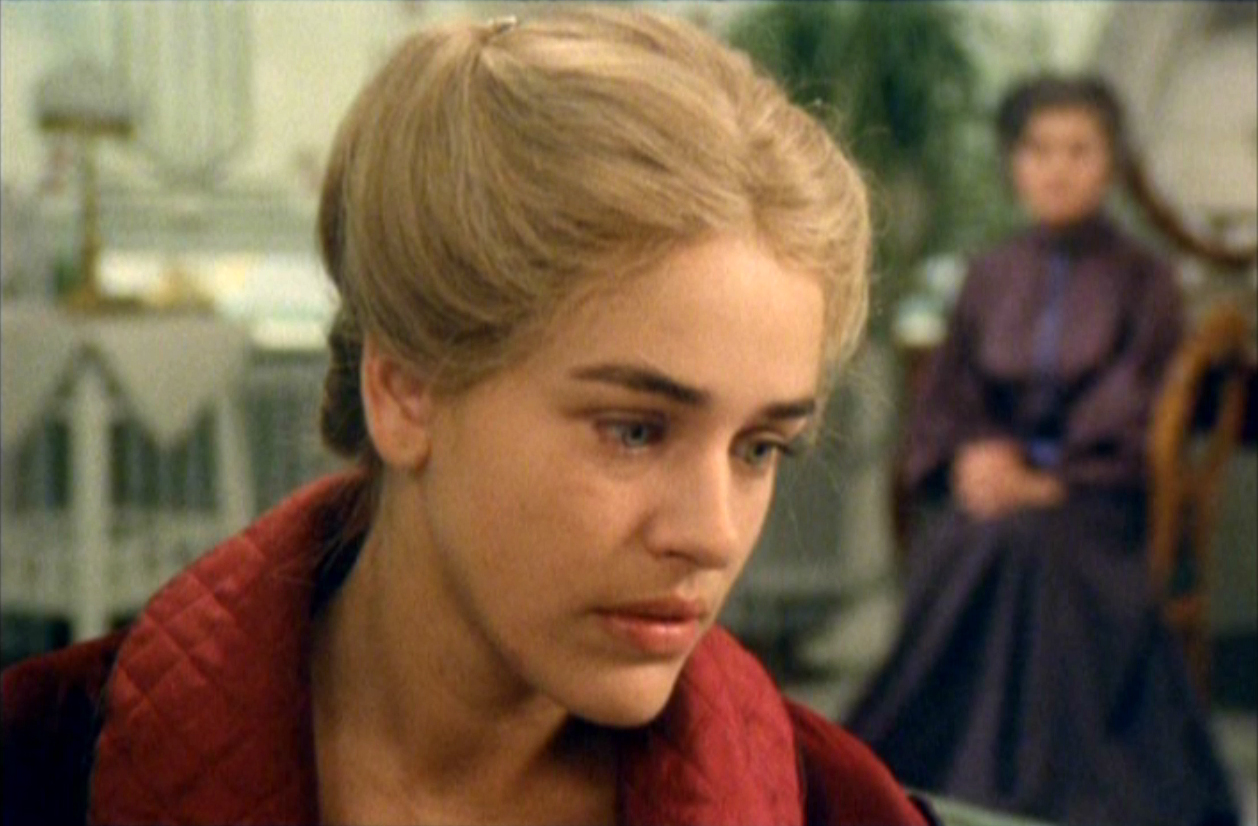
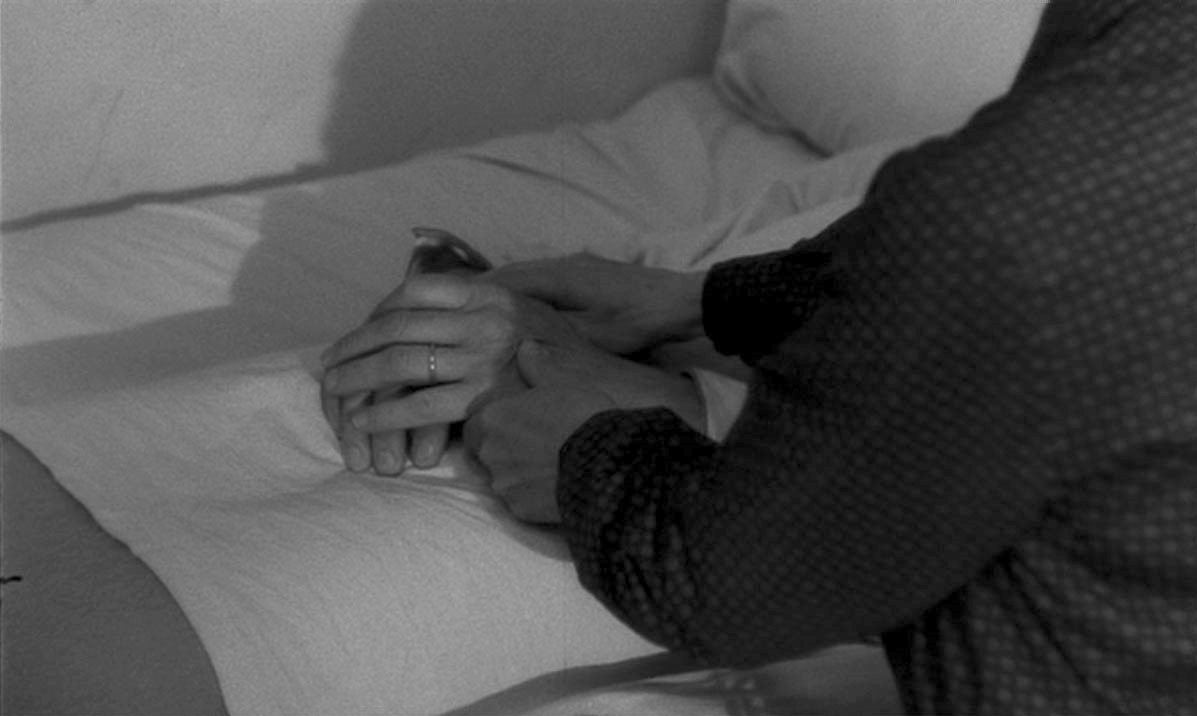
I was struck by the film’s beauty and power. For example, I love the moment when filming the deathbed scene where Emilie Ekdahl (Ewa Fröling) comes to view the body of her husband. We get to see the scene being filmed from different angles, with the director, Ingmar Bergman, working with his actors and cinematographer, Sven Nykvist, on pacing and blocking. We get a glimpse at the insides, as it were, of a masterpiece – as though we were visiting the construction site of a cathedral and were seeing stone set upon stone.

What is so remarkable about a work of art is that there is often something transcendent and unexplainable about the final product, and yet the making is just people doing what they do. Artmaking may be a calling, a gift, a burden, but it is also a very human, even ordinary, activity.

Here we have Emilie Ekdahl looking at her husband.

And here we have Bergman looking at Ewa Fröling as she plays Emilie.

One might think that an actor would struggle with the director being only a couple of inches out of frame watching every movement one makes, but Bergman’s actors seem to thrive on that intimacy. Bergman develops a trusting relationship with his key actors to such a depth that their acting and his directing work symbiotically, organically, fully in the moment. And yet, what one sees in this documentary are the functional, goal oriented, working relationships coming together to finish a project and create a product.

If one looks for a mystical connection flowing between director and actor one finds nothing – for we really only see, because the camera can only see, the surface of things. But, if one looks for pointers to the mystery of filmmaking, they are everywhere, and they all point to the end-product, Fanny och Alexander (1982) – a.k.a. Fanny & Alexander.

>a legacy

>Yesterday I watched Nashville (1975) and then followed it up with A Prairie Home Companion (2006). This is a review of neither, rather just a small reflection. In short, watching these films got me thinking about mortality.

I chose Nashville because it is a film I have always wanted to see and it is on my “must see” list (my own film challenge). I chose A Prairie Home Companion because I figured I should see Altman’s last film, and it was just sitting there on the shelf at the library looking right at me. And then it occurred to me that this might make a great double feature. But alas, it is not a great double feature. Nashville is undeniably a masterwork, A Prairie Home Companion is much less. I suppose, at a deeper level, it might be an interesting comparison for someone else to do. I’m sure someone already has.

[Nashville = quintessential Altman, a paragon of his oeuvre. A Prairie Home Companion = less like an Altman film and more like a muddled Alan Rudolph film.]

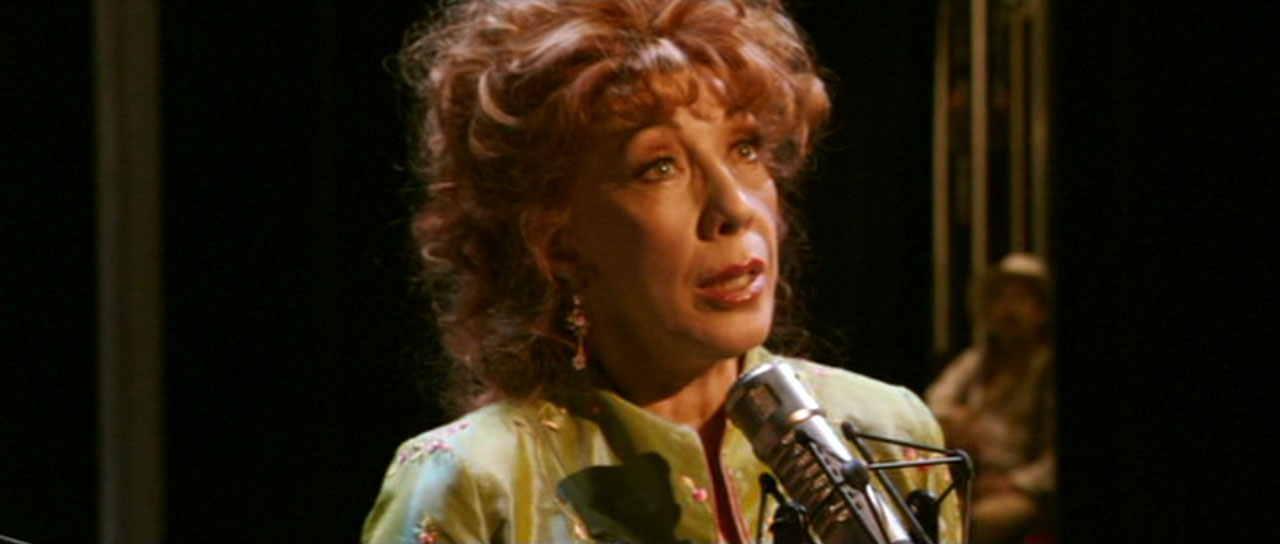
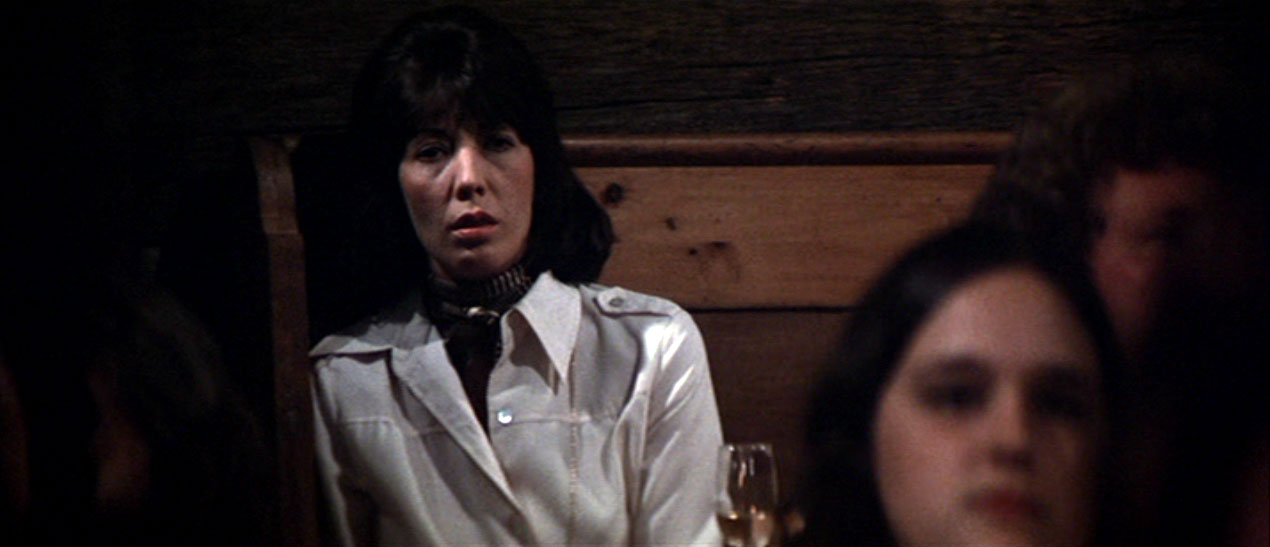
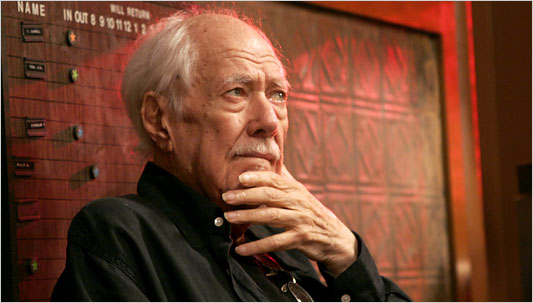
What I did think about is the idea of a career-arc, and how quickly time flies, and how the span of time can disappear when you have two DVDs in your hand that represent work done 30 years apart. Consider these two parings of images:

Tomlin in A Prairie Home Companion


Tomlin in Nashville


Altman on the set for A Prairie Home Companion


Altman in 1974 (on the set for Nashville?)

Both of these individuals are (Tomlin) or were (Altman) gifted artists. But like me, they are mortal. I am reminded of that quote attributed to Woody Allen: “I don’t want to achieve immortality through my work. I want to achieve it through not dying.” I found watching these two films back to back to be a somewhat sobering experience (and therefore a good experience). I found myself wondering what it is that I will leave behind when I’m gone. What will be my legacy?

>inside Outer Space

>There is no doubt that Peter Tscherkassky’s Outer Space (1999) is a nearly maniacal and transformative assault on the viewer. One cannot finish the film (only 10 minutes in length) without experiencing a deeply visceral response. This is not a review per se, but an exploration of the film’s meaning, and a call for other perspectives.

The narrative, or what there is of a narrative, is apparently rather straightforward: A woman (played by Barbara Hershey – though it is found footage from Sidney J. Furie’s 1981 film The Entity) enters a house and seems to be “attacked” by mysterious forces, which may be the film itself (explanation later), and then she seems to disappear/fade into blackness. Consequently, one could classify this film within the common “woman as victim” horror genre, but I think that may limit our understanding.

Regarding the physical film itself being one of the forces, or maybe the only force, attacking the woman has been wonderfully discussed at Senses of Cinema by Rhys Graham in Outer Space: The Manufactured Film of Peter Tscherkassky. Graham places Tscherkassky’s work in a theoretical context by stating:

. . . Tscherkassky is playfully exploding the notion of “film as a mirror” articulated by Christian Metz which was, in turn, stated in opposition to Bazin’s narrative concerned statement that film is a window to the world. As he fragments Metz, who before him fragmented Bazin, we know that Tscherkassky is searching for something more.

This fragmenting is central to Outer Space and to Tscherkassky’s oeuvre in general (so I understand, Outer Space is the only film of his I’ve yet to see). Graham goes on to say:

This is not simply an act of subversion, but something like the fractured cut and paste ethics of avant-garde composers; a mode of using the violent rhythms of delay, rupture, fragmentation, looping and degraded image and sound.

The question I have is whether or not the violent fragmentation of Outer Space is, in fact, an act of violence upon the woman in the film (as part of the narrative), or is it to be understood as a kind of commentary alongside the narrative, a meta-narrative of sorts. Or better yet, a doppelganger at a visually psychic level. In other words, might it be that what the viewer witnesses is the tormented struggle of a multiple personality disorder visually represented in such a way as to convey both the struggle and the terror of that struggle, and in such a way as to elicit within the viewer feelings of almost macabre panic. And all this regardless of whether Tscherkassky had Bazin or Metz in mind at all.

Note: Screen grabs from Outer Space are nearly impossible to obtain with any accuracy because no amount of screen grabs can convey anywhere near the true essence of the film or the viewing experience, especially the hyper-frenetic visuals, not to mention the unusual audio track. But here are several images that highlight some moments in the narrative.

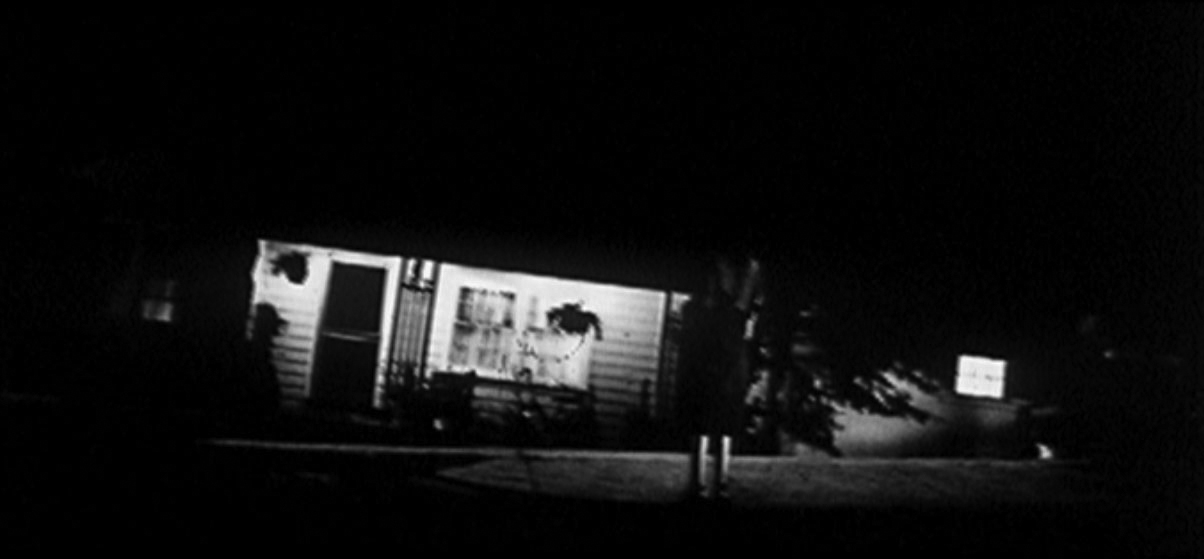
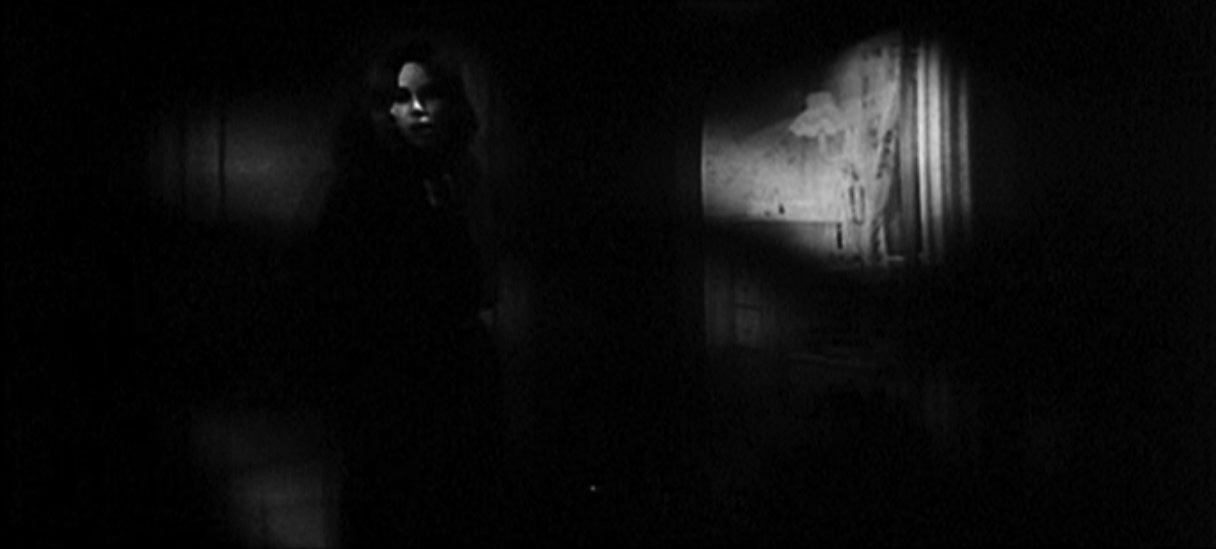
There is a house at night. At first it is just a house, then we see a woman standing outside the house. The house is tilted to the right. Note: at this point the film’s visuals already appear highly unstable often with mere flashes and hints of both the subject and the physical image in a frenetic and almost random manner. This carefully crafted accentuating of the film’s physicality offers reminiscences of scratchy and poorly threaded 16mm educational films shown in school classrooms of days gone by. It should be noted as well that Outer Space is a film that lives in darkness, revealing itself only in bits and pieces, and moves back and forth between the denotative and the connotative without concern for the viewer’s capability for discernment. (Like I said, screen grabs just don’t do it justice.)

The woman begins walking towards the house.

The soundtrack pops and crackles. There is a hint of eerie music, made even more effective by being pushed to the background. There is also no context for the house. The setting seems to be nighttime, but one could also posit that the house might just a well be floating in nothingness – almost like the empty space between time periods in Time Bandits (1981). Now that’s a reference you didn’t expect!

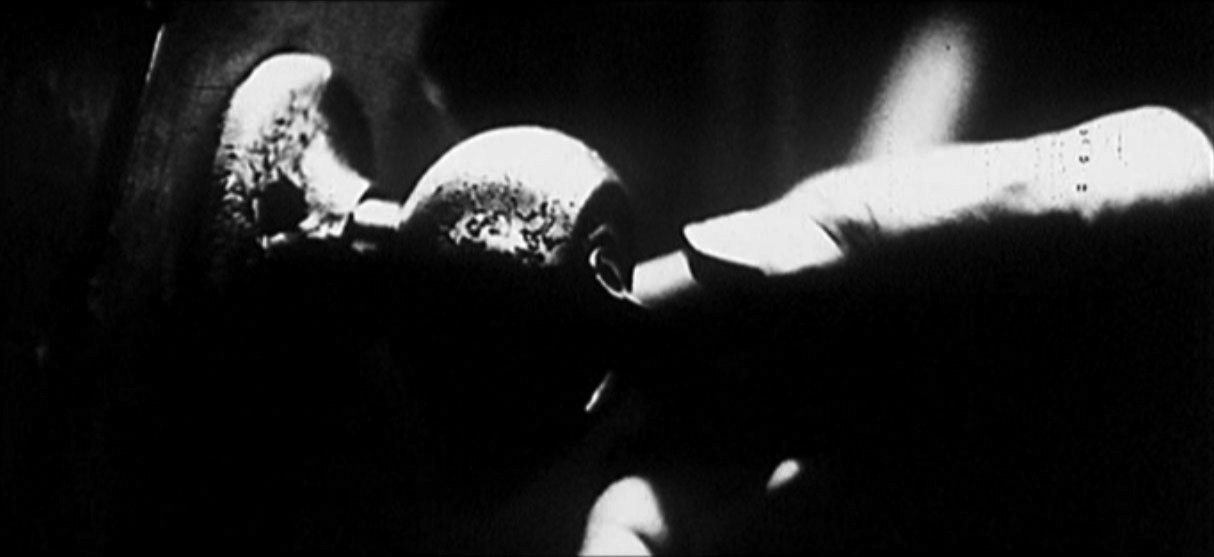
Then a hand reaches for a door knob…

…grabs the knob…

…and turns it.

I highlight this apparently simple action because of its psychic symbolism. I was reminded of Maya Deren’s Meshes in the Afternoon (1943) and its use of psychological symbolism, not least of which include the key, the house with its rooms and staircase, and the going through doors. The narrative in Meshes is not about the world “out there” but the world deep inside one’s subconsciousness (or someone’s subconsciousness). I argue that Outer Space functions in much the same way. The house is not a house, but a psychic space. Turning the door knob is the act of opening up that space.

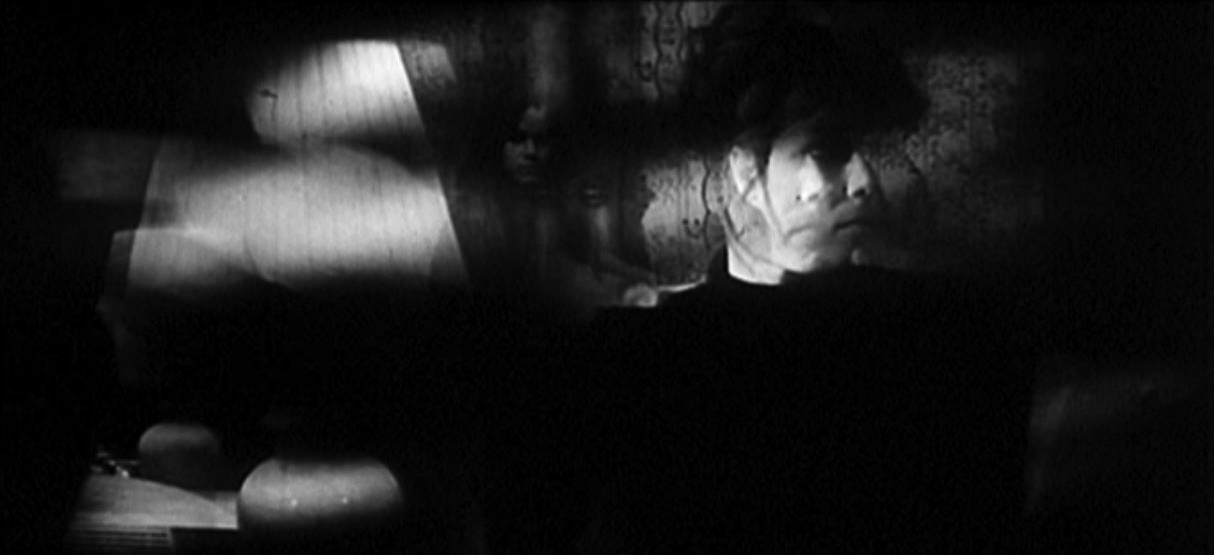
The woman enters the house. Almost immediately there is the possibility of more than one instance of her. In other words, another, second woman appears that is also the first woman, but with her hair down rather than up – the same yet different.

The second woman appears at first faintly in the background…

…then more prominently…

…then the first woman disappears (fades) as the second woman remains. At this point multiple images of the woman come and go, as though competing for a place in the psychic space.

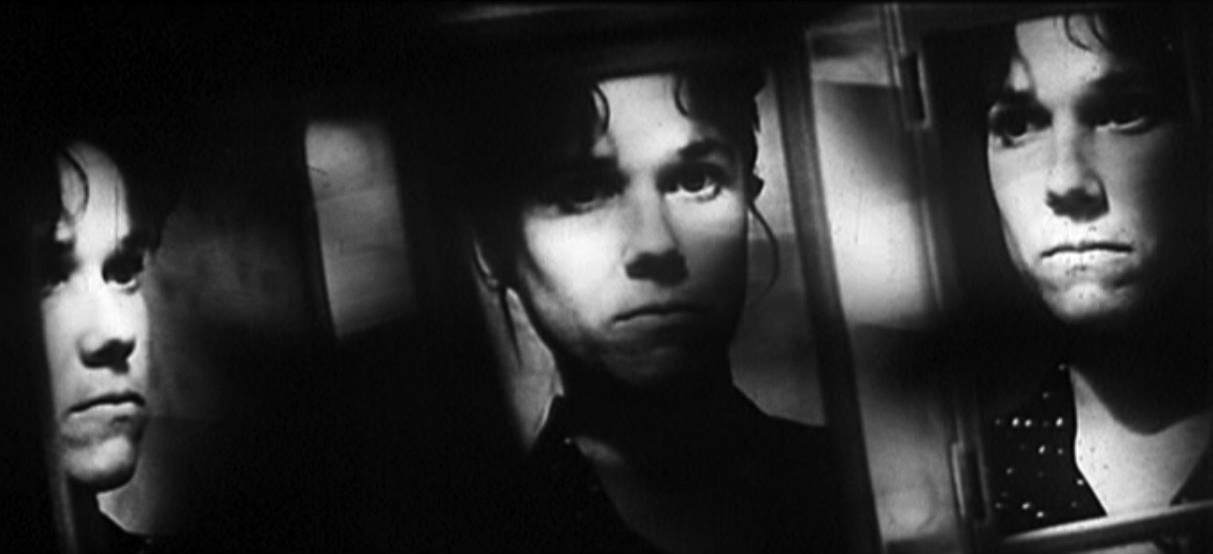
Eventually there are three women seen in the film, all the same woman, yet all slightly different. The film’s frenetic qualities increase and the women seem to compete for dominance, both with each other and with the film.

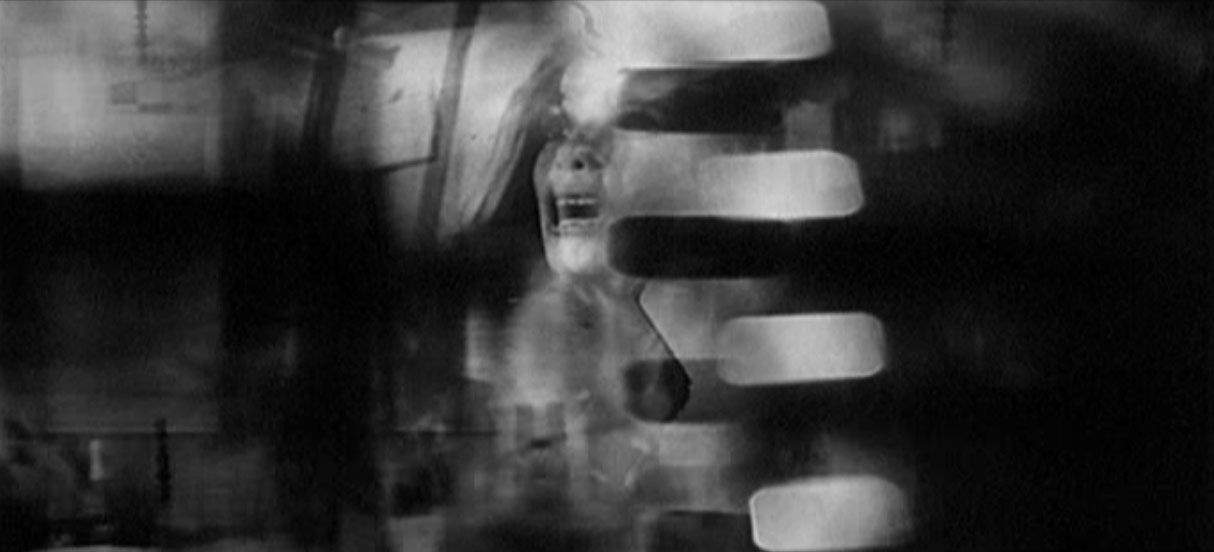
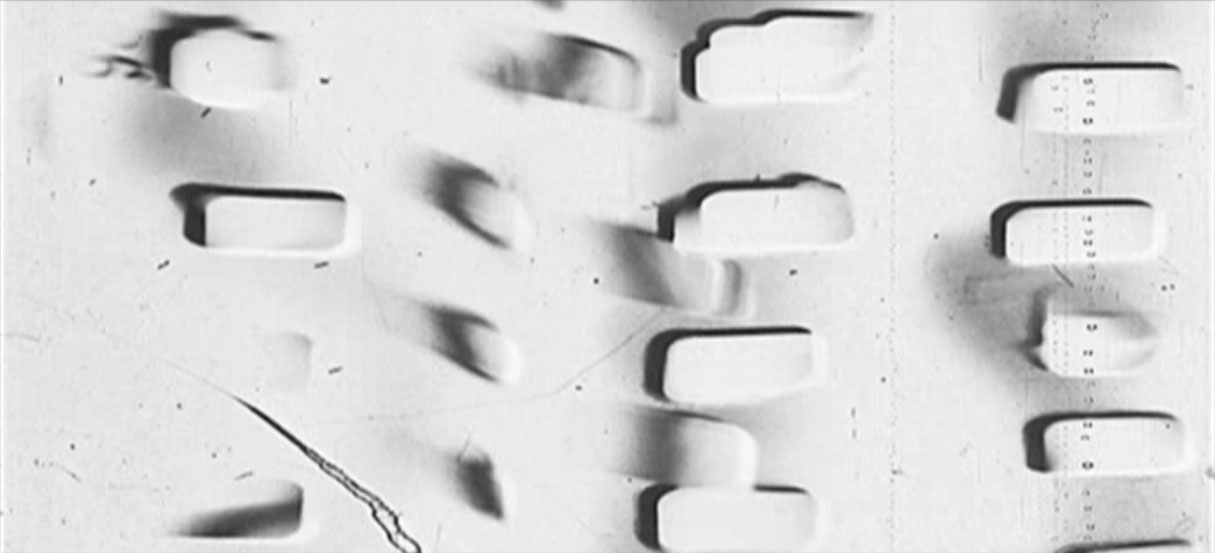
And then, in this already disquiet film, the film seems to jump its sprockets and come free. Notice the sprocket holes through the middle of the image (below).

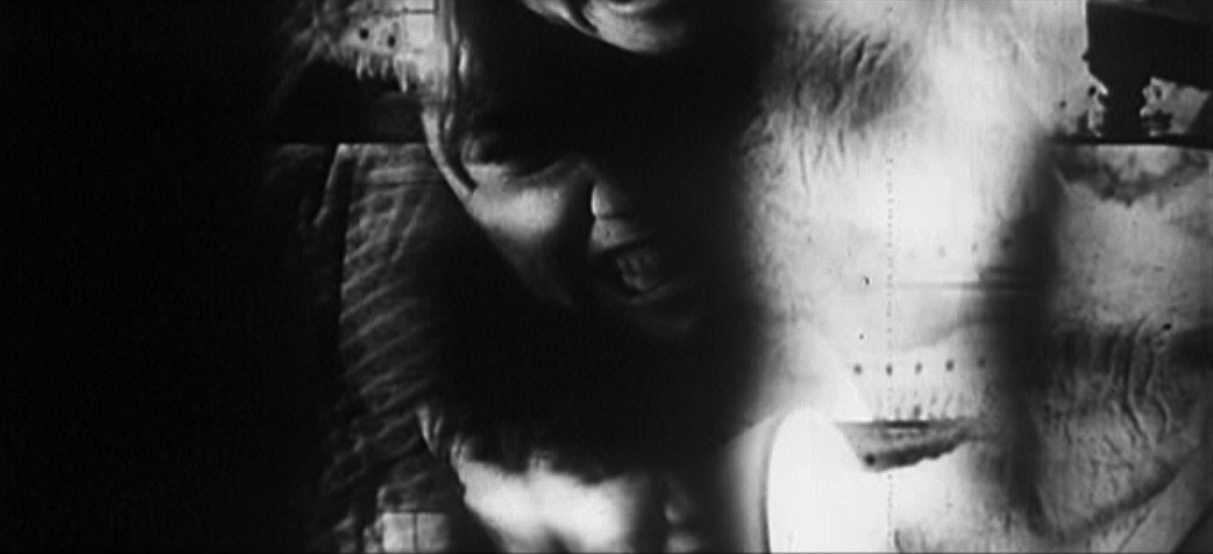
The woman becomes fearful as the physical film begins to take over the narrative space.

Eventually the physical aspects of the film (sprocket holes, frames, etc. – along with a soundtrack hard to describe) completely take over.

At this point the viewer is now being assaulted by the film via an intense stroboscopic effect. And eventually the physical film begins to subside and the house once again asserts itself.

We come closer to the house, look into its windows and see the woman again. The film seems to assert itself again over the woman. But the woman (is it the first woman?) directly fights, almost as though attacking the viewer or camera. She attacks and attacks…

…but as she does so, she also begins to fragment…

…and eventually she must come to a point of apparent resignation.

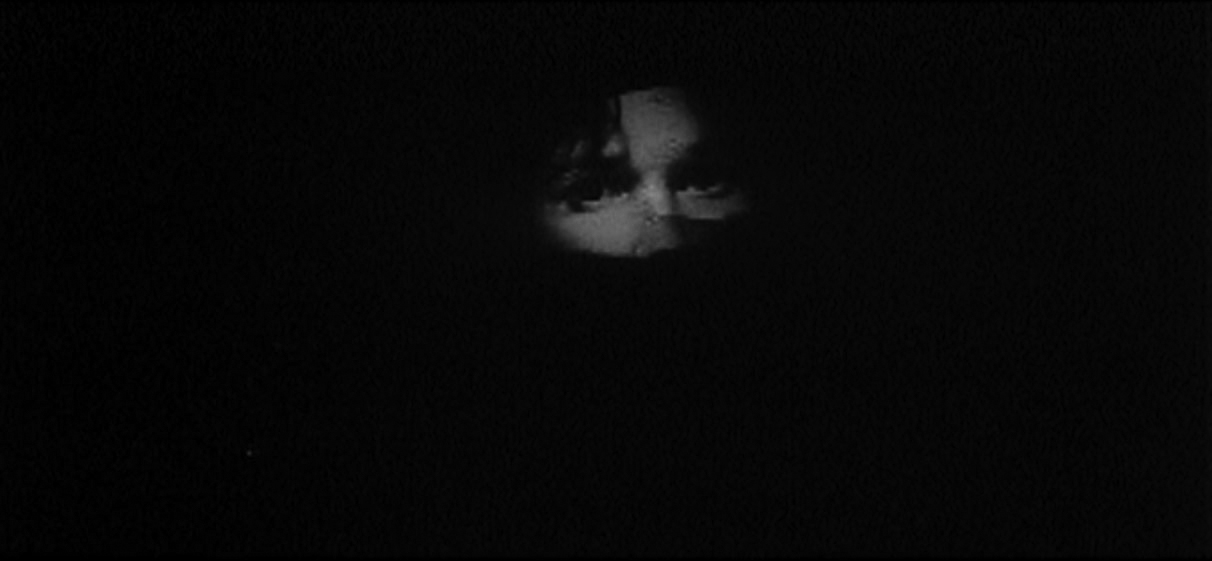
And then she slowly disappears into the darkness.

What we are left, at the end of the film is once again where we began, in blackness. The woman has faded into a non-contextual blackness, into nothingness.

The physicality of the film as a narrative element raises the question of the “film as mirror” and thus film as theory of film. But is this really what this film is concerned with? Is this truly a story of a woman and a film fighting each other? Or might we see the tremendous noise (visually and audibly) created by the film as a kind of metonymic foray into the disturbing psychological depths of a person fighting at their inner core – whether it be a spiritual fight or a psychological one? In this sense, the film is not about a woman fighting against a/the/all film, but a woman struggling with deep forces within her. Tscherkassky has had to grapple with the key issue that every artist must grapple, that is how best to convey one’s ideas or instincts with the materials at hand. In Outer Space he succeeds brilliantly – and leave us a kind of post-modern talisman with evocative muscle.

Outer Space is available on DVD from Other Cinema as part of the collection Experiments in Terror.

the agents of fate

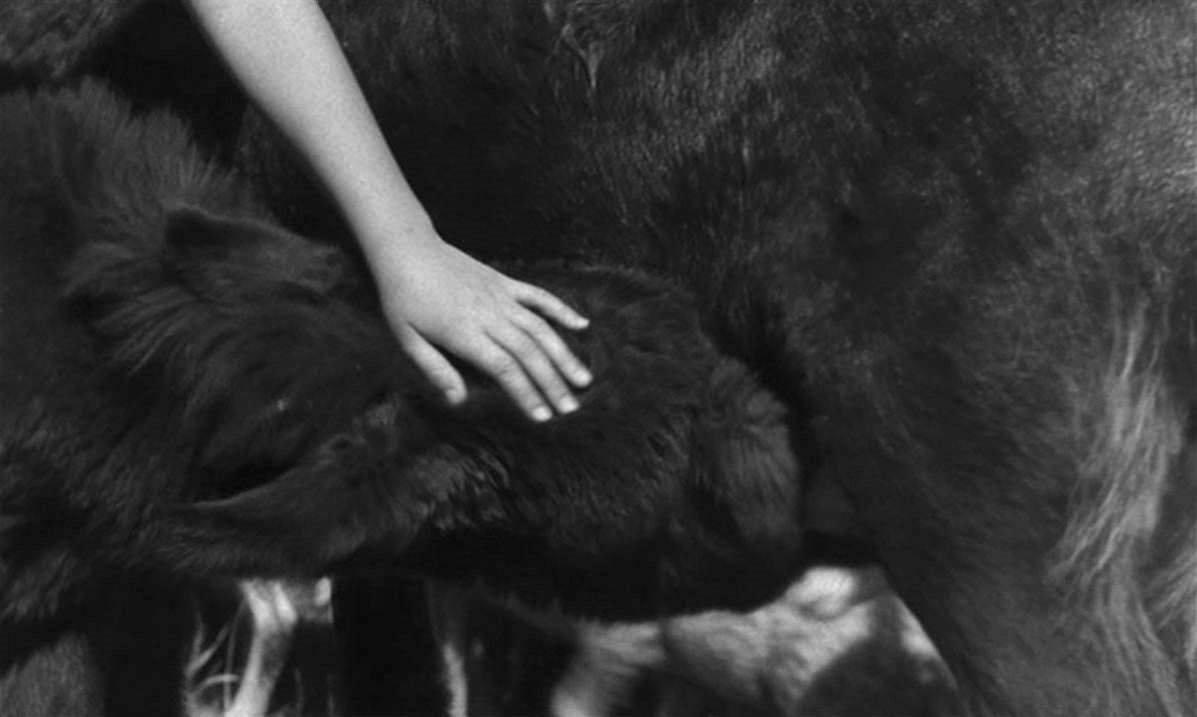
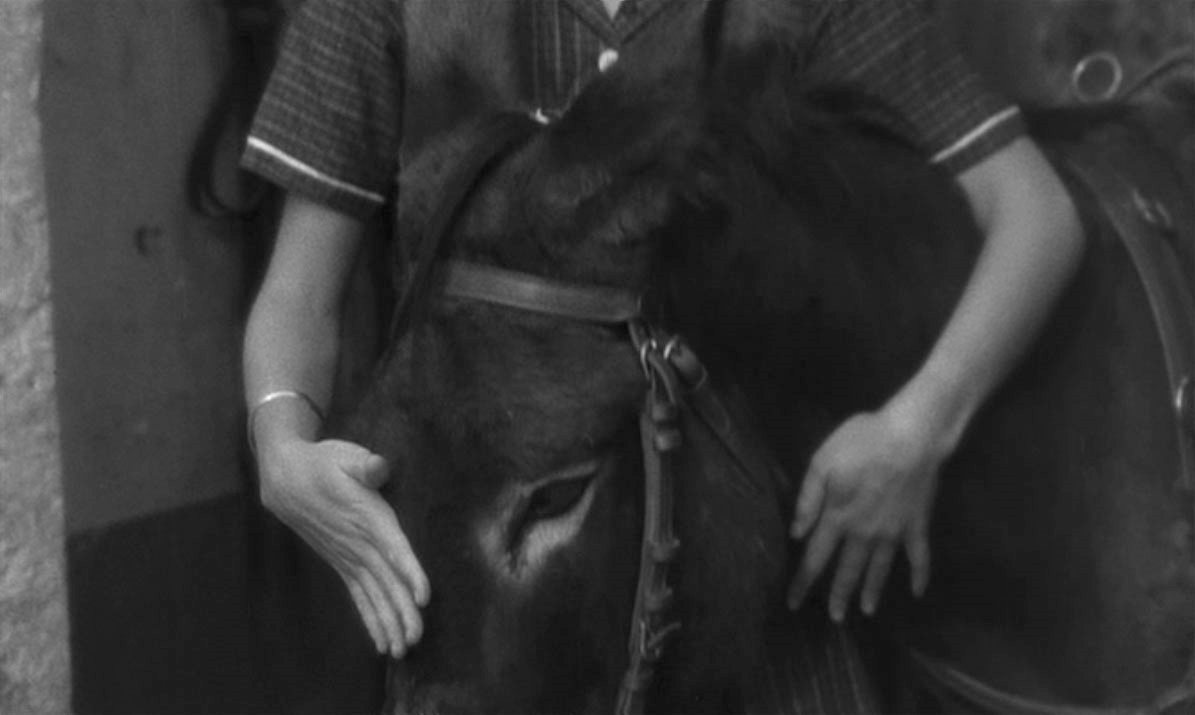
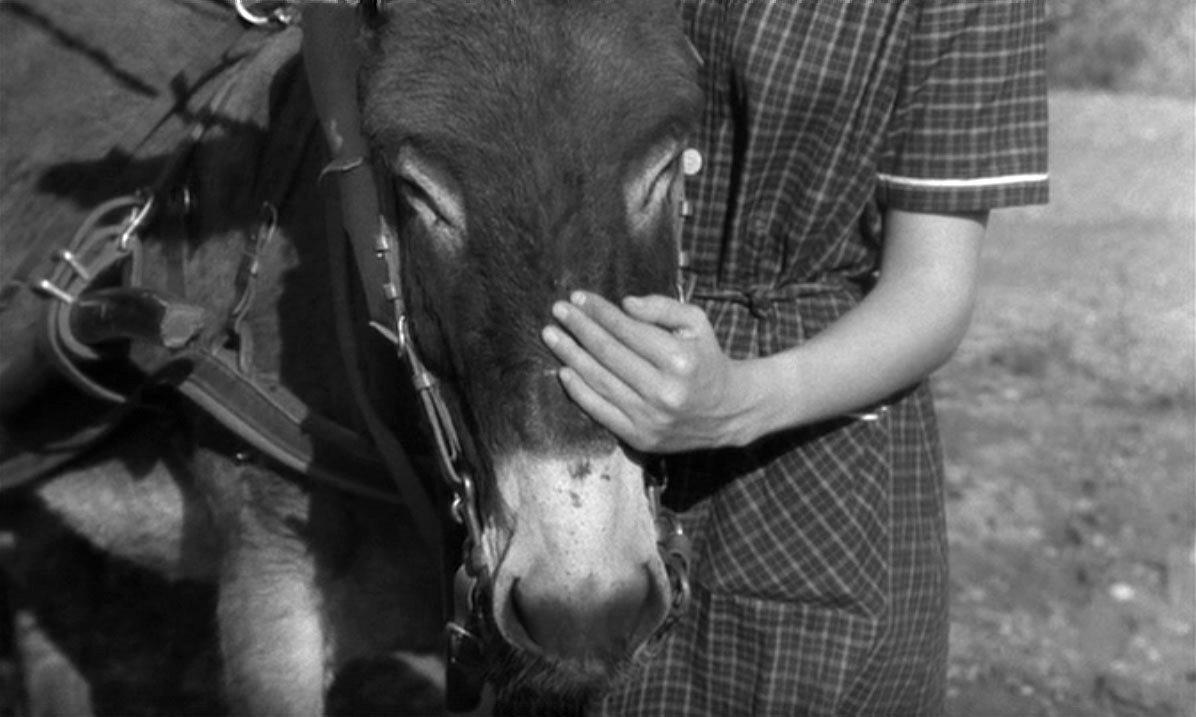
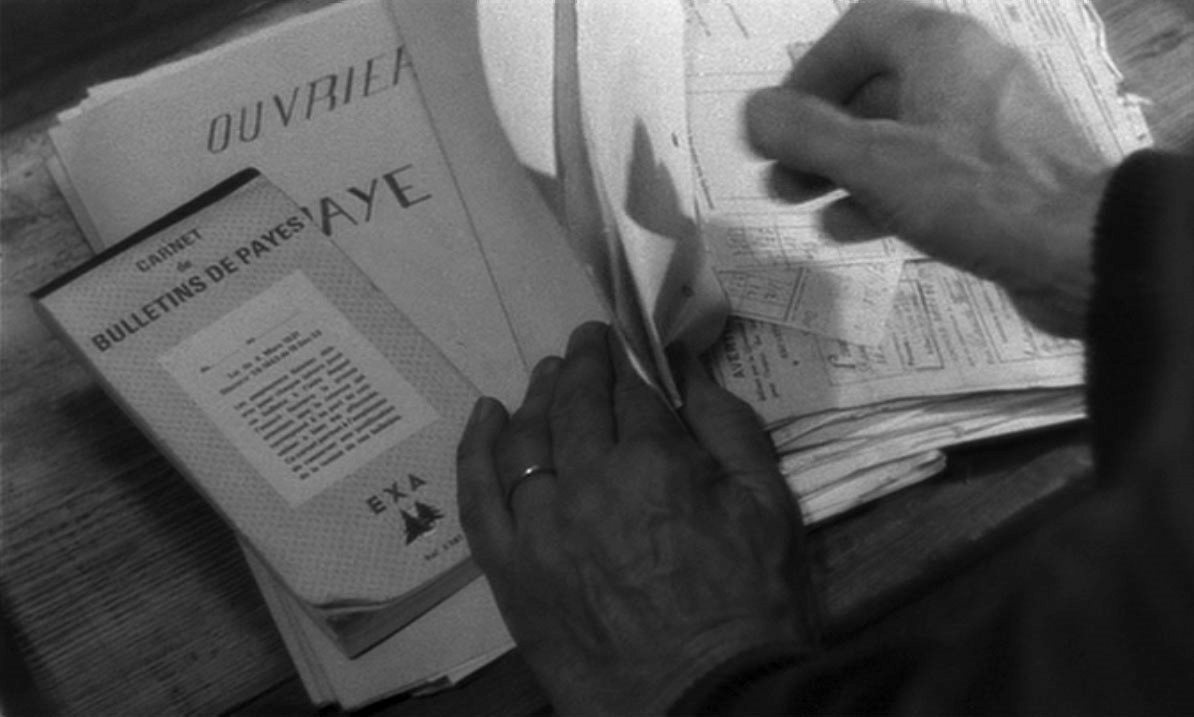
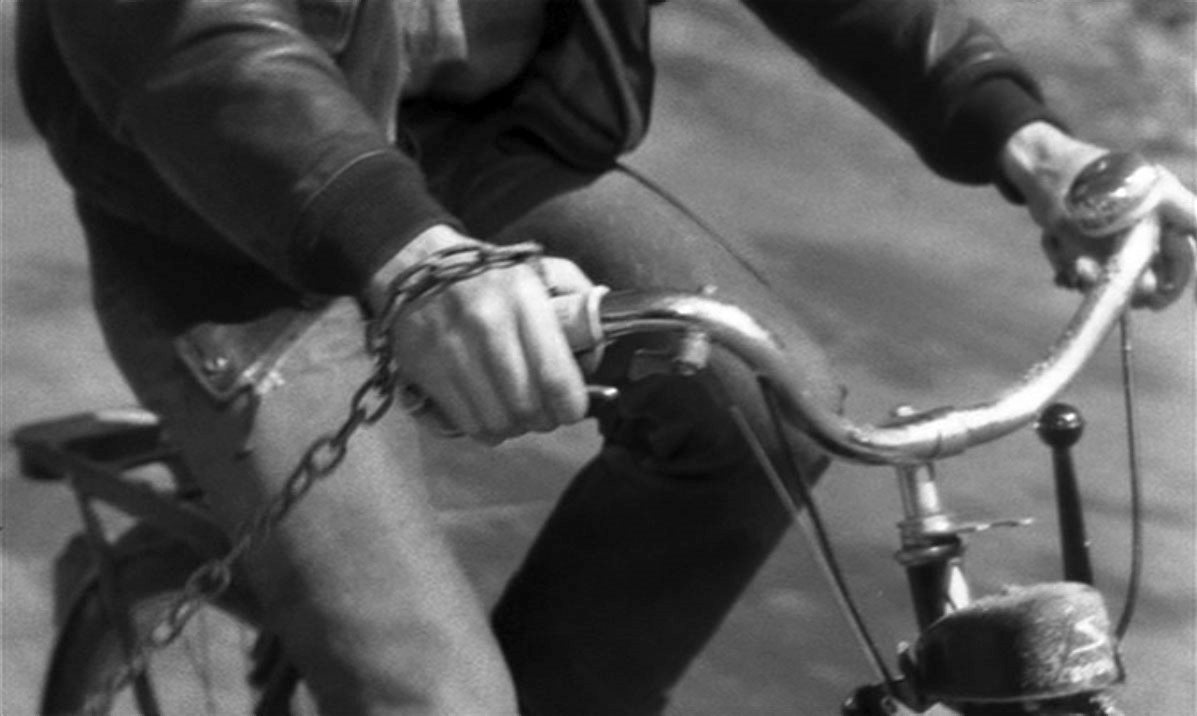
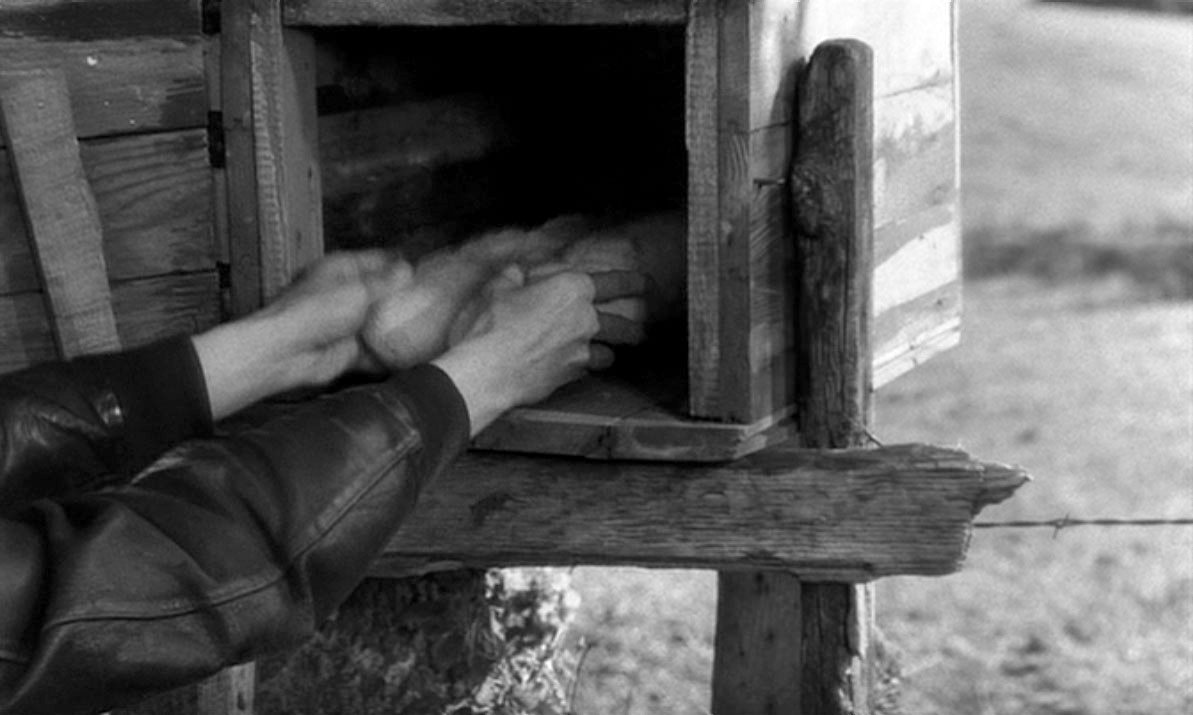
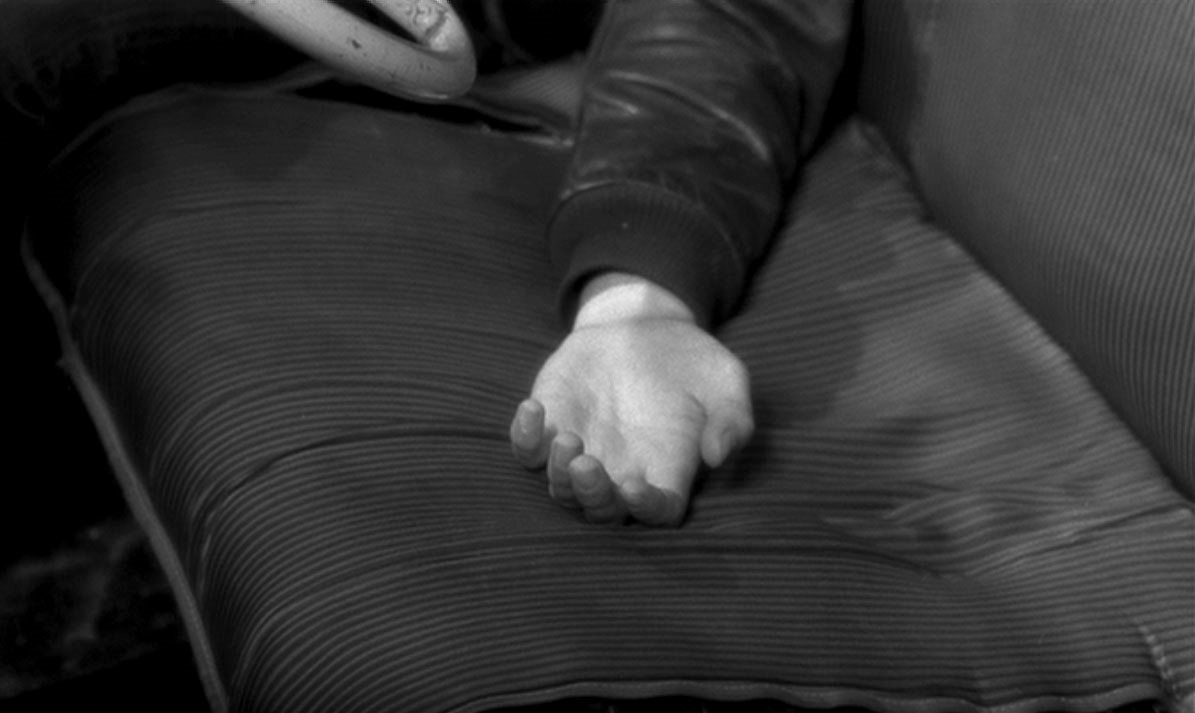
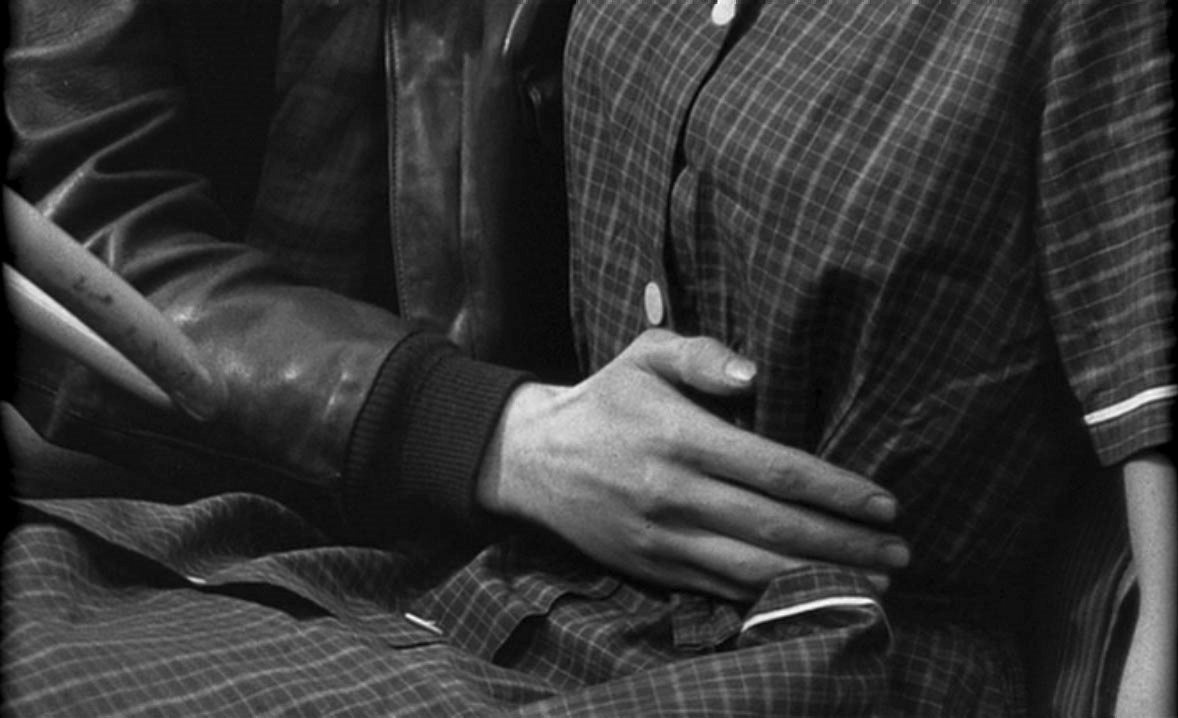
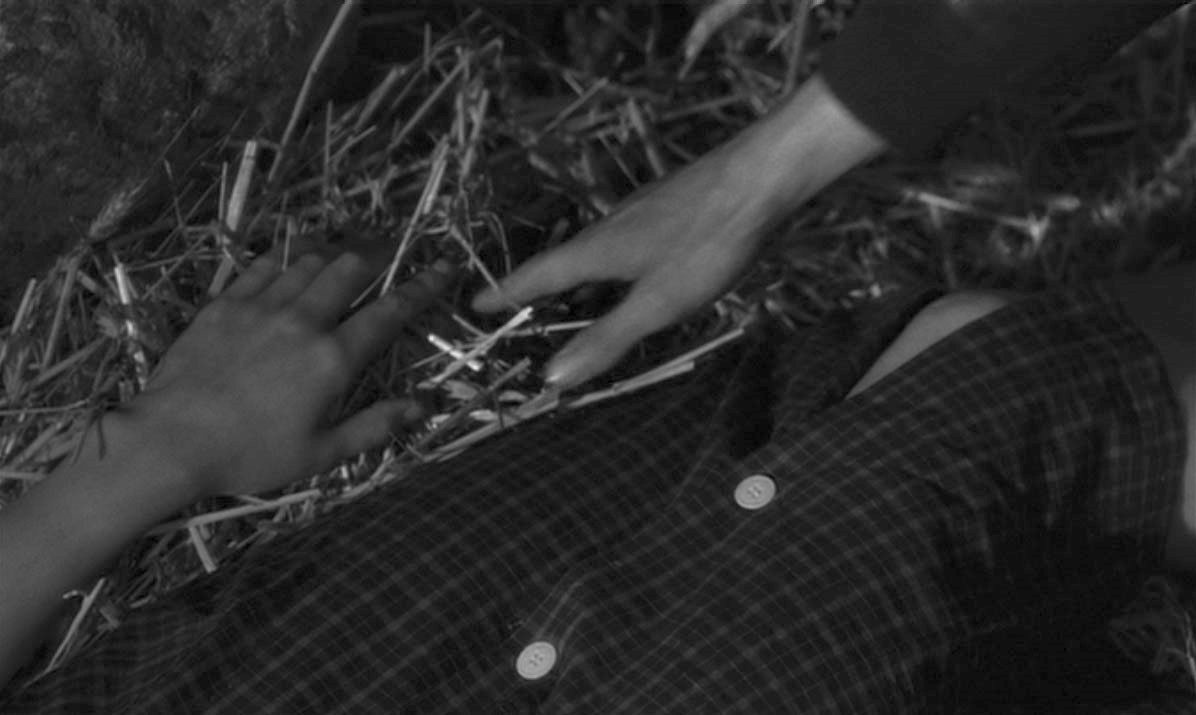
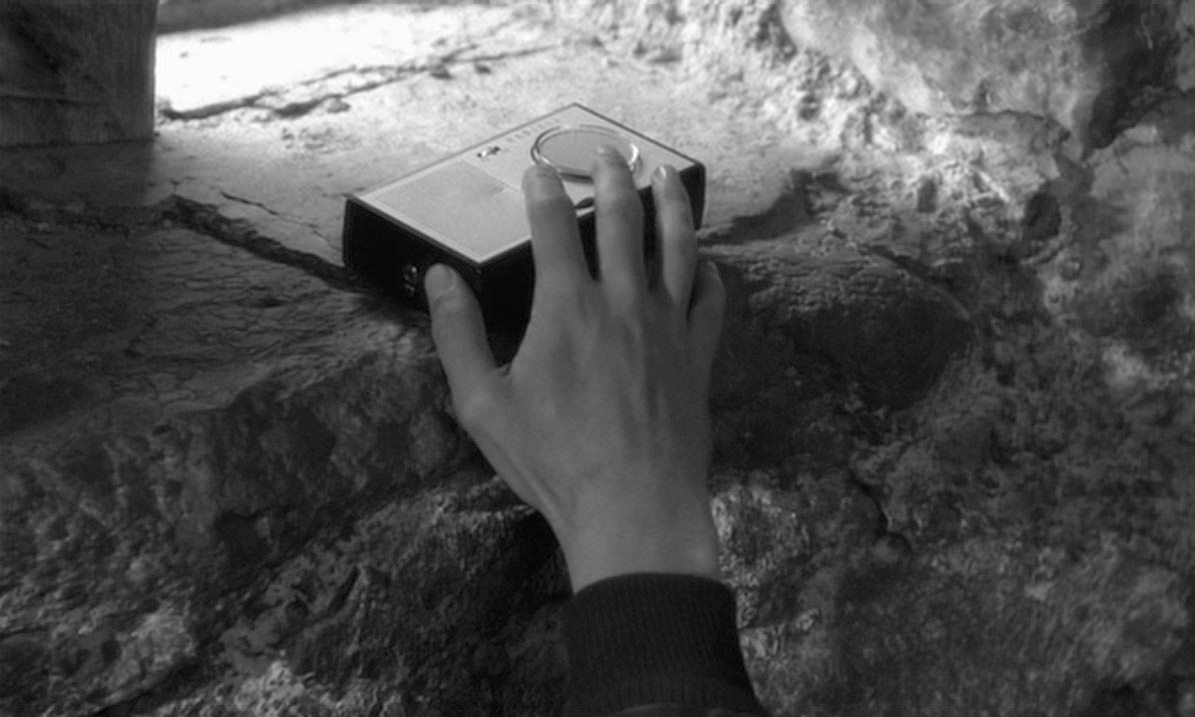
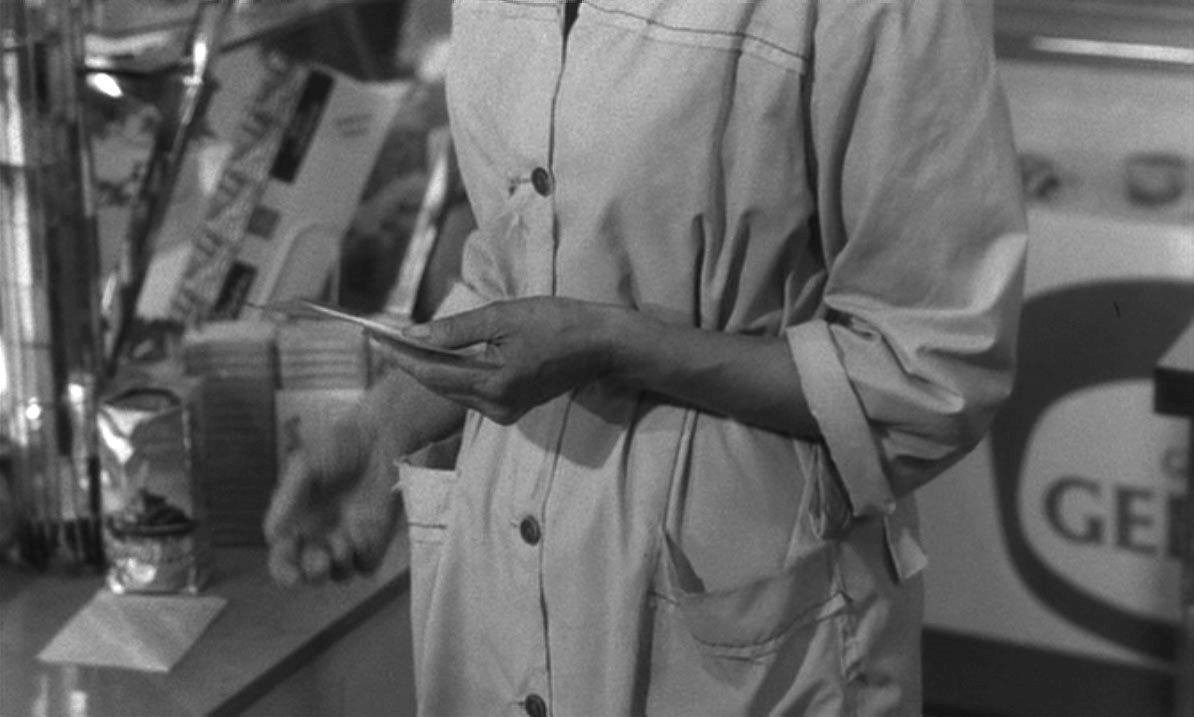
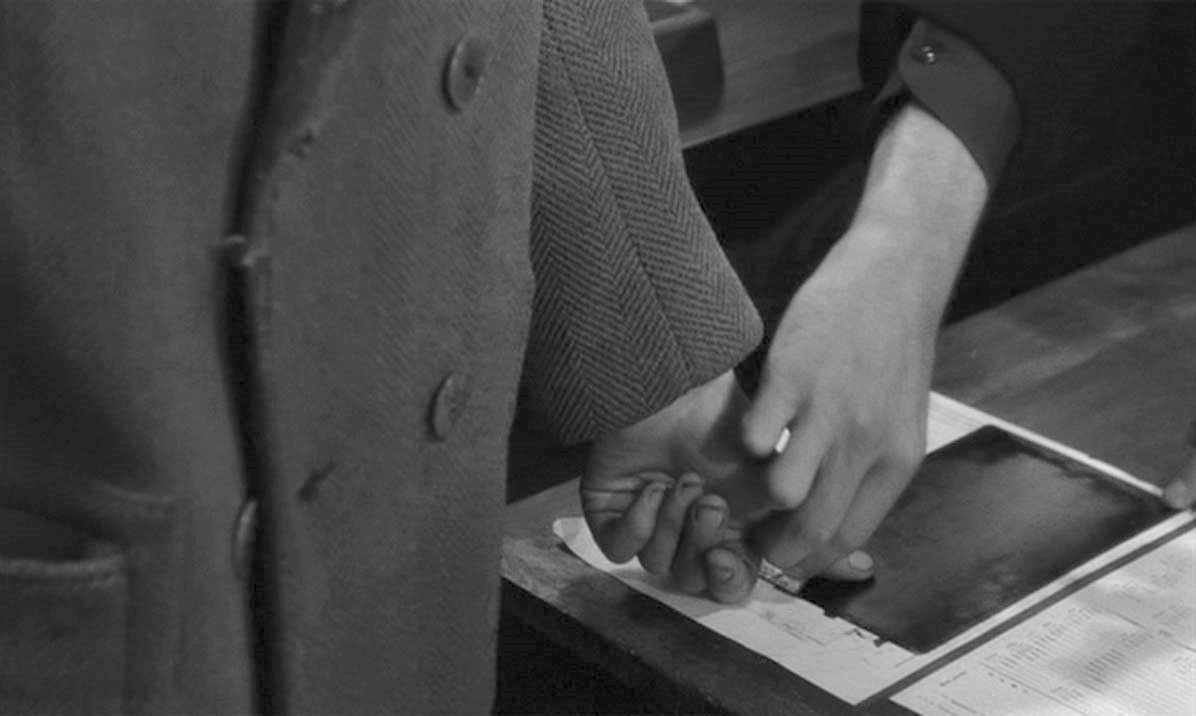
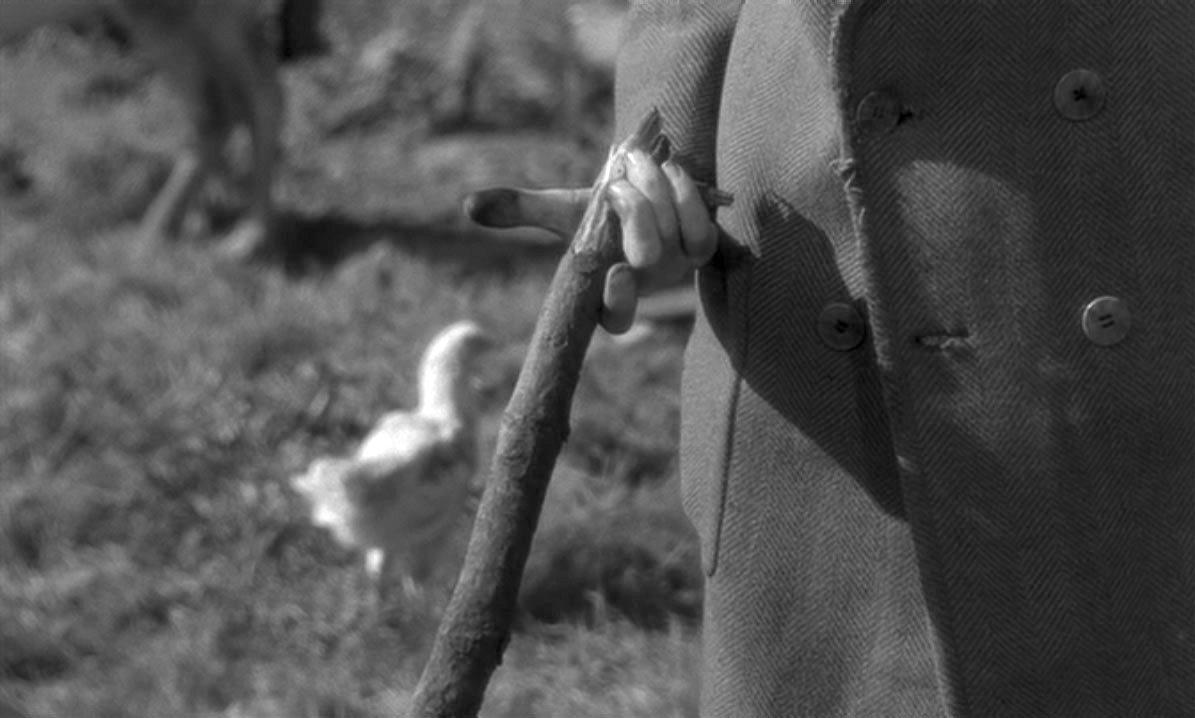
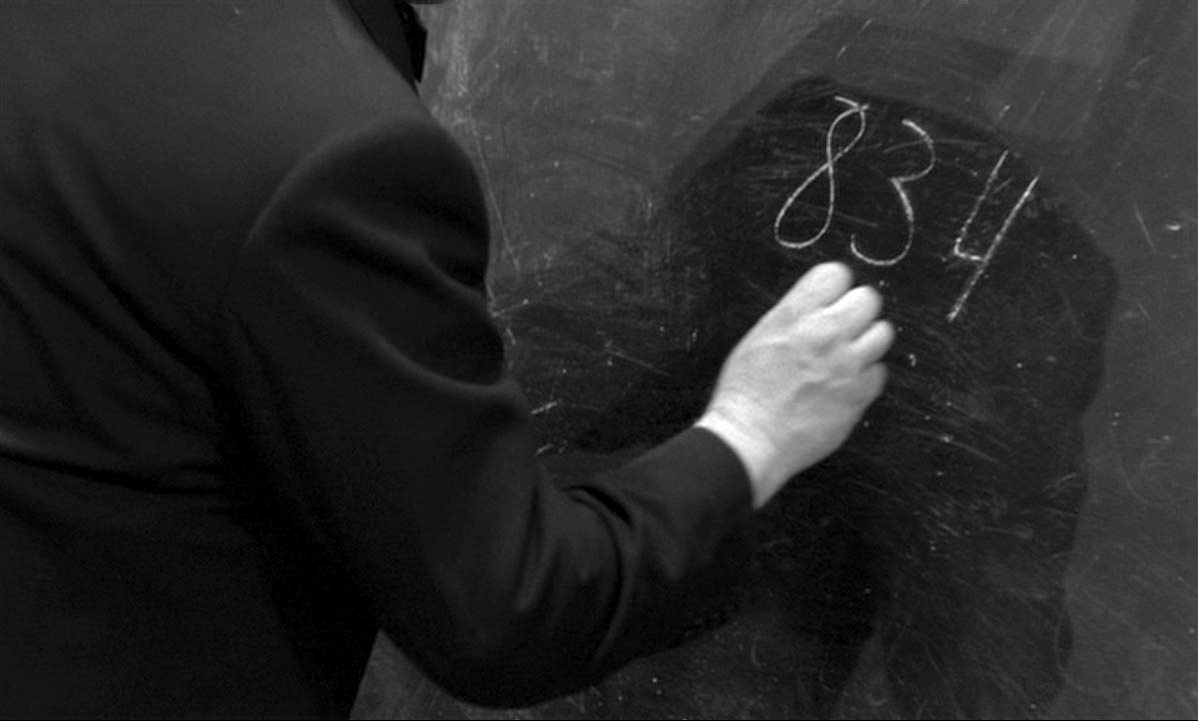
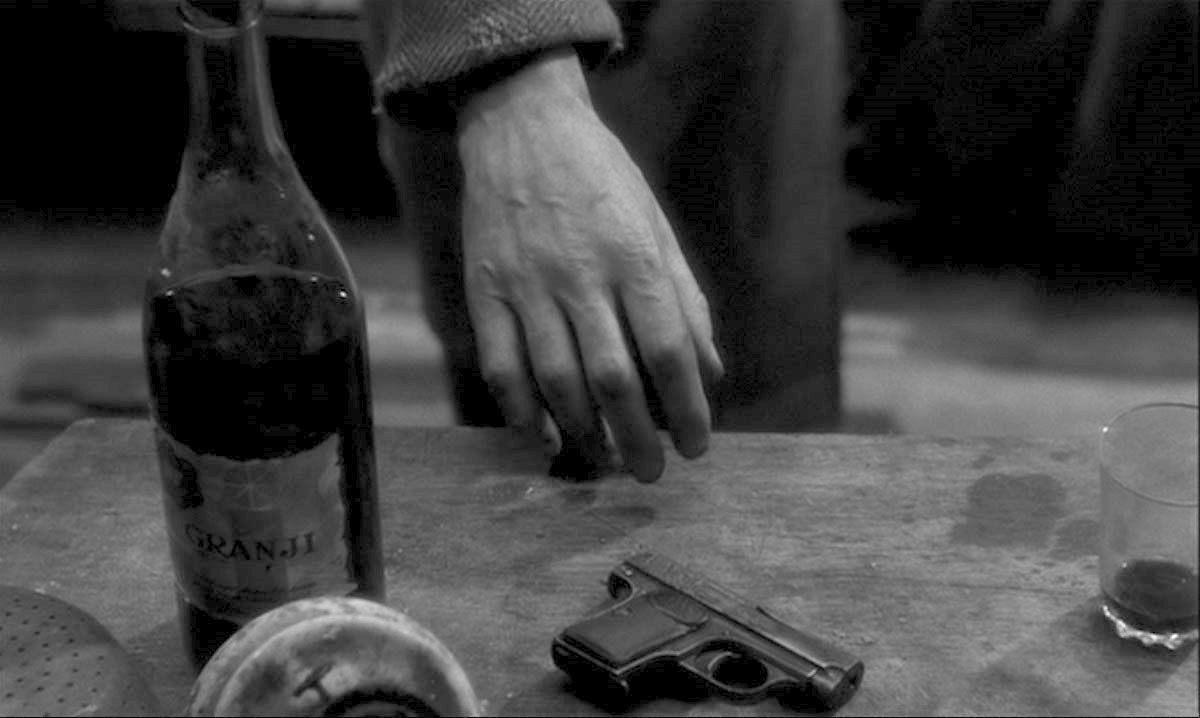
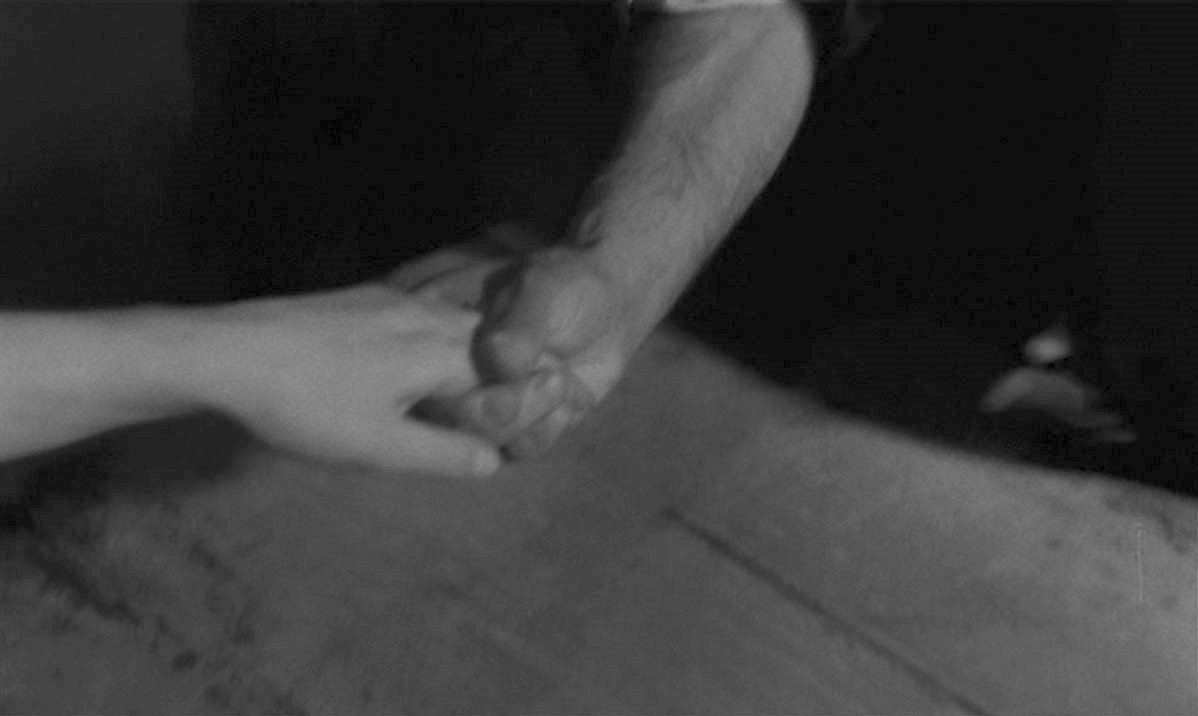
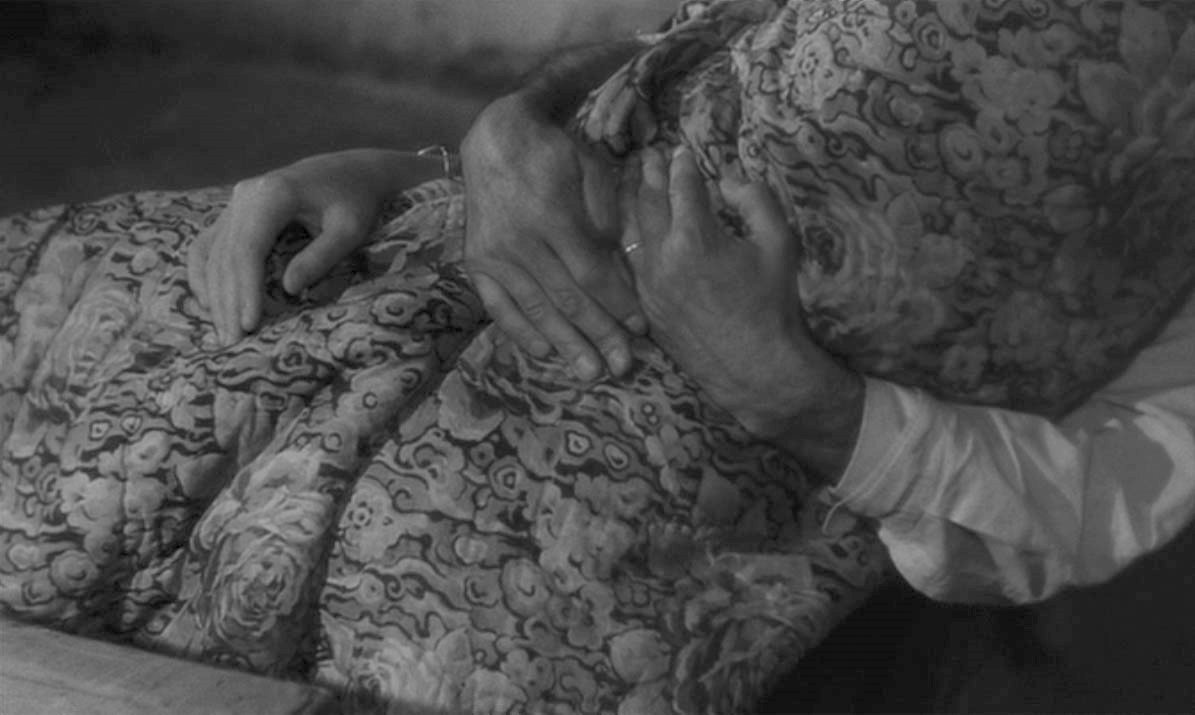
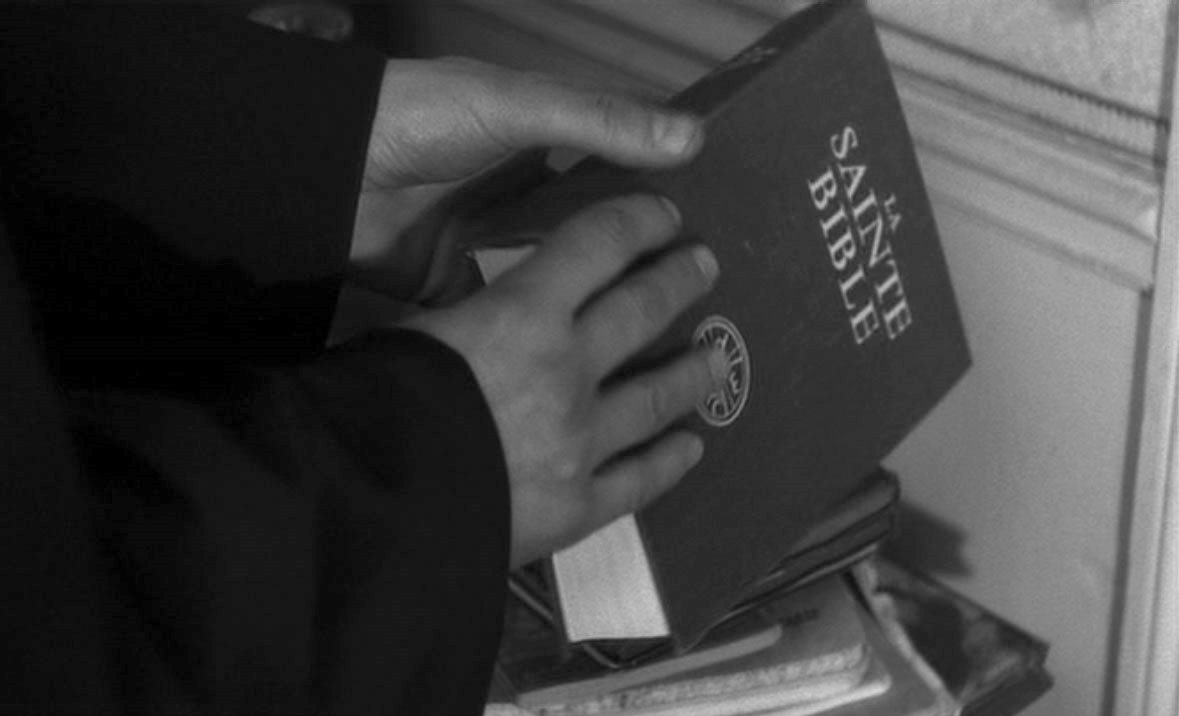
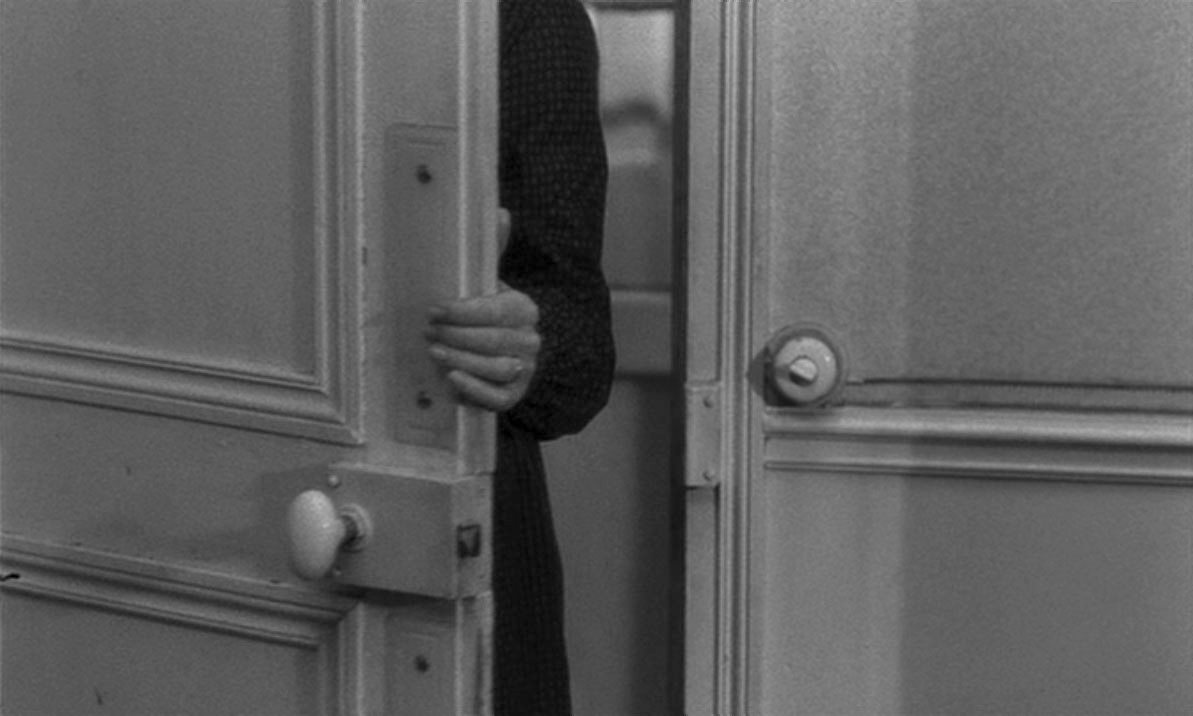
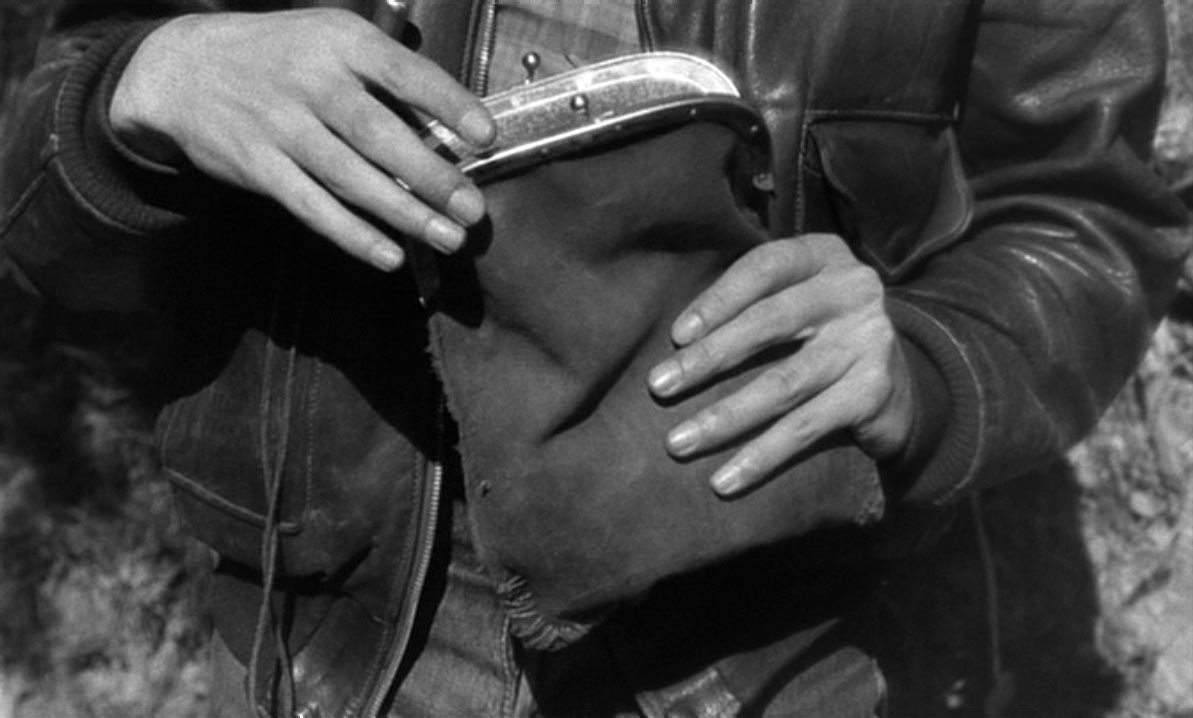
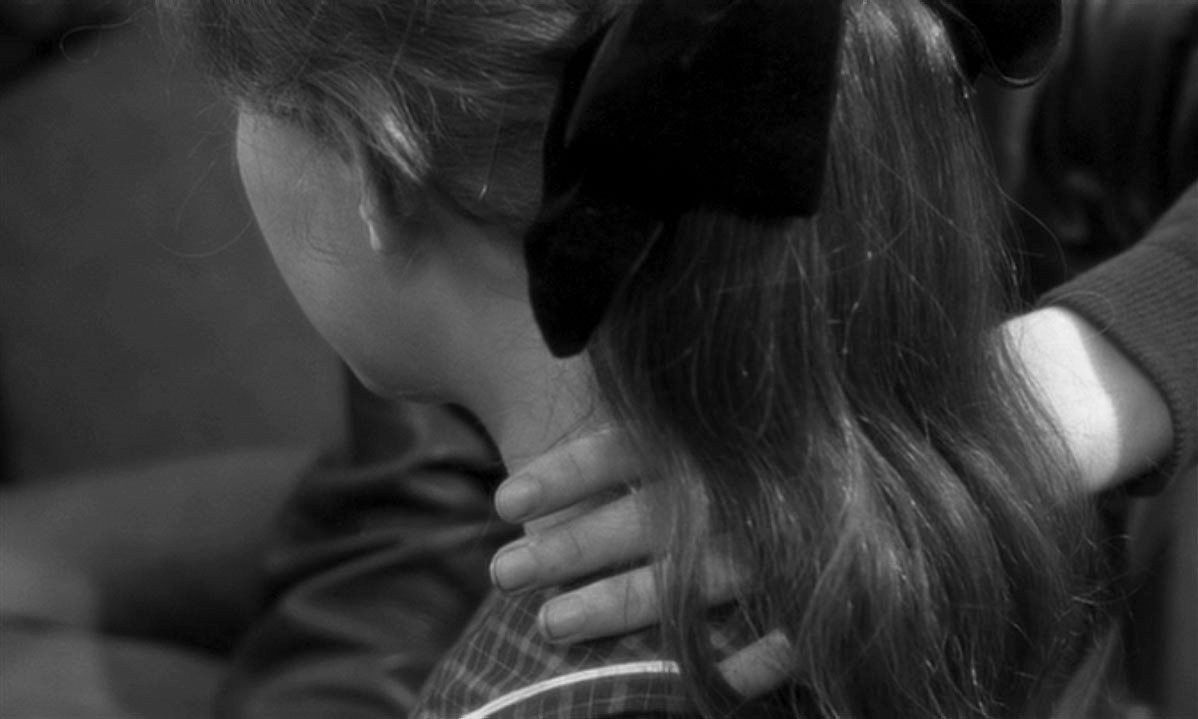
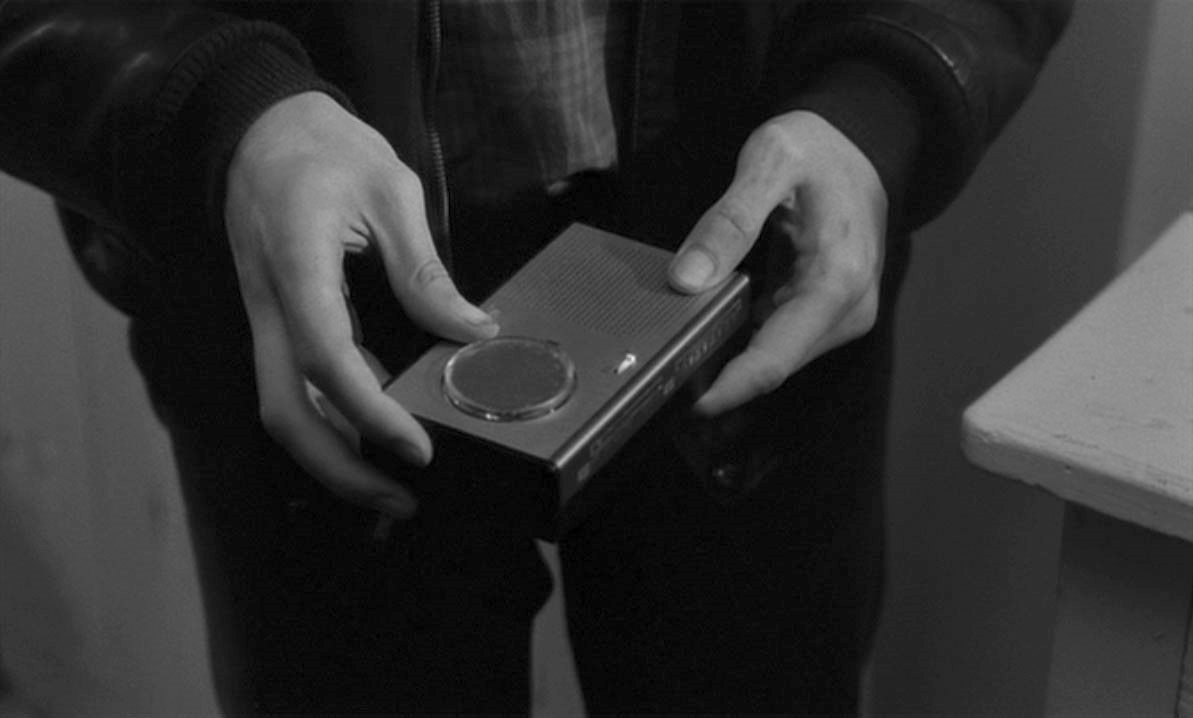
42 images of hands from au hasard Balthazar (1966):


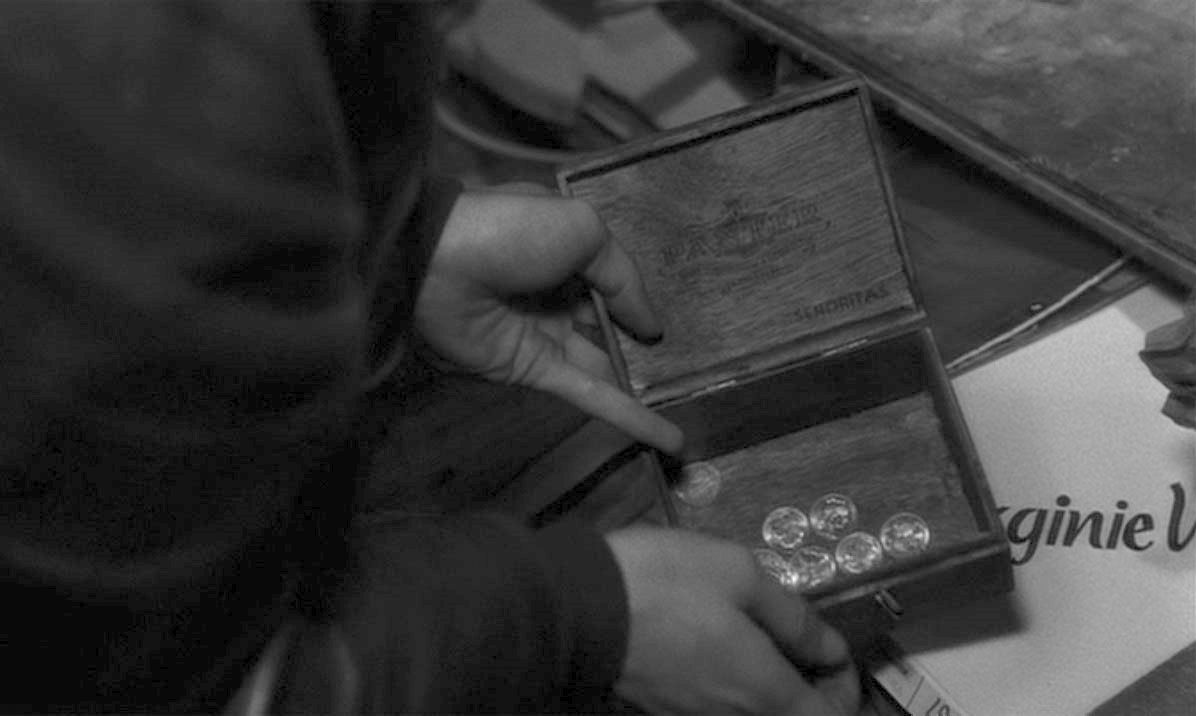
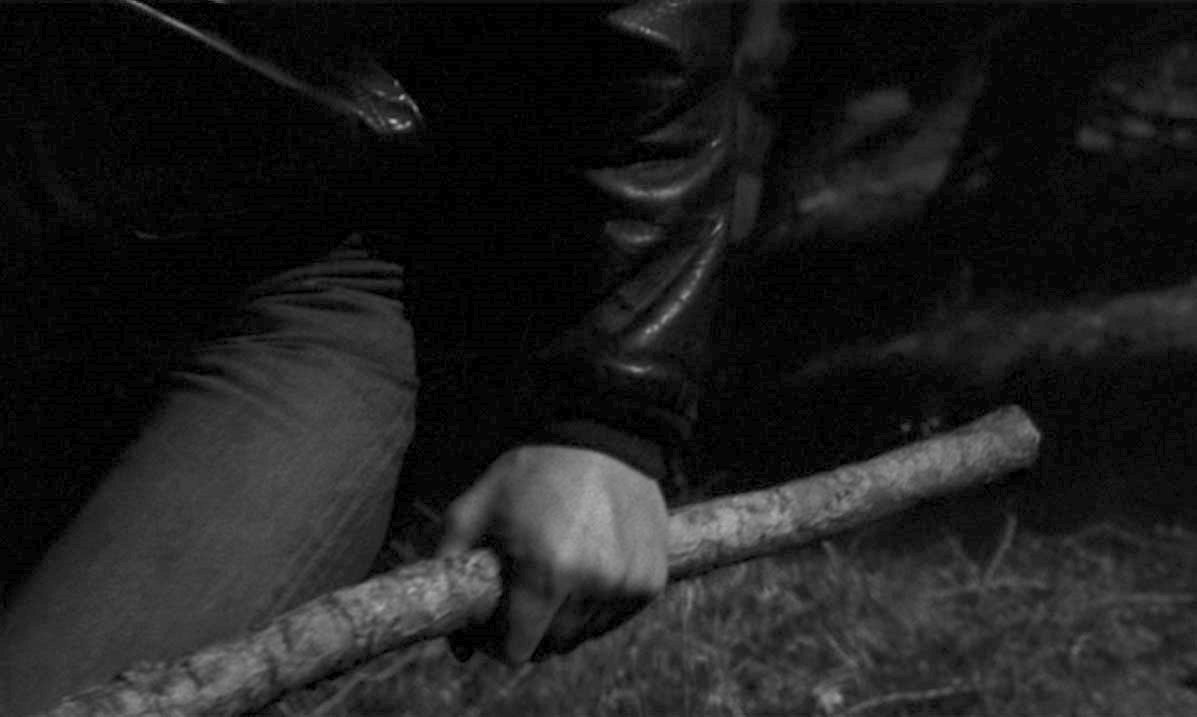
I was so profoundly moved by this film that I didn’t feel I could do any justice with a review. Instead all I could think of was to grab some images and post them above. I found myself over and over being drawn into the narrative through the images of hands. So Bressonian, so fateful.

what is stranger than fiction?


The Father [mellifluously]
Oh sir, you know well that life is full of infinite absurdities,
which, strangely enough, do not even need to appear plausible,
since they are true.
The Manager
What the devil is he talking about?

from: Six Characters in Search of an Author
by Luigi Pirandello (1921)

Harold Crick
This may sound like gibberish to you, but I think I’m in a tragedy.

from: Stranger Than Fiction (2006)

With apologies to those who get tired reading overly long posts, let’s get a little bit theological for a moment. I know I don’t have to ask you if you have ever considered what you would do if you were God (creator god, god of the universe, etc.). I’m sure you have at some point in your life. You have probably thought you would change the world, make it free of war and suffering, take away every tear and heal every wounded heart (I’m giving you/me the benefit of the doubt). And you would be doing good. Maybe, however, you have also considered what you would do if you were truly and completely a creature, that is, one who has a creator, a real being of some sort, not time+matter+chance. As a creature you would be contingent, that is, you would exist only because another being exists. You would breathe because another being gives you breath. You would awake each day because your creator gave you another day. And even your thoughts would be given to you by this creator or yours. Your creator would necessarily reside at a higher order of existence than you. In Medieval terminology, your creator would be more real than you. Compared to all of creation the creator God would be the most real being.

Heady stuff, but those are the kinds of ideas underlying the film Stranger Than Fiction (I am assuming you’ve seen the film), a film that explores the relationship between character and author. This is not a review of the film, but an exploration into its major theme.

When an author writes a novel, that author creates a world, a fictional world, but a world nonetheless. The characters in the novel are not real compared to you and me, but they are real compared to each other. They exist on a different, less real plane of existence than we do, but they are real (I realize this takes some mental gymnastics, but it makes sense, no really). If an author has a character killed in her novel she is not sent to jail, for that character is not real in comparison to us, but if that character has been murdered we readers want justice to be meted out within the context of the story. The author, also, is not beholden to the character. That character cannot legitimately hold the author accountable for anything.

But what if you were that character, and you had the knowledge of being that character, and therefore knew of your creator in some way? Maybe even got to meet your author? How would you feel then?

For centuries now there has been a passage (one of many, in fact) in the Christian New Testament scriptures that has driven Christians crazy. So much so that many (maybe most) Christians probably avoid it altogether. It goes like this:


But who are you, o man, to answer back to God? Will what is molded say to its molder, “Why have you made me thus?” Has the potter no right over the clay, to make out of the same lump one vessel for beauty and another for menial use?

The idea here is that a creator (here it is God, creator of everything) has complete decision-making control over the thing created, without impunity. Out of the same lump of clay a potter can make a beautiful vase for the mantle or a chamber pot for functional use. I do not know if there is a similar concept in other religions or worldviews. I grew up in a Christian tradition, so that’s what I know. Help me out if you know of any others. One thing I do believe is that we all (at least at times) tend to look at God, even if we don’t believe in a god, and deny God’s rule over us – certainly any kind of absolute rule. We sometimes also hold God (even if we don’t believe in a god) accountable for the state of the world, and may find ourselves saying that if we were God we would do things differently.

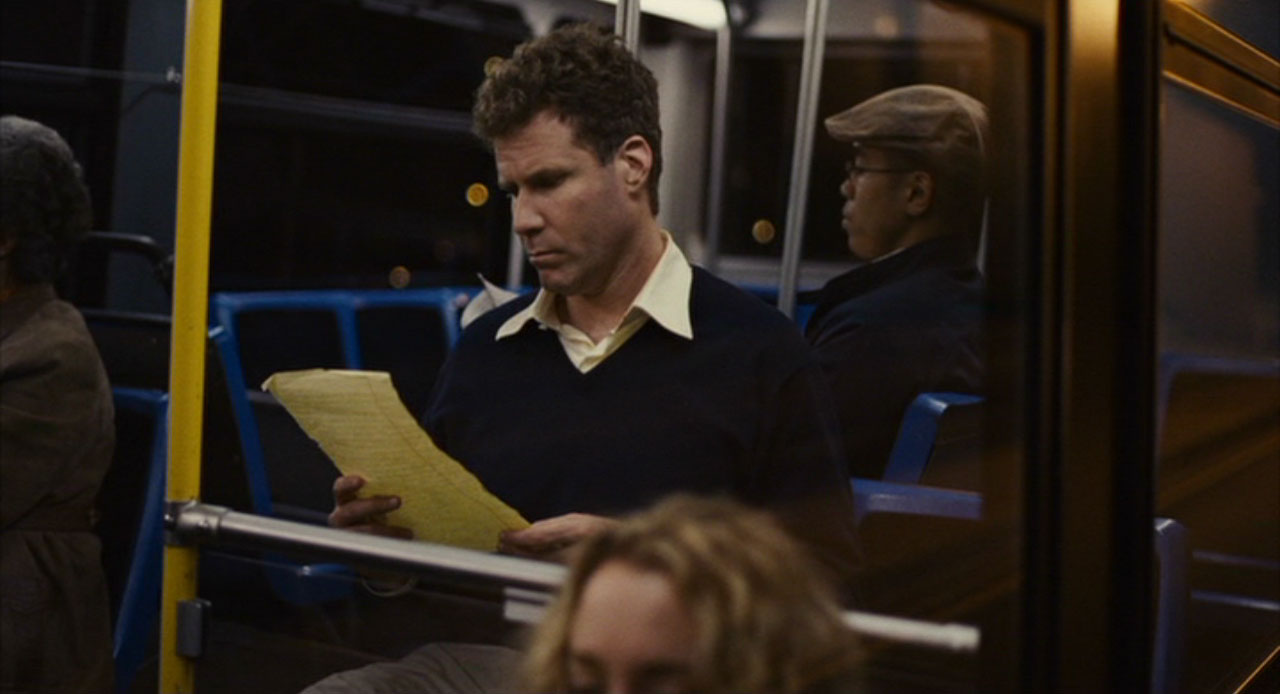
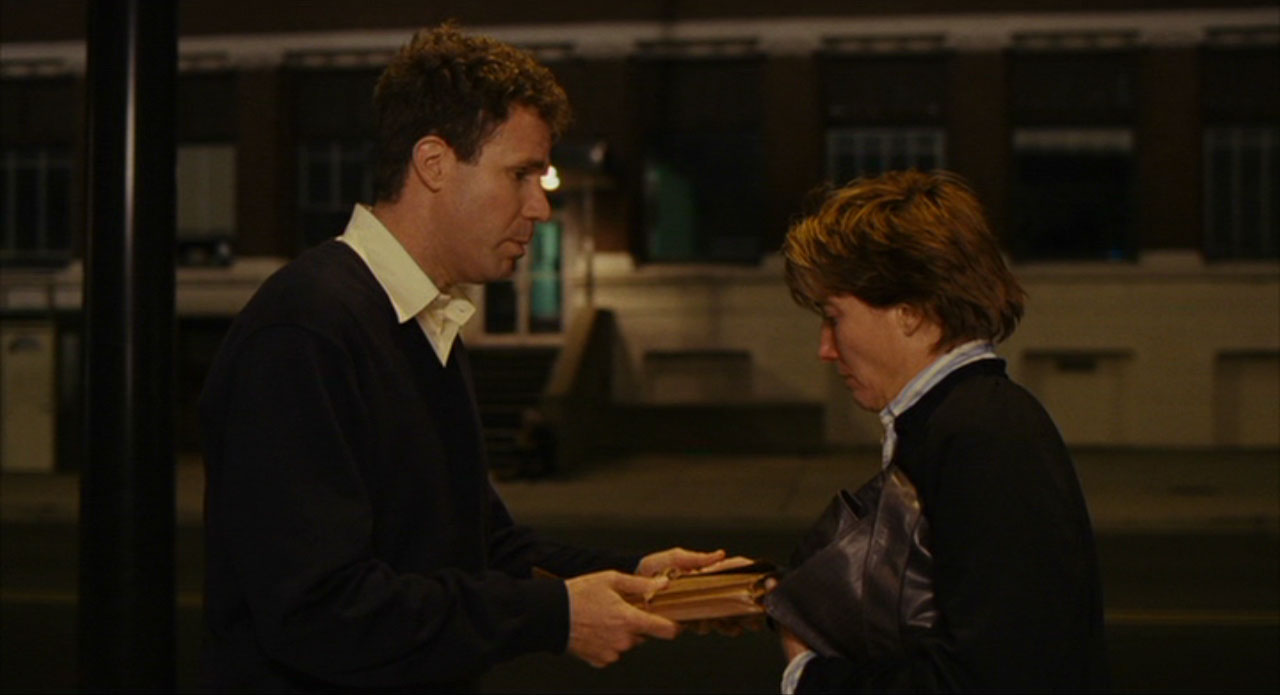
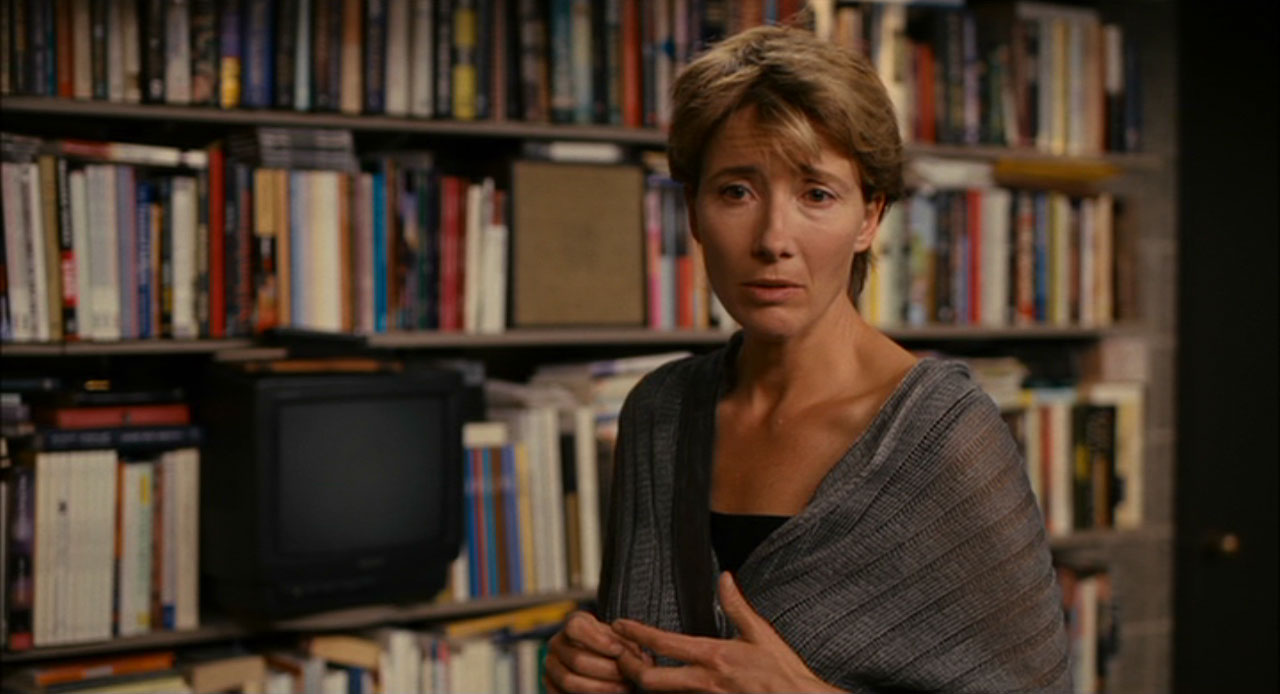
The issue, of course, is sovereignty. Who has ultimate control over your life? You, God, fate, nothing? In Stranger Than Fiction, Harold Crick (Will Ferrell) must come to terms with the fact that he is the literary creation of an author, that his existence is contingent upon the artistic desires of his author, Karen Eiffel (Emma Thompson). Now there are a host of unexplained issues, like how can Crick be a fictitious character interacting with the same world as his creator who should be on a different level of existence, etc., but the film doesn’t care to explain them. (I figure it’s like trying to figure out the implication of time travel in The Terminator films – at a certain point you just let it go.) For the most part, however, the film is not concerned with technicalities, but with the nature of contingency and authorship. The crux of the film comes when Crick finally reads the (his) story which has not yet been finished – the last few pages still handwritten, not yet typed, which would make them final and seal his fate. These last few pages are critical for Crick because they tell of his death. Crick has known he is going to die for part of the film already, and has been trying to avoid that, but now he reads what his author has planned for him and discovers his end.

Discovering the end of the story.

These are internal and sobering moments for Crick. By discovering the end of his story he has a context for his existence, he sees his purpose, his reason for being. Fortunately for him he reads of a noble end – dying saving the life of someone else. (What the film doesn’t explore is the possibility of him dying for not so noble reasons.) He is now no longer in the position of needing to know why he is here and where he is going. In this sense the film is fundamentally existential. The question of his existence is solved for him.

Now he gives the story back to his author, and surprisingly, he says that she should not change anything. In other words, it is the right thing for the story to end the way she has envisioned it, for him to die. She tries to protest, but he insists, and then walks away.

Thy will be done.

I cannot help but think of the moment, on the night before Jesus of Nazareth was killed by the Romans, when Jesus prays in the garden and confronts God the Father in his prayer. Now it would be wrong to make too much of the parallels, but in the story we find Jesus saying to God that he would prefer to not have to die, to not go through with it, but he then says whatever Gods wishes he himself also wishes. He says “Thy will be done.” For Crick, he has come to the conclusion that the story of his life, even if it entails him dying long “before his time” is okay with him. His words to his creator might just have well been, “Thy will be done.”
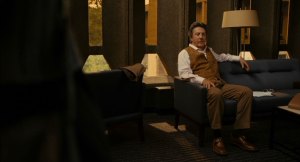

The intellectual doesn’t like it.

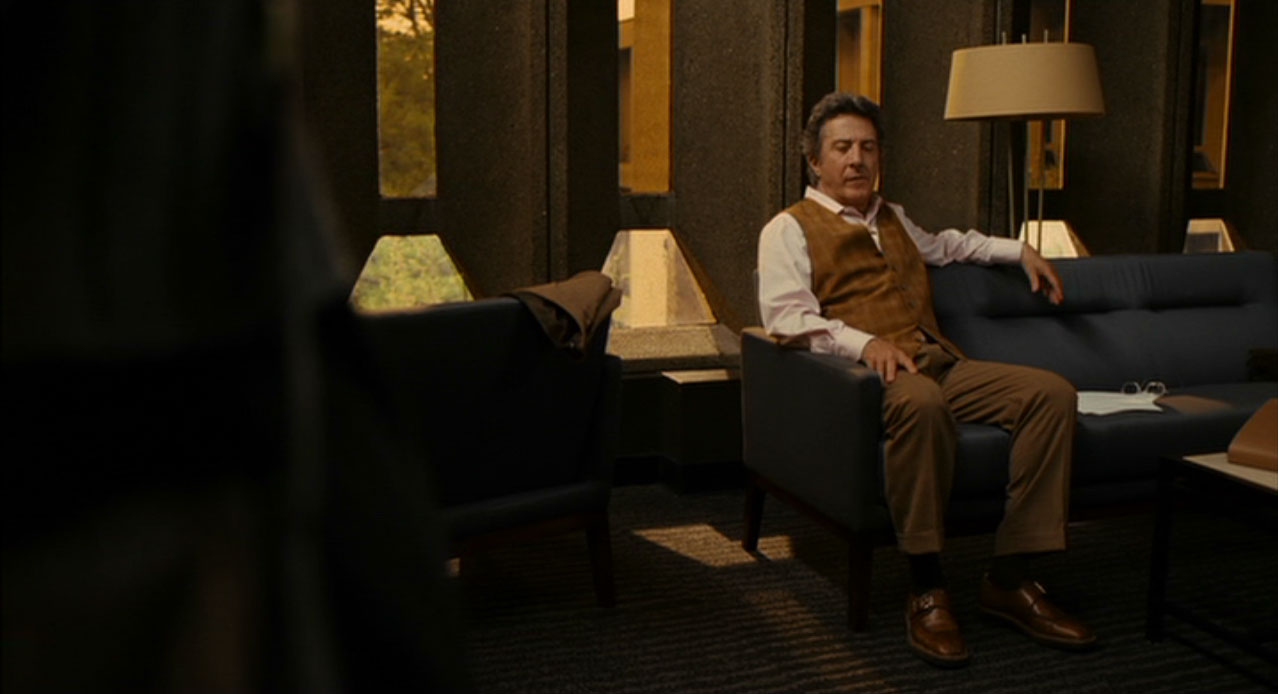
Interestingly, when the book is finished, and we follow Crick through what would have been the last moments of his life, we discover that his author has spared his life. Sure, Crick does save the boy from being hit by the bus, and Crick is then hit by the bus himself, but Crick lives. Badly banged up for sure, but alive nonetheless. Professor Jules Hilbert (Dustin Hoffman) does not like the new ending. He believes Crick’s death would make the book one of the best he has ever read, but now it’s just “okay.” Clearly, Hilbert is in a position to question the artistic choices of Eiffel, for he is an expert, a professor of literature. In some ways Hilbert stands for the tendency in all of us to look at the world and question the creator’s decisions.
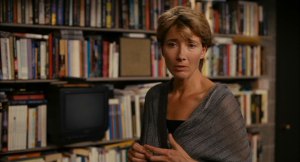

“I mean, isn’t that the type of man you want to keep alive?”

When Hilbert asked why Eiffel changed the ending and kept Crick alive, she responds:

“Because it’s a book about a man who doesn’t know he’s about to die. And then dies. But if a man does know he’s about to die and dies anyway. Dies- dies willingly, knowing that he could stop it, then- I mean, isn’t that the type of man who you want to keep alive?”

Here we have the key line of the film. Crick’s destiny is changed because of a truly selfless act. He willingly laid down his life because he saw the true good of doing so. He sacrificed himself for the salvation of someone else, and because he knew that was what it was all about, that that was the telos of his life, he decided to choose what was good, not what was merely convenient for him. And then, because he was willing to be such a person his creator spares his life.

Harold Crick was a man in search of his author. Finding his author gave him the opportunity to know a little more about what his life was all about, He then had to choose whether to accept or reject his fate, to trust or reject his creator. Regardless, his fate was inevitably in the hands of his creator. He chose to accept it, not out of resignation, but out of the realization that his death was a good thing, really that his life had a purpose, was existentially valuable. He had a profound change of heart. And then he discovered that by accepting his fate he saved his life after all.

There are many accounts of human beings pleading with God. One such event was when God came to Moses and said he was so angry at the Israelites for turning their backs on him that he was going to destroy them all and start all over with Moses. Moses pleads with God to spare the Israelites and God does. But we also have the story above of Jesus pleading with God for another way and God does not spare him. It’s not about finding the right formula to effectively twist God’s arm to get what one wants. It’s about a true change of heart, a deep fundamental change at the core of one’s being, and then taking whatever comes. One may not be “happy” with what comes, but one might, just might find some level of contentment, as does Harold Crick.

What the film implies, but does not make explicit, is that for all his anxiety, Harold Crick is blessed. For most people the hardships and struggles of life come without explanation. We experience tragedy, or see others do so, without knowing what it is all about or if there is any purpose behind it. Crick gets to see his purpose. And when he does it makes sense to him, maybe not complete sense, but his life is not meaningless absurdity. This does not mean he is happy about it, but sometimes just knowing what it’s all about is all one needs. In fact, that might be what everyone desires after all – just to know what it’s all about.

I suppose that at some point all of us are faced with believing or not believing in a god. I grew up in a Christian tradition and have always believed in God. My theology has changed over the years (I’ll spare you the details), but I have always believed there is a purpose underlying my existence (and everyone else’s). This belief, though, has not made life easier for me. On the contrary, it has often made life harder, but better as well.
>a couple thoughts on poetry & cinema

>I have a fondness for poetry. I used to read it a great deal, even reading collections of poems much like I read novels, beginning at the front of the book and plowing through to the last page, although my version of plowing is rather slow going most of the time. A couple of my favorite collections are Selected Poems 1966-1987 by Seamus Heaney and The Collected Poems by Czeslaw Milosz. Maybe what draws me most to a given poem is much the same thing that draws me to a great film or photograph.

Cinema can have a poetic quality, tapping into a part of one’s brain and calling forth certain emotions or ideas that don’t typically emerge in the normal course of the day. Some filmmakers naturally get tagged with the “poetic” label, for example Tarkovsky. But I would contend that we find elements of the poetic in cinema in many films, even if only for a few moments here and there.

I like to think of poetry as being the art of the unsayable (among other things). In other words, whatever it is about poetry, it taps into and expresses something that cannot be expressed directly, or denotated with words, but can only be hinted at, suggested, or connotated. In the same way cinema has the ability to connote, to suggest, to hint at. I am drawn to that quality of cinema, to those moments within films that, while transitioning us from one plot point to the next, take the time to elicit from within us something unsayable but real.

I have to say that this post came about by my re-reading an old poem of mine that someone once told me has certain “cinematic qualities” – whatever that means.

independence day

a simple breeze brings
the scent of summer fields
below a starless sky.
along the country highway
the night is cooling comfortably.
I walk in the dry grass
toward the lights.

I move quietly through the crowd;
weird, immobile, sentinel,
like reeds in a frozen lake
gathered in subjective silence.

I can feel myself
beginning to move in slow-motion,
almost floating, almost absent;
my body and mind slowly separating
like the tide receding from the shore.

what remains of the two cars
is a sculpture of brutality;
a performance piece of abject fury
staged without intention or wit,
a muricated death posing for no one,
visceral and empty.

I can see myself observing the accident
as though I’m hovering overhead.
my mind remains transfixed,
like the raised hand of the hypnotized.
there is the bloody head,
the motionless body.
(I am taking notes)
there is the twisted coffin
the thumping of a compressor,
an infant crying.

my body keeps moving around the vehicles;
spotlights casting ghostly silhouettes,
paramedics waiting for the
mangled door to be pried away,
and vapor floating skyward
like spirits escaping.

there are more people now
and Maricel has found me.
we see the crooked form
loaded on the gurney,
crippled legs illuminated
in a multicolored glow,
accompanied by the wails
of distant sirens,
and police radios,
and diesel fumes.

there is little we can say.
it is getting late
so we take another road home.
in bed I cannot sleep,
my mind is elsewhere.

the morning paper will say,
‘youths fall asleep at wheel
just miles from home.’
others will say ‘tragic,’
and still others will ask,
‘how can this happen?’
and I? sinner among sinners,
I am thinking of poetry.

– July, 1998

>for me, more like ocean’s three

>

I have been out of pocket this week at my employer’s annual Americas (N. & S.) sales conference, so blogging has had to take a back seat. Even so I do have a couple (or so) of film-related moments.

This year we are where we were last year, at The Venetian, in Las Vegas. The other night a few of us walked down the strip to the The Bellagio for some steak at Prime Steakhouse. I could see the famous fountains outside the window, but did not get outside to see them up close. That’s my first film reference for this post – of course to Ocean’s Eleven. Unfortunately, even though I bought a new phone that has a camera built into it, I forgot to take any pictures of the fountains, hence the web-grab image above. (btw, the rare fillet mingon with a bearnaise sauce was exquisite! Much better even than the excellent steak frites I had the day before at Bouchon – which has become one of my fave eateries.)

Also, Chris Gardner spoke to our sales team (about 2,000+ headcount), which was kinda cool. Just in case you didn’t make the connection, he wrote the book that became the film The Pursuit of Happyness. Now I have to say that his story is remarkable and inspiring, and his message is a good one. But I also have to say that I found him rather full of himself and in need of making sure we knew about his successes (like just how many copies his book sold, etc.). I would rather have had Will Smith as our guest speaker, but I did enjoy Chris Gardner. Again, I forgot to get any pics. Anyway, that’s my other film reference for this post.


Also, we have had the comedian Jake Johannsen as comedy relief during the general sessions at the conference. He is rather funny guy – been on Letterman a few times. And don’t forget, he played a drug dealer in Loaded Weapon 1 (1993). So that’s another lesser movie reference. Again, no pictures. I really haven’t figured out the fact that I’m carrying around a camera with me.

Finally, I have to say that I am not impressed with Las Vegas. This is my second time here and I find the place fake, dirty, and very boring. Maybe it’s a fine setting for a film or a music video. But, then again, probably most people who truly love Vegas would not find watching a film by Angelopoulos or Buñuel to be anything other than boring. I guess there’s something for everyone in this world. I am also surprised by how many young couples with little kids and babies are here, even in smoke filled rooms with their kids. And, just in case you needed to know, I’m a very efficient loser at the slots. Bye now.

>Happy Easter!

>


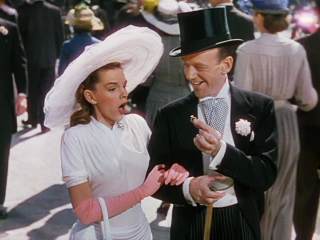
Okay, Easter Parade (1948) is a corny reference point, but this is a film(ish) blog mostly, so I figured…

Anyway, I hope you all have a great day, and if your celebrating, a wonderful Easter!

>little boats & troubled dreams

>I am drawn to mystery.


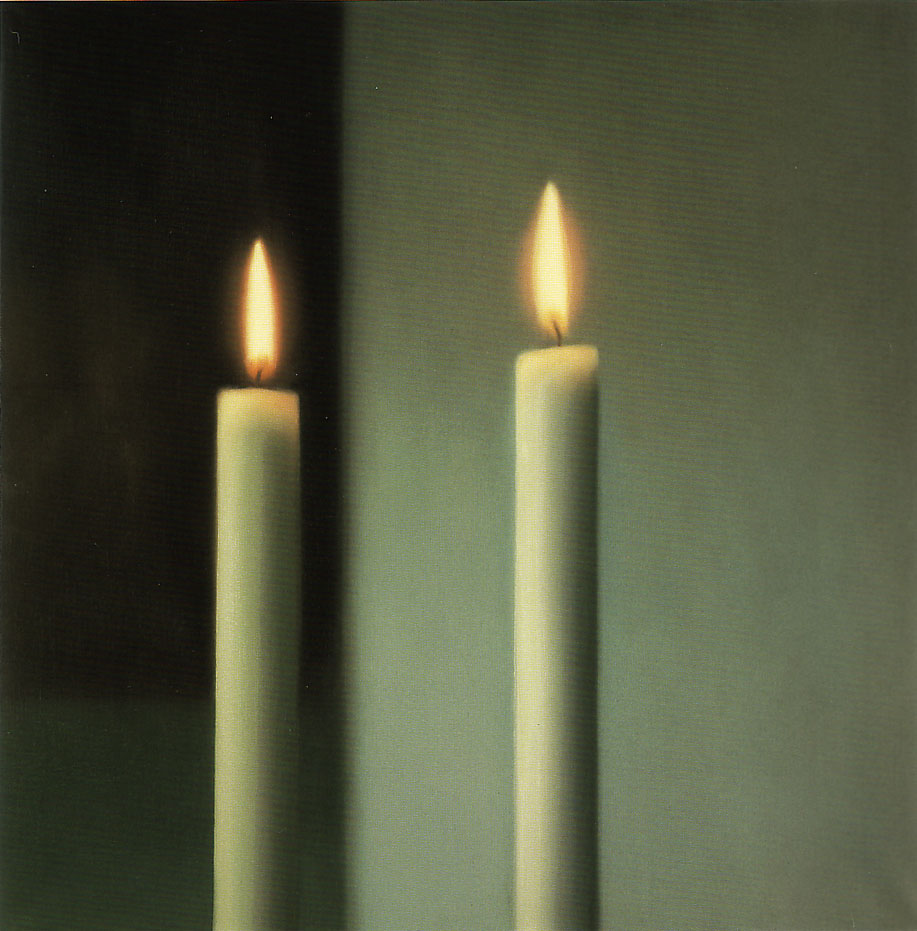
Gerhard Richter Two Candles 1982 Oil on canvas
55 1/8″ x 55 1/8″ (140 x 140 cm) Private collection

I have often wondered what it is about films that I love so much, and what it is that draws me towards particular films. I believe that the kinds of films one seeks out and enjoys is directly related to why one watches films in the first place. In other words, for some watching films has everything to do with lighthearted, end-of-the-day escapism. For others it may be a kind of testosterone drug fix. And for others it might be some kind of romantic battery re-charging. And, of course, for most of us it is a combination of many reasons. But I have to say that over and over I find myself seeking certain kinds of films and certain kinds of films experiences. Much of the time these experiences, at least the ones that stay with me long after the immediate viewing is over, are what I might call earthily transcendent, or sublime. Another way of saying it might be the more one digs into the realities of life, death, love, and suffering, the more one keeps coming up against mystery. This mystery is not a Gnostic sort of knowledge only for a select few, only for those with the “secret knowledge,” rather the mystery is there for everyone to experience and contemplate; it is fundamentally human.

Some might say this mystery is the experience of getting a kind of translucent glimpse of the hand of God creating everything, including us, moment by moment. Others might say it is the place where the limits of reason and emotion converge at a kind of metaphysical precipice. Or it could be the place where one has the feeling of overshooting one’s rationality only to discover rationality is a bigger thing than one previously imagined. And maybe, finally, the goal is about arriving where one started and knowing that place as though for the first time.


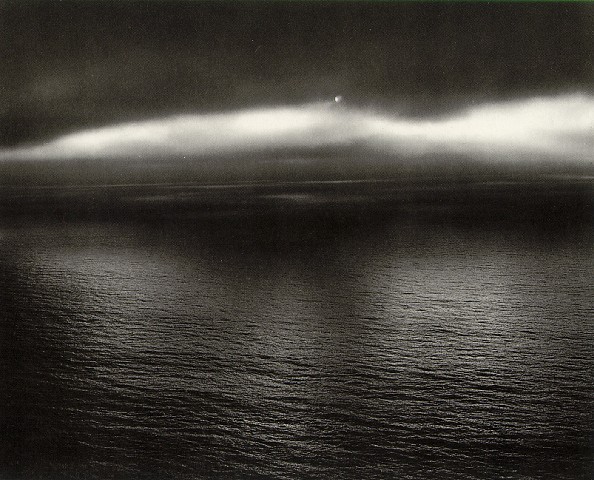
What fascinates me is the ability of artforms, in particular cinema, but also poetry, photography, music, etc., to evoke mystery. Some examples for me include the painting by Gerhard Richter at the beginning of this post and the photograph below by Minor White. But there really are countless examples. Why is it that certain images can bring about deep, almost indescribable emotions from within my soul?
Minor White Pacific, Devil’s Slide, California 1947

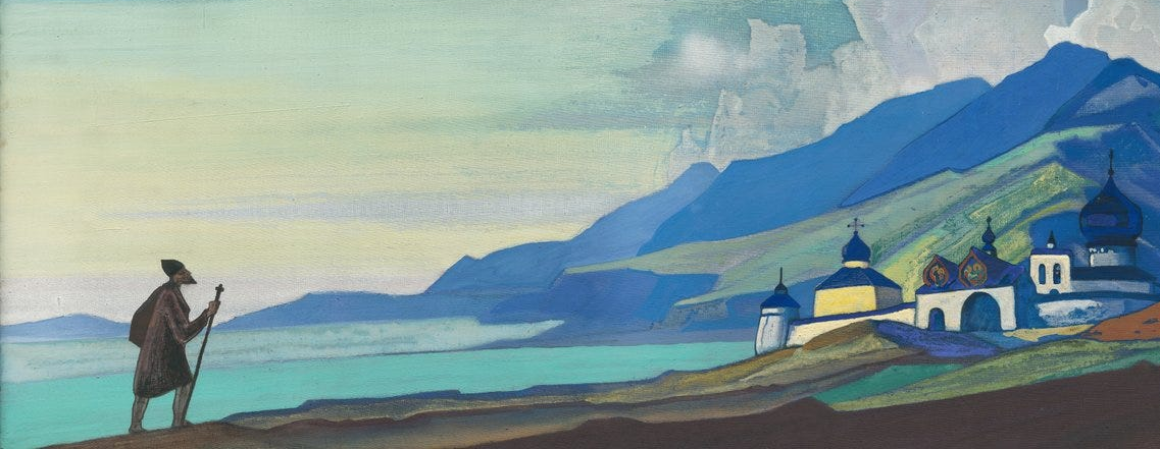
In my opinion a great example of a film that does this for/to me is Tarkovsky’s Andrey Rublyov (1969). There are so many powerful images from that film, and so many moments that produce powerful feelings that I will just encourage watching or re-watching the film. This post is not a review of Rublyov. My point is to say that art works can evoke strong feelings of mystery that seem to point to more important aspects of human existence, but do so via a kind of internal mystery, a mystery inherent within art itself. Again, that mysteriousness one finds in certain films is one of the powerful cinematic draws for me.

I am troubled, I must say, at trying to explain this sense of mystery in art. I have come to believe, however, that maybe it arise from the tension between life and death, and the reality that life comes from death. In art we often refer to beauty. But what is beauty and does it have a place anymore in art? As a kind of doorway to an answer, I like this quote from an interview with Andrei Tarkovsky about his, as then yet to be made, film Andrey Rublyov:

I am not going to say anything directly about the bond between art and people, this is obvious in general and, I hope, it’s obvious in the screenplay. I would only like to examine the nature of beauty, make the viewer aware that beauty grows from tragedy, misfortune, like from a seed. My film certainly will not be a story about the beautiful and somewhat patriarchal Rus, my wish is to show how it was possible that the bright, astonishing art appeared as a “continuation” of the nightmares of slavery, ignorance, illiteracy. I’d like to find these mutual dependencies, to follow birth of this art and only under those circumstances I’d consider the film a success. (from Nostalghia.com)

Maybe it is only through suffering that mystery in or through art appears. I don’t know.
If I could point to an artwork that, at least for me, offers one of the best examples of the mystery of art, the feeling of mystery in the receiver of that art work, and also describes the feeling of overshooting one’s rationality or coming into contact with some kind of cosmic mystery, it would be from a tiny section from William Wordsworth’s great autobiographical poem, The Prelude. The first time I read this section I was floored. I continue to be floored each time I read it, but I also recognize that my response is a personal one. And so will be yours.

One summer evening (led by her) I found
A little boat tied to a willow tree
Within a rocky cave, its usual home.
Straight I unloosed her chain, and stepping in
Pushed from the shore. It was an act of stealth
And troubled pleasure, nor without the voice
Of mountain-echoes did my boat move on;
Leaving behind her still, on either side,
Small circles glittering idly in the moon,
Until they melted all into one track
Of sparkling light. But now, like one who rows,
Proud of his skill, to reach a chosen point
With an unswerving line, I fixed my view
Upon the summit of a craggy ridge,
The horizon’s utmost boundary; far above
Was nothing but the stars and the grey sky.
She was an elfin pinnace; lustily
I dipped my oars into the silent lake,
And, as I rose upon the stroke, my boat
Went heaving through the water like a swan;
When, from behind that craggy steep till then
The horizon’s bound, a huge peak, black and huge,
As if with voluntary power instinct,
Upreared its head. I struck and struck again,
And growing still in stature the grim shape
Towered up between me and the stars, and still,
For so it seemed, with purpose of its own
And measured motion like a living thing,
Strode after me. With trembling oars I turned,
And through the silent water stole my way
Back to the covert of the willow tree;
There in her mooring-place I left my bark,–
And through the meadows homeward went, in grave
And serious mood; but after I had seen
That spectacle, for many days, my brain
Worked with a dim and undetermined sense
Of unknown modes of being; o’er my thoughts
There hung a darkness, call it solitude
Or blank desertion. No familiar shapes
Remained, no pleasant images of trees,
Of sea or sky, no colours of green fields;
But huge and mighty forms, that do not live
Like living men, moved slowly through the mind
By day, and were a trouble to my dreams.
from The Prelude
William Wordsworth
first published in 1850

I can think of no better way to express why it is I am drawn towards some kinds of films more than others, why it is I love the mystery of art, and why it is I come away from some films with the film still burning in my soul.

A personal response to Children of Men

Another movie night with the family. So, every time a dog barked in the film, which seemed to happen frequently, our dog barked, and the baby, our baby, had a hard time getting to sleep and kept crying. That was part of my experience in watching Children of Men (2006) for the first time the other night. I keep running into people who either have seen the film or have been planning to see the film and just haven’t got around to doing so. I think that is true of many “must see” films. People often intend to see them but don’t do so for a long time. Maybe it’s the felt pressure of knowing one is going to see an “important” film that such films get temporarily pushed aside for lighter fair. My wife rented it and, although I had planned on finishing Viridania (1961), we watched Children of Men. Anyway, I finally saw the film and I liked it very much, although I was not “blown away” as I thought I might be.

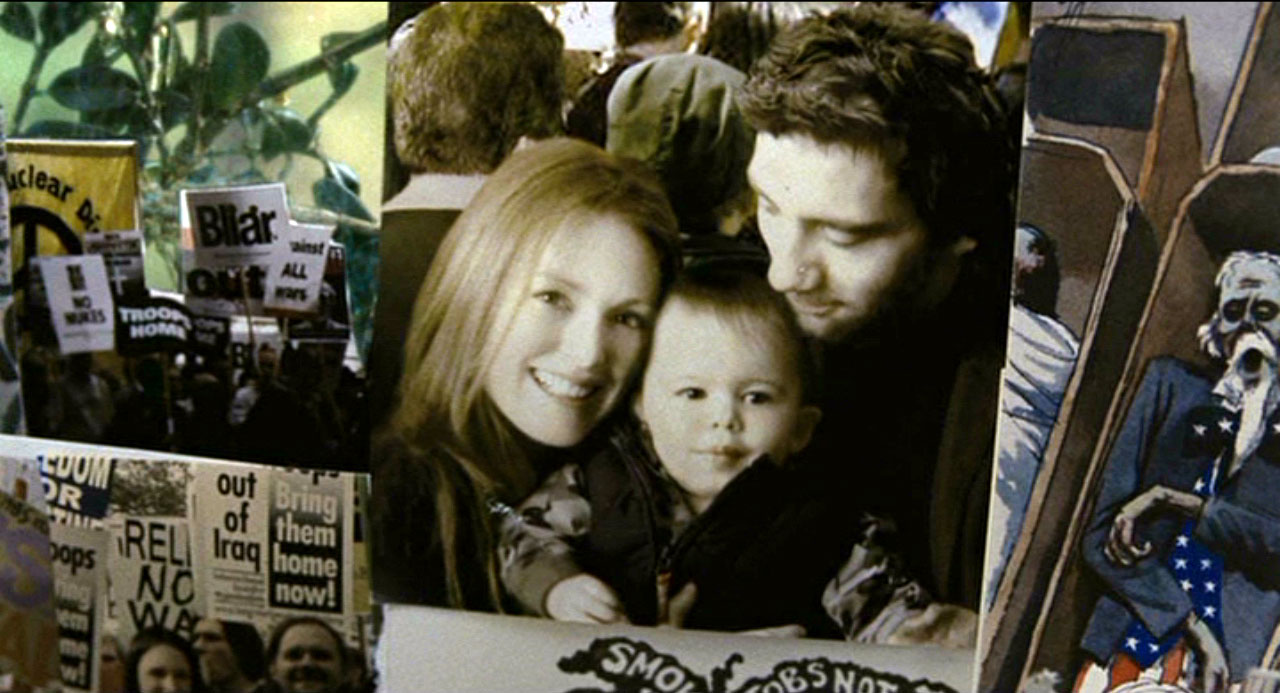
Rather than a review I want to make a couple of observations. The first has to do with fascism. I am inclined to think Children of Men has less to do with science fiction or infertility than it has to do with the human heart and humankind’s tendency towards fascism in the face of dire social conditions. The story in the film takes place in the future, but there are visual references to our own time and then to another darker period in our not too distant past. In a very visual and layered film, such as Children of Men, one often finds many interesting juxtapositions and subtle references. That is certainly the case here. Take for example this image:

Here we have the final image of a series of images that has told us a fair amount of backstory, especially regarding Jasper Palmer’s (Michael Caine) past as a political cartoonist, and the torture (by the British government) of his war photographer wife, who is now catatonic. The camera has been panning across these visual nuggets as the camera did in Rear Window showing us who Jimmy Stewart’s character was. But with this image we now see something of Theo Faron’s (Clive Owen) past life – namely his wife and child. But notice the references to Tony Blair and to the protesting of the Iraq war. One wonders if Alfonso Cuarón is intending for us to make a connection with the world we live in now, including the choices of our governments, and this grim world of the future. I cannot help but think that is the case.

Next consider this image:

Here our hero, and somewhere ahead the woman Kee with her miracle baby, are being herded towards the Bexhill refugee internment camp. Notice the sign above Owen’s head. It reads Homeland Security. I believe this reference is not a cheeky wink wink to the audience, but a chilling statement (in the context of the film) on what the present U.S. (I don’t know if there is a British equivalent) version of Homeland Security fundamentally is based on and where it will logically lead. I remember when the name “Homeland Security” was first rolled out publicly. My first thought was, “Doesn’t that sound a little too close to ‘fatherland’? And wasn’t that a favorite invocation made by Hitler and his cronies?” My second thought was a sinking feeling in my gut. But again, I digress.

I must say that none of this information is hidden within the film. It is designed to be noticed. I am also not the first person to comment on these things. (see the Children of Men link above)

Then consider this image:

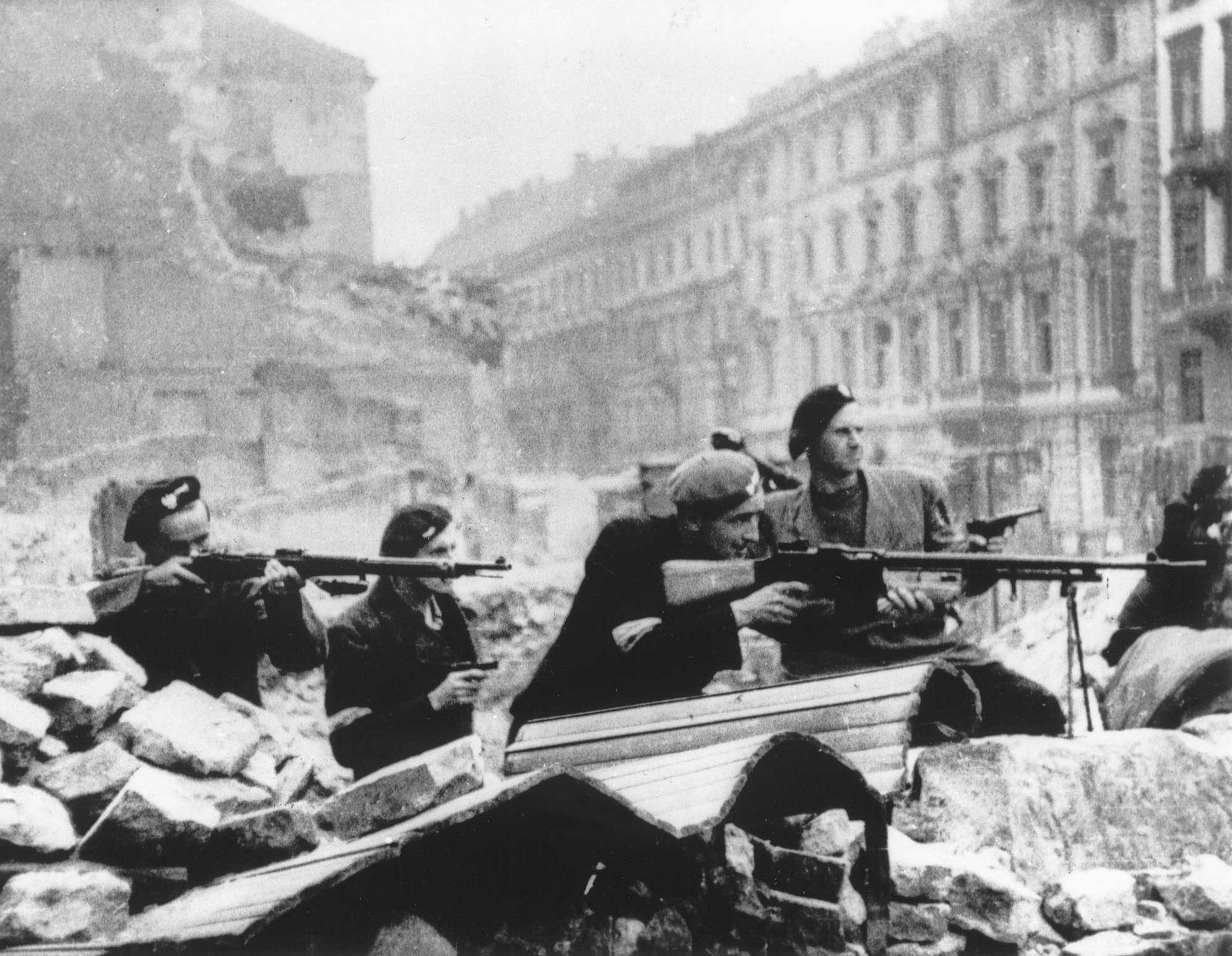
Here we are now in the Bexhill refugee internment camp. Bexhill-on-Sea, or just Bexhill, is the name of a sea-side retirement community in Southern England, actually having the highest retired population of any town in the UK today. In the film Bexhill is a town/city that has been converted into a prison for immigrants, somewhat invoking Abu Ghraib prison or Guantánamo Bay detainment camp, as some have argued. In an extremely nationalistic country being an immigrant is not a positive situation. Bexhill, in this context, makes sense given a world in which no one has been born in 18 years. If it is a retirement community today, it may likely be a largely unpopulated community in two decades. But I digress. Notice the graffiti on the wall: “THE UPRISING.” Immediately I thought of another walled off city (or portion of a city) used to imprison unwanted foreigners and one that had its own uprising. I am thinking of the Warsaw Ghetto during WWII. Modern references to Abu Ghraib prison and Guantánamo Bay make some sense, but not as much as the Warsaw Ghetto, which was an even fuller expression of fascist terror (assuming Abu Ghraib prison and Guantánamo Bay are examples of modern fascism, which they may be), and included a brave uprising on the part of the few remaining Jews. I see the image below of the Jewish fighters (soon to all be dead) and the next image of German soldiers standing watching the buildings of the Warsaw Ghetto burning and I see something much more like the ghetto in Children of Men than a modern political prison.

So here we have references to a growing fascism today and a full-blown fascism of our past within a story set in a possible(?) future. The question for me is, what am I to make of this? I believe Cuarón is asking me to make these kinds of connections, to see that the future is born out of the present, and to be aware of the darker implications of the choices we make or accept today. I fear the world we live in is bordering on fascism again. Remember fascism as we think of it – Hitler, Mussolini, etc. – was not a local thing. Fascism was popular around the world in those days. It was popular in the U.S. as well, especially before it was “tainted” with associations with our enemies and later with the Shoah. But fascism is not all Nazi flags and jackboots. Fascism tends to emerge when times are tough, when economies are poor, when immigrants pose a threat, when nationalism and patriotism seem noble, and when the world seems out of control and scary. One of the biggest boosts to a growing right-wing fascism in the U.S. was 9/11. But, let us not forget that the threat to jobs from immigration is a boost to a kind of left-wing fascism. Some have said fascism is neither right or left politically, but is proposed as an alternate third way. Regardless, fear and uncertainly is as much a tool in the hands of political opportunists as it is something to solve. I am reminded of that famous quote from Nazi leader Hermann Goering: [T]he people can always be brought to the bidding of the leaders. That is easy. All you have to do is tell them they are being attacked, and denounce the peacemakers for lack of patriotism and exposing the country to danger. It works the same in any country.

The ideas in that quote were, in a sense, famously (and earlier) countered by FDR in his first inaugural address in 1933, made during a time of great fear and uncertainty. In that speech he had the line: The only thing we have to fear is fear itself. FDR helped to keep fascism somewhat at bay in the U.S. while it flourished in Europe and elsewhere. Fear is a powerful corrosive. People often make decisions out of fear that they regret later – like locking up people without charges, without representation, and even without a trial. Or throwing away habeas corpus. Or like going hastily to war and then denouncing those who oppose the war as being unpatriotic and unsupportive of the troops.

As I see it, if the fundamental elements of fascism are nationalism, authoritarianism, militarism, corporatism, collectivism, totalitarianism, anti-communism, and opposition to economic liberalism and political liberalism, then only an opposition to economic liberalism is absent from U.S. society. And even that is not entirely true. Economic liberalism largely means free trade and open markets in order for the haves and have-nots to grow farther apart. It is also a foundation of the modern form of aristocracy known as the divine right of capital. I don’t mean to rant, but to me this is all rather frightening. It is no wonder that the rebels portrayed in the film look somewhat like some of the protesters we saw in Seattle in 1999, and at other similar protests around the world. I fear the crazy future world depicted in Children of Men is not as far fetched as it seems. My desire is that I don’t let my fear rule my choices, and that I don’t cavalierly throw the word “fascist” around without truly considering its meaning and implications.

So, back to the film…

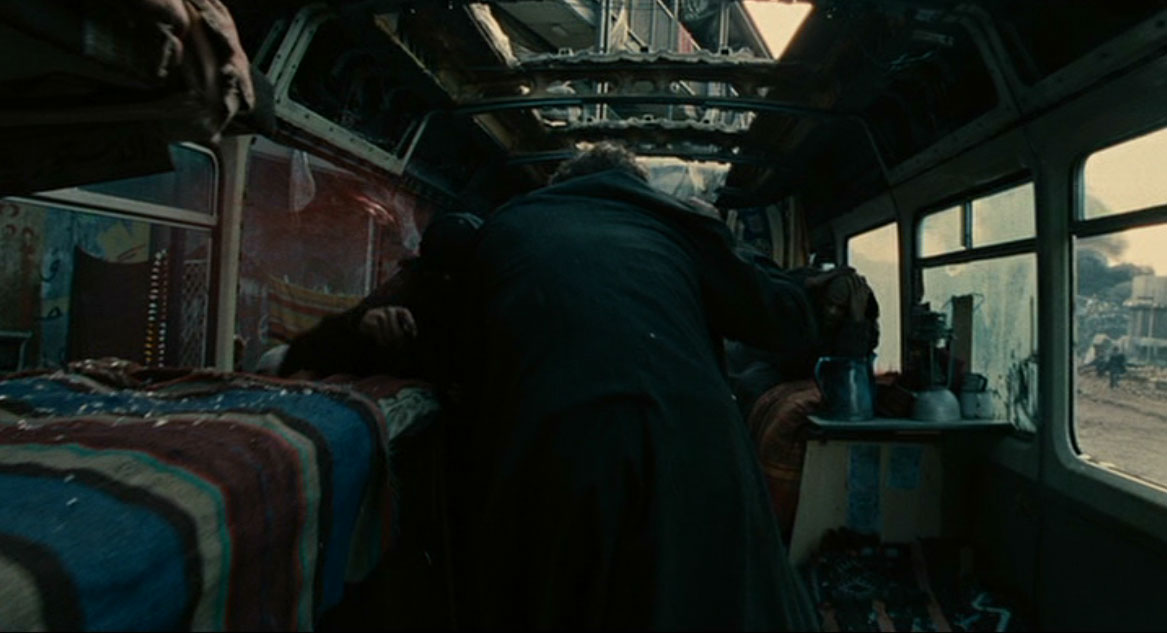
The second observation I want to make has to do with cinéma vérité and camera/digital trickery. Children of Men is a wonderfully photographed film. Much has been made of the virtuosic use of camera, staging, and mise en scene. One scene in particular is the long, uncut episode where Theo is working his way through the rubble and gun fire of the Bexhill uprising to try and find Kee and the baby. This scene is several minutes long (I did not count) and is presented as though it was shot in one long take. In fact it “was filmed in five separate takes over two locations and then seamlessly stitched together to give the appearance of a single take.” (from Wikipedia) If this is true, that is just about as remarkable as if it was actually filmed in a single take. But what I want to discuss is the blood splatter on the camera lens. It begins here:

Theo has just run into a broken down bus to avoid gun fire, but the shooters see him and spray the bus with bullets. A person next to Theo is hit and blood sprays (à la Kurosawa in Seven Samurai) from the bullet wound. The spray of blood is barely visible in the left half of the image above.

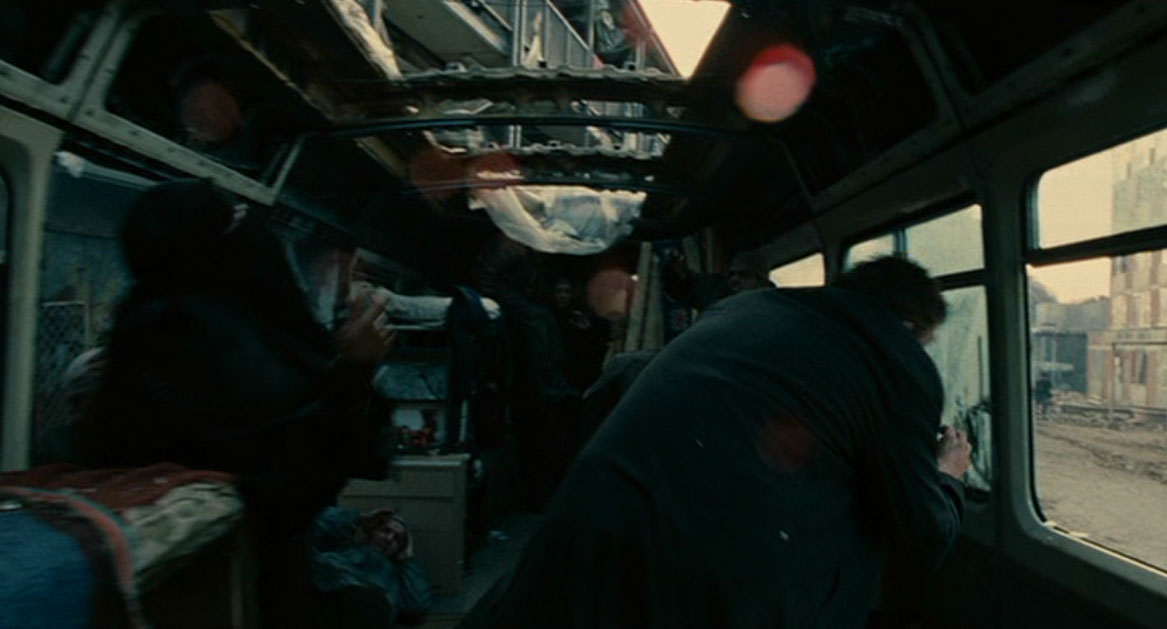
Then we get this image:

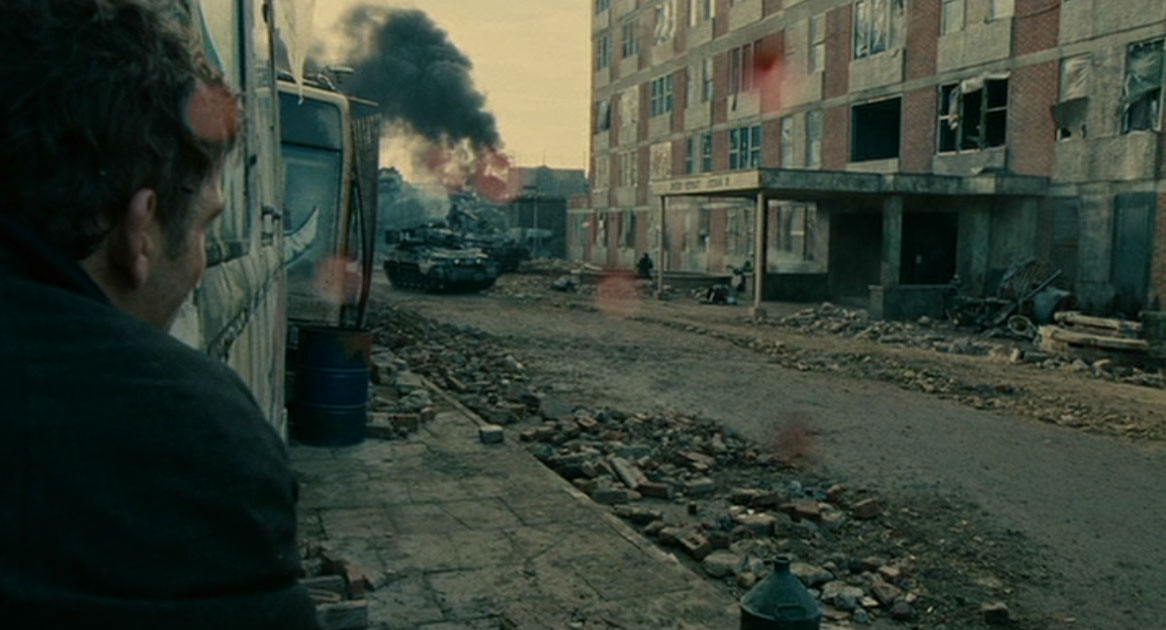
Droplets of blood are now visible on the camera lens. And those droplets remain on the lens as the camera follows Theo through the war torn landscape:


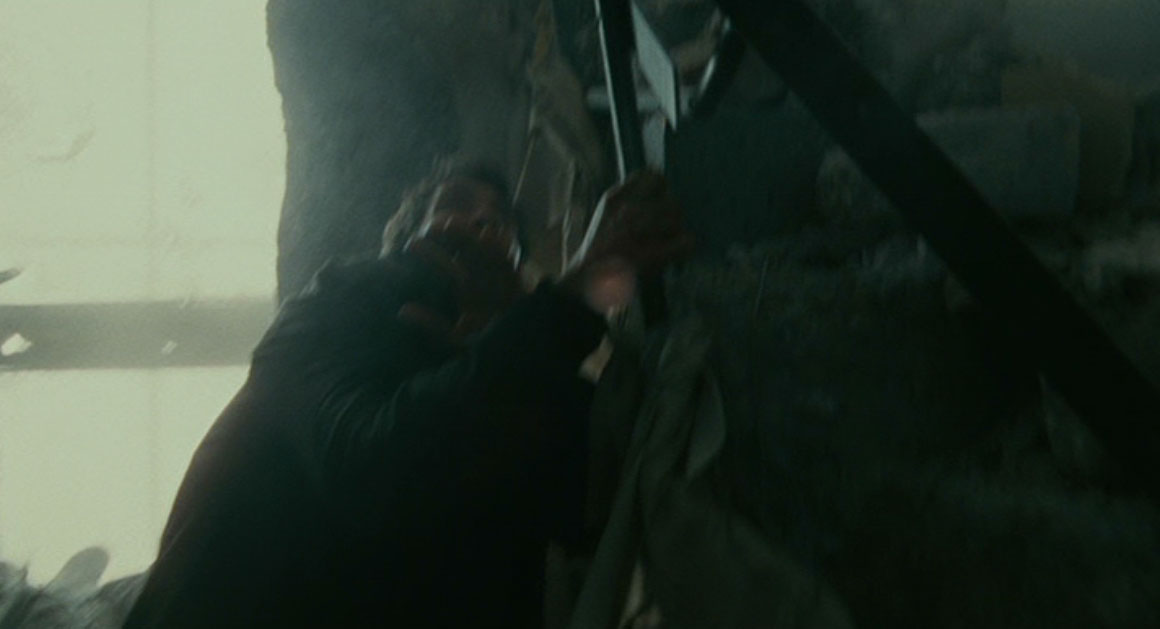
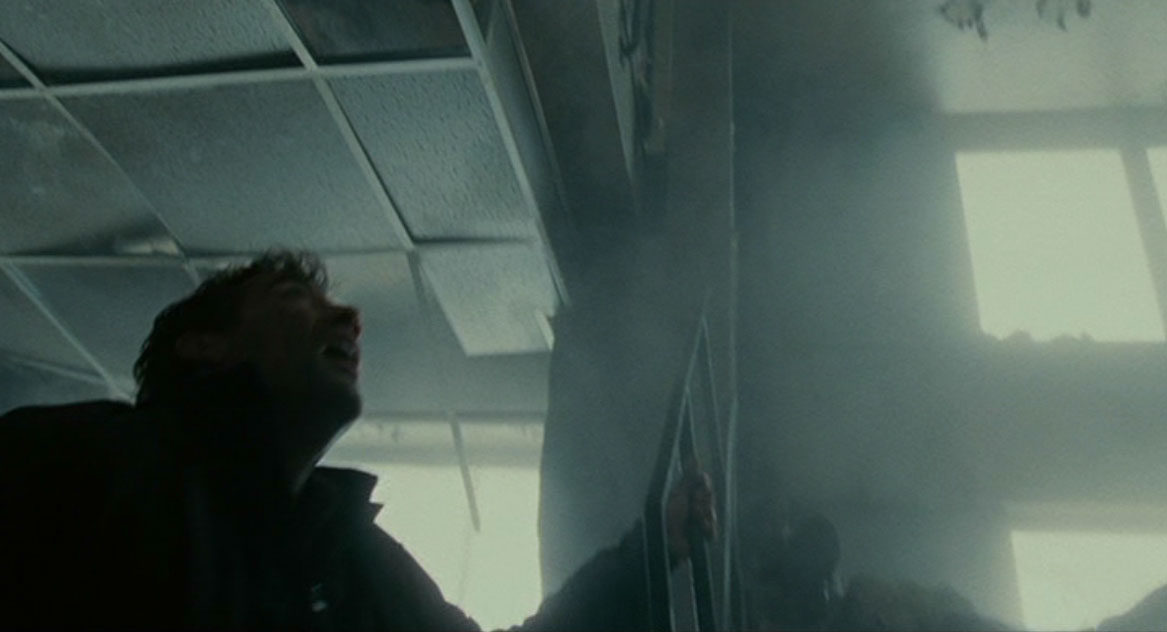
Eventually (minutes later, blood still on the lens) Theo enters a building. Bullets are still flying and he cowers momentarily near a stairwell:


You can still see a drop of blood on the lens. All this you have likely noticed.

I am a big fan of cinéma vérité in general. I should note, however, that nowhere in Children of Men do we see any “complete” use of cinéma vérité, but we do see strong elements, not least of which is the brilliant use of hand-held camera and, in this scene, blood splattered on the lens. My first impression was “that’s cool!” Later I had second thoughts. Sometimes it makes a lot of sense for a film to draw attention to itself; think of Don’t Look Back (1967) or Harlan County U.S.A. (1976) – both used cinéma vérité techniques to underscore the intrusion of the filming process into the world of their subjects. This makes sense in some documentary filmmaking – a tilt of the hat, so to speak, to Heisenberg’s uncertainty principle put into ethnographic terms. But cinéma vérité is a little more tricky in fictional narratives. Here, in Children of Men, the filmmakers have gone a little to far. The blood on the lens only draws attention to the fact that someone is holding a camera on their shoulder (or a steadycam) and following Clive Owen as he follows the complicated stage directions. Now this would not be such a bad thing if the rest of the film had the same aesthetic. But it doesn’t. At times the films is quite conventional. But in this scene suddenly we are watching a “documentary” that draws attention to its own existence. The audience is now not in the film with Theo, they are watching a film being filmed, they are “unsutured.” In other words, this little piece is “coolness” helps to undercut an otherwise brilliant and almost uncanny bit of filmmaking.

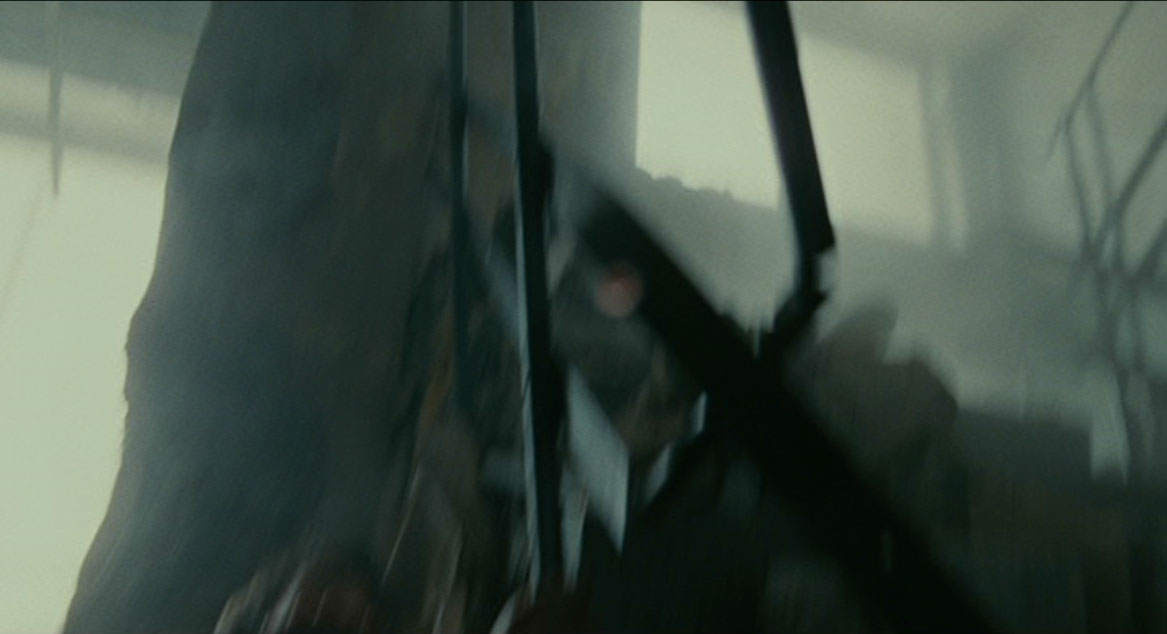
But that’s not all. Notice the last image above. Why does it have less blood splatter than the previous images? Where have those other blood droplets gone? Interesting the blood droplets have been gradually and subtly disappearing from the lens as the scene has progressed.

Now consider this image:


Notice the one last blood spot just slightly off-center right. This shot is in the middle of a whip-tilt up from Theo to the stairwell.
Now look at this image:


About one or two frames later the blood spot has disappeared. It disappears when the spot passes in front of the dark line of the handrail. Then we pan back to Theo:


Not a single blood spot left. This got my attention and it got me wondering. Were these spots added in later for effect? Were they digital creations? Or did they start as real splatter, then gradually get changed, maybe digitally, over the course of the scene until they are conveniently “disappeared” so as not to interfere with the remainder of the scene (when Theo finally finds Kee and the baby). I find it interesting that this change is the opposite of cinéma vérité.
So what does this all mean? Obviously no film exists apart from its creation. Films are created artifacts, and questions of truth, reality, verisimilitude, artifice, etc., abound. Films are also spiritual to the degree that they tap into and reflect both the spirit of the age and the human spirit. In narrative film there is always a tension between what is up there on the screen (the plot) and what is going on in one’s head (the story). Stories are universal, to some degree, but films as artifacts are particular. Children of Men tells a universal story of fear, cruelty, the will to survive, hope, and salvation (Theo, Kee, and the baby are a kind of futuristic Holy family. The birth scene is powerfully remeniscient of classic Nativity stories). In this sense the film is spiritual. Sure, the film is a fantasy about the future, but it also highlights important ideas about our present and our past, issues that are more important than this particular film. The film, as plot, however, presents that story in such a way that questions are raised regarding the honesty of the film’s (or filmmaker’s) intentions. I say this because I am always suspicious of communication that is full of rhetorical and stylistic flourishes.

Children of Men may be a film as much about virtuosic filmmaking (and about drawing attention to itself as such) as it is about deeper themes of fasiscm and fear. My contention is that the film’s deeper messages may have become clouded in the whirlwind of intense faux vérité and the foregrounding of its own artifice. In other words, just at the moment when the viewer should be thrust into the film’s thematic climax, a little flag (read: blood splatter on the camera lens) is waved saying “don’t forget how brilliant this filmmaking is and who made it!” For me that is why, when the credits rolled at the end of the film, I felt the film had let me down, just a little.