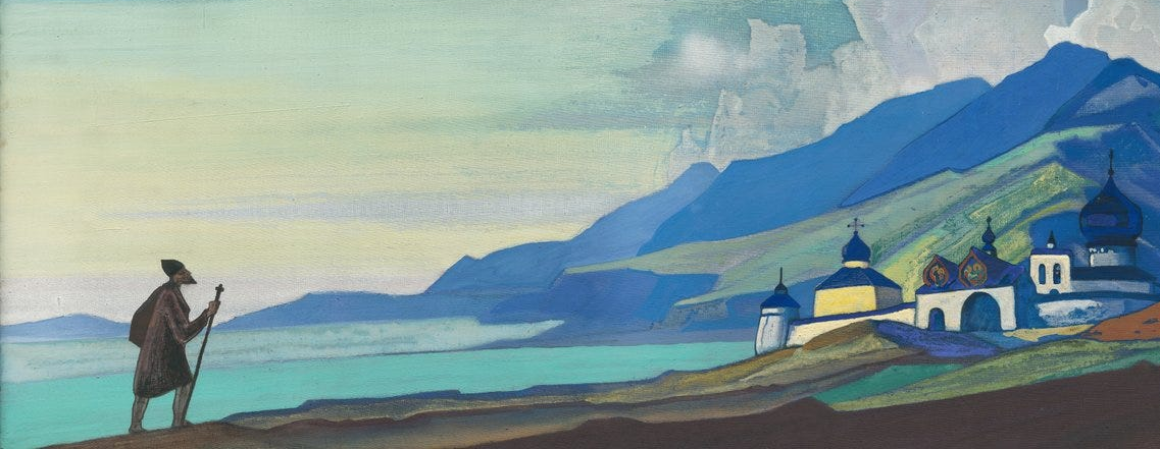
"Life at War" by Denise Levertov, 1966


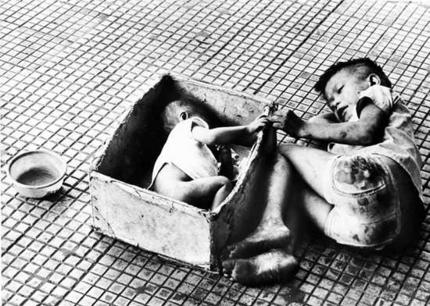
Photograph by Chick Harrity, 1973, Vietnam

The disasters numb within us
caught in the chest, rolling
in the brain like pebbles. The feeling
resembles lumps of raw dough

weighing down a child’s stomach on baking day.
Or Rilke said it, ‘My heart. . .
Could I say of it, it overflows
with bitterness . . . but no, as though

its contents were simply balled into
formless lumps, thus
do I carry it about.’
The same war

continues.
We have breathed the grits of it in, all our lives,
our lungs are pocked with it,
the mucous membrane of our dreams
coated with it, the imagination
filmed over with the gray filth of it:

the knowledge that humankind,

delicate Man, whose flesh
responds to a caress, whose eyes
are flowers that perceive the stars,

whose music excels the music of birds,
whose laughter matches the laughter of dogs,
whose understanding manifests designs
fairer than the spider’s most intricate web,

still turns without surprise, with mere regret
to the scheduled breaking open of breasts whose milk
runs out over the entrails of still-alive babies,
transformation of witnessing eyes to pulp-fragments,
implosion of skinned penises into carcass-gulleys.

We are the humans, men who can make;
whose language imagines mercy,
lovingkindness we have believed one another
mirrored forms of a God we felt as good—

who do these acts, who convince ourselves
it is necessary; these acts are done
to our own flesh; burned human flesh
is smelling in Vietnam as I write.

Yes, this is the knowledge that jostles for space
in our bodies along with all we
go on knowing of joy, of love;

our nerve filaments twitch with its presence
day and night,
nothing we say has not the husky phlegm of it in the saying,
nothing we do has the quickness, the sureness,
the deep intelligence living at peace would have.


I post this because this is National Poetry Month.

This poem was featured on Poetry Off the Shelf. You can hear Levertov read the poem, and a discussion about it here.

Thoughts: This poems stabs deep, as great poetry should do much of the time. We see the past too often as a presented and mediated set of ideas, truncated and accepted and reaffirmed. But the war against the Vietnamese people was little different than the current wars against the Iraqi and Afghan peoples, or the war against the Palestinians. They are all raw and ugly. They are all about the human urge for power and security and control. This poem, from 1966, reminds me that the same war continues today.
>Hauerwas on Bonhoeffer

>I have been reading Stanley Hauerwas’ book The Peaceable Kingdom: A Primer in Christian Ethics and I love it. I must say that this book, along with some others, are encouraging my views to change (views that were trained into me by the chistianity in which I grew up) regarding politics, faith, and action. In other words, I am slowly shedding my Baptist/Evangelical acceptance (dare I say love) of “righteous violence” and “just war” for a more pacifist perspective.

Because I know little of Hauerwas I went looking for him on the Interwebs. I came across this lecture of Hauerwas speaking on Dietrich Bonhoeffer’s perspective on truth. It is excellent.

>Occupation

>

When it comes the plight of the Palestinians I don’t trust what I hear coming from either the Israeli government or the U.S. government – and not merely because governments lie. And, of course, I certainly do not support the actions of any group that uses terror against civilians to push forward their political goals. So, that means I don’t support Hamas. But it also means that I don’t support the Israeli government in its present form very much. But it is hard for me to have an opinion, being so far away geographically, socially, and informationally.

If you are like me then you probably don’t know a lot about the Israeli occupation of the West Bank and the roots of the recent Israeli invasion of Gaza. If I have learned anything about what is going on over in Gaza and the West Bank, as well as the rest of the Middle East, it is that I am quite ignorant of the facts. I am not willing anymore to parrot the typical American refrain that “those people have been fighting forever and they will always fight.” (I have become increasing wary of the term “those people” however it’s used.) If they have always been fighting then it follows they were fighting during the time of Christ, and if that is true then the admonition to love one’s neighbor as oneself, or the story of the good Samaritan, or the conversation Jesus had with the woman at the well are meaningless if there is no hope for peace.

The two videos below take a look at life under occupation from a particular and personal perspective. These videos were made before the recent invasion of Gaza and the war against the Palestinian people. Although the audio is sometimes rough this is the kind of news/reporting/insight that the rest of the world needs even if only as a kind of starting point to begin discussing the issues rather than falling into the typical stereotypes and worn out stigmatizations. It is particularly important for American Christians to view, for they are some of the most ideologically driven and yet least informed people when it comes to Israel.
http://vimeo.com/moogaloop.swf?clip_id=2726126&server=vimeo.com&show_title=1&show_byline=1&show_portrait=0&color=00ADEF&fullscreen=1
http://vimeo.com/moogaloop.swf?clip_id=2864803&server=vimeo.com&show_title=1&show_byline=1&show_portrait=0&color=ff9933&fullscreen=1

There is mention of the organization Breaking the Silence. Their web site is here.

>Zinn on War and Social Justice

>Howard Zinn gave a talk just after the presidential election. It is worth listening to. The audio/picture don’t quite match in the video in the intro, but the rest looks okay.

http://video.google.com/googleplayer.swf?docid=-7945130554885211401&hl=en&fs=true

He mentions the Universal Declaration of Human Rights. If you are not familiar with it, check it out here, and learn more about it here.

Also, Democracy Now is one of my favorite news programs. I usually watch/listen to it online while I eat lunch and do emails.

hero of the open city

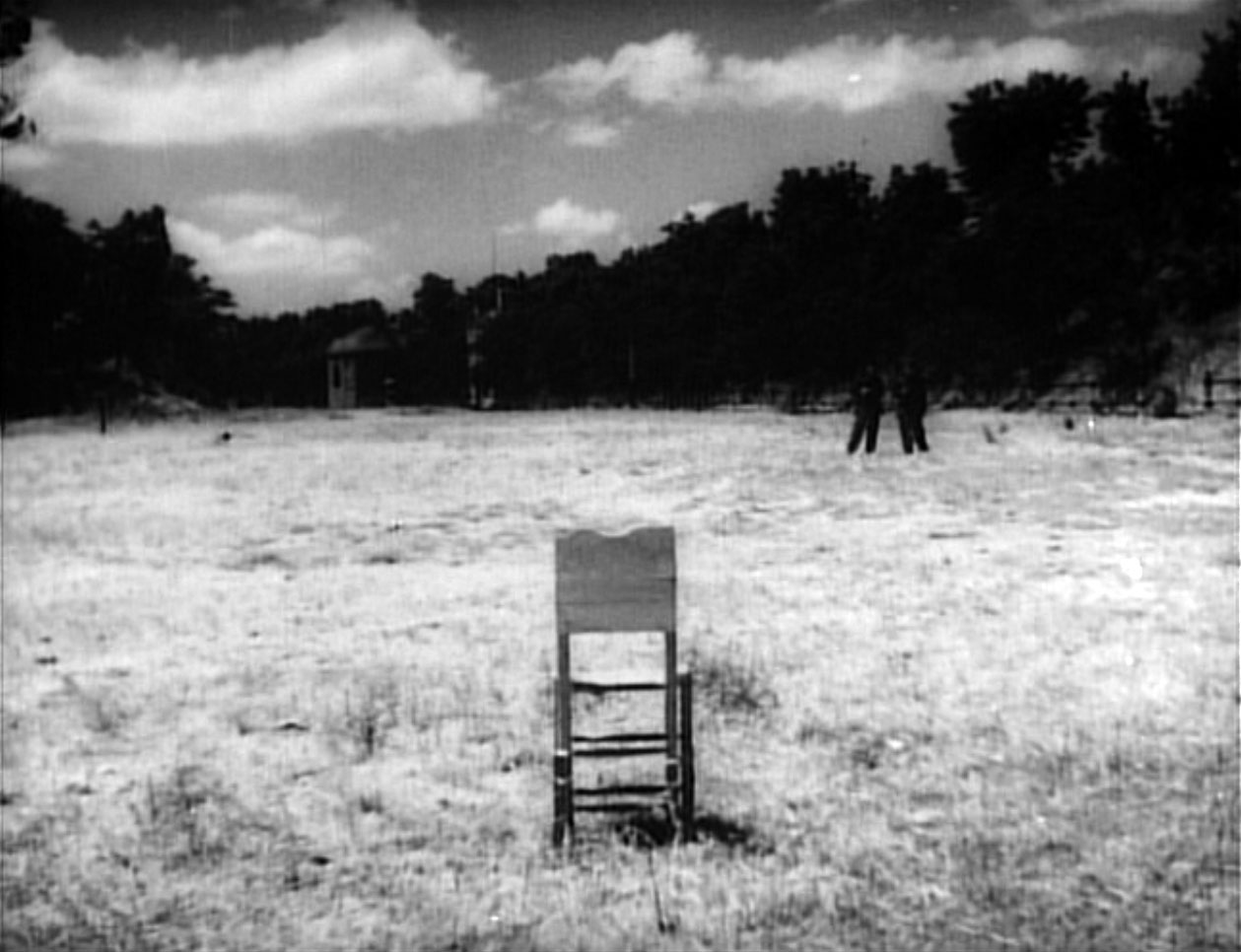
This is one of the most haunting images I can think of in cinema.

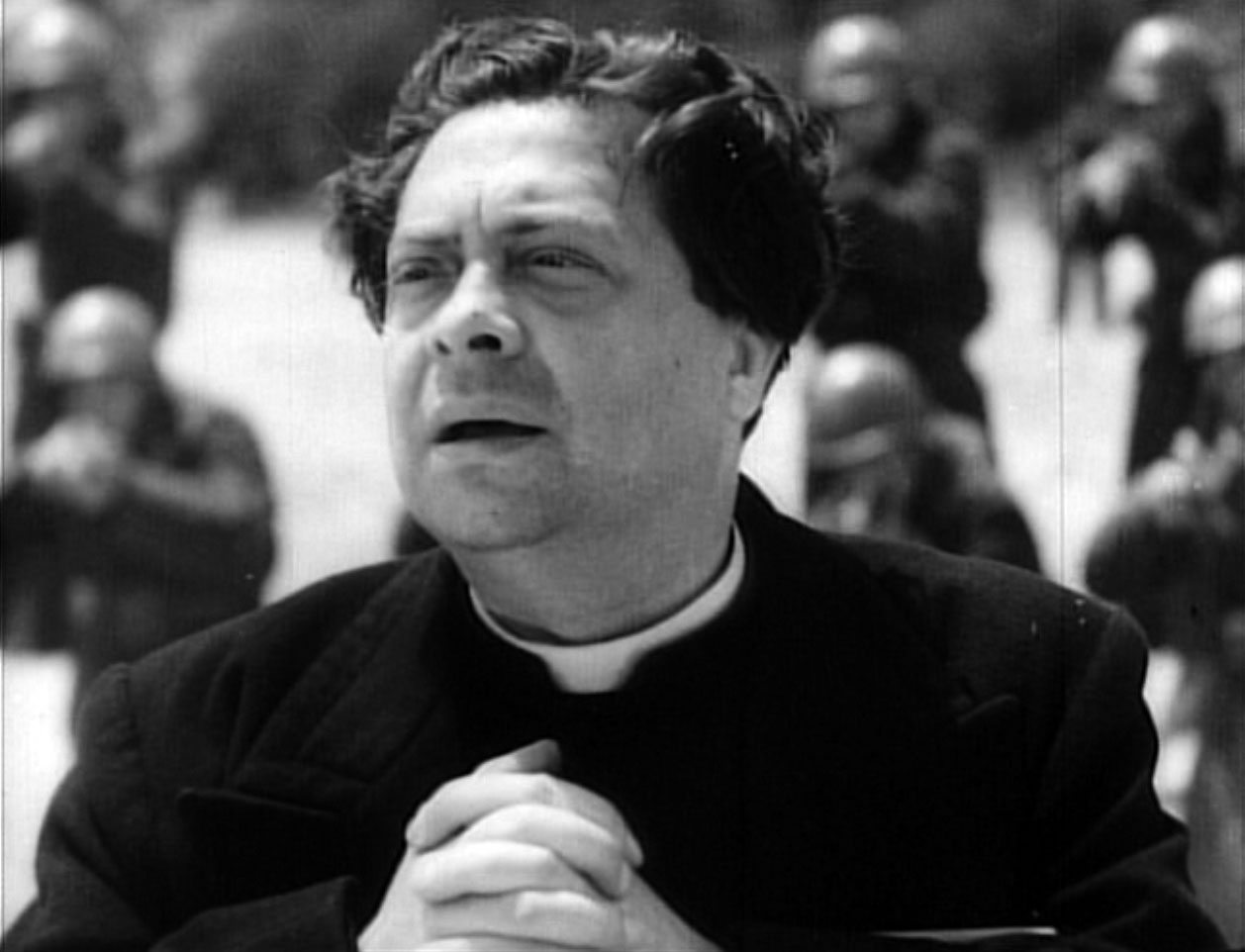
It is a simple image, not particularly artistic or striking. It is just a chair in a field on a bright sunny day, but it is loaded with meaning. This image comes toward the end of Roma, città aperta (1945). The chair is the place of execution of for Don Pietro Pellegrini (Aldo Fabrizi), a collaborator in the resistance against the fascists.


I find that great films often draw me in because of their heroes. Though I care about good cinematography and editing, or creative soundtracks and screenplays, what sticks with me longest are the heroes. And let’s not forget, superheroes are not heroes. Ordinary people who do what is right in the midst of extraordinary circumstances are heroes.* Don Pietro is a hero in this sense. A priest and a schoolteacher, he also knows that doing what is right trumps mere survival. He says, just prior to his execution, that it’s easy to die well, but living well is the real challenge. He is a man who lived well and the forces of darkness killed him for it.

I am not saying anything new here. If you’ve seen Roma, città aperta then you know I have not discovered anything new in the film. But I am struck by two things: 1) the film foregrounds the socialist/communist struggle against the fascists, and yet it is a priest of the most traditional of traditional Christian traditions who is the hero, and 2) it seems we don’t see these kinds of heroes in film as much anymore. What makes both of these points linger is the deep sense of humanity into which Rossellini taps.

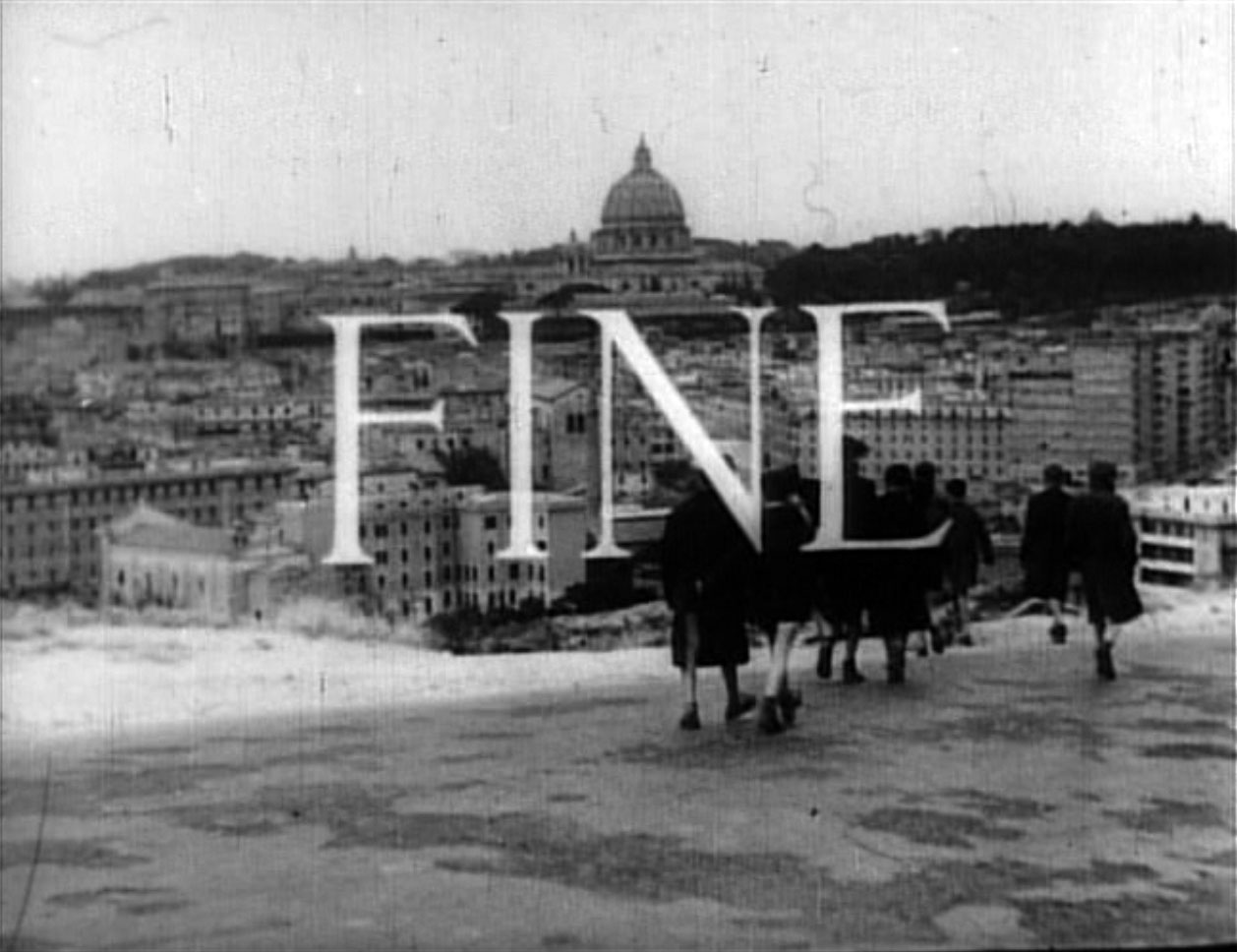
One aspect of Italian neo-realism is its ability to take the ordinary, portray it rather straightforwardly, and yet load it with both connotative and denotative meaning. The ending is a good example. After Don Pietro is murdered by the fascists, his students, who watched his killing, walk together back to the city. In the middle ground are modern apartment buildings. In the distance is the dome of St. Peter’s (I believe).

This image all about the future. Life goes on. The future will need to be rebuilt from the ruins of the present. These kids represent that future. The adults have let them down as a result of their wars. But their teacher has shown what a true hero is made of. It’s a simple ending, in a way. And yet, it has weight, depth, and irony. The irony comes from the fact that while we watch the future walk into the city we also see the word FINE across the image. It is both the end and a new beginning, however uncertain. This is the kind of filmmaking that I love.

*This may be why I find movies like Ironman to be all surface and ultimately unsatisfying – even boring. There are thrills but nothing really of any consequence. Ironman, as just an example of many, is somewhat entertaining, but already consumed and forgotten.

>The World After Bush

>I am fascinated by what the world is thinking about the outcome to the U.S. presidential election. There have been many reports of people celebrating from around the world, which is rather amazing. Those celebrations should remind us of how important the U.S. and it’s foreign policies are to people everywhere. I find it both remarkable and sobering.

There are also concerns from various quarters. Does an Obama presidency truly mean change? What about the Palestinians when Obama selects a hard-line Zionist as his chief of staff? Is he really going to end the war in Iraq or develop diplomatic ties with Iran? Is it even possible to fulfill those promises? Below is a four part discussion from Al Jaeera that looks at U.S. foreign policy, Obama as president, and the future from the outside. I found it fascinating and worth taking the time to watch.

Part 1

Part 2

Part 3

Part 4

>How do you calculate the cost of a war?

>The wars in Iraq and Afghanistan are expensive. In terms of human life the cost is incalculable. In other words, when it comes to calculating costs based on the sacredness of human life, we cannot truly make that calculation. But what about the dollars?

If anything has hidden costs it is war.

What really are dollars and where do they come from? Is not a dollar an abstract representation of life energy? We work, we spend our time (time away from family and friends and things we would rather be doing), we sacrifice, we use our creativity, we keep our promises, and we suffer for a dollar. We obtain a dollar as an exchange for our life energy. So when we think about a 3 trillion dollar war we are actually thinking about 3 trillion units of life energy. Who’s life energy? Yours, mine, the kid’s – though they don’t know it yet.

>Happy Birthday Elie Wiesel

>

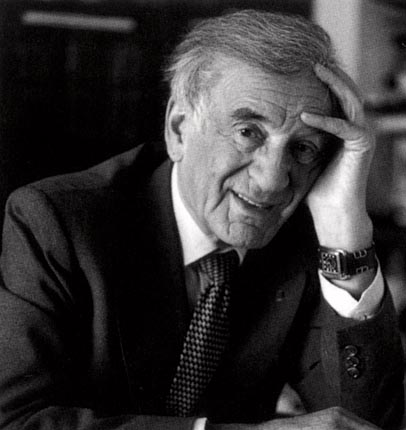
I have not lost faith in God. I have moments of anger and protest. Sometimes I’ve been closer to him for that reason.

~ Elie Wiesel

If I had to make a top ten list of those events of the 20th century most critical to know and remember, the Holocaust would be in the top three. Wiesel survived the Holocaust, I suppose, as well as anyone could. His memoir Night is brilliant and staggering.

I swore never to be silent whenever and wherever human beings endure suffering and humiliation. We must always take sides. Neutrality helps the oppressor, never the victim. Silence encourages the tormentor, never the tormented.

~ Elie Wiesel

Henry V


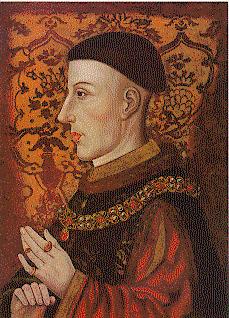
Good king Henry V sporting a
popular haircut of the day.

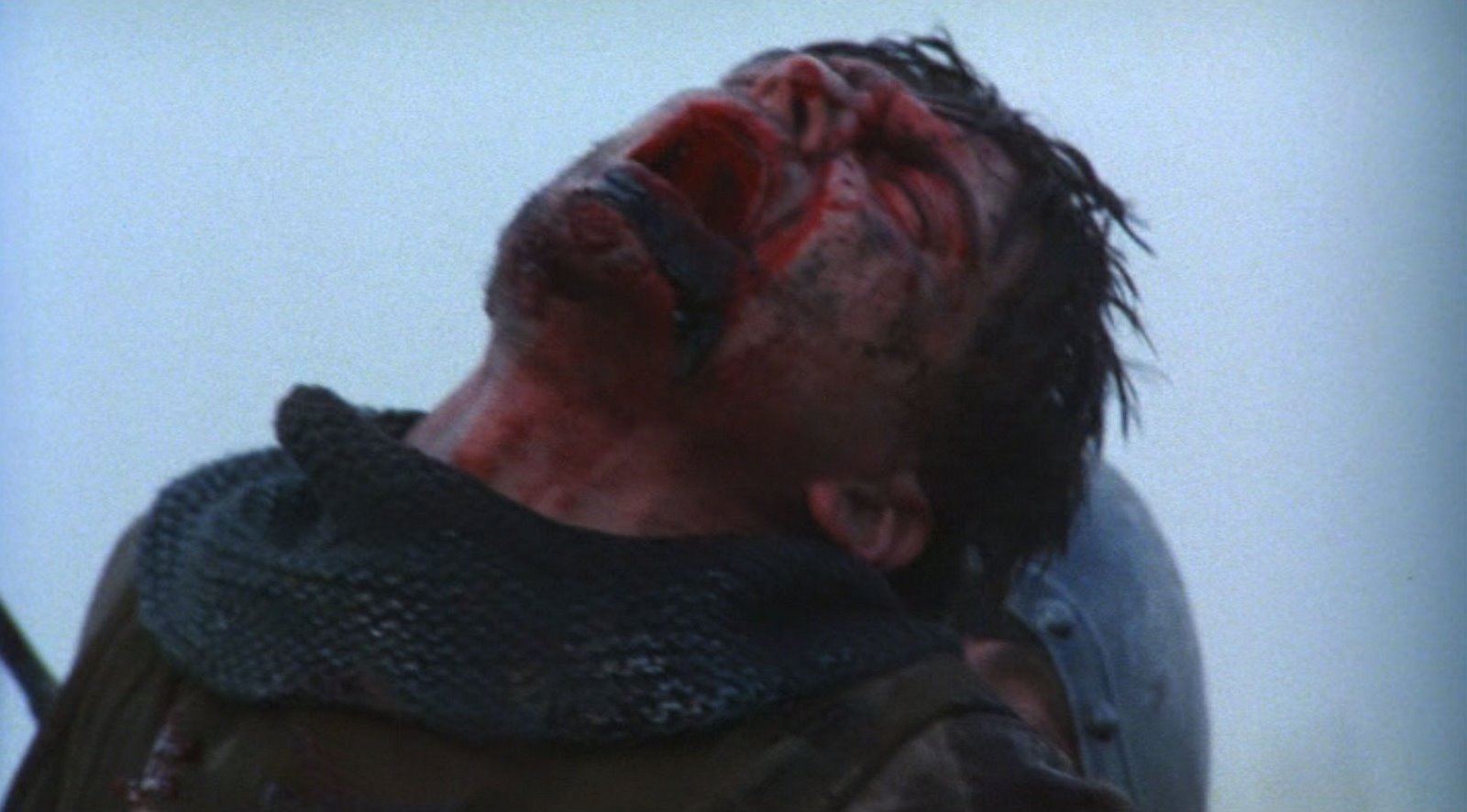
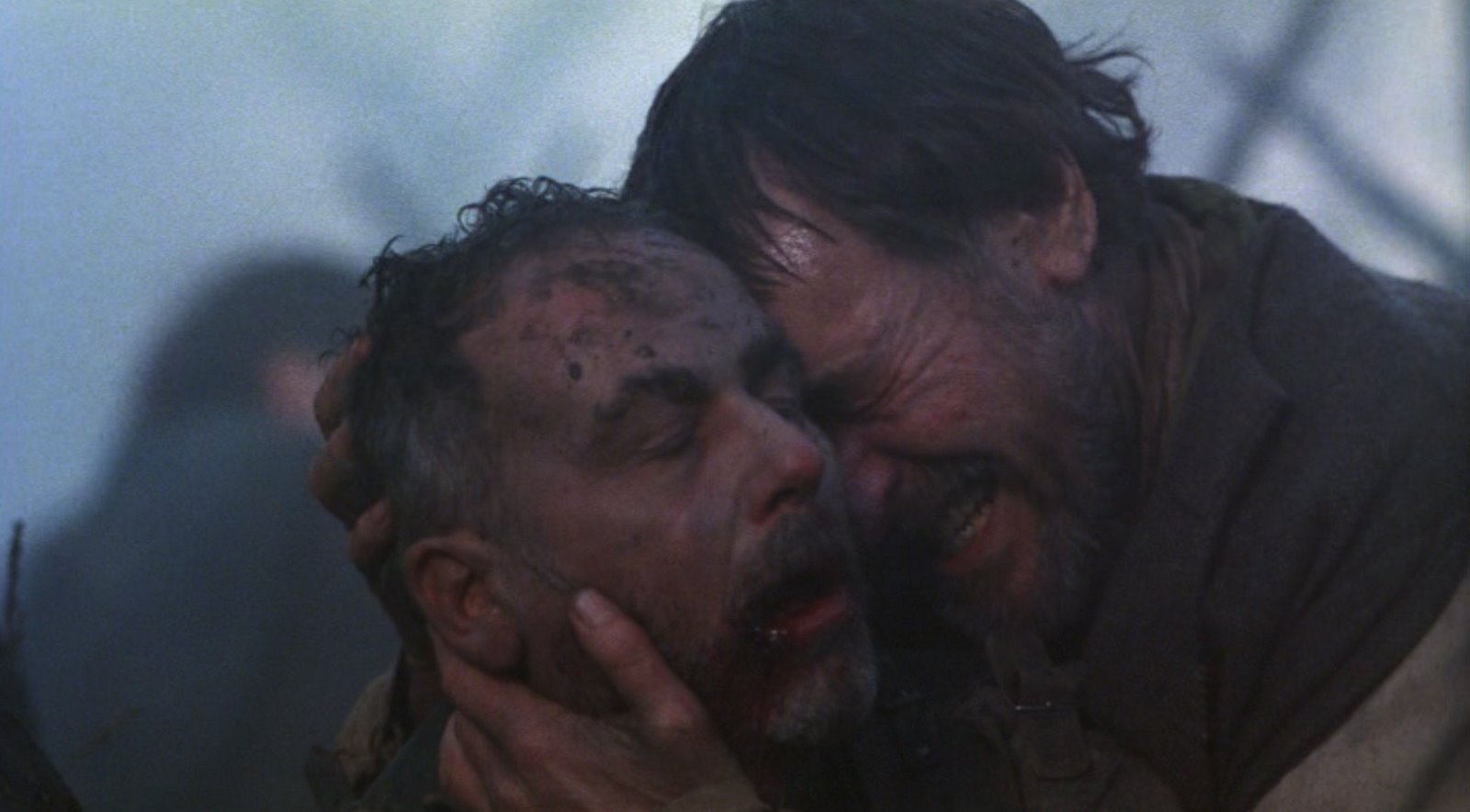
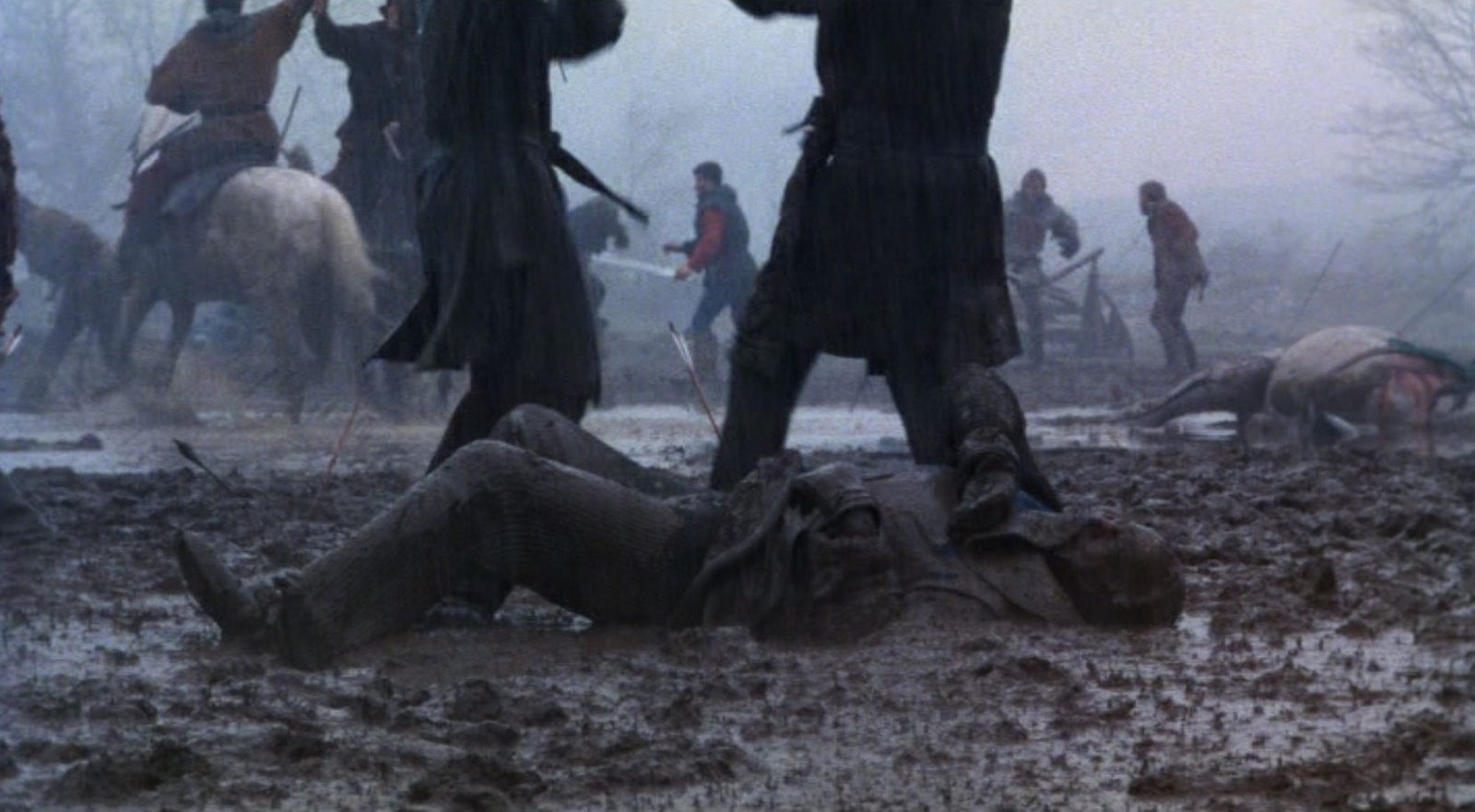
I haven’t been blogging as much about movies lately, and that’s for a number of reasons, mostly because it’s been Summer and we’ve been outside more than in, and also because I’ve been picking up books more than films. Now the leaves are beginning to turn and we are watching a few more films. Recently Lily and I watched Kenneth Branagh’s brilliant Henry V (1989). This was not Lily’s first Shakespeare, but it’s one of her first, and maybe her first not directed for kids. A few times we paused and I explained what was going on, or who was who, but for the most the part the film is easy to follow. More than this, it is a powerful play with great scenes, and great dialogue and speeches. But what struck me the most this time was how it portrayed war.

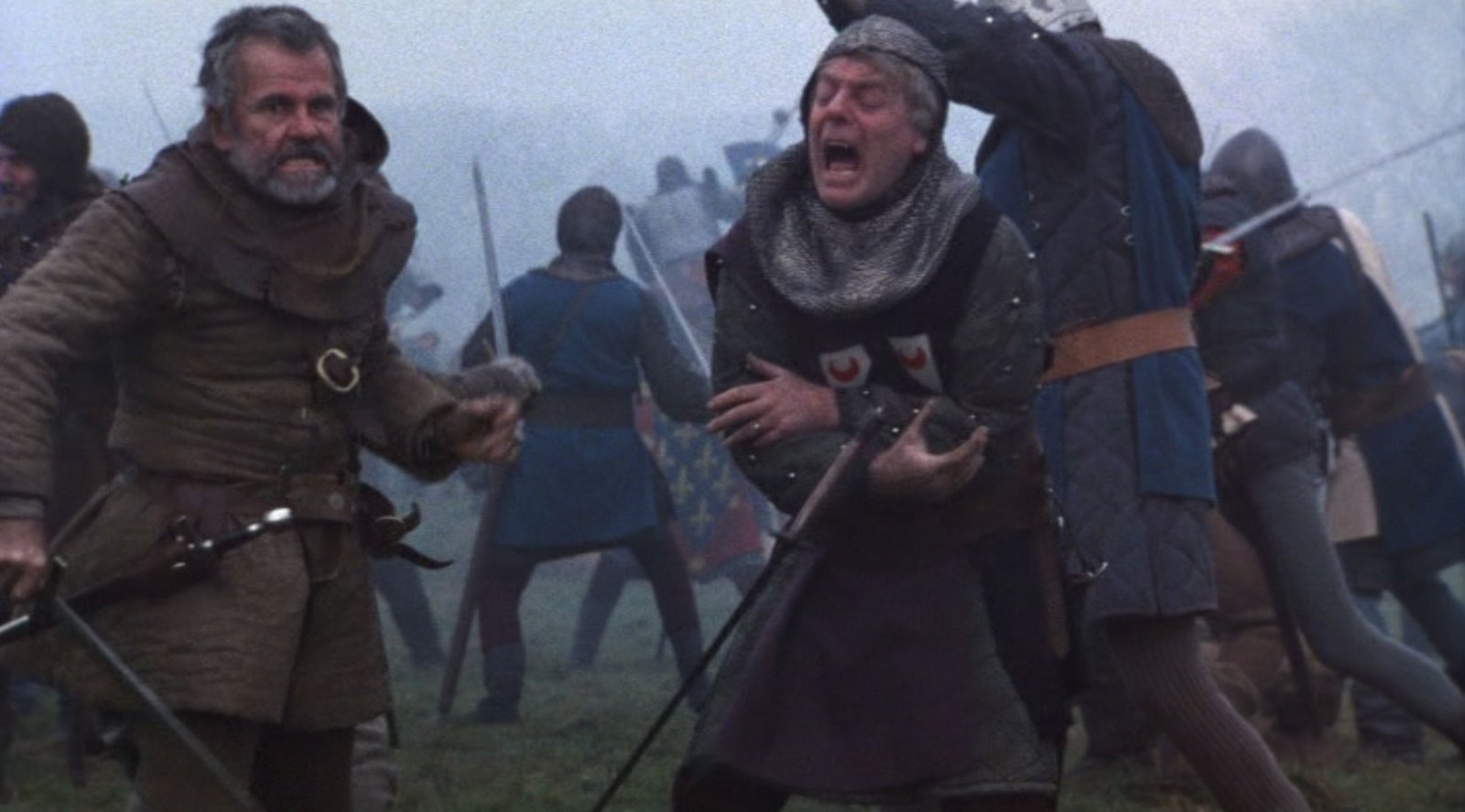
War is terrible. The great battle in Henry V comes right after one of the English language’s greatest rallying speeches – the St. Crispin’s Day speech. From the speech we get the title for Band of Brothers. In that speech young king Henry rallies his troops with promises of glory and honor, of future stories and brotherhood. That speech spins a aura of wonder and excitement around the coming battle. But then we get into the battle and it is awful. I am thankful Branagh took that opportunity to de-glorify war somewhat.

I was a little concerned showing Lily this film because of both the war images and the difficulty of the language, but I’m glad I did. We talked about the gruesomeness of the fighting and what that means. She and I have also talked numerous times about how films are made and that movie blood is really red paint, etc., so she gets it, but still images do move the soul.

Here are just a few of the many images of the horror, sadness, ugliness, and suffering of war from Henry V:

Of course the English win that war and they do go on to bask in a kind of earthly glory. Such are the lives of victors. But I hope I never forget the great gulf there is between speeches made about war and war itself – even if the speeches be written by the Bard himself and the battles won. I always want to remember that political speeches about the sacrifices made by soldiers and their families are easy to give.

>Profile: Noam Chomsky

>I have mentioned Noam Chomsky before on this site. Here’s a profile of the man:

http://video.google.com/googleplayer.swf?docid=676452061991429040&hl=en&fs=true

There is no need to say that Chomsky is a controversial figure in the world of ideas. One thing for sure, his ongoing critique of power is as relevant today as it was when he began; all the more so this heightened political season. I want change, and will vote for change in one way or another, but I am also interested in knowing exactly what it is I will be voting for: What kind of power, who will have it, how will it be used, and to what ends? These are questions I think about all the time.