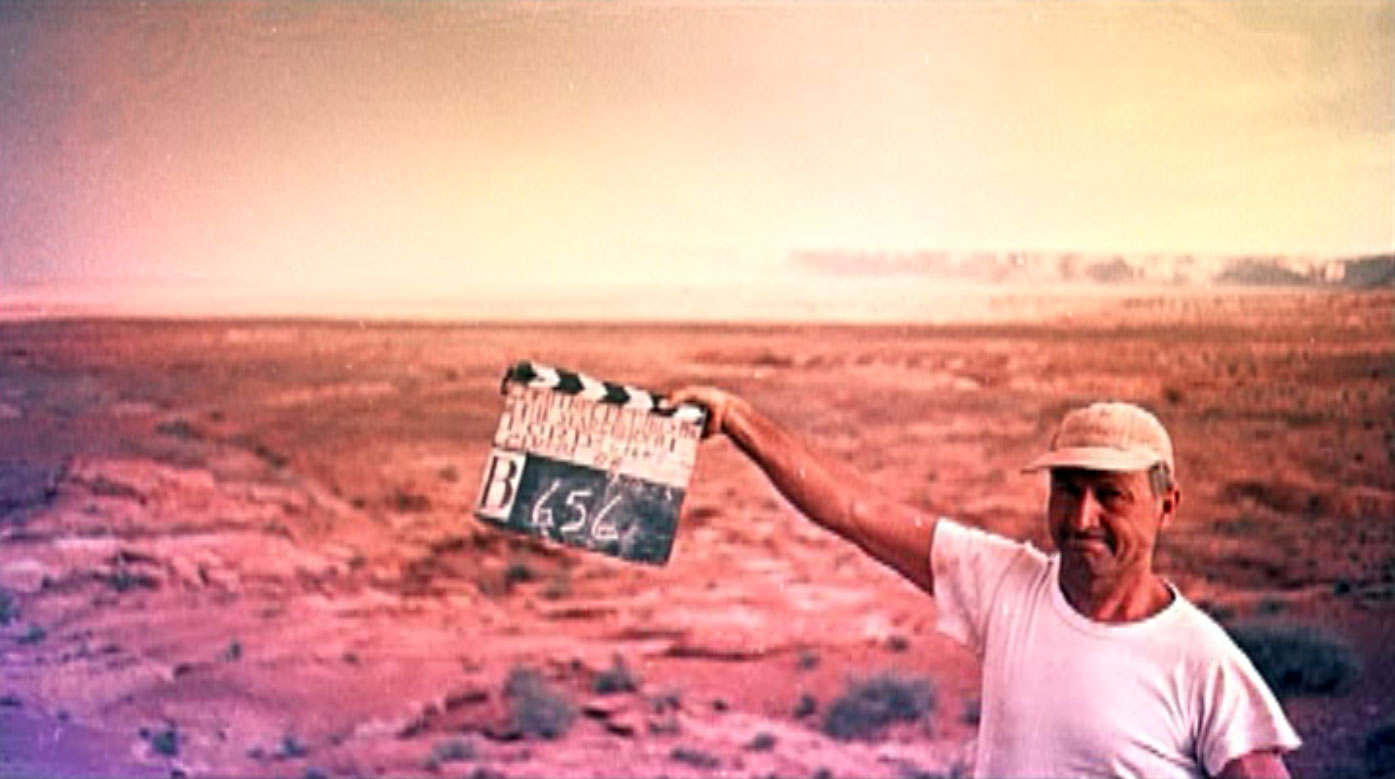
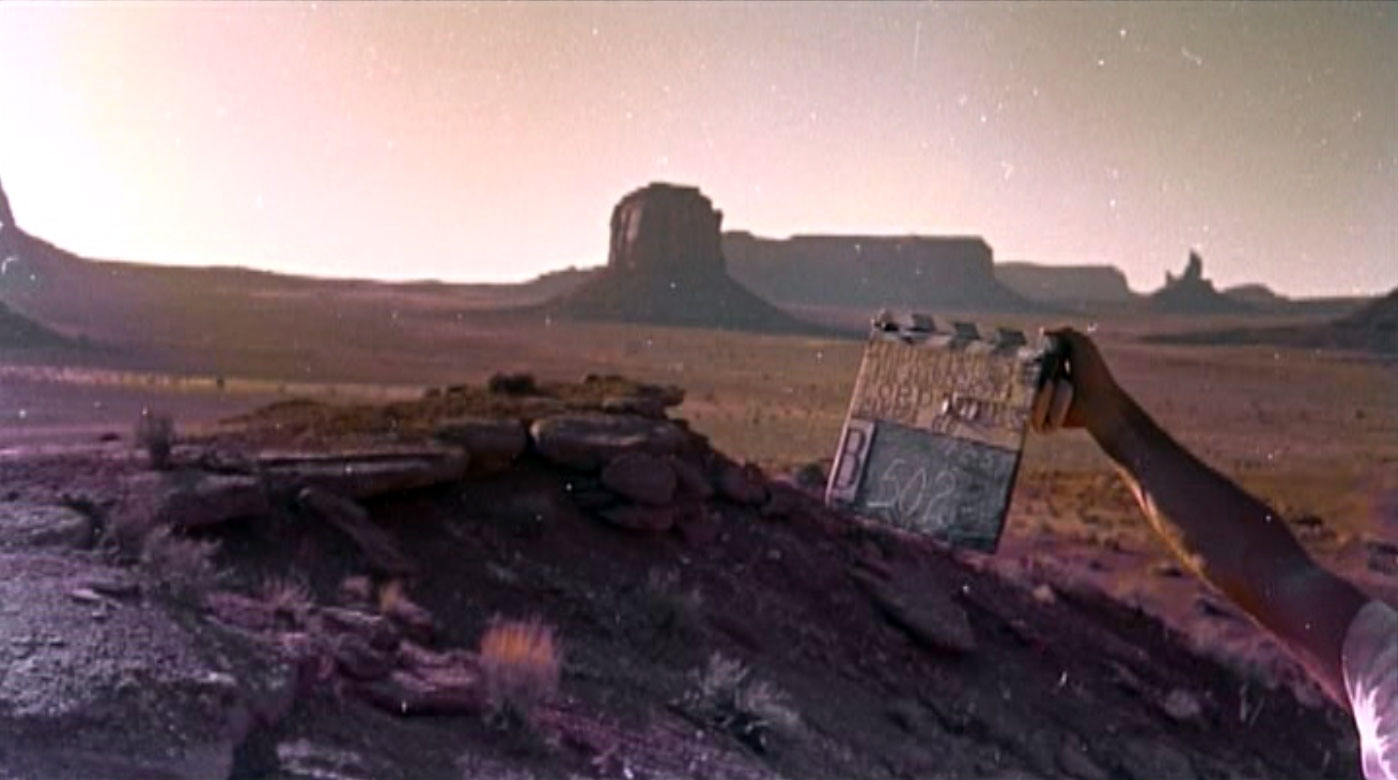
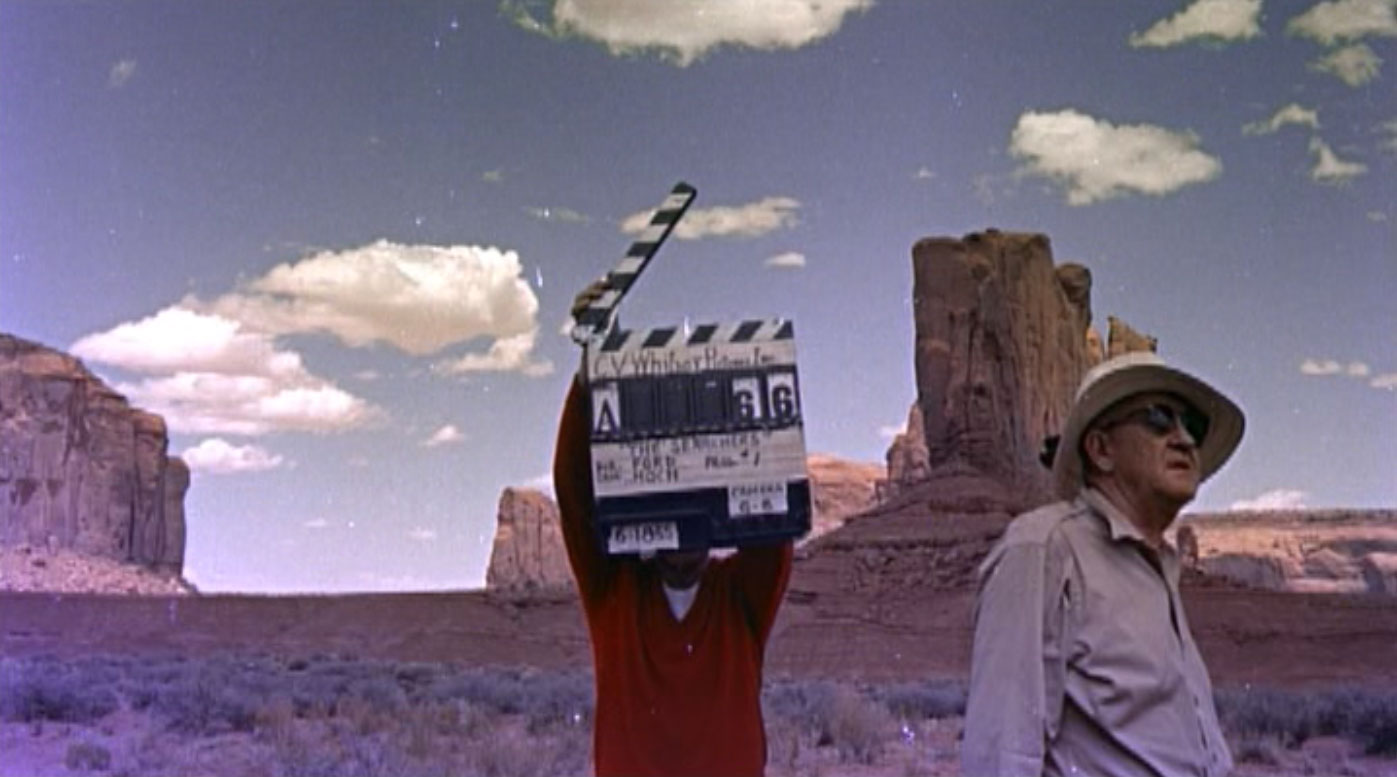
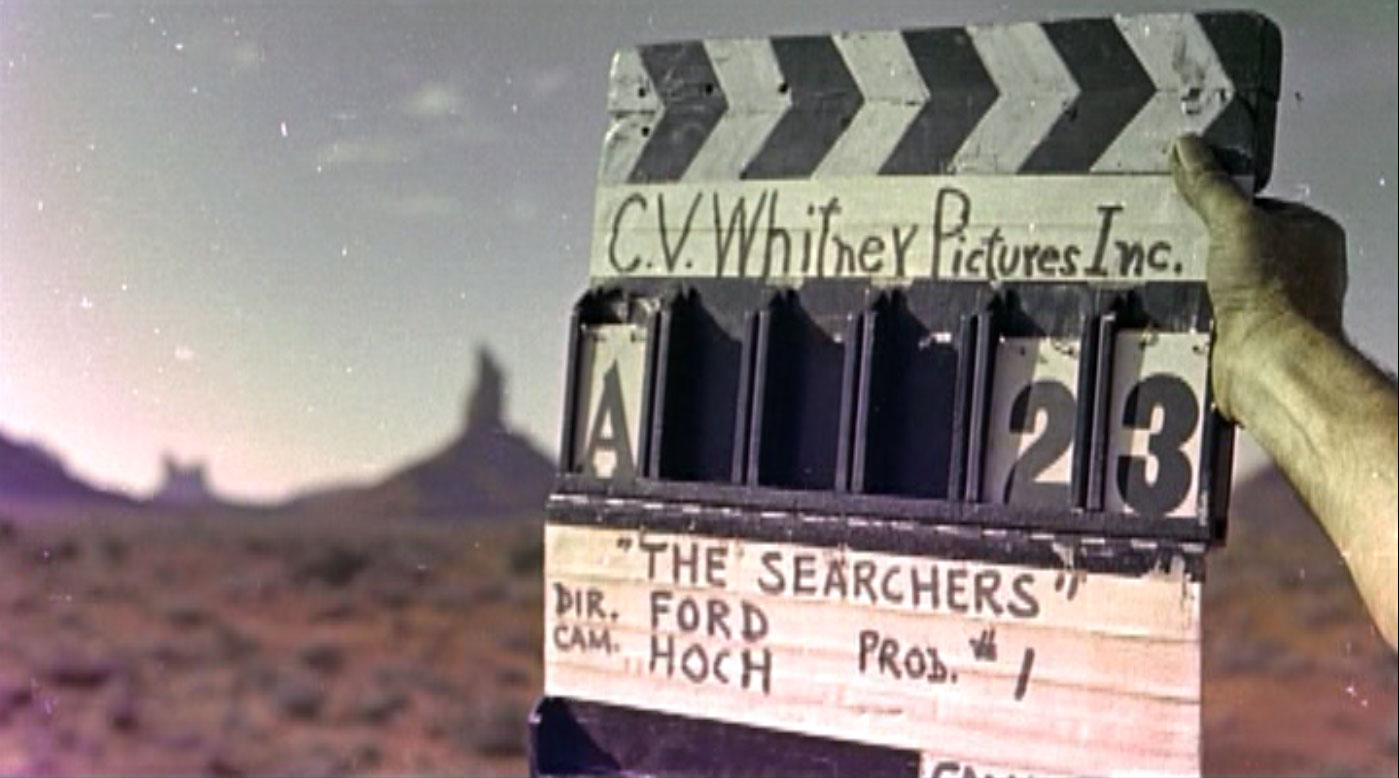
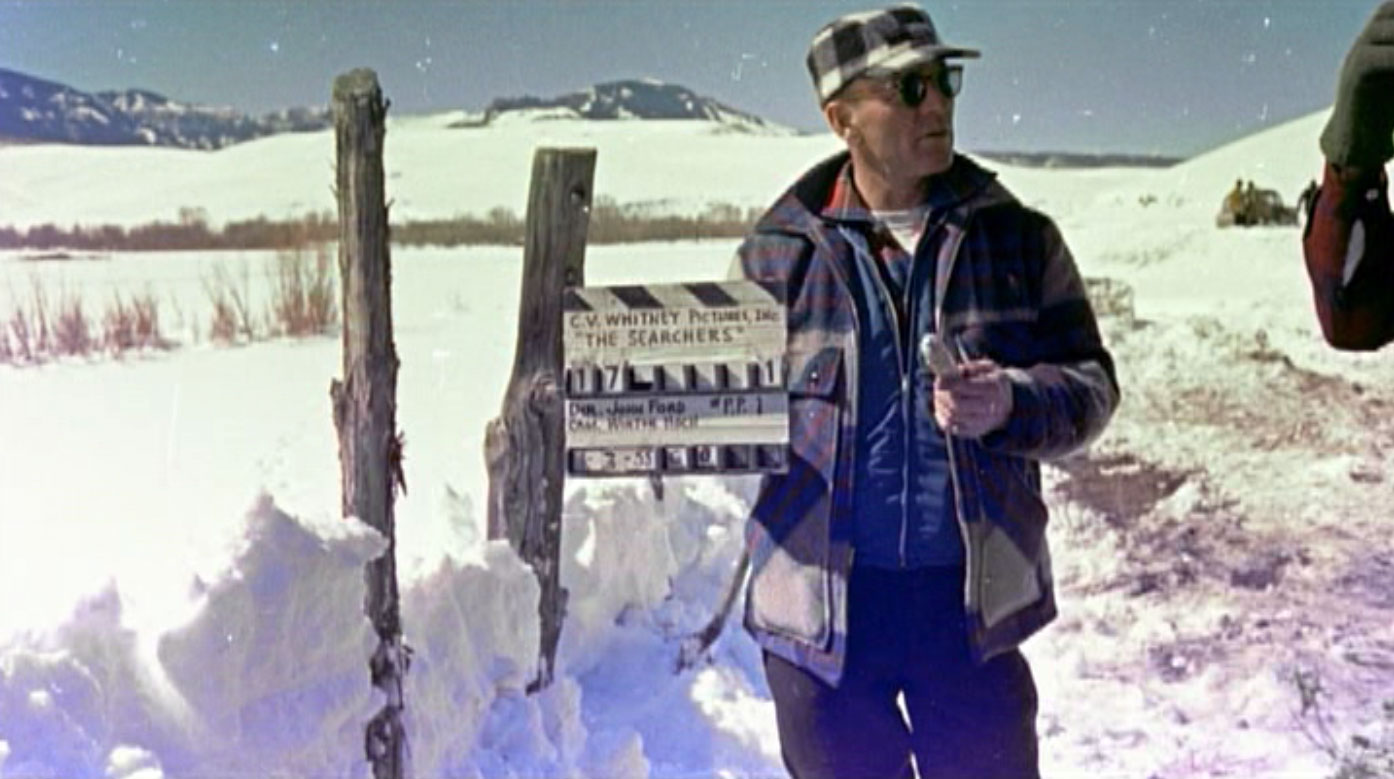
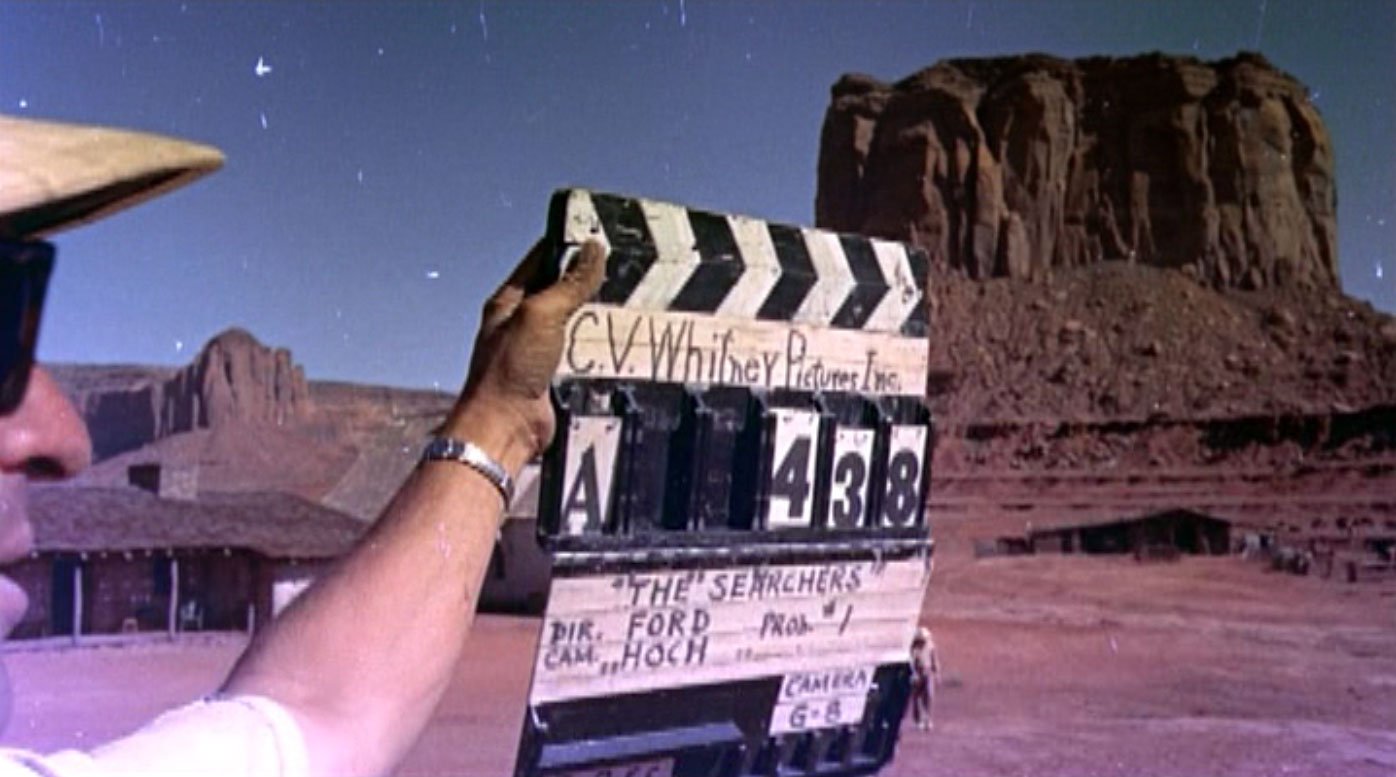
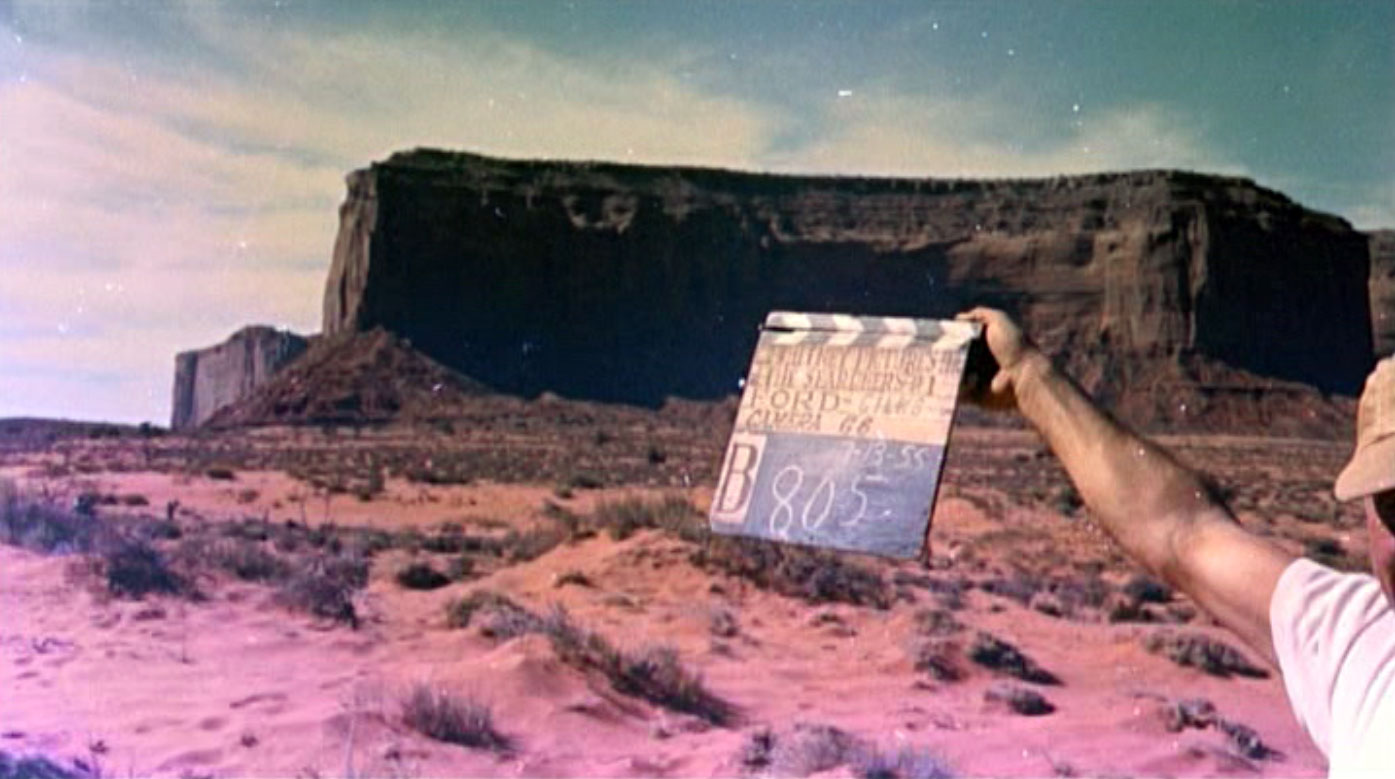
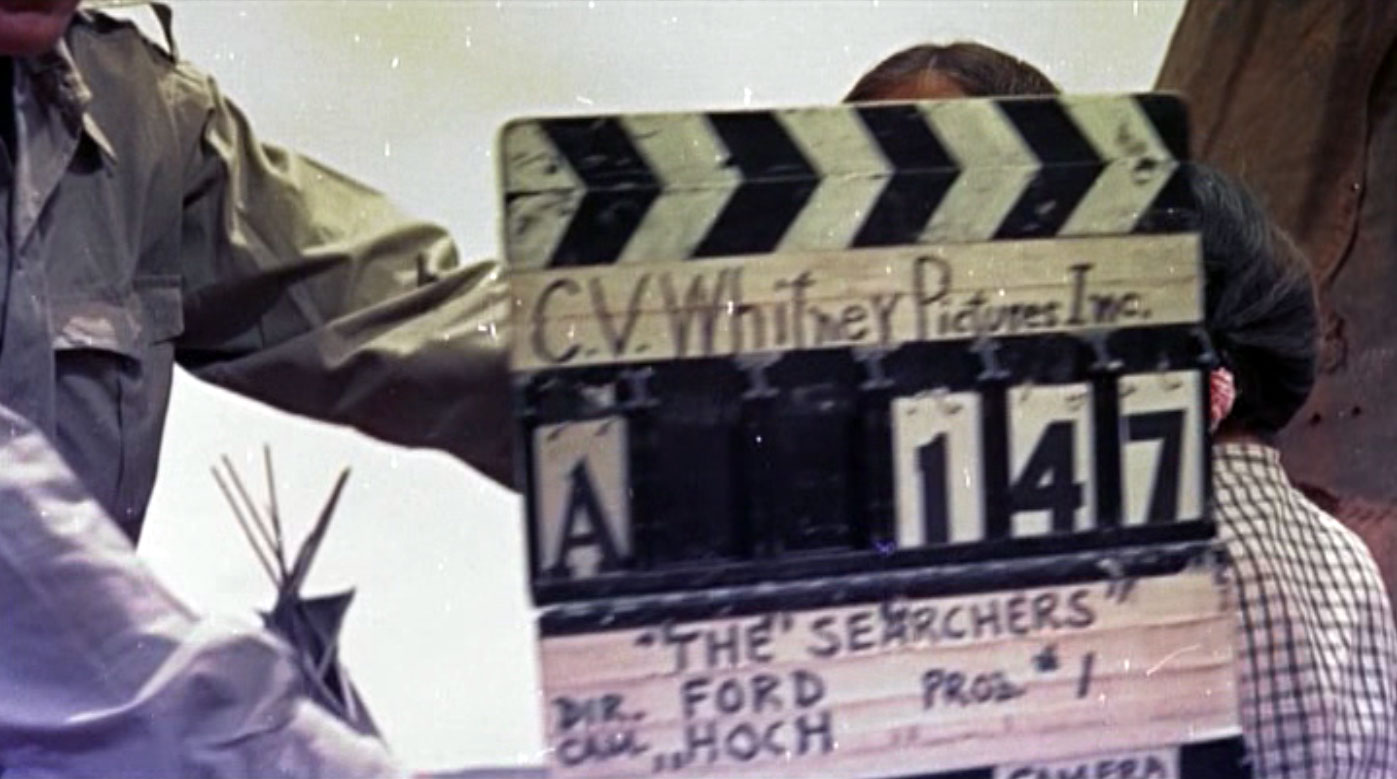
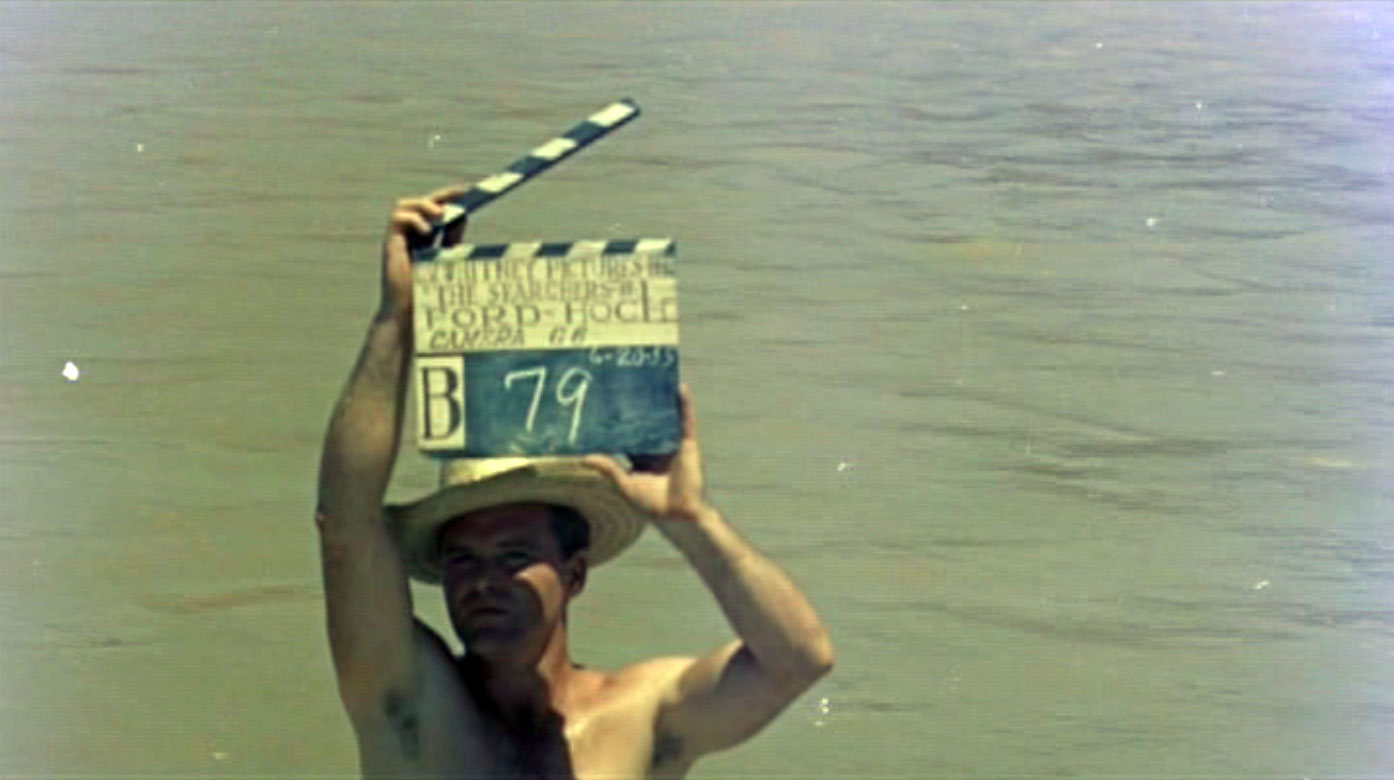
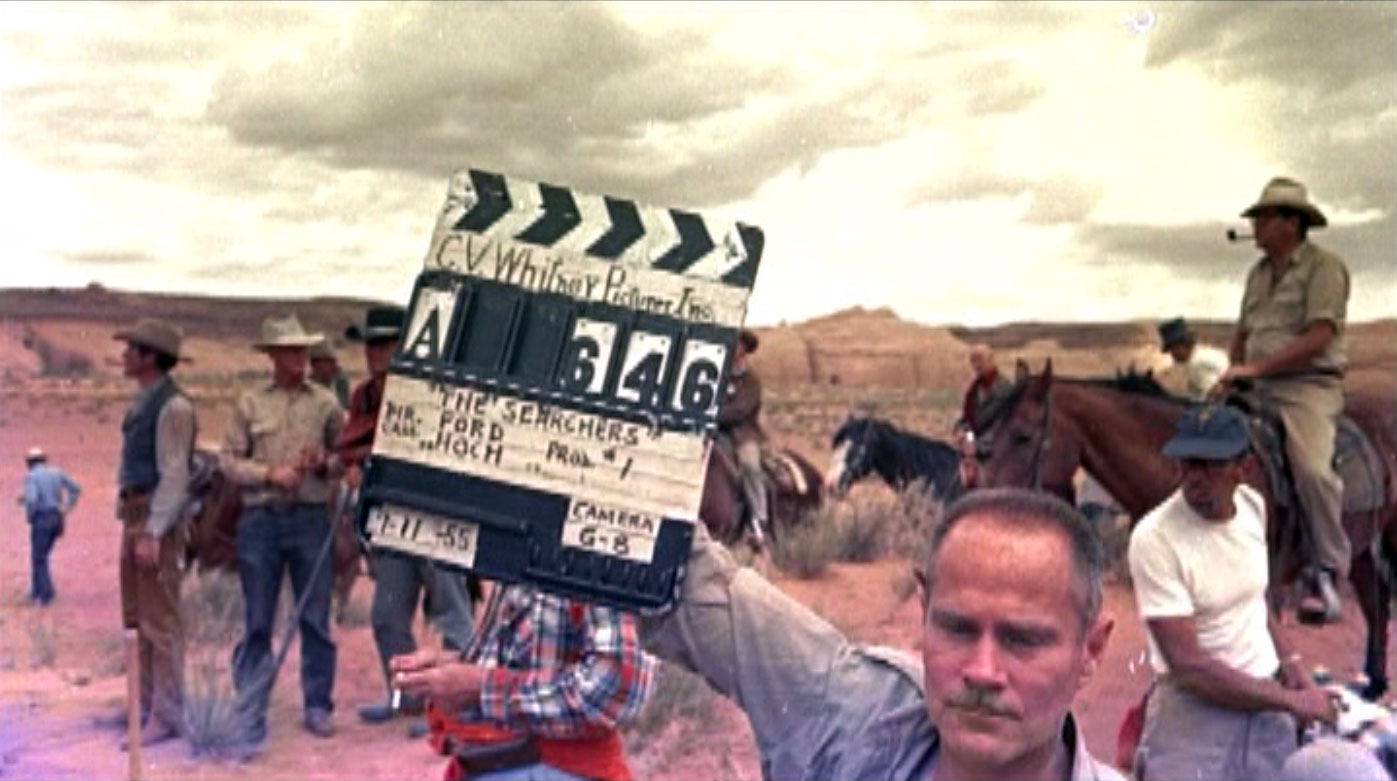
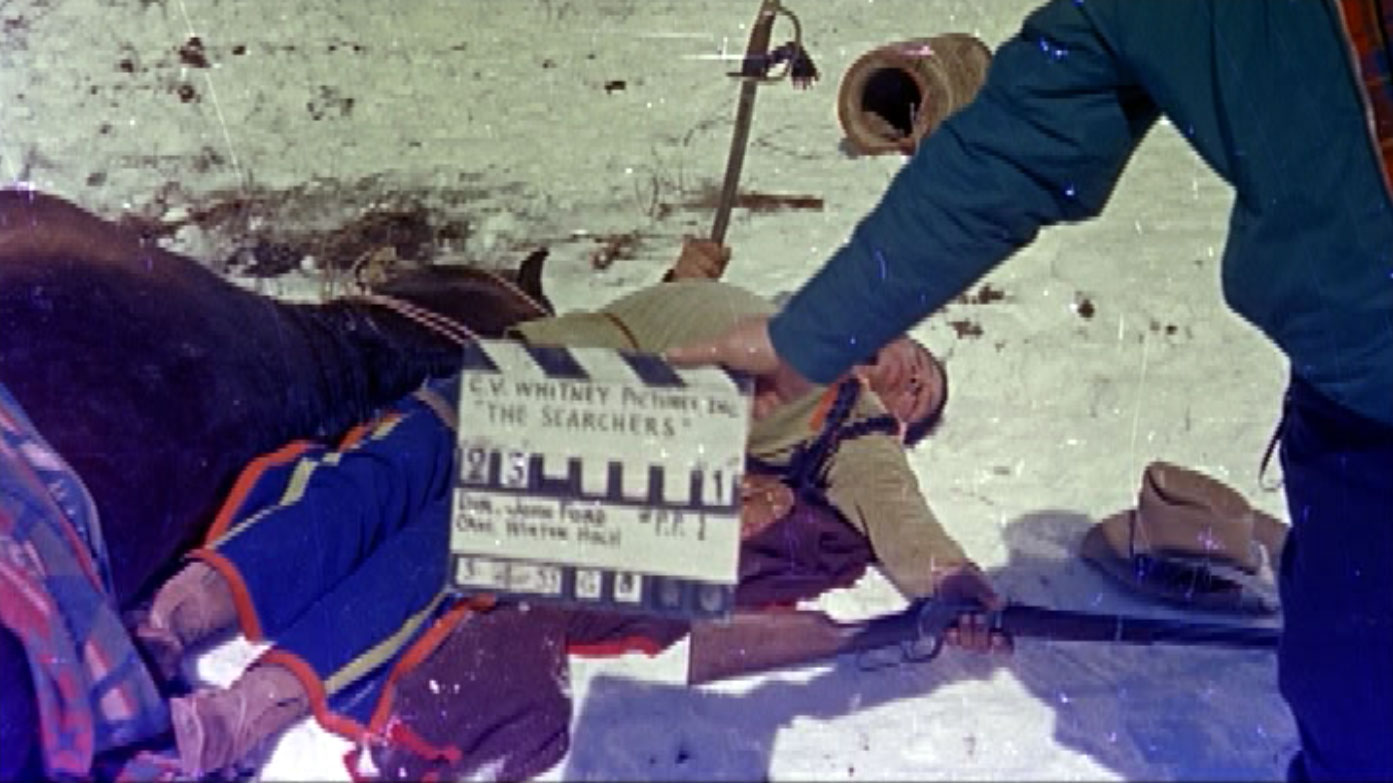
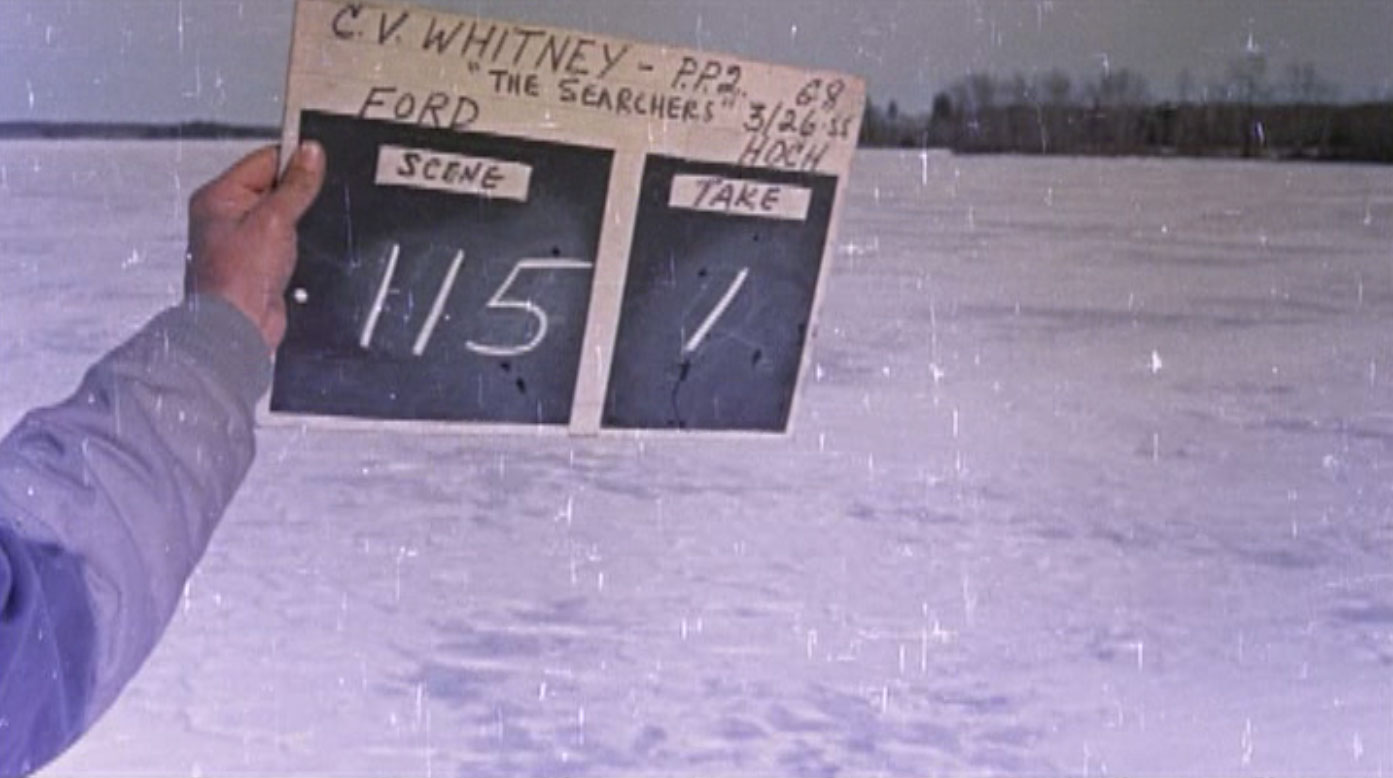
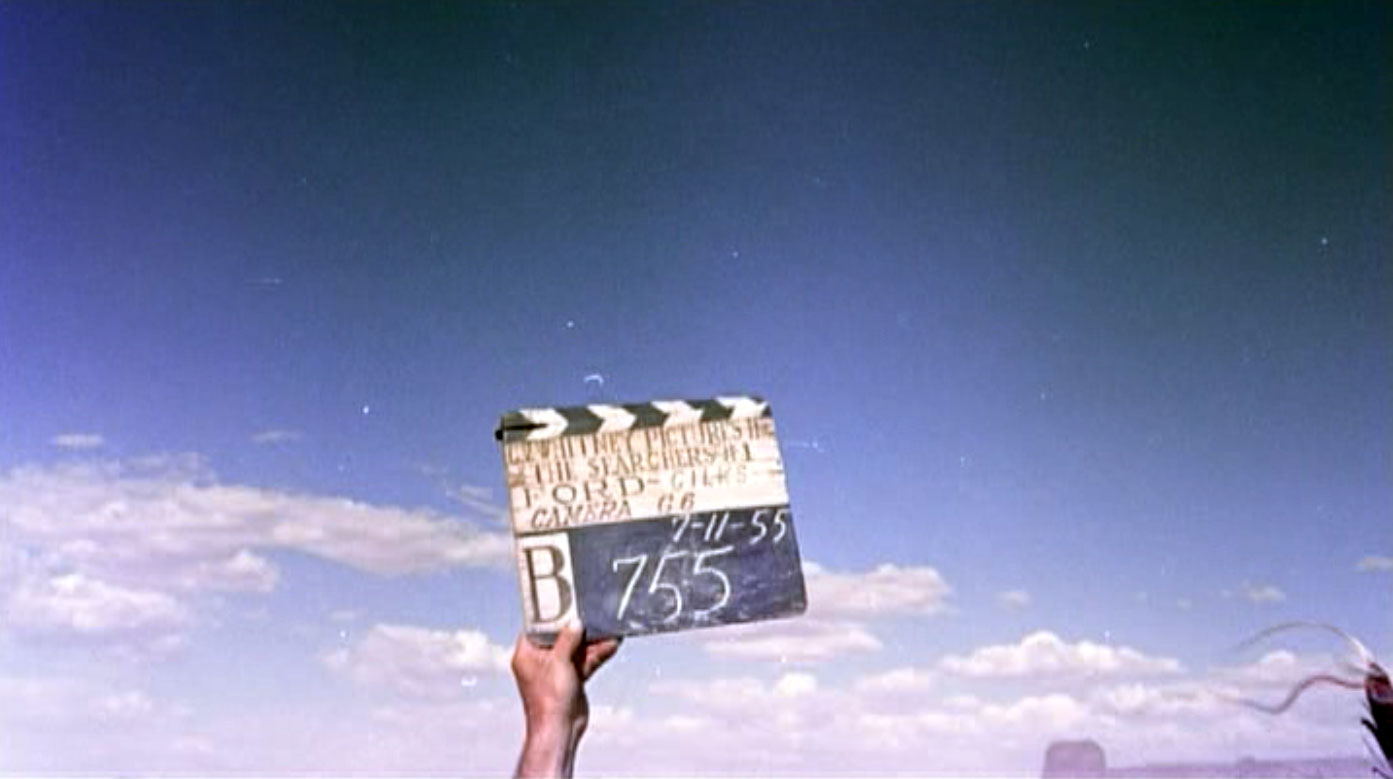
15 slates from The Searchers

A couple of days ago I had the pleasure of watching The Searchers with my daughter Lily. She had seen a couple of other westerns previously, but this was her first time with The Searchers. Afterwords we talked about it. We talked about the character of Ethan Edwards and the complexity of his character. We talked about how the native Americans were portrayed and the historical reality of the genocide against them. We also watched the extra features and talked about how the film was created. I mentioned that many consider it to be one of the best westerns ever made. Lily said it IS the best western ever made. She’s my kid!

>Chess World Championship 2008 in progress

>Since we’re in the middle of college football season I thought it appropriate to bring you some chess highlights.

Vladimir Kramnik, World Chess Champion from 2000 to 2007 is trying to regain his former glory by playing the current World Chess Champion Viswanathan Anand, who beat Kramnik for the title in 2007. The two are currently battling it out in a 12 game World Championship series being held in Bonn, Germany. Official site. Regardless of who wins, the prize money will be split between the players. The amount is roughly 2.1 million U.S. dollars.

So far the games have gone like this:
Game 1: tie
Game 2: tie
Game 3: Anand wins
Game 4: tie
Game 5: Anand wins
Game 6: Anand wins
Game 7: they play today

It’s not looking good for Kramnik, but there’s a lot of chess left and it’s not unusual for a player at his level to rally. On the other hand, Anand is clearly in top form.

Here is a look at game six:

Clearly edge of your seat action. In all actuality, I would love to attend one of these championships. Unfortunately, we typically don’t have ones of this caliber here in the U.S. Maybe someday.

>Germany vs Greece

>

This might be one of the truest comedy sketches ever.

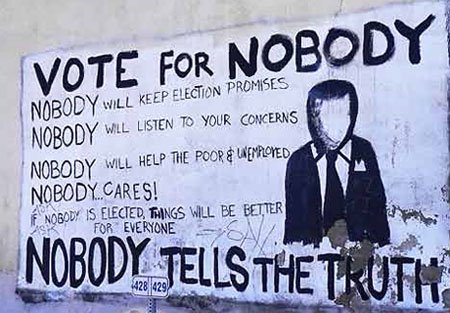
>voting the lesser of two evils?

>

the politicians all make speeches
while the news men all take notes
and they exaggerate the issues
as they shove them down our throats
is it really up to them
whether this country sinks or floats
well I wonder who would lead us
if none of us would vote

~ Larry Norman, from The Great American Novel

I’ve heard it said about every presidential election I can remember.


Along with saying they might not vote at all, I have heard a number of people refer to voting the lesser of two evils in this upcoming election. This seems to be said mostly in reference to voting for Barack Obama. I tend to agree, but not because I think Obama merely represents a lesser evil*, but because voting is largely about voting for which elite do I want to be in power. I want to pick the elite that will do the most good over time for the country – even though I don’t really want to pick any elite.

I don’t like the idea of this thing we call democracy being about elites ruling the masses. It doesn’t sound right. But it’s what we got. It was built into our system by the “founding fathers.” That may be why so many people feel disconnected from being able to affect much change – it’s because we are. But not entirely. Voting does matter, and voting for the lesser of two evils does matter. In fact, it’s a good thing.

For a little perspective here’s Noam Chomsky talking about choosing the lesser of two evils, and why this is the system we have:

http://therealnews.com/permalinkedembed/mediaplayer.swf
This clip is from The Real News Network

So, if I can help it (read: do my homework and make an informed choice), I will try to NOT vote for the greater of two evils. I am disinclined to vote outside the two most prominent choices because to do so is to inadvertently support whoever wins, and that could be the greater of the two evils. And yet I believe one should vote one’s conscience, so I consider all candidates as my potential choice.

* I want to be clear. This is not about which person is the lesser of two evils. I don’t think Obama or McCain are personally more or less evil than anyone else. What we have is a system of slight, but ultimately significant differences. Which faction of of the “business party” is in power is important – over time.

>Walter Wink on Nonviolence for the Violent

>I knew next to nothing about Walter Wink until recently. Now I have become a fan.

>that wonderful uncle

>

I am reminded again why Jacques Tati is one of my favorite filmmakers. Recently I sat down with my daughter Lily and we watched Mon Oncle (1958). This film is considered Tati’s best film by many, and it truly is a masterwork of the artform. Although my heart leans more towards Monsieur Hulot’s Holiday (1953), I still love Mon Oncle – and so does Lily. I must say both films are glorious.

As I was pondering why Tati’s films endear themselves to my sensibilities so, I thought of Jean Renoir. Renoir may be my favorite director, if I could actually have such a thing. What grabs me and holds me fast about Renoir’s film is their unabashed portrayal and love of humanity. Tati, though more stylized in his aesthetic, has the same generous and loving characteristic. Tati’s characters are closer to types than Renoir’s, but they are types as only the French can do them – a kind of multifaceted simplicity of forgiven sinners.

With this love of humanity in mind I was struck afresh by the opening credits. They stand out as an example of creatively dealing with two problems: 1) How can the credits actually be an entertaining part of the film rather than something merely tacked on? and 2) How can the credits actually contribute to the meaning of the film?
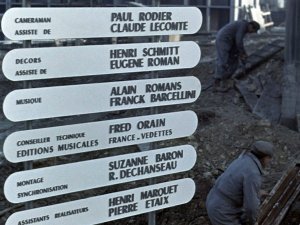

Workers labor, as do the filmmakers

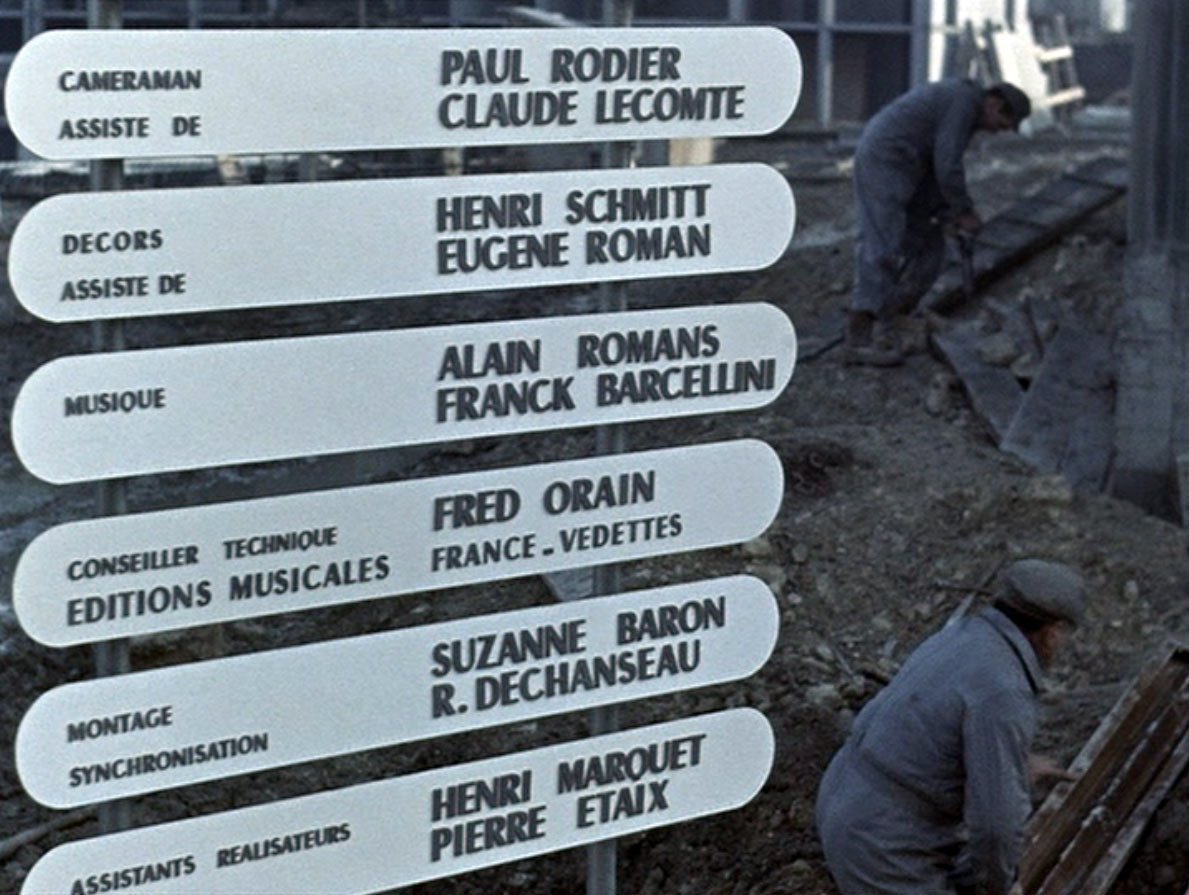
As the film opens we catch a glimpse of a construction site and hear construction noises. In the left foreground are signs with name on them. As I understand it, these signs correspond to the common practice of placing signs with the architect’s name and builder’s name on the construction site. We soon realize these names, however, are of the “architects” and “builders” of the film we are watching. It is both a clever and interesting way to present the film’s credits. It also says something about the story we are about to see and the kind of filmmaker who is giving us this film.
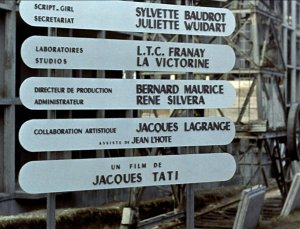

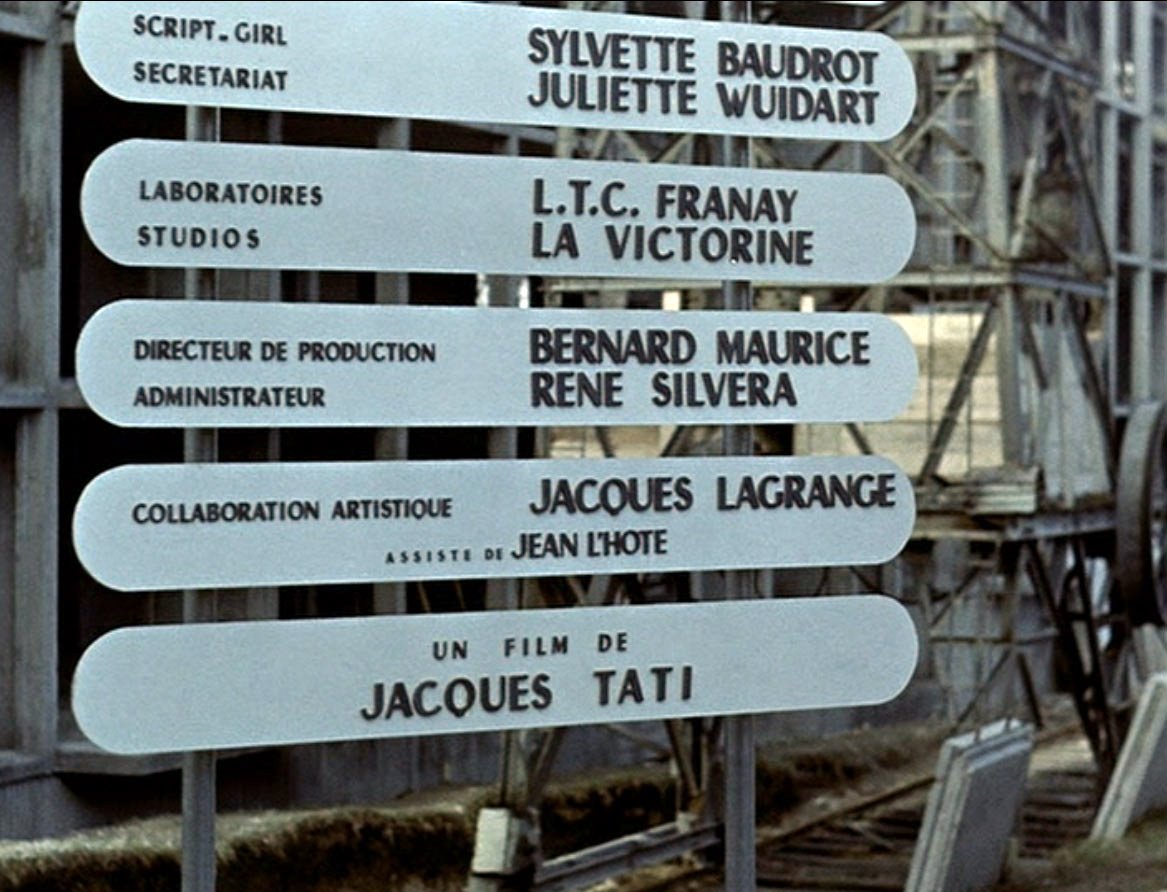
Tati’s name is last, and no more prominent

By juxtaposing the film’s “construction crew” with an actual building construction site the viewer is asked to see the film’s crew as laborers and collaborators. This film is a product of human effort, creativity, sacrifice, and love. Tati’s name is last, but not last as it is with most films for the purpose of being more prominent. Tati has set himself within the circle of collaborators. Yes, it is his film, but it is their film too.

And then we cut to this:

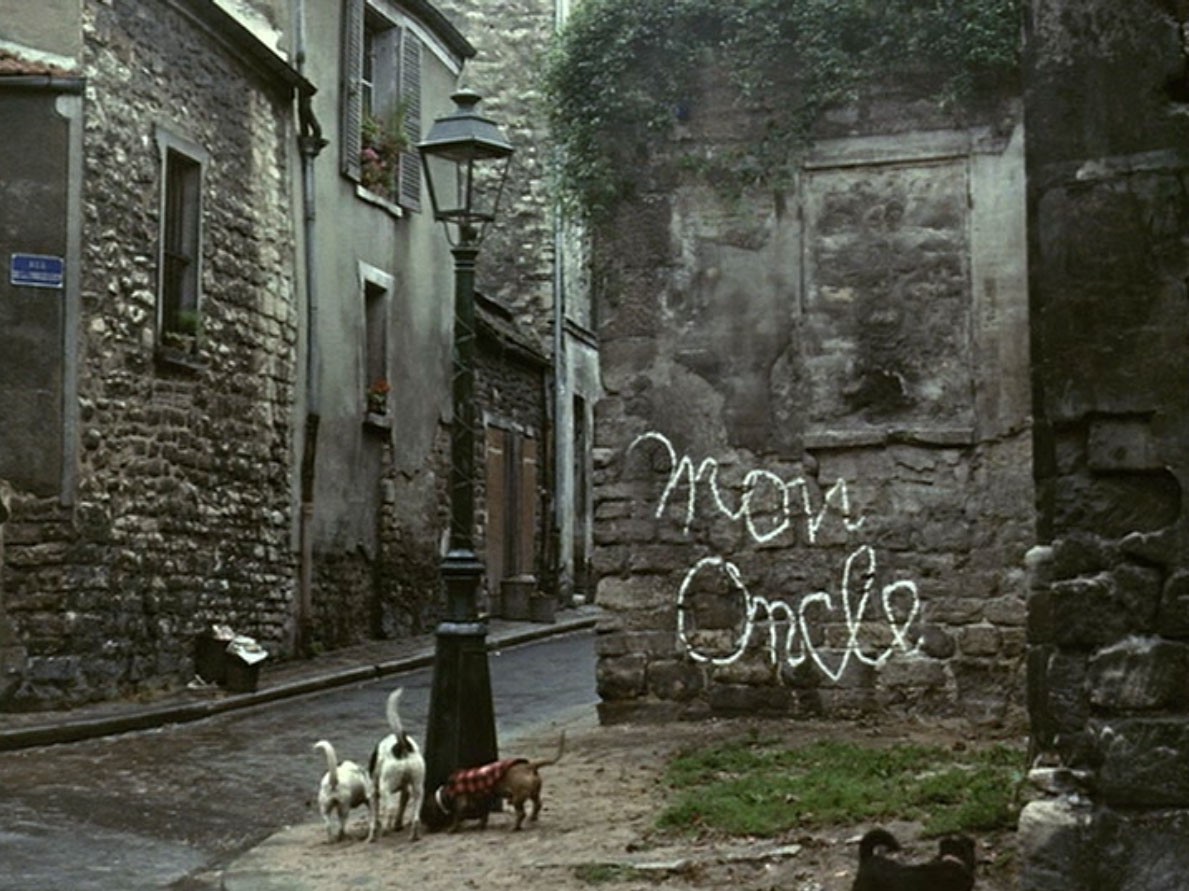
The other world: Decay as Life

To my mind this is one of the great edits in cinema. Still within the credit sequence, we have the juxtaposition of this shot with the previous which loads it up with meaning – a meaning that the rest of the film will explore. We have gone from the new to the old, from a world of freshly built to a world of decay, from life as death to death as life – for it is in this world of decay that we witness the vibrant bustle of humanity interacting with itself rather than with machines and objects. Mon Oncle is a meditation on these two worlds. As we will see, buildings and houses, which are evidences of human activity and intention, seem to stand for the people who inhabit them. In other words, the artifice becomes the humanity. Thus, this run down street, which exudes a deep and flawed beauty, is the truer humanity.

Tati plays Hulot, and one can assume Tati loves Hulot for all his bumbling and goodheartedness. But Tati’s name, as per the credits, is associated with the new, the world of construction and building, the forever present. Hulot, the oncle of the title, is instantly associated with the old and crumbling. It is as though Tati recognizes that he lives and works in the modern world but finds himself reaching back vicariously to another, more romantic time and place. Hulot then may be his avatar as well as his clown.

I’m not the only fan of Jacques Tati. So is Frank Black:

I will now consider Frank a close friend.
>are you religious?

>

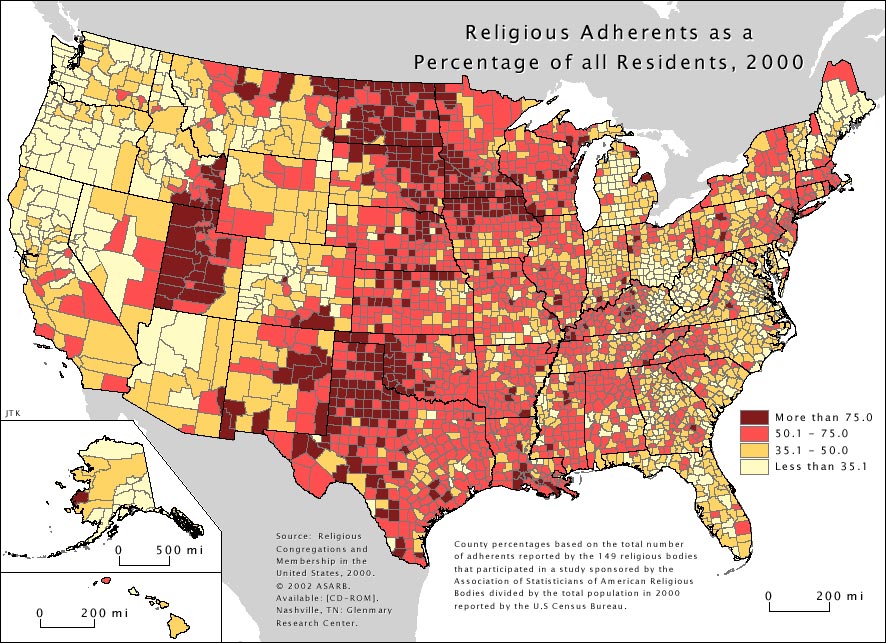
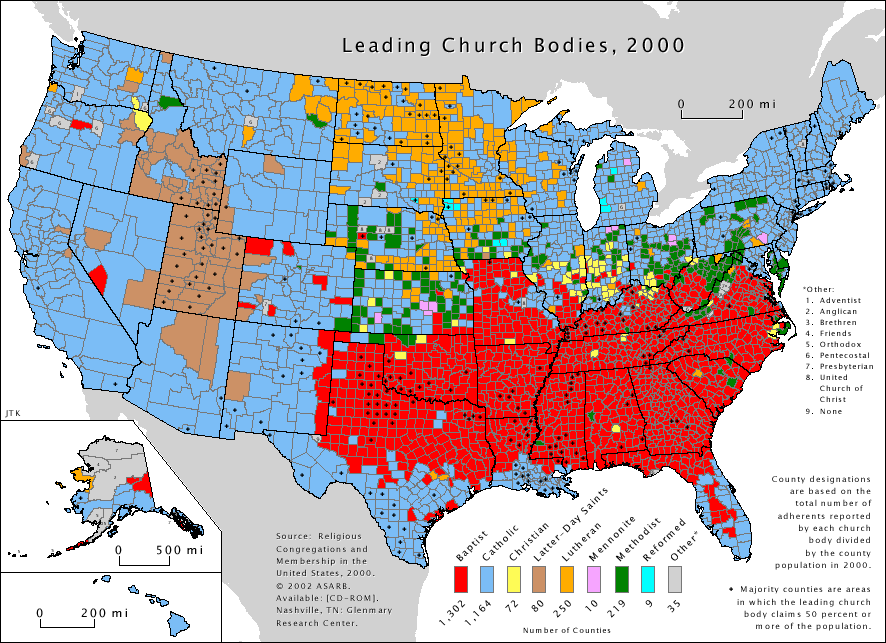
I live in the least religious region of the United States.

The map above (click to enlarge) is from a 2000 study of religious population densities in the U.S. I live in the upper left area, the Northwest, which has the largest percentage of “un-churched” people per-capita in the country. Because I have, for the most part, lived my entire life in this area of the country I am curious as to how the religious make-up of my regional culture has played a part in my formation as a thinking/feeling person. I have always thought of myself as a person of faith, even propositional faith, but not as particularly religious in an external sense. Regardless, I think I would be called religious in light of these demographics. But I find myself to be rather un-dogmatic as well as prone to questioning even long-held Christian doctrines – not because I think they are necessarily wrong, but because I value critical thinking and I don’t place much value in tradition when it comes to truth, except as a catalyst.

Then I look at the rest of the country and I wonder what set of beliefs, what religious and philosophical values I would have if I had lived elsewhere. Look at those red and deep red areas of the map. What kind of choices, what kind of pressure would I have experienced if I had grown up there. I don’t know. Maybe you know. What I do know is that in the West and Northwest there is a trend toward “missional” churches, that is churches who are built around the idea that the very cities in which they exist are every bit as much mission fields as anywhere else in the world. Mars Hill Church in Seattle is particularly committed to reaching out to its un-churched city (I don’t attend Mars Hill, but I listen sometimes to their podcasts).

What is remarkable is how religious, and in particular how Christian, is the U.S. Not long ago many predicted the collapse of religion in the U.S., instead it has flourished. I wish I could say Christianity has always been a source of light in this country, but that has not been the case. The present political season is evidence enough. But Christians are really no different than anyone else who holds to a set of beliefs about the world, about right and wrong, and about the future. What is all to evident, however, is the fact that Christians are specifically called to love their neighbor as themselves and they fail in big ways. Of course, so does everyone else. You can certainly count me in that number.

Here’s another map I find interesting. Of those who are religious, and again its mostly Christian in this country, this is how they break down geographically by basic religious groups:

What is interesting for me is that I grew up a red (Baptist on the map) but not in the Southeast. Later in college I left “redworld,” but my faith deepened and grew as I became, for lack of a better description, a non-denominational Christian. I began residing at McKenzie Study Center, which was conveniently close to the campus (I was an undergrad), but was also a place that allowed me to ask tough questions about my faith. I was given room to actually think outside the box. Far too often one is only allowed to lightly question approved doctrines in traditional churches as long as there is no chance that one will actually disagree with those doctrines. Freedom to think is often perceived as a threat to religion, but it is central to faith. 20 years later, and a lot of water under the bridge, I am still plugging along, sorting out my faith (with fear and trembling) and seeking to love others regardless of what or who the maps say I am.

>british blues legthigh blues

>So you want to play the blues? It’s easy, just do as Clapton does (or did more than thirty years ago):

Yeah, just do that. And wow, I want that guitar.

And as a bonus I give you this:

Thank you Winston Legthigh & The Dirty Mac. Now to the rest of you, go forth and play the blues.

>What some voters believe (and the Penguin)

>I love elections, and I can’t stand them. Elections bring out the best and worst in us. They also stir the pot, which often brings to the surface what isn’t that far below.

I know there are people who don’t believe Obama’s confession of faith is genuine and that McCain’s is. Personally I have the opposite perspective. This does not mean I agree with everything Obama says or promotes, but then I have many disagreements with lots of people who call themselves Christians. C’est la vie. What I am surprised by, however, is the obviously outrageous beliefs about Obama that people hold in all sincerity. I guess that’s just life too. Regardless, I was struck by this news clip:

Elections teach us a lot about ourselves and our neighbors.

And then there’s the debates, which I enjoy. I doubt the debates really have much affect on which way people vote. Of course, what we have seen in the recent debates (and campaign speeches) is not unprecedented. I wonder which team has taken its cues from the Penguin:

Beautiful.

>the way of life

>

tell me of the fear
for I know it too
I know the darkness intimately
and the open doors
and the thresholds
and the infinite
though I know only so much

remind me of the trembling
but I know that too
the shaking in my boots
the falling on my face
finding supplication
hoping against hope
wanting, wanting, wanting
I so know those chains
for they embrace me

this is where I do theology
I begin with weeping
and self satisfaction

I end with inheritances
and tears

that is how I know
the heart is a place
where I heard
the branches bending

in the wind

tell me again of the darkness
at mid-day
for I believe it too
when the graves opened
and the dead walked
in Jerusalem
when the earth shook
and the holy of holies opened
to the world

tell me all that again
for here I am working it out
knowing glory like shadows
knowing love like faint glimmers
knowing hope like mustard seeds

and I can only say that
I stand on shoulders
I crawl in the corners
I waver in the doorways
I wander back roads
and the best I can do
is know that I too
saw the sky go dark
and felt the earth move


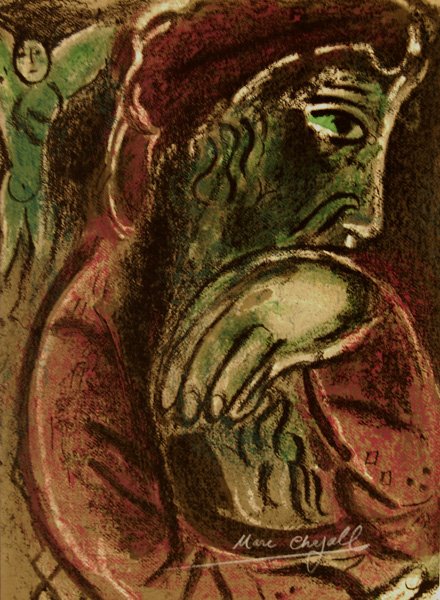
Lithograph above by Marc Chagall, 1960

Job in Despair