>like blossoms falling

>1.
on that bedroom wall, a barn
in August; a Vermeer;
a café; and suitcases
painted by someone we know
and beyond that wall
the great wheel turns like a millstone

when the sky is blue
it is the gleaming face of destruction
and down among the roots
in the tangles of soil an ancient vine
threatens our hedges
tangling our hopes with darkness
calling to us from the tomb of this world

some set up stones
some spilled blood
some sacrificed flesh
and when night descended
the sun fought its way through hell

this is the ancient of days
the ever coming of the storm
the swelling of the tender buds

2.
in the beginning
we did not think of cities;
seeking arcadia along the rivers
and in the fertile valleys
collecting goats
corroborating stars
wearing anxieties like dead skins

and when our sons grew up
and killed each other
the heavens still beckoned
but our monuments never reached that far
not really
and all of it’s more like a parking lot
than an orchard
but still I see the leaves kicked up

3.
I am a trunk
hewn and mobile
bone and blood
a serpent and a spirit
I am viscera
I am pouring forth
I am crawling through
and you
the world
a treachery
a beautiful death
an angel and a sword
a streaming light
can only cast your voice
in the stillness of my desires
like blossoms falling
in the shadows

-2001/2007


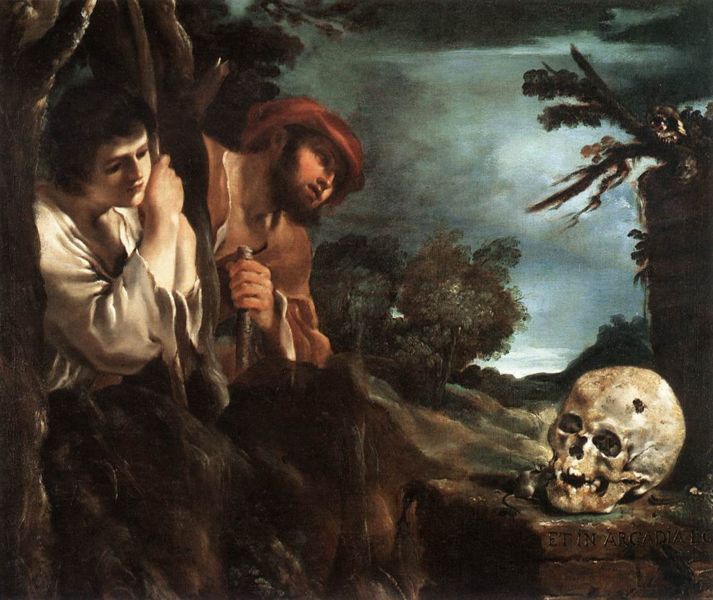
Et in Arcadia Ego, painting by Guercino, ca. 1628

the architecture at work

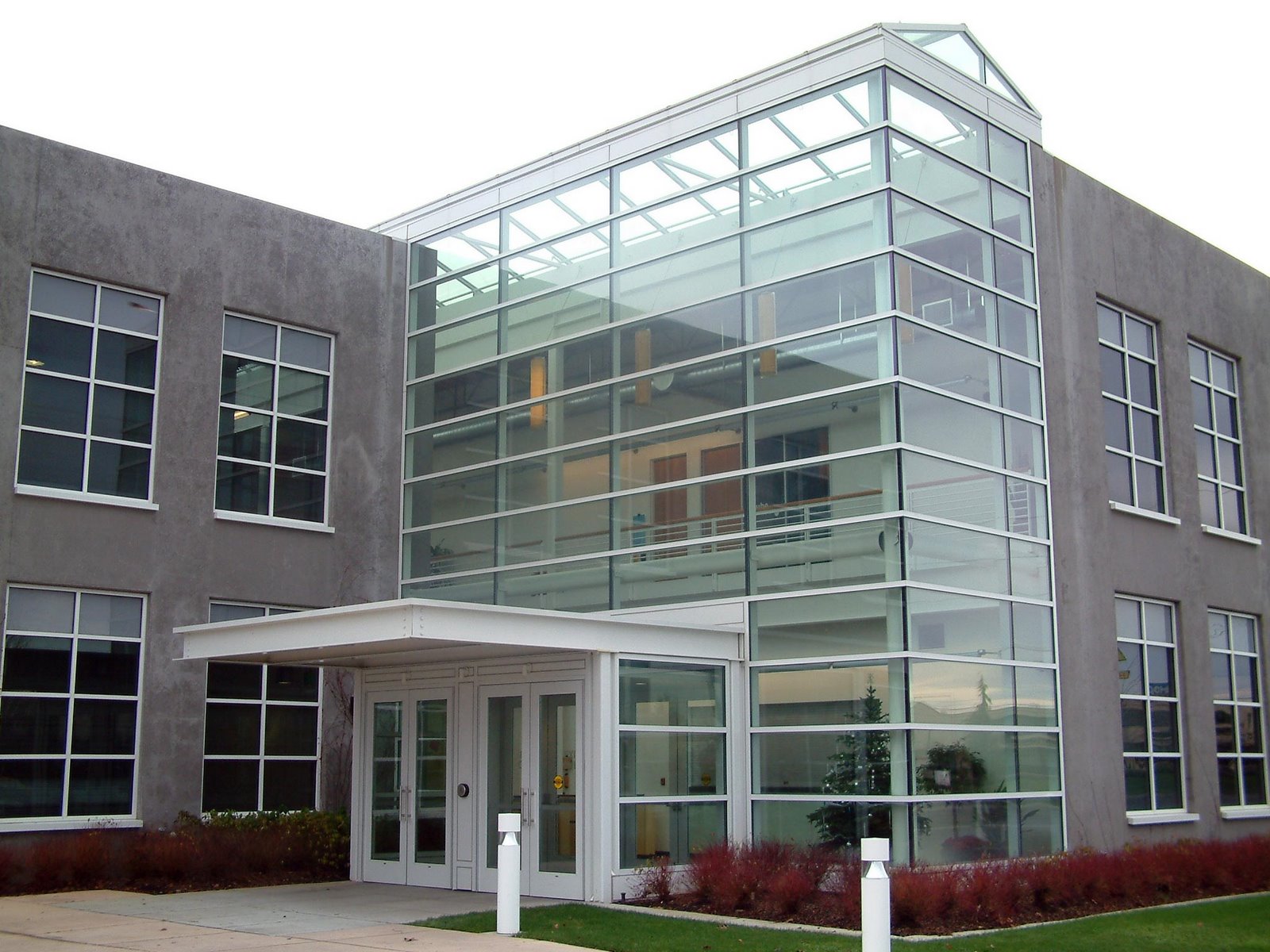
It is the end of the year, and for you salespeople, it’s the end of the quarter! For me this is definitely a rushrush time of year, and work is laying a heavy and stressful load on me at the moment. Thus I found myself going in to the office both days this past weekend. I happened to have my camera with me and snapped some images of the build in which I work.

I have been interested in how the architecture and design of objects within one’s everyday world have their effects on us. Being alone in the building heightened my sensitivities to the nature of the space.


The entrance exterior.


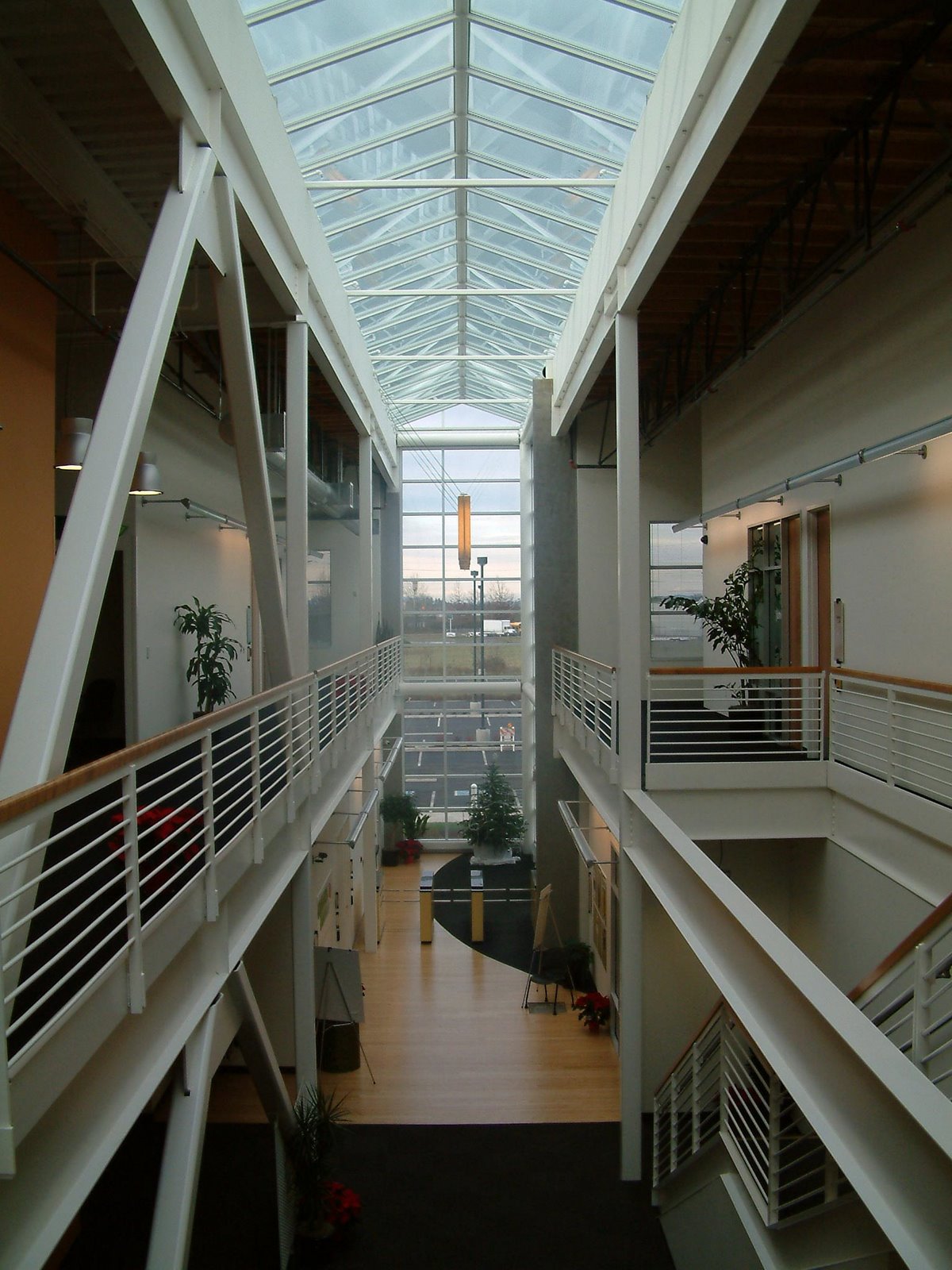
The entrance interior.

This building is an attempt to combine inexpensive concrete-tilt-up construction (think Costco buildings) with just enough outside-Silicon Valley hipness. The truth is, this building is really just a glorified call-center and order processing center, with some IT and a few other jobs thrown in. It is also a rather simple building in terms of design and layout.

I have to say that there are some characteristics of the building and work area that I like, but I also have to say that it does not feed my soul, not that I expect it to. Like other aspects of my job, such as the good benefits and decent pay and good people to work with, this building is part of the “golden handcuffs” that make it difficult for me to dislike my job enough to leave and go pursue some personal “dream.” And of course I’m not bitter, it’s a lot better than some other places I’ve worked. It beats working on a green chain! If you’ve lived in the Northwest for very long you know what I mean.


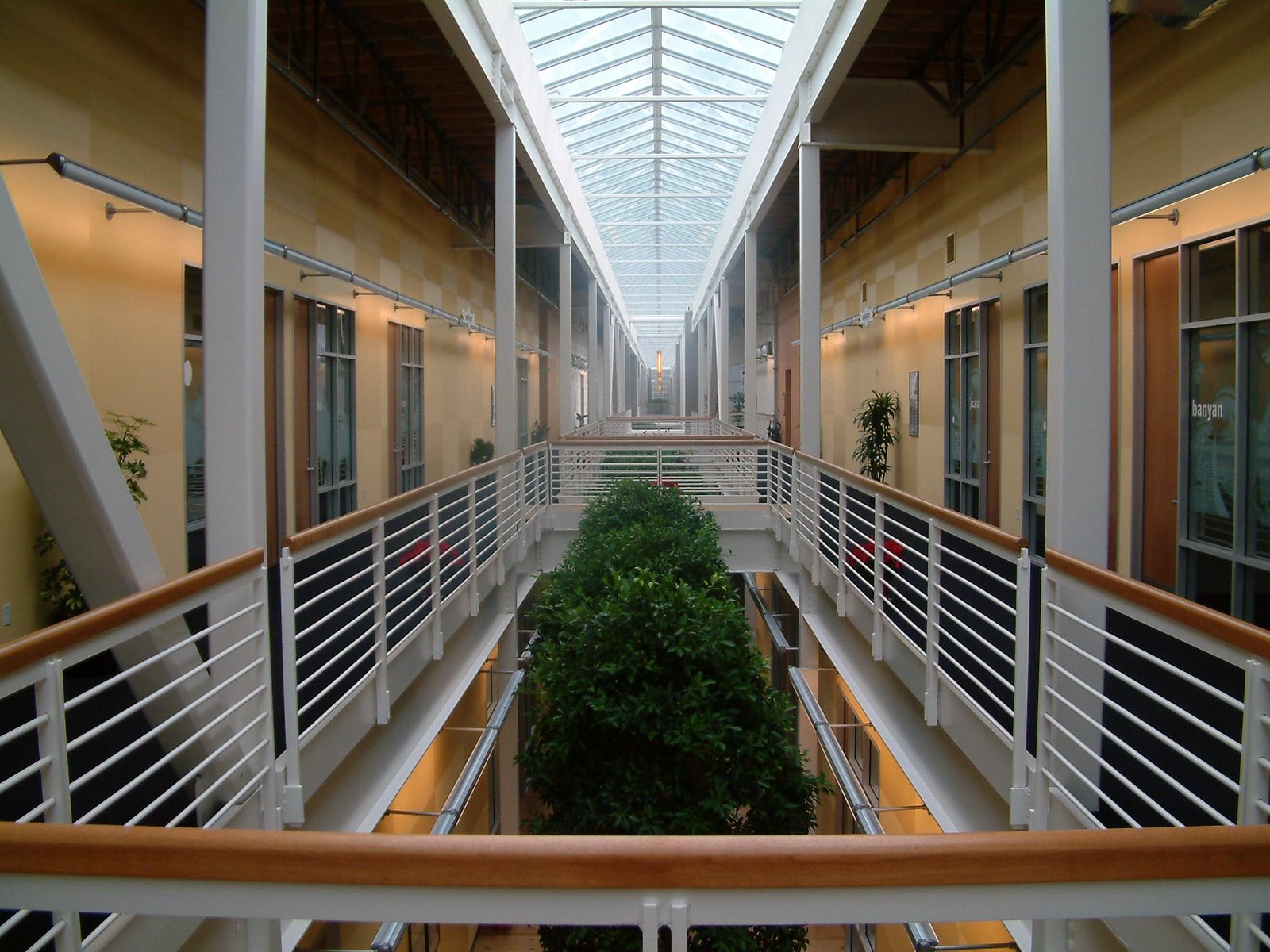
The long atrium that runs down the center of the building. I’ve been told it’s a quarter mile long.


The little section of cubes where I work.

What I find most interesting about this building is that its antecedents go back to some of my favorite architects, le Cobusier and Gropius, and to their ideas of the relationship between form and function. In that sense this is both a modern, and in modern terms, now an old building. It is a very functional building and, in its best moments, its aesthetics are the result of great functional design. I am sometimes amazed at how many hours of my life have been spent in this building – since early 2002!

>The Wind Blows Where It Will

>

Unconsciousness of despair is like unconsciousness of dread: the dread characteristic of spiritlessness is recognizable precisely by the spiritless sense of security; but nevertheless dread is at the bottom of it, and when the enchantment of illusion is broken, when existence begins to totter, then too does despair manifest itself as that which was at the bottom.

-Kierkegaard, from The Sickness unto Death

What is a life without faith? Is it possible for such a life to sustain itself? The history of film is replete with stories of characters wrestling with who they are and what it is they truly believe. We don’t get tired of such films, if they are honest, for that struggle is deep within each of us as well. Our souls resonate with that struggle. Maybe it’s because we all know something about the dread at the bottom, even when we construct lives designed to deny it.

In Kunal Mehra’s new film The Wind Blows Where It Will (2007), Phillippe (played by Josh Boyle) is forced to confront the very foundations of his life. Phillipe’s life is one carefully constructed of his own making. He lives a spartan existence of work, art, limited relationships, and few things. He is fastidious to an extreme. He likes to have everything in its place. He is also quiet, soft spoken, and thoughtful. But his carefully constructed world is as much an illusion as it is real. In the beginning he does not realize just how fragile is his world.

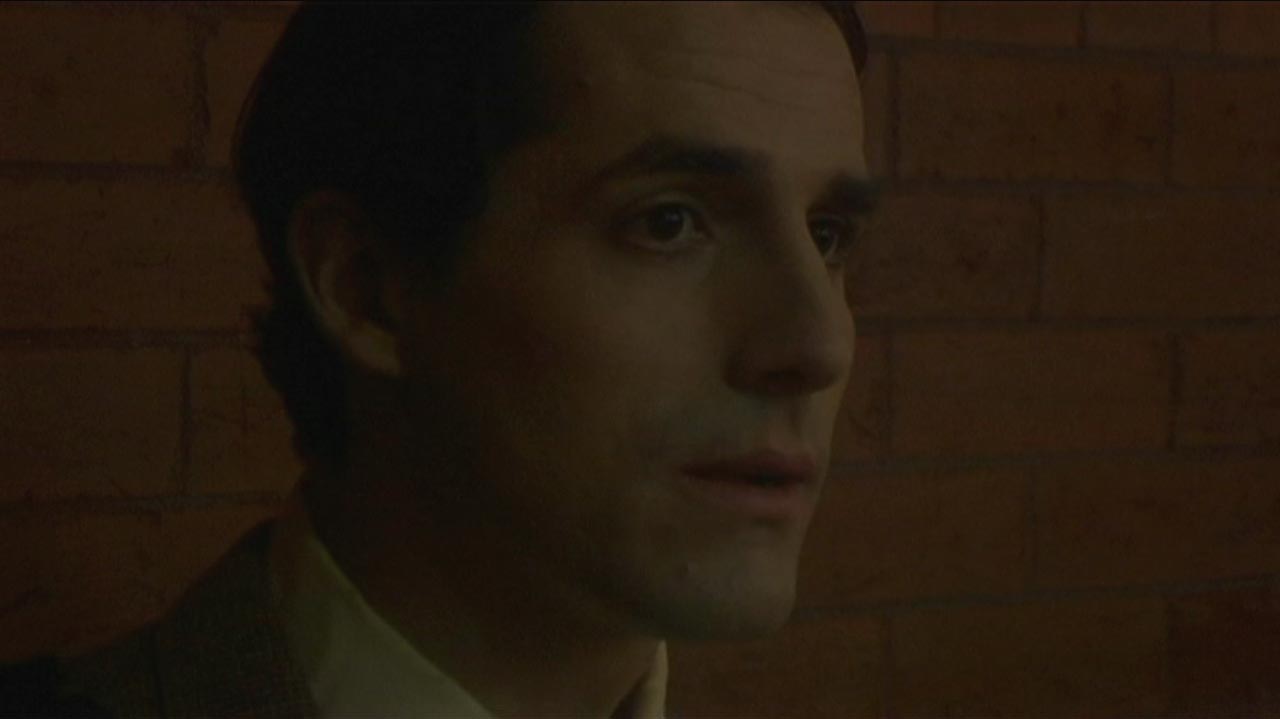
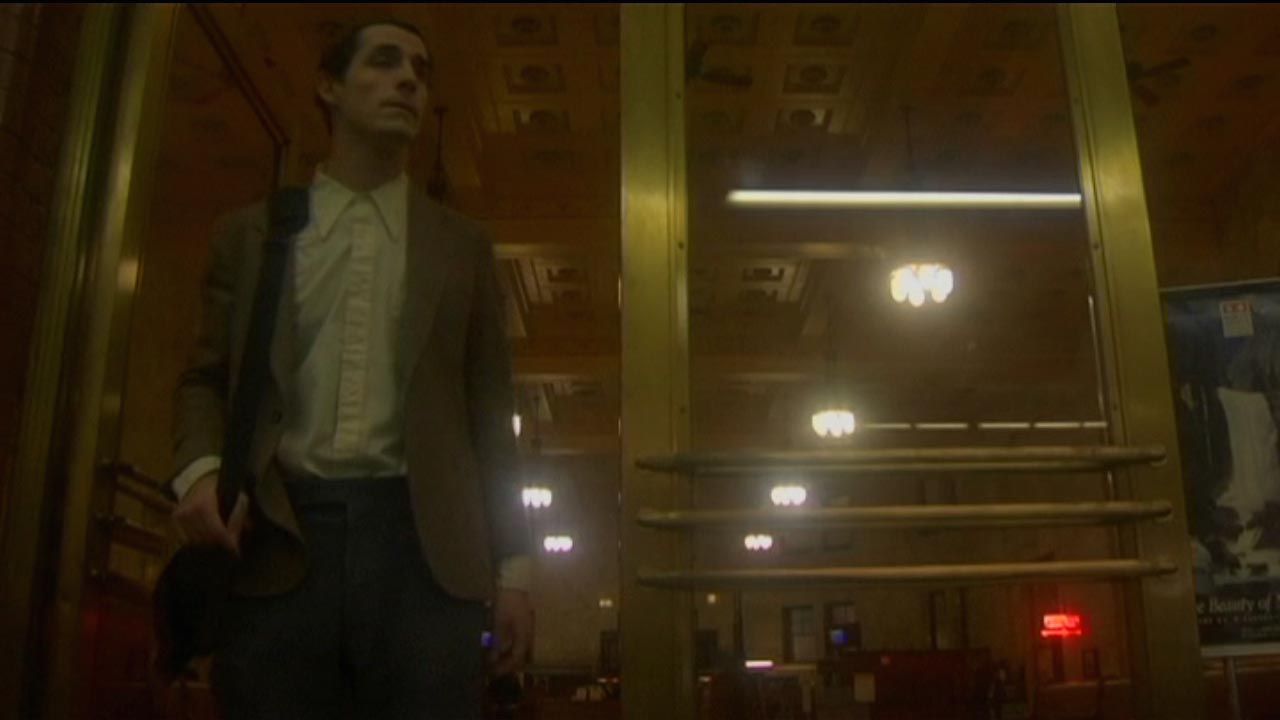
We get a hint that all is not well early in the film when Philippe waits for Jeanne (played by Wendy Harmon), his girlfriend, to arrive by train. As he quietly waits in the half-light of the station, Philippe is alone and longing for Jeanne’s arrival. [Note: for some reason my screengrabs are much darker and less rich than the DVD.]

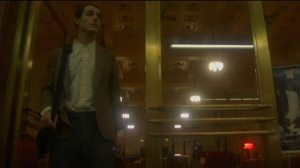
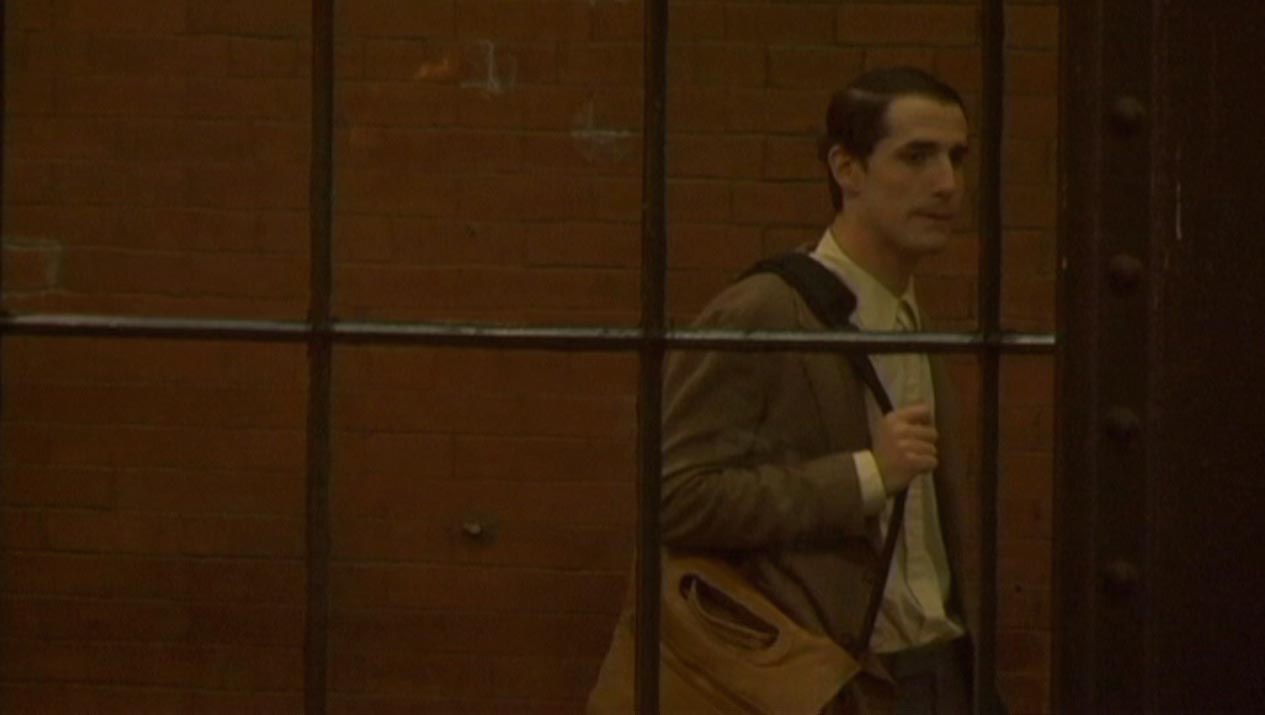
When the train finally arrives he watches the passengers exit the platform.
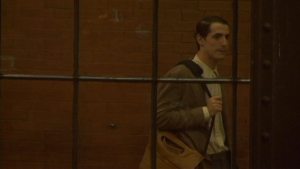
But when Jeanne finally enters the picture she comes from a direction Philippe did not expect.
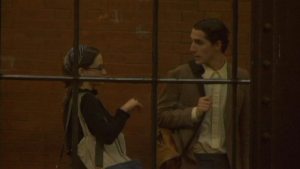
One could consider this slight miscue as being merely the subtle differences between two people, or even the differences between the sexes. But is it not in the little things that the world turns? Philippe will soon find out how deep the differences are.

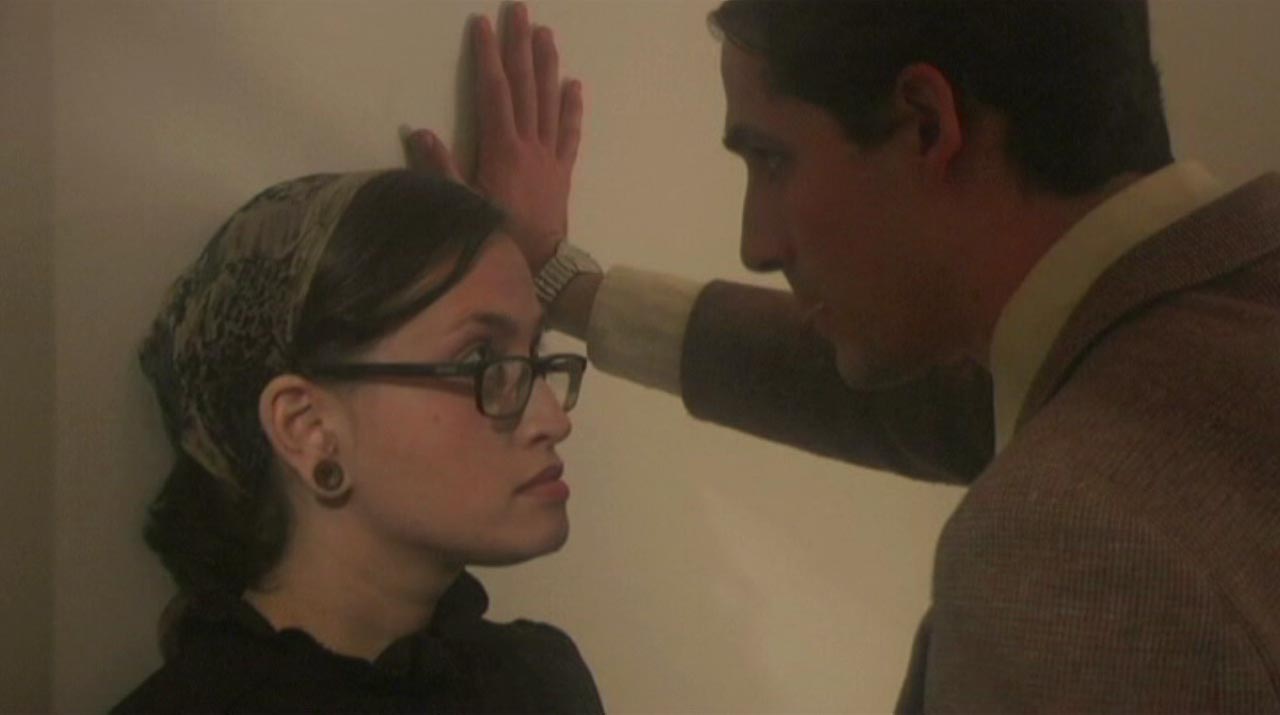
Once they arrive at his apartment Philippe tries to get close to Jeanne.

He tries to kiss her, to physically connect, but she denies him. Like Philippe we don’t know why, but she has her reasons, and her reasons are not part of this story. The next day Philippe must begin to face a future without Jeanne. What we have here is the beginning of an unravelling, and that unravelling what the remainder of the film explores.

Since I am an honest sort, I will say that this is not truly a review of The Wind Blows Where It Will, for I am not a critic or film reviewer per se. My interest is not so much in the what, but in the how. And more specifically, I want to explore the idea of a contemplative cinema with this film as one example. I have written elsewhere on the topic of contemplative cinema here, here, and here. I have to say my thoughts are still in the formative stage, and may always be.

The stylistic heritage of The Wind Blows Where It Will is rooted in films like Pickpocket (1959) or The Sacrifice (1986), in which the arch of a soul is foregrounded over and above the machinations of plot. This difference is often the difference between contemplative film and other forms. Here we have a rather simple story on its surface; a man’s girlfriend decides she must leave him, he tries to sort out what this all means, meets some friends along the way, wanders through the city, and then makes a fateful decision. However, it is not the surface that the film is concerned about, it is the interior life of Phillippe. But how does a film convey that interior life? There are a number of choices, such as voice over narration, or by having the character explain his thoughts to another.

Another way is through observation, that is, point the camera at the character in question and let life play itself out. In this case the camera becomes a kind of sociological/psychological recording device that searches for clues as to what must be going on inside the character. This is the primary method of The Wind Blows Where It Will.

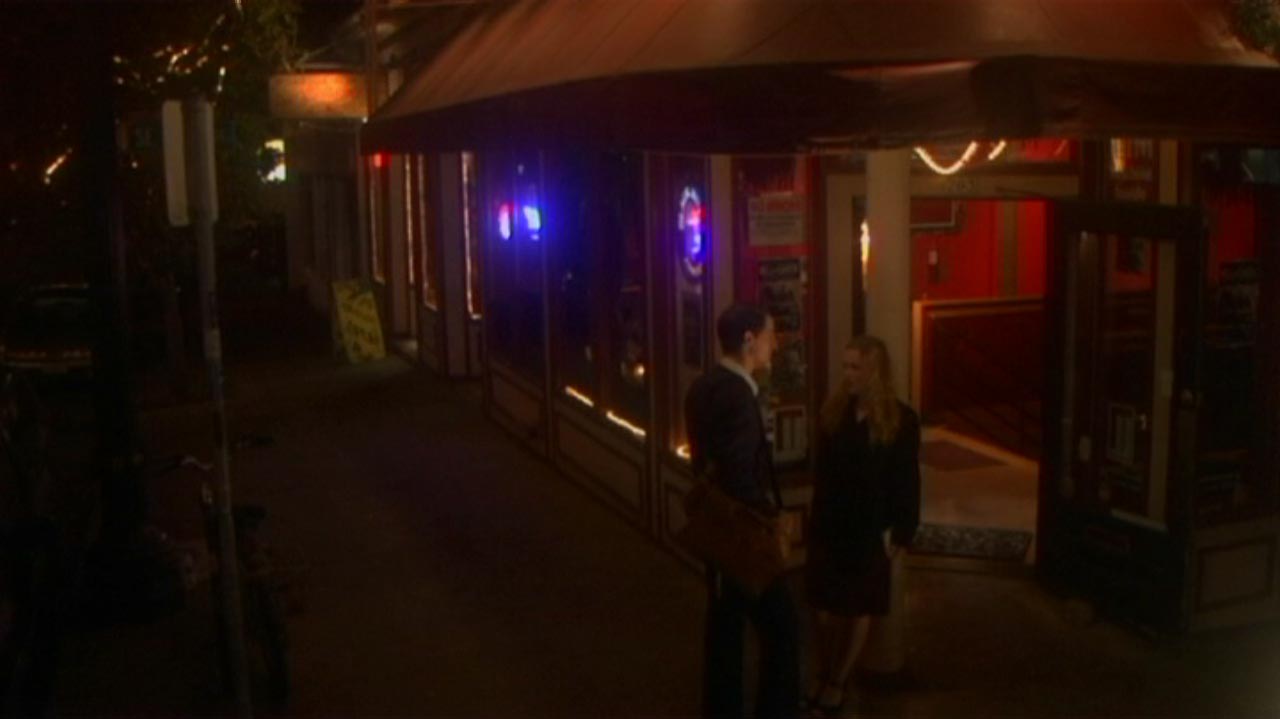
One can see this process at work in this single shot. The scene is Phillippe and a former girlfriend exiting a restaurant where they happened to run into each other. They exit the building, stand outside, talk, hug, talk a little more, and then walk away in opposite directions. We can hear the sounds of traffic and even their footsteps, but we do not hear what they say.

What is interesting is that this shot is in long shot the entire time and the shot lasts for almost a minute, much longer than a more conventional film.

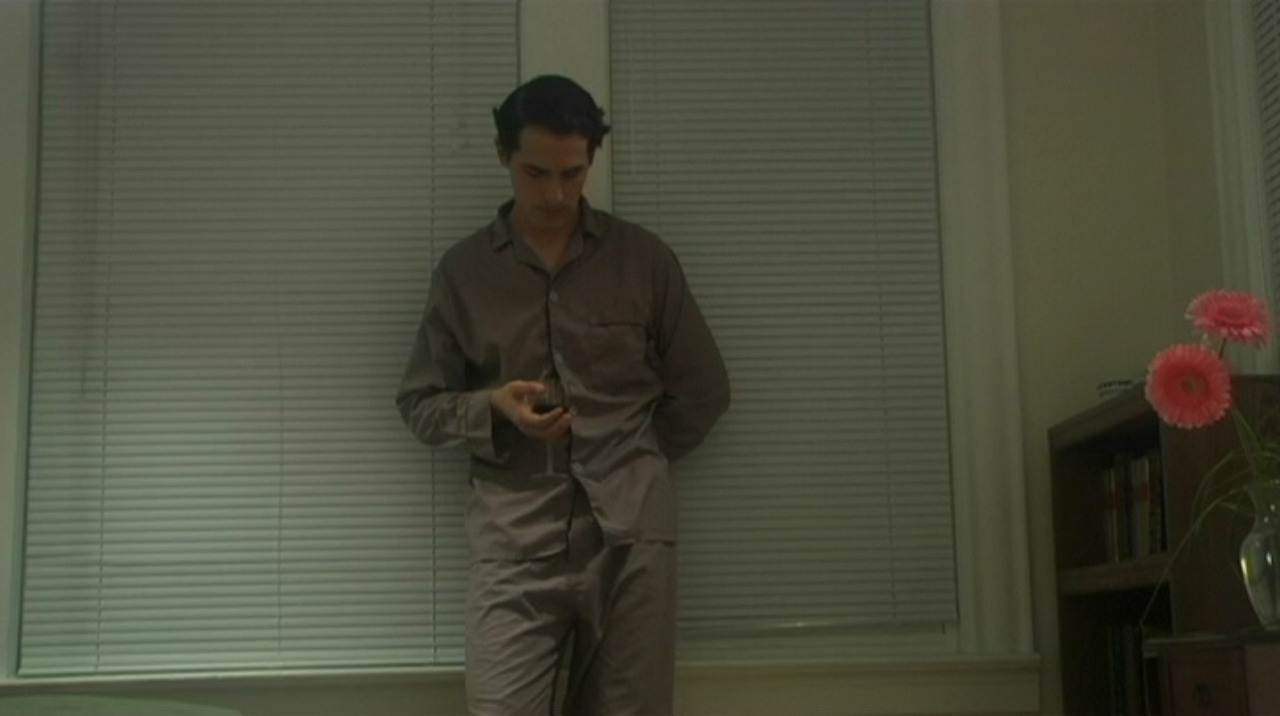
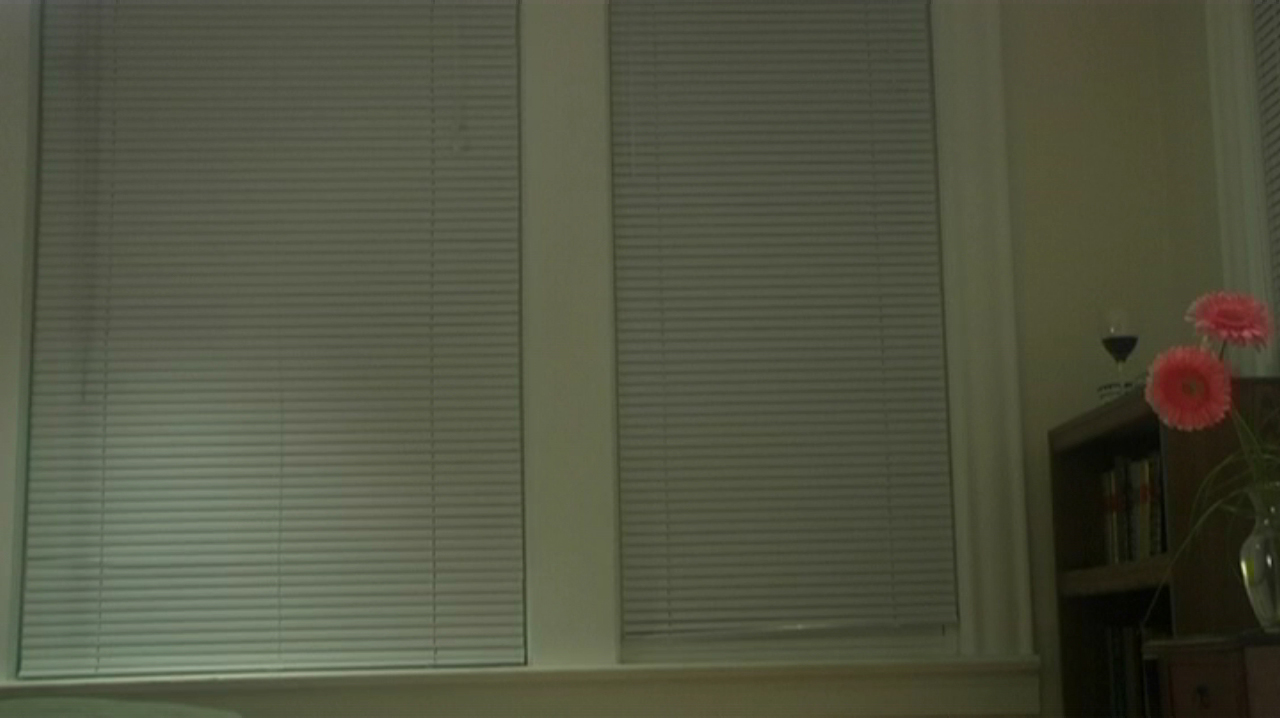
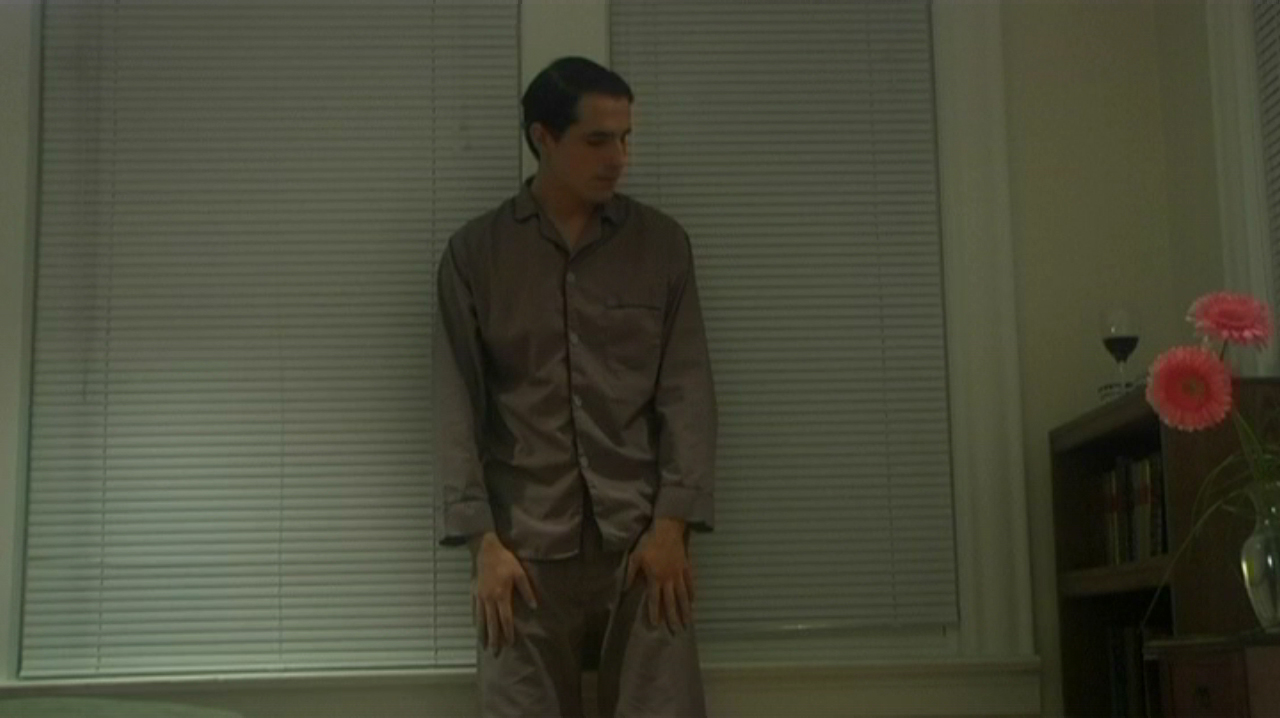
Another example comes after this scene when Phillippe goes back to his apartment carefully hangs up his coat, changes in pajamas, pours himself a glass of wine, waters his plant, and then this…

He stands against the wall with his wine glass, thinking. Then he exits the shot.
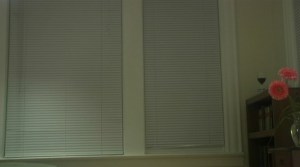
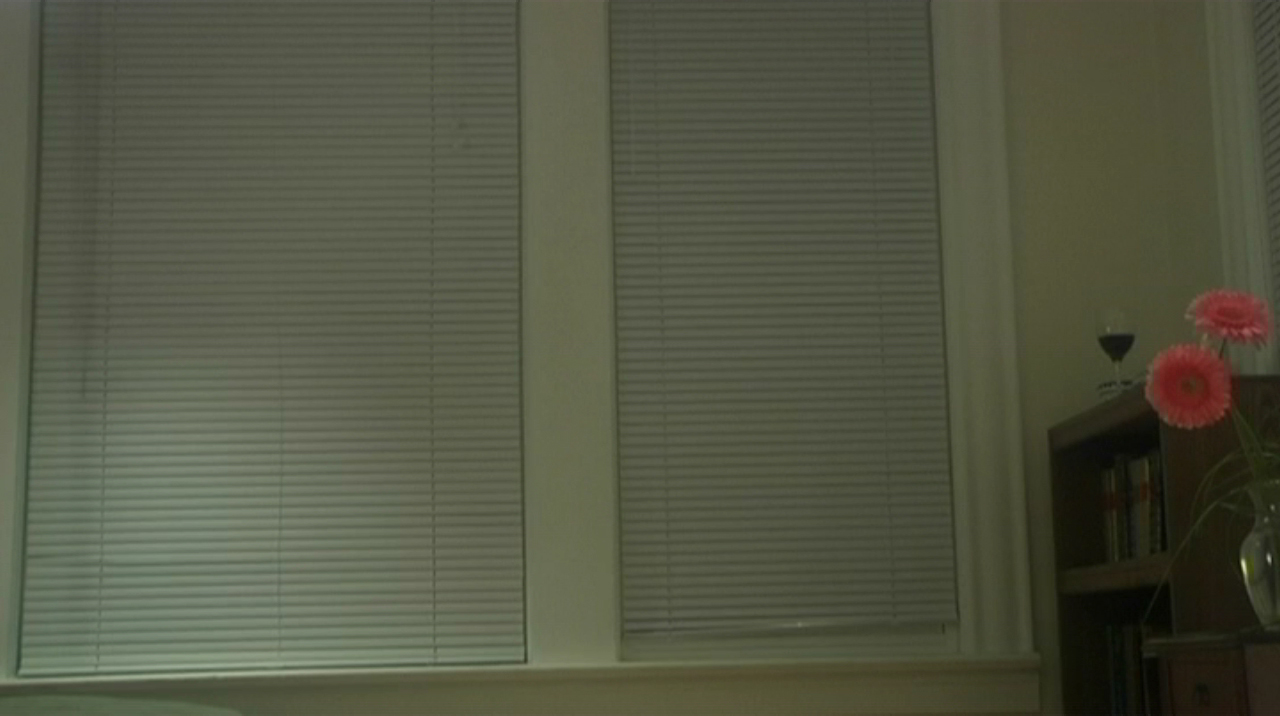
We hear classical music begin and he then re-enters the shots and goes back to where he was.
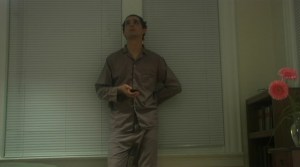
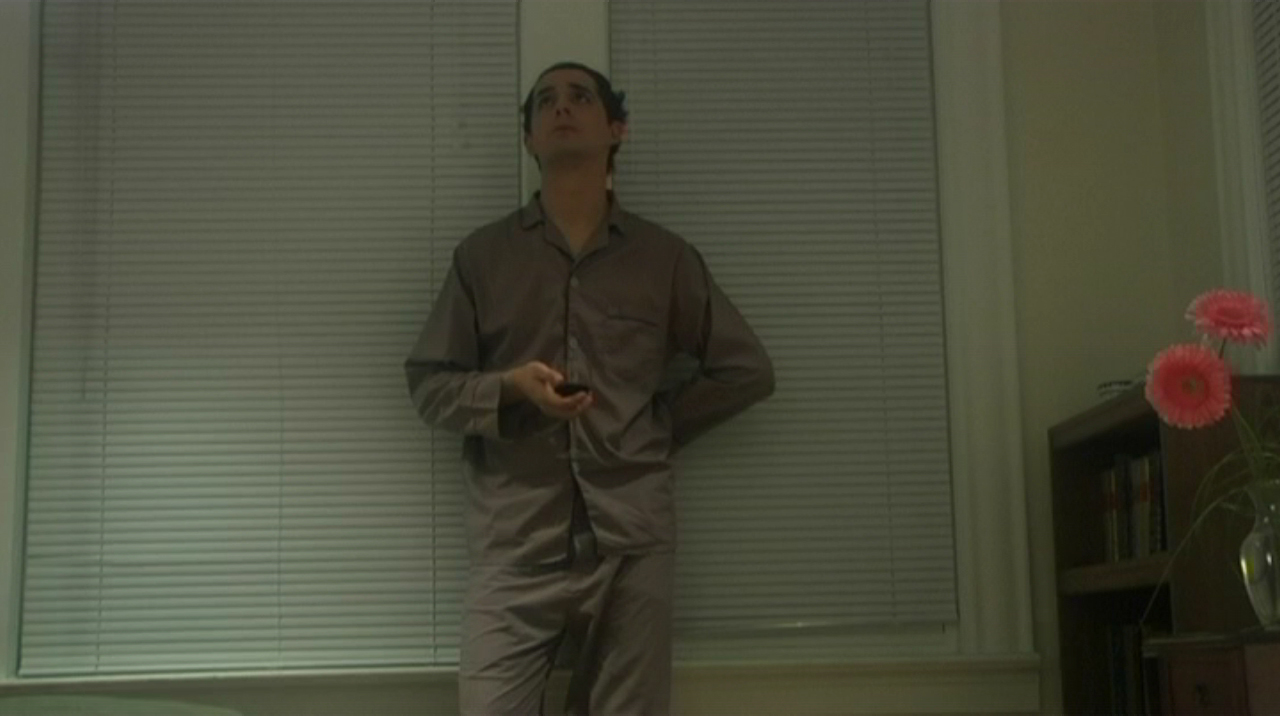
He listens.
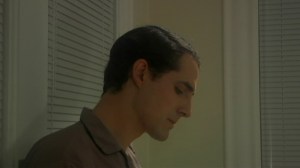
He hears sounds of a television switched on in the apartment next door.
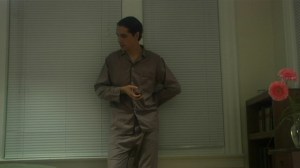
He exits the shot again. We hear the classical music stop.
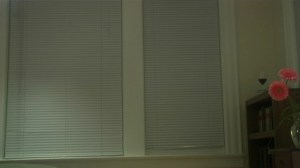
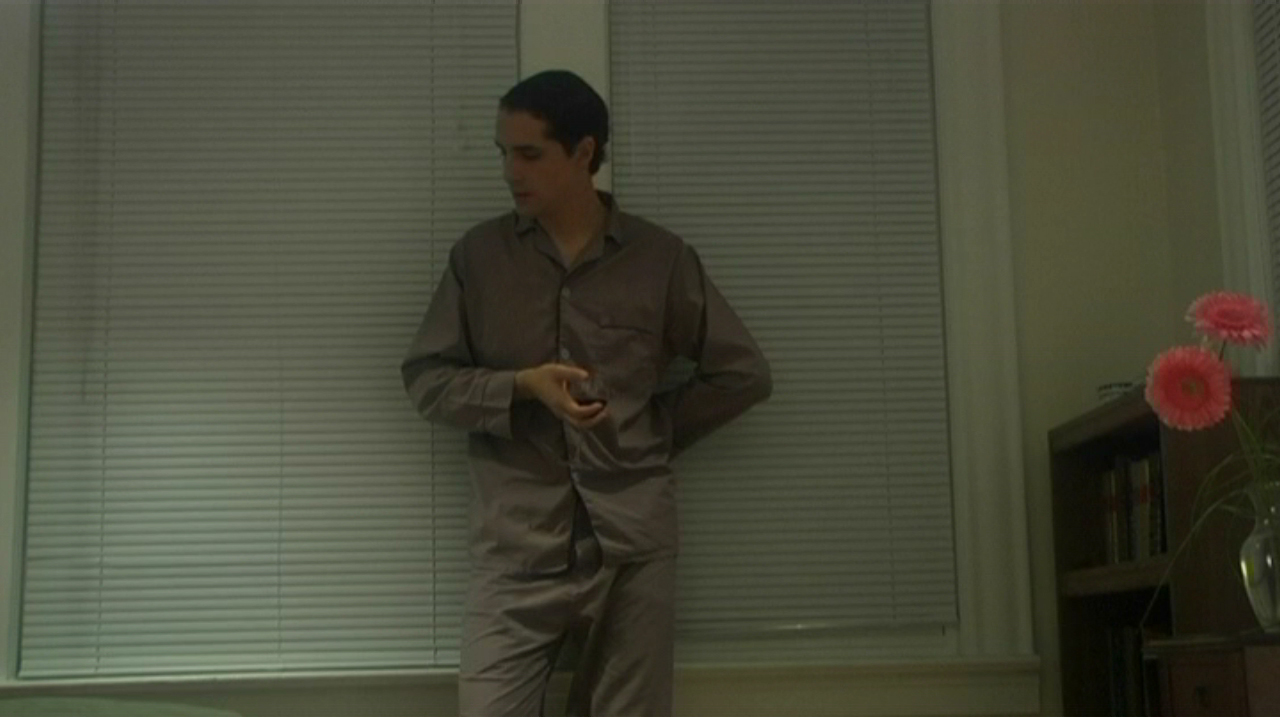
He returns but does not get his wine. Sounds of the television continue.
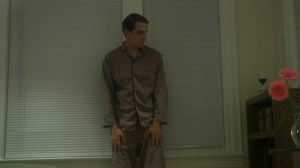
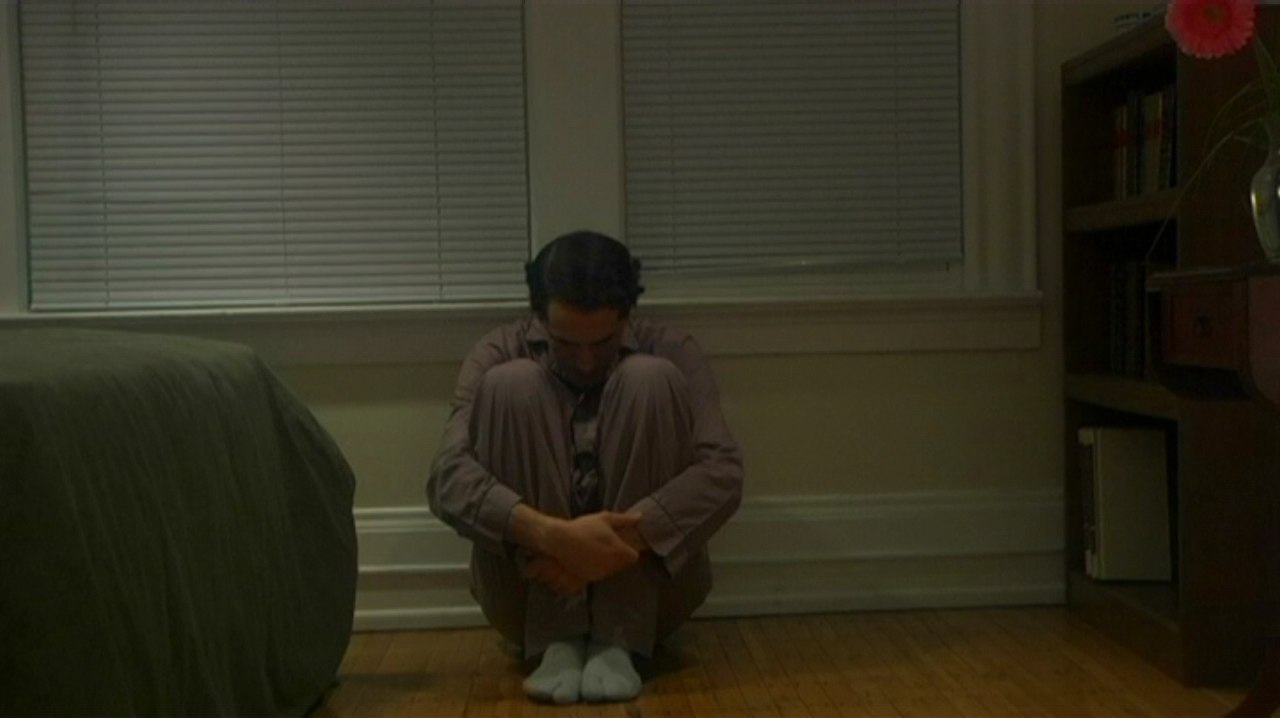
He lowers himself down to the floor.
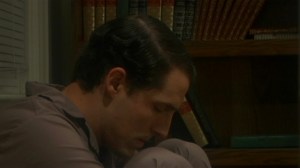
He sits there thinking.

This whole episode lasts nearly two and a half minutes. There is no dialogue, and we have not heard any dialogue in the film for a couple of minutes prior to these shots. What is happening here? As far as plot is concerned very little. As far as Phillippe’s inward state, maybe quite a lot. But what exactly? Discovering that is what the film calls the viewer to do, to participate in.

This sort of story telling is not about the exterior, but the interior. The film’s style calls attention to itself by using long takes and little dialogue. But that process of distancing is not to push the viewer away, but to call the viewer to a different experience than merely a train ride through a series of plot points. The viewer must slow down and take in the process – both of Phillippe and of the viewing experience. It is an opportunity for the viewer to plumb the depths of her own soul. This is one key aspect of contemplative cinema.

Both the strength and weakness of this method of storytelling is that it leaves a lot up to the audience. Such films rely on what the viewer brings to the viewing process. In other words, the old adage that one gets out of the film what one brings to the film is critical here. For example, it might help to know the title of the film comes from a famous verse of Christian scripture (John 3:8):

The wind blows where it wishes and you hear the sound of it, but do not know where it comes from and where it is going; so is everyone who is born of the Spirit.

It might also be worth noting that the full title of Bresson’s A Man Escaped (1956) is Un condamné à mort s’est échappé ou Le vent souffle où il veut, where Le vent souffle où il veut is from the same Bible verse.

The reason I say it might be helpful to know these things is because with a contemplative film one often has to make one’s interpretive case, has to argue for one’s position as it were, because the film’s meaning is not obvious. Therefore clues and connections become particularly important. Given the fact that the crux of Phillippe’s personal battle with himself revolves around the question of faith becomes even more interesting in light of both the Biblical and cinematic connections derived from the film’s title. A question to ask is whether the film’s conclusion is also an escape for Phillippe.

I said this is not a review, but I feel that I should offer up some kind of evaluation. The Wind Blows Where It Will does not rank with the likes from Bresson or Tarkovsky, but it is a good film, and it portends good things for Kunal Mehra’s directing future. I look forward to his next film. The acting from all cast members if very good. Josh Boyle is particularly wonderful as Phillippe – keep in mind that Josh was in every scene and in virtually every shot. The digital camera work by Aron Noll is also quite excellent. What I find most promising and fun to consider is how a quality feature film like this can get created these days with limited budget, a small crew, and far outside of the Hollywood landscape, and yet seem to carry more than its own weight. I am also excited to see filmmaking like this occur just down the road from me. My own production experience has taught me that just making a film, let alone one of this quality, is a difficult and challenging undertaking. I commend Mehra’s obvious tenacity as well as his desire to make films that seek to understand the soul when so many filmmakers seem to avoid it.
>PilgrimAkimbo turned ONE

>

bon anniversaire!

On Tuesday last week my little blog became one year old. I was too busy to notice.

Like many of you who also blog, I have wondered at times why I do this and if I want to keep going. For now I do. Sometimes I worry about being too personal, or that my interests are too far afield of other’s. Sometimes I feel a sense of obligation to blog, especially when it’s been a few days since my last post. I don’t know where this obligation comes from.
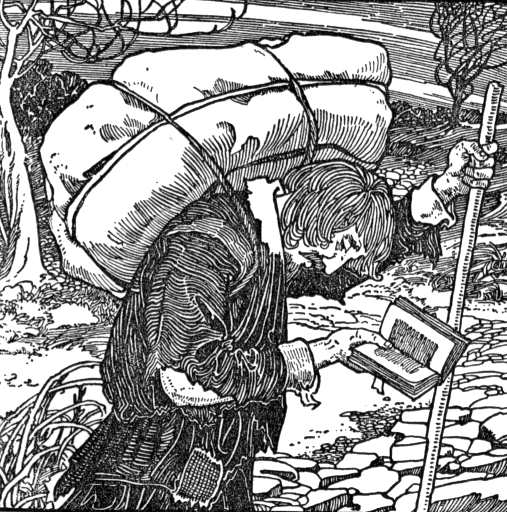
If you have kept up with PilgrimAkimbo you know that it is primarily a personal blog that has, more or less, a focus on cinema and the arts. This was intentional for two reasons: 1) I didn’t want to write a personal blog that became a kind of diary of my life. Others do those kinds of blogs very well, but I just didn’t want to got there. So, PilgrimAkimbo is personal but with some limited constrictions. 2) I have had a long standing love of cinema and the arts, but in the past few years life has conspired to keep me from them more than I like. This blog is a way for me to reconnect to something I love, however small that reconnection might be for the time being.

One of the greatest joys of writing a blog is the people one meets. This has become the big payoffs of having a blog and visiting other blogs. Blogging is something new; it’s like letter writing, or journaling, it’s like sharing pictures or recipes, it’s a kind of desktop publishing, it also something like a personal barometer. But it is new and is changing the landscape. I find this exciting.

Which brings me to a thought: If you are a blogger like me, then you find comments on your posts like little nuggets of gold. I get an email notification for each new comment, and I tend to drop everything so I can read the comment. I also try to respond to every comment. I am guilty of lurking, that is, frequenting blogs and not commenting. That is a common practice. Often we are too busy to comment, or we just don’t feel like or don’t have anything to say. But I want to comment more, and I want others to comment on my blog more.

The essence of my thought is this: there is something MORE going on here than just “blogging.” There might be a kind of distance between us created by the medium, but there is also a connecting, a communing that is going on. The technology involved is merely a tool, like pen and paper, like a car, like a kitchen, that we can use as we create lasting and meaningful bonds between us. The meeting of minds is one of the great gifts we discover in life. Know this, your comments on PilgrimAkimbo are welcome.

Here’s to another year of PilgrimAkimbo!

>we had carolers on our doorstep last night

>silent night, jingle bells, we wish you a merry christmas
http://video.google.com/googleplayer.swf?docId=-97222109784774733&hl=en

This group of kids traveled to and sang at about twenty homes, which was a lot given how cold it was getting. They are all part of the same “piano lesson” group. My daughter is in the front row.

What you don’t see is our littlest daughter, who was being held in my left arm while the camera was in my right, and who had just woken up and was quite surprised by the whole thing.

We gave them cookies and candy canes when they finished.

the tops…

I do not like top ten lists at all, not one bit, but I do love them because they’re candy. I have avoided jumping into the ever present top-ten-film-list milieu because, I say, I just don’t see the point. Fact is, I really want to, but can’t make up my mind.

I also cannot rank films – I mean, it’s like choosing between steak and lobster, how can I pick a favorite? So what I have is a top 25 “pool” of films that seem to constantly swirl around my consciousness, that I find myself returning to over and over, and that send me into the closest thing to a religiously ecstatic experience I can find. This pool is also fed by underground springs and winding tributaries, and it empties into larger and larger pools until it connects with a vast ocean where all the films swim. Huh?

my top 25 favorite films (in alphabetical order):
Andrei Rublev (1966)
Apocalypse Now (1979)
Au hasard Balthazar (1966)
BDR Trilogy (The Marriage of Maria Braun, 1979; Lola, 1981; Veronika Voss, 1982)
Boudu Saved from Drowning (1932)
Breathless (1960)
Hiroshima mon amour (1959)
La Dolce Vita (1960)
L’avventura (1960)
Monsieur Hulot’s Holiday (1953)
Nights of Cabiria (1957)
Rashomon (1950)
Rules of the Game (1939)

Singing in the Rain (1952)
Stalker (1979)
Street of Crocodiles (1986)

The American Friend (1977)
Bicycle Thieves (1948)
The Blue Angel (1930)
The Godfather II (1974)
The Last Laugh (1924)
The Searchers (1956)
The World of Apu (1959)
Vertigo (1958)
Wings of Desire (1987)

25 films is really not a lot. If I had the inclination I could come up with a lot more, but to what end? At some point all cinephiles end up mentioning most of the same films over an over, and then throw in a few odd ones as if to say “I’m also a unique cine-hipster.” The truth is, great films are objectively great on some level. To recognize those films is to be human and, in some instances, thoughtful and observant too. So the above list isn’t really all that insightful. Consider it a kind of common ground.

But I can’t just stop there, for movies are like potato chips, and I gots the cravings…

My 25 favorite “makes-me-want-to-be-a-filmmaker” films that are not in my top 25 (in alphabetical order):
A Man Escaped (1956)

Alice in the Cities (1974)

Ashes and Diamonds (1958)
Catch-22 (1970)
Citizen Kane (1941)
Diamonds in the Night (1964)

Dog Star Man (1960s)
Goodfellas (1990)
Harlan County U.S.A. (1976)

Jaws (1975)
La Strada (1954)
La Terra trema (1948)
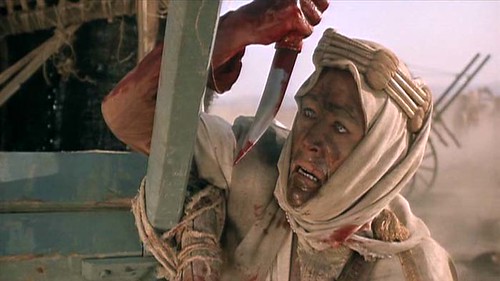
Lawrence of Arabia (1962)

Life of Oharu (1962)
Mirror (1975)

Orpheus (1950)
sex, lies, and videotape (1989)
Sunrise (1927)
The 400 Blows (1959)
The Civil War (1990)
The Crime of Monsieur Lange (1936)

The Godfather (1972)
The Seventh Seal (1957)
Vagabond (1985)

Week End (1967)

“Why stop there,” said the voice in my head, “you know you don’t want to.”

my 25 favorite films “no one” ever lists on their all-time favorite films lists (in alphabetical order):
20,000 Leagues Under the Sea (1954)
A Room with a View (1986)
Airplane! (1980)

Barcelona (1994)
From Russia with Love (1963)

Full Metal Jacket (1987)
Halloween (1978)
La Belle Noiseuse (1991)

Jean de Florette (1986) & Manon of the Spring (1986)
Meshes in the Afternoon (1943)
Mindwalk (1991)
Monsoon Wedding (2001)
My Dinner with Andre (1981)
My Life as a Dog (1985)

Rear Window (1954)
Scenes from a Marriage (1973)
Stealing Beauty (1996)

Strozyek (1977)
The Boxer and Death (1963)
The Decameron (1971)
The Golden Coach (1953)
The Road Warrior (1981)

Vampyr (1932)
Vanya on 42nd Street (1994)
Window Water Baby Moving (1958)

I have come to the conclusion that top whatever film lists are like tee-shirts and bumper stickers – they have everything to do with telling others about oneself, of staking out some psychic and moral turf and saying “this is who I am… for now.” It’s also like a banker wearing a suit or a professor wearing a sweater with elbow patches; it’s a way for other like minds to say, “ah, you’re one of us!” You can take it or leave it, but when I look at the lists above I see an awful lot of myself up there.

…wait a minute, where are Dr. Strangelove? Umberto D.? The Earrings of Madam d…? Star Wars? Last Tango in Paris? Manhattan? Mulholland Drive? How could I have left them out? And where are Man with the Movie Camera? The Life and Death of Colonel Blimp? The Man Who Skied Down Everest? El Capitan? I just realized I haven’t listed a single film by the Coen brothers! Oh Lord, what have I done?!

I just don’t know where to stop. Or maybe I really don’t know where to begin. I vow in the future I will craft a true top ten list and stand by it… for a while.

>sisters, anniversaries, sadness, and joy

>

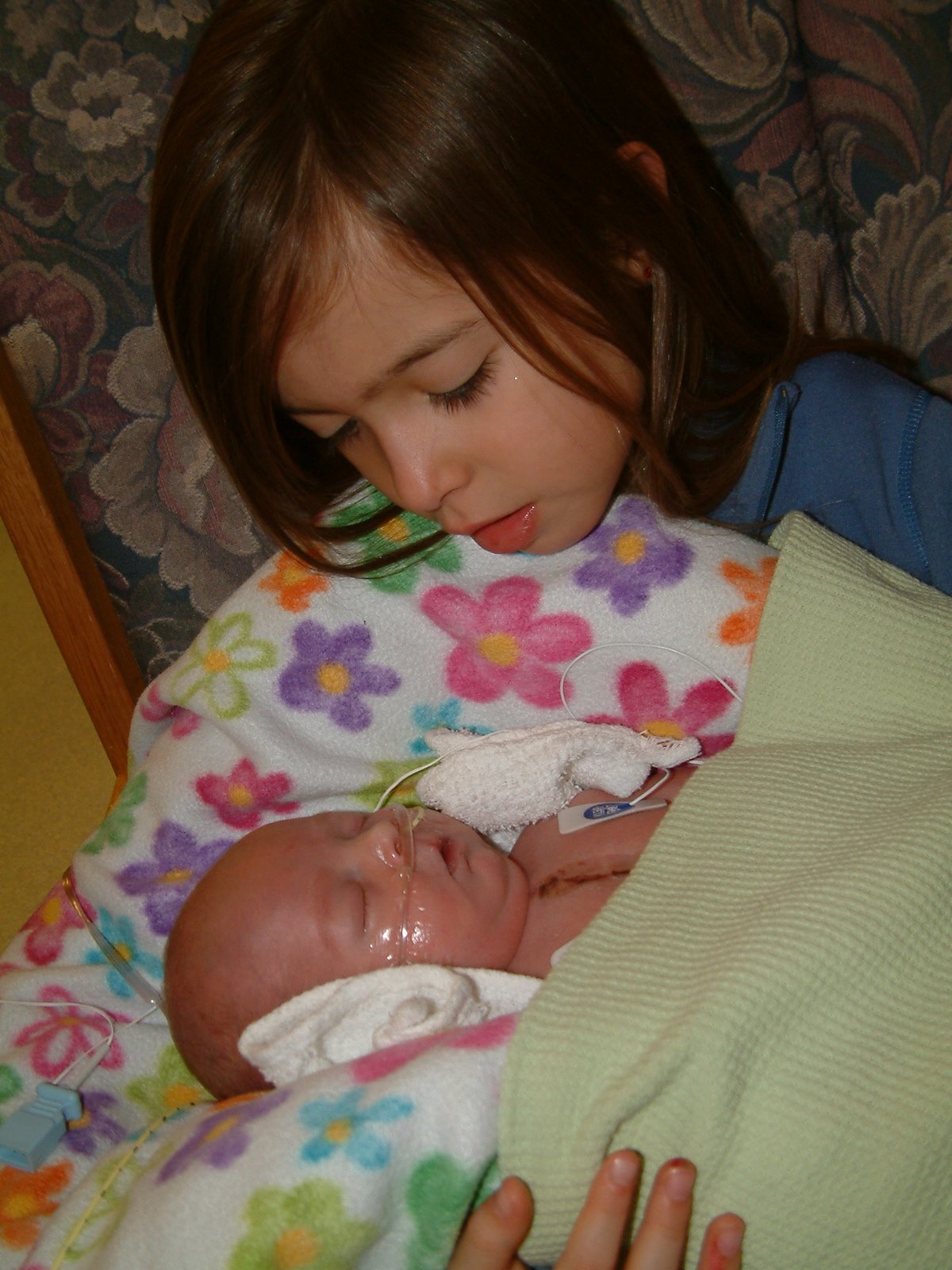
Today is the birthday of our second daughter, Coco. She was a glorious and beautiful person, and I believe she still is. There is not a day that passes in which I do not think of her. Being present at the moment of her birth and then of her death indelibly seared my heart. Words do not speak adequately of her life, however short, nor do they reveal her soul. But I think that is true for all of us. We can only convey approximations. We have to live if we want the real thing. Her life was the real thing, and I held her in my arms seconds after she entered the world. I was holding her in my arms when she left us. I cannot be the same ever again.

But who I want to write about today is Coco’s big sister, Lily. It may seem strange to be thinking so much about one child on the birthday of another, but Lily was there through all of this. She was there, and in her kid way she helped our little family get through it all. She thinks about her sister all the time. When she draws family pictures she always includes Coco. And her heart was broken terribly when Coco died. She is a remarkable person, so thoughtful, so beautiful, so tender.

I remember the moment Lily first saw her little sister. Her entire body reacted with utter joy. She is a lover. She is a sister through and through. And how glad she was to have a sister of her own, and to finally be a sister herself. Just yesterday Lily asked her mother to sit with her on the couch, but she kept a space between them. She said Coco was sitting there.

Lily is a beautiful girl. She is smart and she is tender. She is one of the most creative people I know. I am glad we did not keep her from experiencing the story of her little sister, however painful and brief. Lily still talks about having had the chance to hold Coco. And that means everything to me.

Now we have our hands full with another little one. Wilder looks a lot like Coco in some ways. In no way is she a replacement for Coco, but Wilder is also a wonderful and beautiful girl that helps us get through days like this one. I thank God for the girls we have. They are great gifts, all three.

>language is a virus

>Remember the concert film Home of the Brave (1986) by musician/composer/poet/artist Laurie Anderson? For some reason (maybe because of Girish’s post on ’80s pop music) I was recently thinking about this film and remembering how much I liked it way back when. Here are a couple of clips from the film:

Language is a Virus (from Outer Space)

Smoke Rings

If you are unfamiliar with this Laurie Anderson, check out this and this.


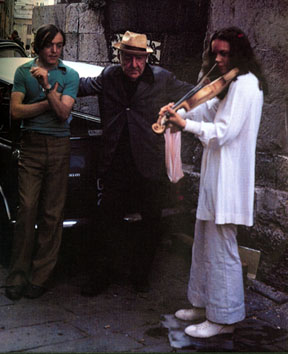
Way back when… Laurie Anderson performing her seminal 1970s performance piece Duets on Ice “which she conducted in New York and other cities around the world, [which] involved her playing violin along with a recording while wearing ice skates with the blades frozen into a block of ice; the performance ended only when the ice had melted away.” (from Wikipedia)


In some ways I think Anderson went a little too pop over the years at times, but I have always liked her sense of humor and wordplay. She is one of those few artists who can cross over to mainstream while never abandoning her roots in the “high art” tradition.

>ashes

>

a breeze can be so soft
almost still fluctuations and sensations
around the face
and only ashes flown from the fire
might take notice

we stare down Little Indian
everything is brown
wheat brown
copper brown
gray brown
except the sage
dotted throughout

we are descending in the thin air
stones shift slightly under our weight
brown stones laid down
and pushed up
slowly

early winter sun outlines
the blue-black gleam of our weapons
and the sky could lift us out of this world

we feel it
glorious
we know this feeling

in the distance
along the valley floor
delta shaped and silent
a shadow hugs the ground
moving swiftly
like a razor’s sharp line toward us

we gesture

before we can speak
the jet hurtles over us
screaming the low metal scream of machines
and rolling belly-up
disappears beyond the rim
dropping below the horizon
to the eastern desert plateau

silence
stillness
we still gesture

a phantom
we all know it
we are men
after all

then again
in the soft breeze
ashes

– December 1999/November 2007

sober thoughts and giving thanks

Happy Thanksgiving!
(For those non-U.S. folks, this is what I am referring to.)

So, this pilgrim does indeed give thanks, but…


The Pilgrim Fathers’ first landing 13 Nov 1620, by Mike Haywood

…I have to admit that giving thanks for being an American, or a U.S. Citizen, or someone who has “freedoms” that others “hate” isn’t what floats my Mayflower. I don’t buy into the manifest destiny mythologies like those depicted in the painting above. In fact, that image is outright comical in my opinion. And sometimes, more so now than before, I often feel like someone only visiting this planet. On the other hand, I do have so much for which to be thankful, not least of which is to be born into a country that doesn’t get in the way of a lot of freedoms that I cherish.

Truth is, I could have been born anywhere, in any time, part of any ethnic group, raised in any religion or any culture, into any family. But I was born who I was with what I was given. I am certainly fortunate to have been born into the country I was, very imperfect though it is. And I am grateful to live in a country whose economy provides opportunity. So, besides my wonderful family, freedom of religion, a country with some significant semblance of democracy, the U.S. Constitution, the fact I have a job with good health benefits, and a lot more of the same stuff for which we’re all thankful, what else is it that I am thankful for?

Lately I have been thankful for suffering. I know that sounds like the dumbest thing to say. But only through suffering do I seem to grow as a person. In fact, though I do not feel particularly connected to those early pilgrims who came to the North American shores so many years ago, I do feel a strong affinity to another pilgrim, that of Bunyan’s Pilgrim’s Progress.


That famous pilgrim struggled to find his way, made wrong turns, got lost, was often confused, sometimes trusted in those who he shouldn’t, and was helped a great deal along the path. In the end he reached his goal. I hope to do the same, but I have to confess that my hope is tempered by a great amount of fear and trembling. And yet, as I struggle, as I suffer, I plumb the depths of my soul, I learn about myself, my weaknesses, my pride, my fears, my true hopes. Suffering crystallizes what I need to know and shows me in what or whom I have been placing my trust. In short, suffering is a bright light that helps to illuminate the path. Though I do not ask for suffering, and I certainly do not enjoy it, I have to say I would not trade any suffering I have had for the world. I am thankful and grateful for what it has wrought.

I also have to say that my suffering, though often painful to me, pales in comparison to the suffering experienced by so many others. I wish for a world of no suffering. And yet, I long even more for a world in which people honestly, naturally, from the depths of their souls, love each other truly.

These thoughts may seem to be an odd way of celebrating Thanksgiving Day, but it reflects the season I am in. And honestly, I find myself wanting to get away from the shallow expectations of mere food and football. Those are good things, but when I consider what I am thankful for I find myself considering foundational things, not the gloss. I wish the same for you.

May you have a wonderful Thanksgiving Day. More importantly, may you grow in wisdom and love.

And just in case you’re wondering, we will be doing the traditional Thanksgiving Day feast with some very good friends. So don’t get the idea that this post represents some kind of holiday gloom. There is too much to be thankful for.

Finally, I found this meaningful Thanksgiving video: