>http://video.google.com/googleplayer.swf?docid=-3666549326759968489&hl=en&fs=true
In this debate I side with the pacifists, although I might prefer the term “active non-violence” rather than pacifism – though they are two sides of the same coin.
>http://video.google.com/googleplayer.swf?docid=-3666549326759968489&hl=en&fs=true
In this debate I side with the pacifists, although I might prefer the term “active non-violence” rather than pacifism – though they are two sides of the same coin.

I have been thinking a great deal about non-violence, pacifism, the example of Jesus (and many of the things he said), and the idea/reality of the Kingdom of God. I am haunted by the idea that I should be living a life entirely committed to such things. That I should be living peacefully, non-violently, lovingly, and mercifully. I am to love my neighbor. I am to love my enemy. I am to lay down my life for others. I am to seek God’s kingdom and live in light of what that kingdom stands for.
So what do I do with the fact that I live in a flag-waving, war loving, gun toting, patriotic nation that is supposedly built on biblical principles and calls professional soldiers heroes but underfunds education and healthcare, while maintaining the world’s most powerful and advanced military industrial complex? Should my money go to such a system? I don’t know. I want to be wise and not foolish. Ironically, I started out more or less conservative in my youth and am now becoming more and more “radical” in my middle age. I say radical because I want to avoid strictly politicized terms. I am not specifically liberal or conservative. I think the truth hovers above such dichotomies. The call of Jesus is far more radical than any political system can accommodate.
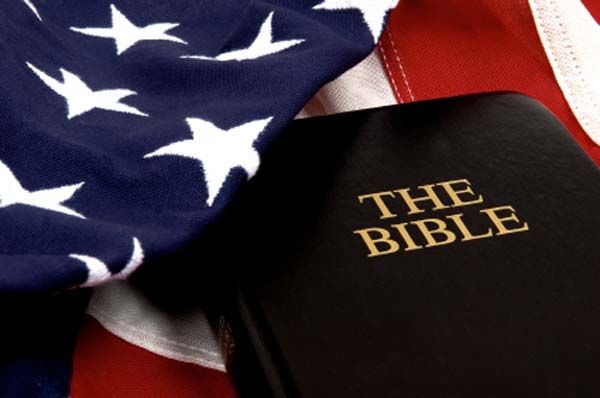
Christianity in the U.S. is rather varied, but one faction gets a lot of attention – the conservative evangelical fundamentalists. They are outspoken, politically to the right, and flag waving – sometimes with really big flags. They are also typically in support of the current war on terror and the wars against the Iraqi and Afghan peoples. They also, generally, support torture when used to ensure the uninterrupted continuation their own quiet suburban neighborhoods (read “keep America safe”). But they are not the only Christians who support war and soldiering. The U.S. is a war loving culture and most Christians support, yea even glorify, war and soldiers. Frequently the Bible is brought in to support the this position.
One of the scriptural foundations for supporting the U.S. military and its mythologies is a biblical passage in which some soldiers come to that famous Palestinian, John the Baptist and ask what they should do and John doesn’t say “leave the army.” Many Christians would say that John is merely counseling these soldiers to be good, moral soldiers while they do their soldiering because being a soldier is still a fine, even noble profession. That is an interpretation that fits nicely with our own mythological understanding of the soldier as the duty bound exemplar of personal sacrifice for the sake of a higher good.
But John is, in fact, not saying be a good soldier, or even a righteous soldier. He is calling for repentance and fundamental righteousness – not a righteousness filtered and conformed to the needs of a profession. What John tells these soldiers fundamentally contradicts what their particular soldiering is all about. If they do as he says they will face a contradiction that will force them to chose Christ or soldiering. But that contradiction does not emerge from a conflict of piety versus profession, rather it emerges from a convicted heart in the midst of a fallen world.
The Bible passage is from the Gospel of Luke, chapter 3:12-14 in the New American Standard translation:
And some tax collectors also came to be baptized, and they said to him, “Teacher, what shall we do?” And he said to them, “Collect no more than what you have been ordered to.” Some soldiers were questioning him, saying, “And what about us, what shall we do?” And he said to them, “Do not take money from anyone by force, or accuse anyone falsely, and be content with your wages.”
The scene is of John the Baptist preaching and baptizing seekers and converts coming to him at the Jordan river. He is calling for their repentance and with that in view the tax collectors and the soldiers ask the above questions. Keep that in mind, John has just called for repentance and it’s the tax collectors and soldiers that are the ones who, as distinctly identified groups in the text, are mentioned. Why?
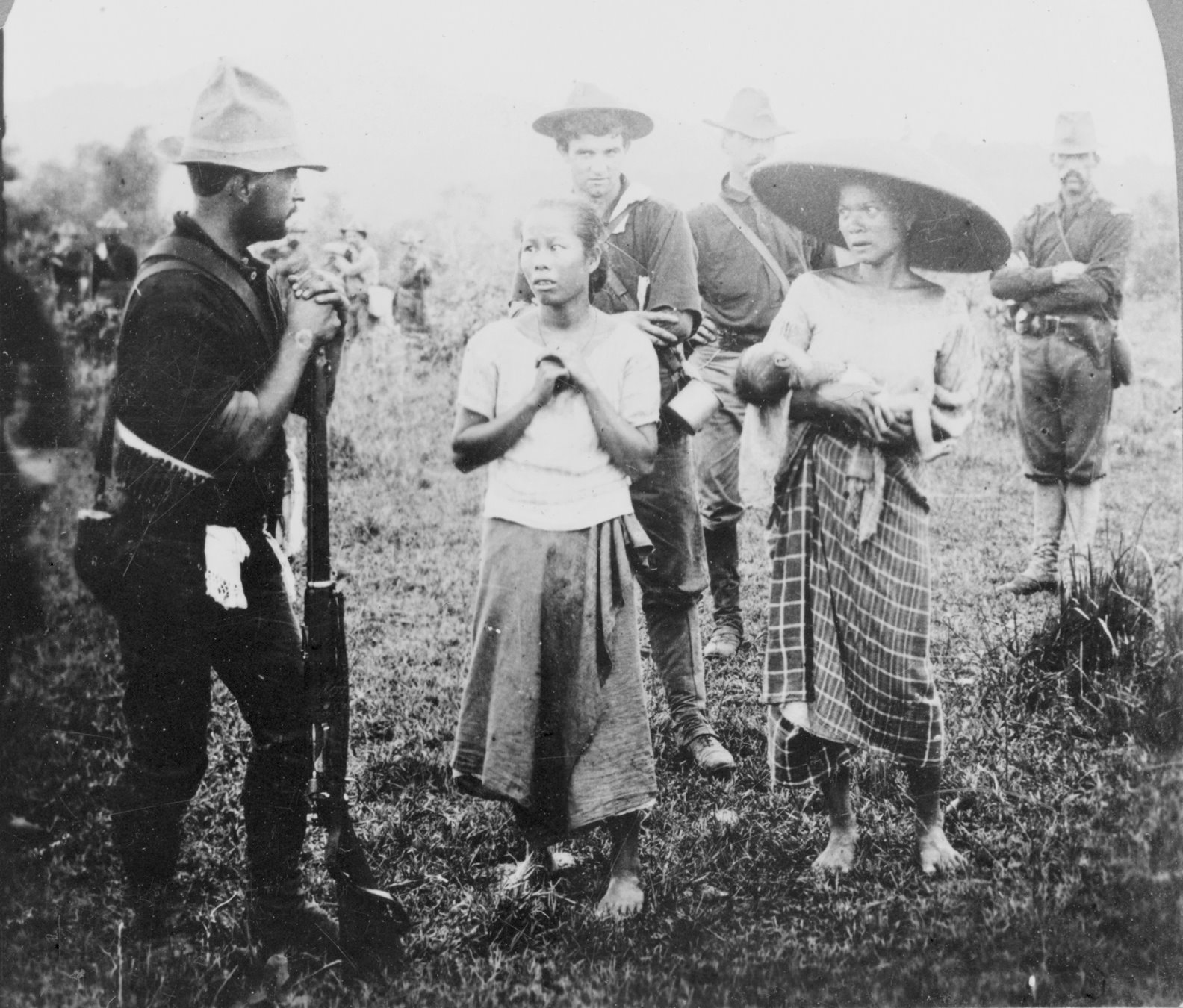
The tax collectors and the soldiers worked for the imperial/colonial power. They worked for Rome. The tax collectors took the taxes on behalf of Caesar, which is one of the reasons to have an empire in the first place, and the soldiers were the brutal military presence required for empire. The tax collectors were required to collect whatever Rome demanded and then made their living by demanding more. It was a perk of the job and many tax collectors could get quite wealthy. If they did not demand more than what was required they would live very meager existences. Soldiers, who were officially paid a very meager yearly salary (some say $45 per annum, which was extremely low even in those days) made their fortunes by claiming the spoils of war. Typically the spoils were given to the commander who then evenly distributed them to his troops. In both cases tax collectors and Roman soldiers made their living by taking more than what they were either ordered to take or by dividing up what was taken by force. This was the accepted system that both provided their living and supported the domination of the region and its people. This system was endemic to the very nature of Roman imperialism.
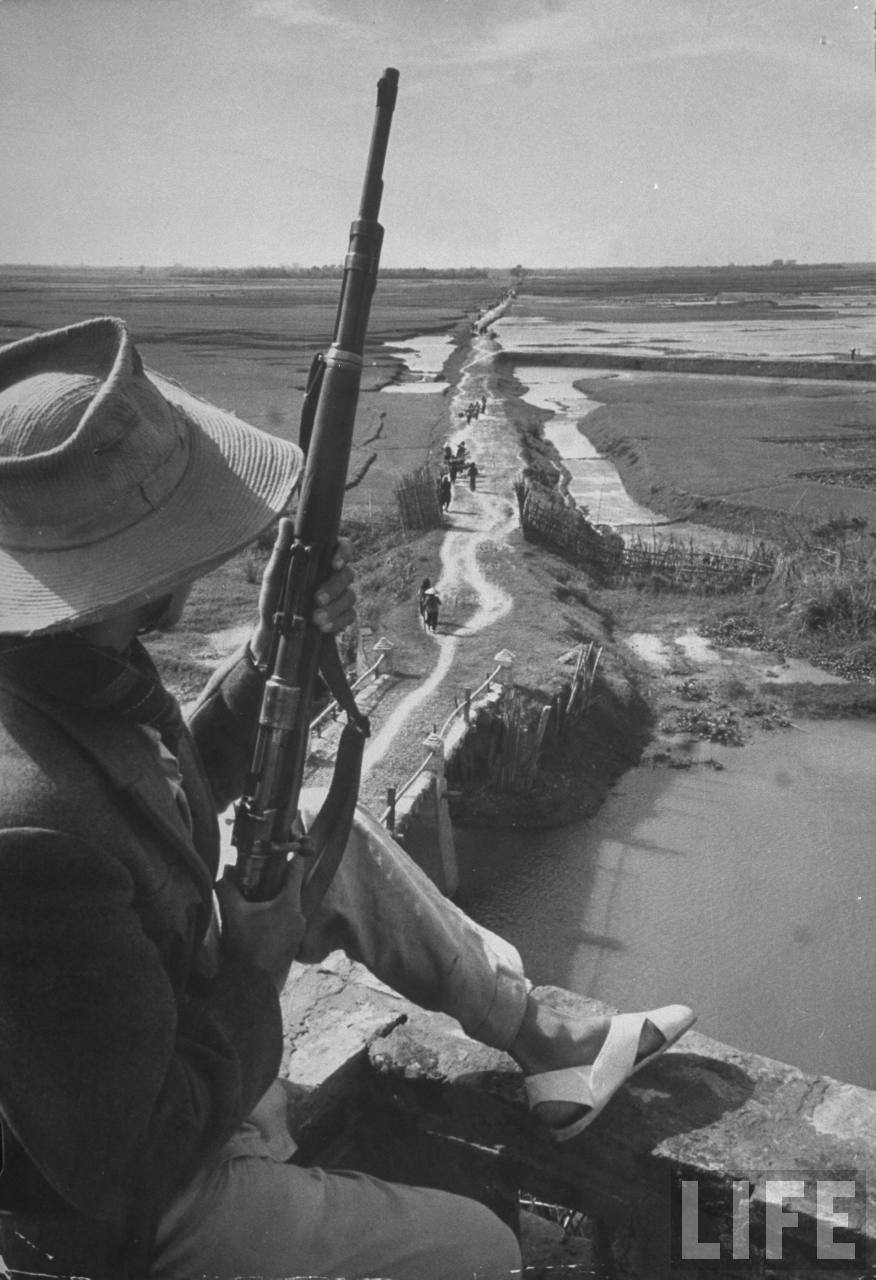
We know that Rome was a mean ruler of its empire. Judging by our recent history (as well as from the British Empire, the French in Algeria & Indochina, the U.S. in Latin America, but especially now in Iraq) we can surmise the tax collectors and soldiers of Rome were critical elements in keeping the colonized subdued and oppressed enough so as to cut to the quick any attempts at insurrection. Life was hard under Roman rule and the tax collector and soldiers made sure it would stay that way, but in order for tax collecting and soldiering to be viable professions then tax collectors and soldiers would have to take more than they were required to take and to do so by force.
I believe there were at least three reasons why tax collectors and soldiers were called out as distinct groups in the passage above. 1) To Luke’s readers the repentance of these groups would have been particularly significant. 2) The members of these groups would have been particularly convicted by John’s message of repentance. 3) John’s specific messages to these two groups calls them to live righteously which, by implication, challenges the very existence of their professions and the empire which they serve.
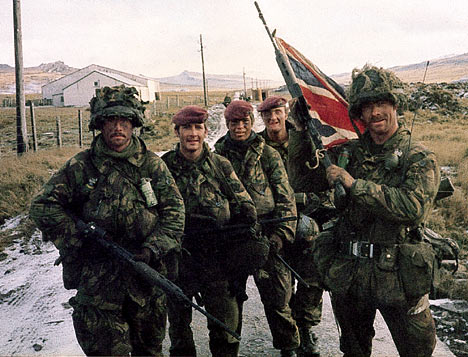
John does not directly say all tax collecting or all soldiering is wrong (at least at first glance and with our modern assumptions). But he also does not say anything in support of either. Rather than say to quit their jobs he merely says don’t do those things in your job you rationalize but know are immoral. Of course that’s like telling a politician not to lie. At some point a crisis will emerge and one will have to decide to choose the status quo or what is right. A politician who refuses to lie will eventually be crucified on the altar of politics.
Tax collecting and soldiering for Rome had at their very roots in rationalizations of immorality. John was not interested in followers who made surface choices only to regret them later. He wanted heart changes that would then have more visible and social evidences as a natural consequence of the heart change. He focused on the heart of his listeners because he knew the rest would follow. He did not have to say don’t collude with Rome or don’t work for the empire. All he had to say was repent and be committed to righteousness.
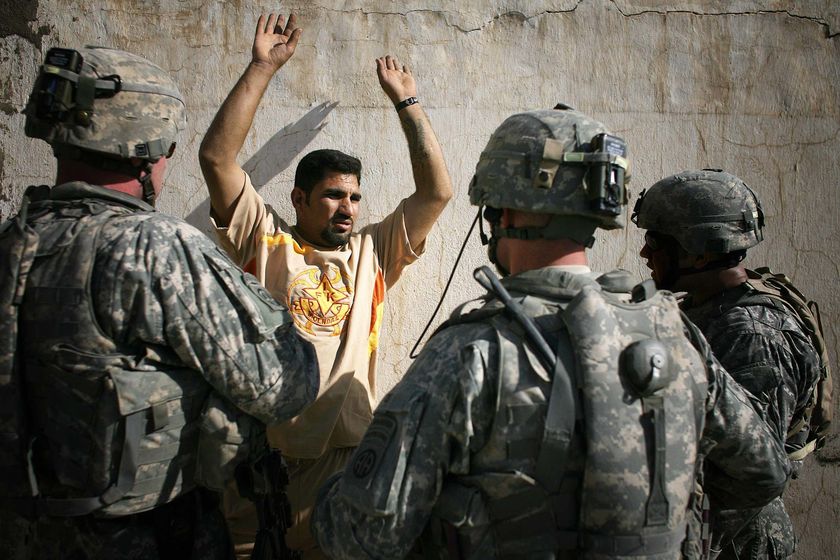
One could then draw a conclusion: To be either a tax collector or a soldier in support of an empire is ultimately a choice for unrighteousness. If this is what John is saying then we can also draw the conclusion that the ministry and message of John was both spiritual (of the inner person) and political (of the social relations we create and inhabit). For the Christian this has great significance. The implication is that there are many things we will have to give up if we are to truly repent – truly repent as the most existential of all radical, life changing, loving choices we make – precisely because we find there are no other possible choices. We may have to give up our professions, our security, our apparent good standing in society, and much of what we cling to. But there is no formula for sorting it out. If we follow John’s command then we begin with repentance. What this leaves us with is the difficult fact that there are no easy answers, or maybe it’s better to say there are no easy choices – something John’s tax collectors and soldiers were just finding out.
As a final note I must say that I have not sorted all this out for myself either. I have not gone so far as to stop paying taxes or to stand in protest outside the federal building. I also still love a good war movie, I am still amazed at the courage of many soldiers, and I still get emotional when I hear the Star Spangled Banner. But I don’t like saying the pledge of allegiance very much or saluting the flag. I find being a U.S. citizen to be rife with contradictions. But I find the same thing within myself as well.
>I have to say I really like Greenpeace.
Needless to say, the Greenpeace protesters were arrested.
The other night I introduced my daughters to the film version of West Side Story (1961). In so many ways this is a great film, not least of all because it is a great American sociological document of sorts. The story revolves around the big gang fight, or rumble. Everything leads up to it and then reacts to it. The rumble is not only the central event, but it also contains the key defining moment. That moment is the movement from wanting peace to using violence – the quintessential movement that produces the “how could this have happened” scenario.
Here’s how it plays out: The two gangs, Sharks & Jets, meet under the overpass to fight it out. What they are fighting about is really anyone’s guess – territory, honor, hormones, it’s hard to tell. Tony (a.k.a. Romeo), the former leader of the Jets, but now a guy with a job and a love interest (Maria, a.k.a. Juliet), shows up just as the rumble is getting started. He tries to stop the fight. He pleads, pushes gang member apart, gets mocked and hit, but to no avail.
Here he pleads with Bernardo, the Sharks’ leader, to stop the rumble:
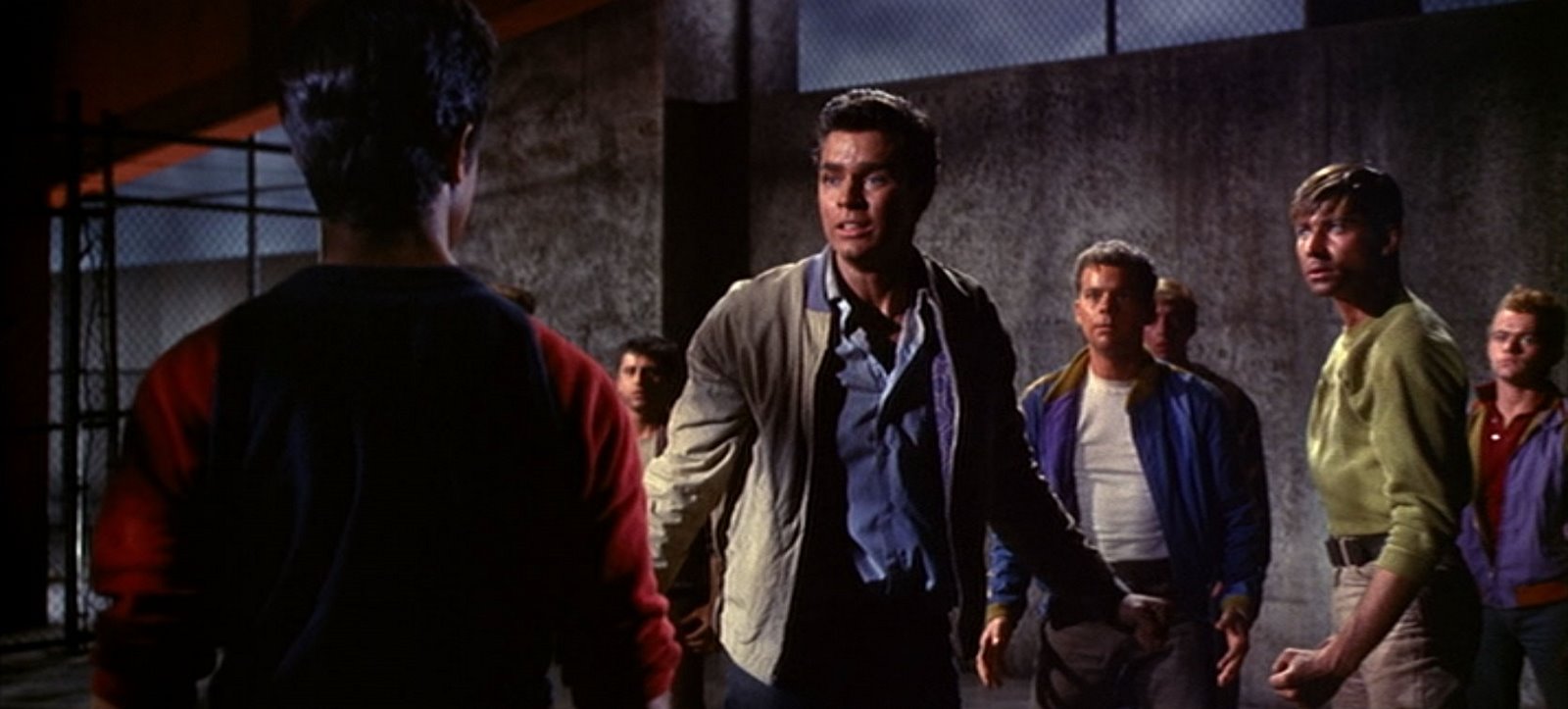
Bernardo has no interest in not fighting. He is there to fight. He calls Tony chicken. Tony is not phased by this. He lets the others mock him, but he cannot let them fight. But then, as Tony tries to keep Ice from fighting Bernardo, Riff strikes Bernardo in the face. The knives come out. Then Riff gets stabbed and killed by Bernardo. Tony, in a moment of rage, picks up the knife and lunges at Bernardo.
With almost identical angle and framing we go from an image moments earlier (the shot above) of attempted reconciliation to this moment on rage and murder:
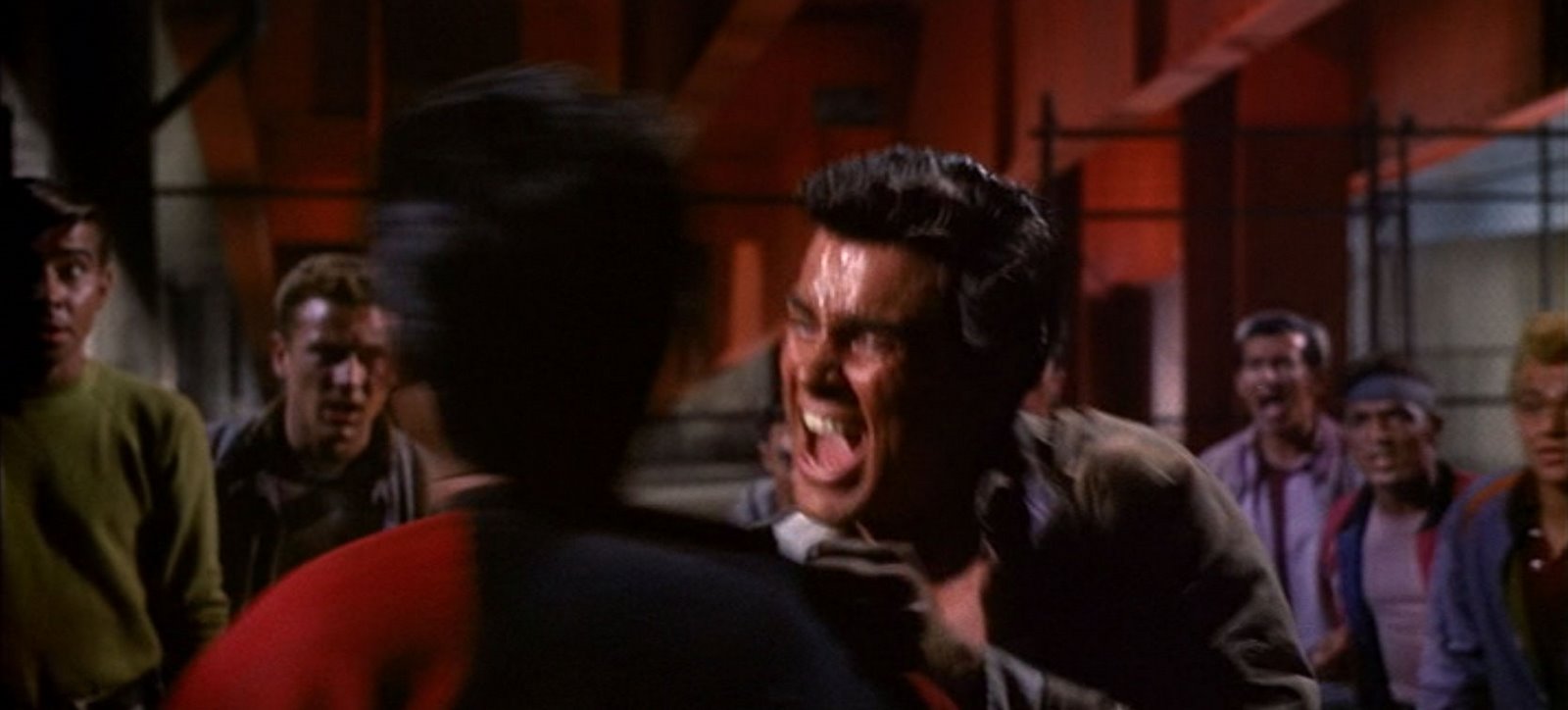 What happened in those few moments between these two shots? How could Tony have gone from seeking peace to vengeful murder in less than three minutes? What caused this movement from peace to violence? One answer is that peace was fundamentally foreign to him. In his life he had gone from being a young man of violence as the leader of the Jets to a slightly older, but still young lowly worker in the same neighborhood. But it’s not just that his environment has not changed much. He hasn’t really changed much. Although his job had begun to civilize him a bit, his problem is that he has not consciously sought peace, or a life of peacefulness, until a girl enters his life. Love is a strong motivator for many things, but not enough to overcome deeply ingrained habits on such short notice.
Practicing peace is a conscious effort to form new habits as well as to engage one’s mind towards peaceful solutions. We not only live in a violent world, but we Americans are trained by our culture to think and behave violently. Our culture provides us with constant justifications for using violent means to “solve” our problems and deal with our enemies. Our country was formed through bloodshed, slavery was overcome through bloodshed, the Westward expansion was accomplished through bloodshed, and it goes on and on. We call heavily armed soldiers paroling the streets of other people’s countries “peacekeepers.” Our nuclear arms policy is “mutually assured destruction.” We believe we can establish democracy in various parts of the world at the end of a gun. These things are reported daily by our popular news outlets and rarely do we cringe. To live in such a world will inevitably train us into people who consider violence a normative option for achieving our goals. Violence is always “on the table” as our politicians are fond of saying – and it’s as old as Cain and Able. It doesn’t take much to encourage and reinforce the violence that is already in our hearts.
Peace is not a state of being as much as it is a way of life. Peace takes courage and creativity. The tragedy for so many people is that peace is something one hopes for after the dust has settled. But peace is not some languid, passionless rest. Peace is the activity of loving our neighbors as ourselves, of loving our enemies, of being servants, and of holding each other accountable. In a violent world peace requires thinking out of the box, out of bounds, charting unfamiliar territory, and being willing to keep asking questions that seem to have already been answered. Peace is something we need to practice everyday, both for today and for tomorrow. Tony did not practice peace and was unprepared at the moment he most needed a creative solution. More than that, he had not been working toward peace in his neighborhood all along. He had no foundation, no authority.
There is a moment late in the film when Doc asks the Jets, “When do you kids stop? You make this world lousy.” And one of the Jets replies, “We didn’t make it, Doc.”
This line could be seen as an indictment of our society. In other words, how else could or should these kids behave when the world given to them is so lousy? But Doc, rather than being silent at that moment, could have answered, “No, we all make this world. With every choice and every action you are making this world just like the rest of us in this neighborhood. You can choose peace or violence, love or hate, but whatever you choose and whatever you do, you are making this world too.” Doc’s lack of a proper response indicts him as well in this mess. The real tragedy of West Side Story is the profound lack of wisdom from every character.
Using West Side Story to discuss the concept of practicing peace may seem a bit strange. West Side Story is a big , colorful, sappy, song and dance spectacle. It is nearly fifty years old and in many ways it is dated, though still a great evening of entertainment. However, sometimes watching films that are outside our own period make it easier to see what is going on. Storytellers rely on conflict to drive a story forward. In fact, I cannot think of a single film that does not have conflict somewhere in the story. Audiences lose interest quickly if there is no conflict. More than that, if there is great conflict with stunning violence and massive destruction, audience flock to the theaters. In West Side Story it is easy to think these characters should just get over it, move on, get jobs. It is easy to ask what is wrong with these kids, why don’t they stop fighting? But in films of our own period (think of all the blockbusters of the last ten years) it can be more difficult to see because we are enjoying them so much.
>I have been reading Stanley Hauerwas’ book The Peaceable Kingdom: A Primer in Christian Ethics and I love it. I must say that this book, along with some others, are encouraging my views to change (views that were trained into me by the chistianity in which I grew up) regarding politics, faith, and action. In other words, I am slowly shedding my Baptist/Evangelical acceptance (dare I say love) of “righteous violence” and “just war” for a more pacifist perspective.
Because I know little of Hauerwas I went looking for him on the Interwebs. I came across this lecture of Hauerwas speaking on Dietrich Bonhoeffer’s perspective on truth. It is excellent.
>
If you are like me then you probably don’t know a lot about the Israeli occupation of the West Bank and the roots of the recent Israeli invasion of Gaza.
If I have learned anything about what is going on over in Gaza and the West Bank, as well as the rest of the Middle East, it is that I am quite ignorant of the facts. I am not willing anymore to parrot the typical American refrain that “those people have been fighting forever and they will always fight.” (I have become increasing wary of the term “those people” however it’s used.) If they have always been fighting then it follows they were fighting during the time of Christ, and if that is true then the admonition to love one’s neighbor as oneself, or the story of the good Samaritan, or the conversation Jesus had with the woman at the well are meaningless if there is no hope for peace. The two videos below take a look at life under occupation from a particular and personal perspective. These videos were made before the recent invasion of Gaza and the war against the Palestinian people. Although the audio is sometimes rough this is the kind of news/reporting/insight that the rest of the world needs even if only as a kind of starting point to begin discussing the issues rather than falling into the typical stereotypes and worn out stigmatizations. It is particularly important for American Christians to view, for they are some of the most ideologically driven and yet least informed people when it comes to Israel.There is mention of the organization Breaking the Silence. Their web site is here.
>I hope I shall not forget from where we Americans have come when I look at where we are and where we as yet might be.
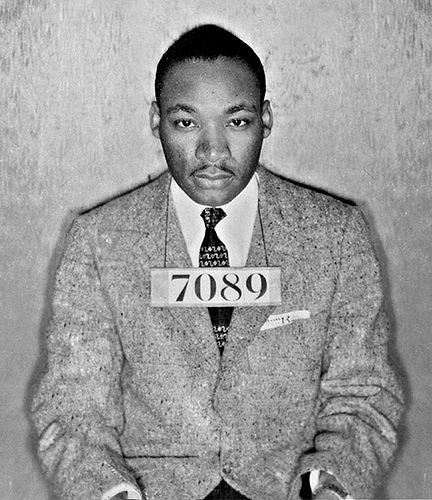
Have a great Dr. Martin Luther King Jr. day and a wonderful inauguration eve!
>Howard Zinn gave a talk just after the presidential election. It is worth listening to. The audio/picture don’t quite match in the video in the intro, but the rest looks okay.
http://video.google.com/googleplayer.swf?docid=-7945130554885211401&hl=en&fs=true
He mentions the Universal Declaration of Human Rights. If you are not familiar with it, check it out here, and learn more about it here.
Also, Democracy Now is one of my favorite news programs. I usually watch/listen to it online while I eat lunch and do emails.
This is one of the most haunting images I can think of in cinema.
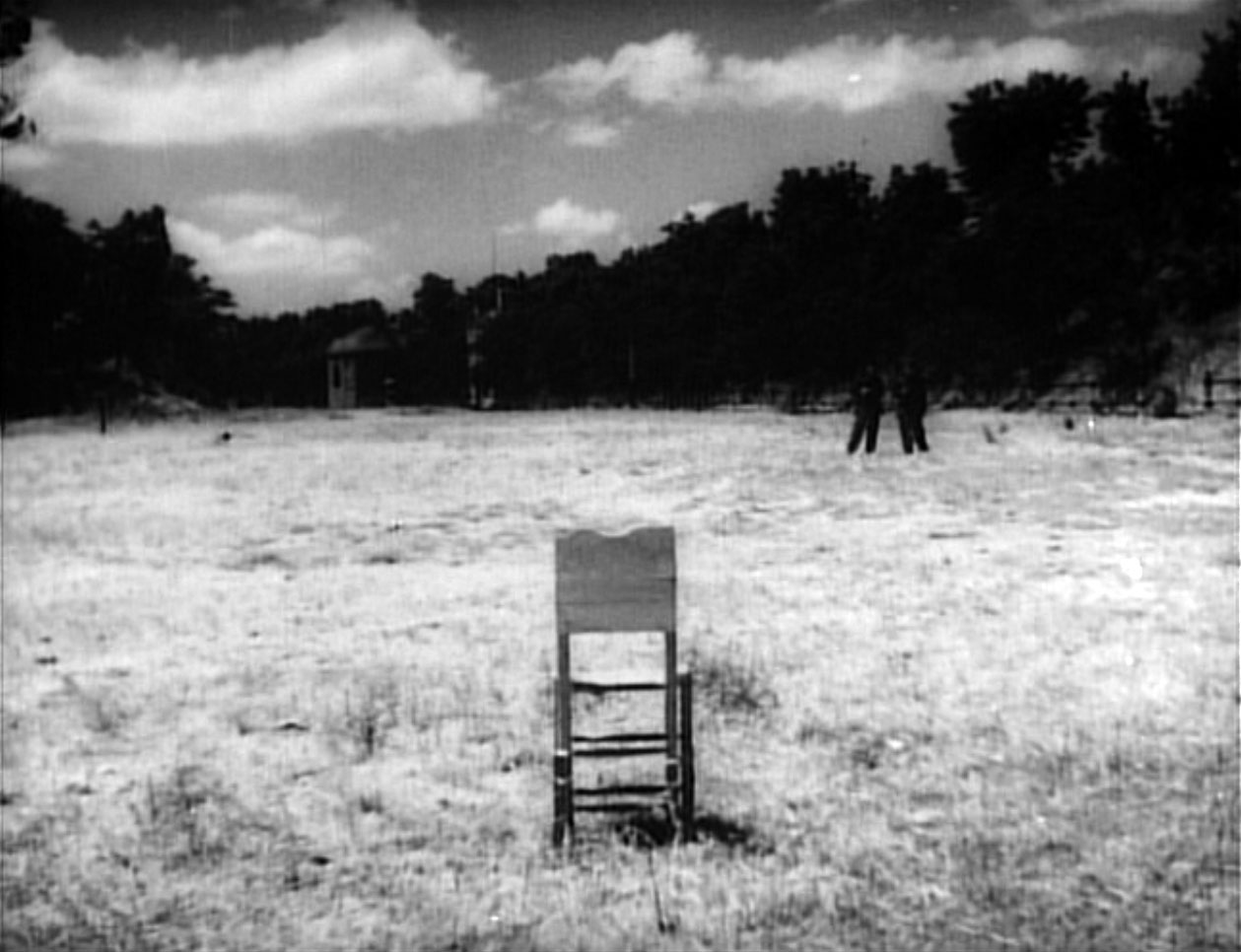
It is a simple image, not particularly artistic or striking. It is just a chair in a field on a bright sunny day, but it is loaded with meaning. This image comes toward the end of Roma, città aperta (1945). The chair is the place of execution of for Don Pietro Pellegrini (Aldo Fabrizi), a collaborator in the resistance against the fascists.
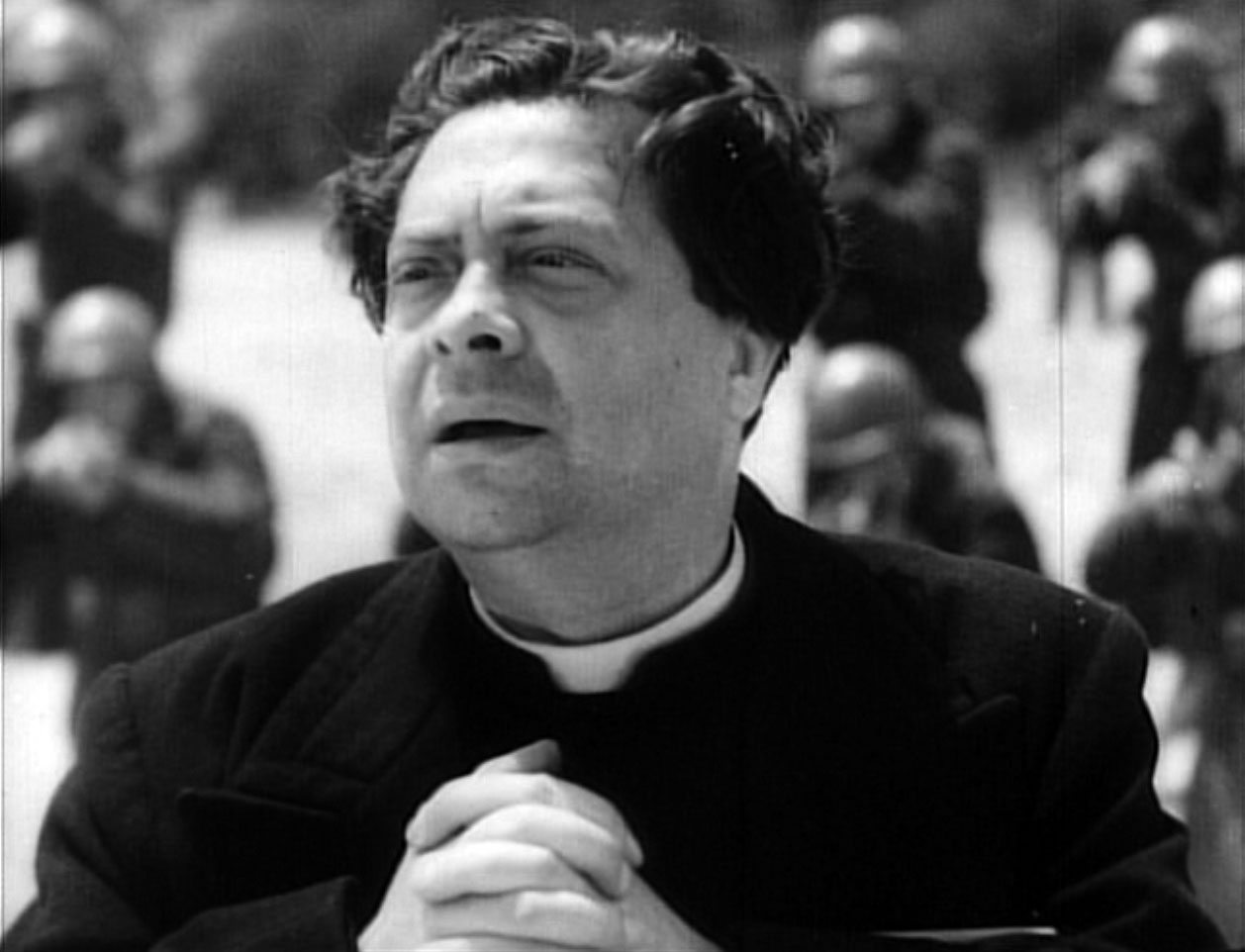
I find that great films often draw me in because of their heroes. Though I care about good cinematography and editing, or creative soundtracks and screenplays, what sticks with me longest are the heroes. And let’s not forget, superheroes are not heroes. Ordinary people who do what is right in the midst of extraordinary circumstances are heroes.* Don Pietro is a hero in this sense. A priest and a schoolteacher, he also knows that doing what is right trumps mere survival. He says, just prior to his execution, that it’s easy to die well, but living well is the real challenge. He is a man who lived well and the forces of darkness killed him for it.
I am not saying anything new here. If you’ve seen Roma, città aperta then you know I have not discovered anything new in the film. But I am struck by two things: 1) the film foregrounds the socialist/communist struggle against the fascists, and yet it is a priest of the most traditional of traditional Christian traditions who is the hero, and 2) it seems we don’t see these kinds of heroes in film as much anymore. What makes both of these points linger is the deep sense of humanity into which Rossellini taps.
One aspect of Italian neo-realism is its ability to take the ordinary, portray it rather straightforwardly, and yet load it with both connotative and denotative meaning. The ending is a good example. After Don Pietro is murdered by the fascists, his students, who watched his killing, walk together back to the city. In the middle ground are modern apartment buildings. In the distance is the dome of St. Peter’s (I believe).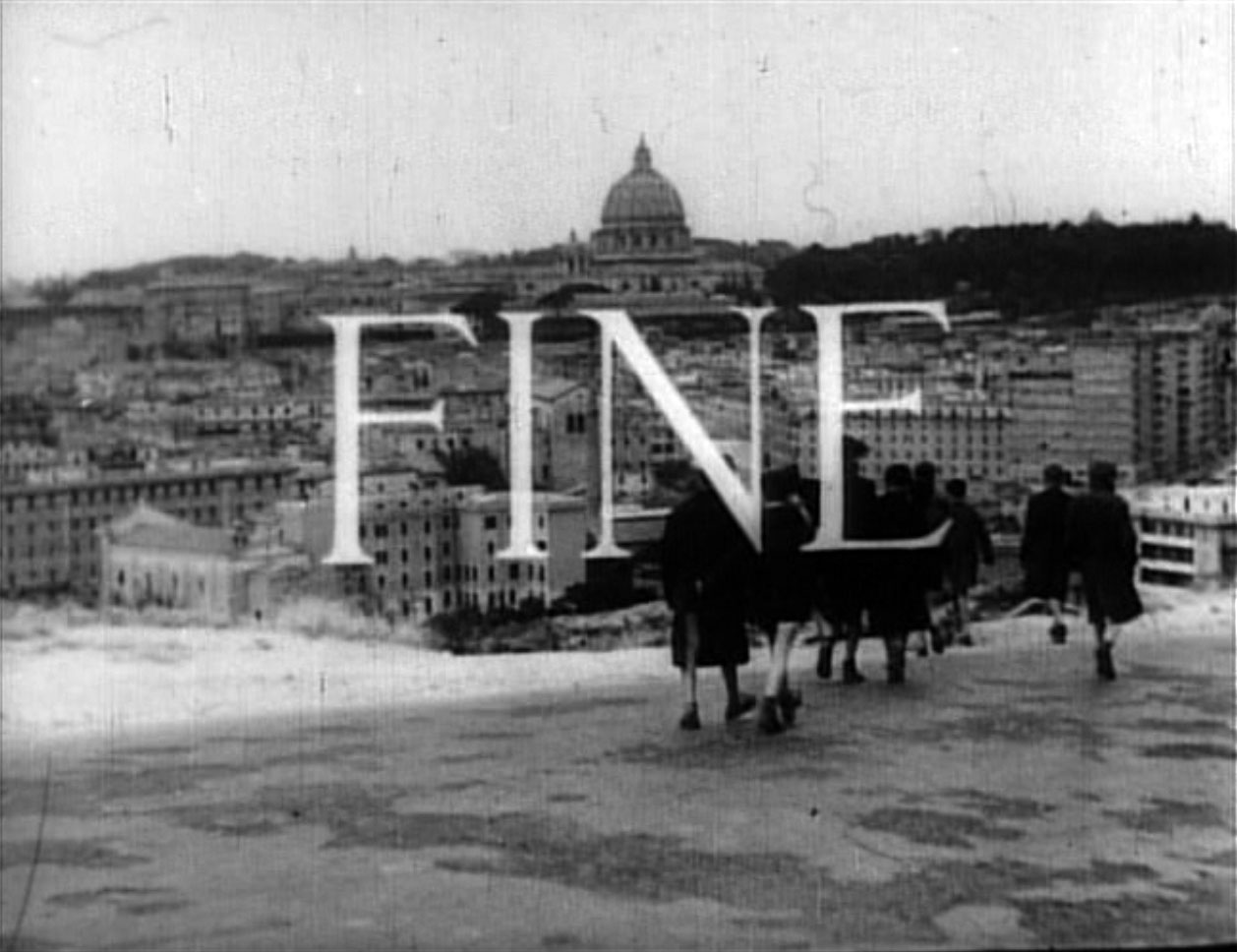
This image all about the future. Life goes on. The future will need to be rebuilt from the ruins of the present. These kids represent that future. The adults have let them down as a result of their wars. But their teacher has shown what a true hero is made of. It’s a simple ending, in a way. And yet, it has weight, depth, and irony. The irony comes from the fact that while we watch the future walk into the city we also see the word FINE across the image. It is both the end and a new beginning, however uncertain. This is the kind of filmmaking that I love.
*This may be why I find movies like Ironman to be all surface and ultimately unsatisfying – even boring. There are thrills but nothing really of any consequence. Ironman, as just an example of many, is somewhat entertaining, but already consumed and forgotten.
>I knew next to nothing about Walter Wink until recently. Now I have become a fan.
 pilgrimakimbo