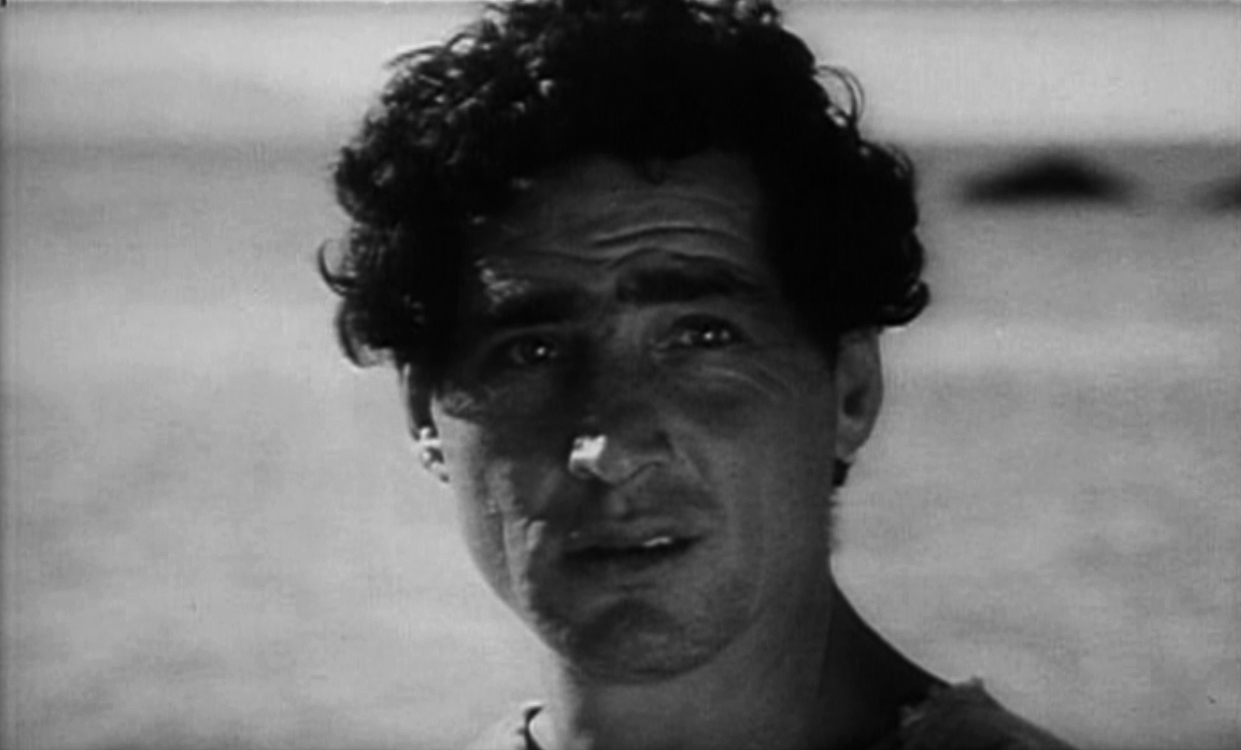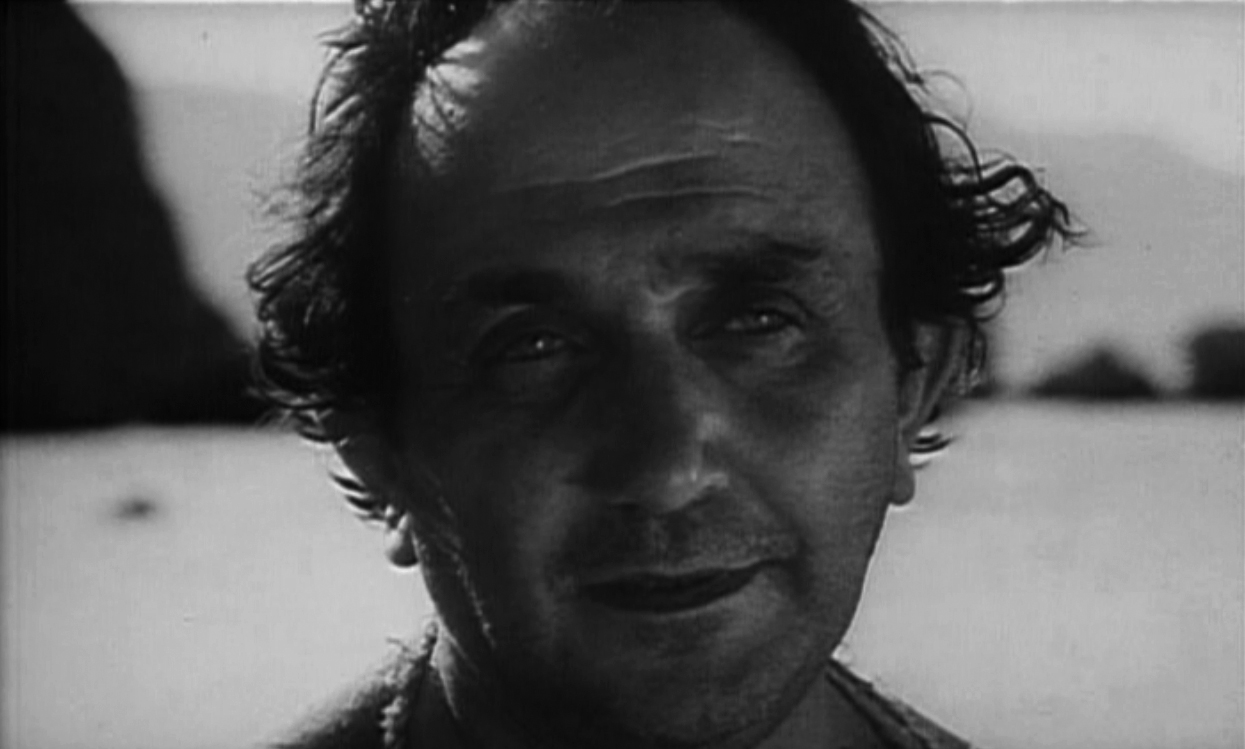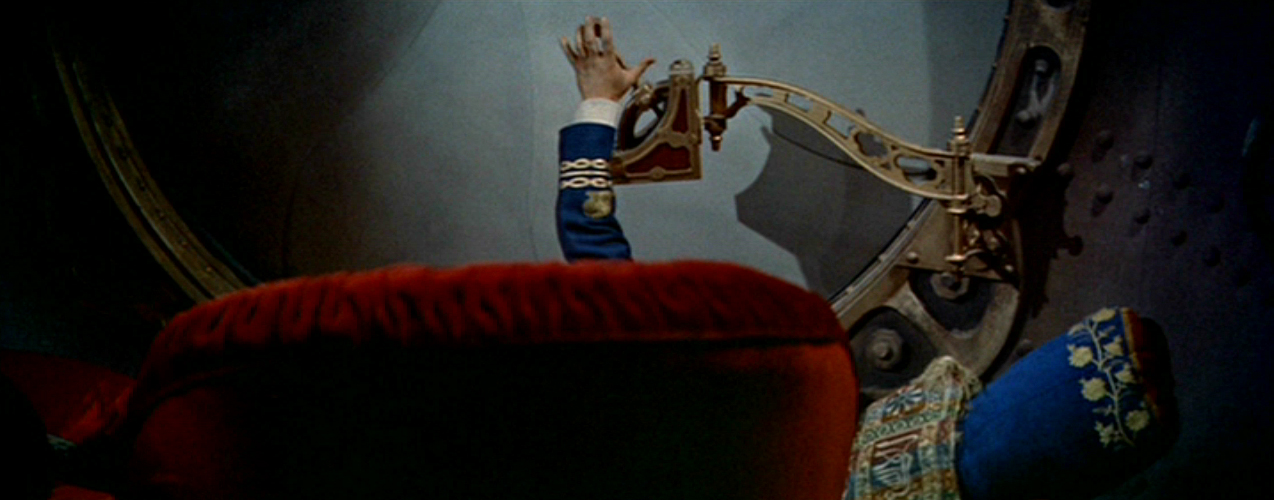
Boudu

Man is the servant of nature, and the institutions of society are grafts, not spontaneous growths of nature. ~Napoleon
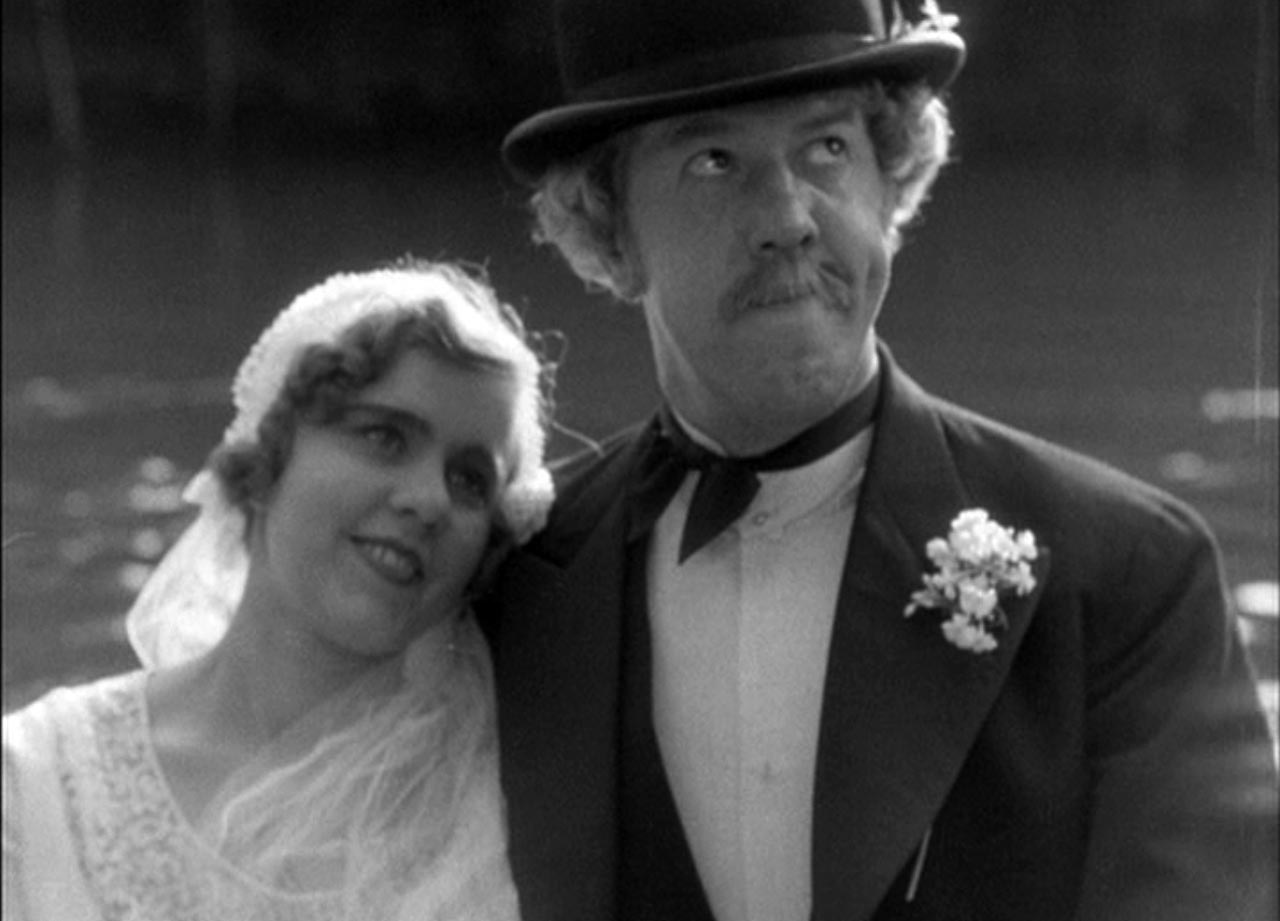
The quote above is taken from the introduction of Honore de Balzac’s The physiology of marriage; or the MUSINGS of an eclectic philosopher on the happiness and unhappiness of married life. Balzac, who was the great recorder of the emerging bourgeois class of French (and European) society, and who cast his powerful gaze upon the vagaries of the human soul, plays a part, albeit through his literature, in Jean Renoir’s Boudu sauvé des eaux (1932). The idea that society has rules, and that humans are always trying to break them while judging others by those same rules, is central to understanding Boudu – both the film and the character.

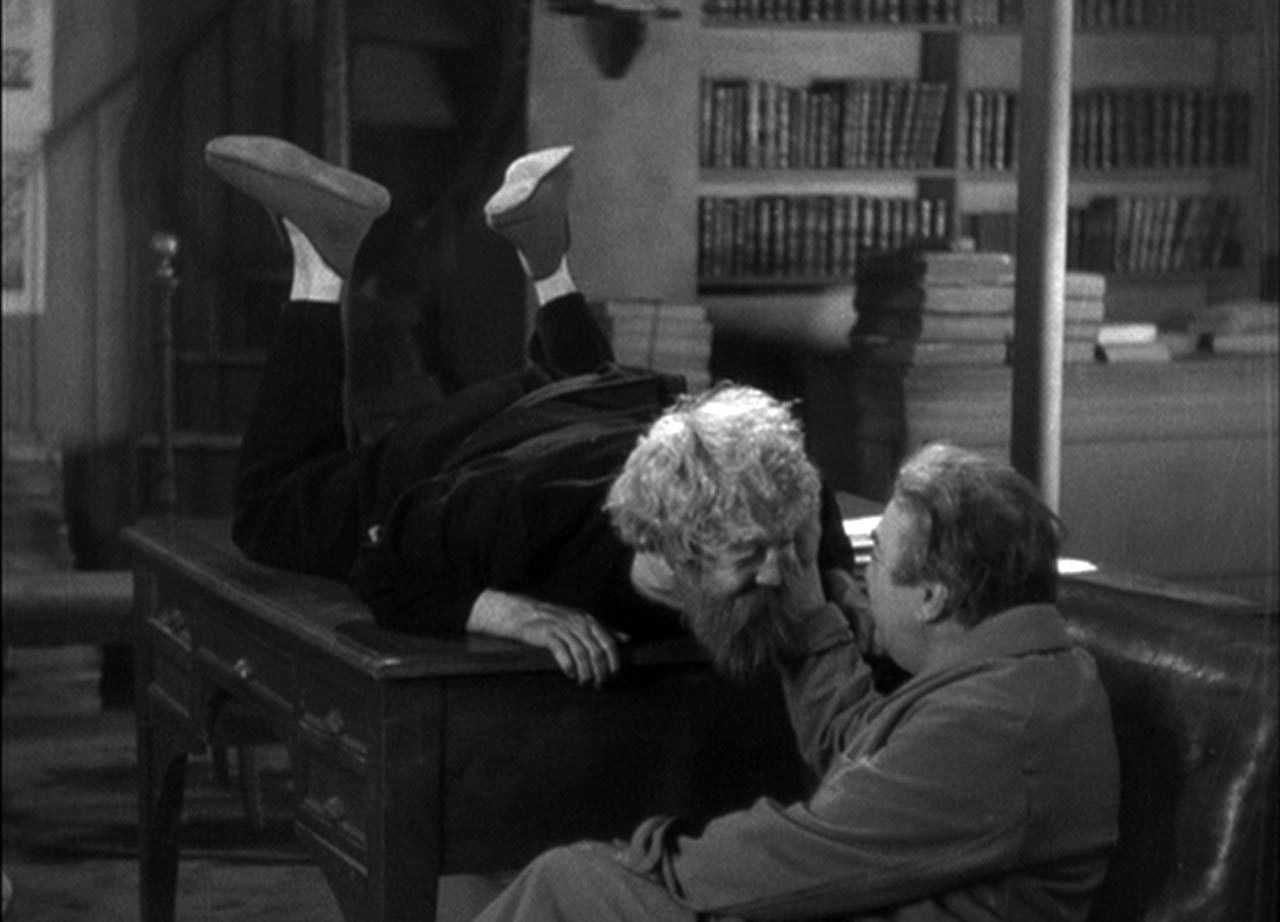
In the story of Boudu, the bookshop owner M. Lestingois (Charles Granval), an example of this new bourgeois male, gets upset when he discovers that Boudu has spat in his copy of The physiology of marriage. “The man who spits in Balzac’s ‘Physiology of Marriage’ is less than nothing to me,” he says. Both comically and symbolically this moment is a nice touch. Renoir is drawing comparisons and contrasts through the film, and especially is poking fun at this new French middle class and all its trappings.

In this sense, though Boudu is the clown, the true comedy is with everyone else.

But Renoir, who, like Luis Buñuel frequently satirized the bourgeois, is ultimately much grander in his scope than mere satirization. I would certainly characterize Renoir’s project as parading before his audience the comical foibles of human beings, and therefore the list of Renoir’s films can, for the most part, be classified as la comédie humaine. But this is not a new insight on my part. What makes Renoir so great (and likely my favorite director), is that he shows humans in all their selfishness, pettiness, and ugliness (he is not afraid to do so), and yet he gets away with it because he has forgiven his characters before the story ever begins. We are watching characters who show us what we are, and yet they have been forgiven by the filmmaker, by their creator, and therefore we can find forgiveness too (for the characters and, by implication, for ourselves). Therefore, we love these characters. With Renoir there is no black and white, and not even grey, there is only the vibrant color of existence and human interaction – something that gets fuller treatment when Renoir begins later shooting his films in color.

For me, having just seen Boudu twice this past weekend was a revelation. It had been around 23 years since I last saw the film. The Criterion Collection DVD is a wonderfully produced copy of the film. But it is not the quality of the DVD that got to me. And it was not merely the incredible performance by Michel Simon as Boudu, as well as the rest of the cast. No, what got to me was the boldness of Renoir – both in terms of the story’s subject matter and of his directorial choices.

We all know Boudu, so I won’t go into plot synopsis, or produce a review. Thematically, Boudu is decades ahead of classical Hollywood cinema, not merely in terms of the sexual content of the film, but also in terms of class consciousness. I’m sure this is not entirely true, and Boudu is probably also ahead of much of French cinema of the era as well, and yet, while U.S. cinema dealt with class distinctions by thumbing it nose at them (think Fred Astaire – working class hoofer in his tuxedo wise cracking his way through high society, showing us the democratic worldview in action), in Boudu we have carefully drawn out and accepted social lines based in class, possibly democratically organized, but certainly socially stratified. And yet, Renoir is such a lover of people, of humanity, that his class distinctions ultimately get played out as comedy and we see his characters as real people filling the role of their class.

Another great element of Boudu is the use of exteriors and natural sounds. Lest we forget, 1932 was very early in the development of sound-recording technology for cinema. [And really the film is copyrighted in 1931.] Shooting talkies was not easy, and shooting exteriors with natural sounds and large group shots was often very difficult. Scenes tended to be shot in studios, and cameras were rendered almost immobile by placing them in sound booths. Typically, multiple cameras had to be used in order to shoot a scene with cutaways and reverse angles because the audio had to be recorded on one track at the time of the shooting – no sound editing later if one had characters talking. Music typically was included at the time of shooting as well. This has all been well documented by many historians. Renoir is using the latest knowledge of sound recording and finding ways to make it work for him.

In Boudu we have both interiors and exteriors. I find the easy transitions between internal and external to work extremely well, including the difficult process of recording and matching the audio. The exteriors seem to almost prefigure the kind of exteriors one will find with the Nouvelle Vague directors of the later 50s and early 60s. In fact, having just seen a couple of early Rohmer films, Renoir does a better job of capturing and mixing exterior audio for effect than does Rohmer 30 years later. In particular, I’m comparing Boudu with La Carrière de Suzanne (1963) because I just saw it as well (ah, thank you DVD player!). Of course Rohmer was doing something different than Renoir.

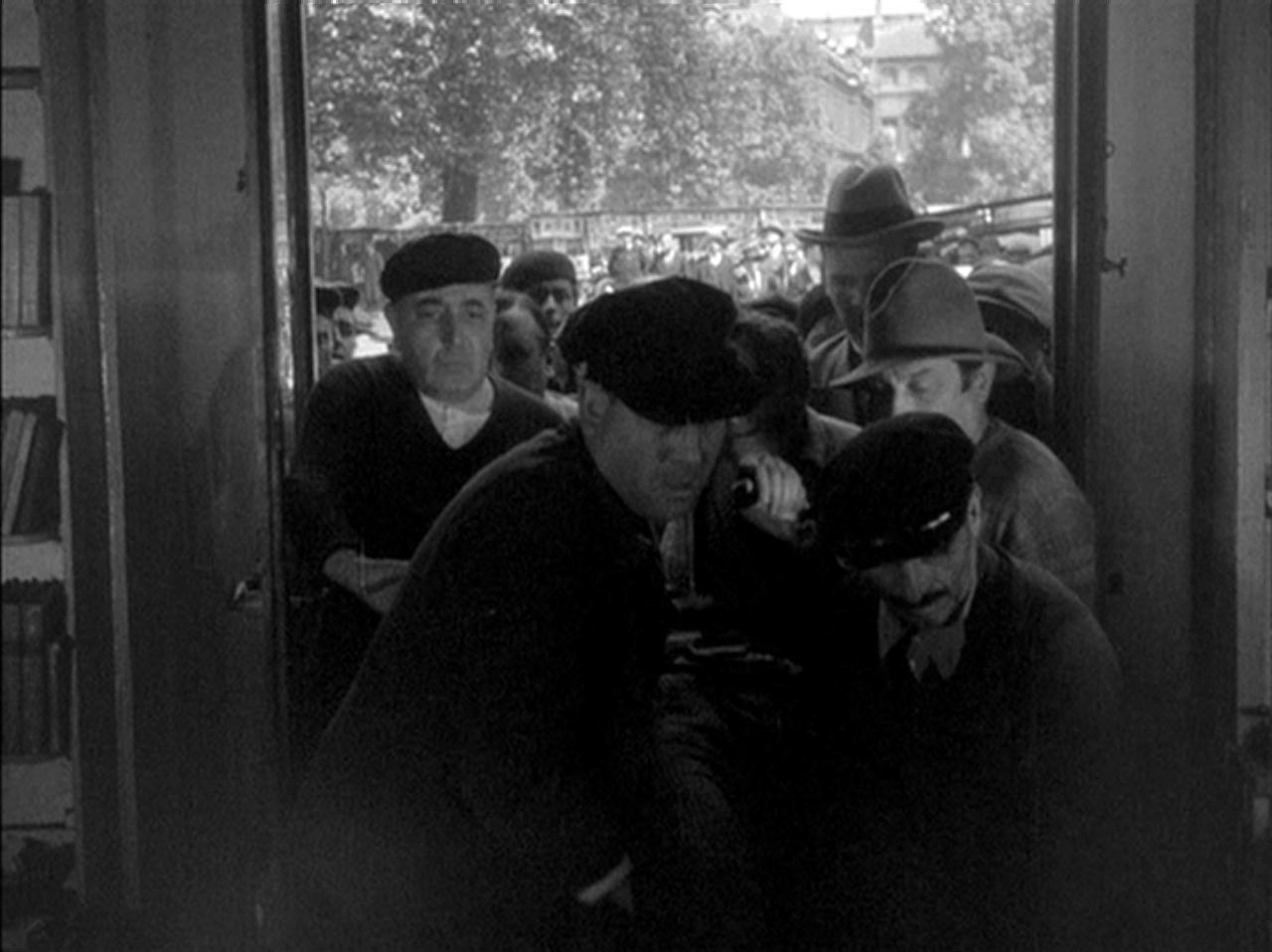
Now here is an exterior/interior transition moment that uses great natural audio and also shows Renoir staging his action along the z-axis. Boudu has just been rescued from the river (in a wonderful exterior rescue sequence with great crowd shots and use of extras) and he is being carried to the Lestingois book shop.
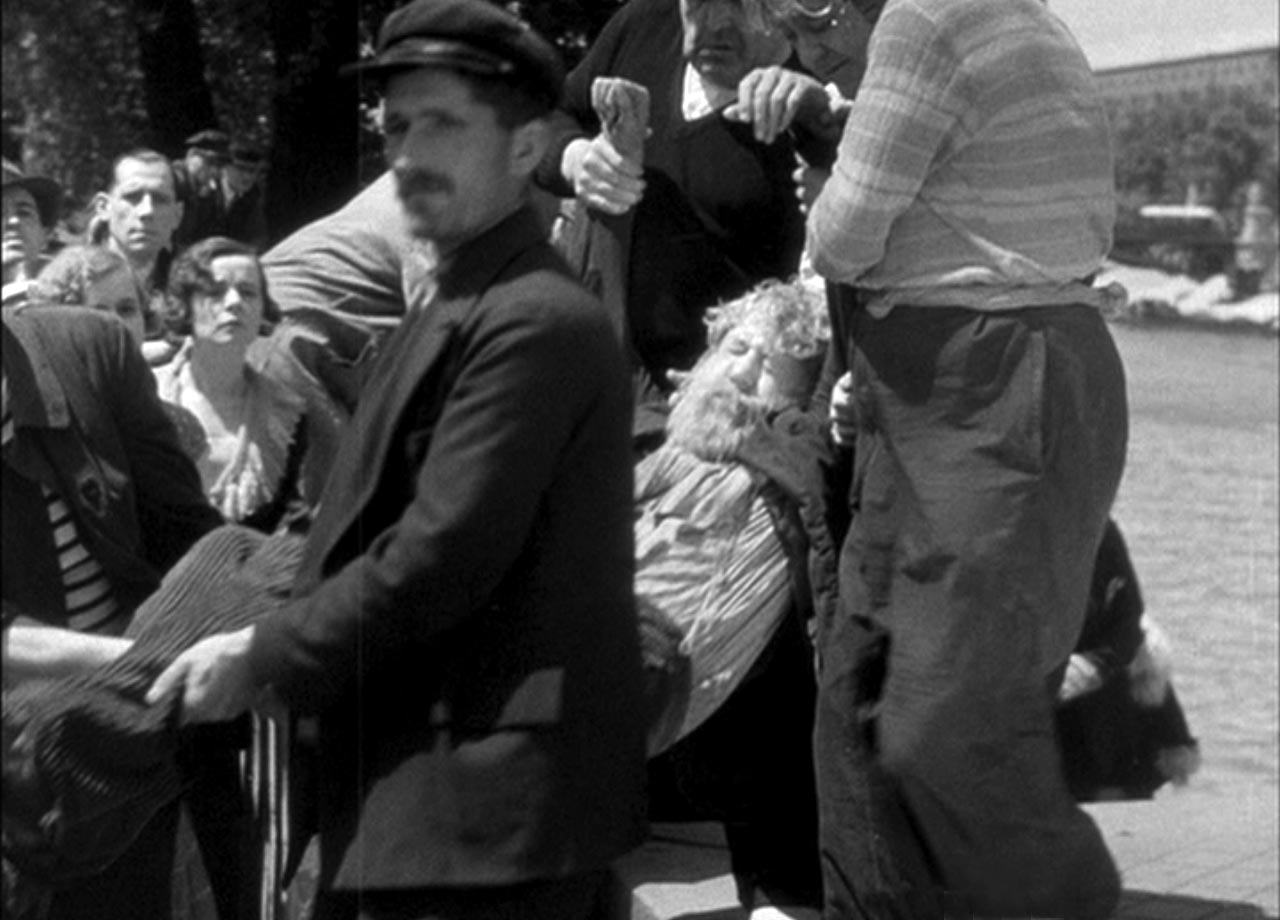
As the crowd moves forward, Mme. Lestingois and the maid rush ahead to open the shop door. The camera has now jumped from exterior to interior, looking through the shop doors.
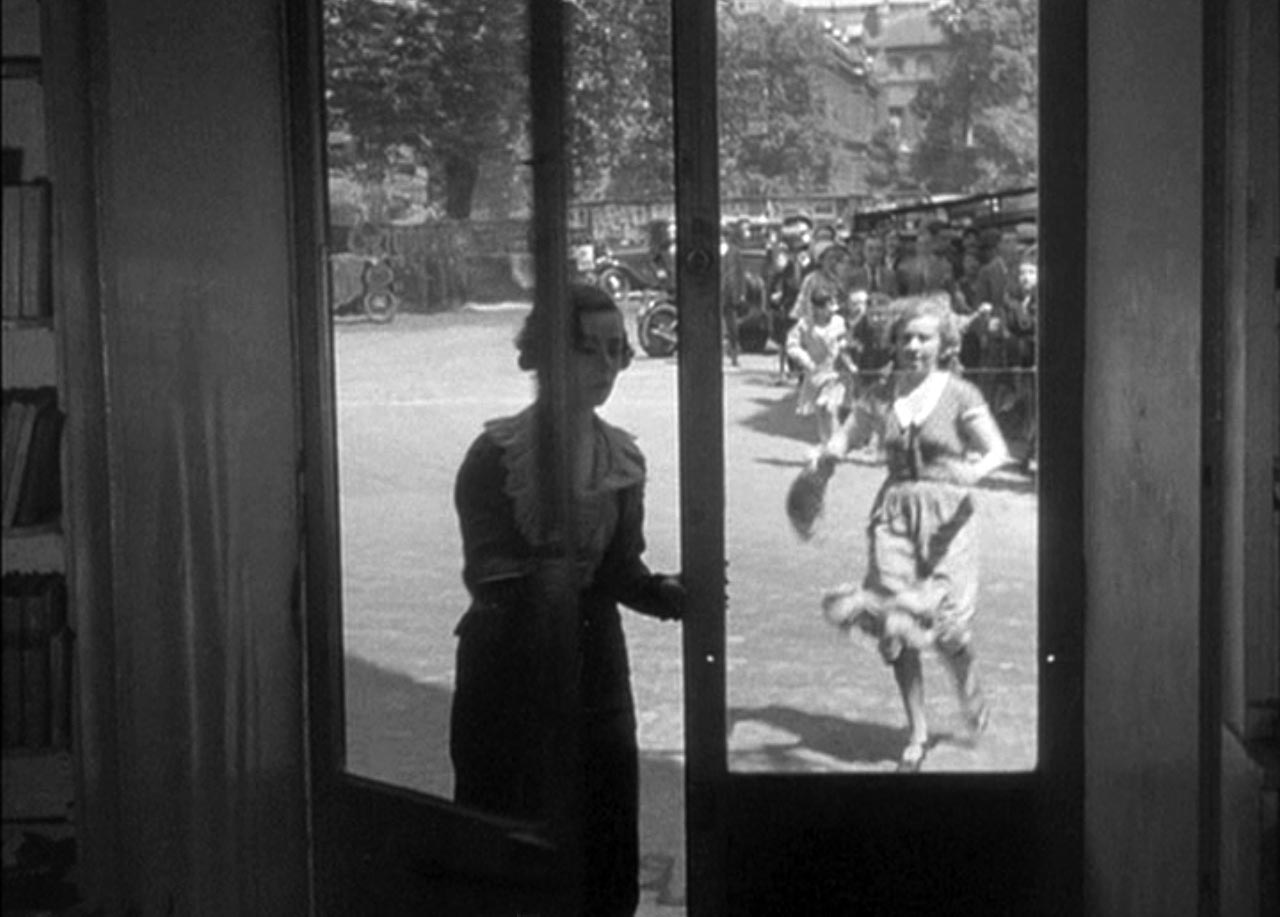
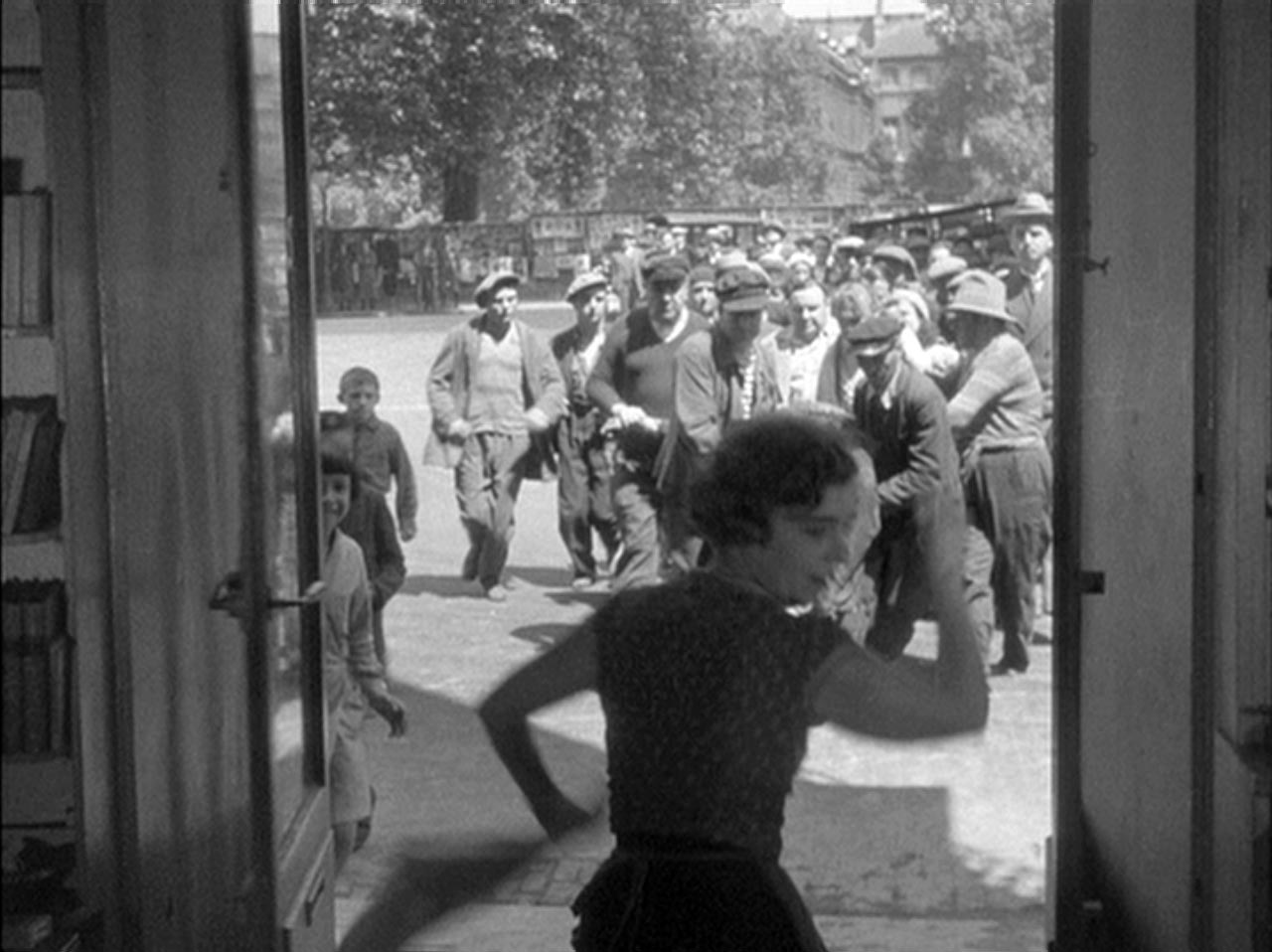
Up to this point the shot from this angle has been in one take with the action coming towards the camera. Now the camera cuts 180° and we see the action moving directly away from the camera.
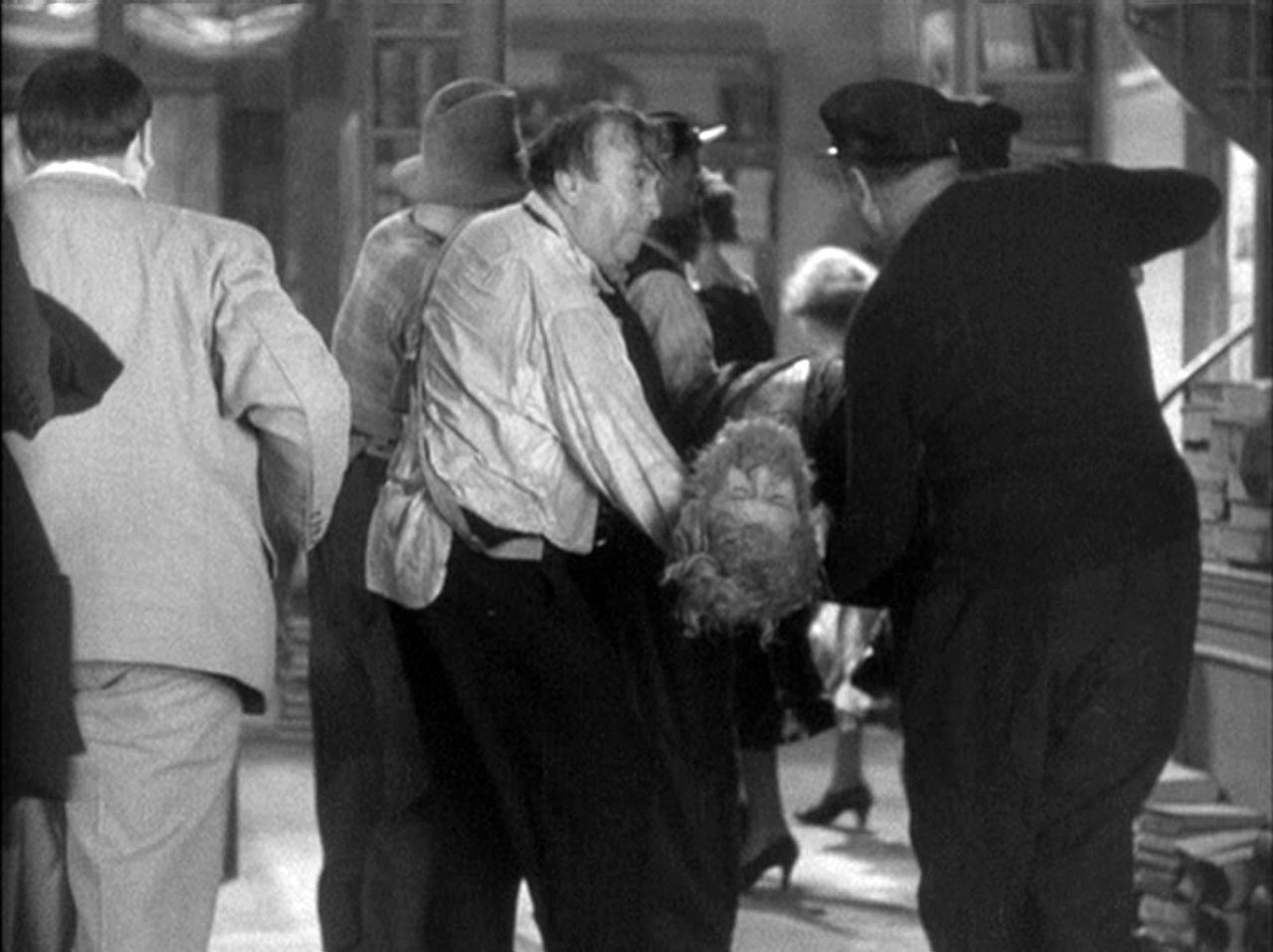
They set Boudu down on a bench and then we get several exterior shots of the curious crowd outside.
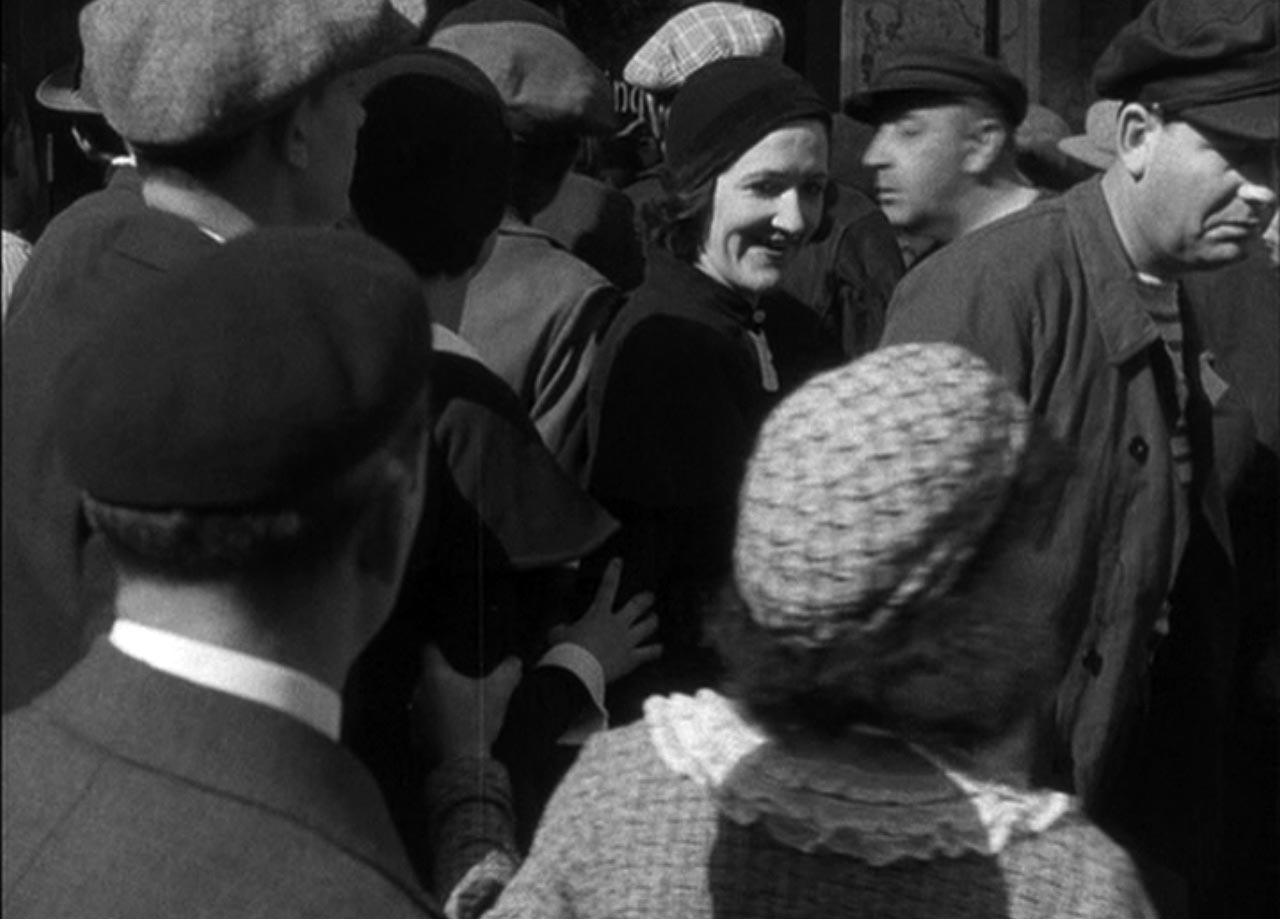
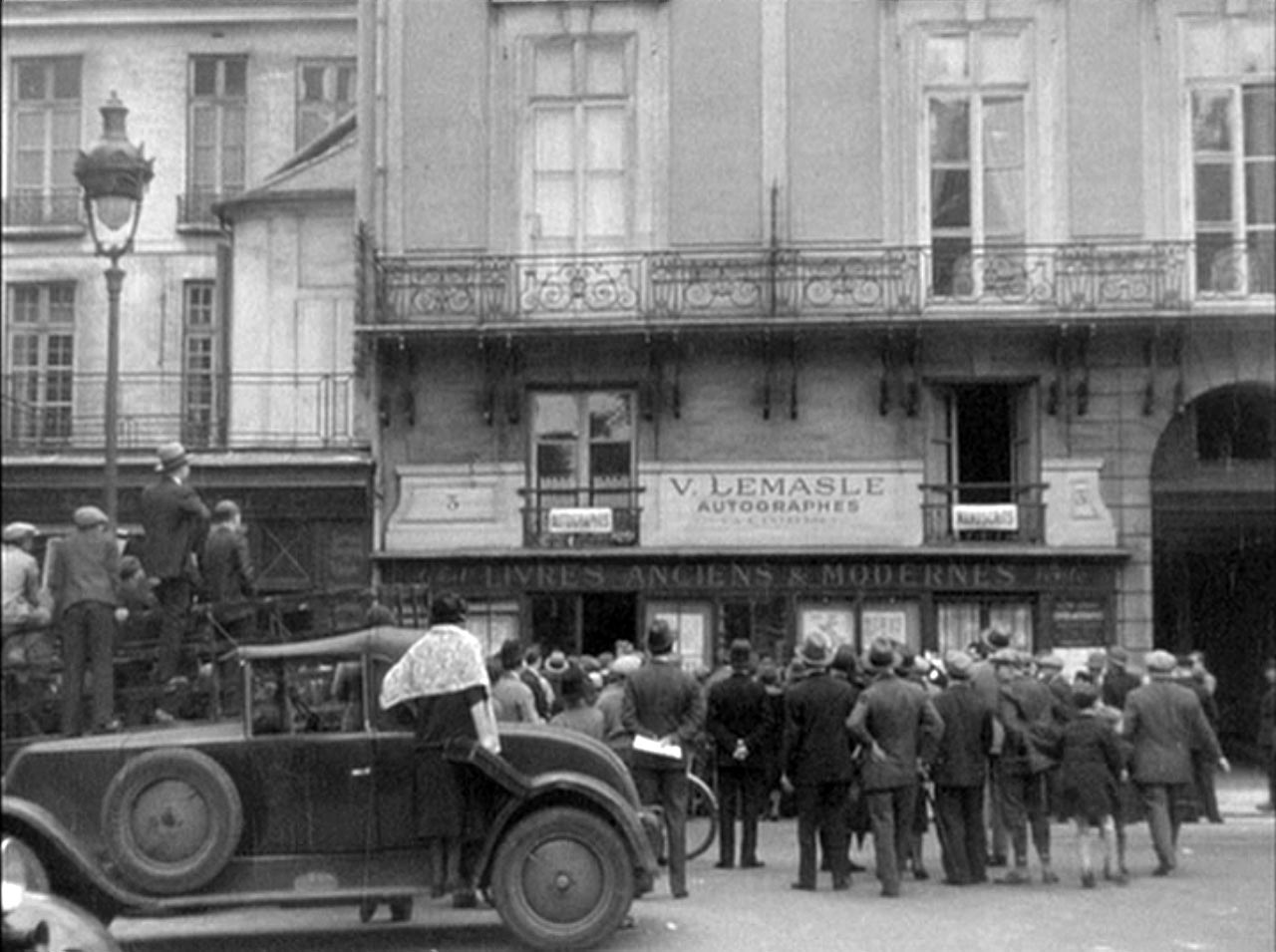
And then we cut back to an interior shot, this time a medium shot, and slightly different angle than before.
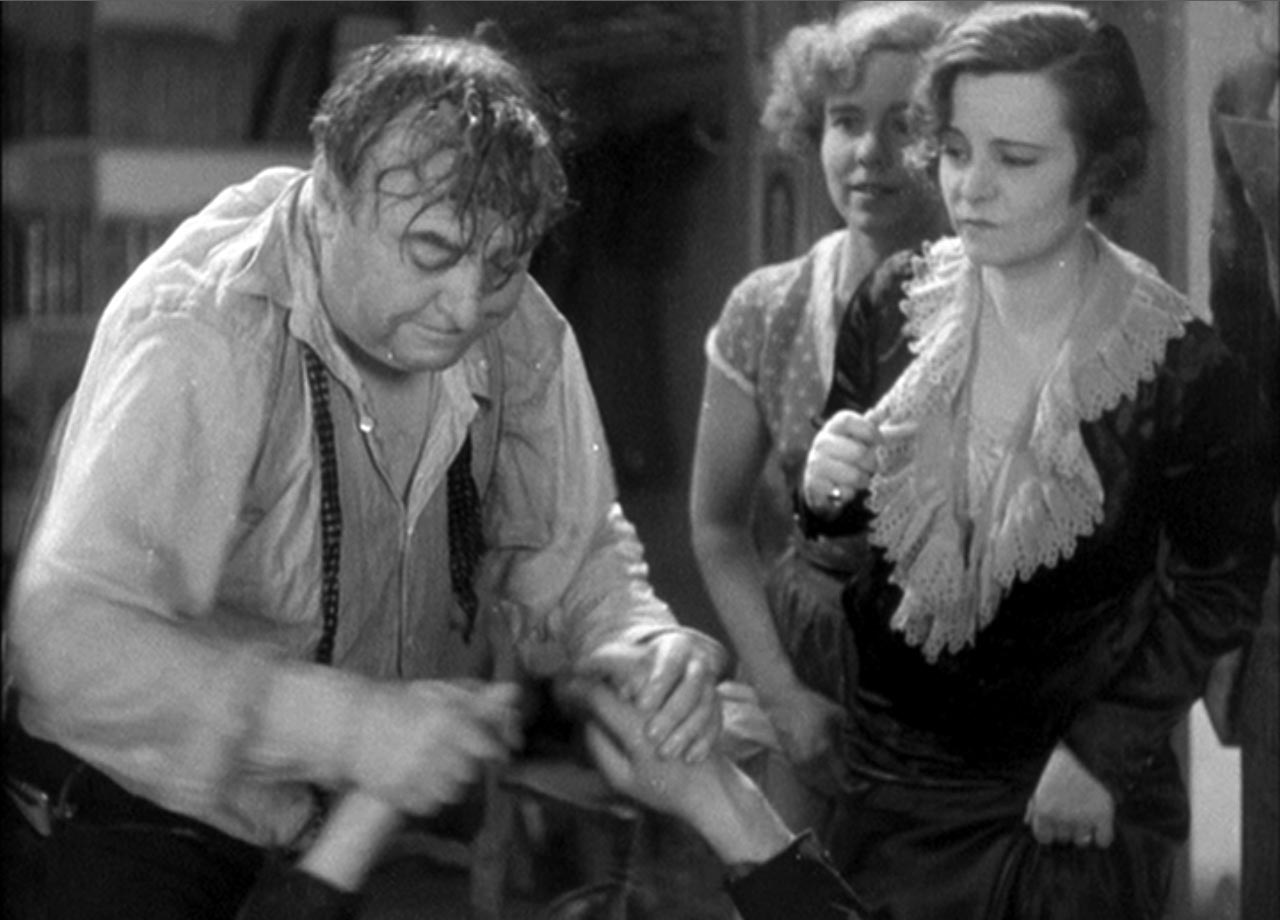


What I like about this little sequence is the ease with which Renoir uses a combination of exteriors and interiors, cuts naturally between the two, and stages his action along the z-axis, thus giving the scene a dynamism that is both inherent and fitting to the story. Renoir is also a master at working with crowds. His ensemble staging and use of the natural energy that crowds provide allows him to more deeply examine human nature because of the interplay among his characters.

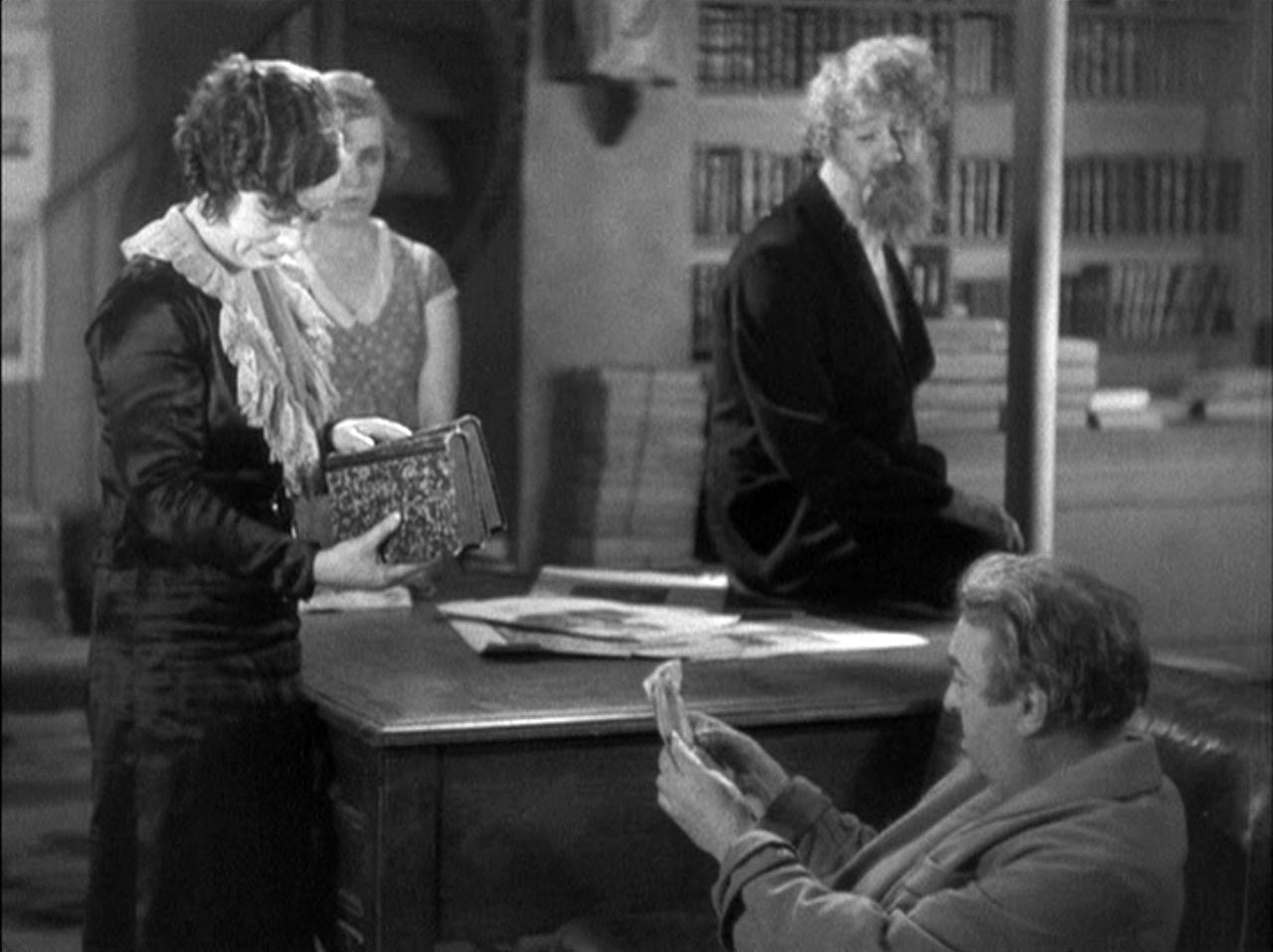
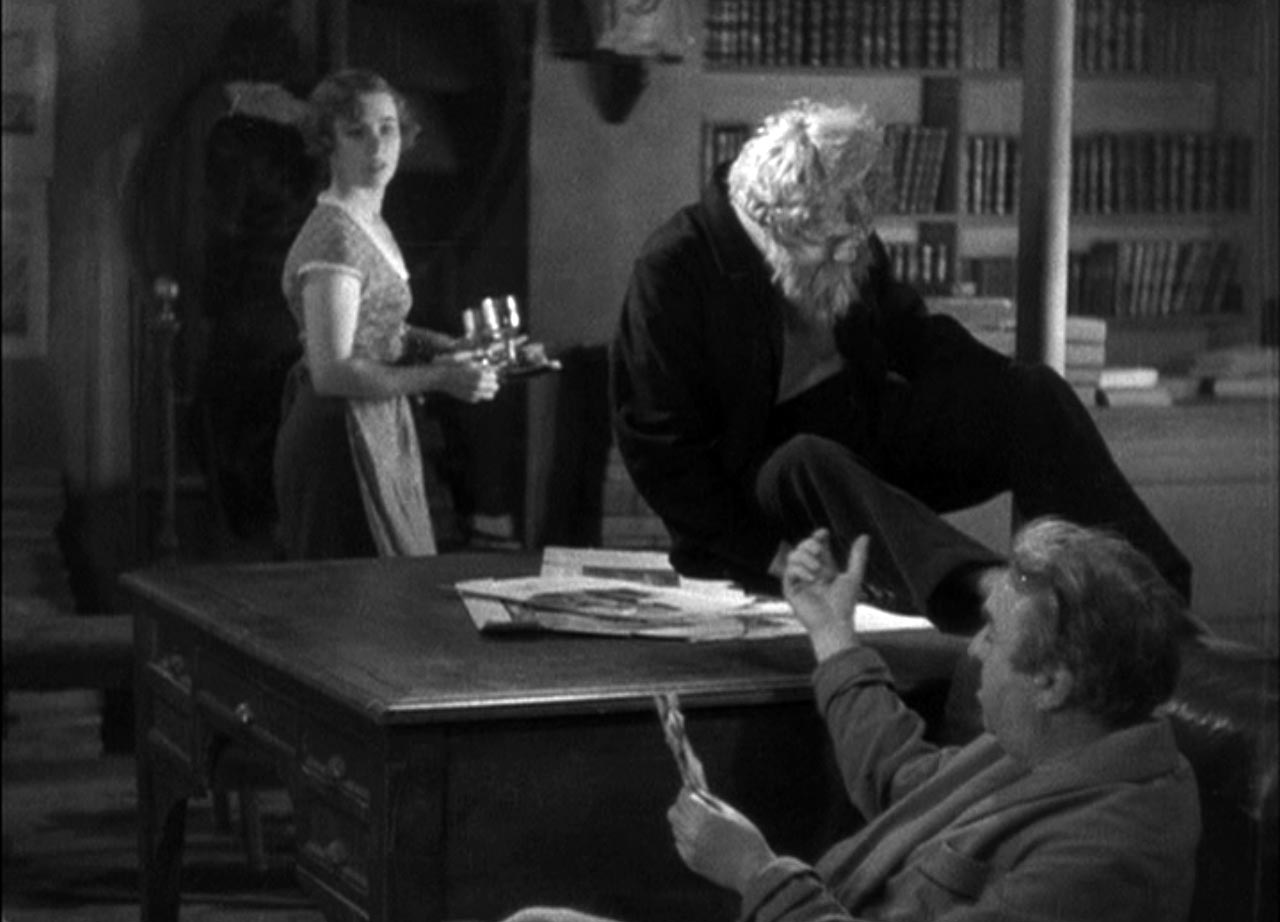
To watch older films is to engage in an act of archaeology. Boudu is an old film that offers evidence of another time and place (even another place for modern Parisians). One aspect of Boudu is the arrangement and development of action in dynamic space through ensemble staging and longer takes. I imagine that the average shot length (ASL) for Boudu is around 15 seconds, much longer than the ASL of most films today. Here we have a scene in which Renoir plays with the arrangement of the characters (four characters) in space (a single room) over the course of a complete scene.
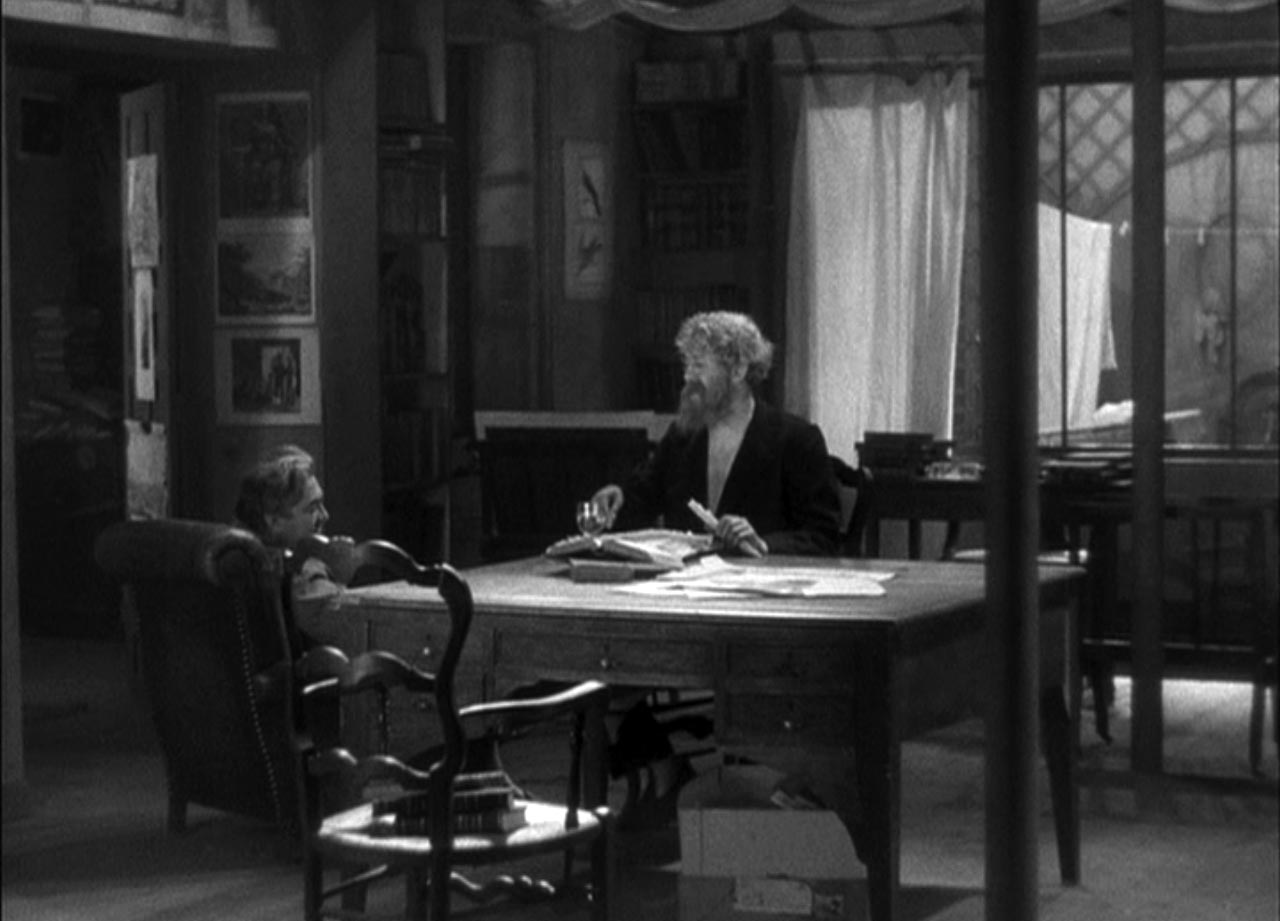
In a wide shot (WS) M. Lestingois and Boudu talk at the table. Boudu gets up and walks over to a post and leans against it.
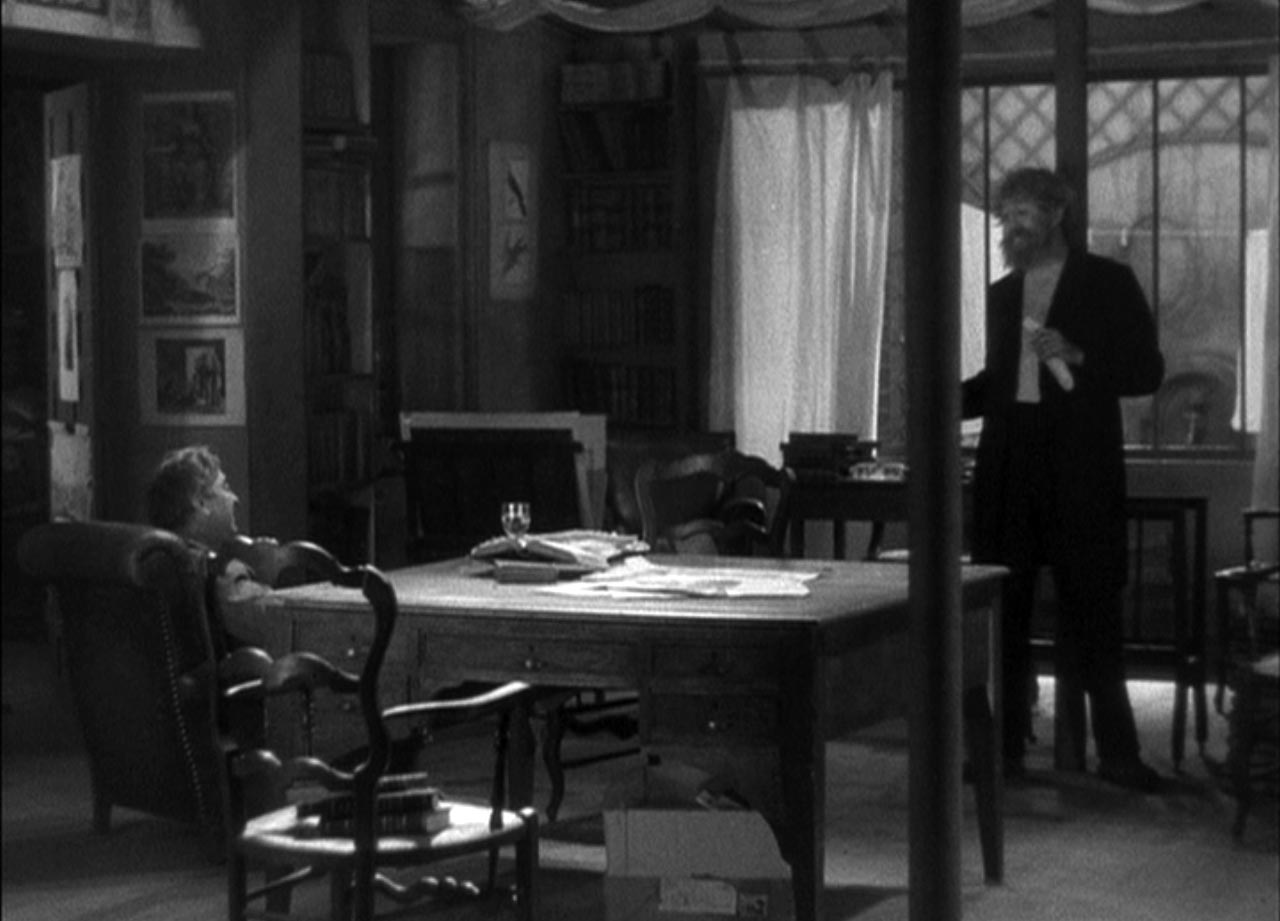
We cut to a medium close up (MCU) of Boudu. This edit, as are all the others in this scene, are both large jumps from WS to MCU and yet are fully beholden to the rules of continuity. In other words, although the edit suddenly brings us in close, we accept it as a seemless moment of the film.
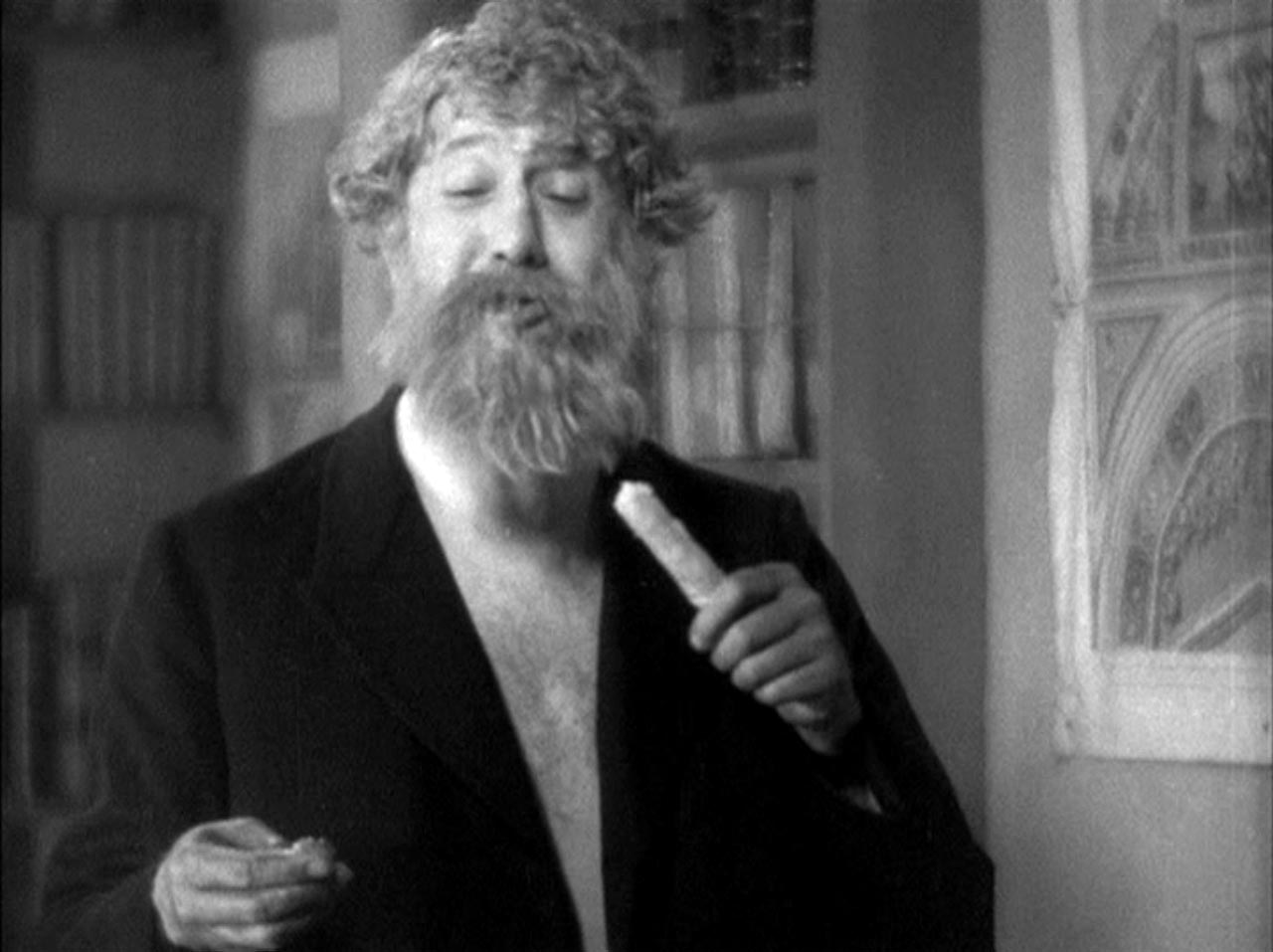
Now the camera is back at the WS and Mme. Lestingois enters.
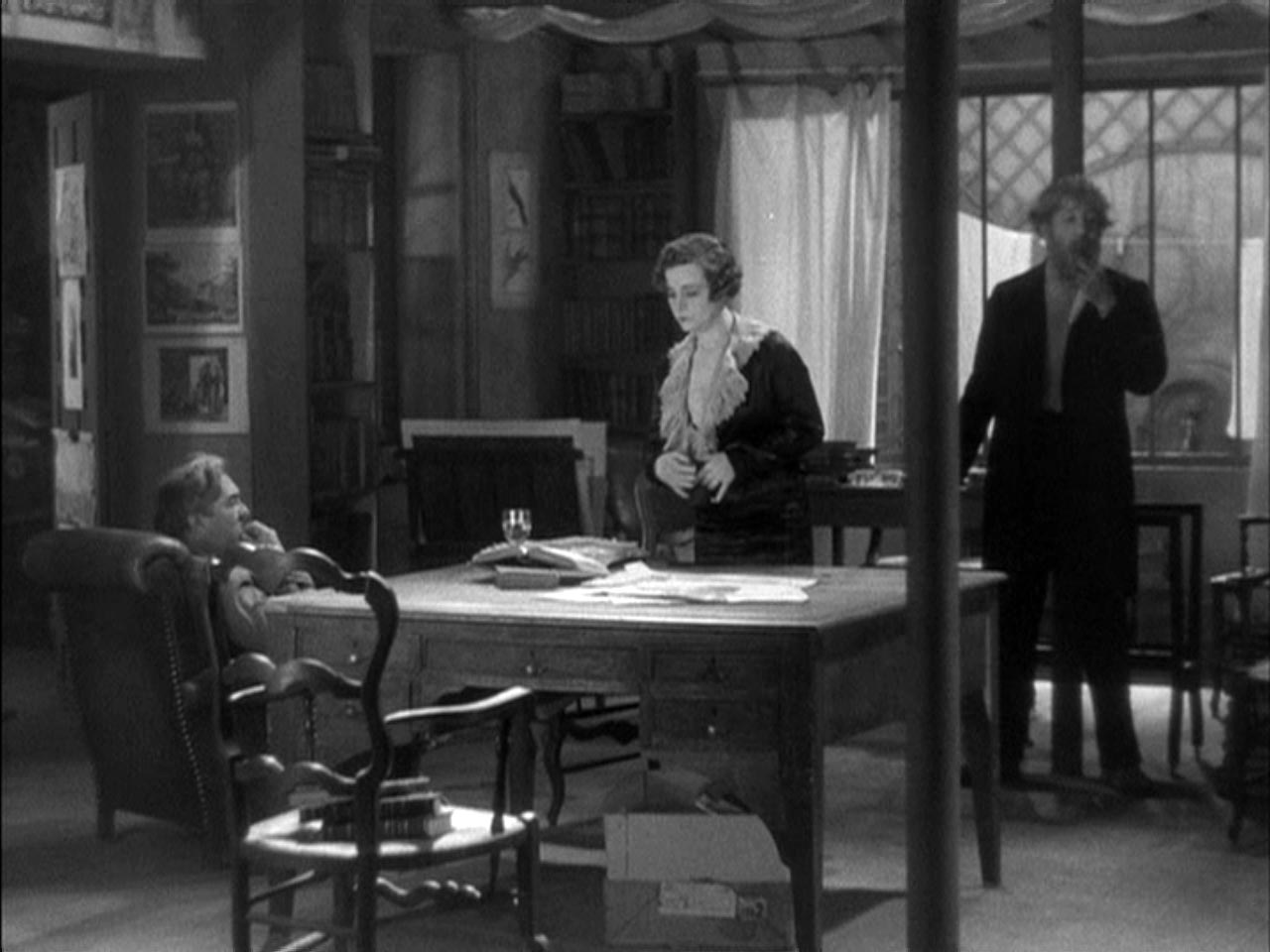
Then the maid enters.
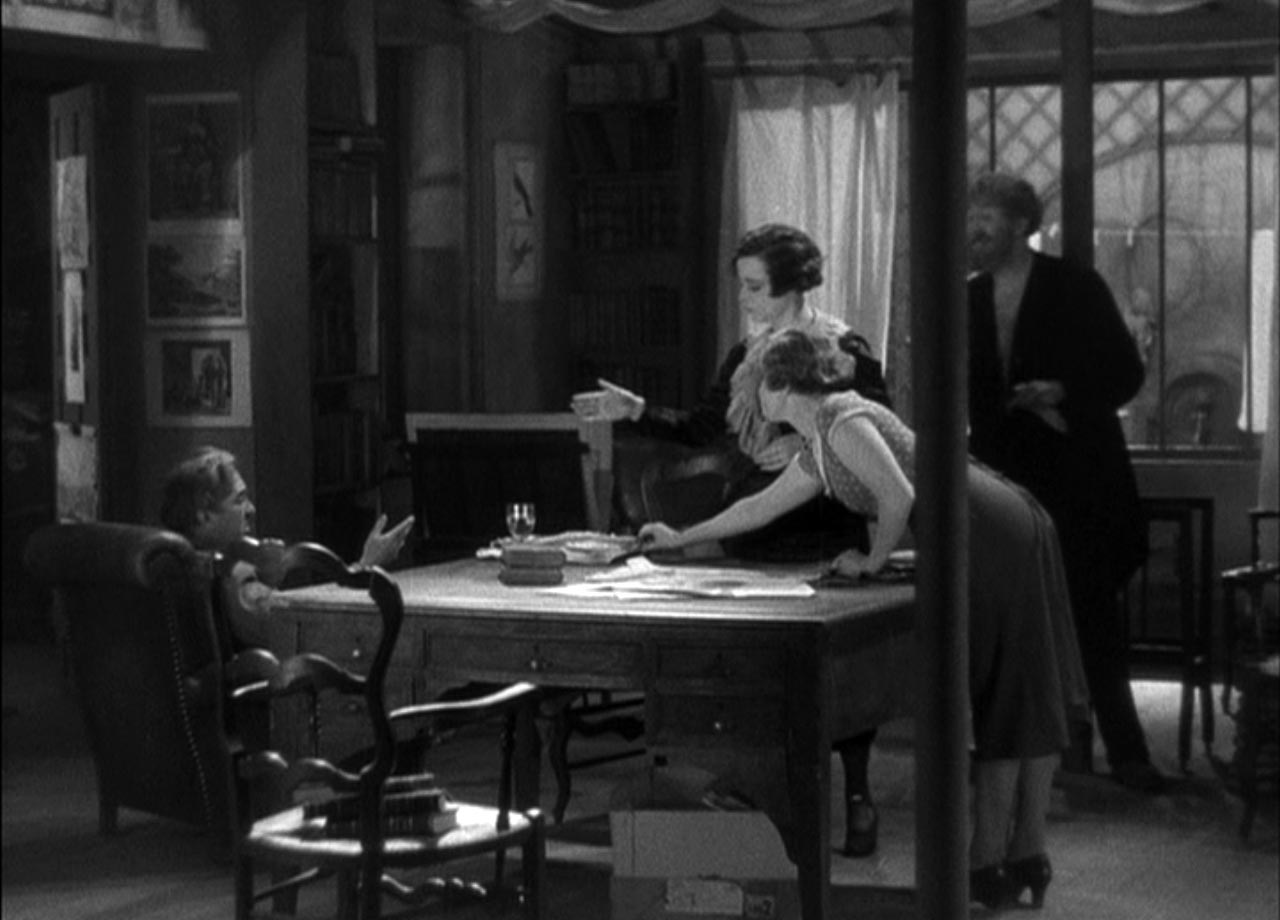
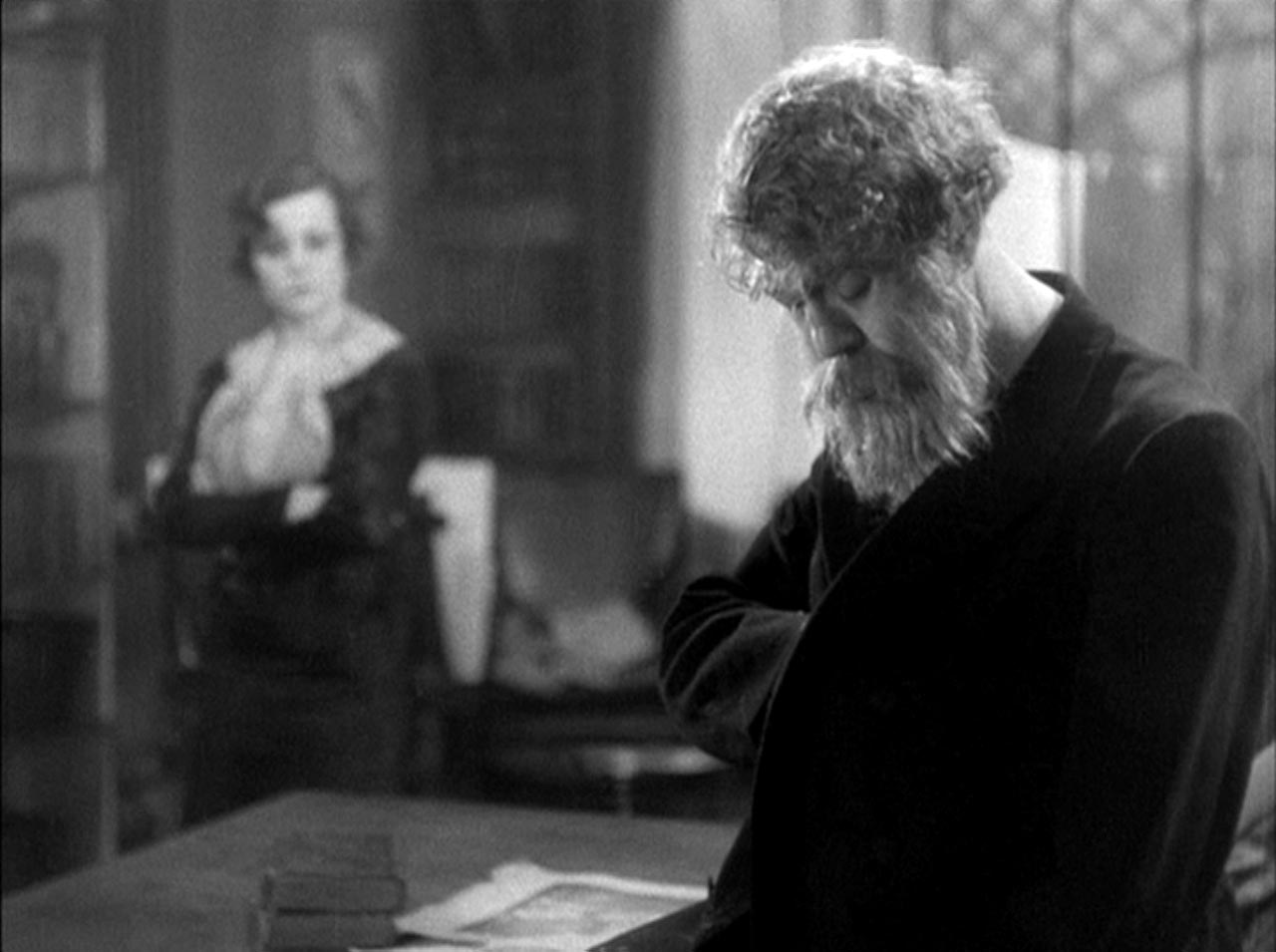
Boudu walks around the far side of the table and leans on it. We cut to a medium shot (MS) showing Mme. Lestingois behind Boudu. This offers a nice opportunity for Boudu to express his thoughts and Mme. Lestingois to show us her reactions. There is also a nice sense of depth in the framing.
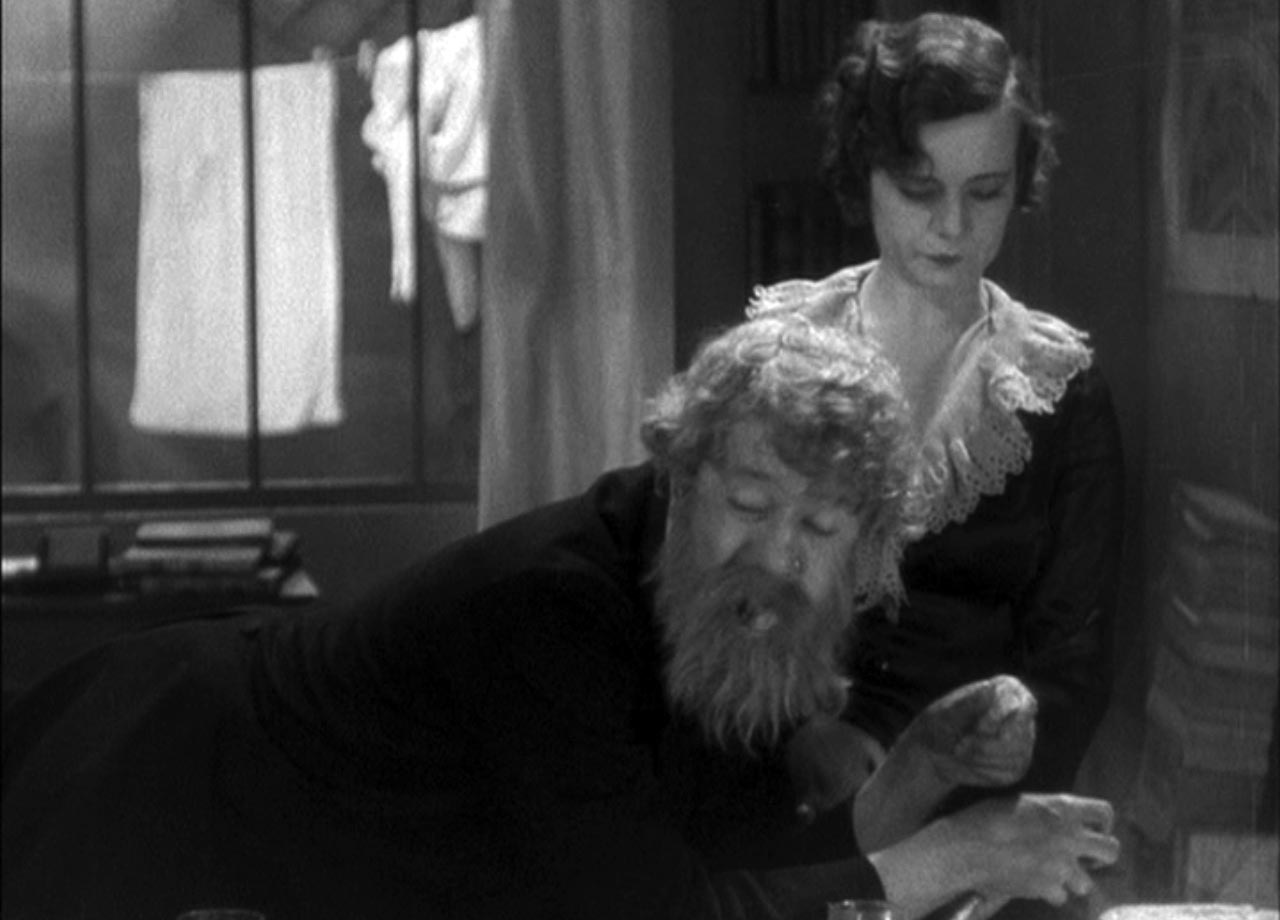
Now back to the WS.
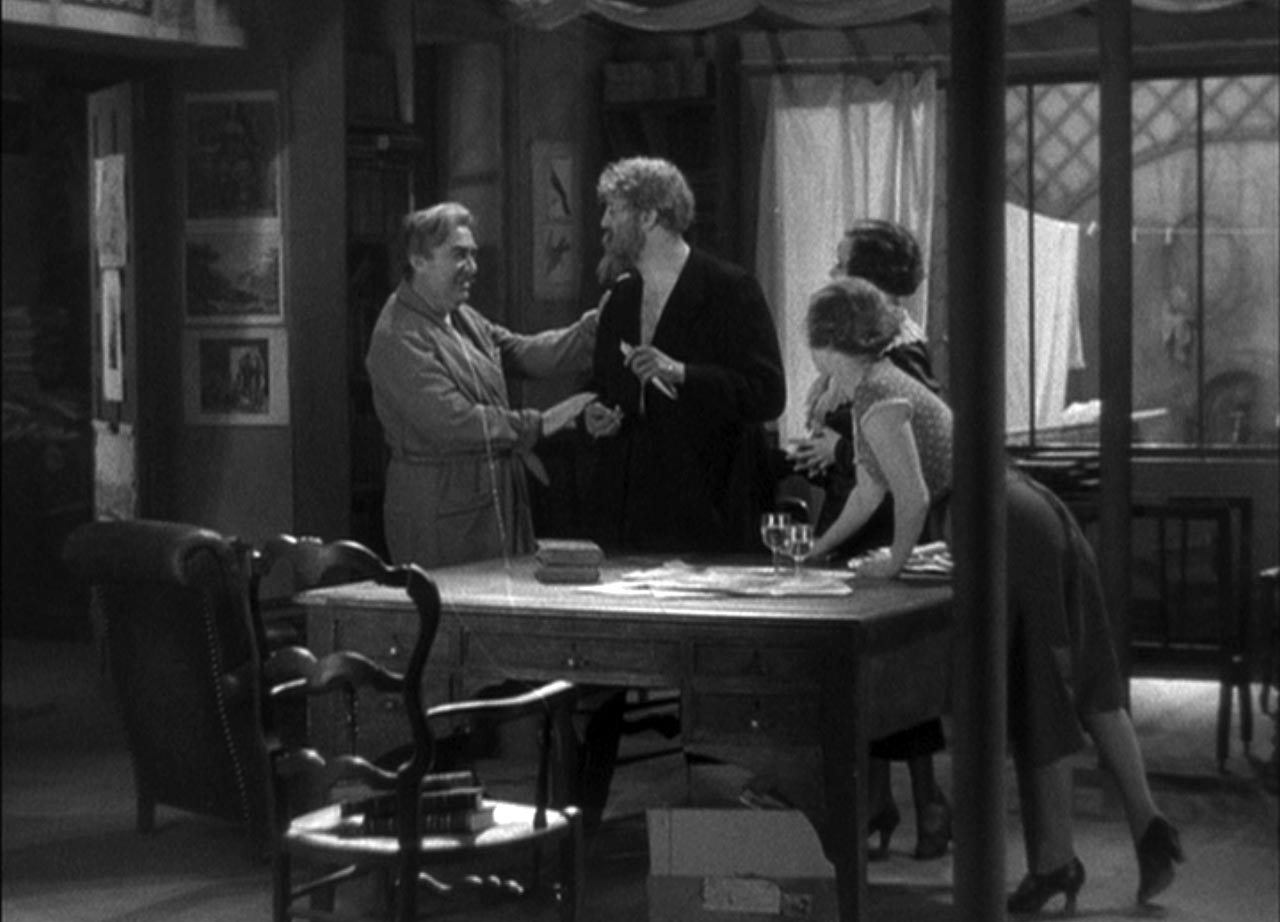
Then another big jump to an MCU to focus our attention on the interplay between M. Lestingois and Boudu.
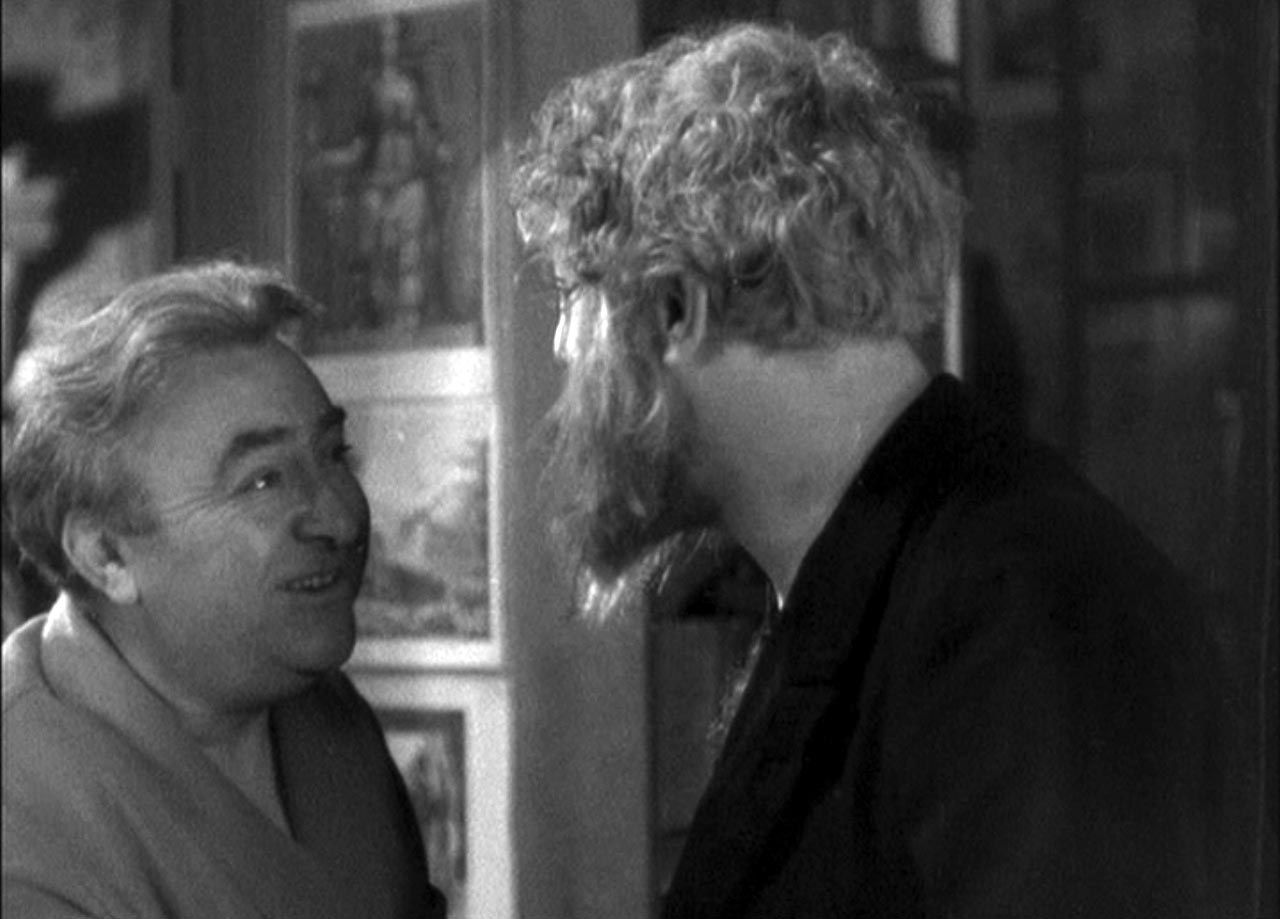
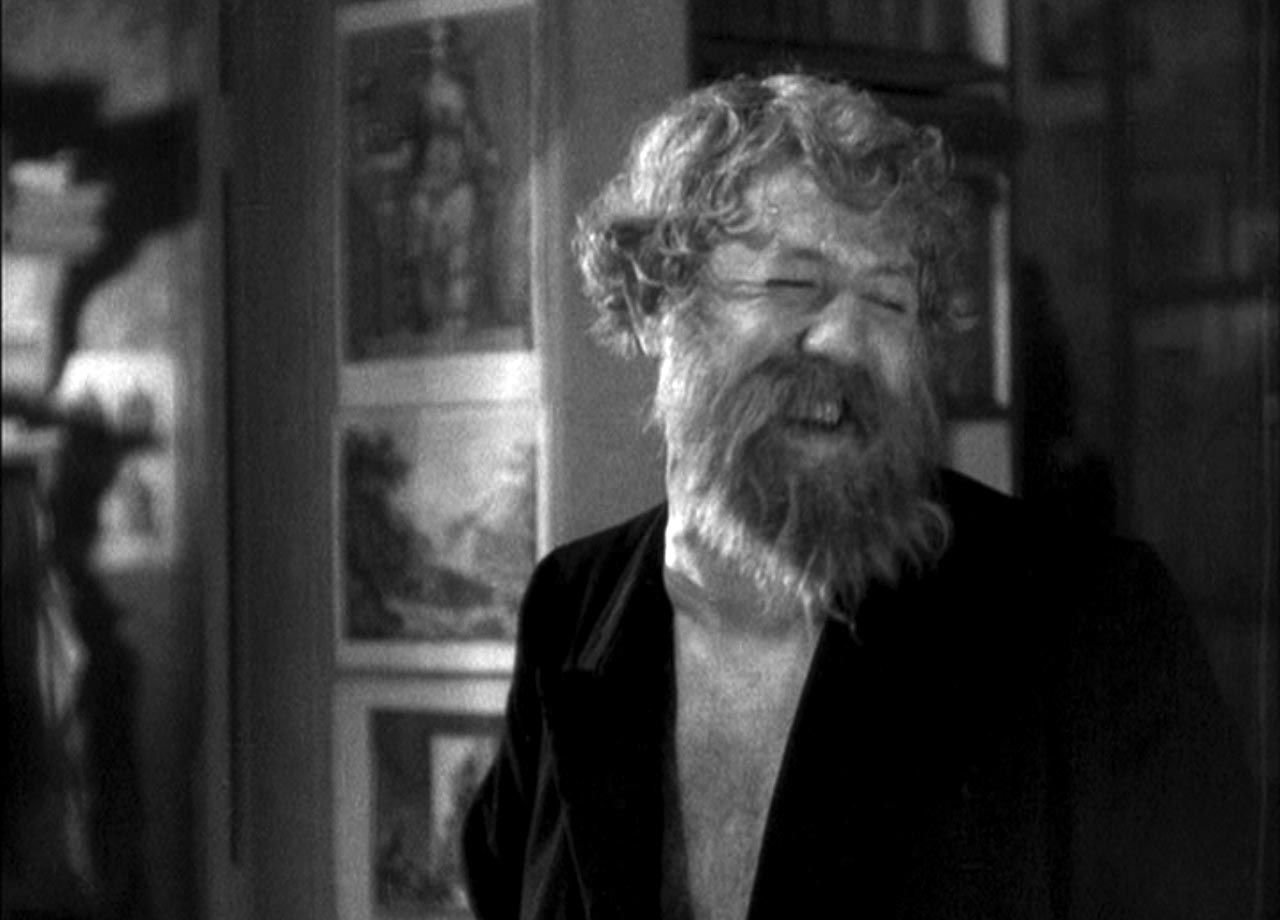
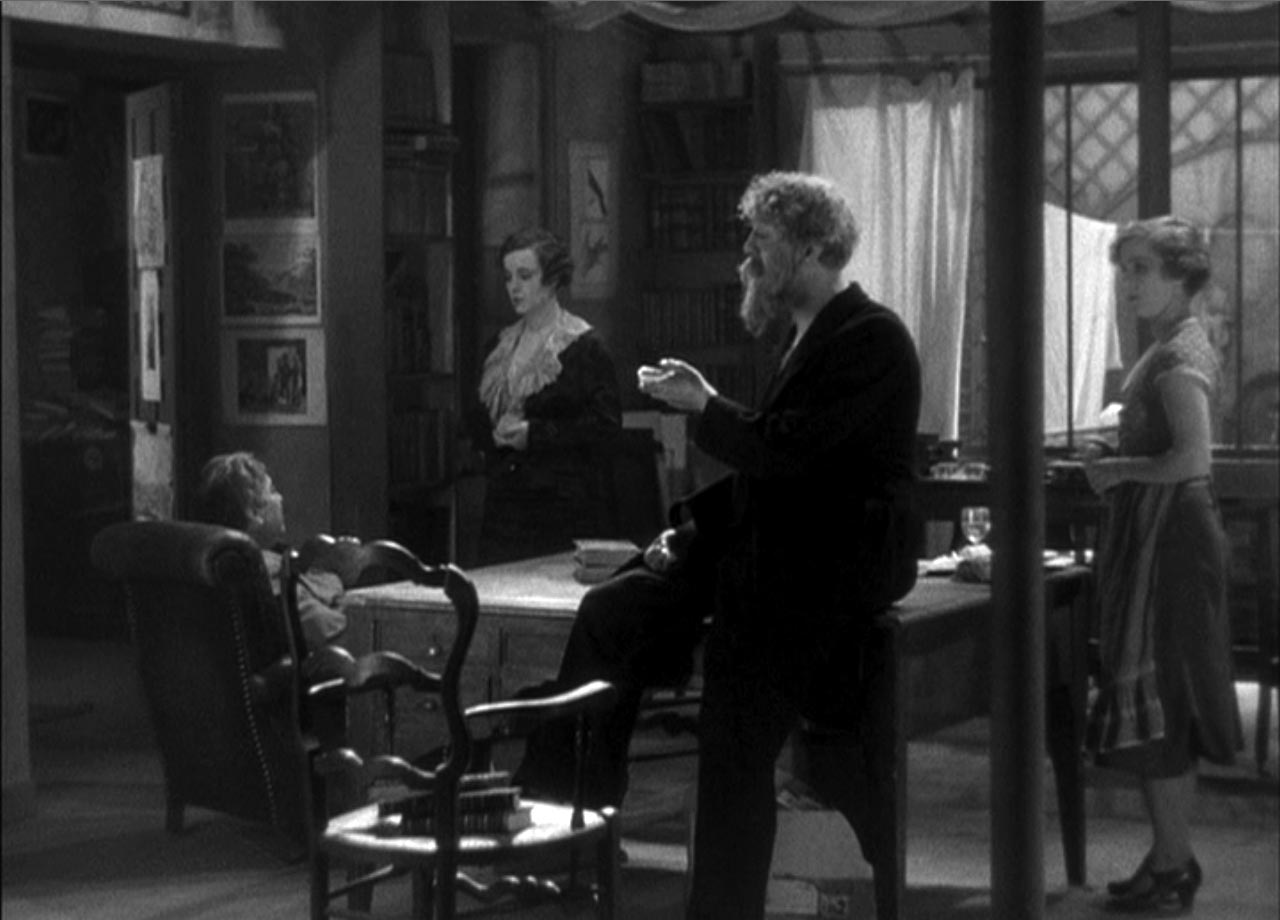
Boudu now walks around to the front of the table and we are back to the WS.
Then we go to a wonderful shot-in-depth of Boudu in the foreground and Mme. Lestingois in the background. What is interesting about this shot is the edit takes us in closer but does not change angle, so it works by being a match-on-action and match-on-dialogue cut so that continuity is not sacrificed. And again we get to see Boudu behave and Mme. Lestingois react.
Then we cut to a revers angle medium wide shot (MWS) showing all four characters.
At this point, even with the various edits jumping us from shot to shot, the scene is clearly playing out as a nice ensemble staging, with each character playing their part in relationship to the others and that relationship is clearly defined for us.
Mme. Lestingois leaves the room. And the maid briefly interacts with M. Lestingois.
The maid leaves. Boudu and M. Lestingois have a moment.
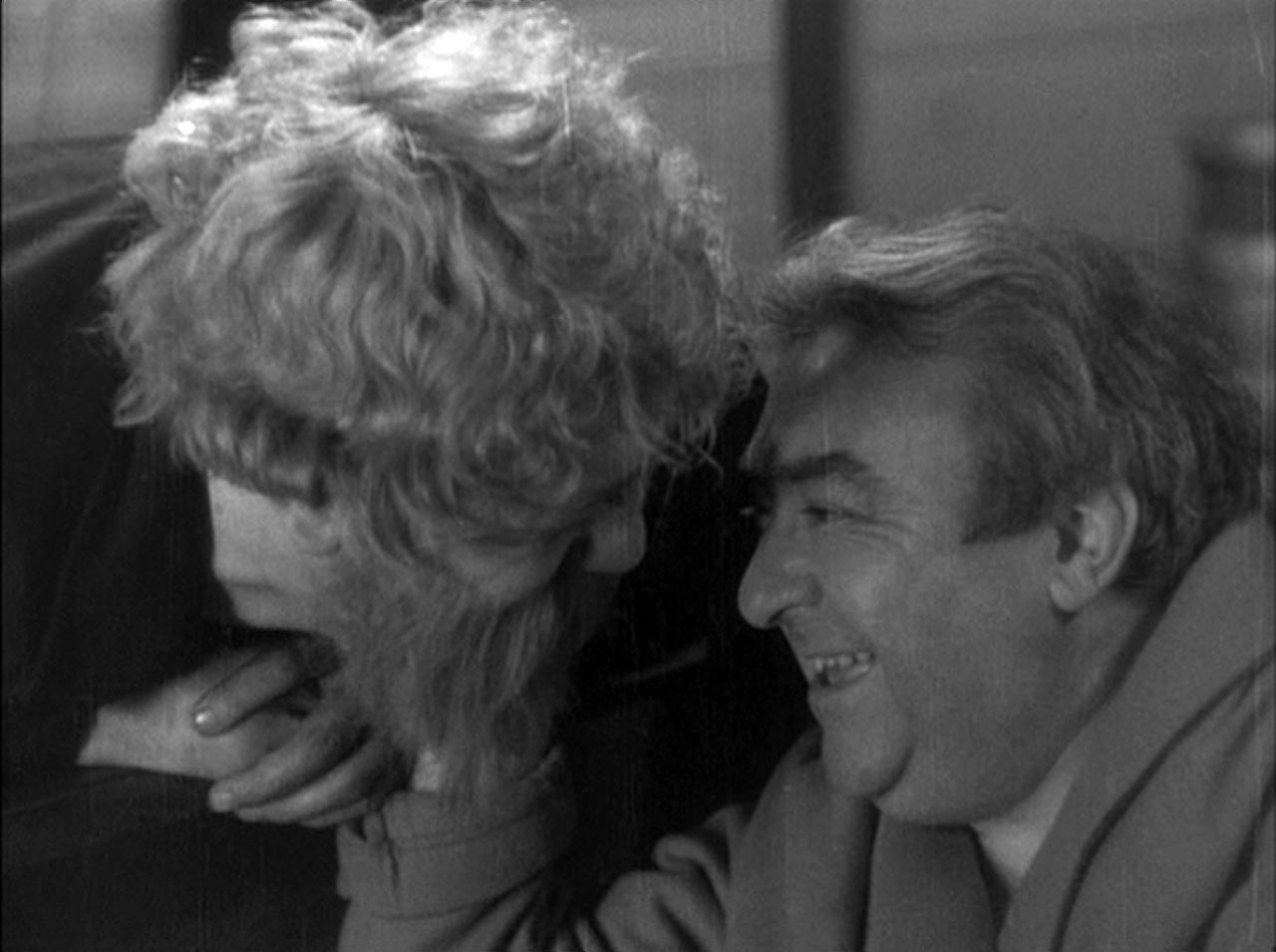
We cut to a close up (CU) of Boudu and M. Lestingois.
Scene ends.

According to Bordwell (The Way Hollywood Tells It, 2006), as cinematic techniques and practices changed over time, past techniques and practices have been lost. Bordwell argues for what he calls intensified continuity where the ASL has dramtically shortened and where action moves forward through editing rather than developing through space over time. What we have lost is the tendcy to stage action with an ensemble of of characters, each playing off each other, editing and shot framing emphasizing the action/reaction between characters, and even gradation or levels of meaning with each shot. Here in Boudu we see Renoir following the older techniques, one might say more theatrical techniques, of a more static camera, longer takes, ensemble staging, and a clearly defined space in which the action can take place. For better or for worse, rarely do filmakers shoot this way anymore.

Another great little moment in Bouduis this dinner scene in shich the action is down the hall from the camera. Here the maid leans over the Lestingois’ table and picks up a plate. The camera begins to truck left as the maid also walks to our left.
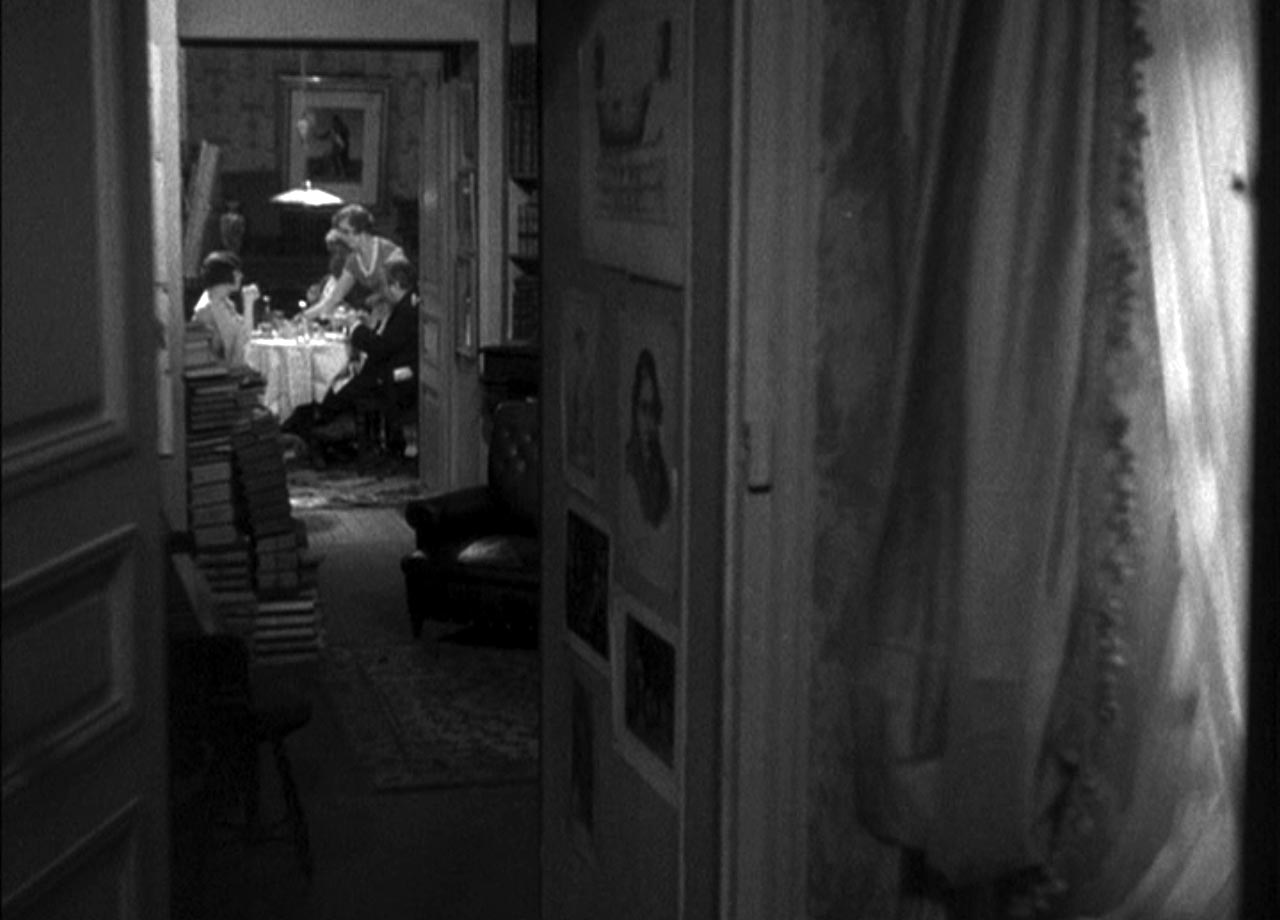
The maid briefly stops at the end of another hallway while the camera continues to truck past the doorway to the hall. (At this point the image is rather dark because this part of the house is not as well lit.)

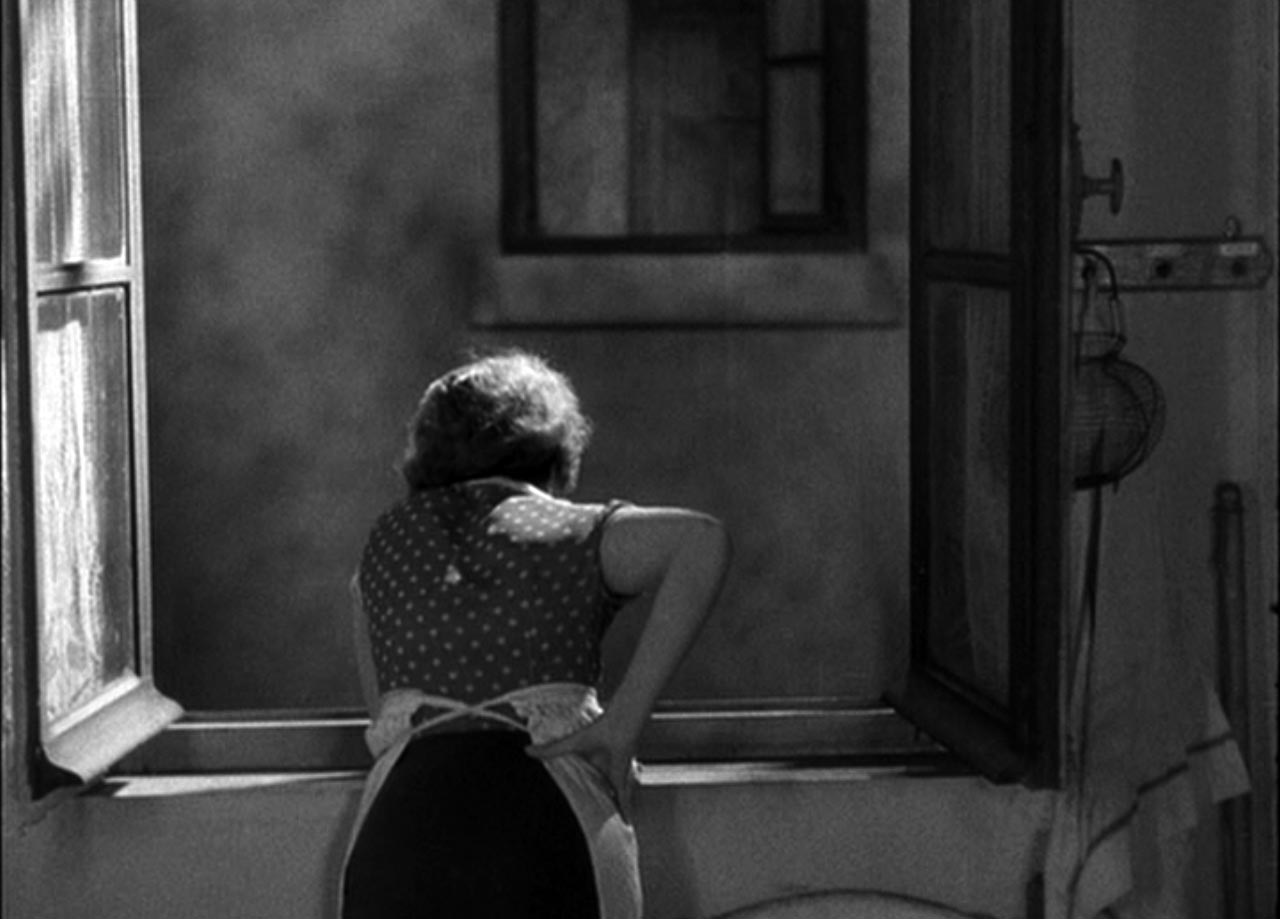
And then the maid stops in the kitchen and takes off her appron. We see here through two indows that look out onto a courtyard.
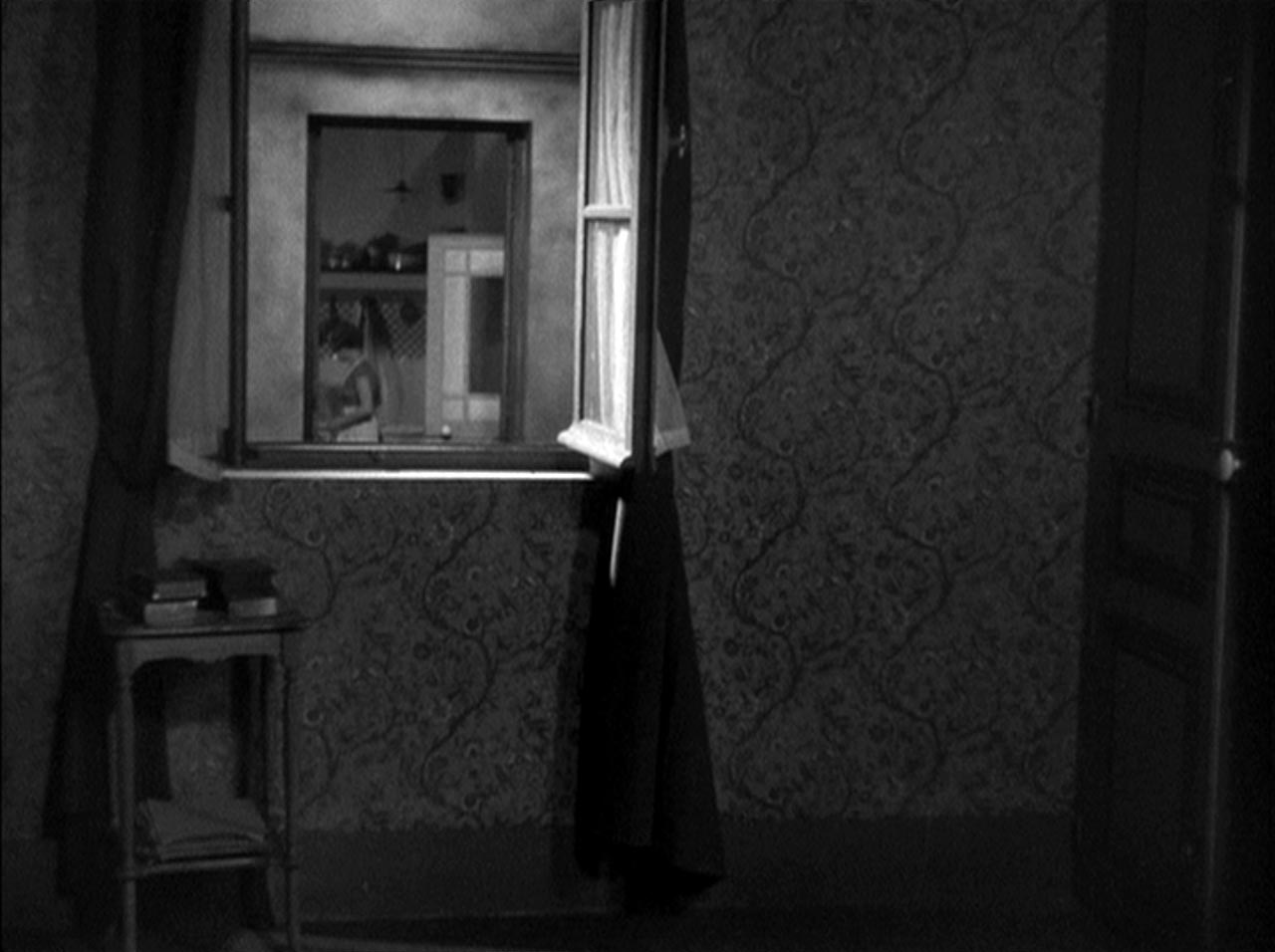
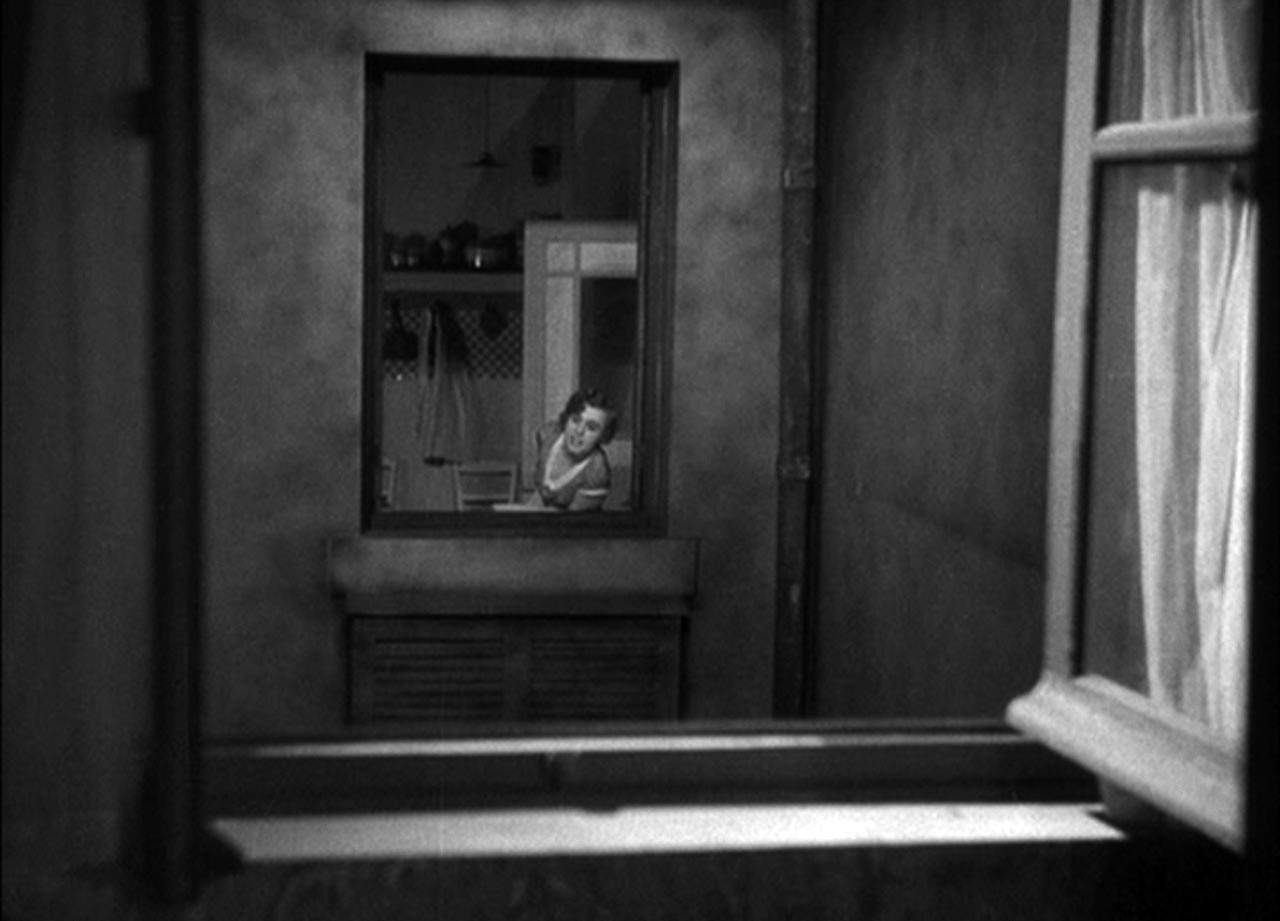
The camera then dollies in to the foreground window. The maid leans out and calls out to someone down below.
The, with a nice match-on-audio, we cut to the far room, from behind the maid as she calls out again.
There is something so simple about this transition scene. Renoir shoots in depth, giving us a a greater sense of the appartment and does so with the simplest of camera movements. The cut to the maid’s side is so effortless and seemless that it displays Renoirs’ masterfull capability with continuity. The scene also evokes a sense of our voyeurism into this little domestic scene. For me, I love these kinds of scenes because I love watching how people lived from other times and places. Although Boudu is not a true ethnographical document, it does provide us with lots of information about that world, which is both so different and so similar to our own.

We also have a glimpse into the way people (or some people) thought (I use that term in the widest sense) in 1931, at least into how they told stories and what stories they told. Renoir, for all his “master” status, was also a man of his times and created films that were both innovative and in the vernacular. We don’t see films such as Boudu being created anymore for many reasons. But we can become explorers, as it were, and look into our cinematic past, much as we look at ancient artifacts or 19th century architecture or Rennaisance painting, and still be amazed by what we find.
Finally, though I’m sure this is old news, I was pleasently surprised to discover that Boudu’s first name is Priape (translated at Priapus in the subtitles, and I know I had seen it before, but just not noticed it). Priapus was a minor god in the Greek mythology. Read about it here. I will not go into “unpacking” what this might mean for understanding the film, but I feel that it might help explain the role Boudu plays in this bourgois morality play (including his spitting in Balzac), and also help explain the odd little Greek theatrical moment at the begining of the film. I would say this also goes to the boldness of Renoir and Boudu’s themes.

>work in progress

>

from pages 10 to 14 of a script I am working on:

CUT TO:
INT. DINING ROOM – EVENING

Vinson and Florence sit at the dinner table. Vinson is finished with his dinner. Florence has not really touched her food. Candles create the only light in the room, throwing a warm glow on the walls.


FLORENCE
I did not eat much.

VINSON
How long were you traveling?

FLORENCE
There are things I’ve seen.

(beat)

You understand.

(pause)

No, you cannot understand.

Vinson stands up.

FLORENCE
Sorry.

Vinson takes their plates and leaves the room. He comes back with a wine bottle and two glasses. He remains standing.

FLORENCE
(gesturing)
I noticed you are writing
again. Your desk…

VINSON
(interrupting)
I have been writing a little.


(beat)

But not to completion.

(another beat)

I really haven’t been
writing anything.

FLORENCE
Do you ever…


(Pause)

How do you live alone? So
completely alone.

Vinson straightens up, pondering. He looks at her.

VINSON
I suppose we’re are all alone.

She looks at him.

FLORENCE
We are all connected.

VINSON
Well, there you have it.

He sits down and begins pouring the wine. He looks at her. She shakes her head.

FLORENCE
I’ll just throw up.

Vinson sets the bottle down and begins drinking his wine, maybe a little too fast. Florence watches him.

FLORENCE
I don’t know why I am here.

VINSON
I’m not looking for answers.

FLORENCE
In the next few weeks I will
continue to grow weaker. I
will become sick and my body
will not be able to fight.
The radiation was far stronger
than any of us anticipated
or understood.

She speaks deliberately, slowly. She has stopped looking at her father.

FLORENCE (CONT’D)
Many have gone before me.
Friends. Children. There was
so little…

(beat)

…so many…


She cannot continue, but she keeps herself from crying. She turns toward her father and looks into his eyes. He looks back at her, then turns away.

VINSON
I have made a bed for you
in the library.

Florence smiles at him, almost with pity.

He stands up.

VINSON
I’ll stoke the fire.

He leaves the room. Florence stays in her chair. She silently, stoically cries, wipes her eyes, then slowly, with effort, stands ups.

CUT TO:
INT. VINSON’S STUDY – EVENING

Vinson is kneeling beside the fireplace watching the flames. Florence now stands at the door.

FLORENCE
I believe mother loved you very much.

VINSON
I think this fire will burn for
some time. If you get cold
please tell me.

He stands up.

VINSON (CONT’D)
And you should find plenty to read.

He gestures at the many shelves filled with books glowing in the light of the fire.

FLORENCE
Thank you.

VINSON
You’re sure this old chair is okay?

She nods.

He leaves the room.

VINSON
(from beyond the door)
I’ll be up early.

Florence turns to look at the fire. Her face glows it its light.

CUT TO:
EXT. SKY – NIGHT

Clouds pass in front of the moon.

CUT TO:
EXT. LANDSCAPE – SAME TIME

Leaves glisten on barely visible trees, gently quaking in a soft breeze.

CUT TO:
INT. LIBRARY – NIGHT

Florence sleeps fitfully. She is in a cold sweat.

>through a day slowly

>Today I ran my first 10k road “race.” For me it was not a race, just something to finish without walking. Which I did. The beginning of the race was rather comical for me. I intended to start slow, and I did, but I felt as if everyone was running away from we, which they were. So there were only a small handful of people who finished later than me. At least I accomplished two goals: (1) run the race without resorting to walking at any time, and (2) run the race at a better than 12 min per mile pace. For those of you who are runners you will know that a 12 min pace is very, very slow, but at least I achieved both goals. So I am feeling good about that.

Part of my inspiration for doing this run comes from the book: No Need for Speed: A Beginner’s Guide to the Joy of Running.

Now, this race is called the Scandia Run and it is related to the annual Scandinavian Festival here in Oregon. So I, being part Swedish by ancestry, was glad I was running in a Scandinavian kind-of-thing, and to top it off I decided to watch Through a Glass Darkly (1961), by I. Bergman of course.


Another way I can tie this film to my day, other than the Swedish angle, is that when I was in the middle of the run I found myself crying out to God too.

But for dinner I made Chicken Cacciatore – which is decidedly not Scandinavian.


I got the recipe from a book called The Pleasures of Slow Food: Celebrating Authentic Traditions, Flavors, and Recipes.

>back to the basics

>

The other night I introduced my daughter Lily to the film Back to the Future (1985). Which she loved, even though some of it she didn’t entirely understand. I don’t think I had seen it for twenty years (which kinda blows me away). The truth is, although the story is deeply flawed in many ways, the film is a wonderful, maybe even great, film. One of the parts that make the film so good is the brilliant performance of Crispin Glover.

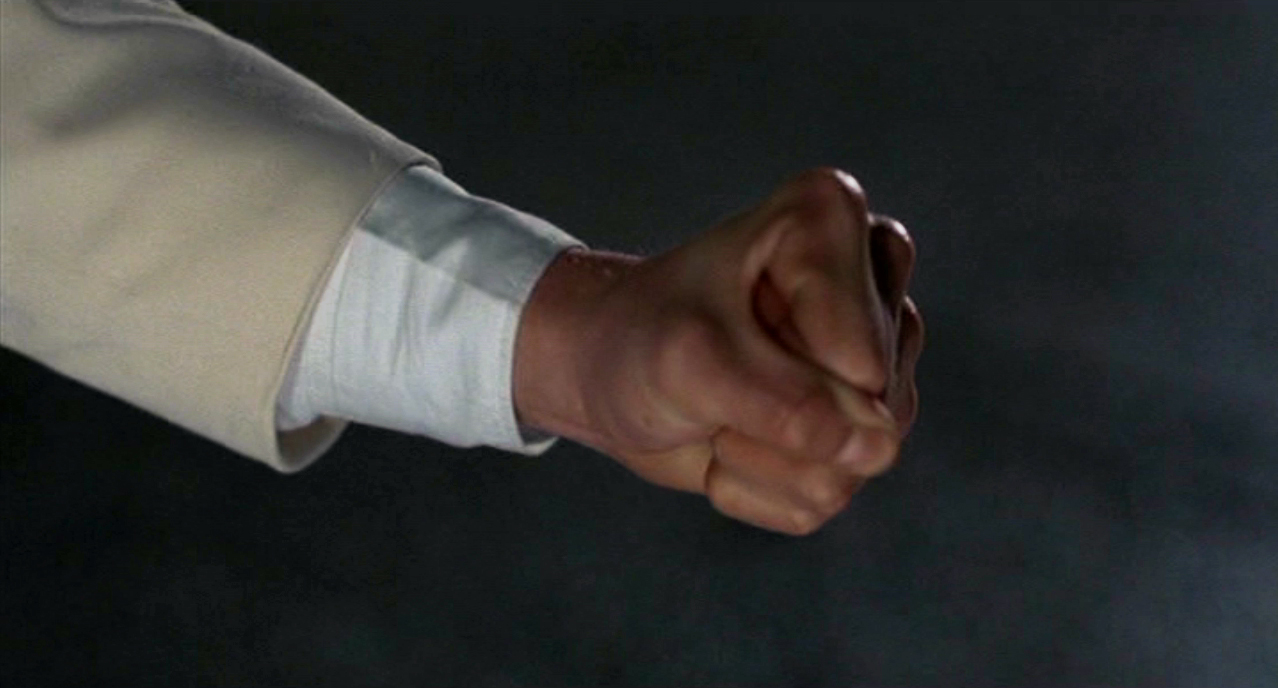
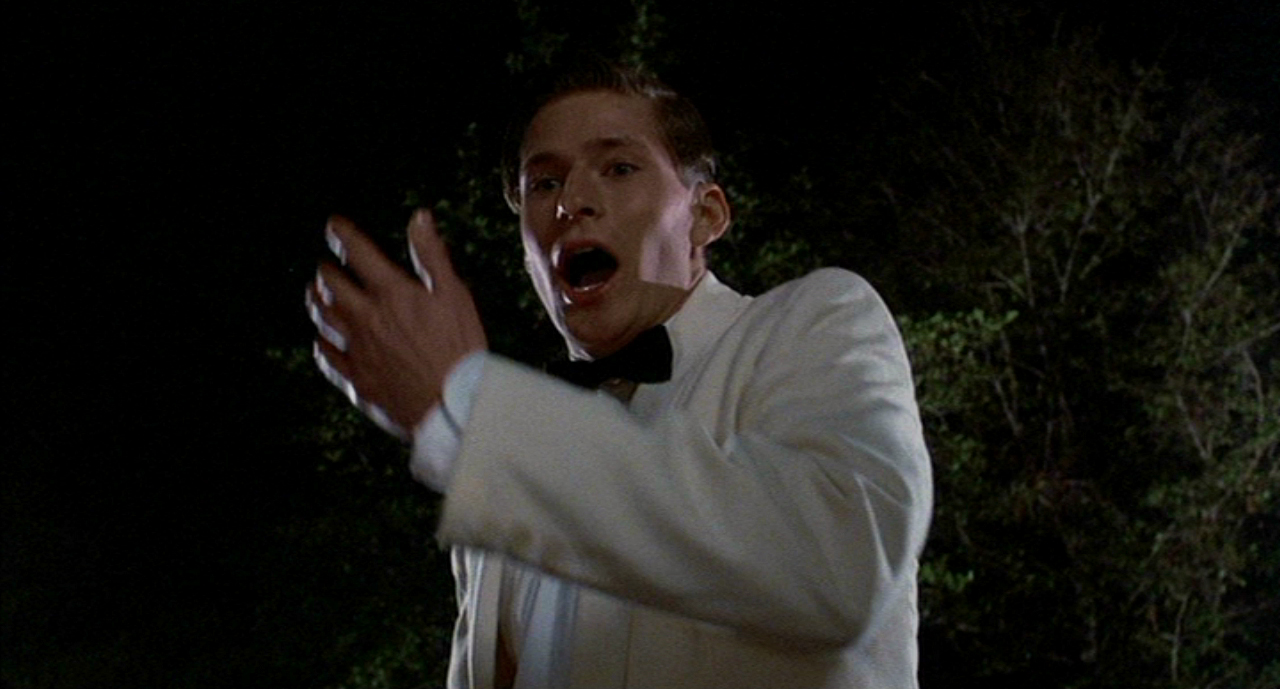
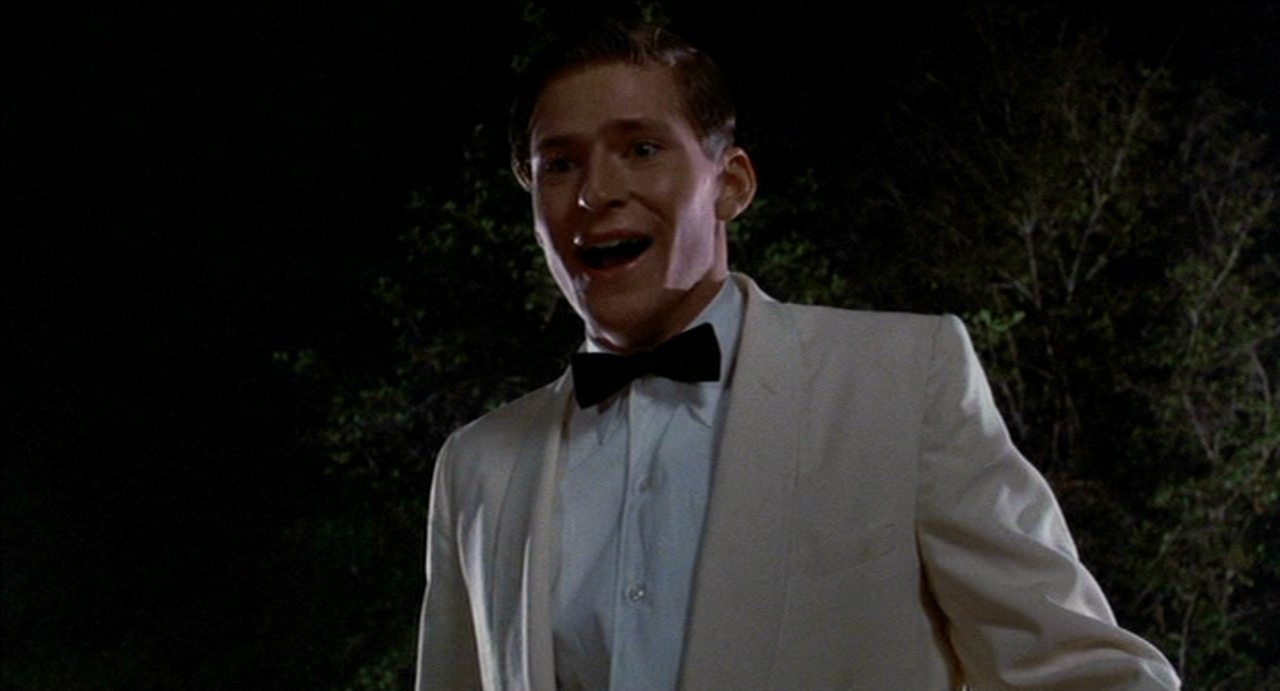
Here is an example of Glover’s acting, at the critical moment George McFly (Glover) has just punched and knocked out Biff (Thomas Wilson). In a matter of just seconds we see George reacting to the punch with a combination of surprise, elation, and pain.


Then George notices Lorraine (Lea Thompson), whom he has just protected from Biff.


George is almost giddy with excitement that he has knocked out Biff and looks to Lorraine for confirmation.


But then he realizes that she has been pushed down to the ground by Biff.


George composes himself and extends a chivalrous hand to Lorraine.


In about 5 seconds we see Glover portray a range of emotions that are not only convincing and seemingly effortless, they also have their own little narrative structure.

As I look at the various awards and nominations for the film, I see some directed toward Fox but none for Glover. This is unfortunate, especially given that Fox’s acting is good, but pedestrian, whereas Glover’s is a tour de force.

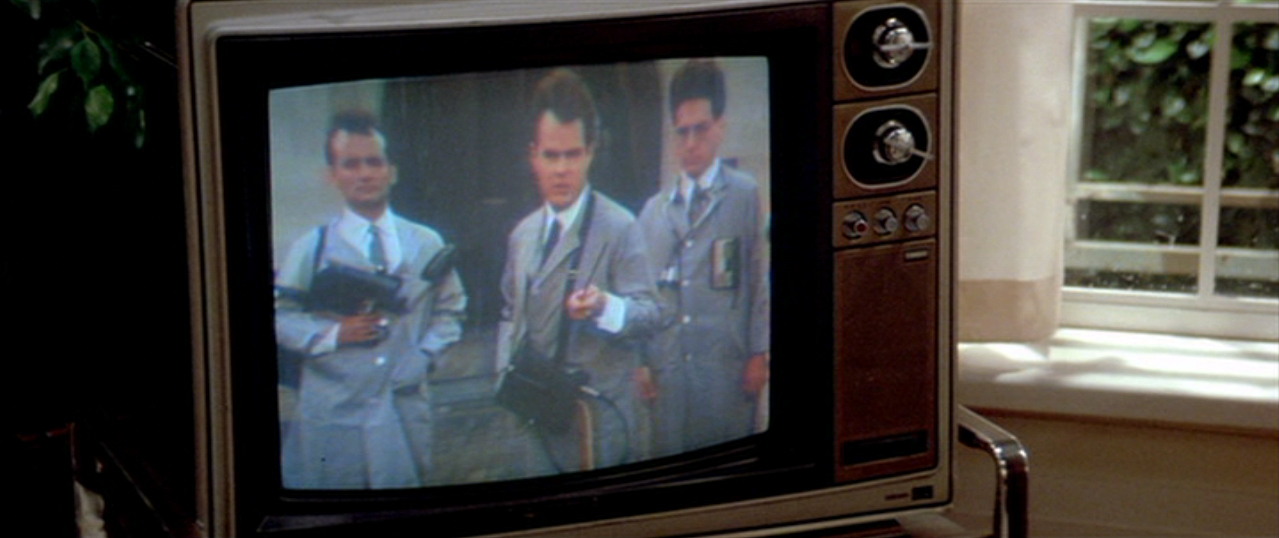
Then Lily and I watched Ghost Busters (1984).


I have to say that the film, though still somewhat fun, does not stand up to the test of time as well as Back to the Future. Why? One key reason is the lack of craftsmanship. Although the film was creatively conceived it lacks the kind of carefully crafted story telling that one finds in Back to the Future. The camera work is largely uninspired, the editing is rather mundane, and apart from its somewhat unique concept, the story arc and pacing are very predictable. What keeps it entertaining are the performances of the principle actors.

I suppose the difference in quality of the two films can be summed merely by pointing to the directors. Zemeckis, though not a genius, is a big step or two above Reitman – in my humble opinion.

* * * * * * * * * * * * * * *


So… is the watching of movies really an education? Can it be counted as such? I have been introducing various films to my seven year old daughter for the sake of her “education.” Is this really valid or am I deluding myself? As far as I know the State doesn’t test for movie knowledge. Proponents of “no child left behind” would just laugh at me. If you want to get some education then hit the books, so the thinking often goes. If you want to “check out” from the day’s troubles and turn off your brain then watch a movie.

If you are a regular reader of this blog then you know my answer already.

I am a bookaholic, and I am a believer in the idea of a classical education. But I believe that a classical education is not only about reading old books. It is really about seeking answers to fundamental questions, such as:
1) What is prime reality – the really real?
2) What is the nature of external reality, that is, the world around us?
3) What is a human being?
4) What happens to a person after death?
5) Why is it possible to know anything at all?
6) How do we know what is right and wrong?
7) What is the meaning of history?

All of us act from within a set of answers, more or less coherent, to these questions. Our answers, or worldview, are like a set of lenses through which we view the world and our place in it. Every film, also, is born out of a set of answers to these questions. In fact, film is one of the best mediums with which to express and explore a worldview. When I watch a film with my daughter I get to discuss with her what the filmmaker is trying to do, trying to say, and wants us to know. Sometimes the films are light and fun, like those mentioned in this post, and the discussion is somewhat light as well. Often we talk about the filmmaking process, and she then learns that films are created things that she can have an opinion about – more than just the “I like it” opinion, which isn’t actually an opinion but an uncritical reaction. Overall, films, being powerful cultural and personal artifacts, are great doorways into important discussions about all that it means to be human, and that is a good place to begin a life of learning.

* * * * * * * * * * * * * *

I would like to say that my blog postings have slowed down because I am on Summer vacation. Fact is, I’m not vacationing, just trying to get my thesis written, remodel the house, spend more time with the family, and well, it’s just more difficult for me to watch films when it’s still sunny outside in the evening. Plus I’ve been watching the Tour de France in my “extra” time.

>Regardless of my opinion…

>can a movie be good, I mean really good?

Or is it a matter of taste?

I have come to the conclusion that the single biggest issue regarding film criticism has to do with the subjective/objective split. In other words, can we say meaningful statements about a given film that are not ultimately subjective, and therefore just a matter of opinion? Much of the debate around how criticism should be done stems from issues regarding this split. And it is an age-old split. In particular because when it comes to art what we all want to know, at some deep level, is whether the work is any good.

We can describe the characteristics of a film all we want, and that is a fundamental part of criticism, but finally we want to know if all that description points to something of value, or not. And if one makes the case that a film has value, is good and not bad, then we want to know the criteria being applied. Or, maybe more commonly, we assume that the criteria doesn’t really matter because film criticism, no matter how detailed, educated, in depth, and carefully referenced, is still merely a matter of personal taste. But is this true?

I plan on writing about this topic in greater detail in the future, but I have been curious about the objective/subjective split elsewhere. At the Amateur Gourmet there is a similar debate going on regarding food. I am interested in what people think, after reading that piece, if the same issues apply to film. Is the objective/subjective split hopelessly unresolvable? Is film criticism really just about carefully crafted opinion?

>by way of comparison

>Here’s a little interesting side-by-side (or top-over-bottom)…

An excerpt from Pennebaker’s documentary on Bob Dylan, Dont Look Back (1967):

Cate Blanchette as Dylan in the upcoming Tod Haynes film, I’m Not There (2007):

Personally, I think it kinda works for Cate to play Bob, especially from his “androgynous” years. But it still looks like a woman portraying a man. In that sense, it may “work” even better.

>truly

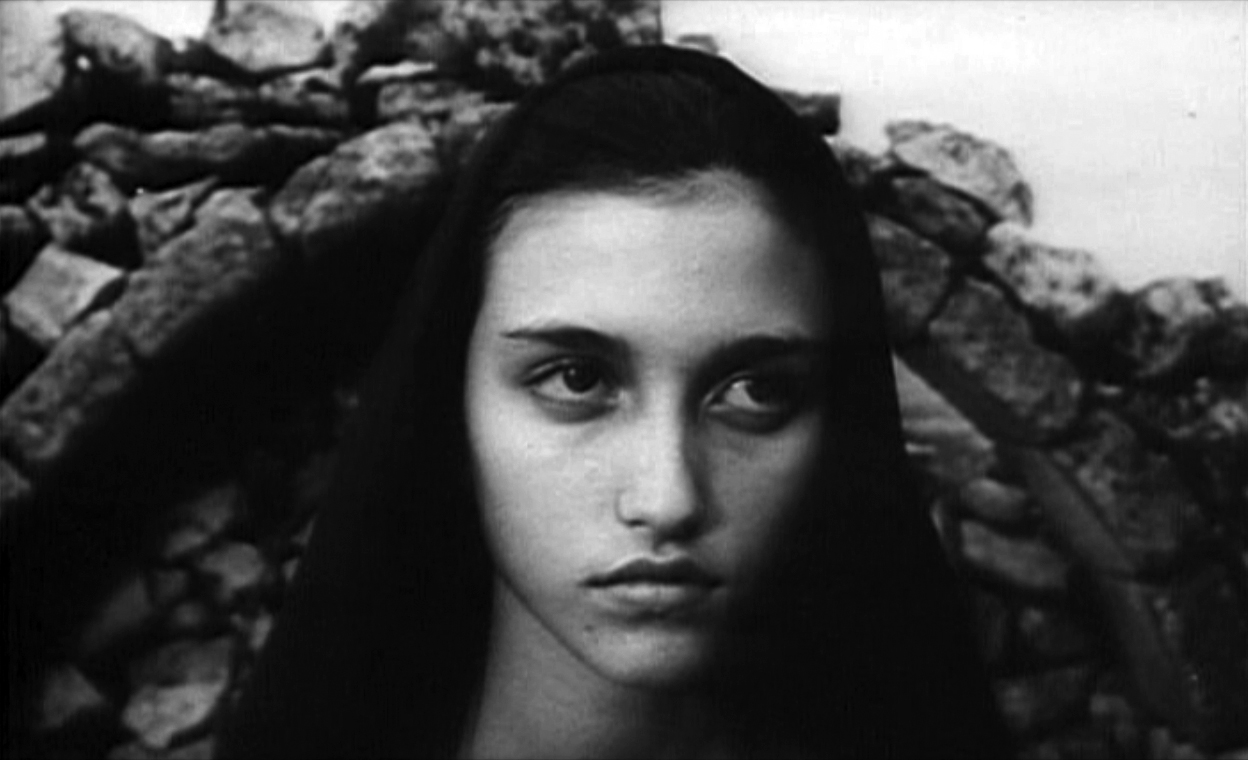
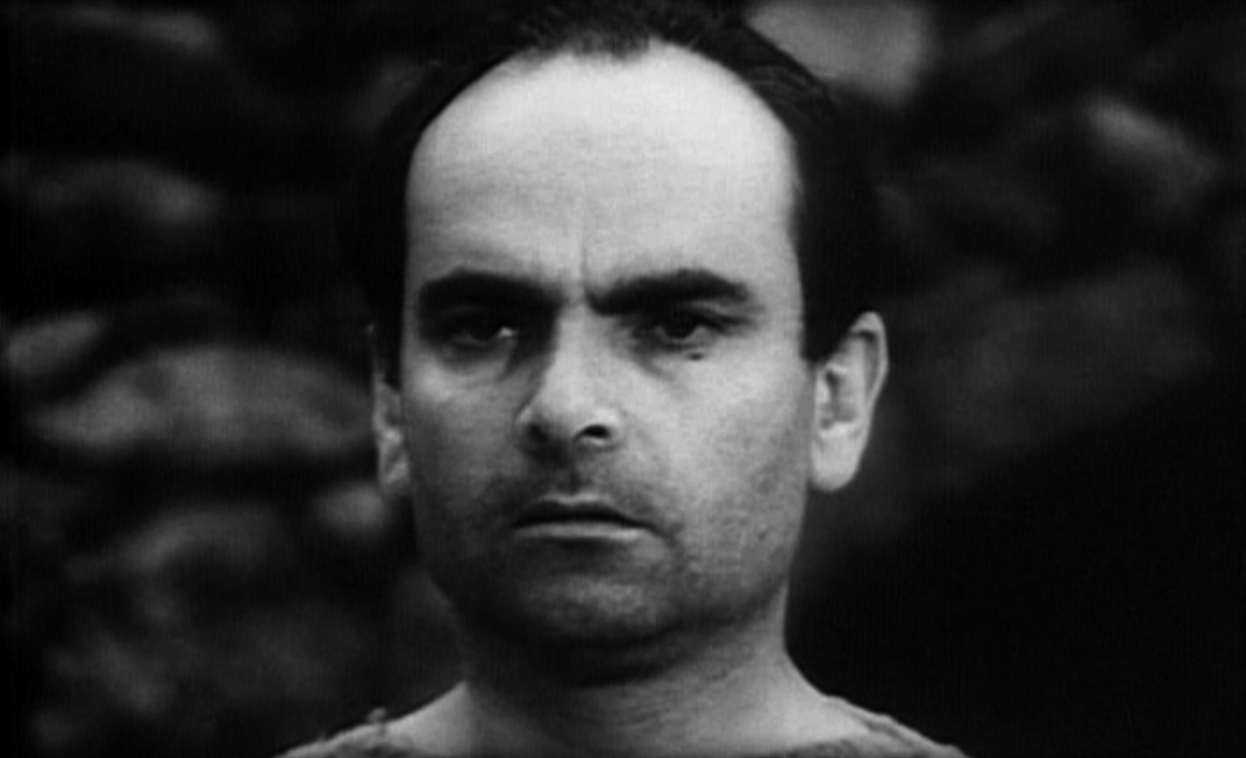
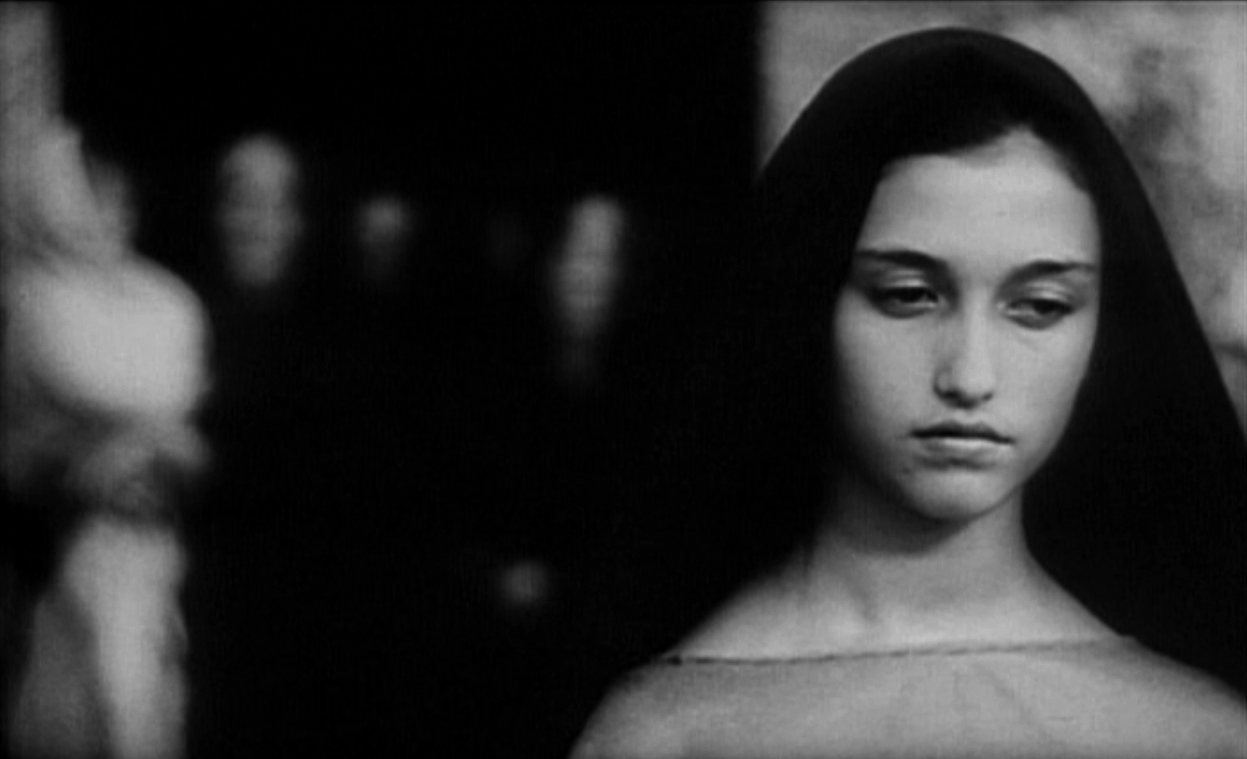
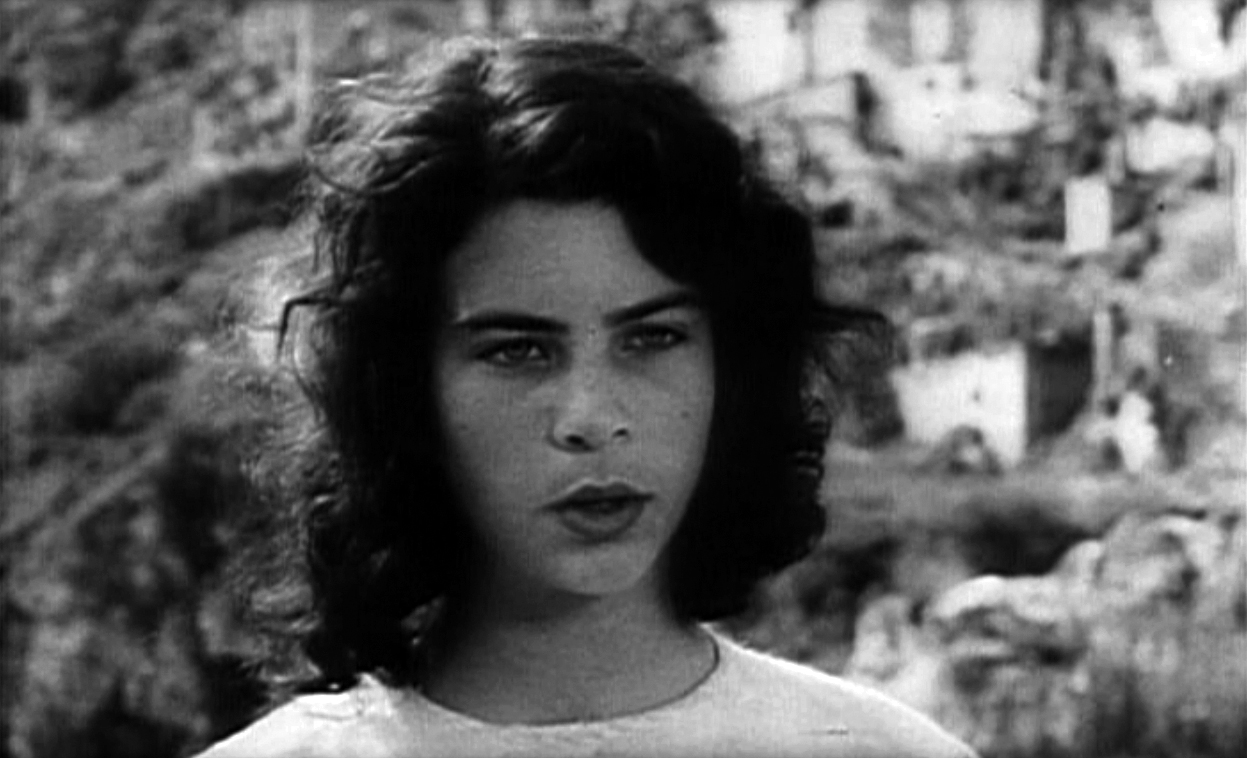
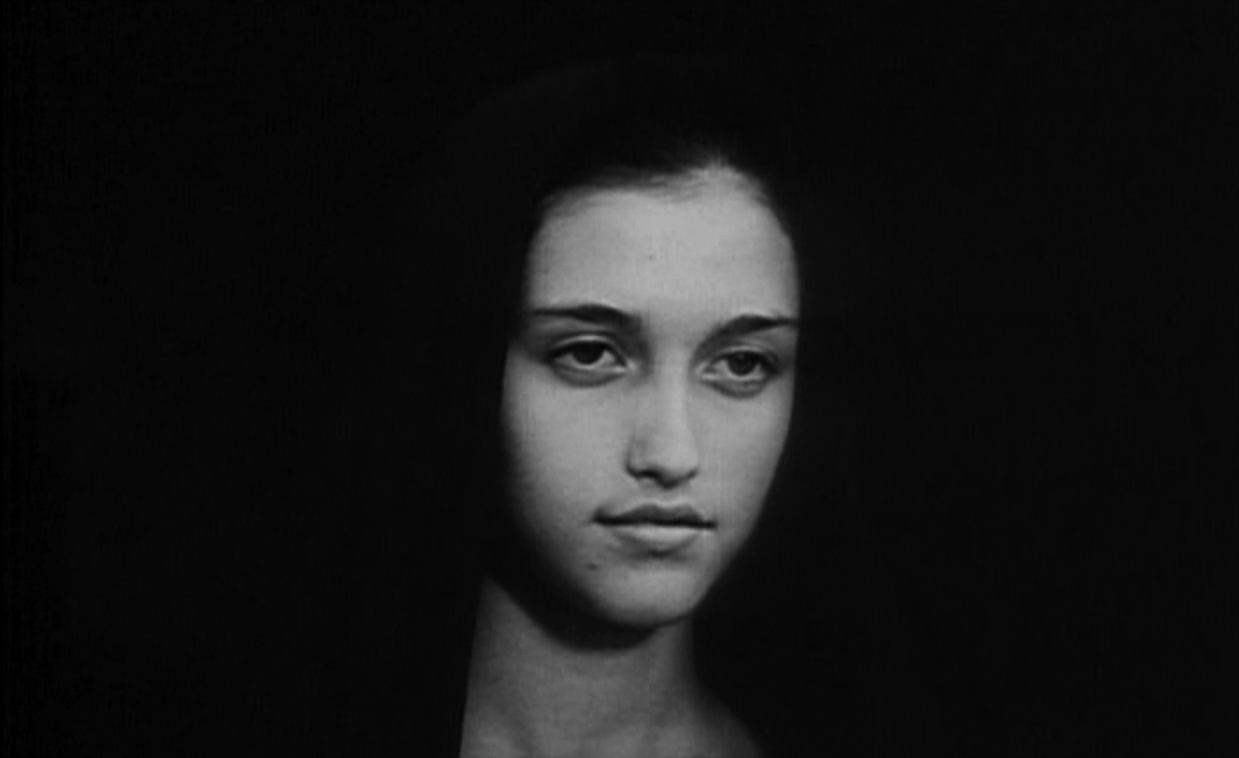
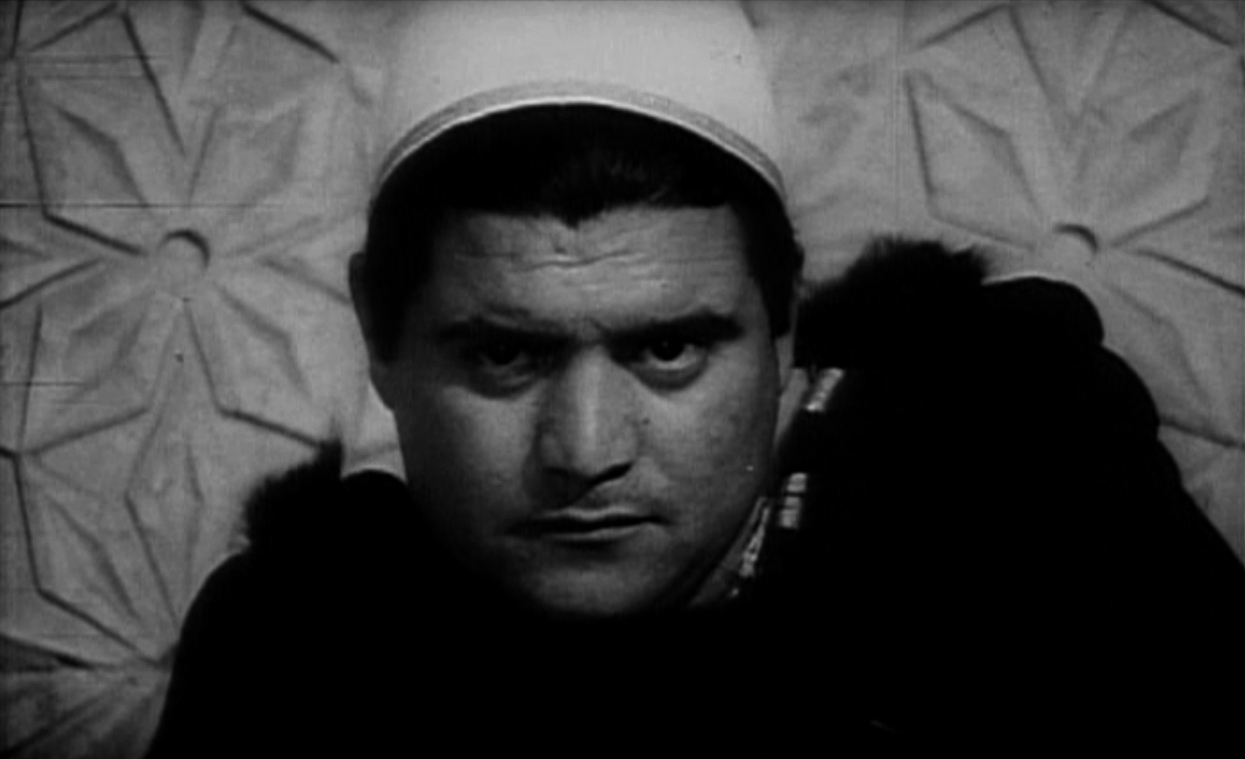
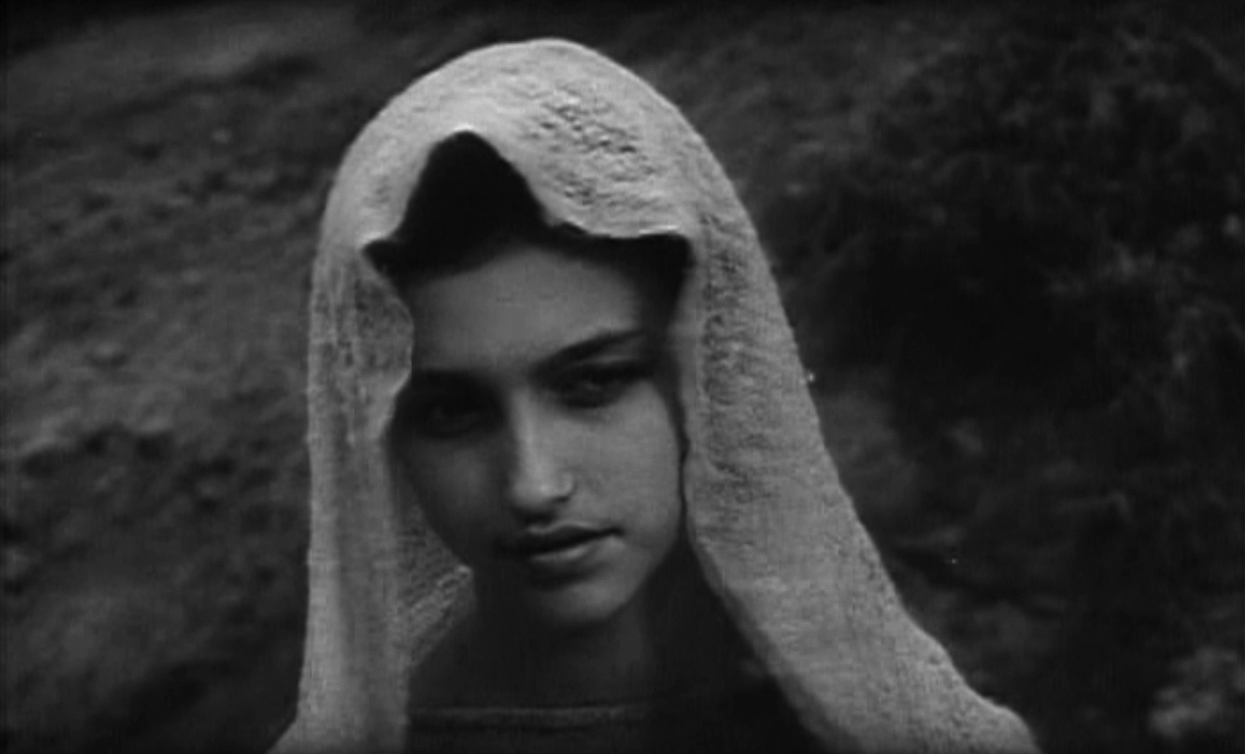
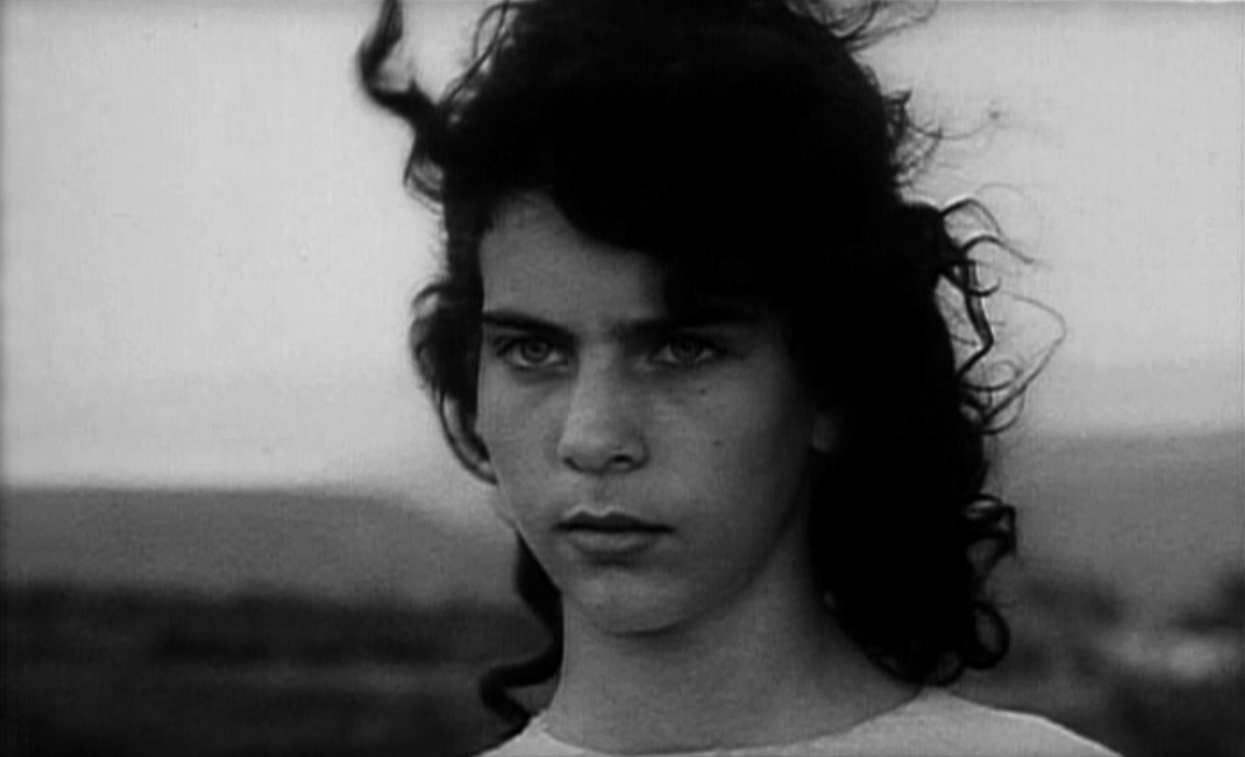
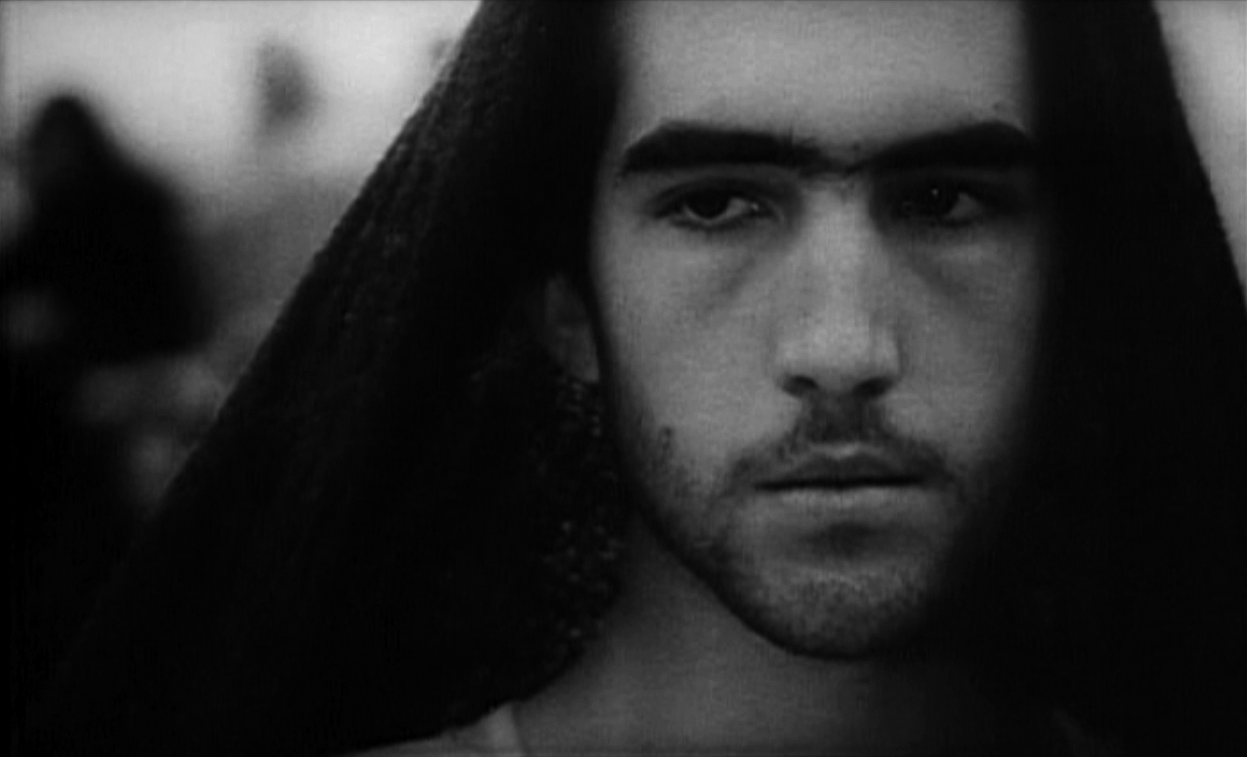
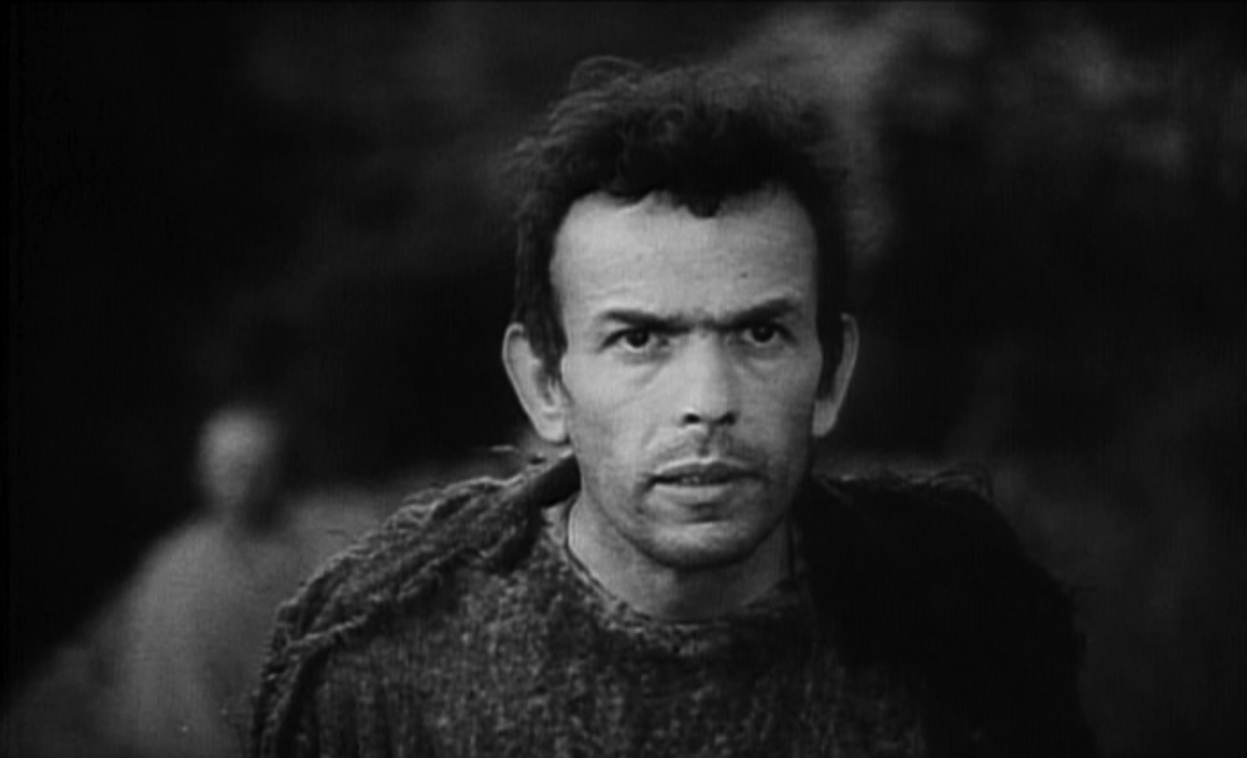
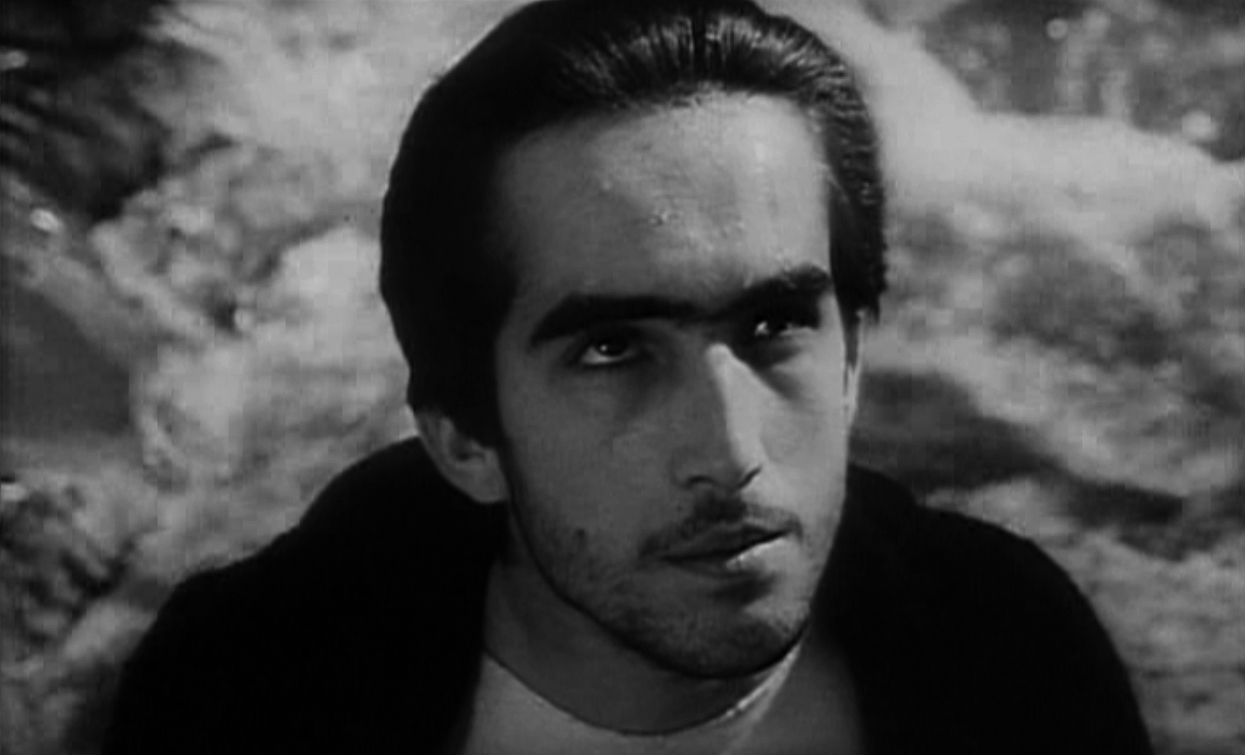
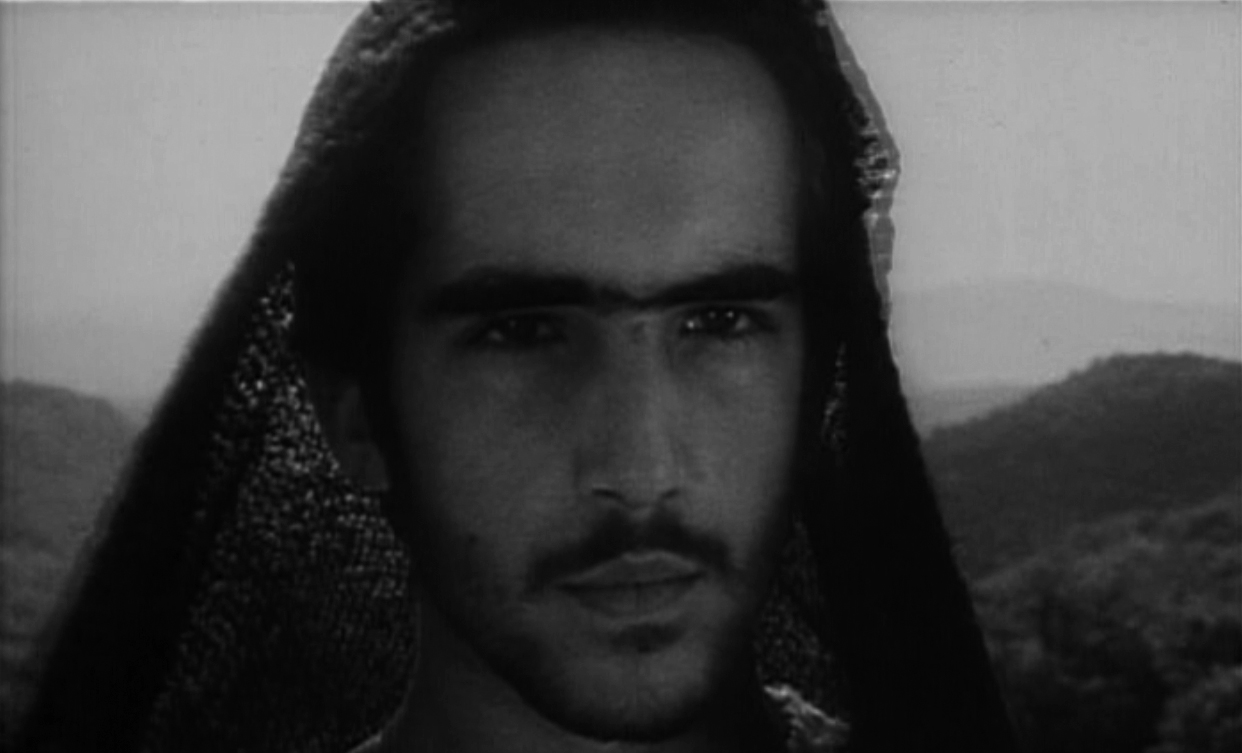
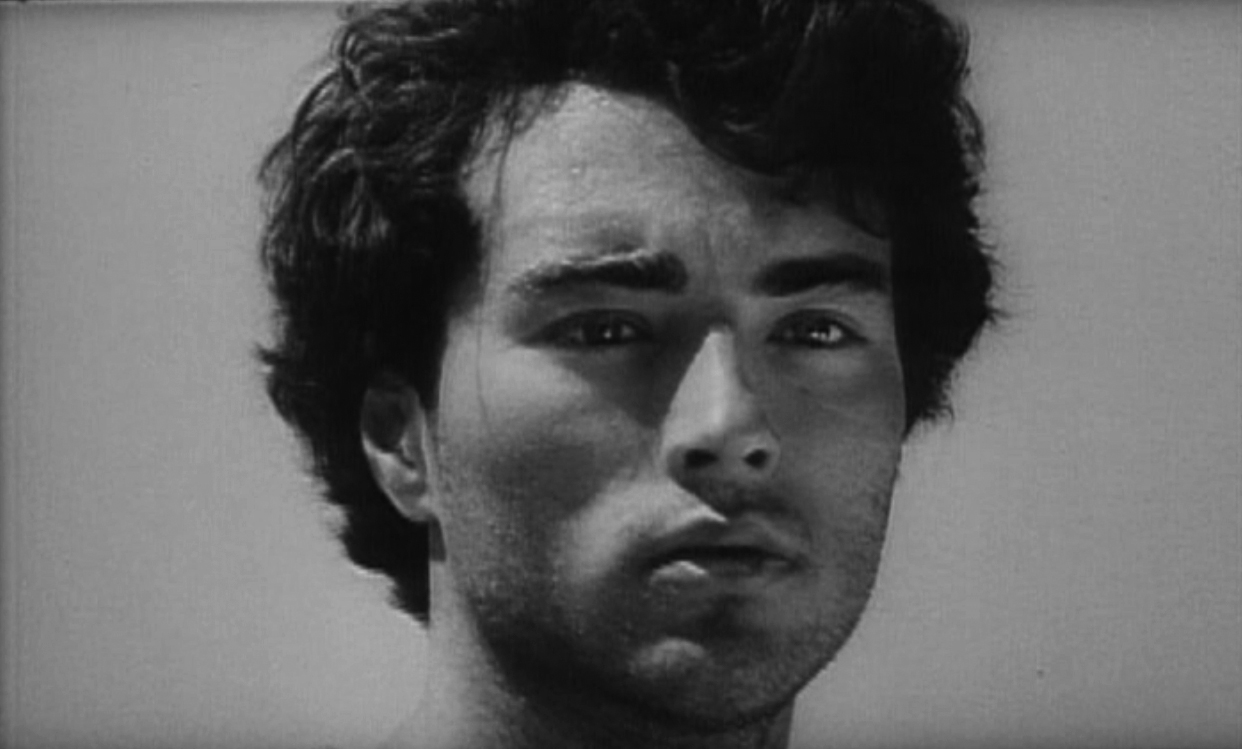
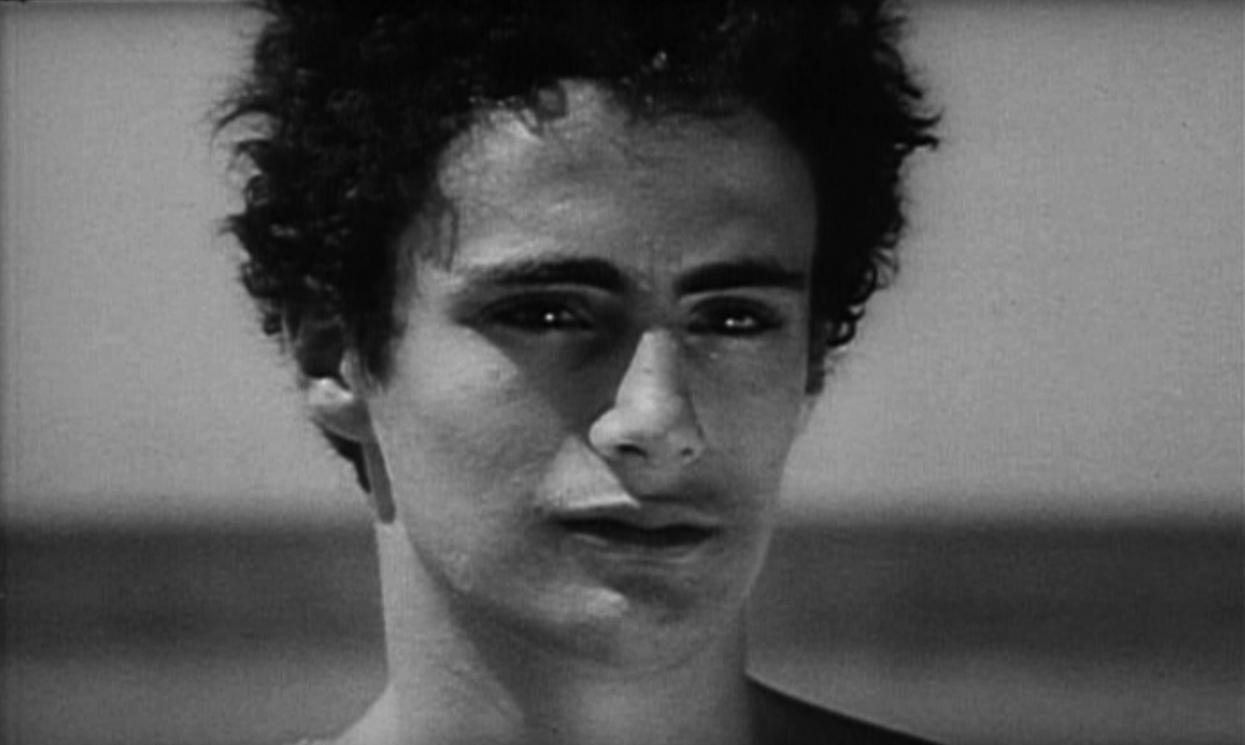
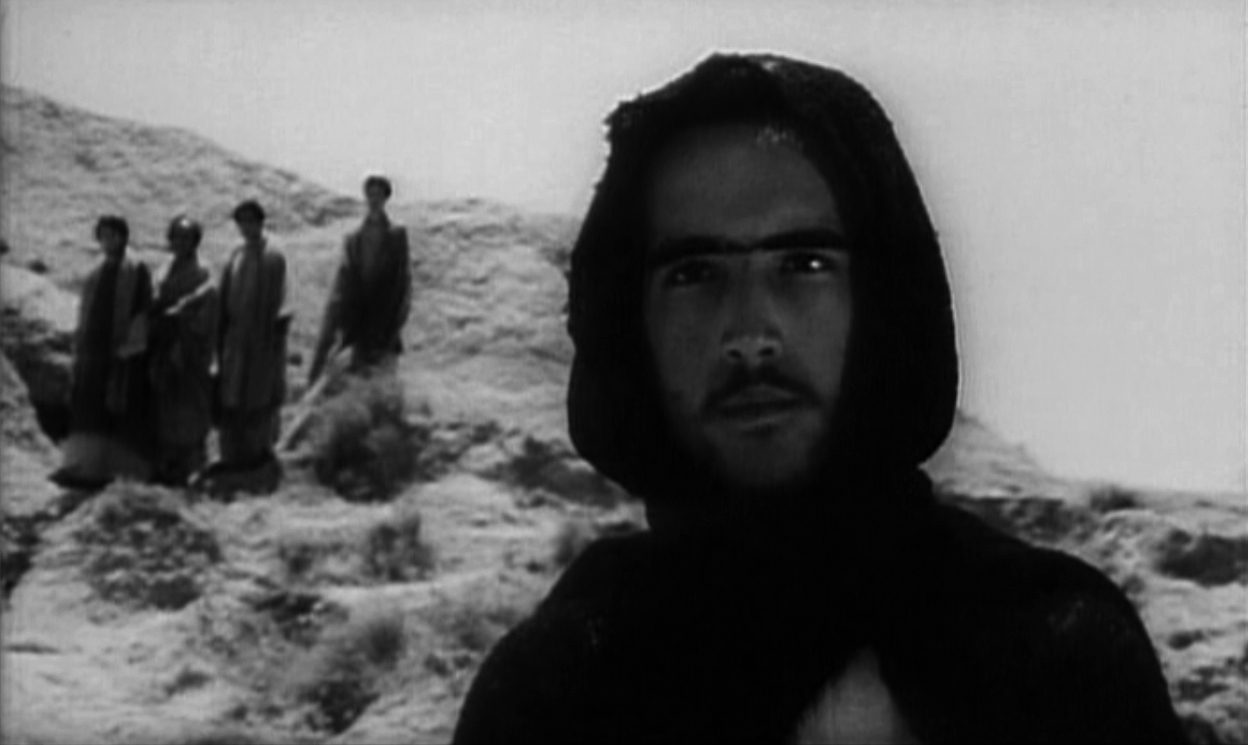
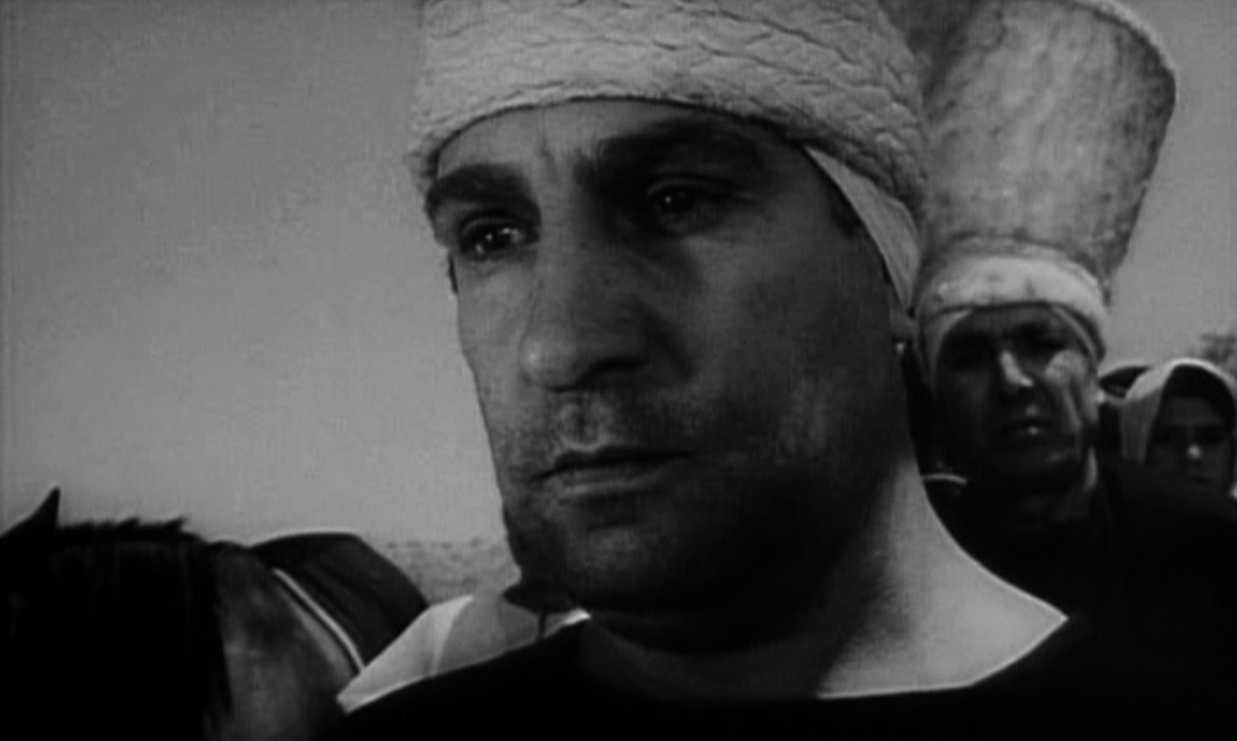
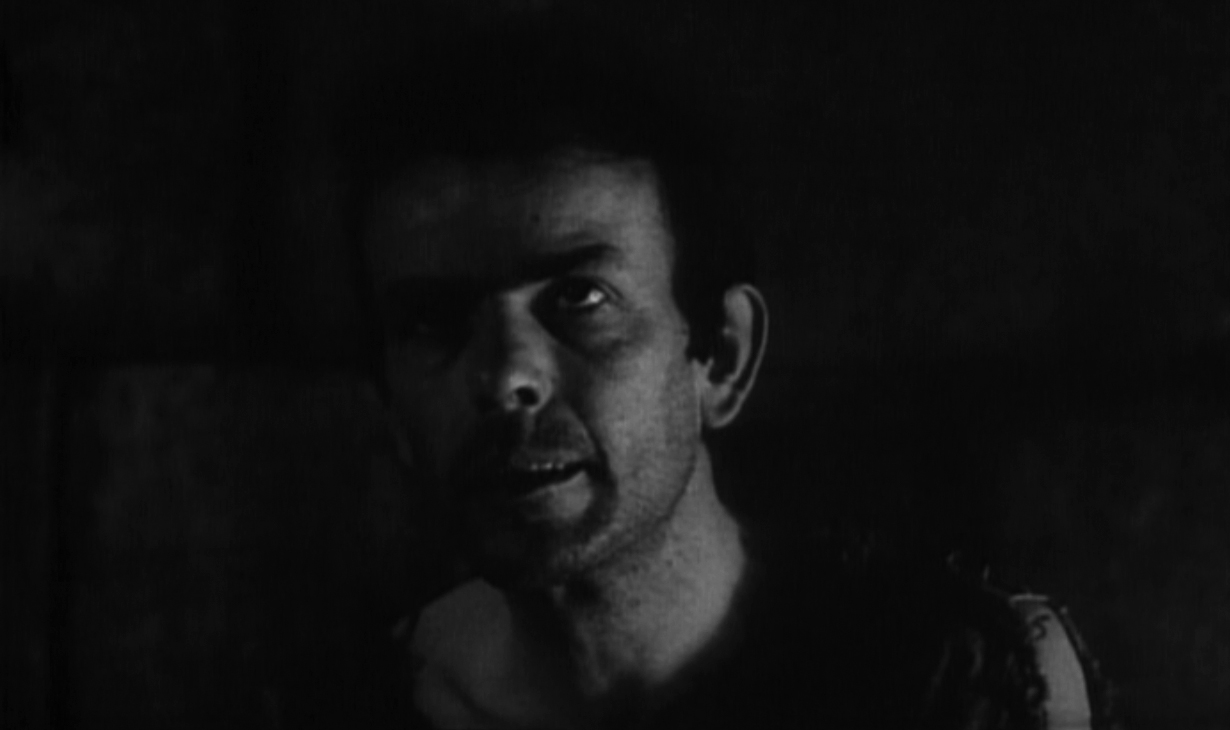
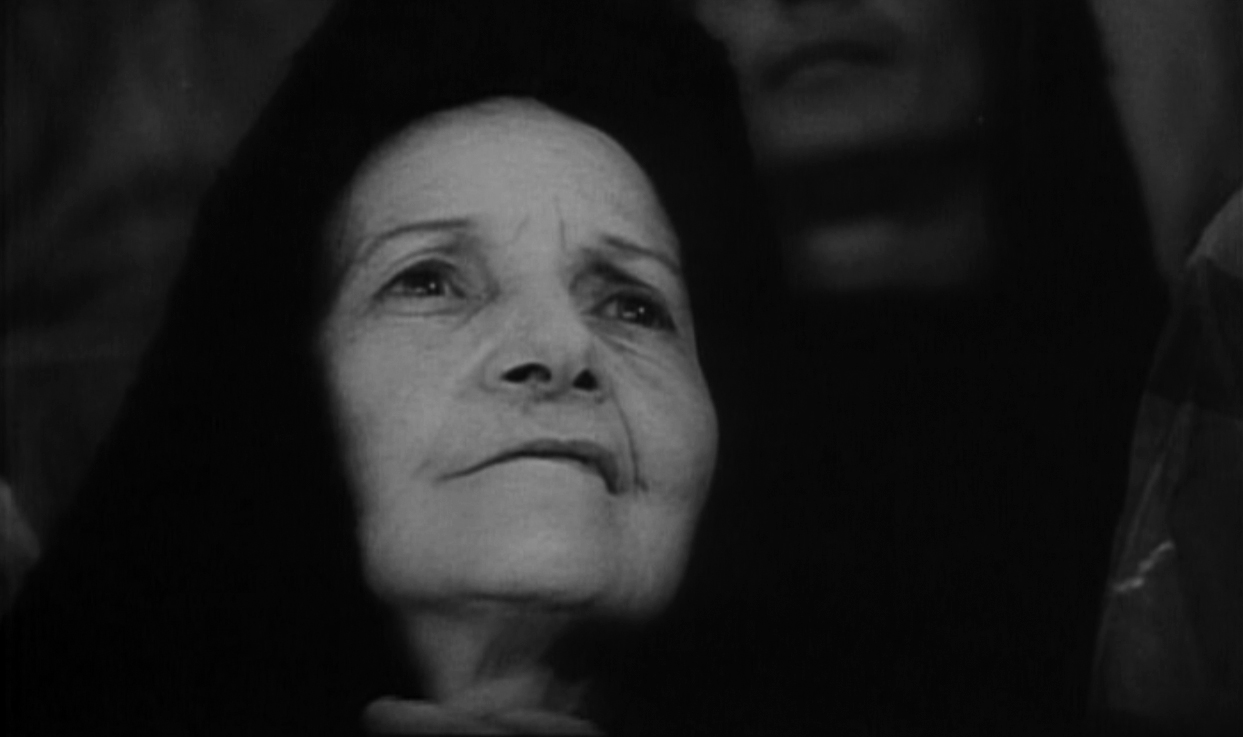
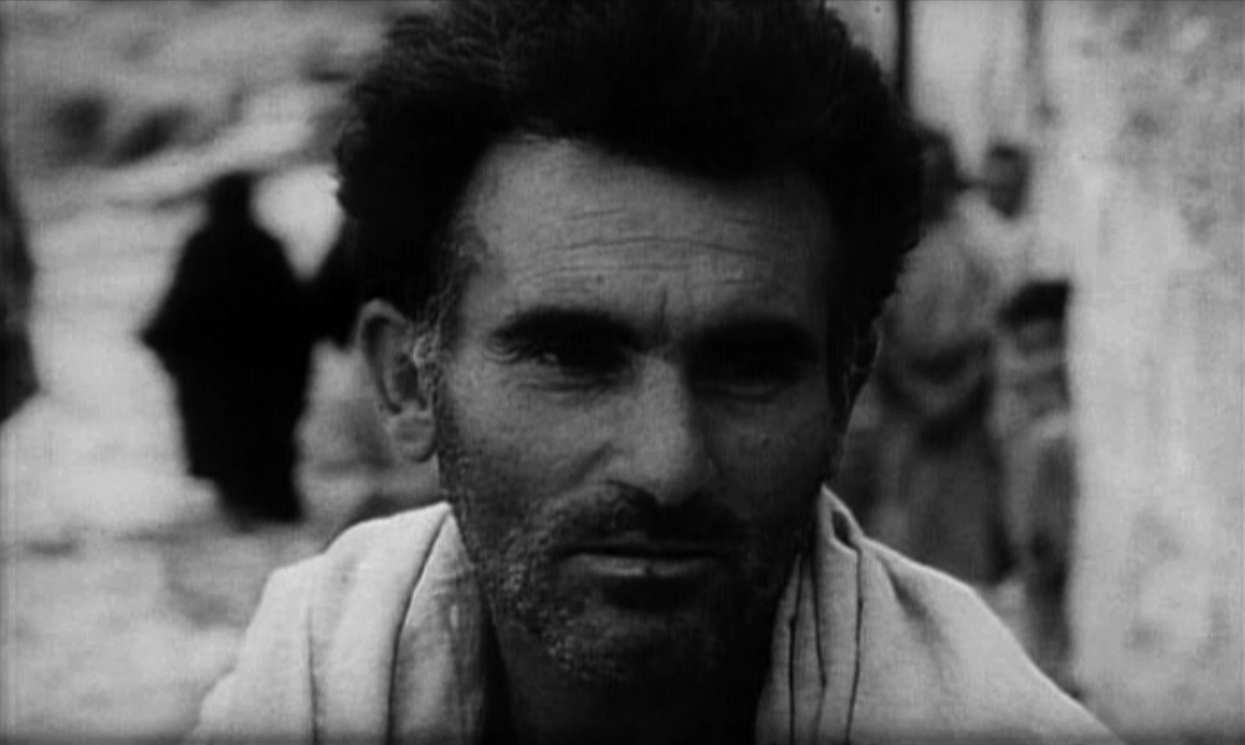
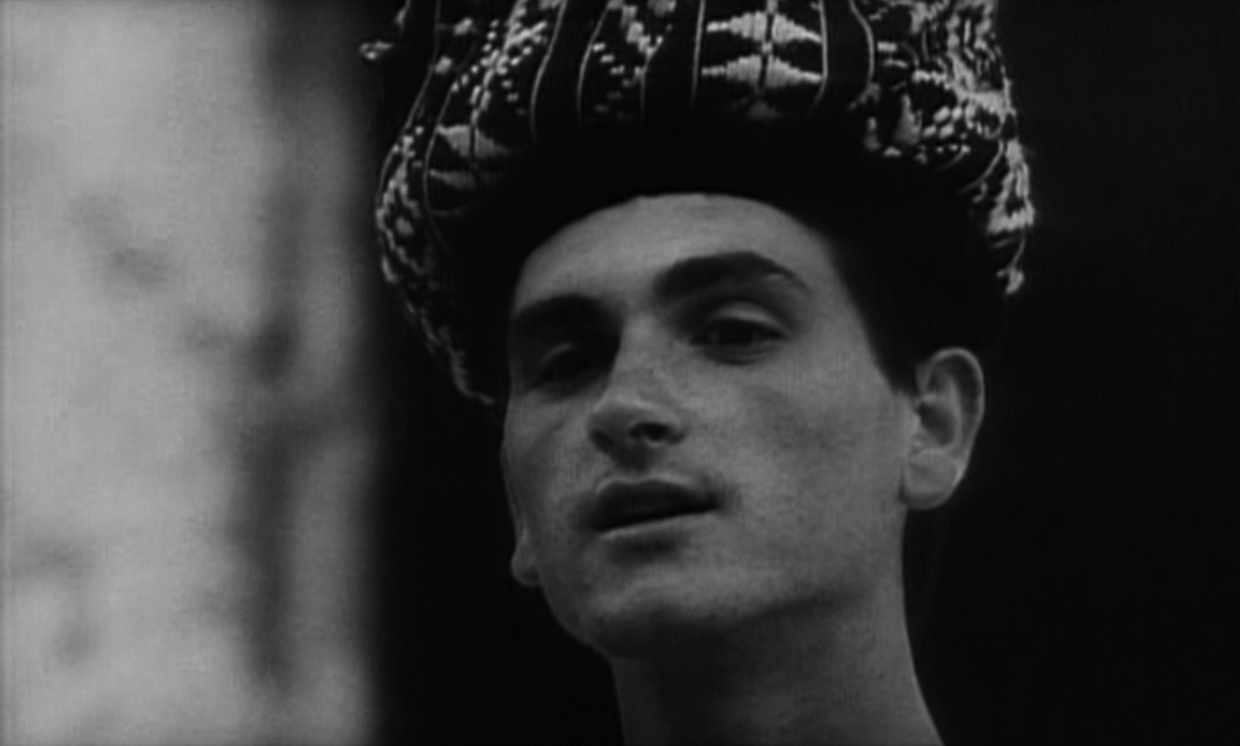
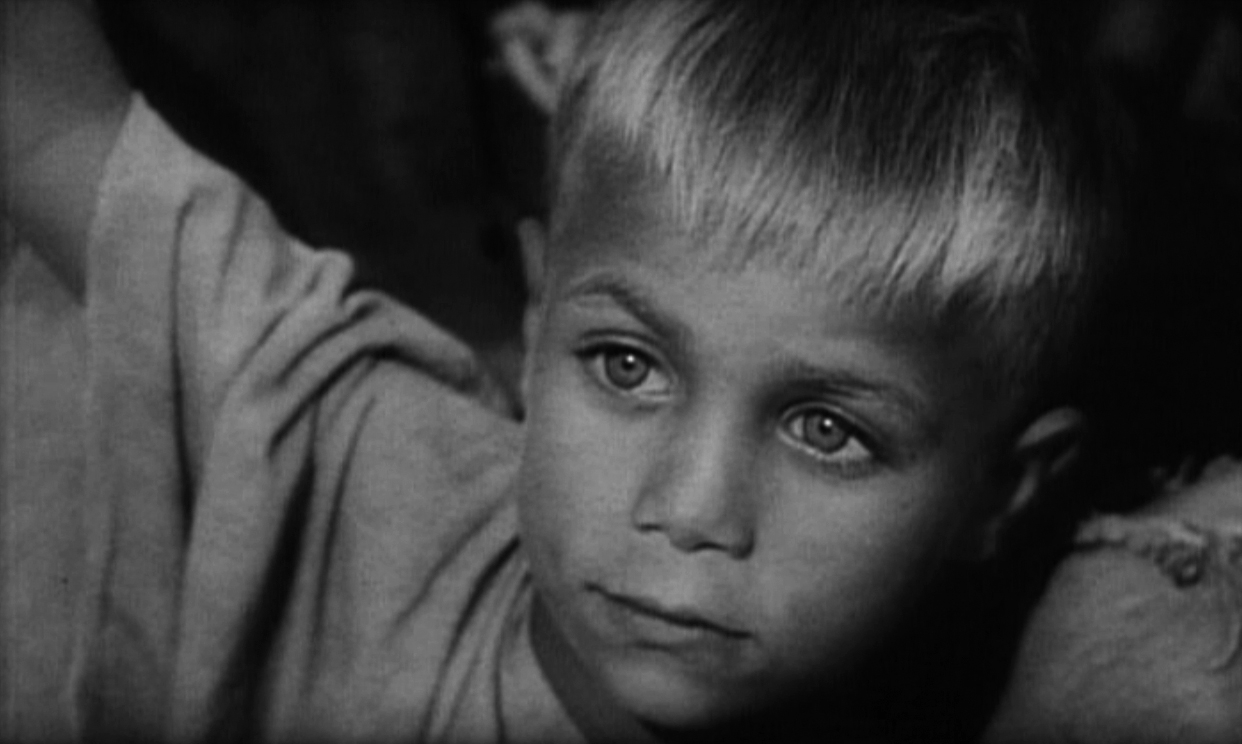
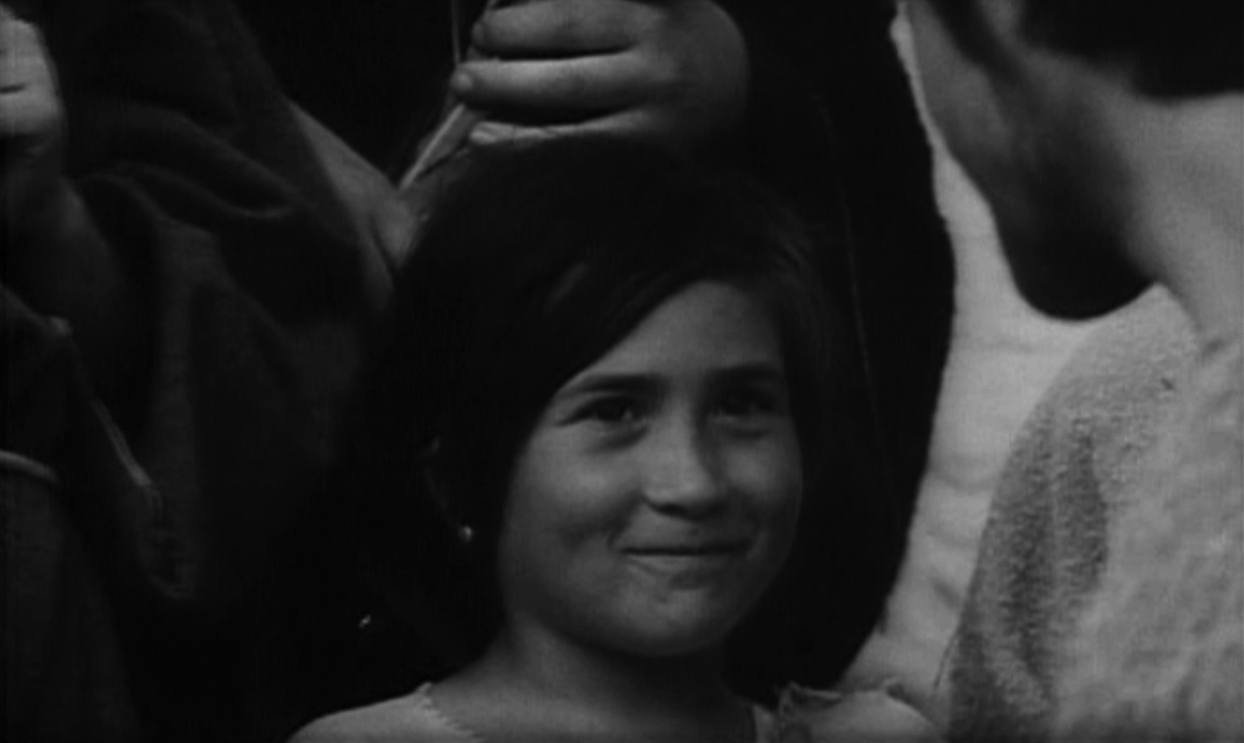
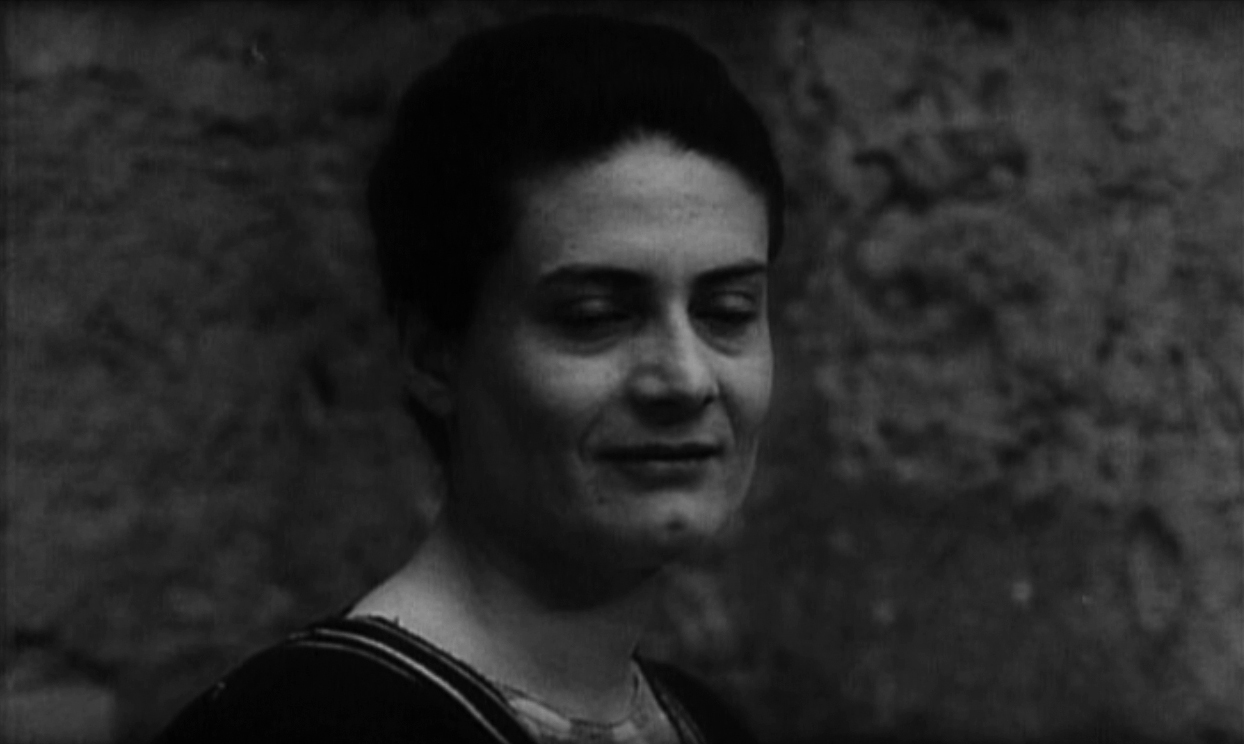
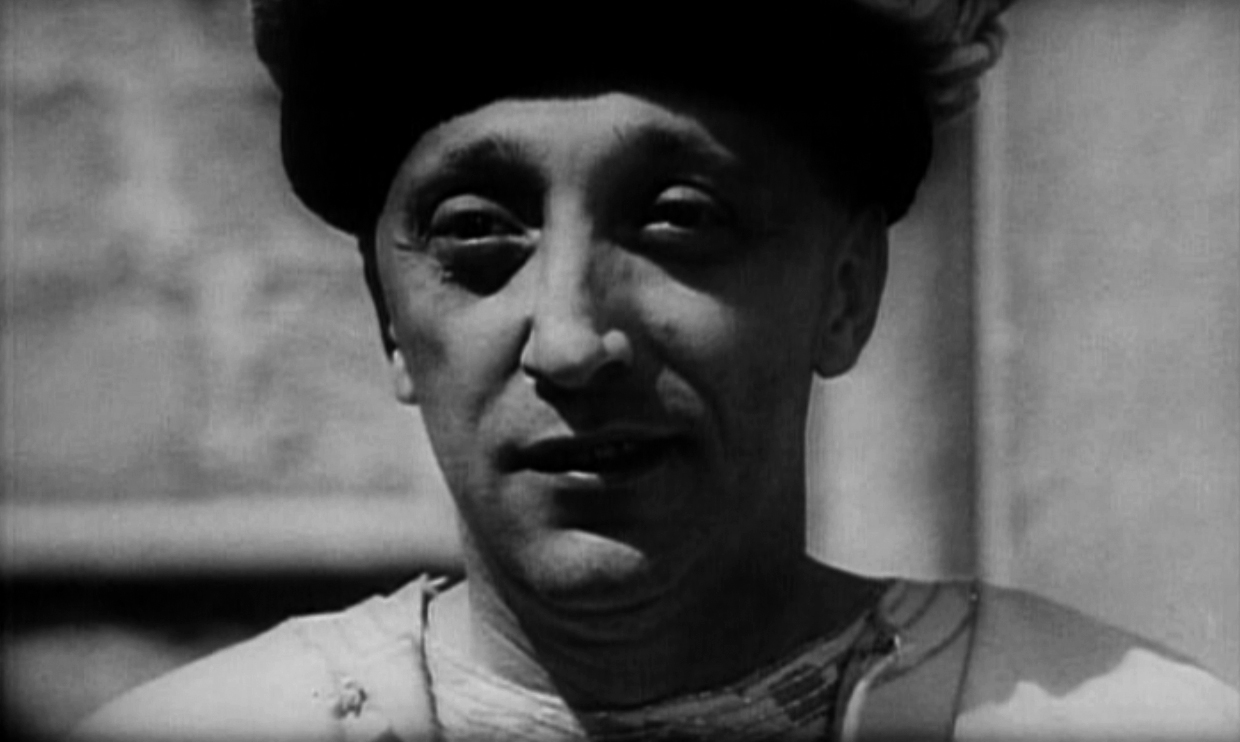
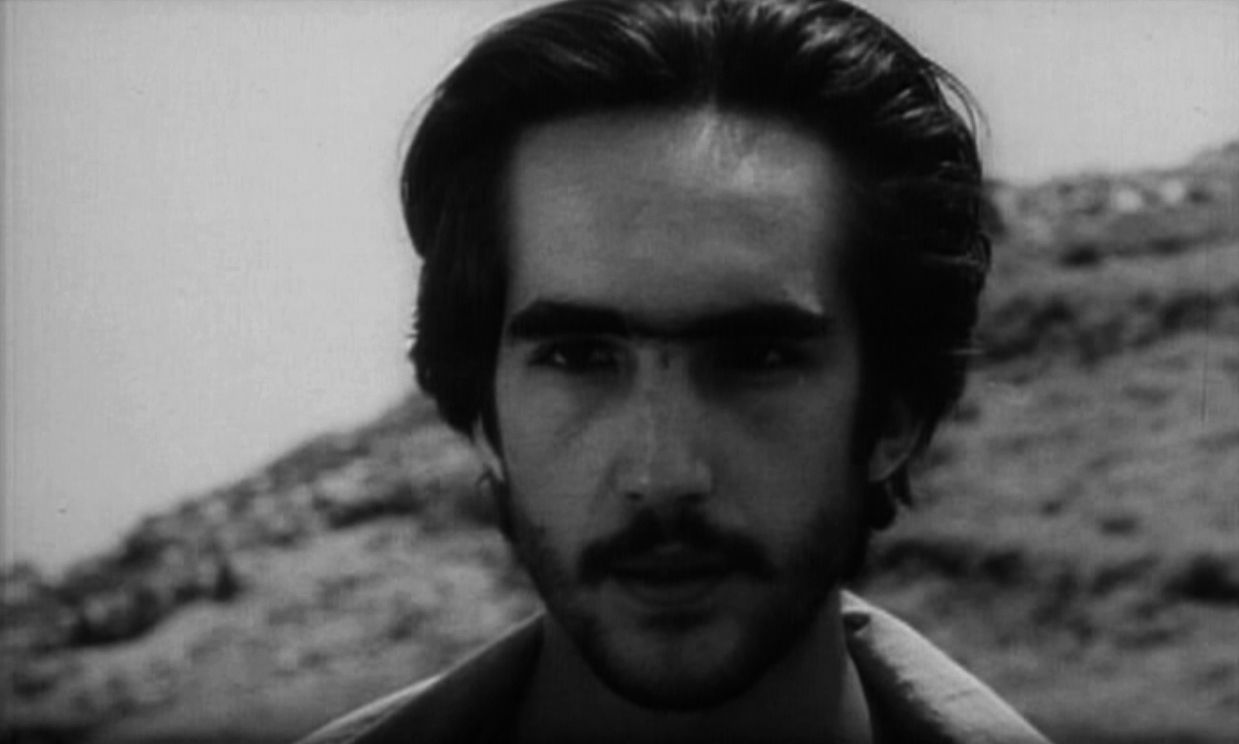
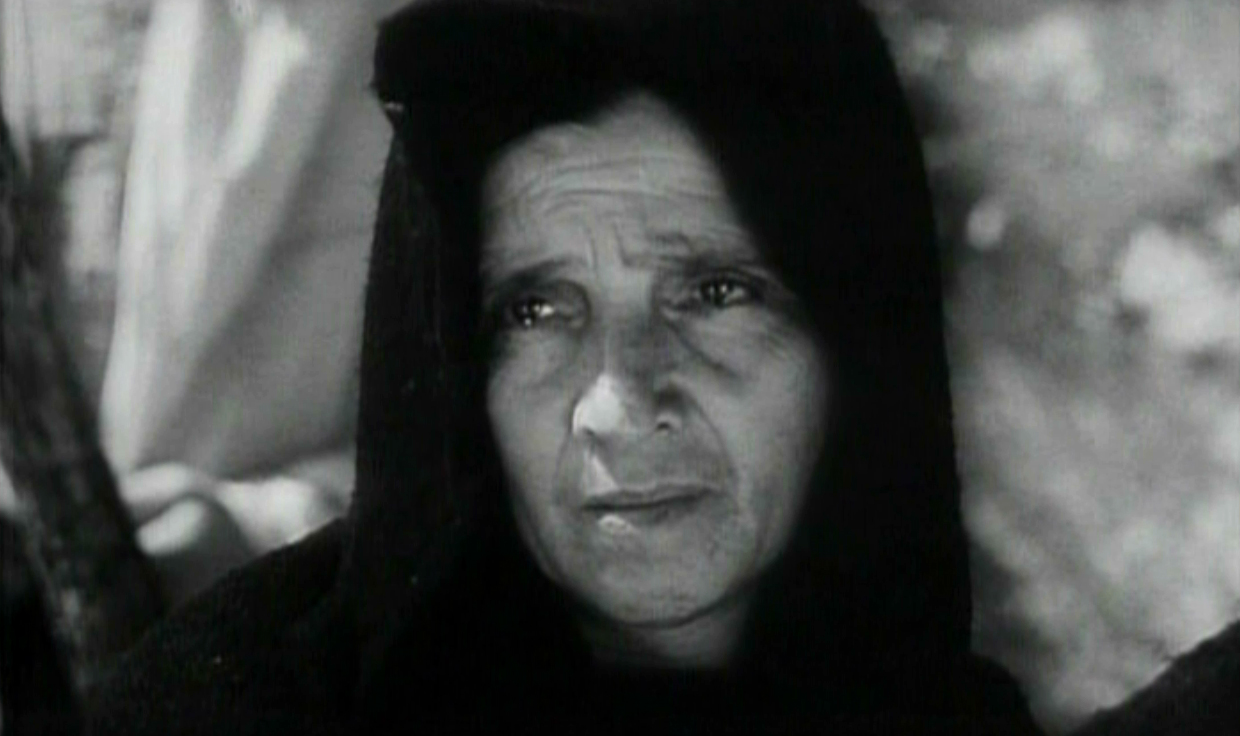
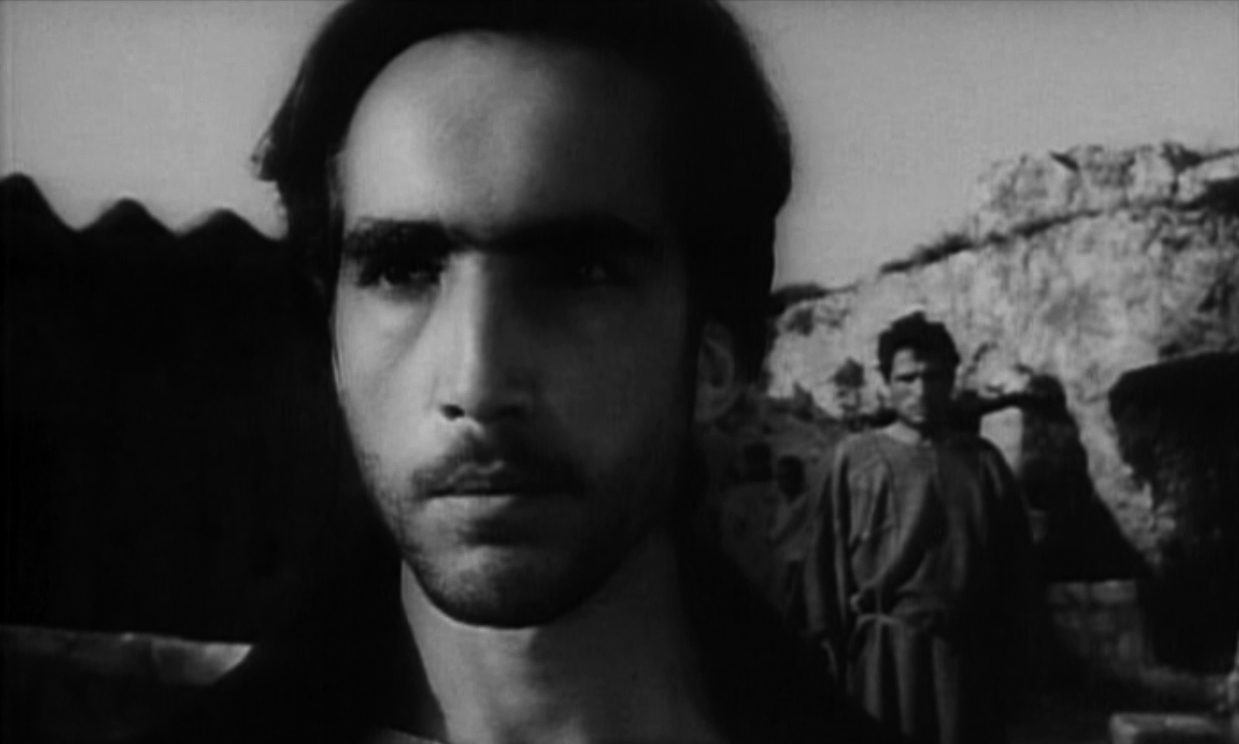
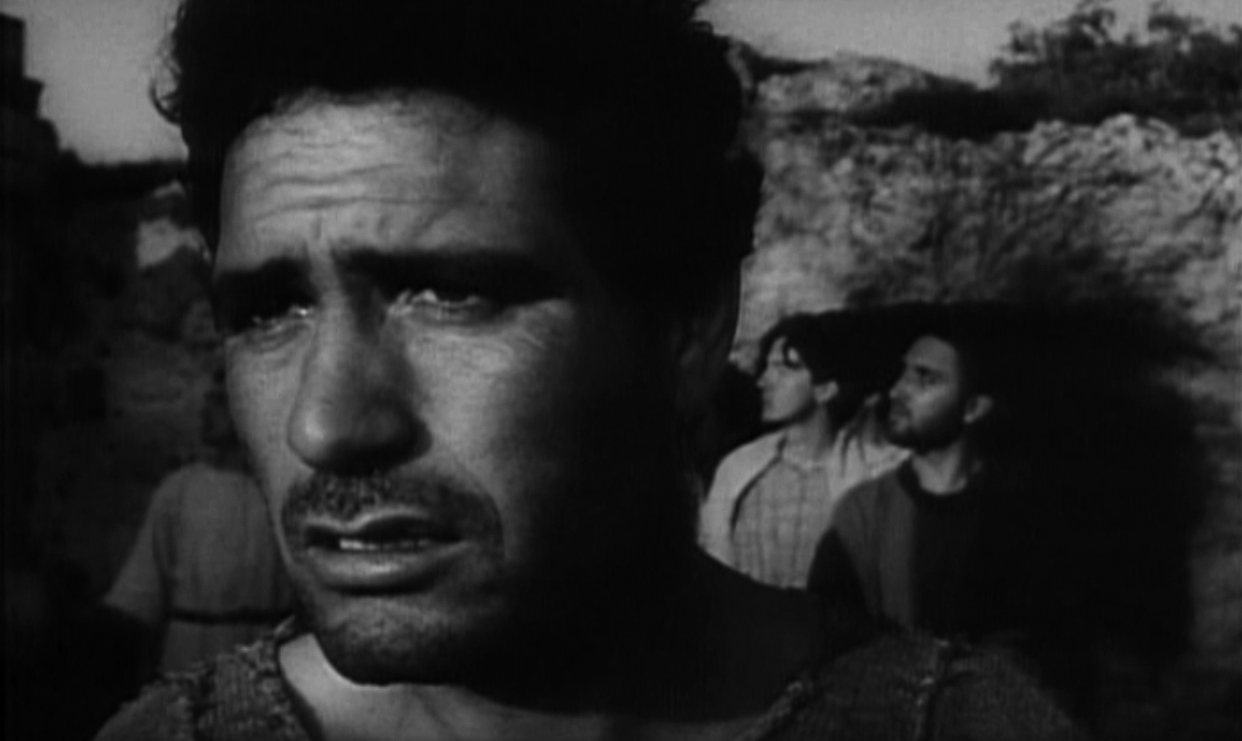
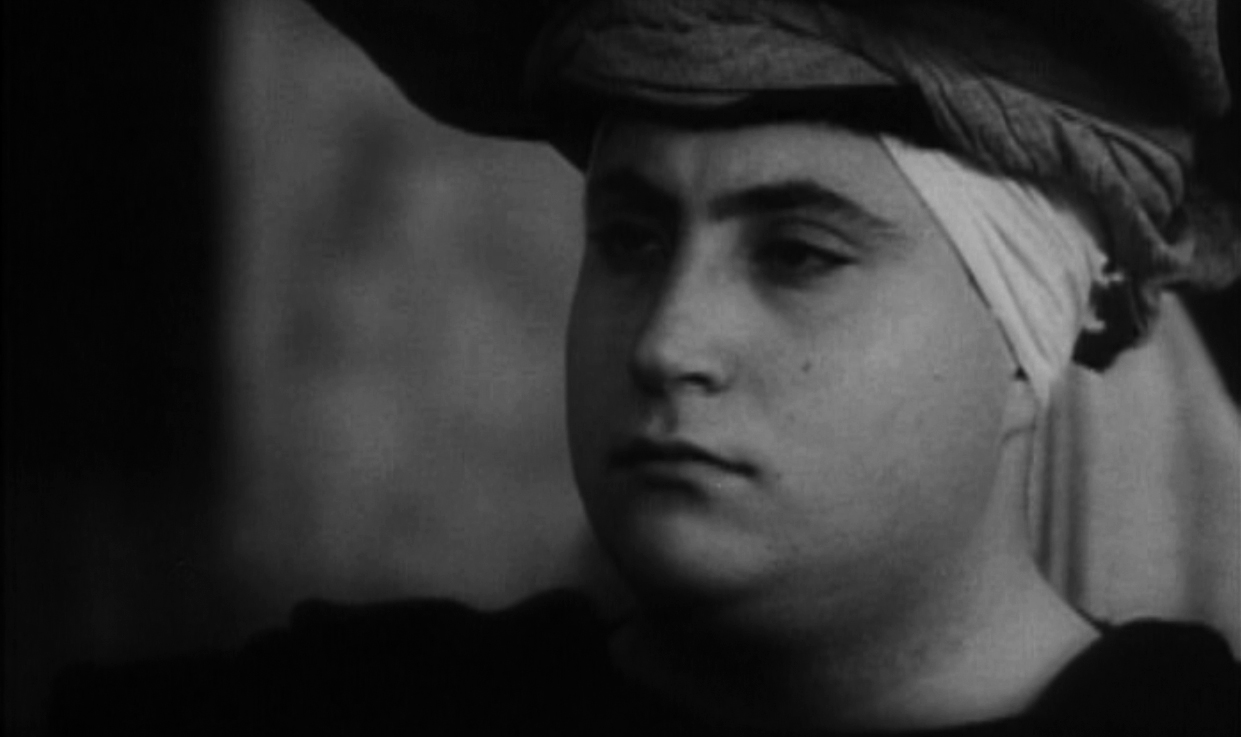
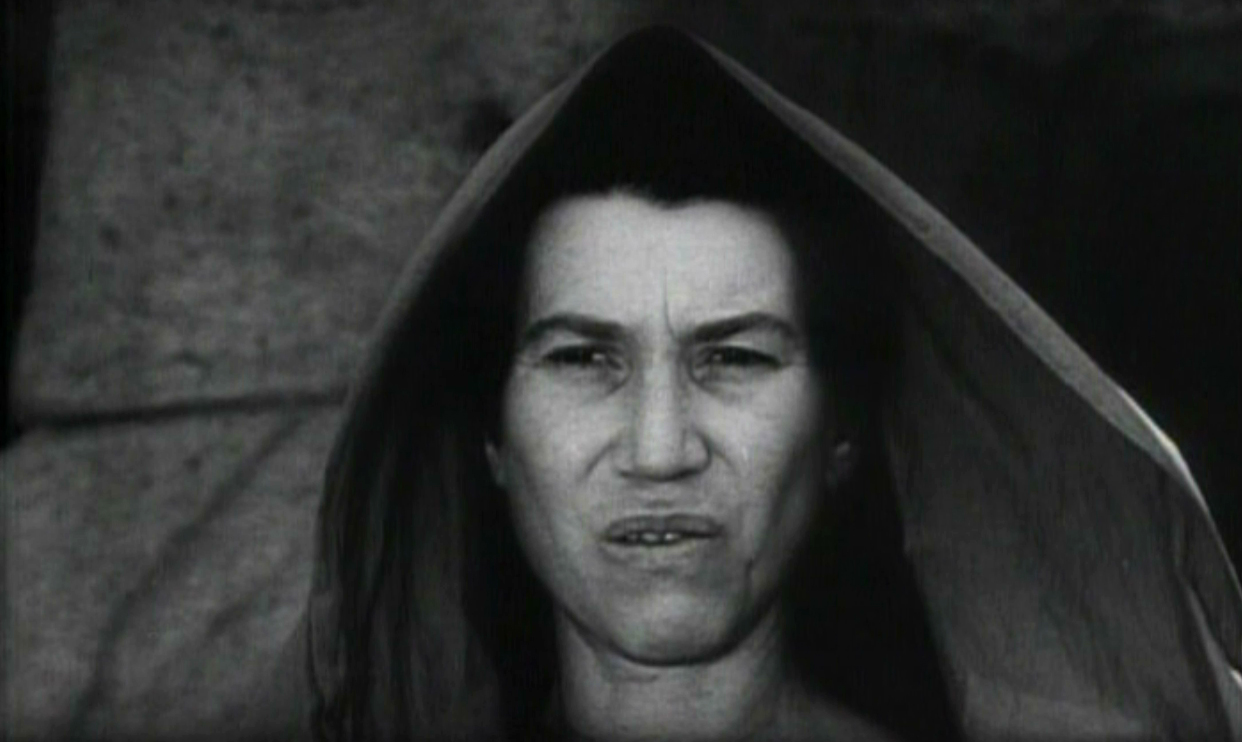
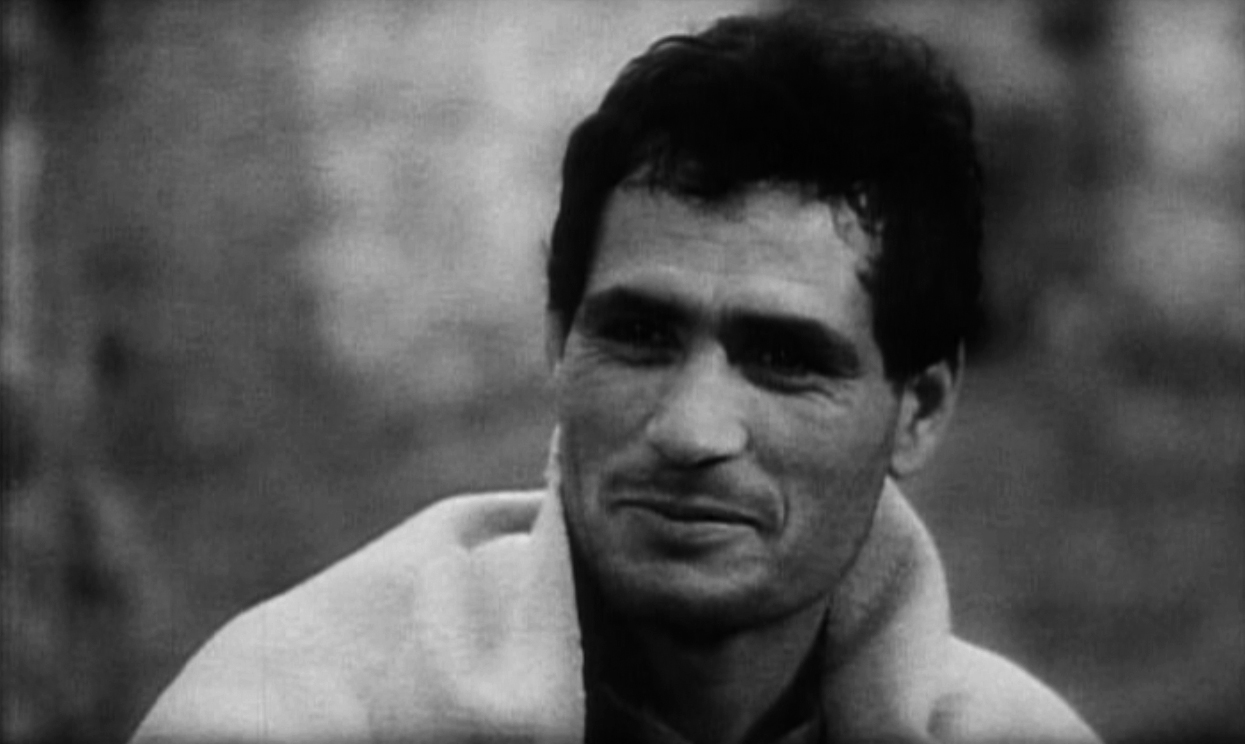
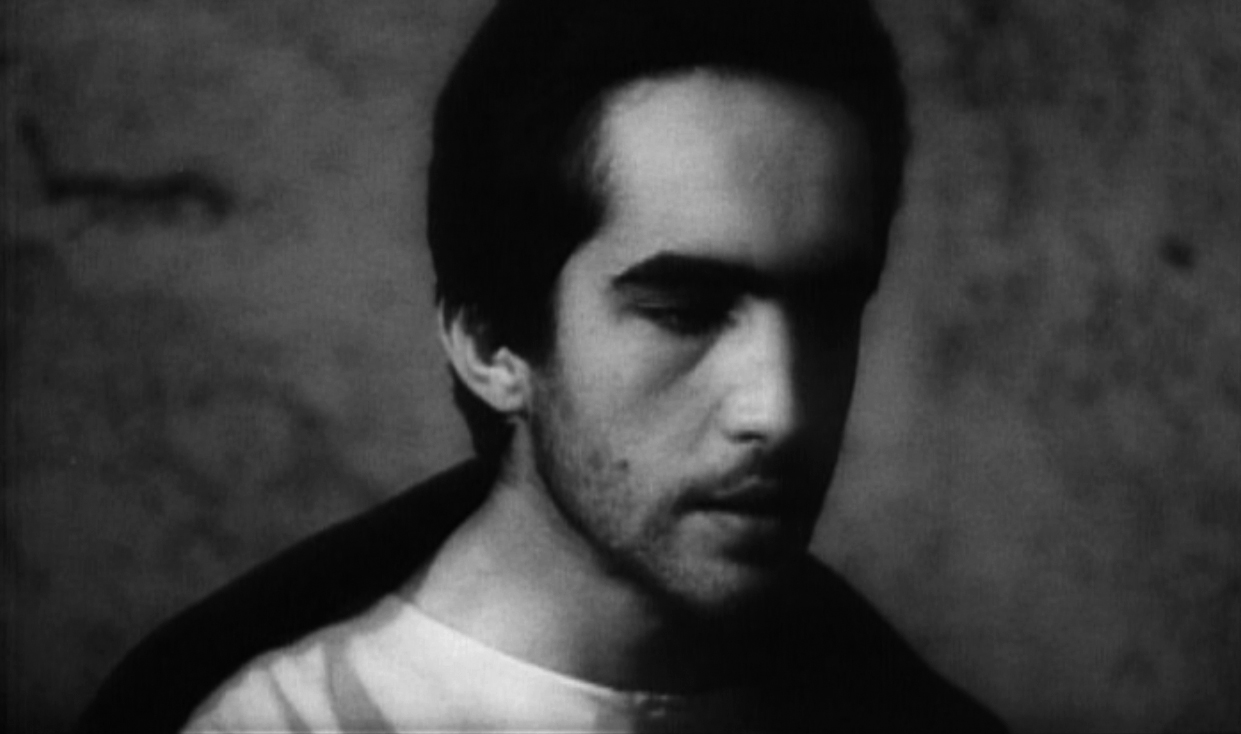
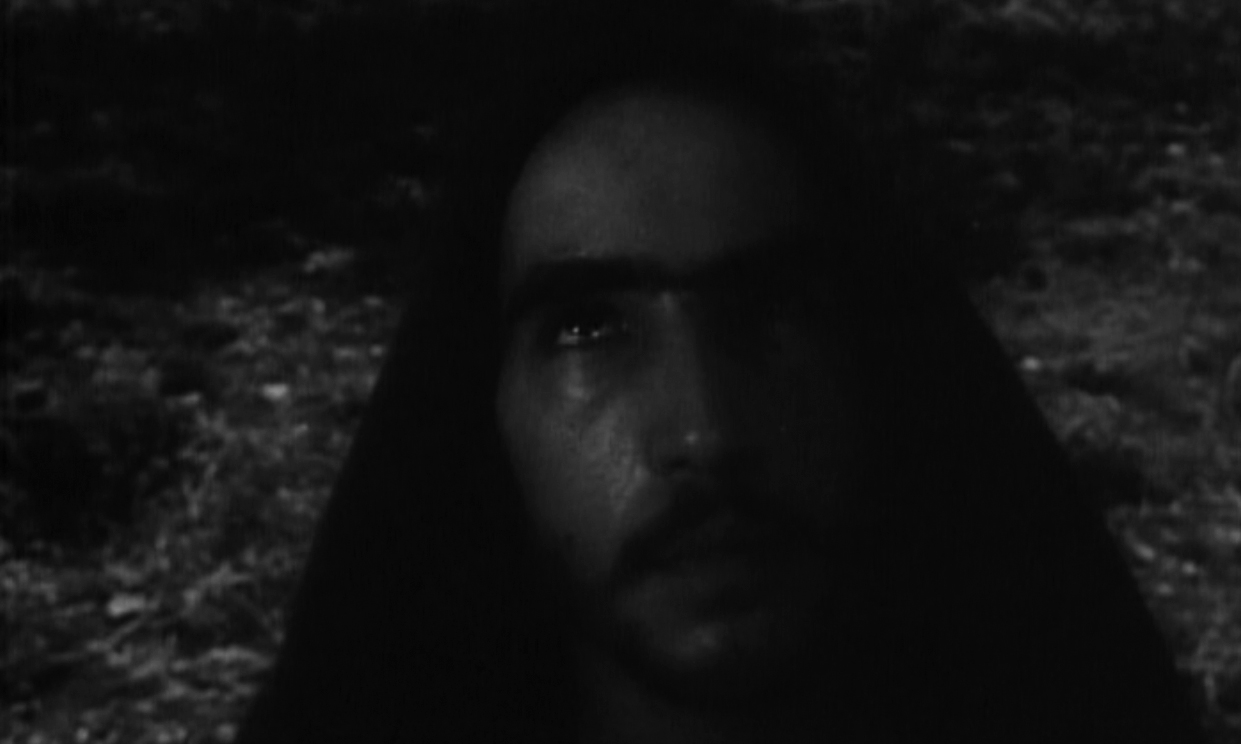
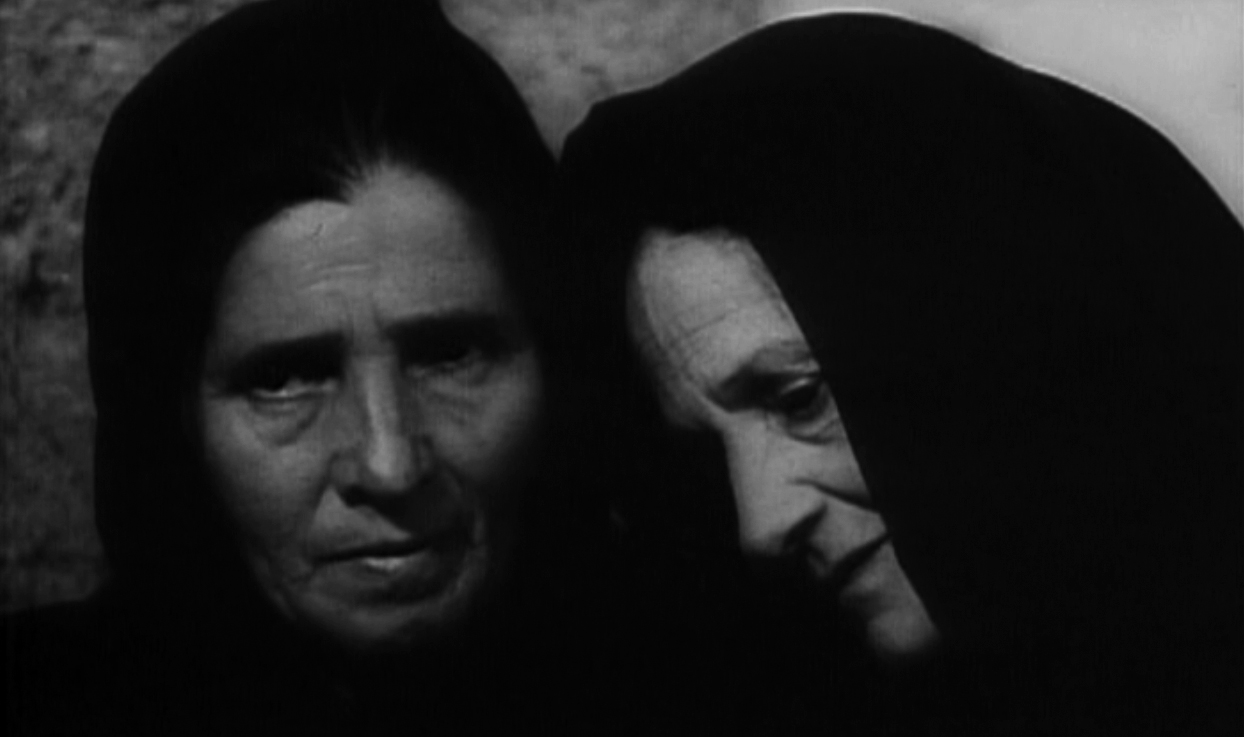
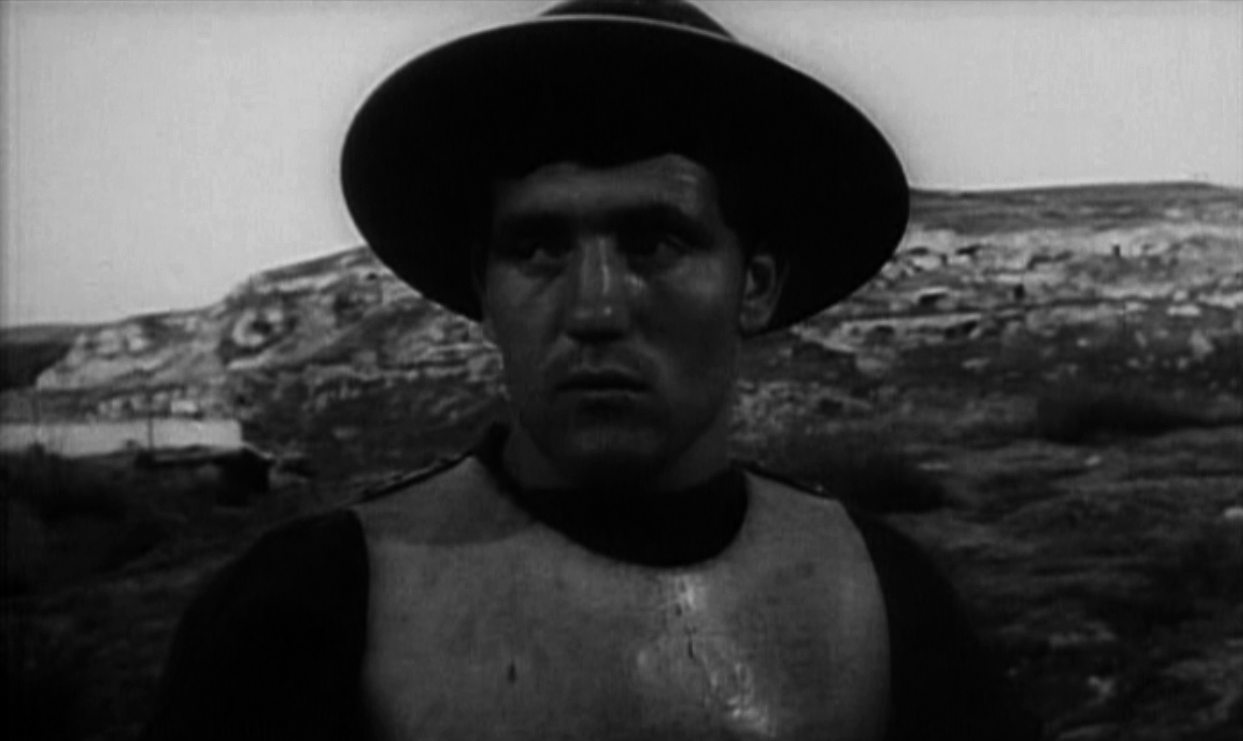
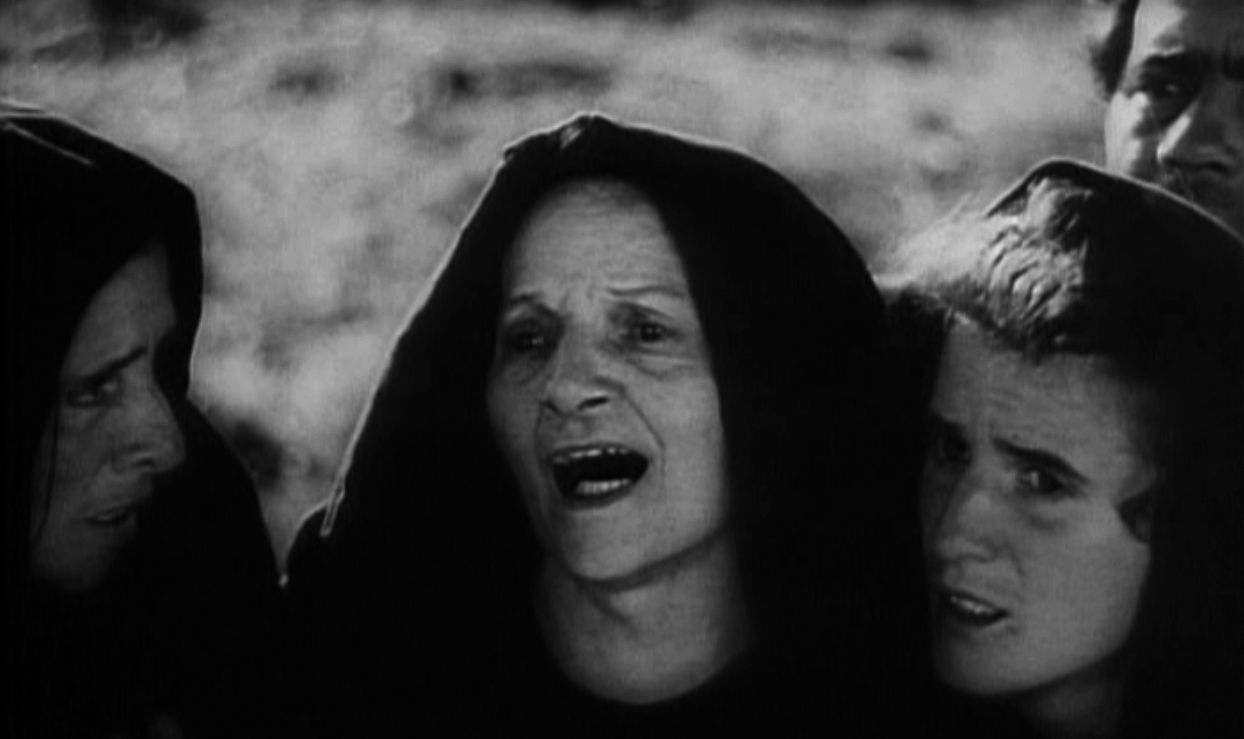
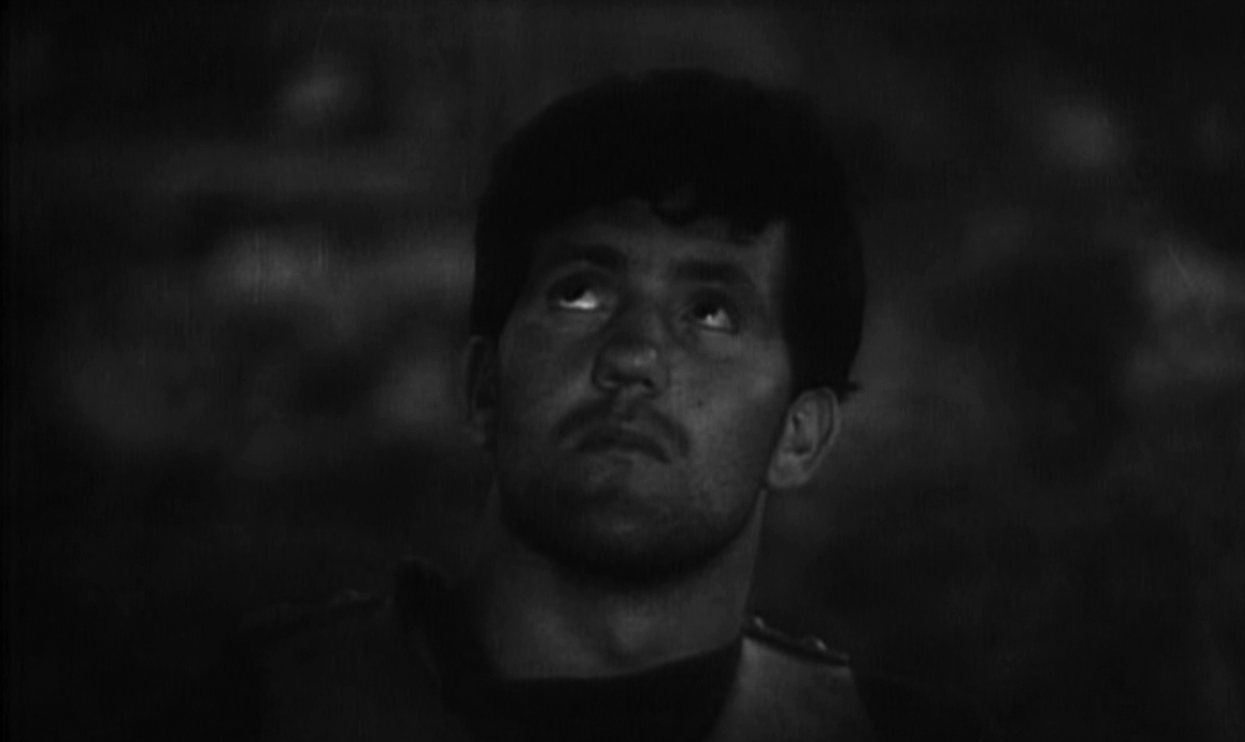
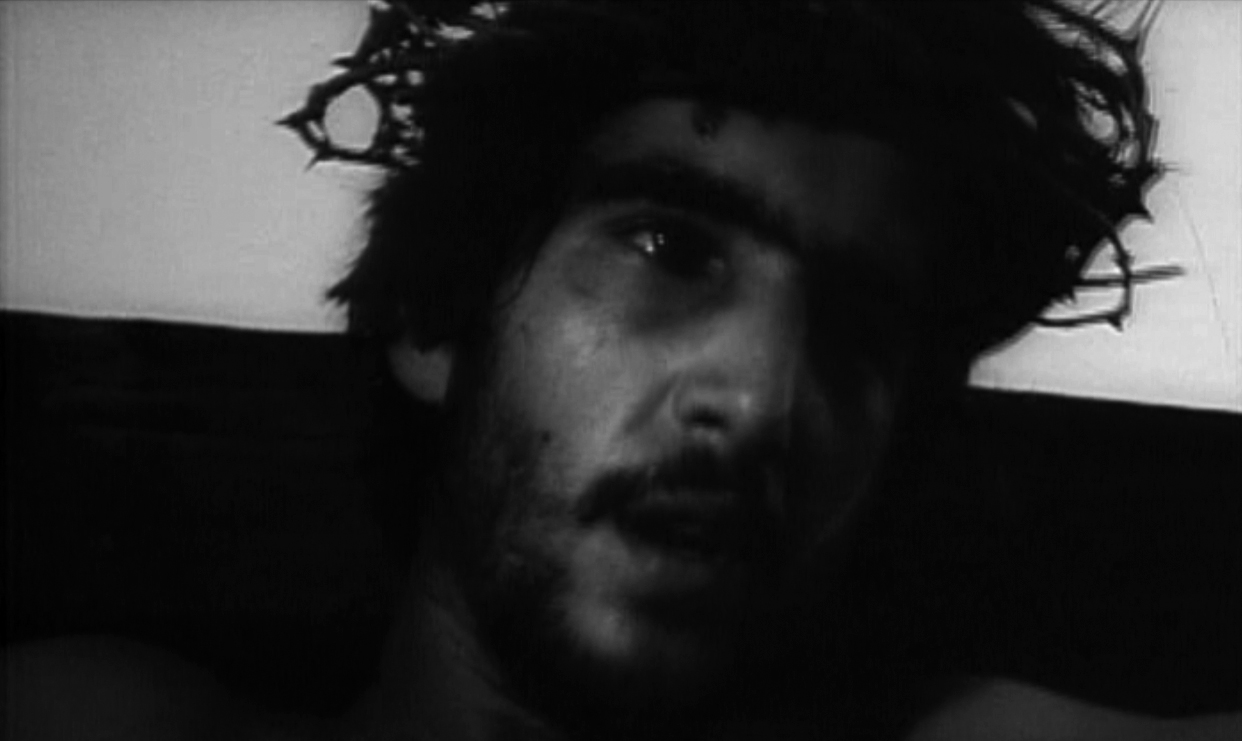
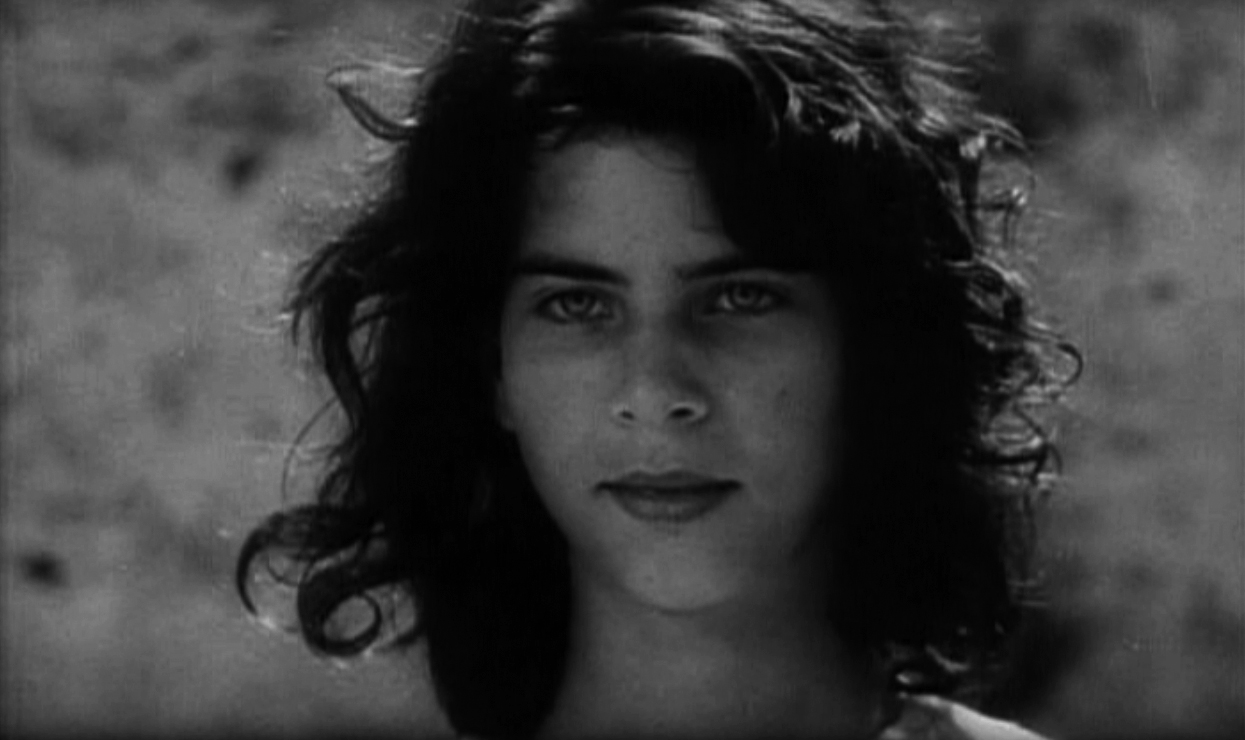
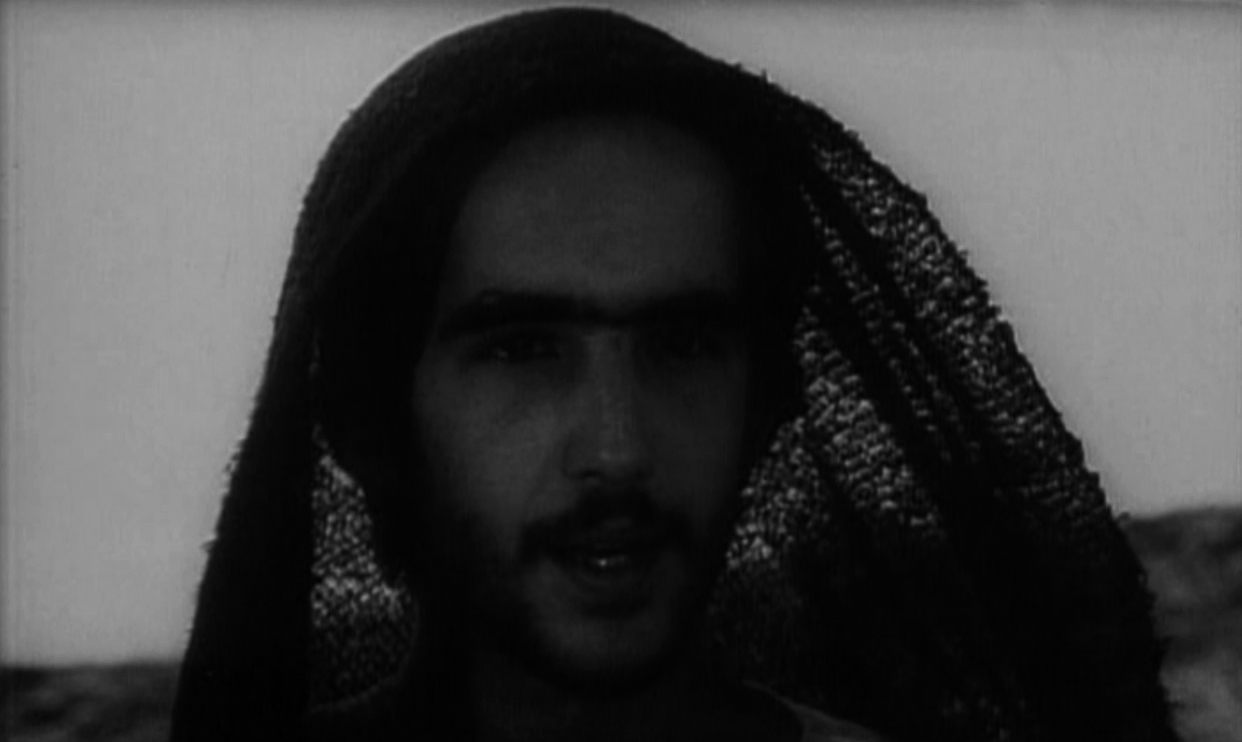
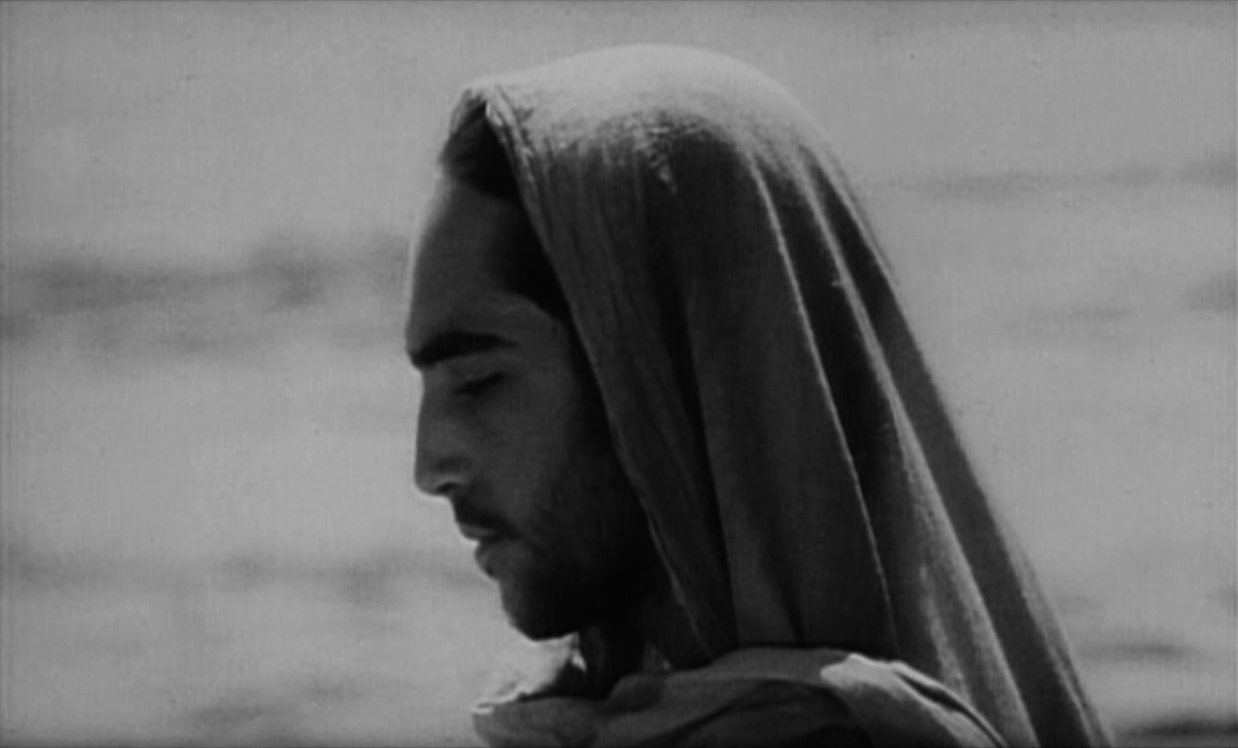
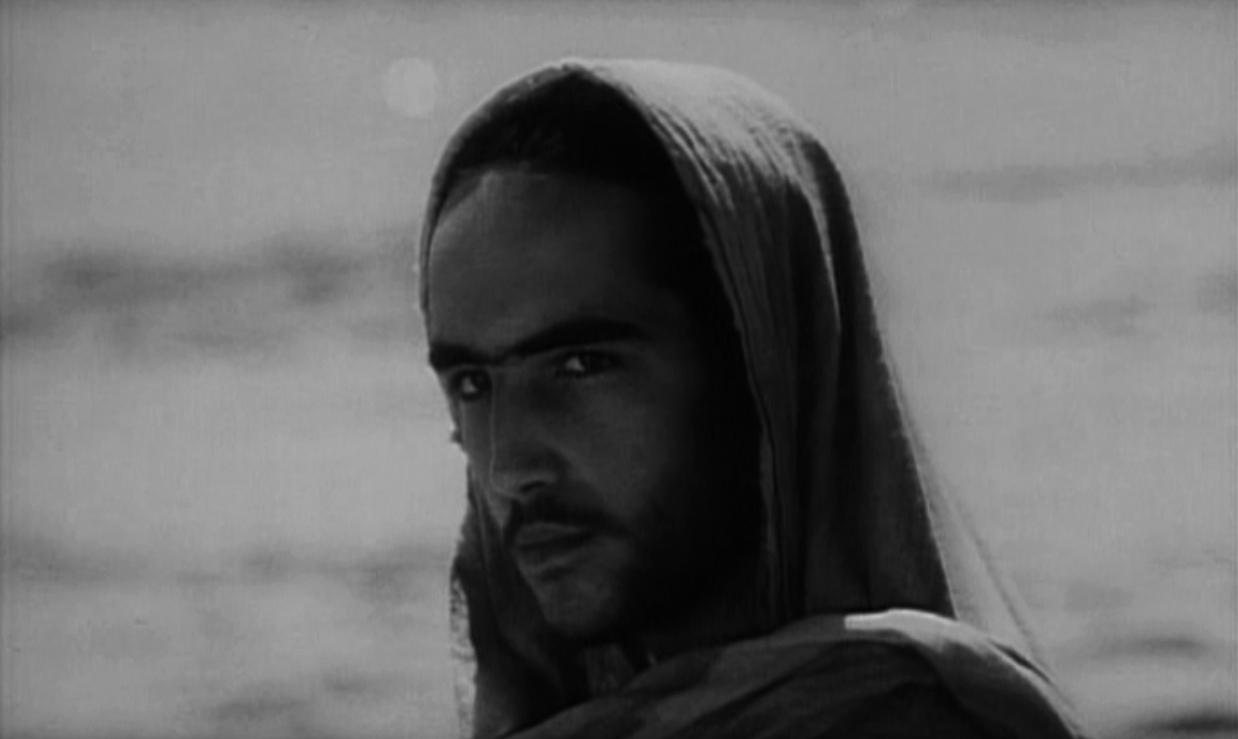
>56 faces from Pasolini:


From Il Vangelo secondo Matteo (1964)

Xala, imperialism, and bottled water

About two days before the great African filmmmaker, Ousmane Sembène, passed away on June 9th of this year, I got the urge to watch one of his masterpieces, Xala (1975). Recently I also watched one of his earlier films, Black Girl, and wrote about it here. Needless to say I was surprised at his death. And I have been thinking of Xala ever since, and in particular two structurally and thematically intertwined scenes that feature the use of bottled water.

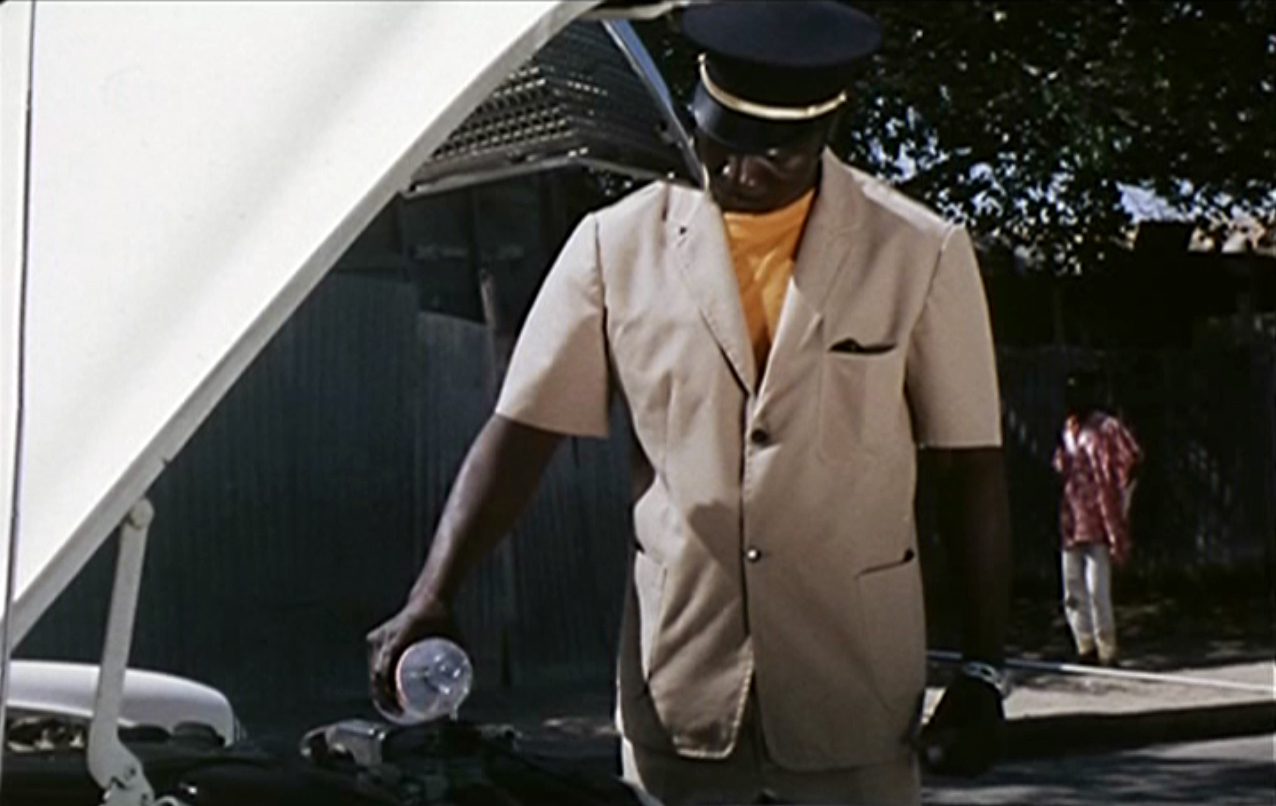
Here we have the chauffeur pouring a bottle of Evian (a French imported water) into a bucket so that a street beggar can make a buck washing the car:

Here the chauffeur pours another bottle into the car’s radiator:

These shots are meant to display a kind of ambivalence towards the product (Evian).

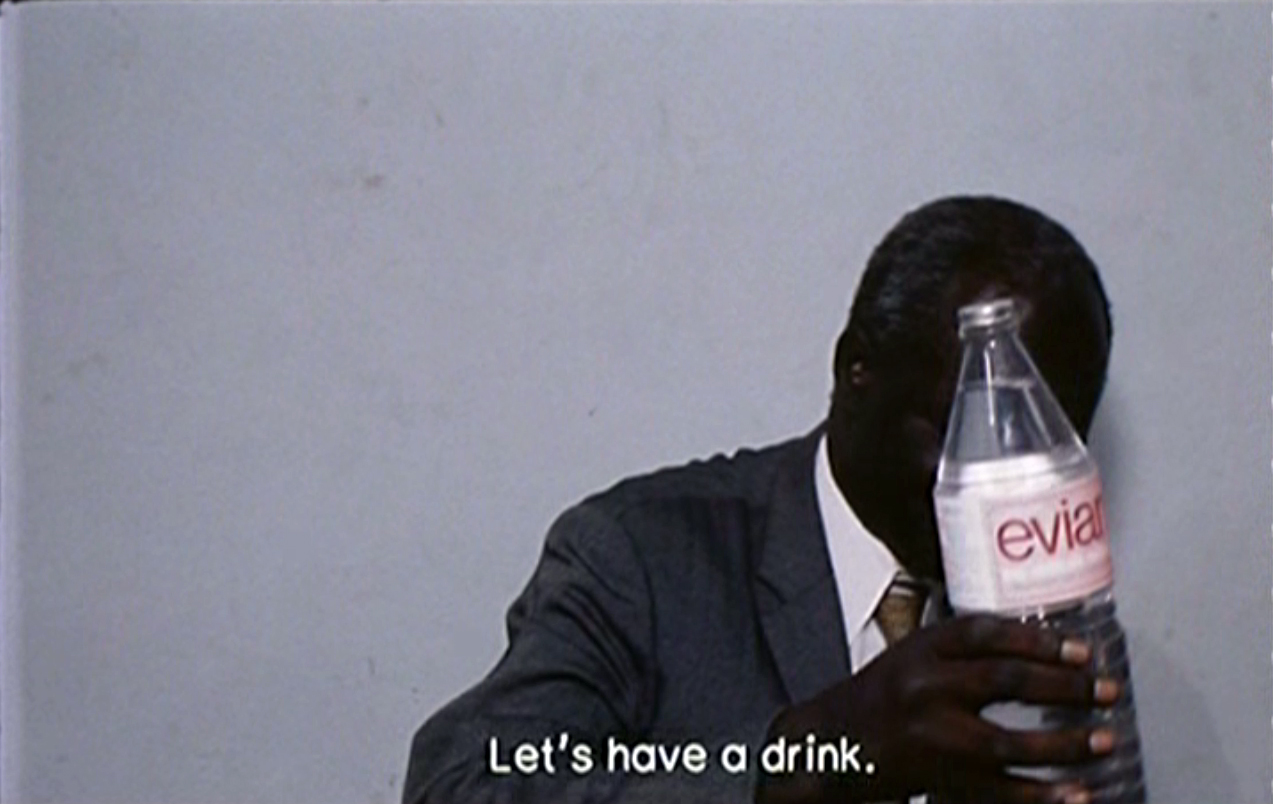
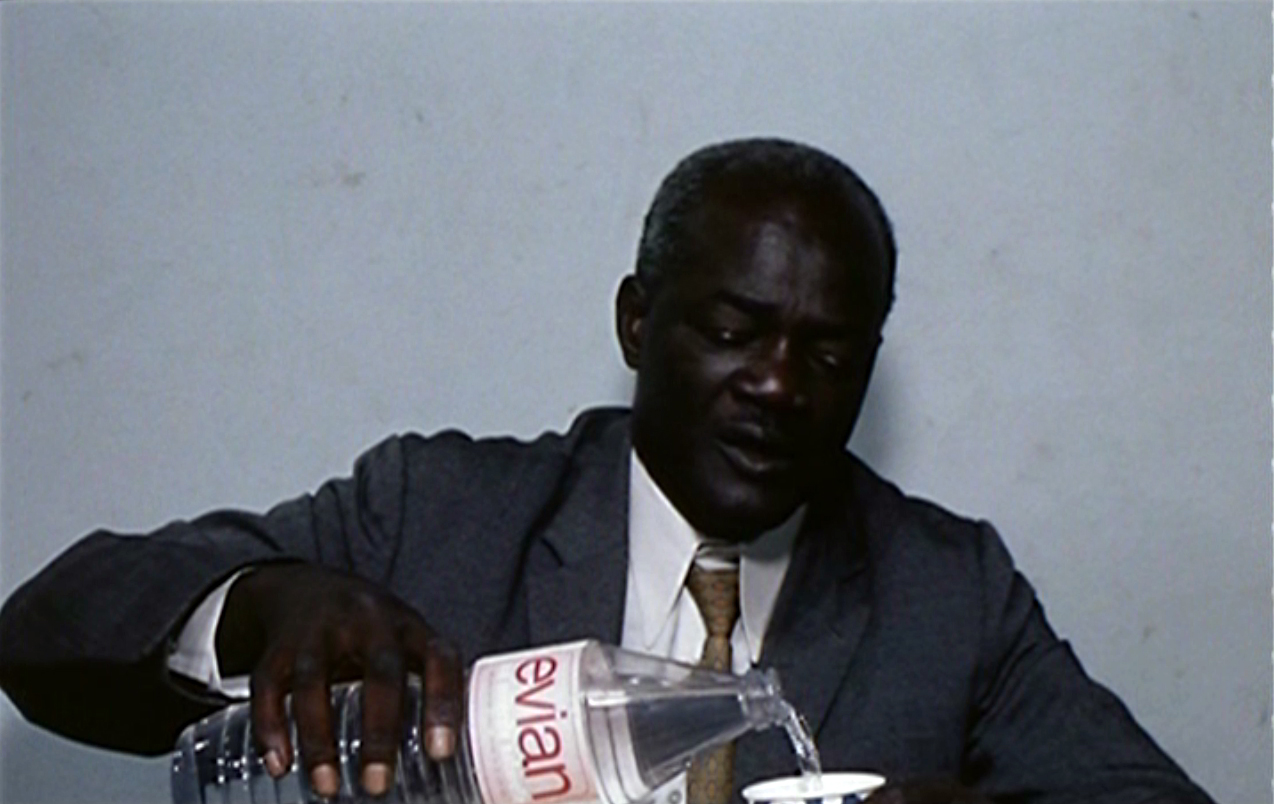
Here we have government minister Hadji Aboucader Beye (the main character if one does not count Africa itself as the main character) offering some Evian to his daughter who has visited him in order to confront him about his marrying a third wife:

We watch Beye pour himself a drink – the daughter declines:

Emphasis is placed on Beye’s preference for Evian:

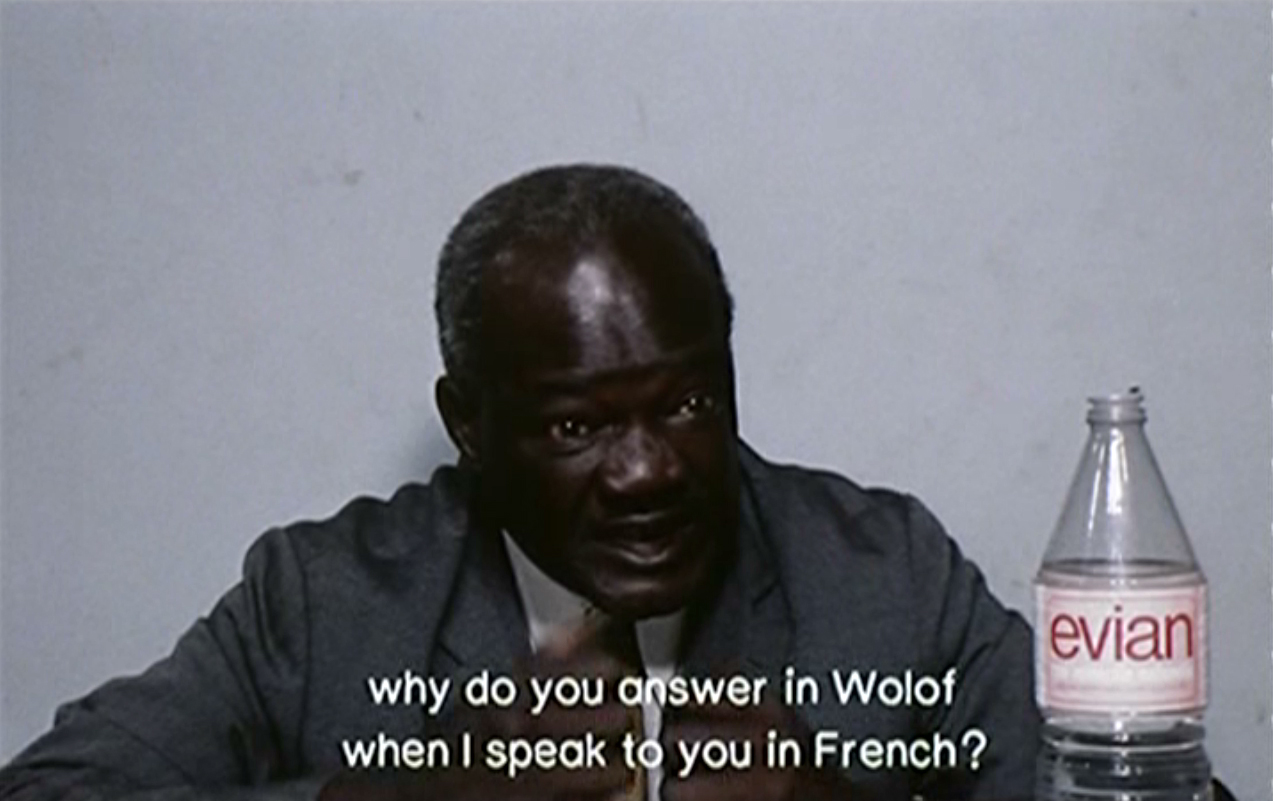
Beye speaks to his daughter in French. His daughter speaks to him in the native Senegalese language of Wolof – which upsets Beye:

In these two scenes an apparently innocuous product, a bottle of Evian water, is used as a kind of metaphorical device standing for the continuing hegemonic power of colonial imperialism, even when the former colony has now gained its Independence. Senegal had been a French colony from about the 1850s until 1960. Xala pokes very serious fun at how the newly elected leaders of Senegal ruled for their own self interests, were corrupt, and were still trying to emulate their former masters.

The bottle of Evian also raises the issue of how products play a role in defining cultures and individuals. As consumers we make choices based on needs and desires. Our choices say a lot about who we are and what we value. Just as when we speak our native tongue, or that of another, the products we buy have a kind of symbolic language that is both an expression of who we are and changes (even slightly) the world in which we live. Brands can have real power in the world, but that power is given to them, not inherent to them. In Xala we find that products are not disconnected from culture or power. Not surprising coming from a Marxist like Sembène.

Needless to say, I like Evian, and probably a lot of other products emblematic of imperialism, free trade, and neo-classical economics – for example: Nike, Coke, iPods, low prices, instant gratification, and even organic food grown on farms around the world using low-cost labor. I like to think I am independent of those products, but am I really?

Some good examinations of Xala:
Symbolic Impotence: Role Reversal in Sembene Ousmane’s Xala
Xala at Louis Proyect
The Guardian review

>Film Music & Architecture (metaphorically)

>

Preface: I had anticipated this to be a much longer and more involved posting for the Filmmusic blog-a-thon over at Damian’s great blog, Windmills of My Mind. But alas, life does not permit me, so I’ve decided to post more of a question than a statement. I will formulate my half-baked ideas as I go. And, of course, in typical PilgrimAkimbo style I will use the Filmmusic blog-a-thon to write about something other than film music.

* * * * * * * * * *

If you are not a true film music aficionado, as I am not, I would guess you do not select your films primarily based on who created the score. And yet, if you find a film compelling, if you become emotionally involved watching a film, if a film haunts you or stays with you, very likely the film’s music played a significant role in helping you to end up where you did. We all know this to be true. It may also be true that a film’s musical soundtrack actually helps one to merely understand the film at all.

I want to propose a very simple metaphor for considering the role that film music plays in our experience of films. I propose that film music is like architecture. My question: does this make sense? When I say architecture, I do not mean the structural aspect of a film, such as editing, rather I am thinking of the way the design of a building or house or room affects one as one enters that room and lives out the story of one’s life. Maybe a better way of saying it is that film music is architectural. And maybe there’s a better word.
My argument:
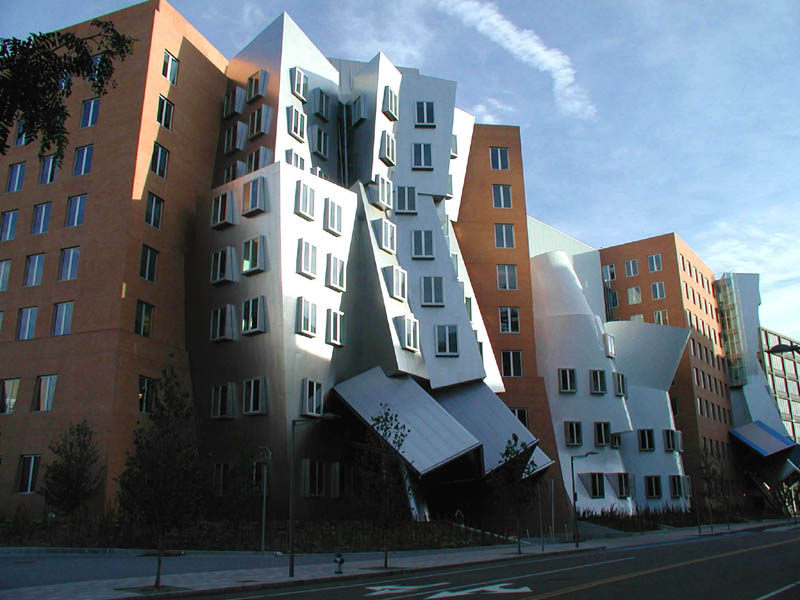
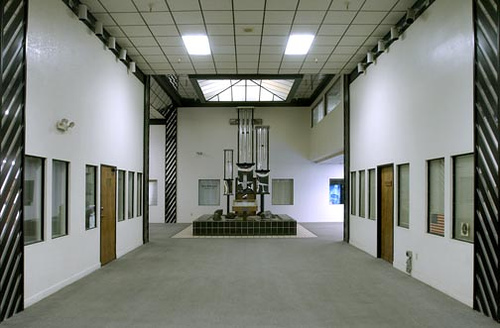
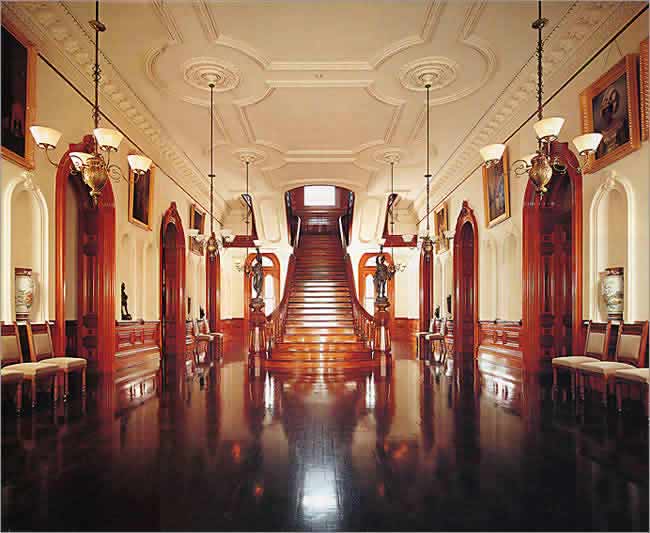
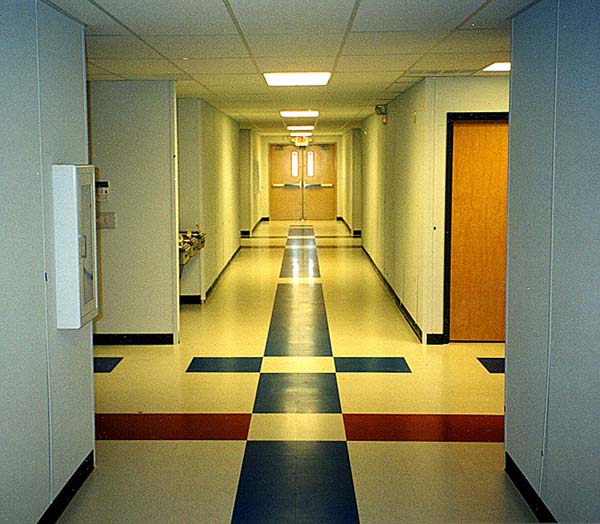
Consider these three images of three very different interior spaces:

I have no idea where these interiors come from other than random images I gathered from the Internet. But it is clear that each are of clearly defined interior spaces, and that each space, though photographed from essentially the same angle, produce very different feelings. One can imagine a story taking place in each one, for example a scene of a father and son arguing over an inheritance, or a romantic kiss, or a burglary – it doesn’t matter. But more importantly, if one were to visit these places one would expect different things. In other words, the spaces themselves convey meaning about their use and their purpose. They would imply different narratives.

Now, if one were to meet someone and have a conversation in each of these spaces, though the denotative content of each conversation would be the same, the connotative meanings might take on slightly different shades due to the context of the rooms. This is one of the things film music can do for a film.

This point, though I admit it is meager, just might be more profound than it appears to the casual observer. To emphasize this point a little more, I like the following quote (from The most Beautiful House in the World by Witold Rybczynski) about how architecture speaks to us and guides us:

The symbolic meaning of architecture can be profound, as it is in the case with places of worship and important public monuments. But the language of buildings can also convey more mundane messages: where to go, what is important, how the building is to be used. It is easiest to discern this function if it absent or if it is misinterpreted. The stock scene in movie comedies in which a flustered visitor wishing to leave a strange home finds himself in the clothes closet illustrates precisely such a confusion. Like all humor, it is an exaggeration of the familiar; we have all had frustrating encounters with doors – not only identifying the right one but opening it once we found it. There is a bank entrance that I go through frequently but which always manages to confound me. The door is made of plate glass, and its pristine beauty is unsullied by visible hinges or pillars; the elegant handle extends the full width of the door. I always have a small struggle going through that door – sometimes I pull instead of push, sometimes I push against the hinge. I feel like taping a sign to the door – PUSH HERE.
Could we then think of film music as being, at least in part, like the sign that says “push here”? In other words, film music is an integral part of guiding us, like architecture does in the physical world, through the mental world of film perception. In a sense, film music can tell us “how to use” a film.

Architecture, that is, the aesthetic design of the spaces we live in – not merely their structural dimensions, produces an often taken-for-granted effect on our lives. In other words, the design of the buildings we inhabit affects the way we live, the way we think, our emotions, and the way we relate to others, and it does these things in often quiet and subtle ways, and sometimes in obvious and loud ways. As we act out our lives in and around man made structures we act within a kind of context circumscribed, and even proscribe to some degree, by these structures. They give us a context within which to act. I argue that film music performs much the same function. Like the overwhelming feeling one gets when first entering a cathedral so are the opening chords of John Williams’ Star Wars theme. The music not merely gets one’s emotions going, but it also tells us a lot of critical information about what we are about to see and how we should think about/approach the story.

If this is true, then film music is not merely an add-on to dress up a film, though it can be that for some films. Rather, film music is an integral part of how a film, as a whole, conveys its meaning(s). As one’s brain engages with the constructive nature of piecing together the film’s narrative from the various clues provided, the music colors that narrative and provides a kind of context for the descriptive, interpretive, and evaluative processes. But, because film music is typically not central to the story in the same way as is the acting or the cinematography, and because film music is typically non-diegetic (not really part of the story at all), that is why I am using the metaphor of architecture. Film music acts as a kind of “space” in which a story is played out. Change the music and you affect the story.

One could say that film music, though typically non-diegetic and non-visual, is similar to the film’s mise-en-scène. Visually films cue the viewer to mentally construct the story from all the visual clues presented. Do not films also do this with music? Of course they do. But the musical soundtrack does more than merely cuing the viewer to think of a particular scene as being romantic or frightening. Music can play a role in the overall “sense” of a film, such as time period, genre, etc. And like many other things in a film, music can act like a relatively open ended set of “codes” that both support and work counter to the desires of the filmmaker.

Once, when my wife took me to see a film of her choosing, one that I did not know about, I had a strong sense of what the film was going to be about from the moment of the opening chords of the film’s musical soundtrack. I leaned over to my wife and said something like: “Okay, so I can tell this film will be about X, and then X will happen, and then X and X and X, and finally it will end with X.” All that from the film’s music combined with the opening credits. And I was right.

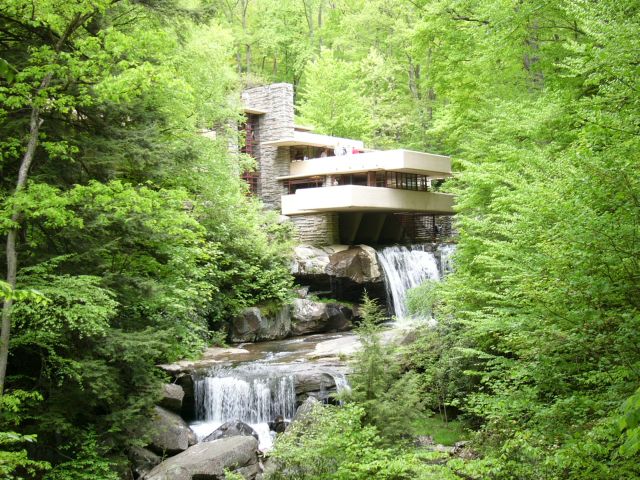
Maybe the most fundamental aspect of music is its connection with human imagination. Music can enlarge the imagination by drawing out of it intuitive connections to the world and experience. To keep with the architecture analogy, consider the following two images of famous architectural settings:

Both of these constructions are highly evocative. They draw one into their spaces and they draw out of one’s mind certain emotions and feelings. A film’s camerawork can do the same thing, but so can its music, maybe more so. Now imagine having a conversation with a friend in either of these locations. The same conversation would not be the same given the change in surroundings, even if the differences are subtle. It is this way because of our “aesthetic sense”, that is, our innate ability to respond, even sub-consciously, to aesthetic objects and nuances.

About 13 years ago I wrote these words:

To say that the couch in your living room or the pictures on your walls have a profound effect upon your life may sound strange. But they do. The things we surround ourselves with, from the films we watch to the color and texture of our bathroom tile, influence the way we think and feel. The nature of this influence may be enigmatic, but we know it is there. We know that the aesthetics of MTV, its look and feel, influence the youth of our world. We know that the aesthetics of an art gallery encourage quiet contemplation, whereas the aesthetics of a video arcade do not. And we know that living in an apartment with dark brown walls has a decidedly different feel than living in an apartment with white walls. The look, texture, and sound of our surroundings influences us because of our aesthetic sense.

I believe that in the mental world of film watching, the film’s musical score can be much like that art gallery or those apartment walls. If this is true, then the decisions facing the filmmaker regarding the musical score are critical.

I am sure there are some who might consider non-diegetic film music to be nothing more than a kind of wallpaper – something to pretty up a film, to give it that extra something. For some films this may be true I have no doubt, but in general I think this position is wrong, for fimmakers and for viewers. On the other hand, film music is there to serve the film. For most films the story comes first and all the rest follows, often with the music being included last. I personally believe that filmmakers should not think of music as an “add on” to a film. Film music should do more than merely prop up existing scenes. Rather, film music should be a fundamentally integral part of film. Maybe directors should have the composers be a part of the scriptwriting process. I’m sure some do.

And there it is as promised: some half-baked ideas on architecture for the film music blog-a-thon. I only hope it isn’t so half-baked as to be like a pancake that is burned black on the outside and still runny gooey on the inside. But maybe it’s still just a pancake nonetheless.

>where life is…

>

My life, metaphorically speaking, is a large stove with three or four big burners up front and about twenty or thirty back burners. There are many things, good things, wonderful things, important things that I have to put on those back burners when the big pots on the front burners start a’rumblin’. (I see you nodding your heads.) PilgrimAkimbo, this little corner of my creative world, has been languishing somewhat on one of those back burners with the heat set on medium-low. It will stay there for a while still, poor little blog, with the occasional bubble and pop.

The front burners are:

  • I am in the final throws of my MBA wrestling match. One more class to go, then finish my thesis. The pressure is on from all fronts.
  • Hey, I have a family! Wow, and they’re still here. Happy Father’s Day! Needless to say, families are big priorities and having a baby in the house adds to the level of constant investment. Big events so far this year: Wilder is born; Lily learns to ride a bike; Maricel starts painting again; Lily finishes 1st grade; Wilder keeps growing…
  • My paying job, you know the one that helps us buy food and shelter, is particularly stressful these days. No blogging at work!
  • Once I finish the MBA we will be looking for a way to make it pay for itself, and then some. Who knows, we could be moving sometime in the next several months. Yay & ugh!

In the mean time, I’ve been thinking about this blog, what it is, how it looks, how it could be organized better, and what content it should purvey. Here are some thoughts:

  • I have added a food blogroll, Viands & Victuals, I am looking for more good food related links. And I plan to populate PilgrimAkimbo with food related writing, including some of my favorite recipes and meals – but that’s down the road. When I will have the time to do some food writing I do not know – even my magic eight ball isn’t being helpful.

  • I plan on revamping my whole approach to tags. For those of you who witnessed my last tag fiasco the answer is “yes, I am not too bright, but I know I can learn, I have a masters degree.”

  • I will likely change some of the look-and-feel of the enterprise, but mostly keep it the same. I am a visual person and the style of PilgrimAkimbo only pleases me a little, but I have not had time to affect any changes. And, I am often impressed with the design of other blogs, but it takes time to get to that level. We’ll see.

So, I will still put up a post here and there, makes a few changes when I can, and suffer, as all bloggers must, with priorities. But not suffer too much.

Oh yes, a film…

Last night, continuing Lily’s cinematic education, we watched 20,000 Leagues Under the Sea (1954). Lily found the film very moving and was greatly saddened when Captain Nemo died. I found the film better than I had remembered. This film was my favorite film when I was a kid, but in recent years I had come to believe that the film was a bit outdated. After watching it last night I have changed my views and consider it wonderful.

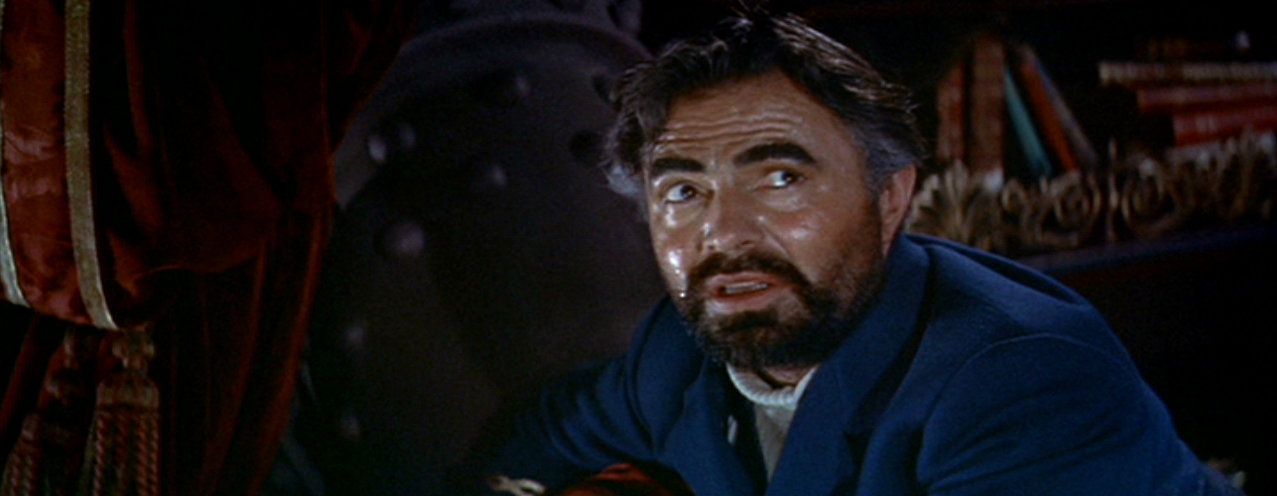
Recently I posted something on watching Treasure Island with Lily. In that post I mentioned the moral conflicts posed by the existence of the Long John Silver character. There is a similar ambiguity with Captain Nemo. As a kid (and still as an adult) I found Nemo (Latin for “no one”) to be both frightfully dark and exhilaratingly compelling. James Mason is wonderful in the part. He is both evil and good, a villain who cares for the oppressed and hates violence, yet uses violence to get revenge. I did not know exactly how to deal with Nemo. Should I like him or hate him? I saw the same tension within Lily. She knew he was bad, and yet she almost cried when he died. In fact, while we were watching the “making of” documentary on the DVD she did not want to see the crew filming the scene where Nemo is shot. I don’t blame her. For me that is a tragic moment as well, even though I know he is getting what he deserves. In this way Nemo is a little like all of us. We (speaking on individual terms) judge the world and others and yet we deserve to be judged ourselves. We (speaking in terms of “humanity”) all too often use evil in the name of good, justifying our actions because we elevate our own personal stories above those of others. Nemo is the evil and self-righteous genius who believes in the goodness of his own heart. I’m no genius, but I know what it is like to experience the rest.

Note: I absolutely loved the look of pure excitement and amazement on Lily’s face when Nemo says “You may call me Captain Nemo.” For a kid who has grown up with Nemo being a cartoon fish, it was great to see her get truly excited about the origins of “Nemo.”

Extra: you can see the 1916 version of 20,000 Leagues Under the Sea here.