>fears of the homeschooler

>Homeschooling is not for everyone. Though more parents might try it if they thought they could. A number of people have told me they are considering homschooling but are not sure it’s for them. They have fears and worries about taking on more than they can handle or want to handle. The reality is that homeschooling is not easy. In fact, it is quite difficult. In a way it’s impossible. What do I mean?

I want to approach my answer in two ways: 1) The 40,000 foot level, and 2) specific fears.

Homeschooling is a little like jumping off a cliff or a leap into the unknown. It’s a big bite to chew, a heavy load to carry, a constant worry of sorts. The goal of the homeschooler is to educate their own children, for any number of reasons, such that they grow up better educated in some way than they would have from other educational methods or systems. How homeschoolers define better is varied and debated, and sometimes better isn’t better. And even if one has hit upon something better one faces into the daunting task of implementing that method or system. Thus, while one is struggling in the midst of the implementation, one is often haunted by lingering thoughts about the solidity of the chosen method or system.

But consider the flip side. Deciding which school your child goes to is not the end of your responsibility for your child’s education. Sending your kid to the school bus with a warm coat, their bag of books, reams of completed homework, and their lunch box is not the end of your responsibility either. We have inherited historically recent ideas of what education is and how it should be done. Our society tends to believe that education, like medicine, should only be done by professionals. This is both a fallacy, based largely on incorrect and incomplete ideas of what education is, and a false hope, based largely on misunderstandings of learning processes. Professional educators are generally quite good and many are excellent. But they also struggle with both method and implementation. There is virtually no consensus in the politically charged world of public education on which method is best. There are many competing ideas (sometimes changing from year to year in schools) that fight for support and funding. Putting those ideas into practice is also fraught with peril. Schools often have to settle for a compromise between the latest educational ideas and maintaining adequate control of 20+ different personalities and learning styles in the classroom. I have written about some of these perils previously here. My own experience, and much of what I have observed of others, shows me that both method and implementation are the great bugaboos of all education. And private school education may be only slightly better than public at a much greater cost.

Therefore, in regards to the difficulty of homeschooling, as seen from the 40,000 foot level, I would say that to not homeschool is at least as difficult if one takes one’s responsibility seriously. There is a lot of pressure to see homeschooling as an aberration, but it is not a true aberration. All educational choices have some validity in certain contexts. And public schooling is, historically, an aberration of sorts, designed to accommodate the needs of the industrial revolution and the barest requirements of democracy – both recent events in Western culture. Homeschooling, on the other hand, has been around for millennia. For the thinking and loving parent the choice, and maybe the inevitability, of public school for one’s children is not an easy one. From the perspective of the parent who is homeschooling, or trying to do so, the choice to not go with public school can be seen as difficult a choice in that there are no perfect alternatives, no obviously correct methods, and implementation troubles all teachers. Thus, the homeschooling parent can at least be confident that choosing to homeschool is not harder than choosing public schooling, though we have been conditioned to falsely see the public schooling choice as the easy one.

But then there are the specific fears of homeschooling that may cause prospective homeschoolers to shy away from making that choice. The fact is there are no easy answers or secret shortcuts. I have listed some of those fears below, but I know there are many more.

  • Are you truly qualified? I wrote about this in a previous post. The short answer is there is no one more qualified to teach your own children than you. Does this mean you will be the perfect teacher? No. But no one else, even a state accredited teacher, is more qualified than you.
  • Can you teach your child to read? Yes. Children have a remarkable, God given capacity for learning. Like with most skills one learns to read through repetition and taking small steps day after day. As a parent you can guide your child uniquely to their learning style and speed. There are many excellent resources to use as well.
  • What about subjects in which you are weak? Remember you are teaching a child. In no way do you need to be a master of any subject in order to teach it to a child. The most important quality is a passion for learning. Plus, taking on a subject that you don’t know well, say science or math for example, gives you to chance to learn it yourself. The best way to learn a subject is having to teach it to another. Remember, most public school teachers were not experts in the subjects they teach at the beginning, and many never gain true expertise. Again, there are many excellent resources to pick from.
  • Can you manage it? This is a bigger question beyond merely the teaching of specific subjects or making sure your child makes it to the next grade. Homeschooling is a total family kind of project. Educating your child does not get separated from the rest of life, including cleaning the house, running errands, and everything else. If one has more than one child, especially little ones that need a lot of attention, management becomes rather challenging. From my own experience, and more so from observing my wife, the answer is yes you can manage it. That is not to say it will be easy, and sometimes you may want to throw in the towel. Most likely you won’t throw in the towel because you have bigger reasons for homeschooling. Remember you set the schedule. If it gets too tough, take a break and do something else for the rest of the day, or even the week.
  • Will your own flaws get in the way? Yes. You are far from being a perfect person. You do not have as much patience or kindness or strength as you need to do everything you wish you could. Neither does anyone else who might educate your child. It’s called being human, which includes both our finite capacities and our sinfulness. Since there is no getting away from your flaws then it’s a mute point in a way. You are who you are, the key is to seek wisdom and love and forgiveness in the midst of homeschooling. Ironically, your flaws may provide one of the better opportunities for teaching those things that are most valuable.
  • Do you know where to begin, and then where to go from there? Maybe not, but you can find out. One of the most surprising aspects of homeschooling is the plethora of teaching materials, curricula, and advice. In fact it may be too much. There are complete programs that send you a box with everything you will need for an entire school year, including all the books, science materials, worksheets, and even pencils. There are curriculum guides that lay out courses of study and require you to then pick and choose what materials work best for you. And then there are tons, and I mean tons, of great teaching aids that can be used to supplement any subject, any teaching style, any learning style, and everything else.
  • Won’t you be stuck at home all day, every day? One of the big surprises of homeschooling is how much one is not actually at home. Homeschooling is about learning, not about staying at home. Field trips are common. Doing lessons with other homeschooling families is also common. There are many resources for education outside the home, including homeschooling co-ops in many areas.
  • Will you have the support you need? That depends. The answer is, you can if you seek it out. Homeschoolers tend to be a supportive kind of people. Maybe it’s because they recognize they don’t fit into more common educational and societal categories. Regardless, it’s not hard to find others who homeschool, especially online. There are no guarantees you will have the support of your extended family, or that you will want to hang out with the other homeschoolers you meet. But that’s life. The key is to know why you have chosen to homeschool, cling to that in times you don’t have support, and be able to articulate your position to others who may then see the light and become supportive.
  • Won’t it be hard? Yes. That old platitude is very true – anything truly worth doing is never easy. But the fact is, life is hard. You don’t get away from “hard” by not homeschooling.
  • Will I be denying my kids a fuller educational experience? This is a question to ponder. The short answer is no, but a more substantial answer has everything to do with unpacking the idea of “experience” and how the homeschooling experience creates a different experience than public education. Much of it depends on one’s reason for homeschooling. I wrote about a disagreeable trend in homeschooling that sees pulling one’s children out of public school as a retreating from the world on the whole. But one can choose otherwise. Homeschooling can, in fact, provide a much richer, much fuller, less damaging and less demeaning experience that other options.

There are many more reasons that parents might have fears about homeschooling. There is no way I can either address them all, or address them adequately. Maybe most of my thoughts above are inadequate. But I see the fear to homeschool being similar to the fear of being in relationship with another, or taking on a new job, or having a child. What is remarkable is how often we take on big, scary projects in stride – and even come more “alive” in the process. The truth is, one’s love of one’s children is a powerful motivator for the homeschooler. Homeschooling is a monumental task, even impossible in some ways, but it is a privilege to do and a challenge worth embracing.

>truckin’ – like the doodah man

>Today was a milestone for me. After witnessing the famed Butte to Butte 10k road race many times since the mid-1970s, usually cheering on friends, I finally ran the thing. My time was slow, the heat was more than I liked, my gate was more of a pained shuffle than a run, but I made it without walking or stopping.


The start of the race. I was nowhere near
these guys, just in case you were wondering.

The Butte to Butte has become a 4th of July staple in these parts with about 5,000+ runners and walkers. It starts somewhat near the base of one butte at the south end of town and finishes at the base of another butte at the north end of the downtown area. The beginning heads up a steep hill that can just about kill you if you don’t pace yourself, then the next mile is a gradual downhill that helps you catch your breath. The final four miles are on the flats through town.

My wife walked the 4.5 mile Mayor’s Walk with our two girls and the stroller. This was a big deal for her. Less than a year ago she was in a terrible accident that broke her pelvis/sacrum. She used to run 10ks and half-marathons. Now she is in pain all the time and walking 4.5 miles was quite painful for her, but it was also a kind of triumph. I am very proud of her.

I have not been training with my iPod, but last night I put together a playlist. The song I liked the most was Truckin’ by the Grateful Dead – for some reason it just had the right beat and spirit. The song that got me over the finish line? Die, All Right! by The Hives of course.

>qualified to homeschool

>Homeschooling raises basic questions such as “why do we homeschool?” and “how does one homeschool?” But there is also the question, often coming from well meaning, and sometimes concerned, family and friends, “Are you qualified to educate your children?” This question raises a number of other questions, all of which are fueled by numerous assumptions and presuppositions. I want to try to answer the question because it is important to me and to my family, but I also want to try and give an answer because there are a lot of concerns among homeschooling parents as they worry about their “qualifications” and hope they are doing the right thing. Of course I am no expert (we are practicing teachers, like doctors practice medicine or lawyers practice law) and you may have better answers than I.

I want to split the answer into two broad categories: 1) What about being qualified to teach? and 2) What do the statistics say about homeschooling qualifications?

Neither my wife or I are qualified teachers in the eyes of many people. Though we are more educated than most people (our combined formal education includes three BAs, one MA, and an MBA) we do not hold a teaching certificate from any institution. It would not be uncommon for some to think that because we lack official, state sanctioned teaching credentials our abilities to teach our own kids are sorely limited at best and possibly dangerous at worst. Nothing could be further from the truth. I will add that this is true for the parent who has far more limited formal education than we. To be qualified to teach is something wholly other than a state sanctioned credential or even an accumulation of formal higher education.

Do not get me wrong, there are plenty of “official” teachers in my family and among my friends. I had plans myself to become a teacher and I think teaching is a noble profession wherever one teaches (except for places like the School of the Americas, but that’s another story). But someone holding a teacher’s certificate does not make them automatically or fully qualified to teach my child, nor does my not having said certificate disqualify me. Here are my reasons.

  • There is no one, other than my wife, who loves my children as much as I. Nor is there any who desires their well being as much, or an education for them as much. My wife and I have a unique perspective and passion for our children that no one else has. We know their nuances, their learning styles, their hearts. From the day they were born we have been committed to knowing and loving them. Have a teaching certificate does not instill a passion for teaching, and certainly not the level of passion and love I demand for anyone teaching my children. An educator who must carefully manage and teach 20+ students cannot offer the educational focus or specific academic goals that we can, even if they are passionate to teach. Of course, this does not mean I would never allow someone else to educate my children, just that a teaching certificate, or even 20 years of classroom experience, is a thin argument for saying a public school is a better educational choice than homeschooling.
  • In my experience the common educational goals found in most educational systems are below mine and my wife’s standards, whether they be reading, writing, mathematics, science, history, and all the rest. Schools, for the most part, also do not emphasize the arts as much as they should. We are not the kind of parents who seek to drive our children to educational extremes. We don’t want them to enter college at age 9 or receive their second PhD by age 17. We want our kids to grow up rather normally and at the right pace for healthy development, Regardless, many educational systems, and in particular public schools, tend to have lower achievement goals than we do. With our kids we don’t have to teach to the lowest common denominator. We also don’t have to focus on the slower learner and let the faster learner languish.
  • Developing an excellent curriculum is not impossible. There are innumerable resources for home educators to create wonderful, rich, and top-notch curricula. There are also good arguments for choosing some of these curricula over the standard fare found in many schools. We are fond of using the concept of the trivium as an overall guide, but there are others. And we adapt the trivium by including other ideas and constantly testing our choices through experience. We have also been greatly influence by the book The Well Trained Mind as a guide. The specifics of what books, programs, or exercises we use are too numerous to mention here. This means we are not tied to questionable top-down delivered federal or state programs, nor are we slaves to whatever is the latest method. We can change and adapt quickly, focusing more on the needs of our children than the needs of educational bureaucracies.
  • Implementing an excellent curriculum is not impossible. Many good ideas fail because of poor implementation. This is as true in education as is it in business. There is a mindset that sees the need to separate children from their parents and from their home environment in order to effectively implement educational curricula. There may be some wisdom in that, and for some children that might be best. However, we believe, and our experience tells us, that the home environment is highly suited to educating children. A “normal” day may appear less structured than one might find in a public school (no bells, no standing in line, no strict beginning and end of classes) but the integration of education with the rest of life is a better way to teach in our opinion. It is probably more likely that a homeschooled child will grow up with a more holistically integrated sense of learning as a part of life. Another benefit is the ability to move from one subject to another when it is most appropriate for the child. The “class” is over when the lesson is done, not when the bell rings. As we see it, a traditional classroom is not required and may, in fact, be a hindrance.
  • For many the idea of homeschooling does not fit into the common lives of many families where both parents work at full-time jobs and need a place for their children to be during the day. For many homeschooling families it is the wife/mother that does most of the teaching while the husband provides the primary source of income. This scenario just does not work for many women who love their careers and would go insane if they had to stay home all day with the kids even though they truly love their children dearly. (Note: Much homeschooling is actually done outside the home with other families and is not confined to literally staying at home.) But for many the homeschooling scenario is ideal. Some families, however, believe they need two incomes, and certainly some do, but a careful financial analysis often shows this not to be true. Adding up all the costs associated with having both parents working is an eye opener. Think of the costs of day care, dry cleaning, eating out, two cars, higher tax bracket, someone to clean the house and maybe do yard work. It adds up and can dramatically cut into the two incomes. Regardless, each family has to decide for themselves. For us it works, though we see it as an experiment year to year. Our willingness to “go for it” and make it work is another of our qualifications as teachers though it does not come with a signed and sealed certificate that says so.
  • Finally, some might say that all those reasons above may be fine and good, but you can’t deny that teachers are highly trained professionals. I have no reason to deny that. But I would say a couple of things. First, ask any teacher to compare their initial training with their experience and I would guess that hands down their experience trumps their training. Years in a classroom outweighs their official teaching credentials as far as making them truly qualified to teach. Second, we have all experienced the fact that the best teachers in life are often not professional teachers at all, but someone with a passion for the subject at hand, plus a passion that others understand that subject, and the desire to see the subject through another’s eyes. Thirdly, much of the professionalism of modern teachers has to do with things that are of little or no importance to homeschooling scenarios. Homeschooling does not have the same kinds of cultural and societal burdens as does public education. Homeschooling also tends not to be burdened with internal politics or socially cautious ecumenism.

You may have other reasons. I’m sure we do to, but I want to stop there. Of course some will still be skeptical. They might say all those reasons sound fine but let’s be honest. Traditional classroom education has been with us for a long time and is a proven method. Besides, with public education, they say, there is more accountability. Sure some schools might not be so hot, but overall it is still certainly better than a relatively untried and inconsistent homeschool education, right? Wrong. First of all homeschooling has been around for centuries whereas public education is a product of the industrial revolution. Homeschooling has been tried and tested long enough for us to know that prior to the industrial revolution history was largely made by homeschooled individuals, including virtually all of the great scientific, artistic, and social accomplishments that public school children study today. And even since the industrial revolution many individuals of noteworthy accomplishments were educated at home, including most U.S. presidents. Second, let’s look at some statistics that compare median standardized tests scores from public school students with homeschool students.

The following two tables come from a 1998 study comparing homeschool students scholastic achievements compared to both public and private school students. I hope these numbers address the question of whether, on average, homeschooling parents are qualified to teach their kids.

Median Scaled Scores (corresponding national percentile) by Subtest and Grade for Home School Students compared to publicly schooled children:

Grade N Composite Reading Language Math Soc. Stud. Science National
Median
1 1504 170 (91) 174 (88) 166 (82) 164 (81) 166 (80) 164 (78) 150 (50)
2 2153 192 (90) 196 (89) 186 (80) 188 (85) 189 (81) 195 (86) 168 (50)
3 2876 207 (81) 210 (83) 195 (62) 204 (78) 205 (76) 214 (83) 185 (50)
4 2625 222 (76) 228 (83) 216 (67) 220 (76) 216 (68) 232 (81) 200 (50)
5 2564 243 (79) 244 (83) 237 (69) 238 (76) 236 (71) 260 (86) 214 (50)
6 2420 261 (81) 258 (82) 256 (73) 254 (76) 265 (81) 273 (84) 227 (50)
7 2087 276 (82) 277 (87) 276 (77) 272 (79) 276 (79) 282 (81) 239 (50)
8 1801 288 (81) 288 (86) 291 (79) 282 (76) 290 (79) 289 (78) 250 (50)
9 1164 292 (77) 294 (82) 297 (77) 281 (68) 297 (76) 292 (73) 260 (50)
10 775 310 (84) 314 (89) 318 (84) 294 (72) 318 (83) 310 (79) 268 (50)
11 317 310 (78) 312 (84) 322 (83) 296 (68) 318 (79) 314 (77) 275 (50)
12 66 326 (86) 328 (92) 332 (85) 300 (66) 334 (84) 331 (82) 280 (50)

Median Scaled Scores of Home School Students (Corresponding Catholic/Private School Percentile) by Subtest and Grade:

Grade Composite Reading Language Math Soc. Stud. Science
1 170 (89) 174 (86) 166 (80) 164 (80) 166 (73) 164 (75)
2 192 (88) 196 (84) 186 (74) 188 (81) 189 (81) 195 (85)
3 207 (74) 210 (74) 195 (55) 204 (71) 205 (69) 214 (80)
4 222 (72) 228 (72) 216 (58) 220 (69) 216 (56) 232 (76)
5 243 (71) 244 (72) 237 (60) 238 (68) 236 (60) 260 (82)
6 261 (71) 258 (71) 256 (58) 254 (65) 265 (72) 273 (77)
7 276 (72) 277 (77) 276 (63) 272 (70) 276 (68) 282 (73)
8 288 (72) 288 (75) 291 (65) 282 (68) 290 (68) 289 (67)
9 292 (63) 294 (70) 297 (61) 281 (56) 297 (63) 292 (59)
10 310 (71) 314 (81) 318 (71) 294 (57) 318 (72) 310 (66)
11 310 (63) 312 (72) 322 (69) 296 (56) 318 (67) 314 (63)
12 326 (74) 328 (81) 332 (71) 300 (53) 334 (74) 331 (72)

These statistics are from only one study, but a quick survey finds many similar kinds of examples. Given these numbers, one must conclude that in general homeschool students out perform public school and private school students in standardized tests in all subjects and in all grades. This is not to say that our children will out perform the median for public/private education, but if we want to base our decision to homeschool on some objective criteria these numbers are not bad.

In conclusion, we all have a number of prejudices that seem to us to be mere fact. One prejudice I run into is the belief that homeschooling is, at best, taking a big educational gamble with one’s kids. I hope it is clear this a prejudice and not factual. But prejudices aside, many who homeschool, or who are thinking about homeschooling, question their own abilities to do so. They are deeply concerned abut their kid’s education and want to make the right decision. The truth is there may be no right decision, just several decisions that all have validity with both upsides and downsides. We have chosen to homeschool our children because it fits our particular situation, goals, and values. Many of our friends choose public education, and some private. All things being equal there is no universal right answer, but there is no wrong answer either.

Final note: For those who are contemplating homeschooling their children, but who are concerned whether they are qualified to do so, or are feeling pressure from family or friends to choose a more traditional route, I want to say fear not. But I can’t say that entirely. Yes, you are qualified to homeschool, I am certain of that, but whatever educational choice you make for your kids is a big deal. A little fear is a good thing. The truth is, one should have the same fear whether the choice is to homeschool or to send your child off to the schoolbus each morning.

>homeschooling and the world

>There is a trend within the subculture of homeschooling* that is all about separation from society at large. This makes some sense. Homeschoolers are often defined, in part, as people who want to pull their children out of mainstream society and protect them from “the world.” Certainly not all homeschoolers are this way, and I hope we are not, but it has some appeal given the many troubles this world presents.

Recently we attended a Christian homeschooling conference. As you might imagine we saw all kinds of Christians, from the young hip couple with their cool glasses and lattes to the families with 6+ children all wearing 19th century prairie outfits. The conference had numerous speakers and work sessions. One of the keynote speakers struck me as the kind of homeschooler parent I don’t want to be. I don’t mean to be unduly harsh, and I only heard the one talk (or I should say over-the-top performing-preacher show), but I was encourage by his talk to more clearly define an aspect of why we homeschool and why some of our reasons stand in contradiction to his.

He began by lauding his father for taking his family to an island away from “the world” and homeschooling them. In other words, our keynote speaker was raised on an island cut off from the taint and spoilage of the wider world. He went on to say that that was a great thing and we should not be afraid to separate our children from the world on “islands” where they can be protected and safe. If you are like me you might be chafing at this idea, but it is not unwarranted, and I want to give the idea its due.

This world we live in full of may horrible things – war, famine, crime, and all kinds of ugliness. There are also many competing ideas that challenge one’s own beliefs. A Christian parent who is interested in their children knowing God as they know God may want to protect them from those competing ideas for as long as possible. The same goes for any parent who has a worldview to which they cling. I can understand the desire to keep one’s children away from the corrosive influence of the world. To do so feels like being responsible, and in some cases it certainly is. So I know where our keynote speaker is coming from. I know that feeling. But there is more to the picture.

The concept of “the world” is a big deal in Christian teaching. Jesus said his kingdom is not of this world. John the Apostle said “Do not love the world nor the things in the world.” Paul the Apostle said “do not be conformed to this world.” There is a lot more to be said, and I do not intend to unpack the biblical concept of the world here, but most Christians know there is this thing called the world which they must avoid in some way. Christian homeschoolers might see pulling their kids out of public school as pulling them out of the world. Christian families who move to the country far from urban areas may believe they are removing themselves from the world in some fashion. Certainly to raise one’s family on an island would feel like the world is far away.

However, when John says “For all that is in the world, the lust of the flesh and the lust of the eyes and the boastful pride of life, is not from the Father, but is from the world,” we see that the world is not so much a physical entity as it is a heart condition or a spirit. Also, when Jesus said, “While I am in the world, I am the Light of the world,” it appears his intention was not fleeing the world but to bring it light. Elsewhere in scripture Christ followers are called to be light in the world and salt of the earth. And when we read that “God so loved the world that he gave us His son,” we get the idea that our stance towards the world may not be so simple. We may not be able to separate ourselves from the world as easily as we think for “lust of the flesh and the lust of the eyes and the boastful pride of life” comes with us wherever we go, even to an island. Also, we cannot be light or salt to the world if we decide to have nothing to do with the world. And we certainly cannot love the world as God loves the world if our stance is to flee the world which, as we have seen, may not be so easy anyway.

At that homeschoolers conference it became clear that the world could be seen most clearly in such things as 1) cities, 2) public schools, 3) government, and 4) anything other than far right politics. If one didn’t know better one could conclude that homeschooling is all about 1) getting out of the city to the country – a kind of “back to the garden” idea, 2) avoiding any kind of public education, including any education or activities that has public monies attached to it, such as a city funded soccer league, 3) having nothing to do with government or public service unless it is to defend against liberals who want to impose laws on homeschooling, and 4) assuming a political stance and championing the values of such organizations as the Christian Coalition. I may be taking a somewhat extreme critical view here, but I don’t think so. This is what I see coming from much of the Christian homeschool subculture and from our keynote speaker. But those are not our reasons.

One of the great blessings of Christian truth is the incredible freedom we have. As we love God and His values we find ourselves marveling at this world He created. This world of His includes all that we find, including the incredible variety of humanity and human creativity. We might and should grieve at the evil we see in the world, but we should also love the world. We should love the cities and the arts and the culture and the governments. Wisdom dictates that we do not love folly or evil or rebellion against God. On the other hand this world is full of God’s creative work, it is His sovereignty manifest in all things everywhere, and this world is full of the people He loves – which includes all people. We have the freedom to engage in this world head on. We also have the opportunity to be light and salt. This opportunity is a great privilege. As a parent I can chose to model light and salt, or I can model the act of withdrawal.

Another great blessing is that because I know God is sovereign I can engage in this world without fear. I can live in the city or in the country, work in private business, ministry, government, or public schools, listen to Christian or secular music, visit art galleries and museums, watch popular movies, and even drink, smoke, play cards and cuss, without fear. If Jesus is my example then I can eat dinner with the most worldly people. If Paul’s theology is correct then I can eat meat sacrificed to idols. Wisdom will dictate that I consider the weaker brother (and I too am a weaker brother), so I may chose not to do some of these things at times, but there is no need for fear. But I must say that having no fear is not the same as not being scared. A man may say he is not scared of the world, and that may be true, but he may still live in fear of the world. To take one’s family away from the world and live on an island because the world is a bad place is to live in fear of the world.

There is another kind of separation – the separation through ideology and stereotypes. On our keynote speaker’s website promoting his daily radio program he touts the following: “There are no psychiatrists, professional counsellors, bureaucrats, and seminary professors. But you will find fathers, mothers, grandparents, pastors, and friends.” Other than spelling counselors wrong this quote says a lot. There is an attitude within some quarters of Christianity that sees psychiatrists, professional counselors, bureaucrats, and seminary professors – along with scientists, social workers, and anyone from Hollywood – as being other than fathers, mothers, grandparents, pastors, and friends. Not only is this a wrongly prejudiced perspective more indicative of a passionate narrow mindedness than of wisdom, it is also a perspective indicative of fear. There has always been a class of persons who claim victim status though they are not victims in a meaningful sense. This class is also easily manipulated by those who point to the educated, or those in government, or big city dwellers, or those in the entertainment industry, as the victimizers. Some politicians can be quite good at doing this, and so are many preachers. Our keynote speaker not only claims the victim status but uses his talents to fan the flames of fear. Fear thrives in the world of stereotypes. And just like the religious leader who prays to God, thanking God that he is not like other people, we can all fall prey to a profound blindness. What we see in Jesus is someone hanging out with the sinners. We see someone not only reaching out to everyone, but doing so without fear, and not drawing lines between himself and the rest of humanity. And, ironically, it is the religious leaders – the upstanding citizens, moral agents, family lovers, Bible teachers – who criticized Jesus for just such activities.

Where does this leave us? Our confusion, like so much in Christianity, is to make the wrong distinctions and then fall into the pit of religion and self-righteousness. We confuse the world with superficial distinctions as “psychiatrists, professional counselors, bureaucrats, and seminary professors” rather than with a heart rooted in “lust of the flesh and the lust of the eyes and the boastful pride of life.” The world, in this bad sense, is as much alive in Christianity as it is anywhere else. When it comes to worldliness there is no distinction between the Hollywood movie star and the megachurch pastor. In fact we bring the world with us where ever we go – wherever there is humanity. Only through the grace of God do we have any hope to be free of the world – and that freedom can come to a professional counselor/psychiatrist working for a government agency while moonlighting at a seminary and living downtown in the biggest city as it can come to the man barricading his family against the evils of the world in some distant wilderness. Grace be to God for our hope and freedom.

But what about my charge as a parent? It is one thing to be an adult confronting the ugliness of this world, it is another for a child. As a parent I must protect my children when appropriate. I must also guide them in wisdom. I would rather my children face into the harshness of reality, guided by my example, sometimes stumbling and struggling, but learning to see themselves for who they truly are and learning to love others where they are. I also want my children to grow up without fear. If we can walk through this life together, confronting the variety of human experience and choice, and do so hand in hand, I think my children might have a decent chance of knowing good from evil, of learning humbleness, of appreciating all that God has created, and learning that goodness comes not so much from trying to avoid the stain of the world as turning to God in genuine repentance. We have come to realize that fleeing the world and taking one’s family to an island, even if those actions are clothed in the finest Christian robes of piety, could very well be an act of rebellion against God. Not necessarily, but could be.

This is one reason we homeschool, and we do so within a city context, and we listen to all kinds of music and study all kinds of art, and we are interested in politics beyond narrow “Christian” agendas, and we appreciate MLK and Gandhi, and we appreciate revised histories when they offer clarity and truth, and we don’t believe one can homeschool true faith into any child. And we also don’t think we’ve got it all right. All we can do is move forward in humbleness (which itself is a gift), looking to God for grace and mercy, and seeking goodness the best we can.

* Like many different elements of our society, homeschoolers represent a kind of subculture. However, it would be incorrect to think of it as a single or homogeneous subculture. At best it is a subculture of subcultures, and may be better described as an eclectic group of families that have a rather unique similarity regardless, and sometimes in spite, of their many dissimilarities.

>we homeschool

>We homeschool our kids. I have not written much about it here, but it is a big deal to us and part of the very fabric of our family. It is not easy. It takes a lot of work, most of which falls on my wife’s shoulders. I have been realizing more and more that I need to sort through my thoughts on homeschooling, why we made the choice, and what it means to us.

There may be as many different reasons to homeschool as there are families who homeschool. But I would hazard a guess that most families who homeschool do so for many of the same reasons. They want their kids to be better educated, better socialized, safer, more well-rounded, and closer to the family. There has been a deeply rooted idea is Western culture, from Plato to Rousseau to Marx and onwards, that the best way to educate children is to get the parents out of the picture as soon (and as much) as possible. This idea is rooted in the other idea that the individual is primarily beholden to the state, especially within ideologies where the state is elevated as the primary social group. Homeschoolers tend to take exception to both of these ideas and go in a different direction. And yet, probably most homeschoolers do not choose to homeschool because they take exception to such ideologies, rather they homeschool because they see their local public education, and much private education, to be less than what they want for their children. This is not to say public or private education is always wrong – I am a product of both – but that public and private education is often a lesser education rife with conflicting issues, stultifying bureaucratic “requirements”, unnecessary compromises, and various dangers on many levels. We know that children are natural learners. That a student becomes educated within traditionally and culturally accepted environments (public and most private schools) is often in spite of those environments as much or more than because of them. That was very much true for me and, in fact, I had a lot of catching up to do. Only because I am a little obsessed with constant learning in my own life have I managed to become an educated adult and make up for much of my elementary and secondary education. But I am still behind where I should be.

And yet homeschooling is not all about academics. There is probably no more important element of becoming an educated person as that of one’s character. In public schools one learns basic character traits as standing in line without pushing, or not hitting other students, or not stealing, or how to stay awake in class, or how to take standardized tests. Of course, mostly one learns that to behave well is all about “getting along.” The goal is to follow the rules and to avoid anarchy. This is driven, in large part, by the needs of the teachers who must maintain order in classrooms with too many children. Cooperation, as we are told from Sesame Street and reinforced in public school, is the highest good. Goodness, as an end in itself, is not the focus of public school character development. Nor is much directed character development possible at all. In our local school district the ratio of students to teachers is 20+ to 1. There is no way that a teacher, no matter how “qualified” can truly develop and nurture the individual characters of 20+ students. In fact they can barely teach them. Certainly they cannot uniquely customize their instruction to the unique needs of each individual child. But that is exactly what homeschooling does do. Our kids get teachers who truly know them, who love them, will even lay down their lives for them. There are many excellent teachers in public and private schools (and know that I am a supporter of public education both in principle and with my tax dollars), but none know or love my children the way I do.

In short, we believe that we can give our kids a better education because we can customize the education for each child uniquely, tailoring our teaching to their learning styles and capabilities. We can give our kids a better education because we can better focus on their individual characters and help them grow into the kind of people they were made to be. And we can better educate our children because we are deeply committed to them for who they are – we love them like none other can.

I will write more here on why we homeschool and what it means to us in the future, but I am still sorting out my thoughts. I also realize there are many stereotypes about homeschooling and the strange people who make such choices. I will address some of that too. And I want to examine the idea of being “qualified” to teach and why we think we are qualified. But know this, homeschooling is no formula for success. We take each year, even each day to some degree, as an experiment. It is working so far, but who knows what the future will bring.

>family rock climbing

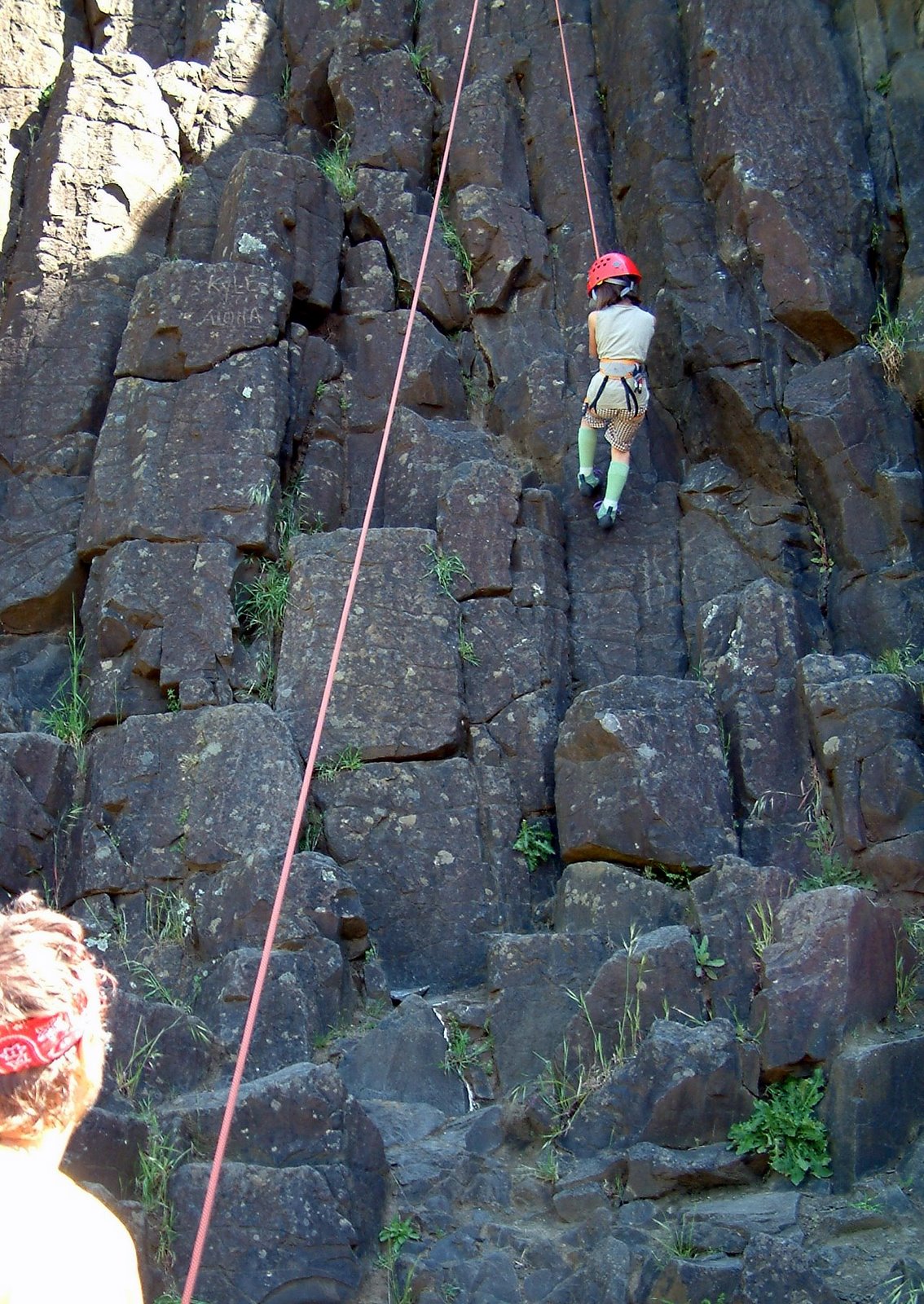
>On Saturday I took my daughter rock climbing at the local rock columns. These columns have been a kind of mecca of sorts, located somewhat near the downtown of our city. Four blocks away is a good rock gym with artificial holds, but there is nothing like real rock. My daughter made it about two thirds of the way to the top and then had to fight against fear to get back down.

Today we went again and this time she made it to the top! The fear was still there, but she did really well and eventually overcame her fear. I think she will become a good rock climber. She started climbing a couple of years ago, first at the rock gym and then once at the columns last year.


Practicing trusting the rope.


Made it to the top!

I am so proud of her.

>bird feeder

>We have a bird feeder in our front yard. Two weekends ago we finished putting in three raised garden beds. Last weekend we bought some plants to put in the beds, and we picked up a bird feeder as well. Since last weekend I have kept my eye on the feeder looking for birds. I was getting discouraged that no birds seemed to find our feeder alluring. Today was the first day I saw birds at the feeder. I had to call my wife and let her know.

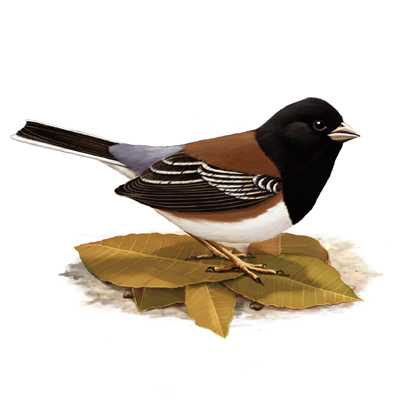
Consequently I made my first ever bird identification. What I mean is I used my Peterson Field Guide to determine one of the birds that I didn’t know. That bird is the Dark-Eyed Junco, or more specifically the Oregon Junco – Junco hyemalis oreganus.

A few years ago, maybe 15 or so, I thought I might do some bird watching. I bought the Peterson Field Guide. I went on a few walks with binoculars around my neck. But birdwatching didn’t pan out. Finally, today the guide came through. There were at least three other birds I saw that I still have to identify, but one is fine for now.

L’amour est un oiseau rebelle

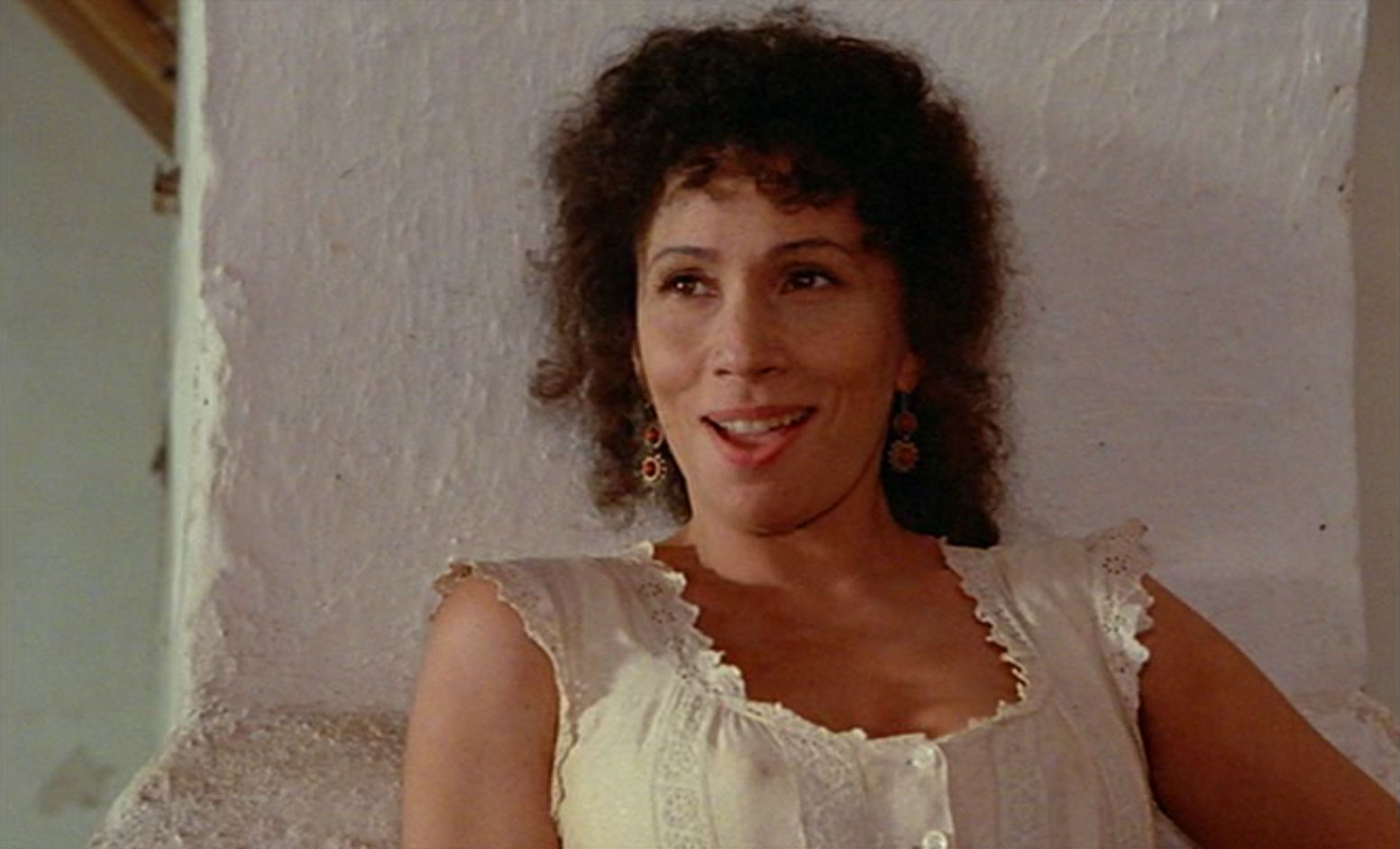
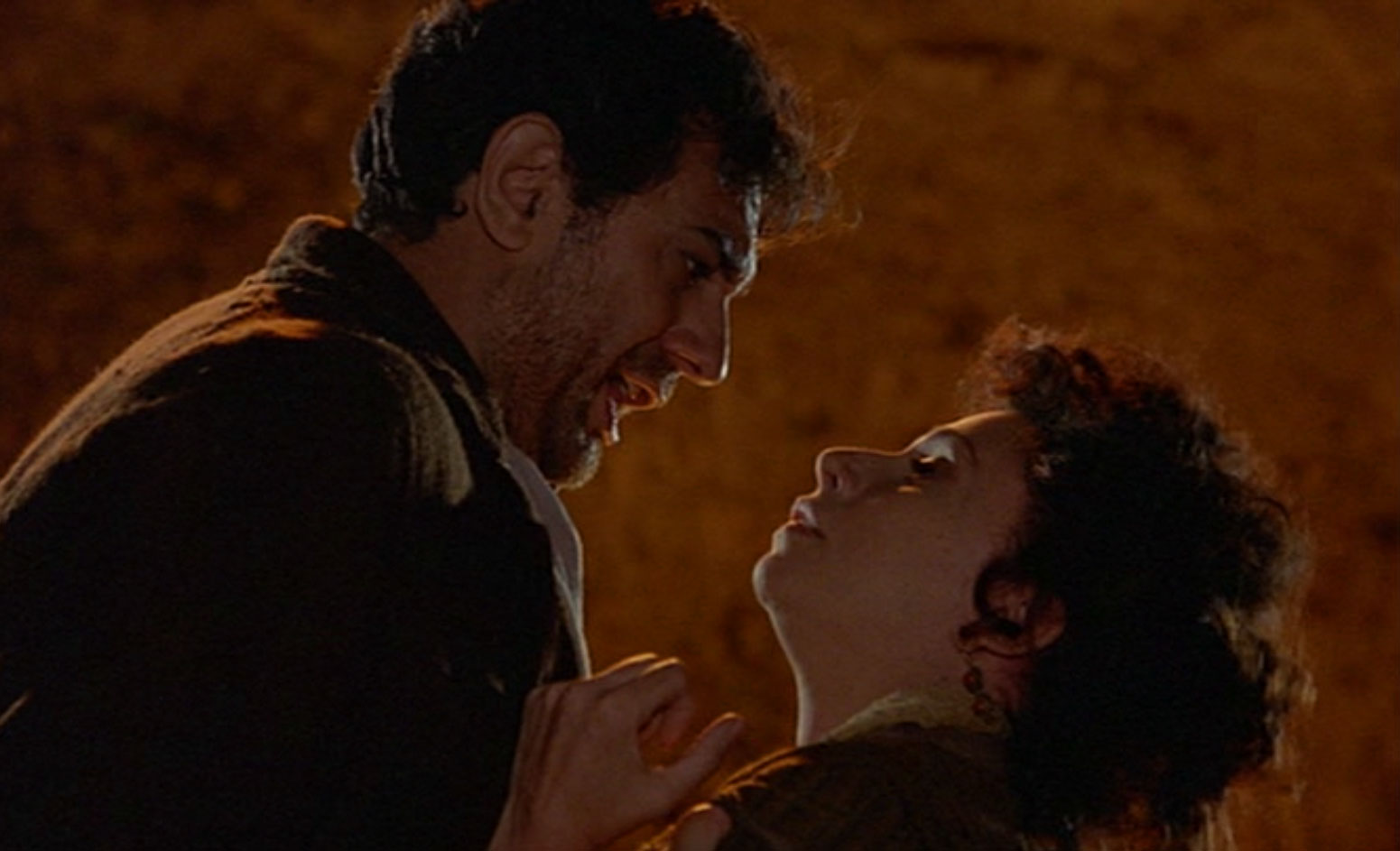
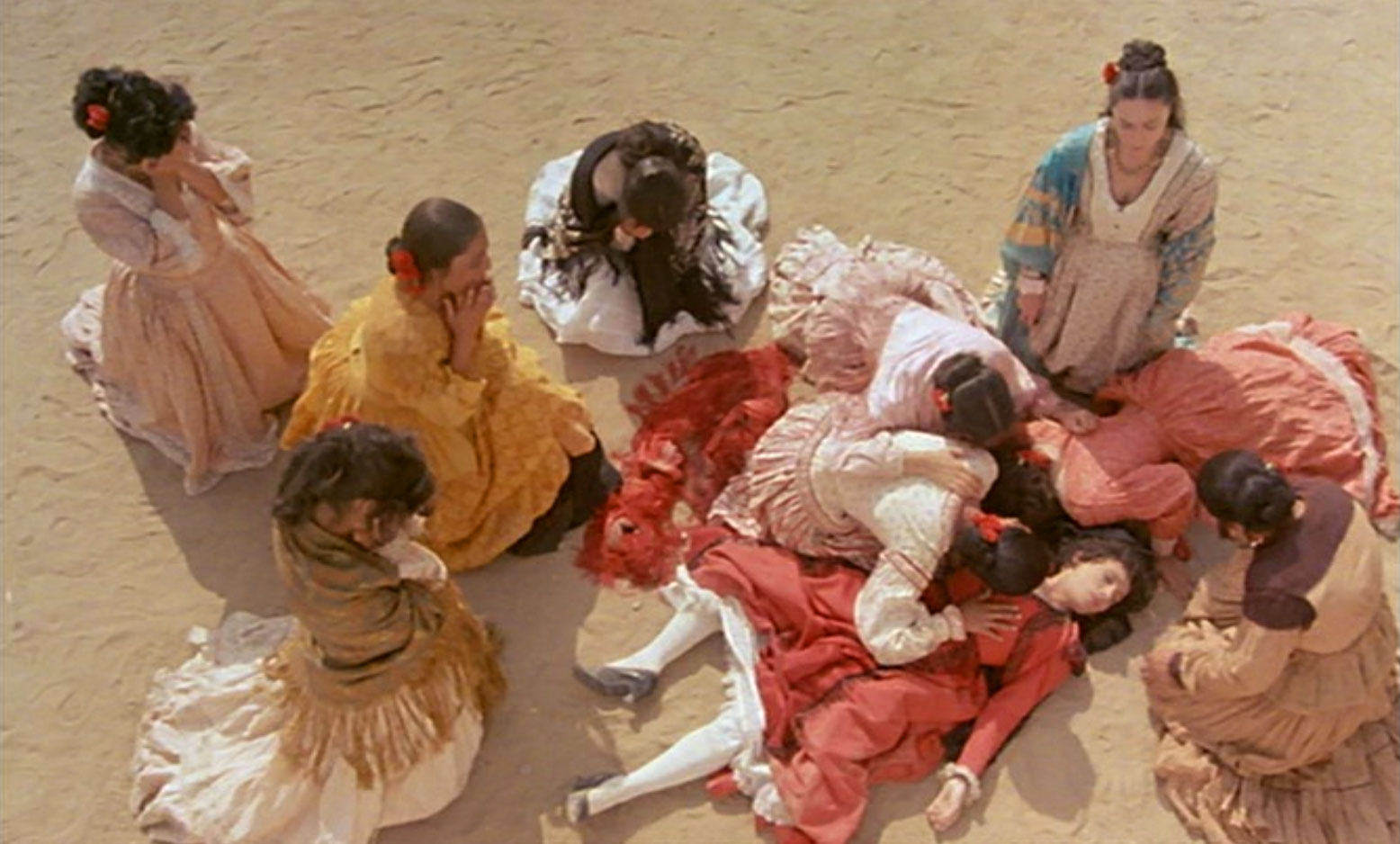
Three images that say just about all you need to know bout the story of Bizet’s Carmen:


And yet, there is so, so much more.

We just finished watching Carmen the other night. This is the 1984 version with Julia Migenes and Plácido Domingo, directed by Francesco Rosi, and filmed on locations in Spain. I recommend this version, though I sometimes found the use of locations and lip-syncing to be a bit distracting.

We are beginning to love opera. My girls think opera is great – they want to see more. Next might be Verdi’s La traviata. We’ll see.

>opera, more opera, and choices worth making

>

If you are like me then your knowledge of opera is largely limited to a few Looney Tunes cartoons (Long-Haired Hare & Rabbit of Seville). I think that’s a bad thing, though I love those cartoons. Recently we got a CD of songs from various operas, sung in English, and geared towards kids – though adults will enjoy them as well. We have been listening to these songs in the car and the girls love them. Our two year old shouts out after each song, “again!”

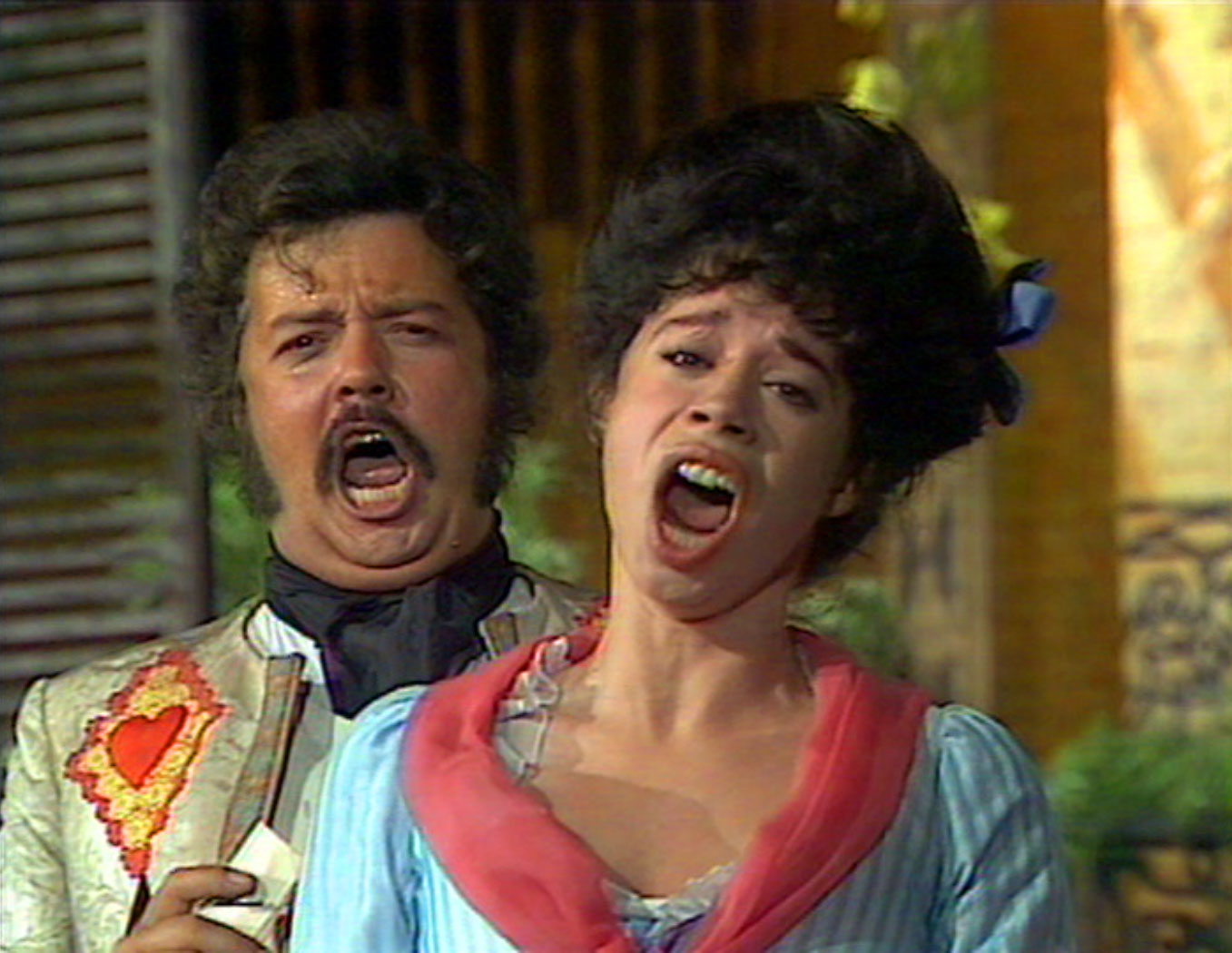
With this in mind I have checked out some operas on DVD from the library and we just finished The Barber of Seville. We loved it. This is the 1982 version made for television and starring John Rawnsley as Figaro and Maria Ewing as Rosina.


Figaro will help Rosina

I was not sure how the kids would take to watching an Italian opera, first performed almost two hundred years ago, now made for 1982 television, with English subtitles, and more than 2.5 hours long. To my surprise and joy they were enraptured. Even our two year old would sit and watch it (sometimes transfixed), then clap at the end of each song. My eight year old watched intently and did not want to spread the viewing over three nights – which we did due to bedtimes.

What a great show. There is no need for me to go into the plot, or say how good the music is, or describe the performances. All that is well known and I am not yet knowledgeable enough to say much, except to say I think it is all really, really good. I can also say that I loved it and so did my family.


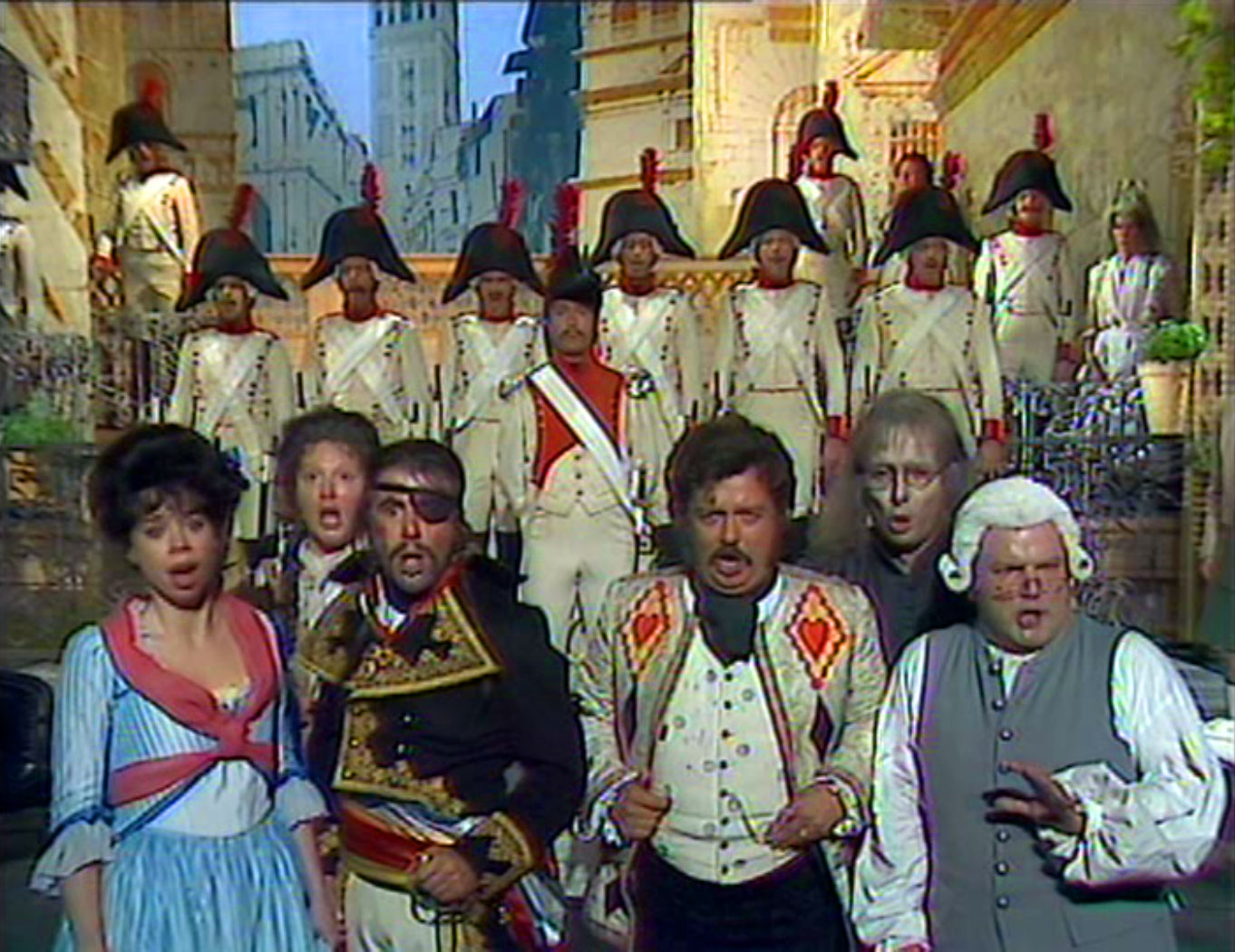
Everybody sings: Mi par d’esser con la testa
in un’orrida fucina
“My head seems to be
in a fiery smithy”

I can’t think of anything like opera. I am beginning to see why some people become smitten with opera. I think I could go down that path as well. But it was not always the case. Like most Americans I grew up absorbing our typical dislike of opera. It’s not that we Americans hate opera, though some do. It’s more that we (I mean most Americans of course) think it is funny and corny, something to make fun of and lambaste. It’s good for cartoons and occasionally setting the mood in a film, but not for putting on the car stereo or playing on the radio by the pool, or taking the time to go and see a performance. But for me that is changing.


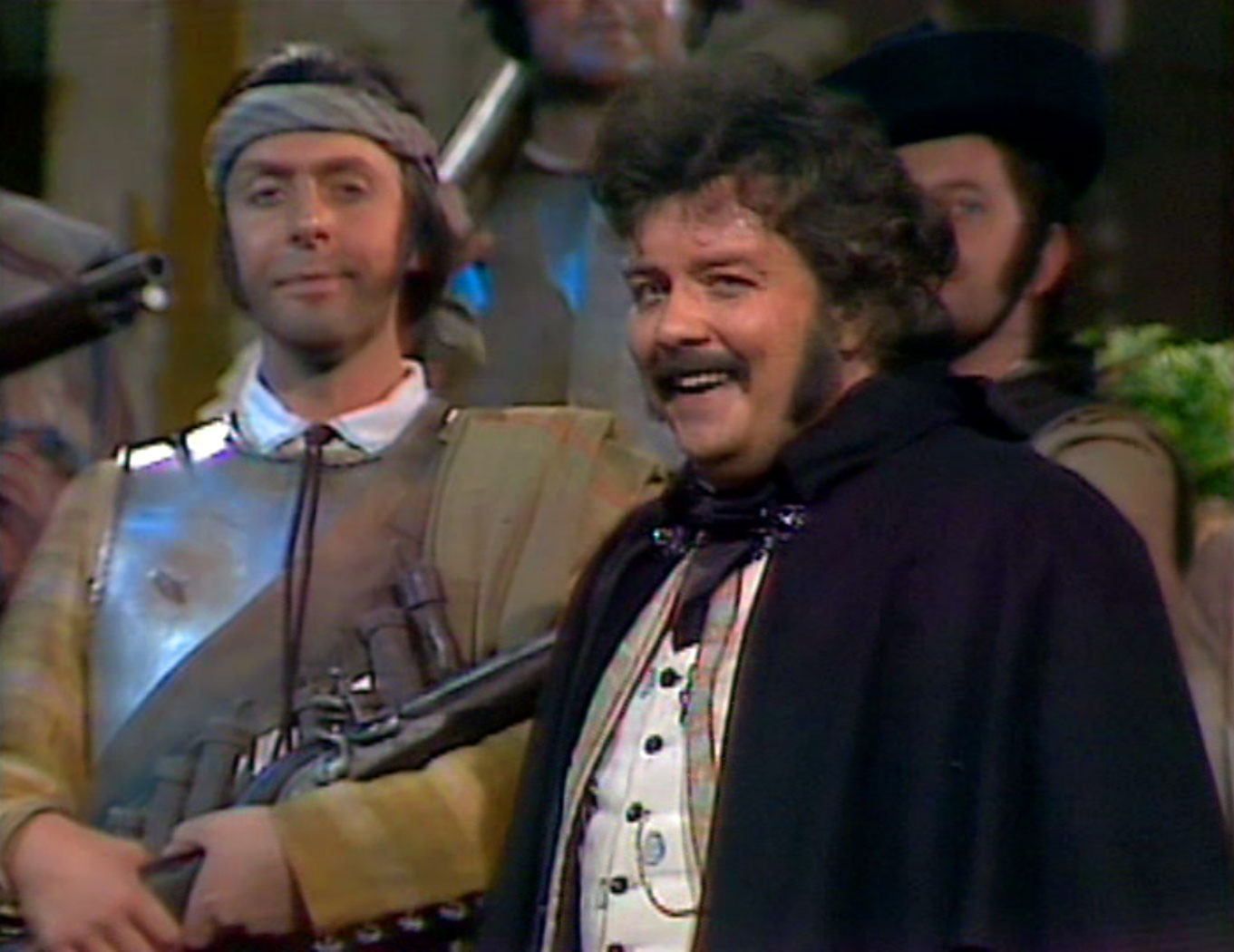
Figaro has triumphed

The triumph of Figaro is my triumph too. By the end of The Barber of Seville I was thinking that more opera is in my future – and my kid’s future.

Years ago I saw a stage production of Bizet’s Carmen, which I loved. I don’t know why or how I got to the the theater. I only remember the music and the sets, which were wonderful. I had the same experience with Puccini’s La bohème. Why I did not see more opera’s I do not know. More recently I posted briefly on watching Das Rheingold on DVD. We still haven’t made it through that one. I realize now I need to see more opera’s more often.

Finally a note on parenting and some choices worth making. My desire is that my kids grow up loving good art, whatever the form or genre. I hope they love opera. At least they will have had some introduction to it. But whether they love opera or not is not really my concern. I am often taken aback by how many parents limit their kids knowledge and appreciation of art merely because those parents have limited themselves. Parents should continue to expand their own horizons, even get out of their comfort zone, not merely for their own pleasure and personal growth, but also because it will expand their children’s horizons as well. Kids are very attuned to what their parents are doing. So often when we don’t choose the choice is made for us. There are plenty of mediocre cultural products lying around for easy consumption. If we don’t make good choices about the art in our lives then our culture will supply us with mediocrity. That is, unfortunately, the default setting. As a parent I want my kids to know that there are great choices out there and that those choices are worth making – whether it’s about opera or anything else.

>A New Year coming

>

This is a time for resolutions, and I will get to those, but first a reflection on this past year.

On life and family:
We (my family) have had a good year. Out girls turned eight and one. Our eldest started swim team and has progressed tremendously. She has also turned into a voracious reader, which makes us happy. Our youngest has continued to surprise us with her enthusiasm for just about everything. My job has, for the present, remained secure in the face of cutbacks and a lousy economy.

The biggest “event” by far was the accident my wife was in, and her ensuing injuries. Our youngest was in the accident as well but came away with only a scratch. My wife ended up with a broken pelvis and other painful injuries. That was more than six weeks ago and she is still in a lot of pain and needs a walker or cane to get around – plus strong pain meds. It will be a while for a complete healing, if that ever truly happens. We are hopeful and blessed at the continual gift of life.

What has been the most amazing experience of this year has been the outpouring of help and love we have received in response to Maricel’s accident. This has been a difficult journey for us in many ways and on many levels. I don’t know how we would manage without the graciousness and goodness of others.

What is hard for me to get my mind around is just how close my wife and daughter came to death. I am so thankful they are still alive. Once again we are learning how precious and beautiful life is.

On blogging:
I started this blog two years ago. My initial goal was to blog about movies and connect with other such bloggers. That I did, but quickly this blog became a place for me to explore other interests including (in no particular order) music, poetry, family, art, politics, chess, food, architecture, theology, religion, travels, and much more. In short it became an online journal of whatever I wanted to write about. This is what I think a personal blog should be.

I had high hopes of doing more with this blog. I was thinking of switching from Blogger to some better blogging tool (e.g. WordPress) so I could get more creative with the design and layout. I had plans to do more in-depth film studies and to write more poetry. I was also going to take a lot more pictures and do extended photo essays. Alas, like you I have a busy life. Blogging does not pay the bills, and it can get in the way of paying the bills or doing other important tasks. So blogging has been another thing that takes up precious time but also gives back some personal joys. Finding the balance is where it’s at.

The resolutions:
I am on the band wagon with most people this time of year. I resolve to lose weight and get in shape. My hope, as long as my knee can take it, is to run (or run/walk) a half marathon sometime in 2009. I am not built as a runner, but I think such a goal will encourage me to eat better, get outside more, lose weight, etc., etc. We’ll see. (Related to this resolution: climb a mountain, ride a century bike ride.)

I also resolve to purge our house and our lives of clutter. We are packrats. We could do better with less. So purging is the game plan. This also includes organizing our finances better, cleaning out the garage, setting up the painting studio again for my wife, and setting up a better music situation (for our guitars, piano, and other instruments). Again, we’ll see how that one goes. We have a lot of inertia to overcome.

I resolve to take more time off work and spend more time with my family. This includes doing more activities like camping and general vacationing. I always seem to have maxed out my paid leave hours (accrued) at work, so I need to use them, and my family needs me to use them. (Related to this resolution: go hiking with my family, take my kids to ball games, have friends over for dinner)

I resolve to finally brew my own beer. My wife got me all the stuff I need, but I’ve just been too lazy to actually do it.

I resolve to blog less and write more. I want to get back to revising my screenplay (and finishing another). I also want to write more poetry again.

Finally, but not really finally, I want to re-connect with my love for the arts. This includes going to galleries and museums more (taking my family of course), as well as read/writing about art. I got a college degree in art history and it still means something to me.

In conclusion:
I pray that this new year goes well for my family, for you, and for the world. I am deeply saddened by the violence, suffering, and death in the world. I want my kids to grow up in a better world. More importantly I want my kids to be the kids to grow into the kind of people who make it their life’s work to love their neighbors as themselves, to work for the kingdom here on earth as they long for it in their hearts, and to know that personal freedom is ultimately about character not mere actions. These are also areas in which I need to grow and mature. That, really, is my new year’s resolution. Of course, that should be my resolution every day.