>true birth

>We have taken the darkness
and cast it down.
We have thrown off our damp things,
stripped away the grime and filth,
given our bodies to the sun,
and sucked in the cool,
fresh air of Spring.
This is a gift.

But we carry with us still
the shadows of our failings,
the bones of our fragile lives,
the ghosts of our tragedies;
and I am here to testify:
Every word that proceeds,
proceeds from the heart.

And this also I know:
I know it is my heart

that needs its own Spring
more than the budless branch,
more than the bloomless rose,
more than the wintry earth.
For it is my heart that longs,
like a seed longs for the thaw,
for its own true birth.

~ 2008

* * * * * * * *

This morning, when I let the dog out, I noticed it was snowing.

An interesting Oregon Spring so far.

>MBA update

>

This evening I defended my thesis. For the most part it was a formality. I think I knew I had it in the bag, so to speak, but I still found myself nervous all day. It went well, and other than needing to make a few minor corrections to my thesis and getting copies at Kinkos and turning them in, I am finally finished with my Master of Business Administration. Yeah!

>the Marios go to church

>Okay, this is just too perfect.

I suppose church organists sometimes have a bit of leeway in what they choose to play during a church service, especially at the very end. Here is a young church organist playing the theme song from Super Mario Brothers at the end of a service.* You can actually hear the final payer being said before he plays. (I am taking this at face value that it is for real.)

And he gets applause!

*Note: For those of you unfamiliar with typical Christian church services, the Super Mario Brothers theme song is not really considered a hymn for solemn worship.

The River

“…that’s the well that doesn’t dry up, is the Renoir cinema.”

~ Martin Scorsese

Jean Renoir is my favorite filmmaker. I say that knowing my preferences could change, and I also have deep currents of love for the work of several other filmmakers, but each time I watch a Renoir film I am reminded why I like his work so much. There are so many obvious qualities to his films, but with Renoir there are also qualities that seem impossible to define and yet you know they are there; something in your heart or gut tells you so. I think this is because his filmmaking is rooted first and foremost in his interest for humanity over and above filmmaking. Filmmaking is Renoir’s tool, but humanity is his subject.


Renoir on the set of The River

In 1951 Renoir shot his first color film, The River. The story is set in India and is based on an autobiographical novel (and screenplay) by Rumer Godden. The story is a coming of age tale about three young women as told by one. It is also a tale of life in India as told by the child of a British colonialist family. And it is a moral tale of priorities, of a tragedy when infatuation trumps love.

I don’t write film reviews, and I am not a critic in any formal sense. I do, however, want to draw some attention to a scene that is so perfectly Renoir in its timing, tone, and love for his characters.

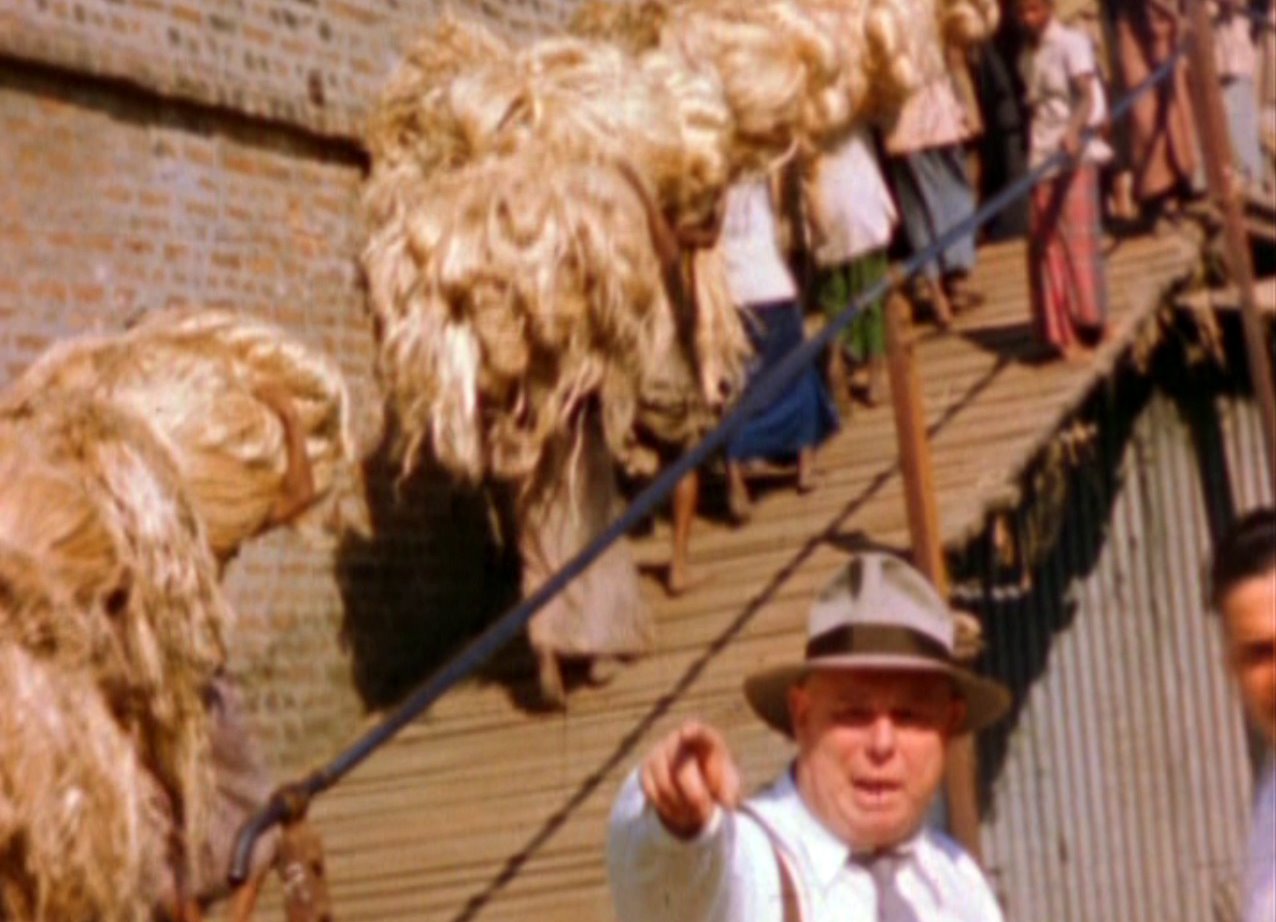
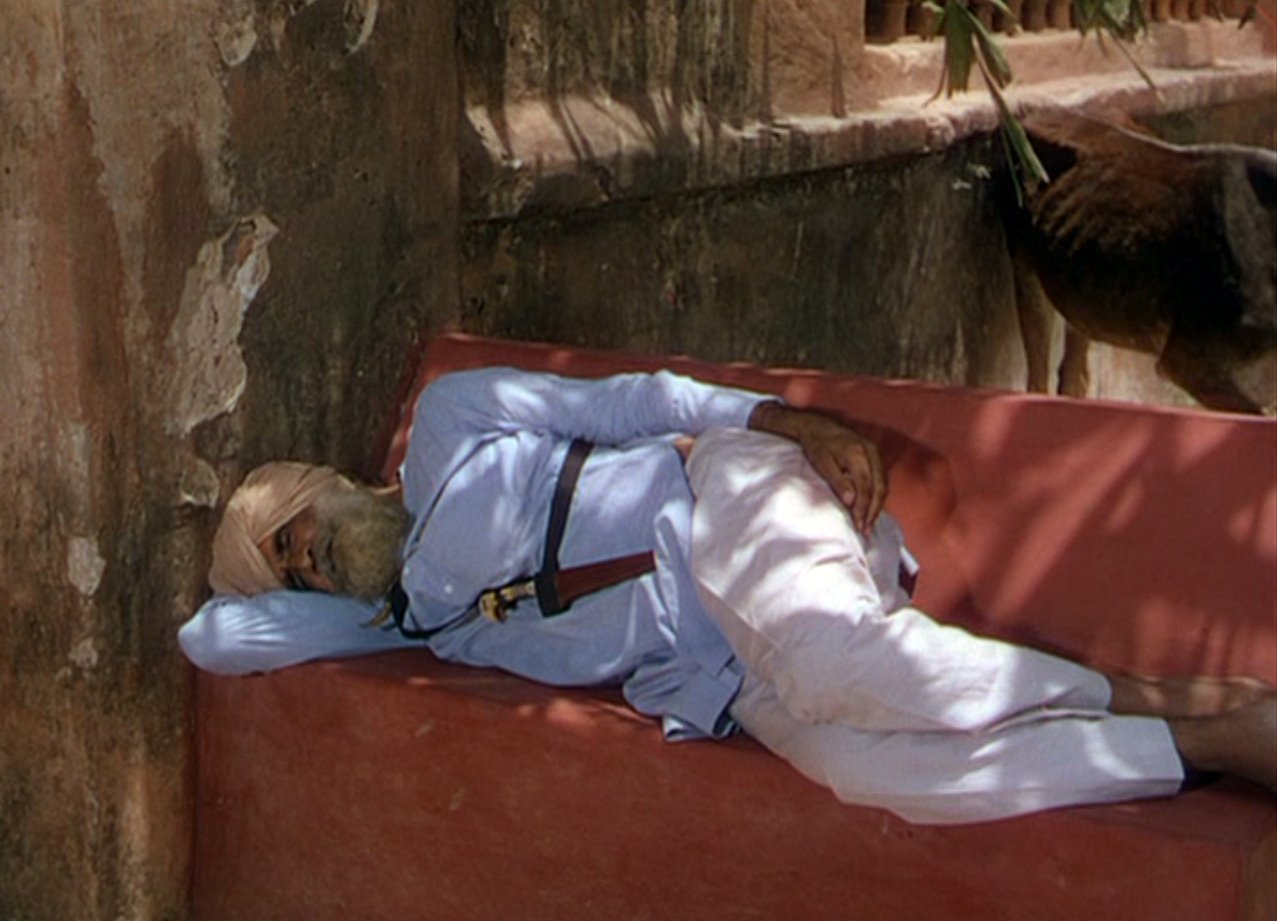
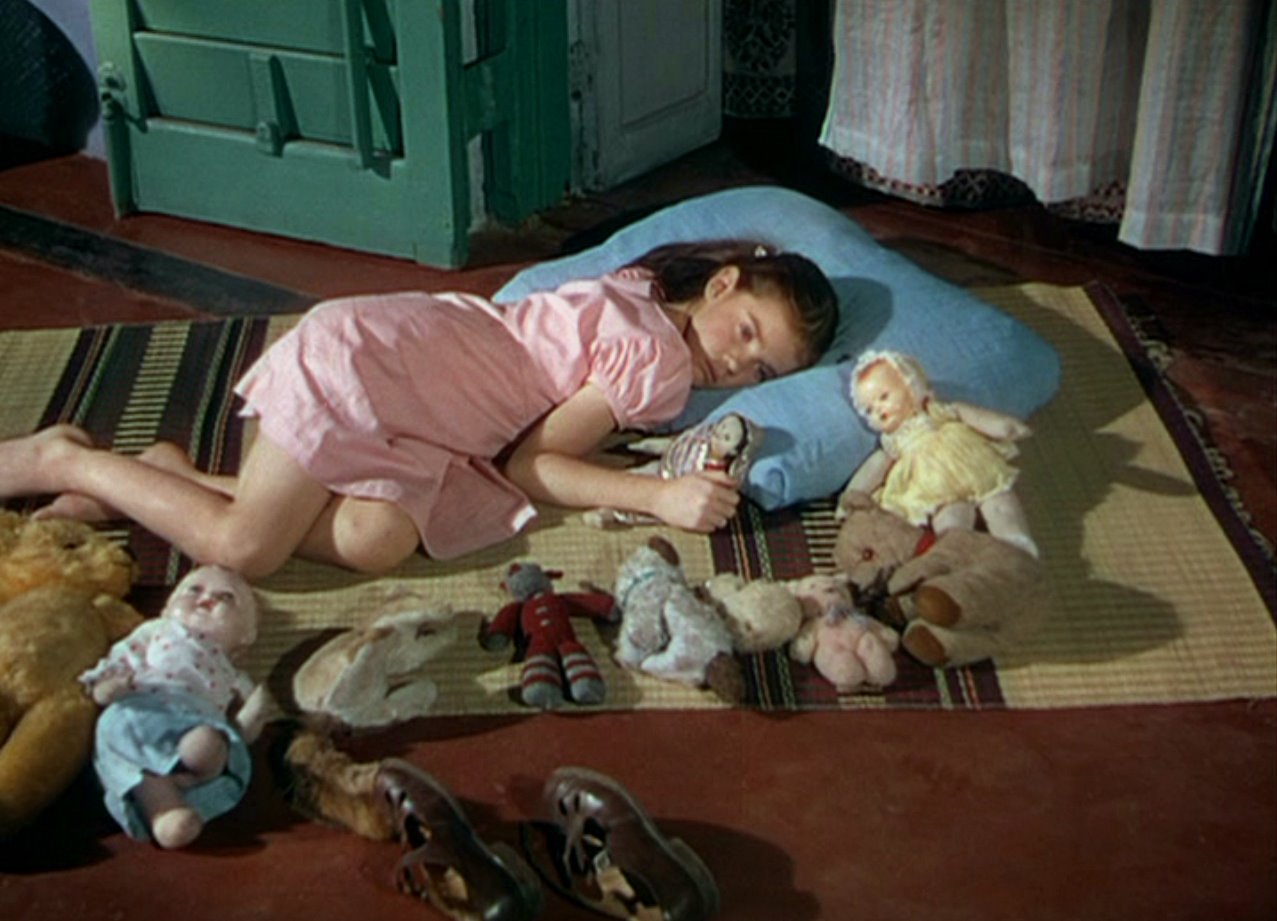
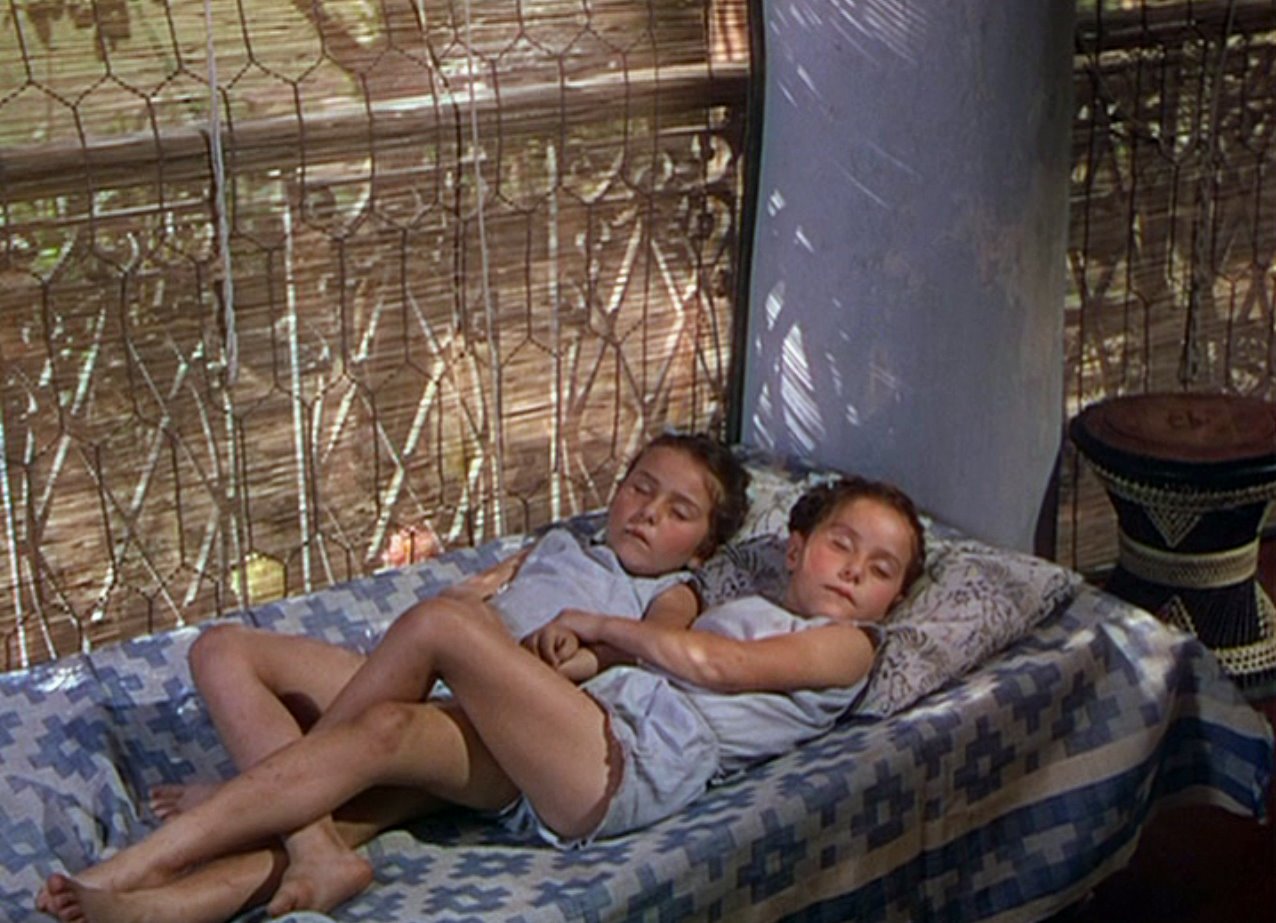
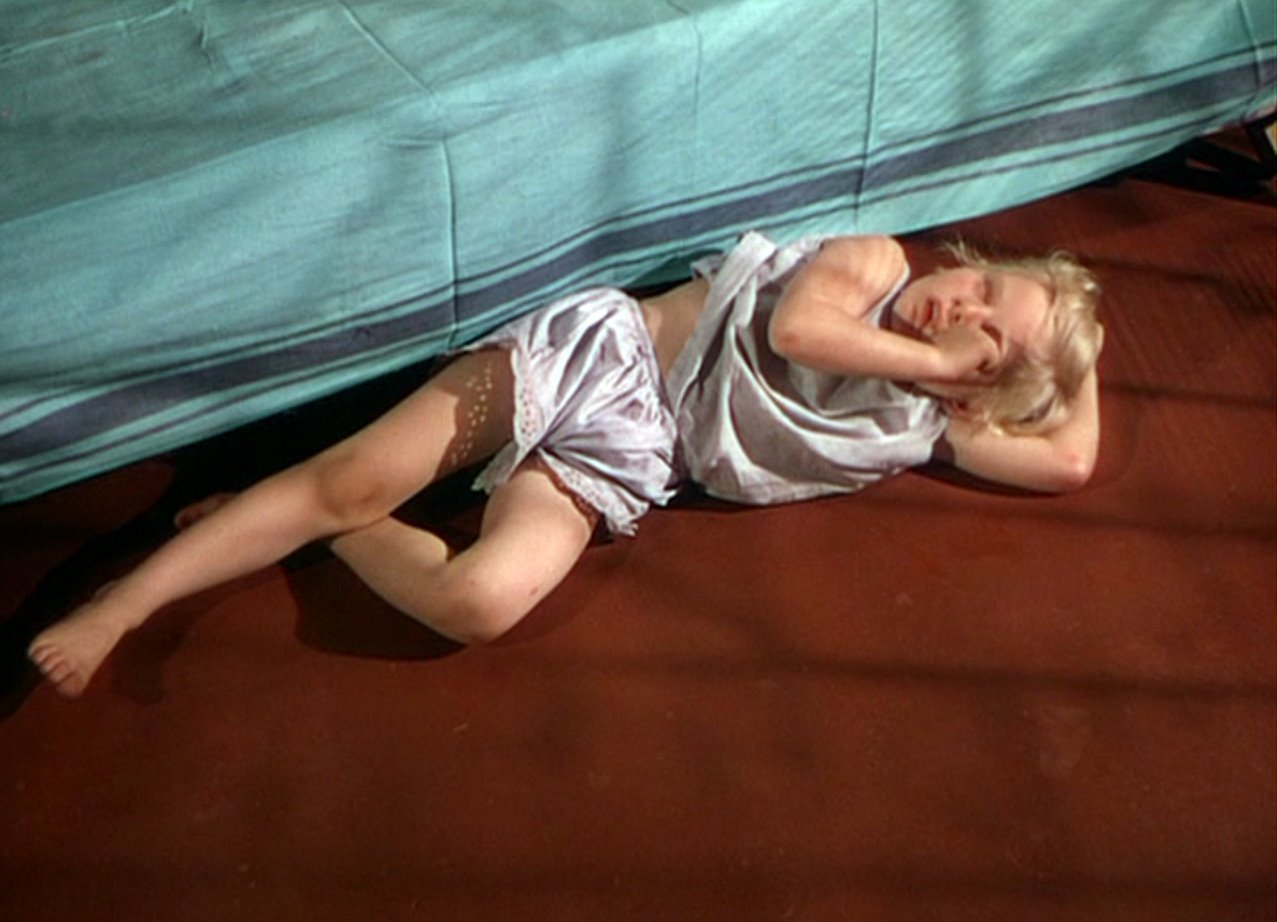
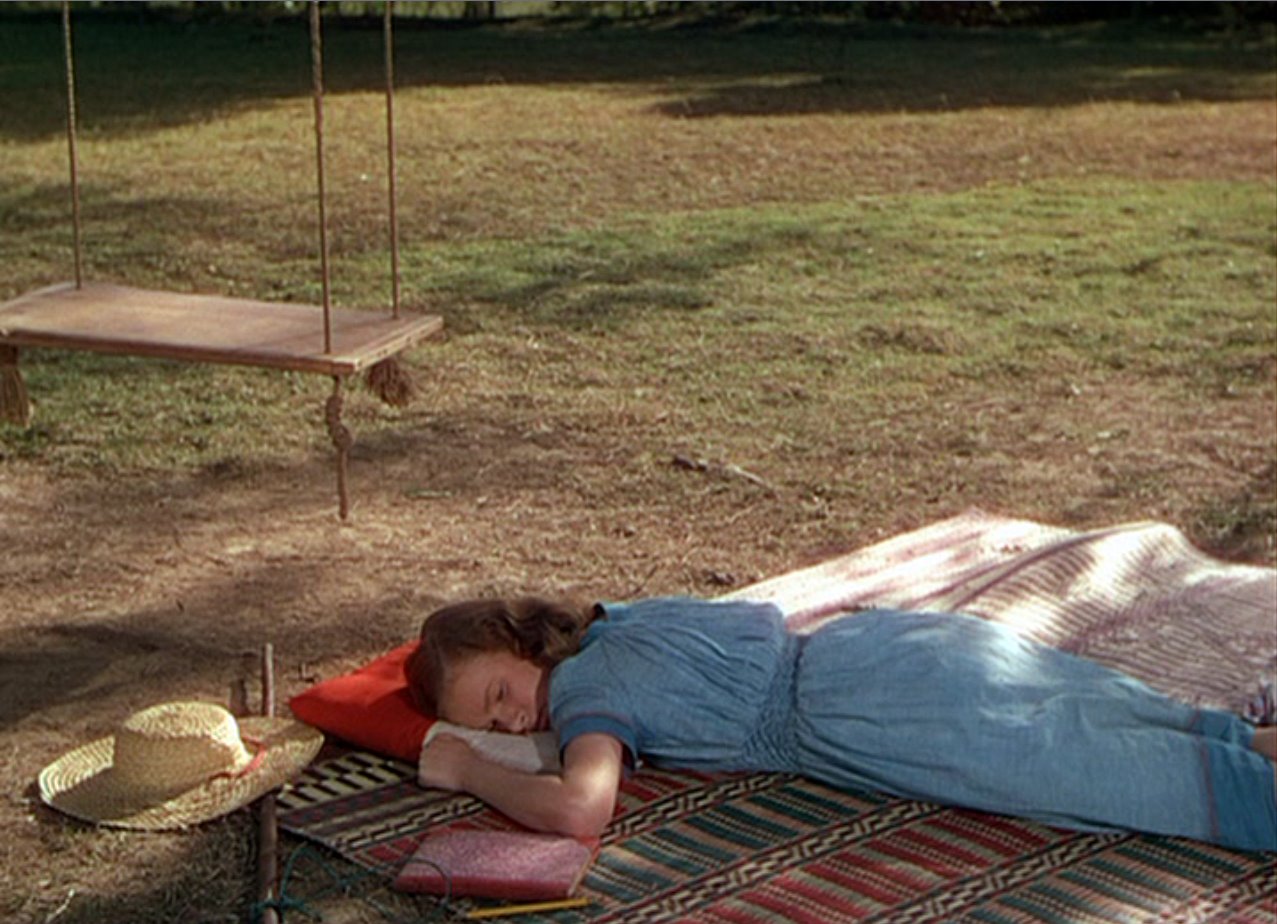
One can argue that the scene is the climactic scene of the the film, although it is not the only climax. The scene consists of a series of vignettes of the family and its servants asleep in the heat of midday. In each shot the camera either dollies in or out (so the screengrabs don’t do them justice), giving each shot a kind of dreamy movement concomitant with the subject, which includes both the individuals sleeping and a picture of a particular kind of life.

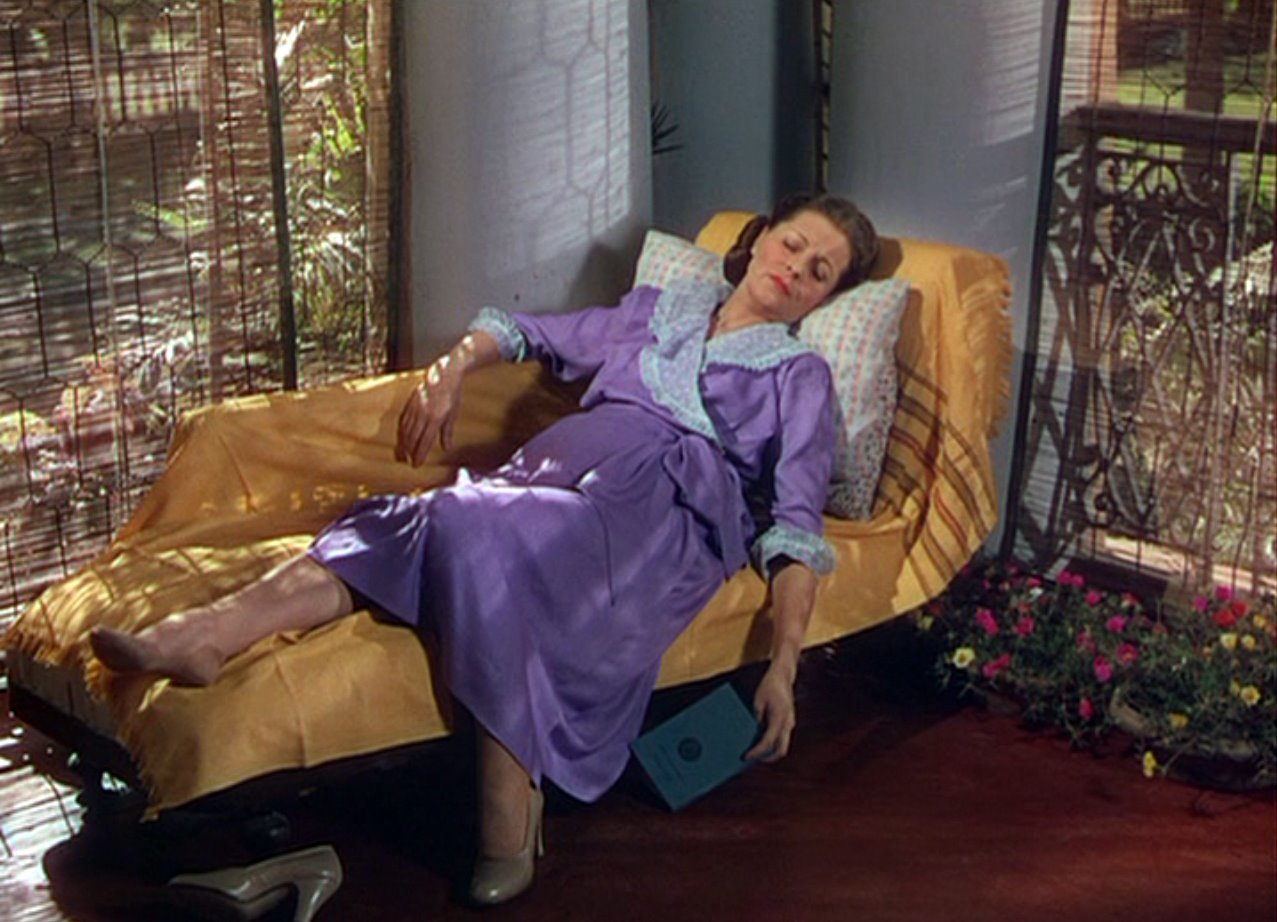
Here we have the pregnant mother:

Doesn’t that image, the way she is posed, the book dropped to the floor but still in her hand, the warm colors, evoke the kinds of images Renoir’s father used to paint?

The rest of the vignettes are similar.

Each of these vignettes has the camera moving in and through the image, composing as it goes, drawing our attention more deeply into the world of the characters. The stringing together of these shots also sets up a kind of emotional pacing that then “pays off” when a horrible tragedy is discovered, a tragedy that was set up earlier in the film and then reinforced just before this series of shots. [I would say more, but I don’t want to spoil the film, even though great films truly cannot be spoiled.]

There is something marvelous in the way Renoir sets up the tragedy. One could say that death comes because others are not paying attention, that they are thinking of themselves. And that is true. But Renoir never finds too much fault in his characters. Renoir’s humanism is one of subtlety and mercy. He finds both righteousness and sinfulness in all his characters. I wrote some about this in my post on Renoir’s Boudu Saved from Drowning.

Renoir was a master filmmaker. His two touted masterpieces, The Rules of the Game (1939) and The Grand Illusion (1937), show him at a summit of sorts. And yet, take a look at his other films, The Golden Coach (1953) for example, or French Cancan (1954), or films such as The Crime of Monsieur Lange (1936), and one finds additional riches from a great cinematic story teller. There is so much in the Renoir vault. Renoir is truly a well that doesn’t dry up.

Young Mr. Lincoln

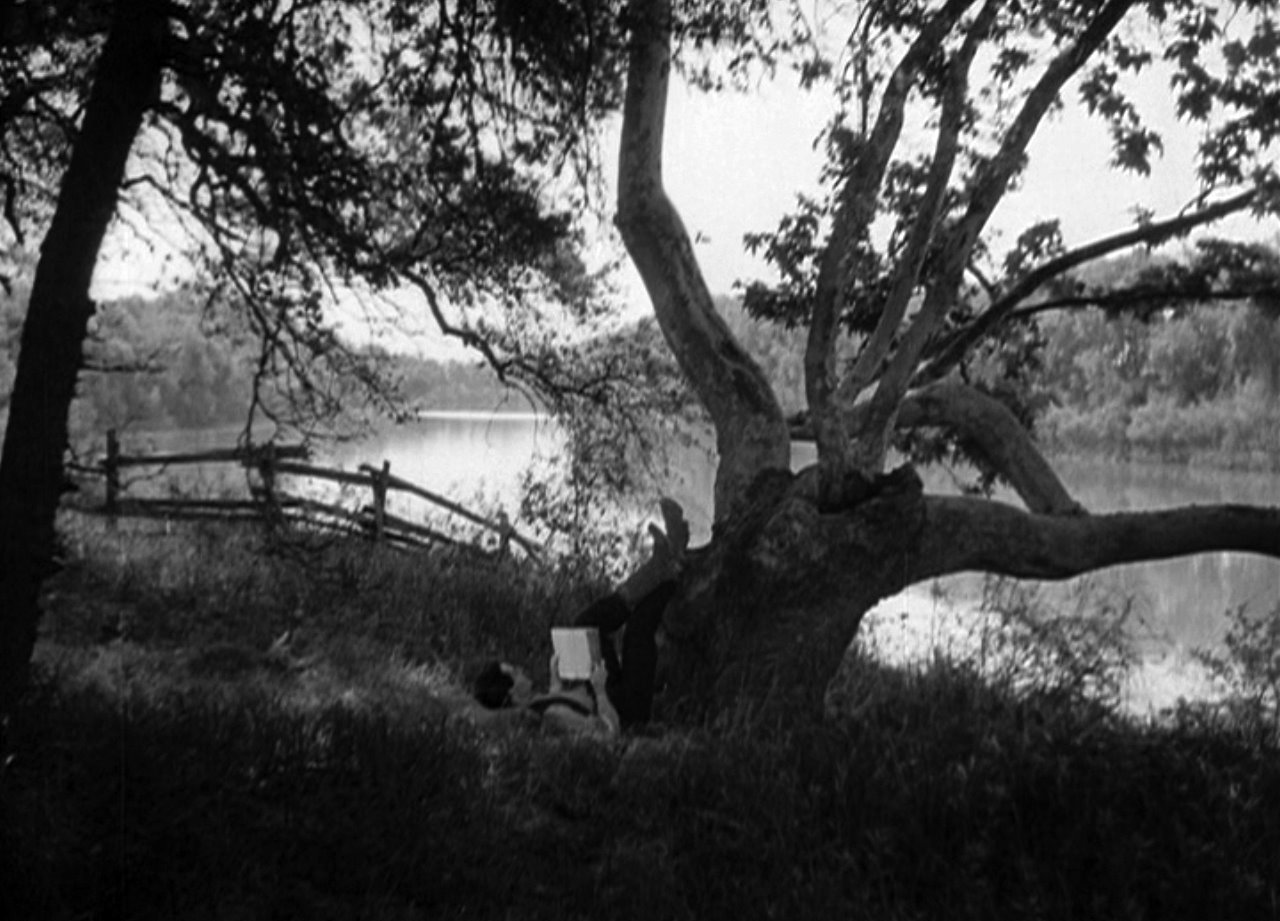
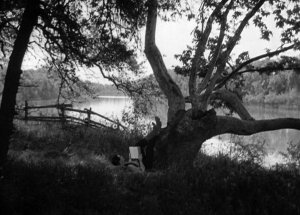
The other night I introduced my daughter to John Ford and Henry Fonda by way of Young Mr. Lincoln (1939). She was excited because Abraham Lincoln is one of her heroes (mine too). The image above, which comes early in the film, caught her interest. Lily loves books and she said the image was where she wants to be: Under a big tree along a river bank on a warm day in a cool breeze reading a book. I couldn’t agree more.

I am convinced that much less attention would be given Young Mr. Lincoln if it were not for that seminal article by the editors of Cahiers du cinéma. Regardless, the film has loads of qualities that would draw anyone into its orbit.

What is so wonderful about Young Mr. Lincoln is how perfectly mythical it all is. Lincoln was a truly unique individual in American history. His life did, in fact, take on the character of myth at times. However, many have added additional myths to his story, as though just the plain truth is not enough. This film is no exception. And yet, Young Mr. Lincoln gives us what we want, at least it gives me what I want: A good myth told well.

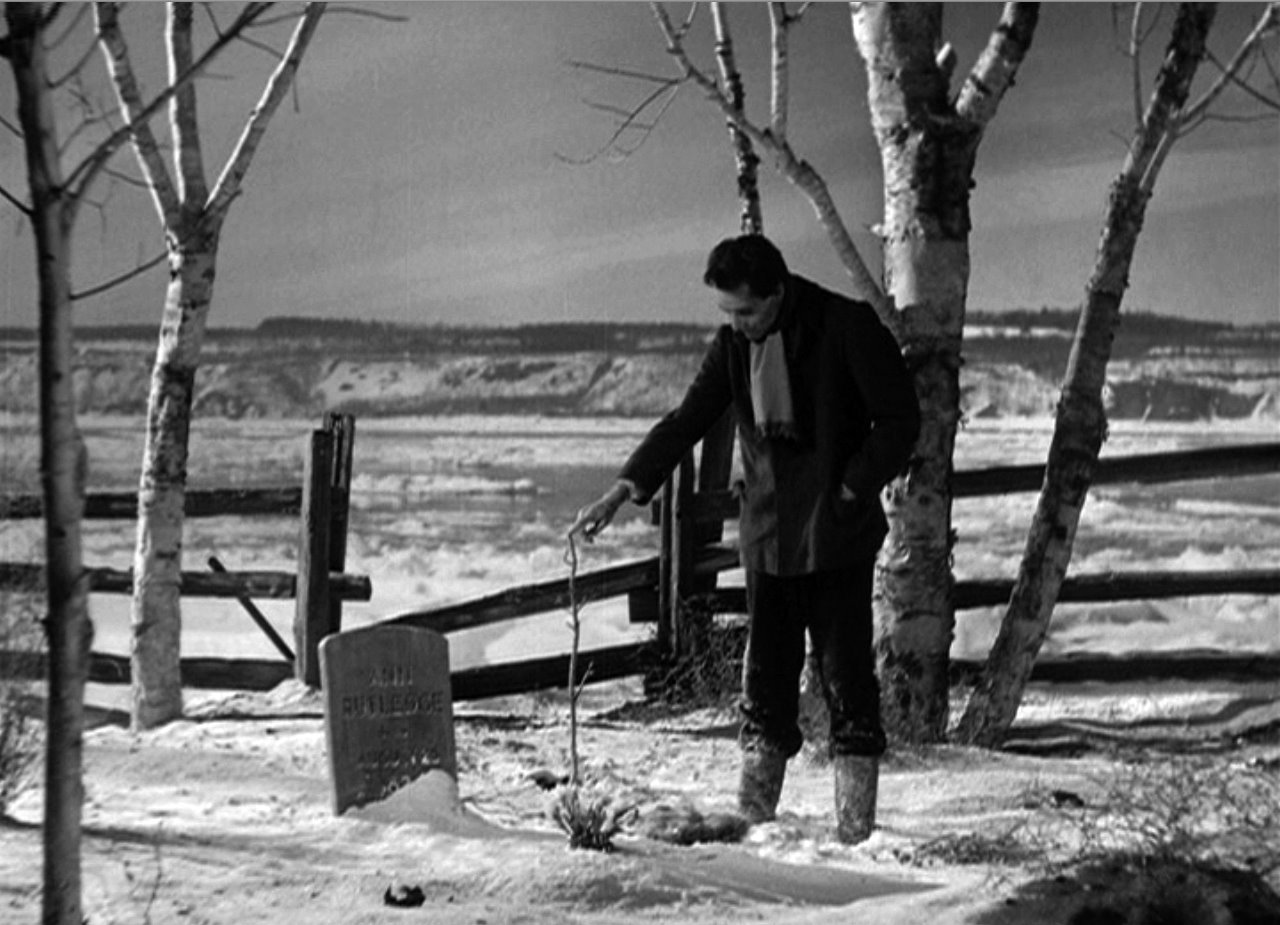
I love the idea that the fate of this nation, and by implication, the whole world, hinges on which way a stick will fall.
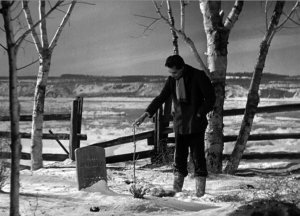
But isn’t that how life really is so many times? The great sweep of human events is mostly out of the hands of any particular person, but frequently (and curiously) it is the individual who makes the difference. And sometimes it is the flip of a coin, or the missed train, or the letter delivered too late, or the accident, or the small good deed that makes all the difference in the world. I like that kind of story. I like the twin ideas that the individual can make a difference and that sometimes it is the littlest things that cause the greatest effect. I think this is a very American preference, though not entirely unique to America.

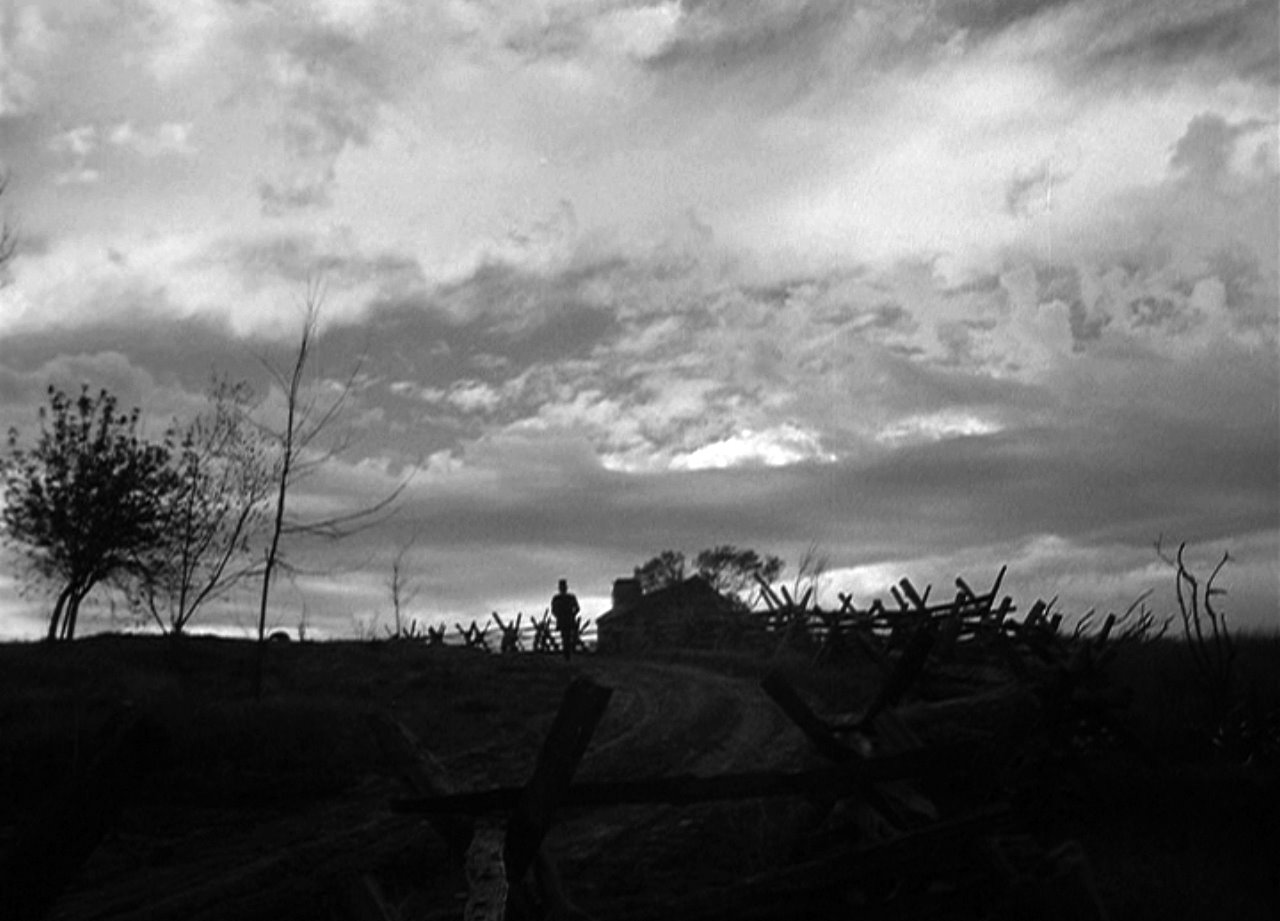
And who could forget the last few images of Young Mr. Lincoln? Two stand out for me.
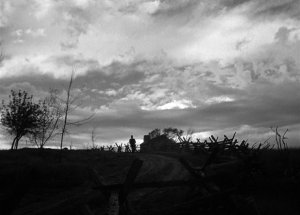
Lincoln walks alone up the hill. His tall figure, with its oddly tall stovetop hat, stands in silhouette against a beautiful cloudy sky. This image portends his future journey into America’s uncertain future, and all that that will mean.
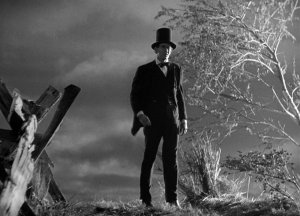
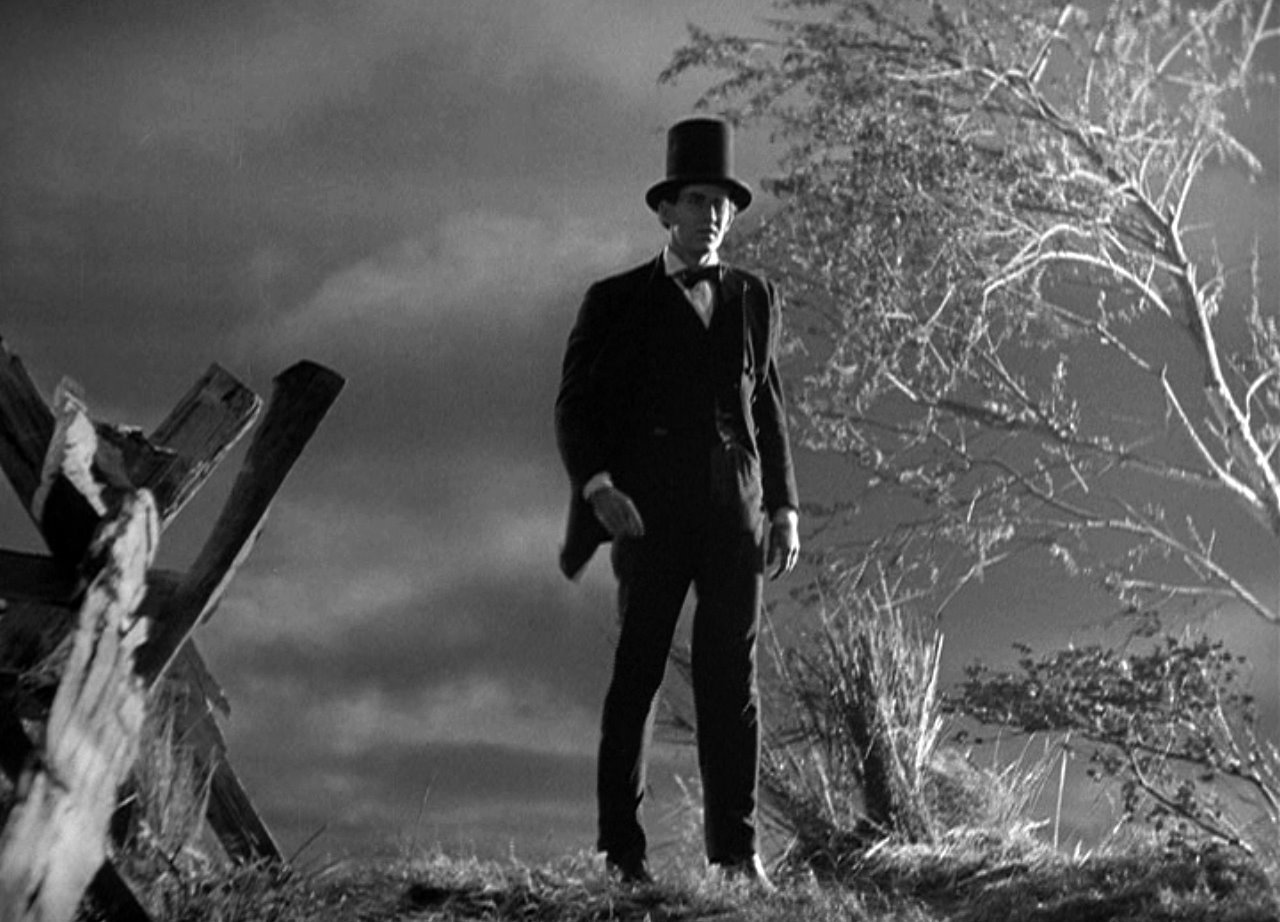
Then Lincoln crests the hill. Lightening flashes. He pauses and looks ahead, maybe to the top of the next hill. He then walks out of the frame. Heavy rain begins to fall. This portends his future as well, but this time the future becomes more specifically defined. His future will be stormy. But he still faces it and walks into it without fear. He is the local hero still yet to become the great hero. He is the young Mr. Lincoln.

* * * * * * * * * *

The beginning of the film includes a portion of the following poem by Rosemary Benét about Lincoln’s mother (Nancy Hanks Lincoln) who died when he was a boy. After we finished the film Lily wanted to go back and read the poem. Then she just had to copy it out by hand. I love that about Lily.

If Nancy Hanks
Came back as a ghost,
Seeking news
Of what she loved most,
She’d ask first
“Where’s my son?
What’s happened to Abe?
What’s he done?”

“Poor little Abe,
Left all alone
Except for Tom,
Who’s a rolling stone;
He was only nine
The year I died.
I remember still
How hard he cried.”

“Scraping along
In a little shack,
With hardly a shirt
To cover his back,
And a prairie wind
To blow him down,
Or pinching times
If he went to town.”

“You wouldn’t know
About my son?
Did he grow tall?
Did he have fun?
Did he learn to read?
Did he get to town?
Do you know his name?
Did he get on?”
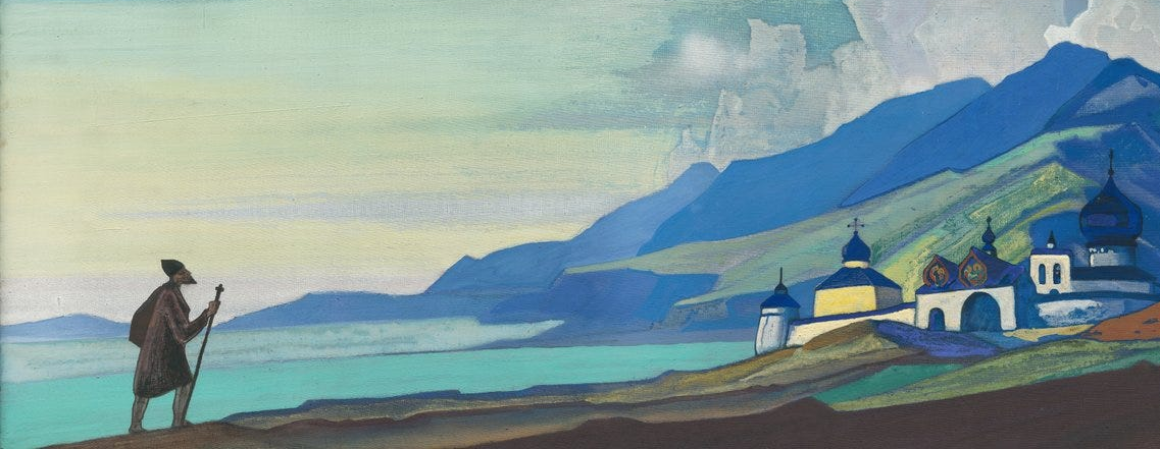

>The indomitable Fitzcarraldo

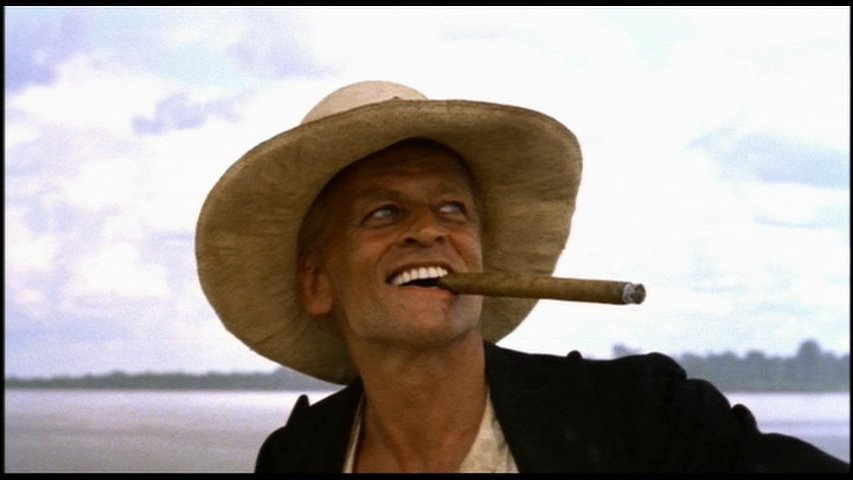
>At the end of Fitzcarraldo (1982), after so much effort has come to nothing, the title character still finds joy. He is a successful loser. A man of dreams and the joy of dreams. I want to be like Fitzcarraldo. I want to be indomitable.

I love this film. It is bizarre and amazing. It is also a wild and woolly romp into the insanity of making the impossible come to life, like the modern Prometheus’ dream. This is true for both Fitzcarraldo and for Herzog, the true Fitzcarraldo. But I want to be Fitzcarraldo. I want to be Herzog. I want to take on the big dream and live through it.

Or more importantly, I wan to be the successful loser. Not that I want to be a loser. But I know that I will lose. I am already a loser of sorts. I have already lost many things, sometimes volitionally, sometimes not. But I want, I need, to find joy in whatever I do and wherever I end up.

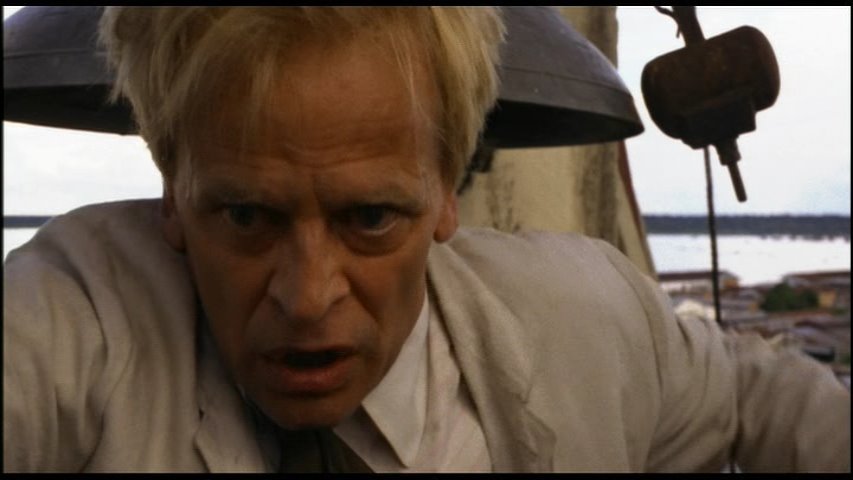
Remember where Fitzcarraldo started. He was a man close to incurable insanity. The scales had nearly tipped against him. His dream ate at him, tormented him, nearly destroyed him.

And yet, when he actually did what was insane, what was the process of his dream, he found joy. There is a lesson here. Fitzcaraldo did what he was made to do. He plunged in to the substance of his existence. He lived out his fate. He lost. He found joy. In this sense one could say that Fitzcarraldo’s dream was a kind of grace, a blessing as it were, bestowed upon him like near death experience brings about a new love of life.

And then, when he returned, Fitzcarraldo found, once again, another uncertain future, but that’s another story. And that is life, and maybe opera.

Rear Window Sandwich

The other day my daughter Lily asked to see Rear Window again and I was happy to oblige. In fact I was thrilled. I’ve seen the film many times. She had only seen it once before (she’s not yet eight, there’s plenty of time).

I haven’t thought much about Rear Window, or read much about it either. I just love it and watch it periodically. This time something caught my eye that I hadn’t really thought of before: The analogy between L. B. Jefferies’ consuming fascination with what is happening outside his rear window and his biological need for food.

Here is the scene that caught my eye:

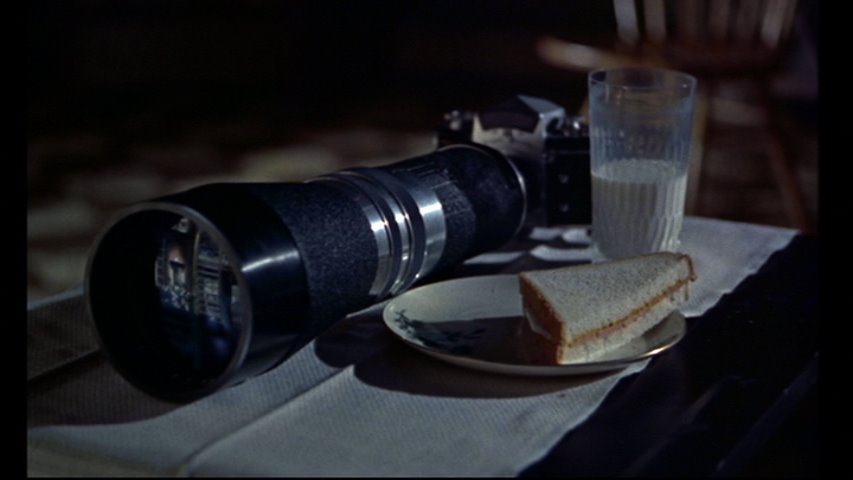
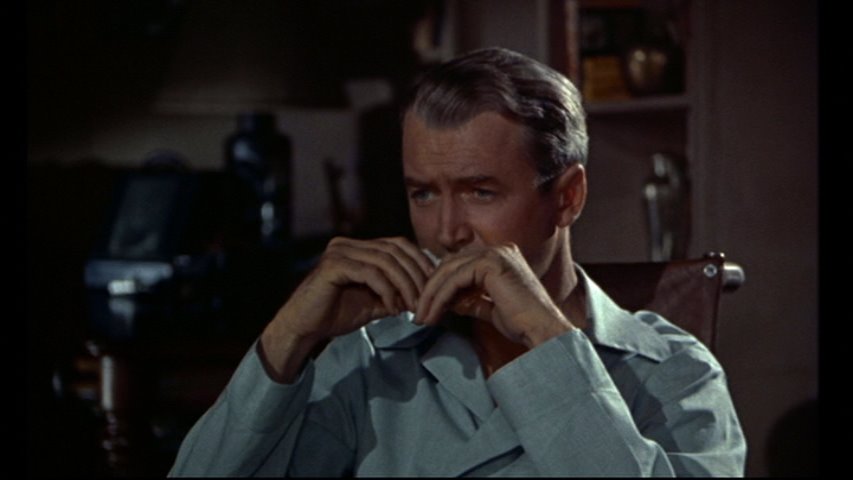
In the half light of evening we see an image of a half of a sandwich, a glass of milk, and a 35mm SLR camera with a large telephoto lens.

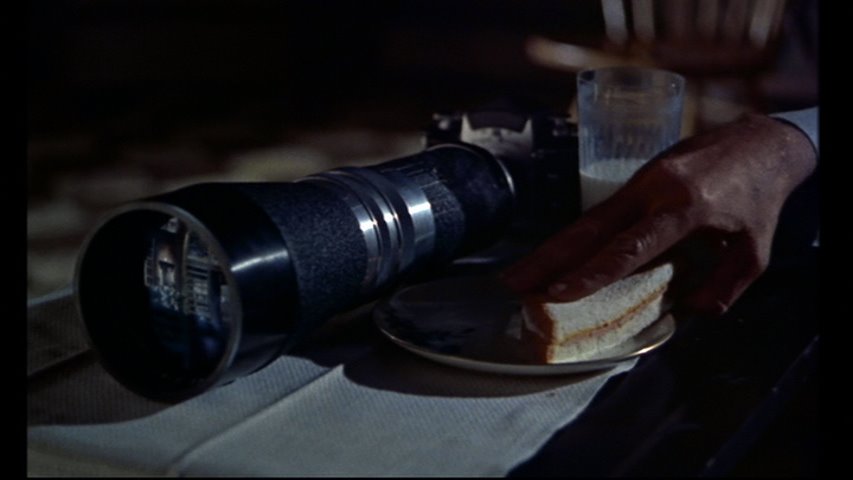
Then we see Jefferies’ hand reach for the sandwich.

From the context we know that Jefferies is sitting in his wheelchair, looking out the window, and looking at his neighbors.

We cut to Jefferies eating.

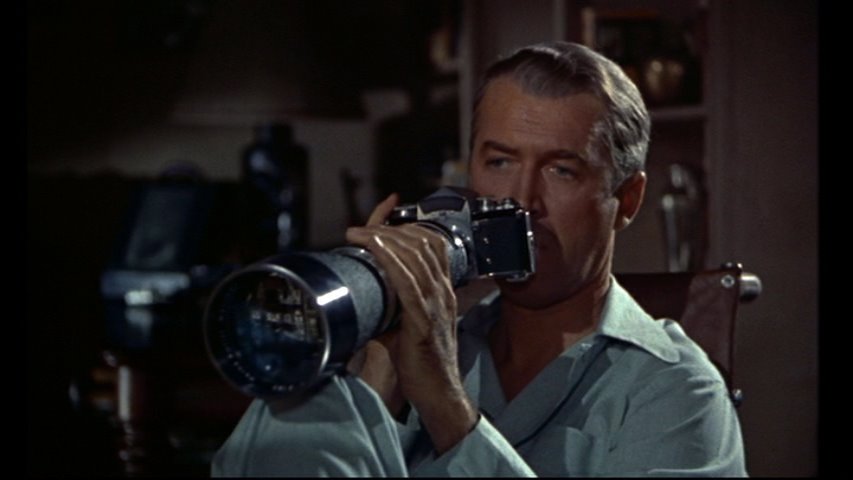
Interestingly, he holds his sandwich much like we’ve seen him hold his binoculars.

Of course this won’t last for long. He switches out his sandwich for his camera and telephoto lens.

I’m sure someone has written in depth about this already, but anyhow as I see it, Jefferies, being human, of course needs food to sustain him physically, but in the same way, he needs to spy on his neighbors for another kind of sustenance. His obsession with his neighbors, and in particular Thorwald and Thorwald’s wife, provide mental nourishment while he is couped up in his apartment with his broken leg. In this sense his voyeurism, and ours by implication, is really no more unusual than his hunger for a sandwich. It is basic to his nature, almost as though it is biological and involuntary.

But is Hitchcock right to make this connection? Is voyeurism merely biological and involuntary? Or is it a moral issue? Or is it both?

>Nowa Książka (New Book)

>Over at Andy Horbal’s blog he discusses, among other things, the Polish filmmaker Zbigniew Rybczynski. Andy’s post reminded me of Rybczynski’s 1975 short film New Book (Nowa Książka), which is a film I showed in a media studies course about 18 years ago. I had almost forgotten that wonderful little experimental film.

Here is the film. It might take a while to load because it is coming from a Chinese web site.

One thing that makes this film technically remarkable is the fact that this was made before the advent of digital video or non-linear editing systems. Each of the nine individual screens had to be synced up with each other without (I presume) the benefit of timecode. One can see how the action will sometimes speed up or slow down just slightly in individual screens as though being adjusted for the pacing of the other screens. I also love the soundtrack.

More importantly, New Book is an interesting look, albeit limited, at life in communist Poland in the mid 1970s (and not that I know much about that). As one follows the man in the red coat through the various screens from the upper left to the lower right and back, one also watches his apartment while he is gone. Who is the man in the red coat? What is this new book he is carrying? What is going on in his apartment while he is away?

>pauses like flowers

>

ambient

like waves in corners
like ripples in the lee
we pore across tables
islands buoyed upon graces

where are we streaming from?

these reliquaries
of flesh and bone
these uneasy havens
this night of saints
and then to delight
grab strands and threads
flex
to hang in conversation
in blackness
heavy cream and music

we strolled
gamboled intently
at each others borders
knowing the softness of truth
the malleability of love
the beauty of death
and this is the fragrance
of exquisite evenings
friends and friends
and pauses like flowers

~2000

*painting by Marc Chagall, 1926

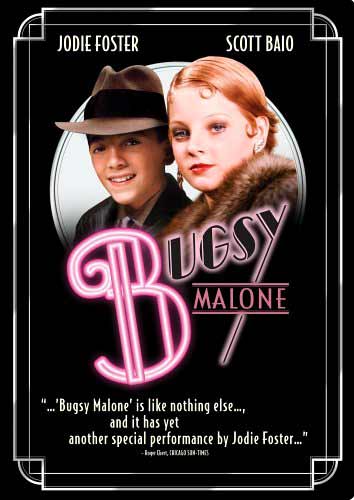
A different high school musical: Bugsy Malone

We own both High School Musical (2006) and High School Musical 2 (2007). I have to say that I like both of them quiet a lot, because they’re so perfectly goofy and I like to see that musicals just might make a comeback. And they tend to get played over and over again in our house. This is, of course, because my eldest daughter loves the films.

I remember (or rather I reminisce) many years ago I was similarly taken with another musical featuring high school aged kids rather than adults. In this case, though, the kids played dress up, apparently raiding the old clothes trunk in their grandparent’s attic. I am referring to the musical Bugsy Malone (1976).

Bugsy Malone was directed by Alan Parker. Interestingly, his next film was Midnight Express (1978). I can’t think to two more diametrical opposed films. The story of Bugsy Malone takes place during prohibition. There are gangsters and gals, rich and poor, big song numbers, lots of dancing, and a pie fight. It’s just good fun, thought it may be a bit dated by now.

The songs were written by Paul Williams. I think it represents some of his best work. Here is the final big number:

One aspect of Bugsy Malone that I alway appreciated was it’s look at all strata of society – or at least a picture of our greater society presented as its simplified “world.” In many ways this is a very mature film, especially given that it’s a musical performed by kids. Here is one of my favorite numbers:

And, in case you didn’t know, Bugsy Malone featured a great performance by a young Jodie Foster:

I don’t have any idea what the future of the musical will be, but I have to say I don’t think it is a dead genre. And I don’t think musicals have to be only animated features. The two High School Musical films show that good songs, good performances, good choreography, and shiny happy people can still make for a fun time.

Finally, if you’ve got nothing better to do at work, here’s the complete Bugsy Malone (complete with Swedish? or Norwegian? subtitles too).

http://video.google.com/googleplayer.swf?docId=-2544817728959240414&hl=en