>Nagasaki mon amour

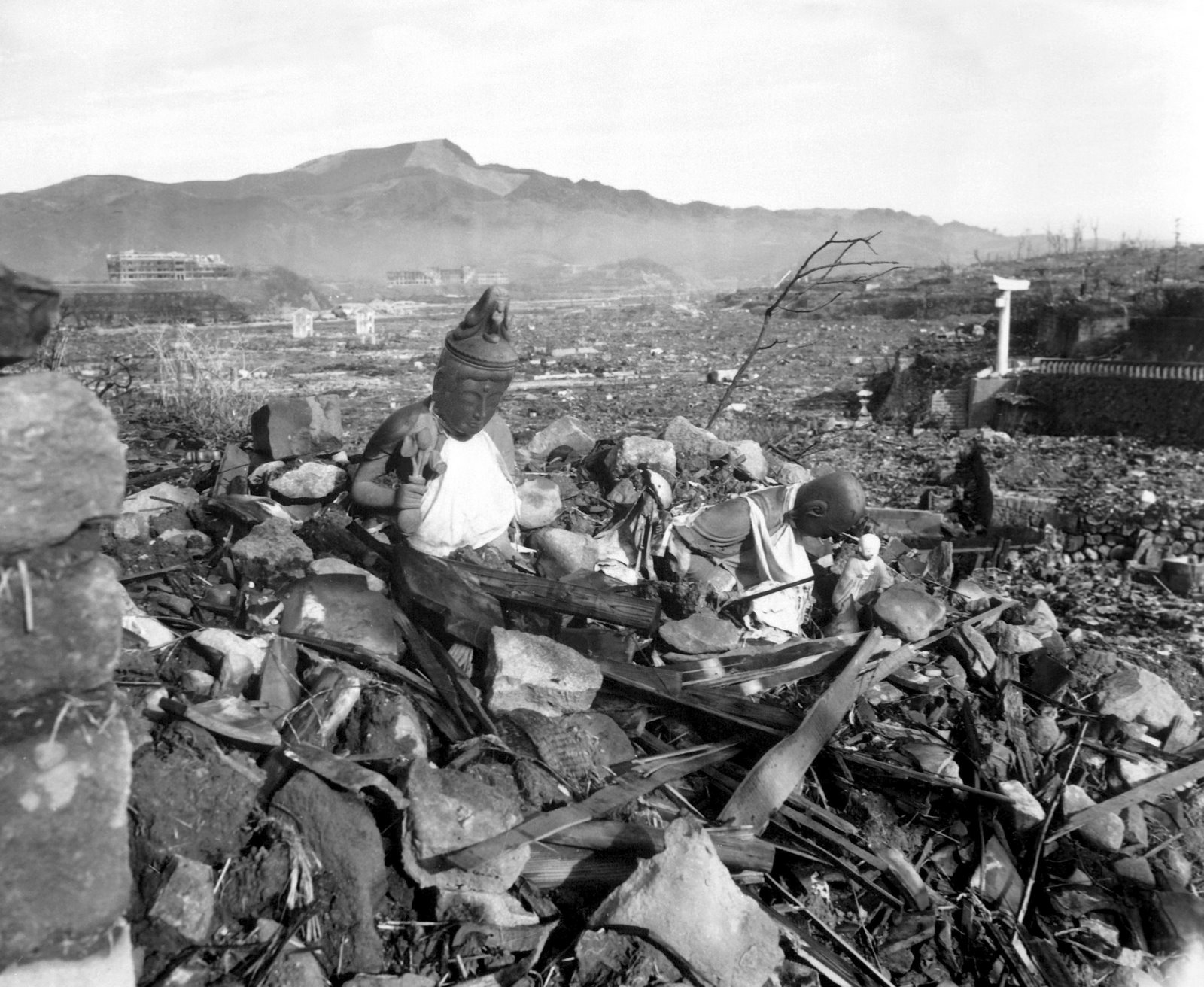
>Three days ago I posted briefly on the nuclear bombing of Hiroshima in 1945. Today is the anniversary of the second nuclear bombed used against humans. That second bomb was, as we know, dropped on the people of Nagasaki.*

Normally I am not focussed on such events, but I had a strong sense that I should not post on Hiroshima without posting Nagasaki. Also, we must remember these events, their ramifications, their implications, and the reasons why they occurred. I am inclined to think that any bomb, no matter how big or small, used against humans, especially civilians – including children – is reprehensible.

The existence of bombs (and all things military for that matter) is a result of failure – failure to love, to forgive, to show mercy, to give grace, to allow for differences, to be content. But there is a unique place in human history for atomic bombs, not merely for the scale of the horror they unleash, but also because they are an ultimate symbol of failure.

Here is a video clip of that bomb and that fateful day:

There are two striking facts in that video: 1) The signing of their names on the bomb itself by those who built it and delivered it. Somehow they knew of the impersonal nature of what they were unleashing, that they had created something of ultimate terror yet were entirely disconnected from the intended victims, so they had to deliver their names with the bomb. And yet, they did not shrink from being merchants of death. 2) The military video only shows the stunning explosion from the air and not of what was really happening under that mushroom cloud. This preserves the images of the bomb’s “beauty” without the suffering. Those are the images most Americans continue to have of those bombs.

These facts continue to our day. Soldiers still sign their names to bombs and give names to their weapons. The news still largely focuses on the awesome beauty of weapons rather than on the horror they unleash. But we are called to something greater.

*It seems more appropriate to say the people of Nagasaki or the people of Hiroshima rather than just use the names of the cities themselves. Sometimes city names conjure images of maps, and those bombs were not dropped on maps.

>podcasts for the movie crowd

>

I have become something of a podcast nut lately. There is a ever growing number of podcasts on just about every possible topic, including movies. The following is a list of the movie-related ones I have discovered. All are available in the iTunes store for free. I’m sure most of you know about these already.

NPR Movies is of the typical NPR genre: Staid, subdued, intelligent, and hosted by emotionally controlled individuals who come across more as radio hosts than film buffs. Not only film reviews, this show has a magazine format which includes good interviews and pieces on various aspects of filmmaking and the film industry. As one would expect from NPR, the production quality is exceptional. NPR also has a the ability to interview film industry notables. What is lacks, however, is cinephilia passion as well as deep analysis of films. (Something that is largely lacking in all the podcasts. I address this more in my comments at the end.)
Content: 4
Creativity: 3.5
Production quality: 5
Total Score: 4.2

Filmspotting is maybe the most representative of the cinephilia ethos. Filmspotting is my pick for the best overall podcast on the list. The hosts are true film fanatics who exude a love of all things cinema, but also back it up with knowledge. They also have a good chemistry as they banter their way through reviews, opinions, poll results, and lists. What keeps this podcast moving is the combination of wit, pace, and the ability of the hosts to draw connections between many films – as any good cinephile can do. This is currently my favorite of the film podcasts though its overall score is the same as NPR Movies.
Content: 4
Creativity: 4.5
Production quality: 4
Total Score: 4.2

Movies 101 is a rather straightforward version of film reviewing. Three people talk about a weekly list of films in a roundtable format. The hosts are knowledgeable and congenial. This show does not have nearly the energy of Filmmspotting or the slick production values of NPR, but it is a decent and intelligent movie review show. I have to say this show is not geared toward the younger crowd or the cinephile crowd, but a thoughtful middle-aged-plus crowd that likes their low cholesterol popcorn.
Content: 2.5
Creativity: 2
Production quality: 3
Total Score: 2.5

Movies You Should See is a hip, edgy (what does that mean exactly?), roundtable discussion of old and new films by enthusiasts (though not cinephiles – if such a distinction can be made) who talk as much about themselves as about the supposed topic. Most of the shows take looks at older films, which makes me happy. Although the production quality is fair and the conversations can seem to go on too long at times, the group is funny and their language is sometimes hilariously profane. The format, however, is simply a small group of 20/30 somethings gabbing about movies the way most any intelligent group would, which makes it both interesting and leaves one thinking, “don’t I already get enough of this in my own life?” Still, it is worth keeping in one’s queue.
Content: 3.5
Creativity: 3
Production quality: 2.5
Total Score: 3

For the most part these podcasts are a great addition to other film-related resources, like blogs and film mags. On the other hand, what I would love to hear is a podcast that incorporates deeper film criticism rather than the hosts merely having a conversation about current films and entertaining us with an unscripted light-weight debate.

I would like to hear a podcast that considers trends in film theories, connections with academic currents, film history, and aesthetics. I would also like to hear a podcast that finds and explores the kinds of living connections films have with the other arts, with culture and society, with language and psychology, and with the social sciences.

In essence, I would love to hear a podcast that incorporates the best of the film and media professors I had in college with the best of the film critics doing a combination of an off-the-cuff as well as scripted show, maybe something like Radio Lab for movies. (Ah Radio Lab, maybe the best podcast in the world.)

Do you know of any others worth listening to?

>a lesson in trees and mudslides

>I live in the Northwest, a land of forests and rivers, mountains and valleys, and rain. For many years the primary industry in the Northwest has been wood products, such as logging and sawmilling. There has been a lot of controversy in recent decades around the wood products industry’s tree harvesting (logging) practices, in particular the practice of clear cutting.

Recently I stumbled across this video about the ramifications of clear cutting and over cutting:

http://services.brightcove.com/services/viewer/federated_f8/1509319618

I cannot help but think that the problems that lead to the mudslides was not mere ignorance. I have to believe it was also greed.

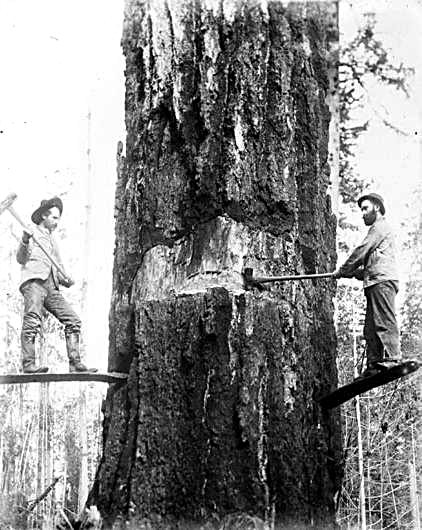
If you don’t live in the Northwest you might have an image of logging in your mind as something like this:

In reality, modern logging is more like this:

No wonder clear cutting today is leading to unprecedented levels of over cutting. With that kind of technology in one’s hands, and money is to be had, why not just cut down as many trees as fast as one can?

For me this is a personal issue. I grew up in the wood products industry. My grandfather and father owned and operated a couple of sawmills. In the early 1980s, when the economy tanked, those mills went the way of so many in those days – belly up. That was an extremely difficult time for my family, and many families in the Northwest. I remember the great tension between the wood products people and the environmentalists. I remember bumper stickers that read: “Make our forests grow, plant a Sierra Clubber.” But I know I have slowly changed over time. In the past I was not a “treehugger” type of person, but I do find myself more and more falling on the side of the environmentalists. And I do listen to TreeHugger Radio. But I also know the reality for many families who rely on the wood products industry for their livelihood. For me it’s not merely about clear cutting and the loss of old growth forests, though that is part of it. For me it’s about the whole picture, about how we manage and abuse all the resources we have, and about our motivations and justifications. We are sinners after all.

*Note: It would be rather difficult to produce a picture today like the one above of the two loggers. There are not many trees of that size (old growth) left anymore.

>lest we forget

>

Today, in 1945, at 8:15 AM, the atomic bomb known as Little Boy left the bombay of the U.S. bomber known as The Enola Gay. 57 seconds later it exploded over the city of Hiroshima and its civilian population.

The United States of America is still the only country to use nuclear weapons against humans – including children.

>The Video New Wave (as of 1973)

>

The portable video camera changed everything. In 1967 Sony introduced its DV-2400 Portapack (the Video Rover) and video production was placed in the hands of ordinary people, almost. It was still expensive, but universities could get the technology and students could take it out and start shooting. This camera system great contributed to the growth of video as an expressive and personal art form. Of course, many still used studio technology as well. By 1973 the form was established and growing, enough so that WGBH in Boston created a show on the topic (see clips below). Now our cell phones create digital videos that can instantly span the globe, or be posted online. But it all started somewhere.

1.

2.

3.

4.

5.

6.

Maybe what is most fascinating about these kinds of technologies (and I include the Internet, mobile phones, etc.) is their democratic nature. Throughout the 1970s and 1980s there was a feeling that video, because it was so portable and instantaneous, could be at the vanguard of personal expression, the interchange of ideas, and forging new ways of seeing ourselves, and thus creating a better world. And it was, though a better world has proven to be elusive. In the 1990s those hopes shifted over towards the Internet, which has proved to be even more conducive to the spread of ideas. But our heritage includes a heavy (by today’s standards), black-and-white, reel-to-reel, portable video tape recorder and camera system invented in the 1960s by a Japanese corporation that would later give us the Walkman, Compact Disc, and DVD.

>kids outdoors

>I am blessed with two beautiful daughters. They both love the outdoors. I find myself increasingly interested in understanding the relationship between kids and nature, that is, how nature plays a role in how kids grow and develop.

Recently I took my eldest daughter on a backpacking trip. Although the “work” of hiking and carrying a pack was not something she loved doing, I did see her come alive at every moment she was able to play and explore. This makes sense to me, and it makes sense when I look at my own life. I am reading a book called Last Child in the Woods: Saving Our Children from Nature-Deficit Disorder by Richard Louv.

The basic premise of the book is that in our present age children are not getting into direct contact with nature the way children have for all of history up till now. Nature has been pushed aside because of distractions like video games and computers, by time pressures, and by fear. This lack of nature in kids lives is having a profoundly negative impact on children and our society.

Below are a couple of videos that look at this topic.

When I look at my own life I know that I also suffer from nature deficit disorder. I spend too much time at the computer, on-line, in a cubicle, in front of the television, etc. It’s not just kids that are suffering, it’s all of us who live too much indoors and on-line.

>those troubling red letters

>There is an interesting religious movement going on in the U.S. today. Maybe “religious” is too strong of a word. Better might be “not-so-religious” movement. Some are calling it Red-Letter Christianity. Simply, it is a reaction to the hijacking of Christianity by right-wing politics and culture. More complex and profound is its focus on the teachings of Jesus as its foundation, which may sound like a strange differentiation among groups calling themselves Christian. This movement stands in sharp contrast to the often less-than-Biblical Christianity of many high-profile Christian leaders today.* Many non-Christians like to point the finger at Christianity and call out how bad it is. My gut response is to say, “you don’t even know the half of it.” I say this as a committed Christian who desperately seeks to follow Jesus in who I am and all that I do.

The focus on “red letters” comes from the fact that in many older bibles the words of Jesus are printed in red ink. Those who are part of this movement are calling themselves Red-Letter Christians.**

We live in a post-Christian world, sociologically and culturally speaking. In recent years (read decades) Christianity has been tagged as anything from intolerant to irrelevant. Many feel that Christians are merely self-righteous demagogues who say they love others as they condemn them. Unfortunately, this is often the case (but it is not always the case, as the Red-Letter Christians are trying to emphasize). The following video, rather pointedly, gets at part of the problem, at least, that Red-Letter Christians are confronting:

One of the problems, of course, is the problematic “need” to be morally superior in place of the more difficult task of truly loving others as oneself. This is a human condition, a result of what we are at our core. So it is part of my condition. Jesus’ harshest words were for the self-righteous religious leaders of his day. Lest we forget, these were the properly behaved and “family values” people of his day. Jesus’ softest words were for those whom the religious leaders condemned. If Jesus is our example then we should try and act as he acted. Somehow many Christian leaders, who have studied those same red letters, do not see the irony staring back at them.

But there is another problem with mainstream evangelical Christianity in America, that is its slavish and embedded relationship to American right-wing politics. Religion and politics have always gone together in this country, but the past twenty years have seen a radical increase in the way evangelical Christianity and the political right have forged a power-focussed agenda. This very interesting report below takes a look at that relationship and some alternatives that are bulbing around the fringes of mainstream Christianity:


In that video there was mention of Shane Claiborne. His book The Irresistible Revolution: Living as an Ordinary Radical is a very interesting and challenging read, especially if you’ve grown up in a conservative Christian environment. I enjoyed it very much and it has contributed to my current views.
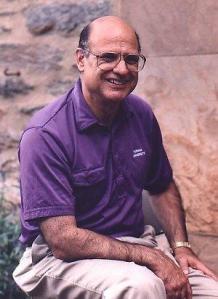
So then, what is Red Letter Christinaity? Here and here (in an interview from 2004) Tony Campolo, sociologist and Christian apologist, explains what Red-Letter Christianity is all about.

Why does this interest me? I have a long history with Christianity. I have wrestled with its truths and its sub-cultures. More than ever I believe in those truths, and more than ever I have issues with its sub-cultures. Red-letter Christianity is not the complete answer (I am wary of any “brand” of Christianity that includes an additional label), but it does call attention to the way Christianity has always tended to deviate from its core truths.

Humans want to be God and call the shots, but Christians know they can’t be God, so they tend to invent a version of God they can believe in, say He’s on their side, say He wants them to establish His kingdom, and say that kingdom looks like an American BBQ with nice people wearing flag pins and hating liberals. (I joke, but it really is worse than that.) But I also find in myself a tendency to excuse a life of selfishness and pragmatic expediency by pushing forward a kind of self-righteousness. In other words, I don’t follow the teachings of Jesus very well and I’m rather good at pointing out how others are failing. Yet, deep in my heart, I want to be challenged and reminded of what is truly important – to love my neighbor as myself, to care for the poor and the suffering, and to not let politics or social norms get in the way.

Of course we are in a political season (in some ways we always are) and we have troops overseas killing and getting killed (which always raises deep issues of faith and morality). There is no wonder that religion is playing a big part in the various debates going on around these topics. In part two of the video above Avi Lewis interviews Tony Campolo about religion and politics, and interviews a military chaplain about the tension between war and the Christian commandment to turn the other cheek:

I cannot unequivocally endorse Red-Letter Christianity, if only because I still need to take a closer look, but I love it just the same. At a minimum it offers a kind of antidote to the radical/worldly tendencies of popular evangelicalism. I say this because, at heart, I am an evangelical and I want to live out those troubling red letters.

Critics*** say that to only focus on the red letters is to miss the totality of the Bible. But this sounds to me like a false criticism, and I suspect it comes from a heart of self-justifications. If the teachings of Jesus say to feed the poor, turn the other cheek, be humble, and love one’s enemies, do we find the rest of the Bible contradicting Jesus? That would seem to be the position of the critics, but I suspect they don’t believe they mean it that way. What the critics of Red-Letter Christianity appear to be doing is trying to shift the argument away from the real implications of Jesus’ teaching because they want to hold on to a position that wants to claim Jesus didn’t mean exactly what he said, that he was speaking metaphorically. The truth is the Gospel (the good news of God become man, etc. etc.) is the most inconvenient of truths. My observations and personal experience tells me that established Christianity (the so-called visible church) often doesn’t really like that truth. Fortunately, the spirit of God works on the heart, and through the hearts of the meek, of the humble, of the kindhearted, of those who thirst, of those who weep. I pray I am such a person.

*Some of the reaction comes from taking a hard look at the way Christianity has been used and abused by those less loving than Jesus yet claiming a high level of personal righteousness. A recent example might be Dr. James Dobson’s criticizing Obama, saying Obama has a “fruitcake interpretation” of the Constitution. I don’t know what Obama’s interpretation of the Constitution is, and I am not endorsing Obama here, but I do know that Dobson is very publicly being unloving towards Obama and his supporters. It is as though Dobson, while claiming a position of righteousness, has written off Obama as the “enemy” and therefore as someone to condemn rather than love. Dobson could have said he disagreed with how Obama was interpreting the Constitution and then given some clear reasons why. Calling anyone’s interpretation of the Constitution “fruitcake” is demeaning. Is this the proper behavior of a Christian leader? Dobson could also have declared that he is neither a Constitutional lawyer or Constitutional scholar and then phrase his comments accordingly. And then Dobson should go feed the hungry, visit the sick, help the needy, and stop being so concerned about playing to his constituency. Of course, I could go do the same, which I do not do as I should. So, when I point the finger, it points back at me as well.

**I am not writing this to promote Red-Letter Christianity so much as to begin the process of examining what it is the red letter Christians have to say. I am curious and seeking.

***I am referring to Christian critics, that is, those who would claim their take on Christianity is fundamentally more correct than that of the red letter Christians. Their focus is on right doctrine, which is very important, but often forget what it says in 1 Corinthians 13:13, “But now faith, hope, love, abide these three; but the greatest of these is love.”
>fast bikes

>The fastest I ever went on a bicycle was 56.5 miles per hour (according to my bike computer). That was going down a long, steep hill racing some friends. That was also on a road bike back in the day when almost nobody wore helmets. If you’ve got a ten dollar head buy a ten dollar helmet; if you’re 20 years old you don’t need a helmet, you’re invincible.

What is it about us humans that we like to see how fast we can go piloting some vehicle? I know the thrill and the challenge is a big part of it. Maybe foolishness is also a fundamental element of the Universe. I wrecked a motorcycle once at 80+ mile per hour. We measured the distance from where my motorcycle and me left the ground to where we came to a stop. It was about a 100 feet. I’m lucky I only broke my foot and got a few bruises.

Recently some cyclists have sought to set the all-time speed record for mountain bikes. I can’t say that either of them are very smart, but one comes away better than the other.

http://www.veoh.com/veohplayer.swf?player=videodetailsembedded&type=v&permalinkId=v678920NaGbASwT&id=anonymous

Well, I guess that’s all for now.

>Tam McArthur Rim and our resonance with Nature

>

Everybody needs beauty as well as bread, places to play in and pray in where nature may heal and cheer and give strength to the body and soul.

~ John Muir

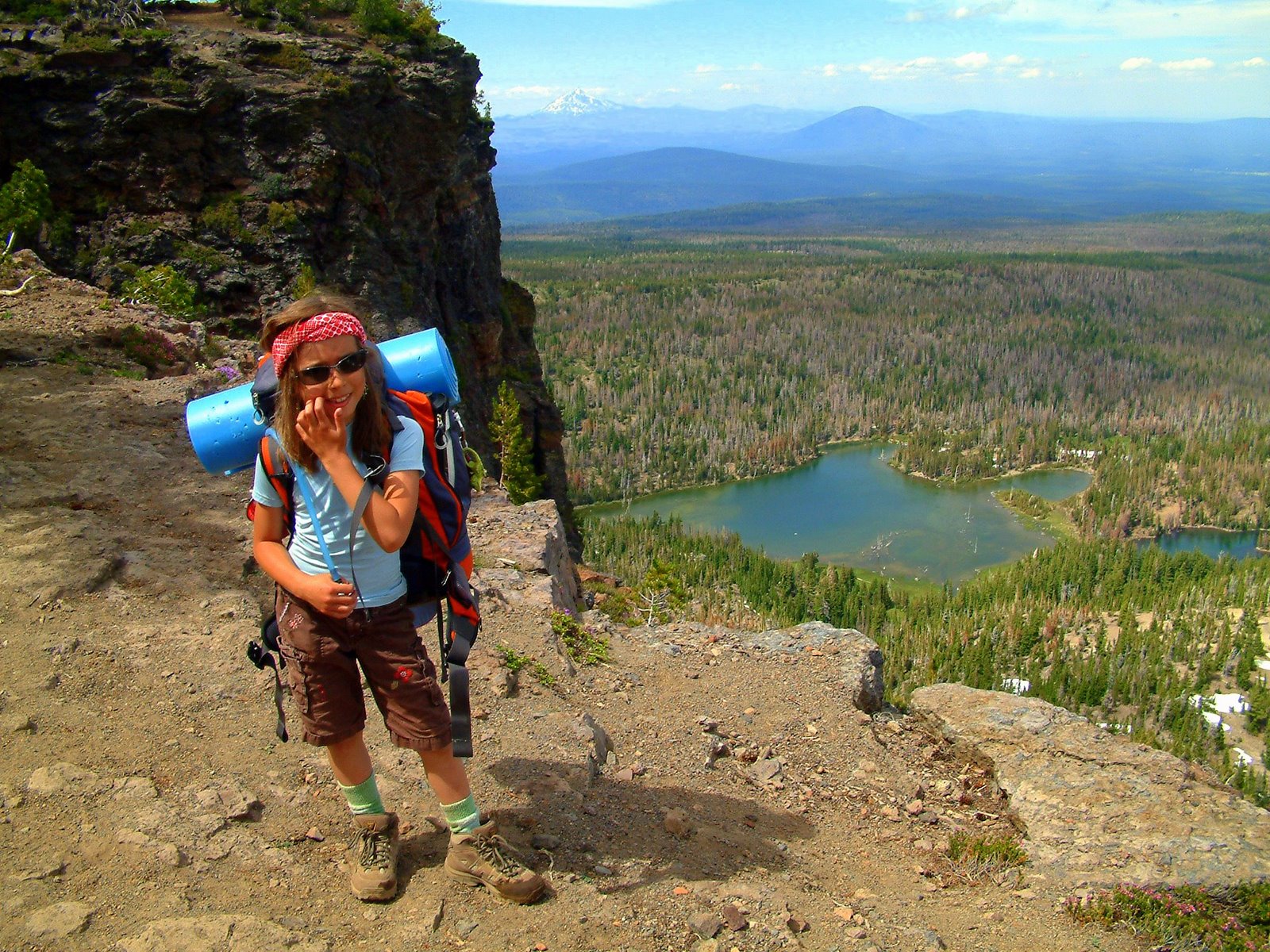
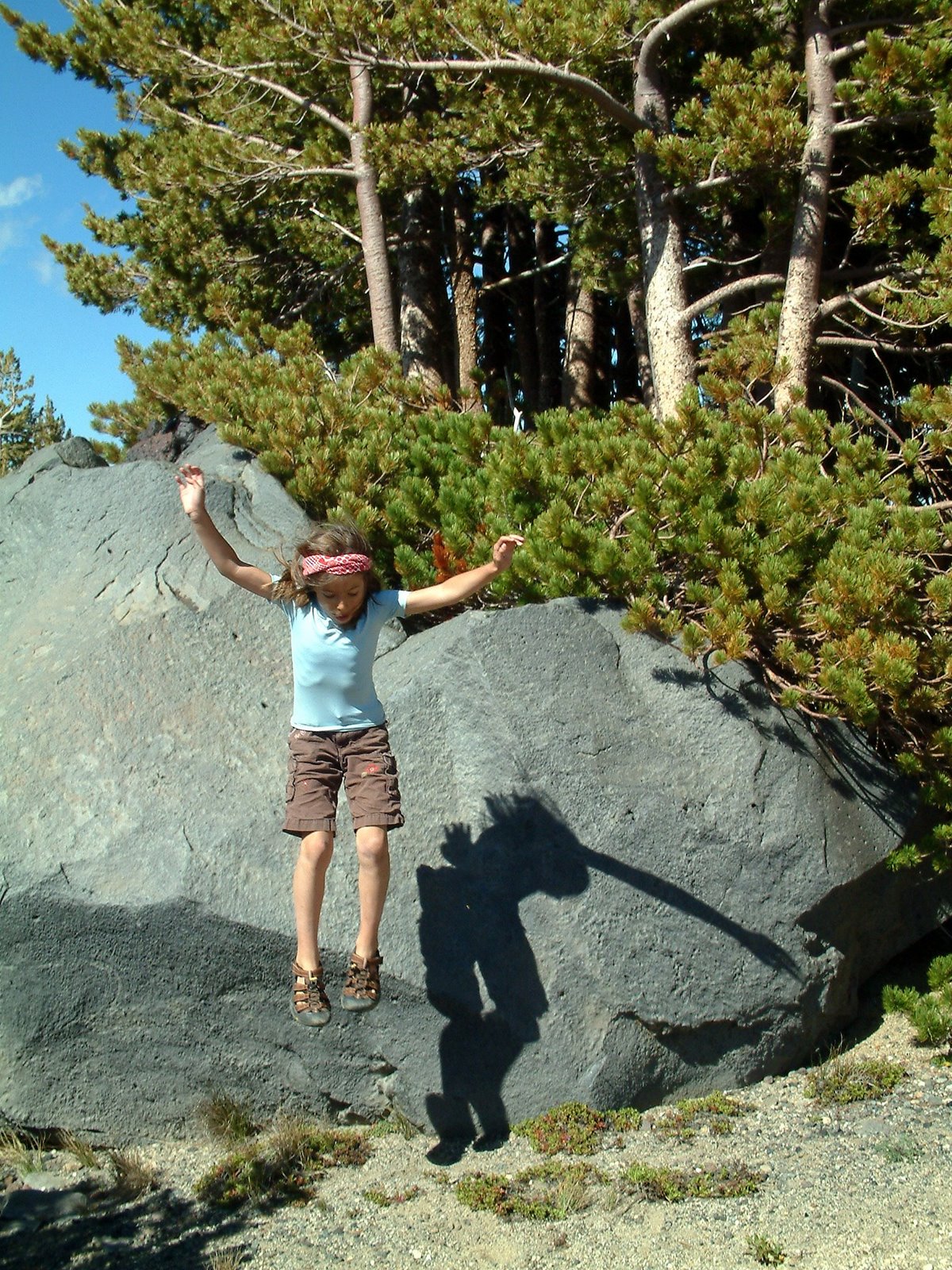
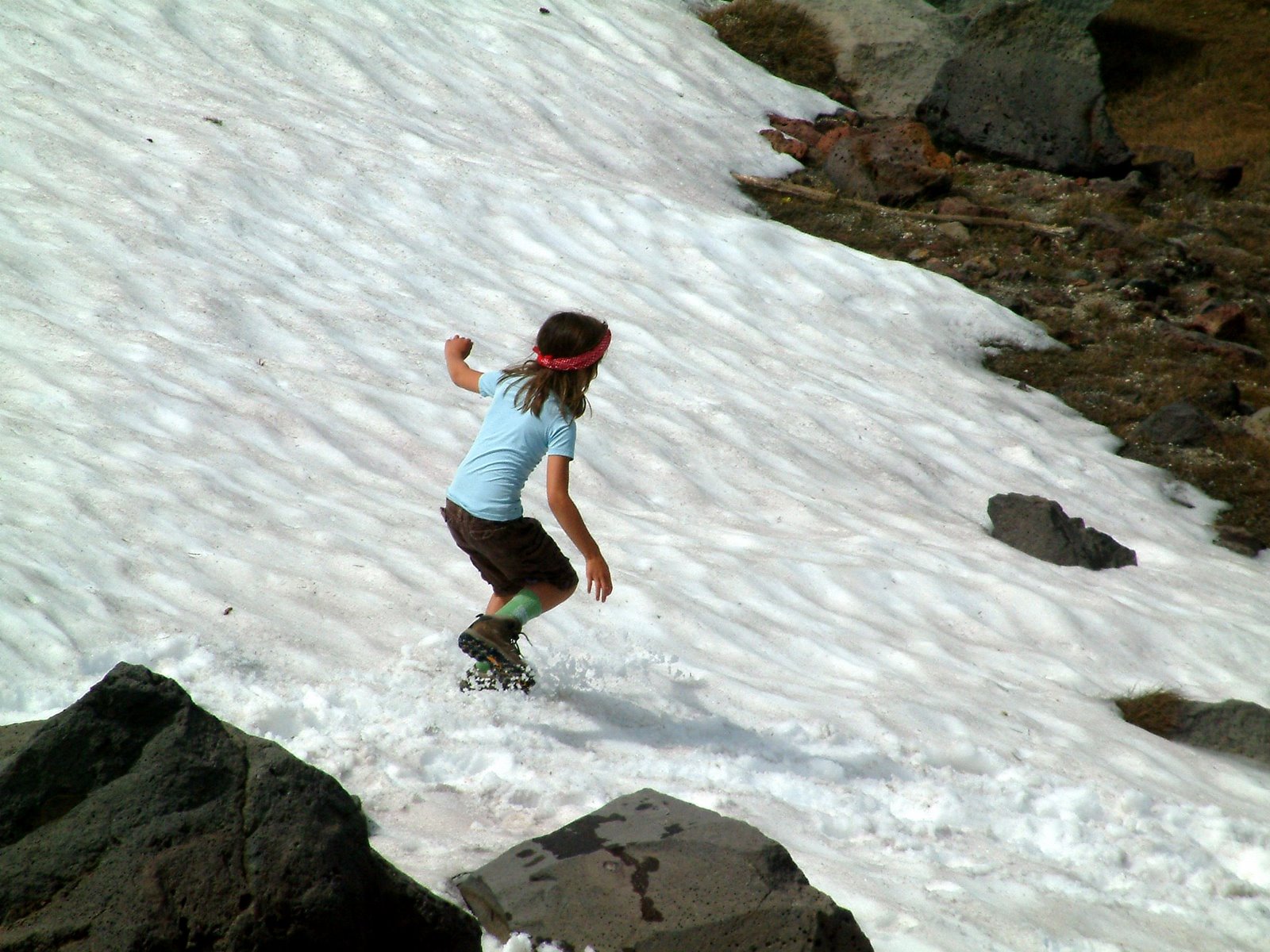
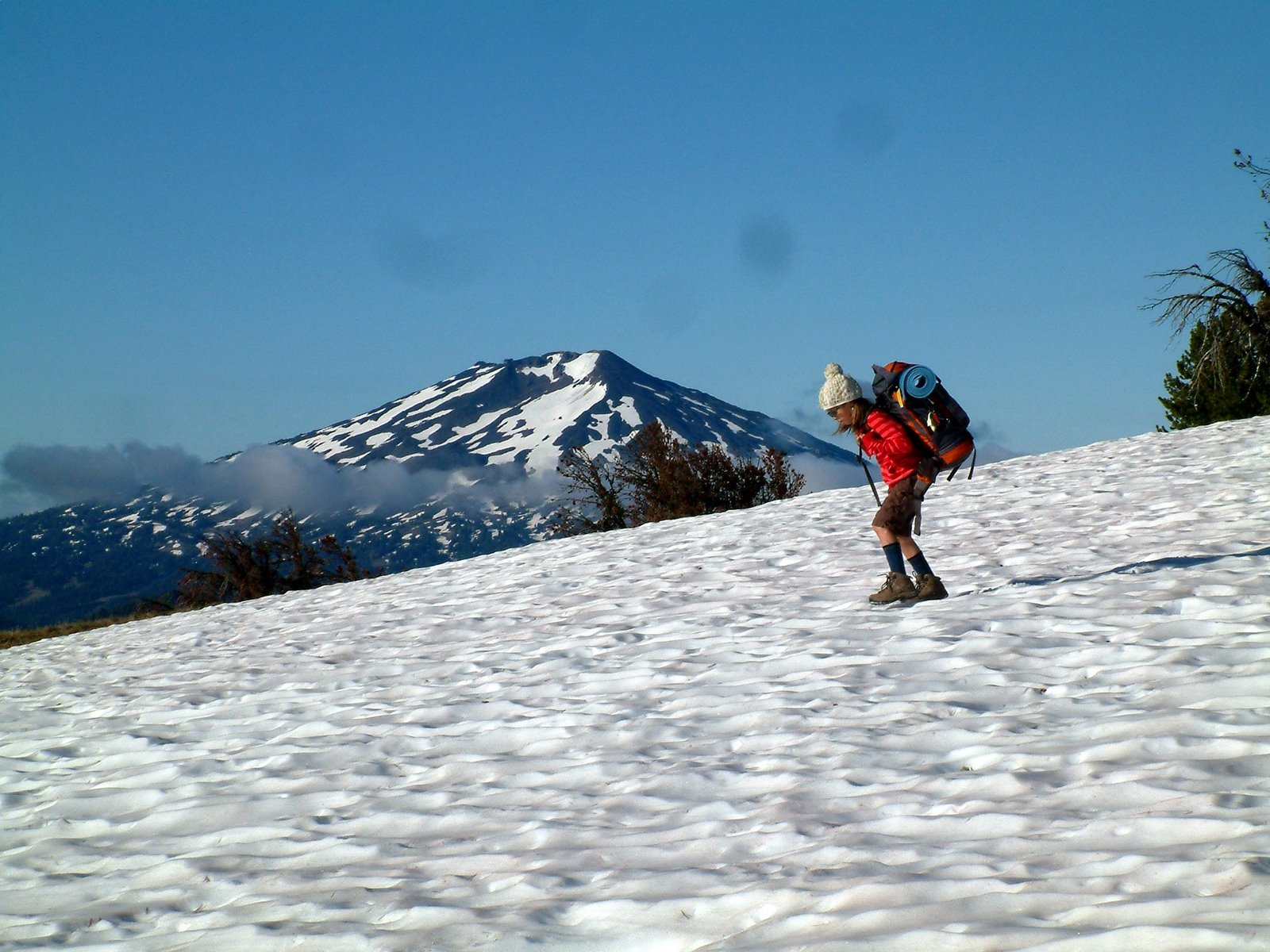
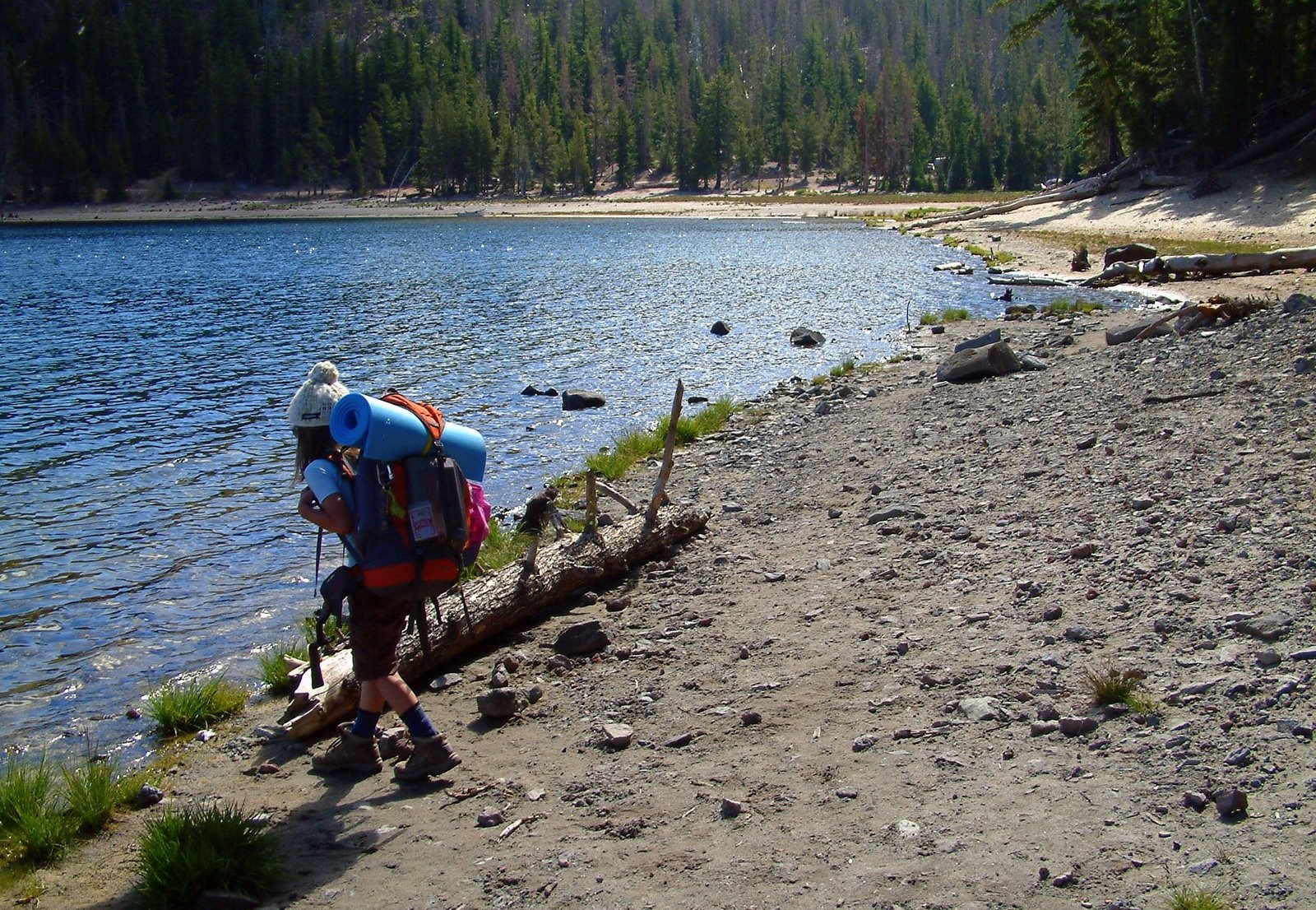
There is a stunning geologic formation within the Three Sisters Wilderness known as the Tam McArthur Rim. I took my daughter Lily on her first backpacking trip there this past weekend. Although Lily had some small trouble getting used to the pack (as do most kids) she was a real trooper and had loads of energy, plus she had a lot of fun. I am so proud of her hanging in there and then finding real joy in the experience. Kids, I have learned, are made for the outdoors.

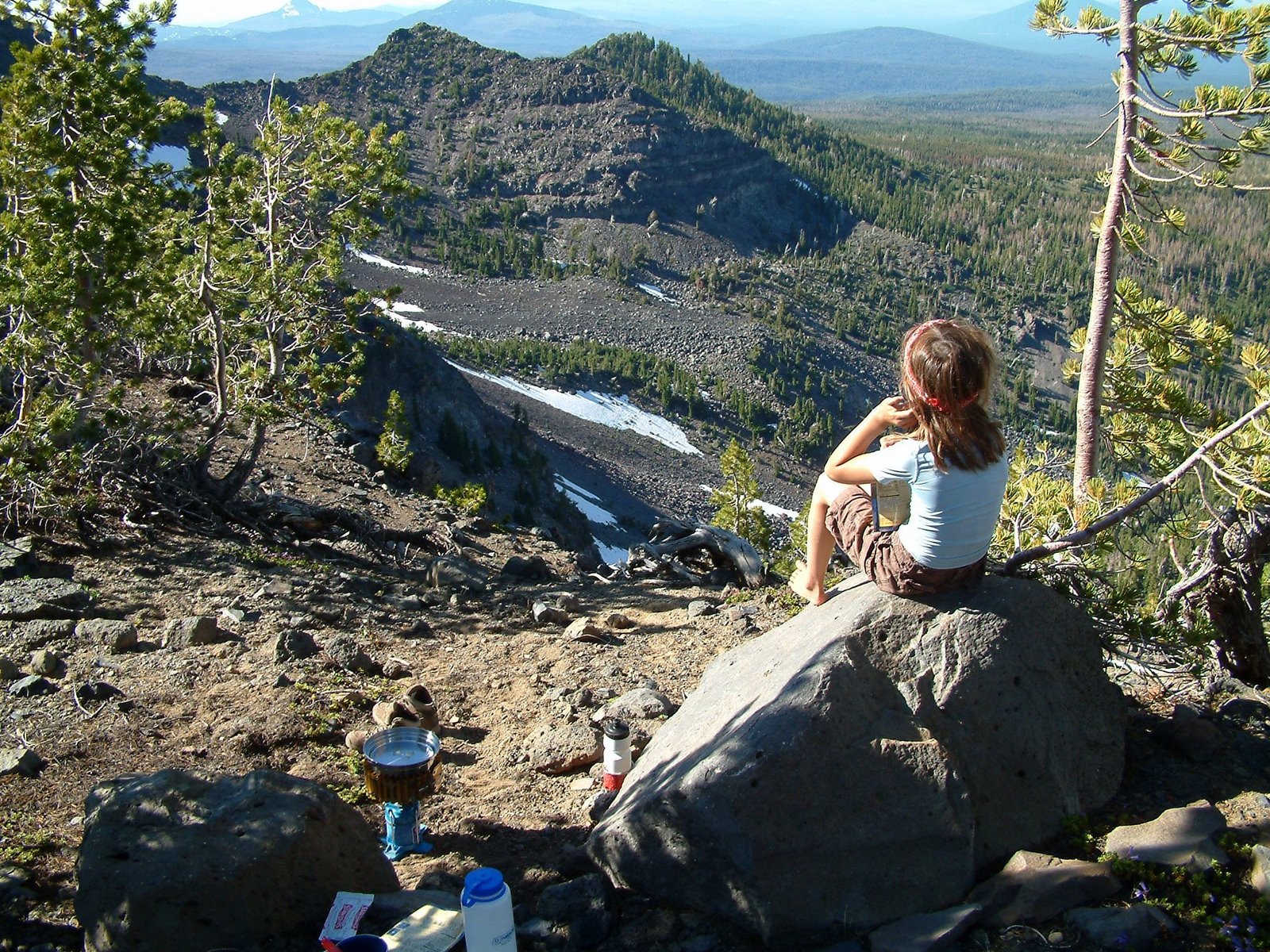
The rim is a fault scarp that produces cliffs over five hundred feet high and views of the mountains and valleys that are virtually unparalleled. The whole area is mostly the creation of volcanic activity, which give it a special quality. We hiked up through the alpine forest onto the upper plateau, then on to the major viewpoint, then beyond to a fairly secluded spot for our camp. Because it is a designated wilderness no mechanical vehicles are allowed, including mountain bikes.

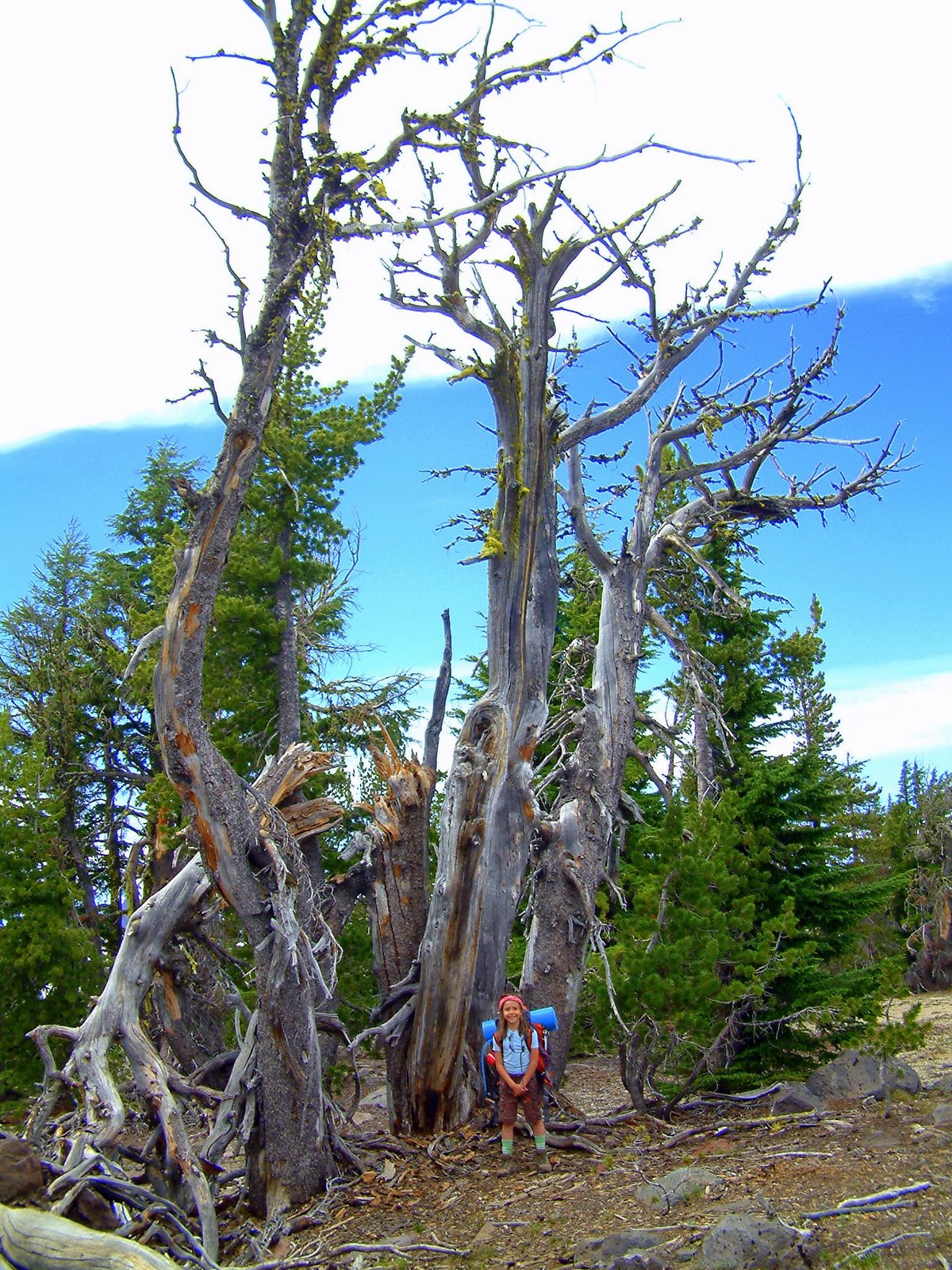
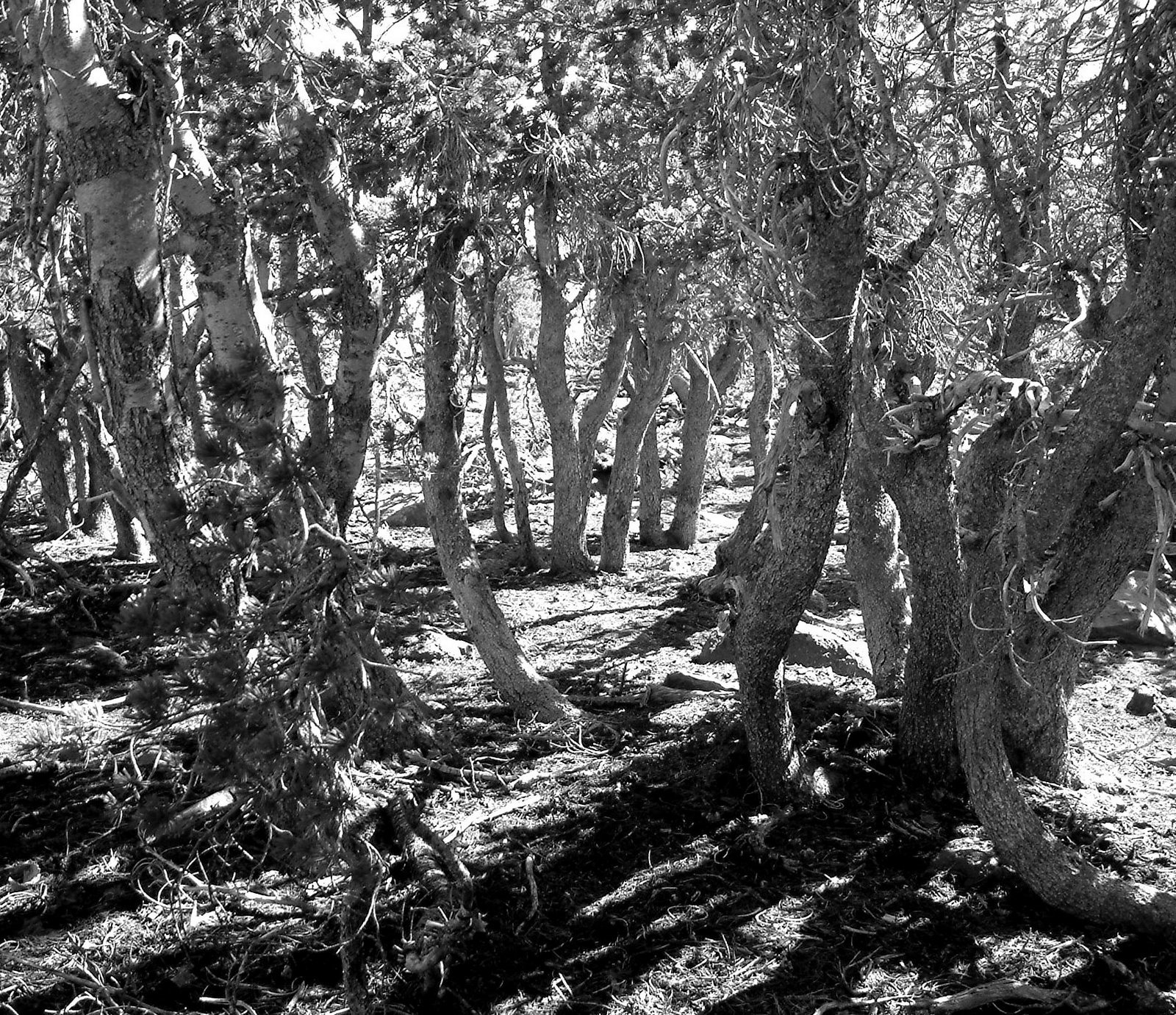
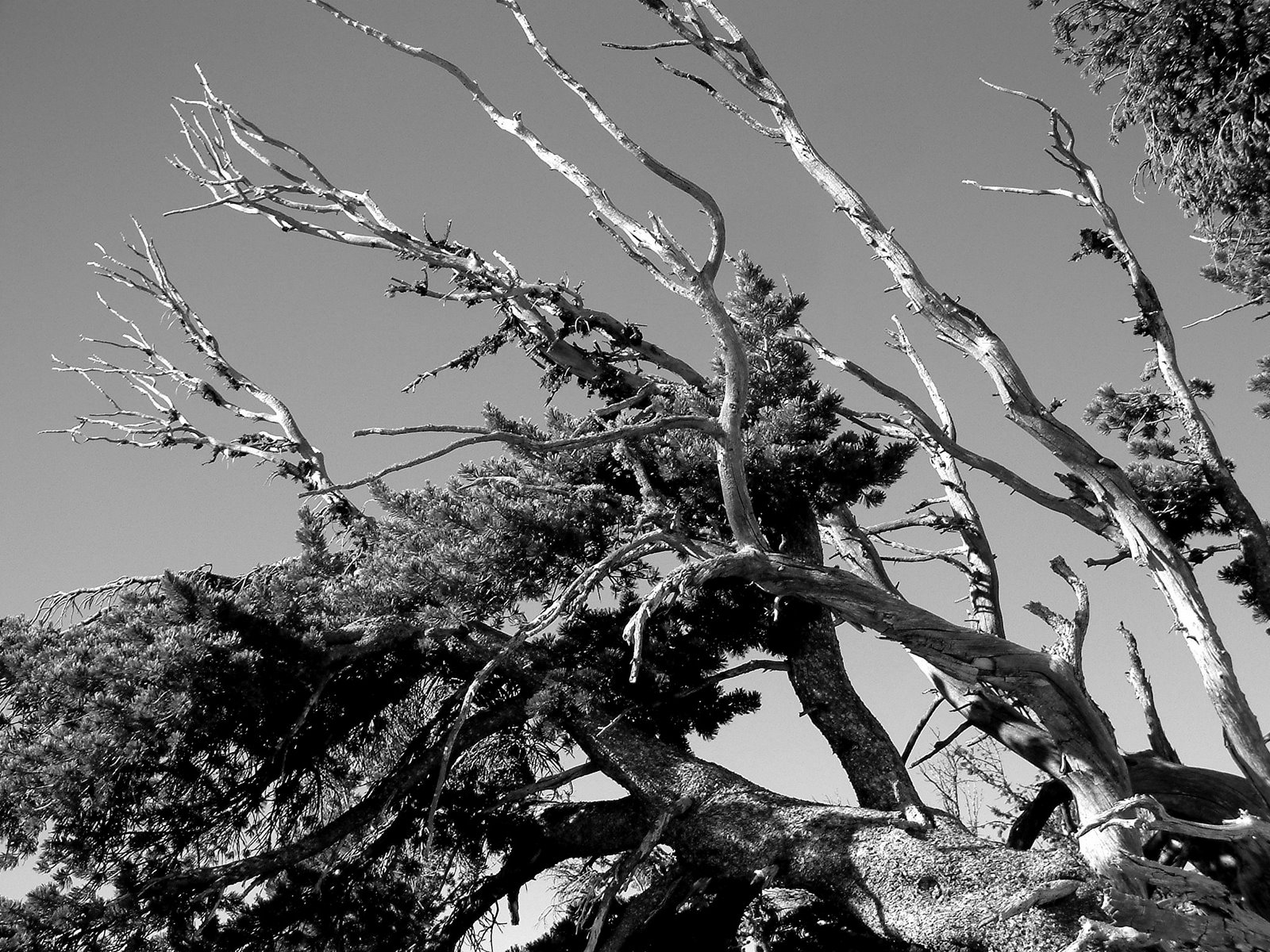
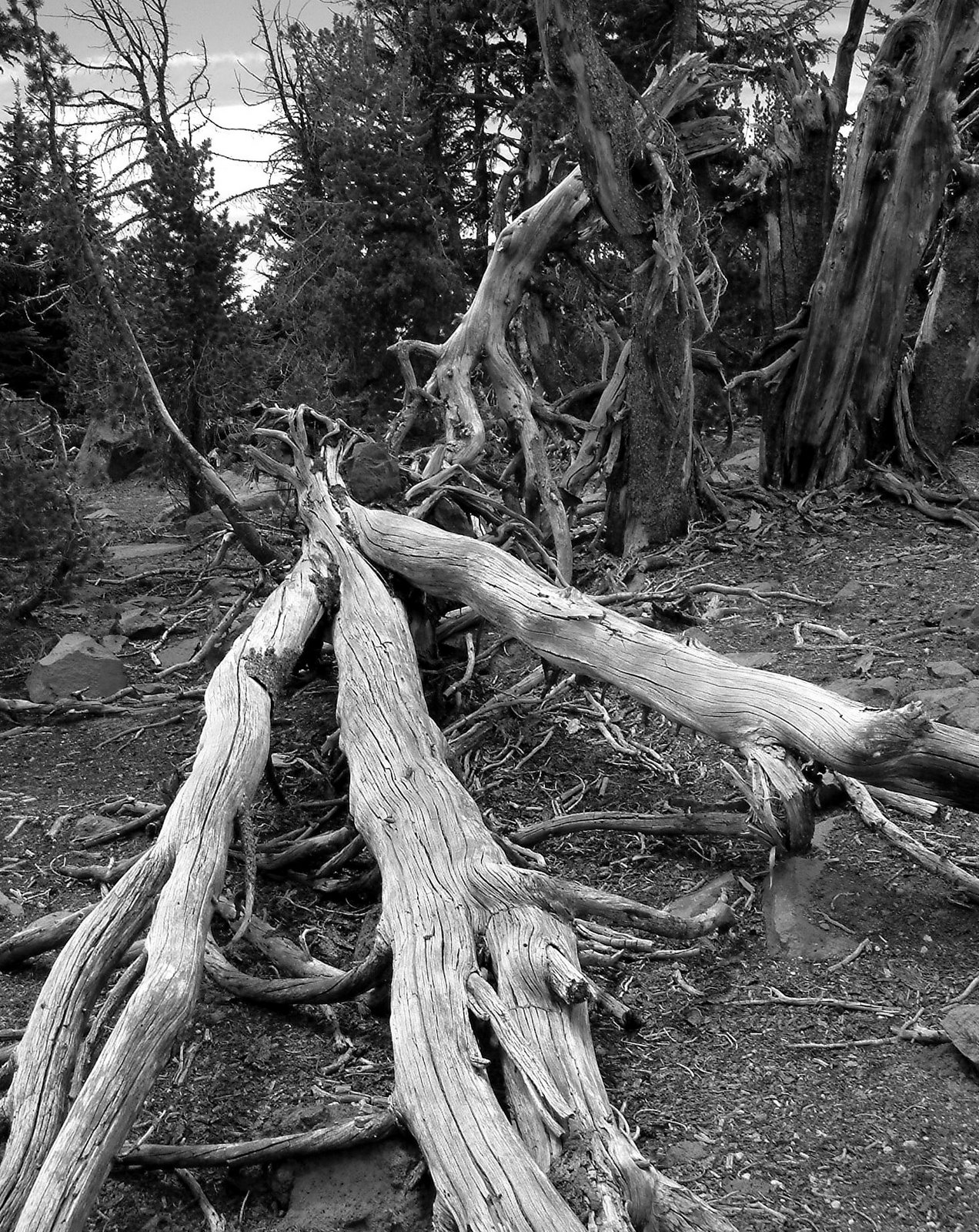
I don’t think there was any part of the trip that wasn’t, in some way, stunning. The views are magnificent from the rim, the alpine setting is gorgeous and so different from our valley, the air is thin and clear, and the ground is at times almost a moonscape with its volcanic history. There are unique alpine flowers and plants everywhere. The trees are twisted and gnarled from the harsh conditions.

Our hike began roughly as the trail immediately went uphill and Lily’s pack, which is brand new to her, was bothering her greatly. We slogged slowly up the path, frequently letting day hikers pass us, until we arrived at a spot overlooking Three Creeks Lake, a popular car camping destination. We decided that Lily could wear her pack without the waste belt, which isn’t as efficient, but doesn’t bother her as much. We also transfered a number of items from her pack to mine – something I anticipated doing. After seeing the view of the lake, and a better view of our destination, and then stopping in the woods to look at the lupine, we were more energized and moving better up the path. We also stopped for a lunch/snack at another viewpoint from where we called home and Lily played on a patch of snow. After that we hiked on to the major viewpoint.

The highest point on Tam McArthur Rim is 7730 feet in elevation. That’s higher than many mountains in Oregon, or the U.S. for that matter. From the car that also represents an elevation gain of 1180 feet and about 2.5 miles of hiking. This can be quite a hike for an 8 year old, but Lily was a trooper, and as long as she was having fun (read exploring or sliding on snow) she didn’t even notice the effort it took. The view is amazing, and the experience is well worth the effort it takes to gets there. Words, and even pictures, don’t capture the true nature of the place.

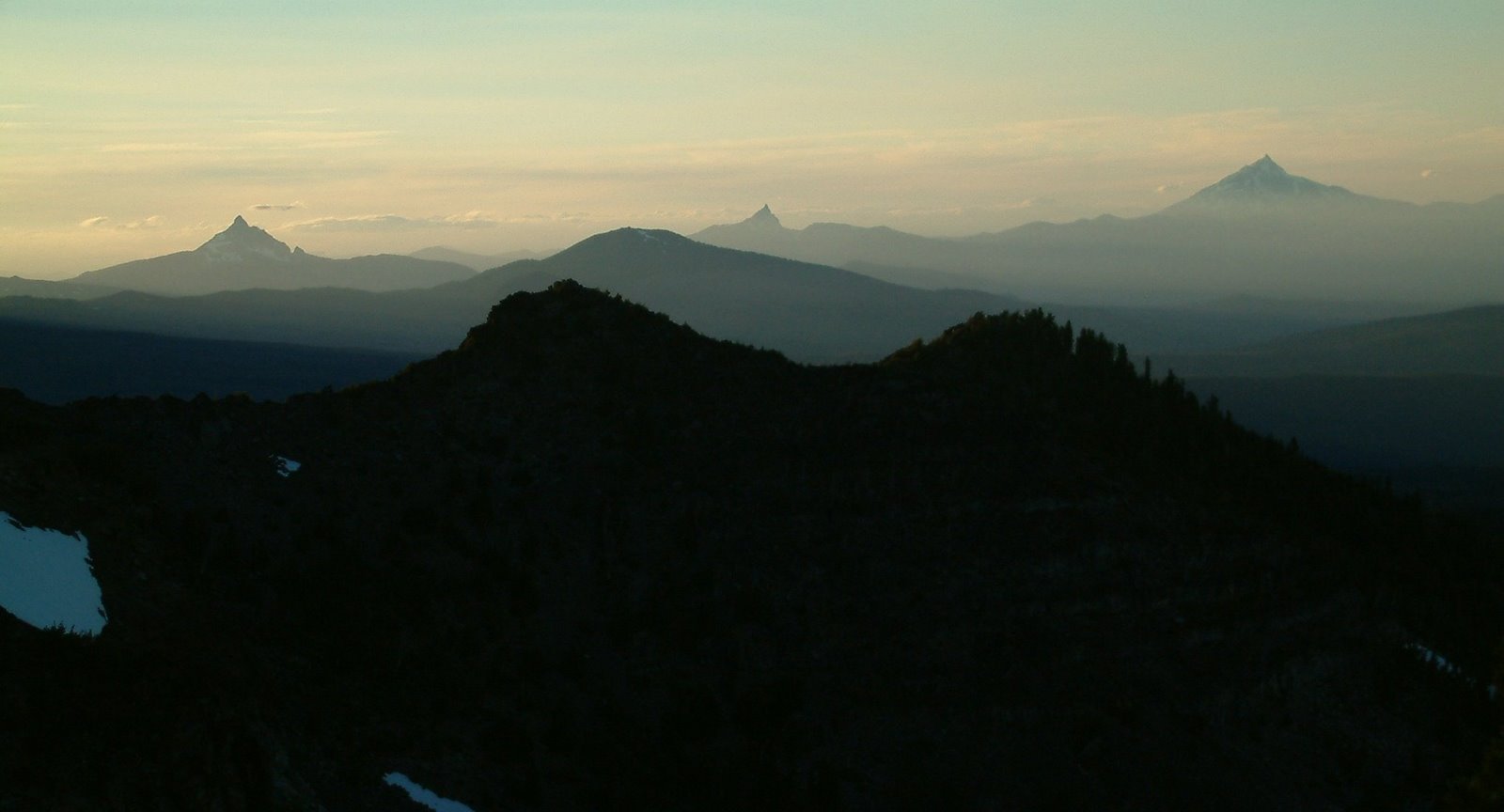
Our humble camp was along the rim, not far from the cliff’s edge. We could see several mountains from our camp (Washington, Three Fingered Jack, Jefferson, Hood, the top of North Sister, and Broken Top). We could also see the valley floor with its lakes and rollings hills. In the clear morning we could see smoke from camp fires near the lakes below. Our plan was to sleep out under the stars, but by 6 PM the winds were picking up and it didn’t seem appropriate to be outside the tent. A couple of times I went outside to either tighten the guidelines on the tent or bring items inside so they wouldn’t blow away. By two in the morning the winds had died down. The morning was calm and clear. The sun came in through out tent door and warmed us.

How glorious a greeting the sun gives the mountains!

~ John Muir

The Three Sisters Wilderness was established by the U.S. Congress in 1964. It is part of both the Willamette and Deschutes National Forests. The designated wilderness comprises 286,708 acres. Its most noticeable features are the mountains, which I have climbed years ago, but it has a lot more to see. I started visiting the place when I was a kid. My favorite location then was Sunshine and Obsidian Falls on the west side of the North Sister.

Although I am familiar with the Three Sisters Wilderness, I had never been to the Tam McArthur Rim area (that I can remember), so this was an adventure for both me and Lily. To get there one drives about 18 miles south of the town of Sisters to Three Creeks Lake. The trail head is well marked. We saw a lot of day hikers on the trail. It is a popular hike. We only saw one other couple with backpacks though. We also saw them on their way out on Sunday.

By the end of Saturday I noticed we were getting low on water. There are no lakes or streams on top of the rim, so we began rationing. I wanted to make sure we had enough water for Lily and for hot chocolate the next morning. This meant that be the time we got back to the car on Sunday I was rather dehydrated. For dinner we tried freeze dried meals, which were fair. Most of the time we ate trail mix and cliff bars. I have determined that the next trip we will camp near a stream or lake. I don’t like running out of water, or carrying a lot of water.

What I find so interesting in getting away from the comforts of home is how it changes my perspective. I learn about doing without, about how much I take for granted, about who I am and what I truly need, and I learn about the real value of things.

In every walk with nature one receives far more than he seeks.

~ John Muir

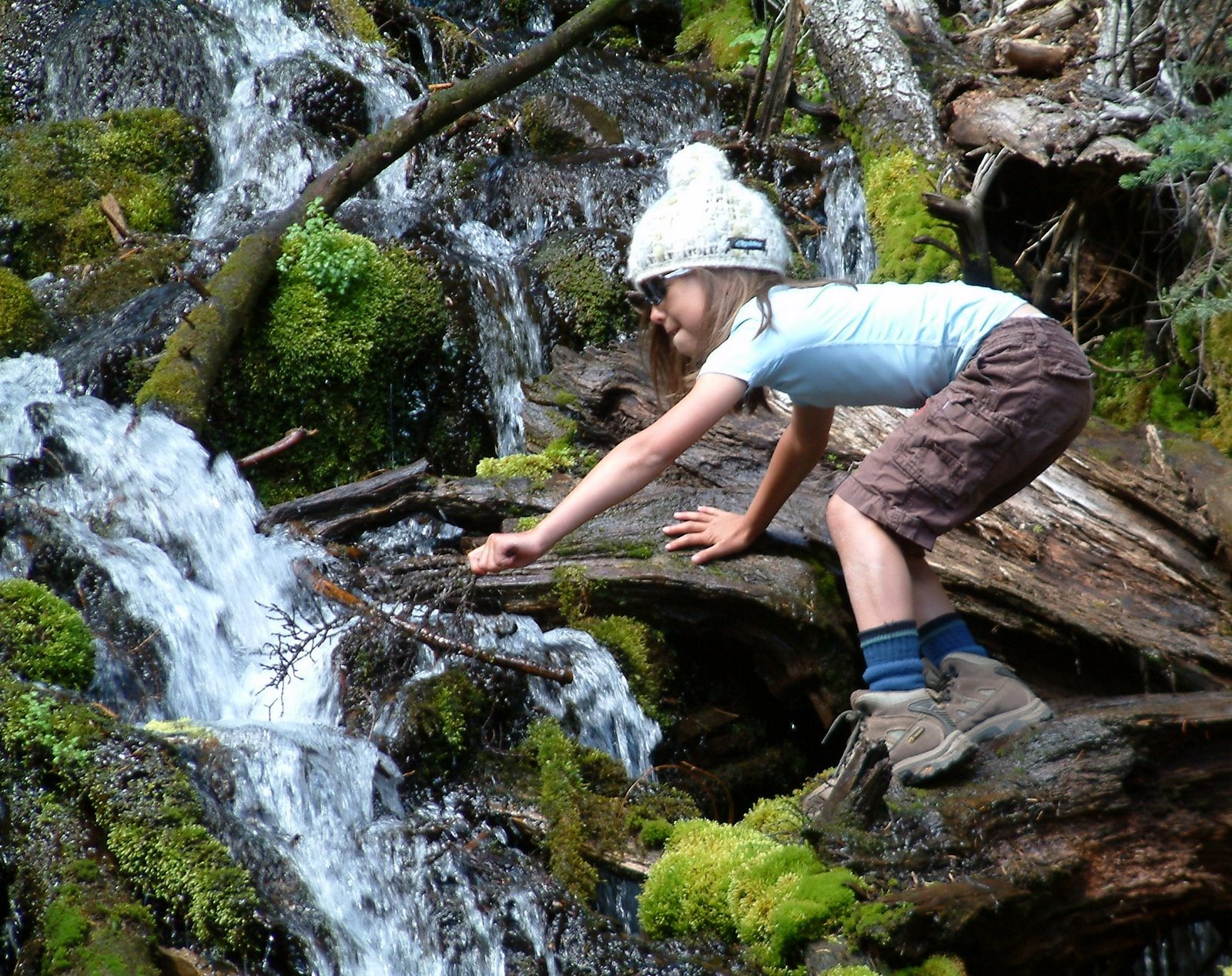
On Sunday the we packed up and hiked back to a viewpoint we had not seen before. There we had our hot chocolate and called home. From there we decided (Lily’s idea) to go off the beaten path and descend to the lake cross country. The going was more difficult than we anticipated. I love that she prefers to go cross country rather than follow the path. She is a real adventurer. For parts of our descent I carried Lily’s pack as well as my own because it was so steep going down the rock slides and snow. But then we got to the lake. There we found a little stream and water falls. Lily loved it and played for a while. About 15 minutes later we were back at the car. We stopped a the Snow Cap burger joint in Sisters and then drove the two hours home. Lily slept in the car.

Why is it that we seek out places like the mountains or the sea? I suppose that answer is unique to each of us. But I also suppose there is something universal in that desire. We are all wanderers of one sort or another. Some of my most vivid memories come from my youth when I camped in the mountains. I remember sleeping under the stars and waking in the middle of the night to the most glorious of star-filled skies. I remember hiking into Chambers Lakes in the Three Sisters Wilderness with my parents, my cousins, aunt and uncle, and grandparents. I remember these places and experiences because they touched something deep within me.

I recently realized most of my poetry is rooted in a sense of place, and most of those places are in nature. I love vast and awesome areas. If nature is a direct expression of God, then nature is profound.

Even the most mundane aspects of nature speak to us. Some days just leaving an air-conditioned building and feeling the fresh breeze on my face reaches my soul.

Lily loves being out of doors. What a great expression, “out of doors.” What does that say? A door is a point of separation, a threshold from one world to another.

I am learning more and more that kids need nature. Lily loves nature. She comes alive in the woods or near a stream. She exclaimed many times how she loved the view from the rim. She could complain one moment about her pack and then be running for a patch of snow or stop to pick up some lichen to show her mama. I believe there is a connection between the way humans are designed and the way nature is designed. I believe that connection explains, in part, the deep resonance one can experience in the face of nature.

There is a fit, a connection, going on at some deep level between humans and the rest of God’s creation. I realize now that I’ve got to get my family outside a lot more, especially into wilderness. No amount of Discovery channel programs can replace breathing mountain air, seeing the sun rise over a valley, or cooking over a butane stove. No amount of nature books (though I do love them) can stand in for walking up a volcanic slope, picking up obsidian along a path, or seeing wind ripples on a lake far below. Nature, in all its beauty and fierceness, in all its rugged danger and sublime honesty, is a gift.

Even though we were absolutely exhausted when we arrived home, we were already thinking of our next trip. Lily said she wants to go back to the same place, but I know there are other places she will love. Maybe we’ll go to Green Lakes or Chambers Lakes (both by the South Sister), or maybe we’ll hike into the Jefferson Wilderness. What I can say is that we need to get out more than we have.

The mountains are calling and I must go.
~ John Muir

>…if the ocean was your pond

>
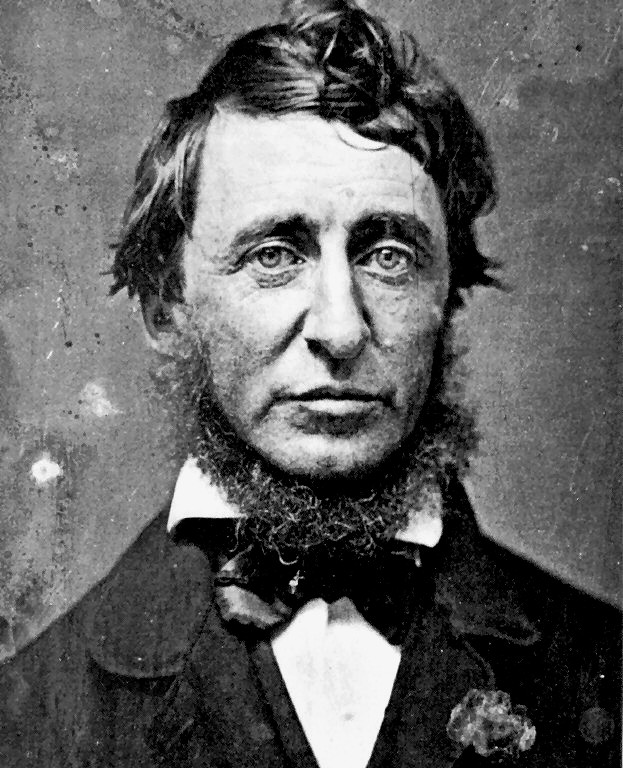
Thoreau was not a surfer.

Recently I’ve started re-reading Thoreau’s seminal and quintessential American polemic, Walden. This has coincided with an emerging desire within me to get my kids (and myself) out into nature more, especially into awe-inspiring nature. I am coming more and more to the conclusion that nature is designed to fit with our psyches and vice versa. It seems that one of the advantages of so-called progress is that our lives are contrived such that nature can be experienced as an end in itself, that is, as a ground for unfettered experience, as it were, rather than merely the context of labor. In other words, nature can be both a source of pleasure and offer some deeper connection to our souls.

Sometimes I think it makes sense to pull my family out of society and go deep into nature – permanently. But then I wise up. For all that I love nature, I also love the city. Still nature has its call, which can be powerful. And this makes me think of the Paskowitz family.


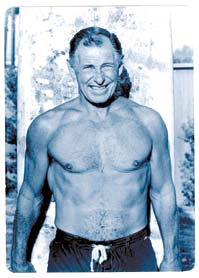
Doc Paskowitz, modern Thoreau
or eccentric despot?

Living a life unfettered from society, close to nature, and not far from a kind of animal existence, living in cramped quarters, constantly on the go, and surfing all the time, sounds like the perfect existence for the young surf bum. For a family of eleven (9 kids) it sounds crazy, but that’s what the Paskowitz family did. Here’s a sampling from the recent documentary Surfwise (2007):

There is something in there that I love and long for. There is also something there that I fear. I want my kids to grow up immersed in nature, I want them to run around like beautiful beasts, to live fully and wild. I also don’t want that. They should also be educated, well mannered, savvy, and have the groundwork laid for future opportunities. Balance is key.

So I am both in awe of the Paskowitz clan and I shake my head. What a great life on the one hand, and a limited life on the other. If I could I would do something like they did for a summer, but not a lifetime. Remember, Thoreau lived at Walden pond for only two years.

Of course, I have yet to try surfing.