>another meme

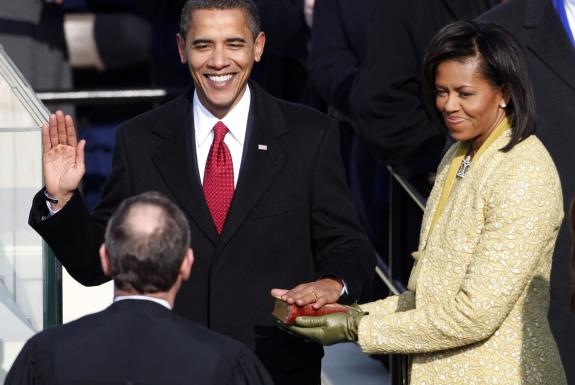
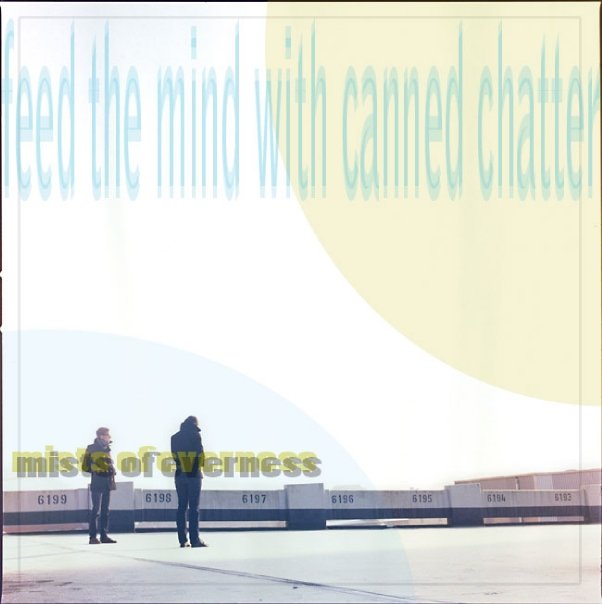
>Anything to do with creating fake band album covers piques my interest. There is a meme going around facebook lately that has the instructions listed below. Here is my cover:

1 – Go to Wikipedia. Hit “random… Read More”
or click http://en.wikipedia.org/wiki/Special:Random
The first random Wikipedia article you get is the name of your band.

2 – Go to Quotations Page and select “random quotations”
or click http://www.quotationspage.com/random.php3
The last four or five words of the very last quote on the page is the title of your first album.

3 – Go to Flickr and click on “explore the last seven days”
or click http://www.flickr.com/explore/interesting/7days
Third picture, no matter what it is, will be your album cover.

4 – Use Photoshop or similar to put it all together.

5 – Post it to FB with this text in the “caption” or “comment” and TAG the friends you want to join in.

>Conquered and held by free men…

>Happy 150th Birthday Oregon.

Of course, I find it rather troubling to live in a state that exists, in large part, because the indigenous peoples who were living here were conquered. But then, so exists the U.S.

>opera, more opera, and choices worth making

>

If you are like me then your knowledge of opera is largely limited to a few Looney Tunes cartoons (Long-Haired Hare & Rabbit of Seville). I think that’s a bad thing, though I love those cartoons. Recently we got a CD of songs from various operas, sung in English, and geared towards kids – though adults will enjoy them as well. We have been listening to these songs in the car and the girls love them. Our two year old shouts out after each song, “again!”

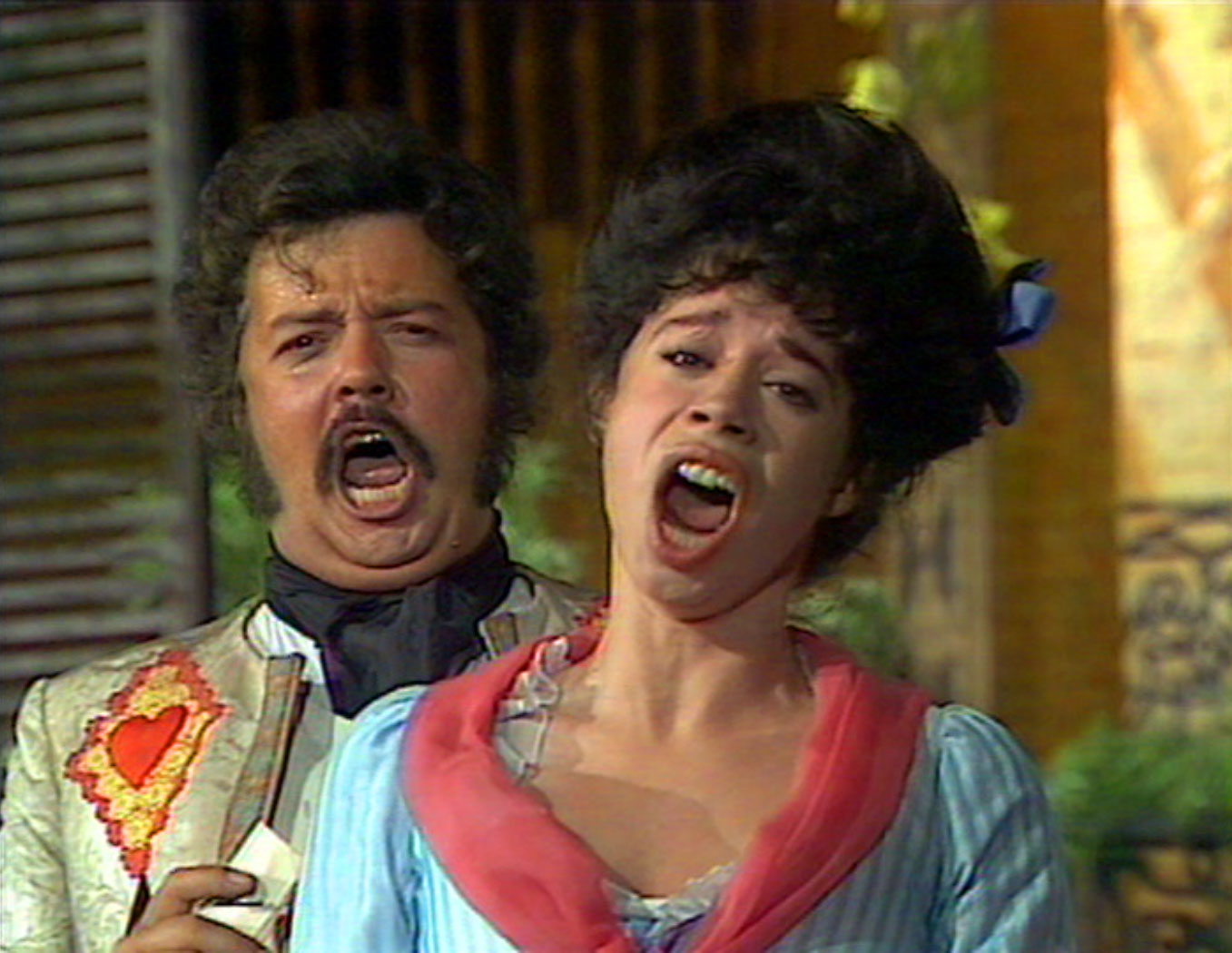
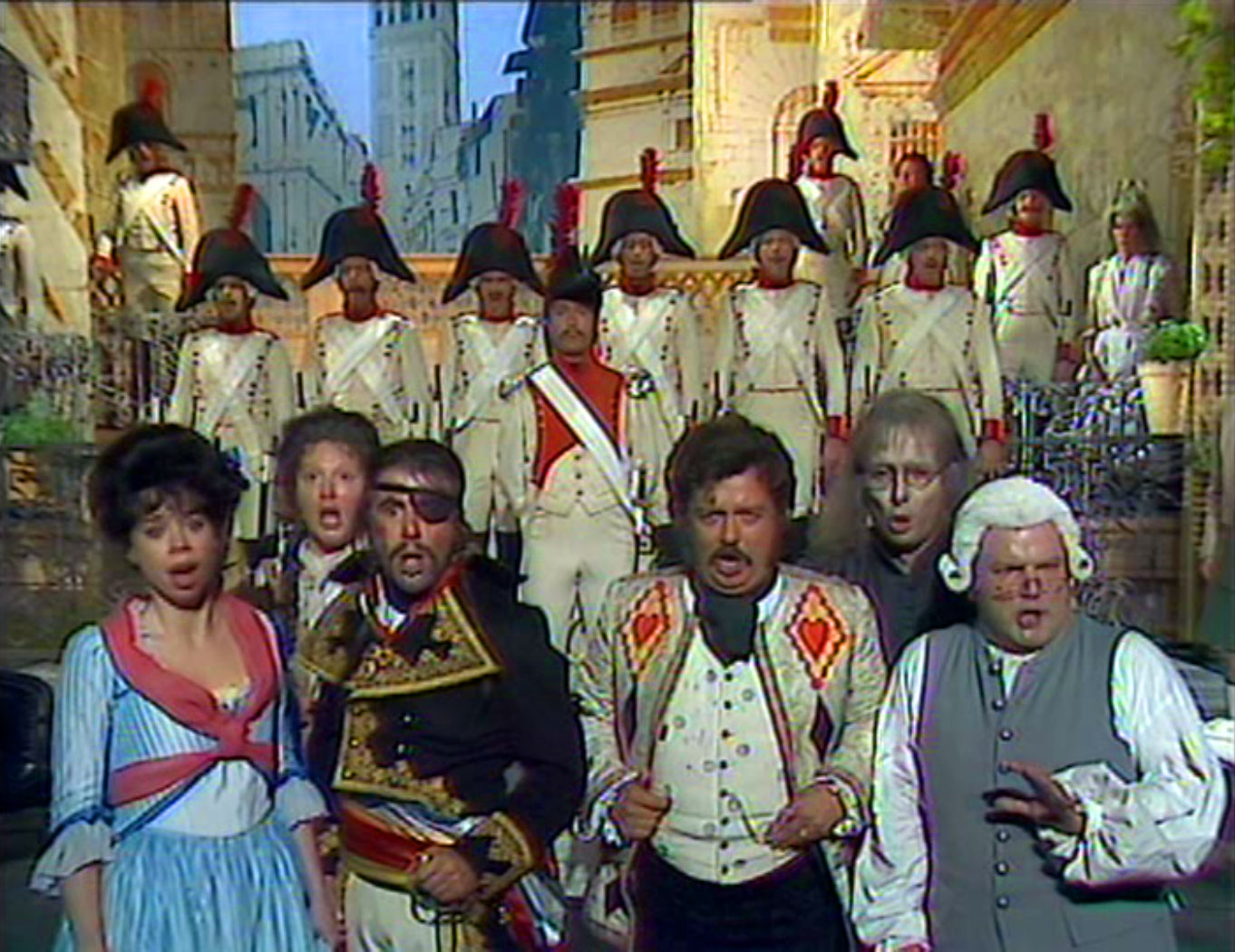
With this in mind I have checked out some operas on DVD from the library and we just finished The Barber of Seville. We loved it. This is the 1982 version made for television and starring John Rawnsley as Figaro and Maria Ewing as Rosina.


Figaro will help Rosina

I was not sure how the kids would take to watching an Italian opera, first performed almost two hundred years ago, now made for 1982 television, with English subtitles, and more than 2.5 hours long. To my surprise and joy they were enraptured. Even our two year old would sit and watch it (sometimes transfixed), then clap at the end of each song. My eight year old watched intently and did not want to spread the viewing over three nights – which we did due to bedtimes.

What a great show. There is no need for me to go into the plot, or say how good the music is, or describe the performances. All that is well known and I am not yet knowledgeable enough to say much, except to say I think it is all really, really good. I can also say that I loved it and so did my family.


Everybody sings: Mi par d’esser con la testa
in un’orrida fucina
“My head seems to be
in a fiery smithy”

I can’t think of anything like opera. I am beginning to see why some people become smitten with opera. I think I could go down that path as well. But it was not always the case. Like most Americans I grew up absorbing our typical dislike of opera. It’s not that we Americans hate opera, though some do. It’s more that we (I mean most Americans of course) think it is funny and corny, something to make fun of and lambaste. It’s good for cartoons and occasionally setting the mood in a film, but not for putting on the car stereo or playing on the radio by the pool, or taking the time to go and see a performance. But for me that is changing.


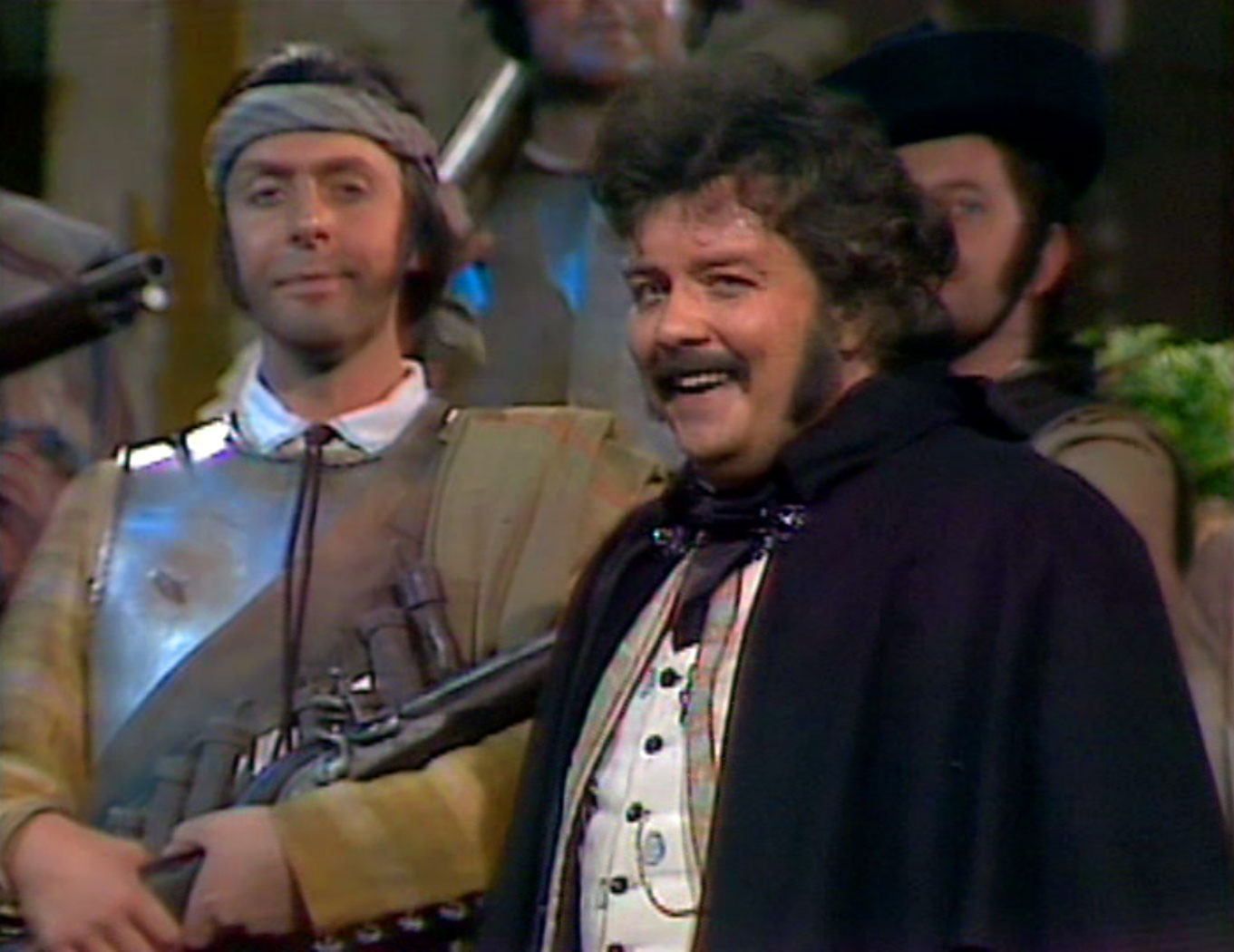
Figaro has triumphed

The triumph of Figaro is my triumph too. By the end of The Barber of Seville I was thinking that more opera is in my future – and my kid’s future.

Years ago I saw a stage production of Bizet’s Carmen, which I loved. I don’t know why or how I got to the the theater. I only remember the music and the sets, which were wonderful. I had the same experience with Puccini’s La bohème. Why I did not see more opera’s I do not know. More recently I posted briefly on watching Das Rheingold on DVD. We still haven’t made it through that one. I realize now I need to see more opera’s more often.

Finally a note on parenting and some choices worth making. My desire is that my kids grow up loving good art, whatever the form or genre. I hope they love opera. At least they will have had some introduction to it. But whether they love opera or not is not really my concern. I am often taken aback by how many parents limit their kids knowledge and appreciation of art merely because those parents have limited themselves. Parents should continue to expand their own horizons, even get out of their comfort zone, not merely for their own pleasure and personal growth, but also because it will expand their children’s horizons as well. Kids are very attuned to what their parents are doing. So often when we don’t choose the choice is made for us. There are plenty of mediocre cultural products lying around for easy consumption. If we don’t make good choices about the art in our lives then our culture will supply us with mediocrity. That is, unfortunately, the default setting. As a parent I want my kids to know that there are great choices out there and that those choices are worth making – whether it’s about opera or anything else.

round & round

um, so… I got new glasses. I do like them, but I’m still getting used to them.

They have round frames.

For many years I wanted round glasses. I used to have some cheep, colored sunglasses that were also round. I thought they were cool, and I thought I was cool wearing them. When I see pictures of myself from that era, with those glasses, I am mostly struck by how much better I looked then and how much thinner I was. I don’t really notice the glasses.

Now I’ve got a pair of prescription glasses with round frames and I think they are cool too, but maybe they are also a bit funny. I’m not sure. Maybe I just need to be thinner to make them “work.”

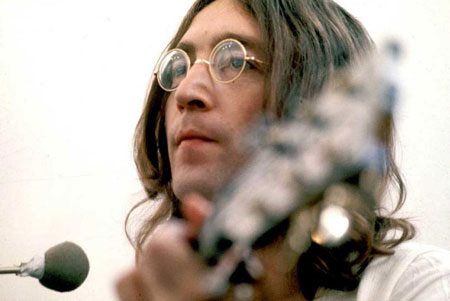
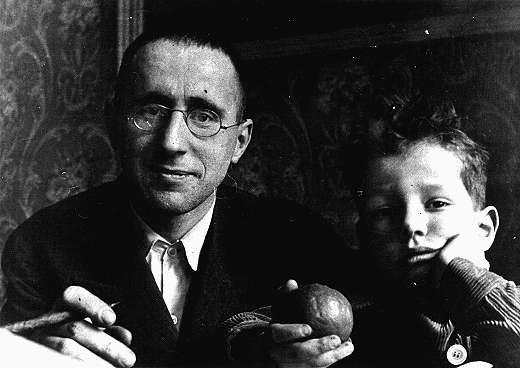
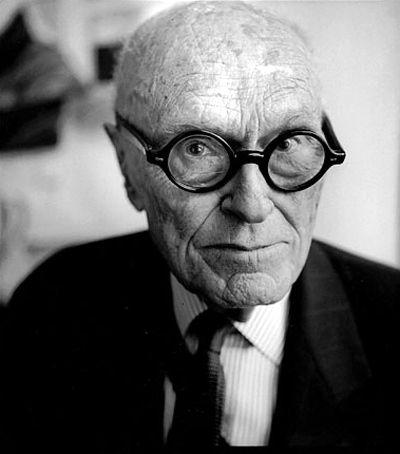
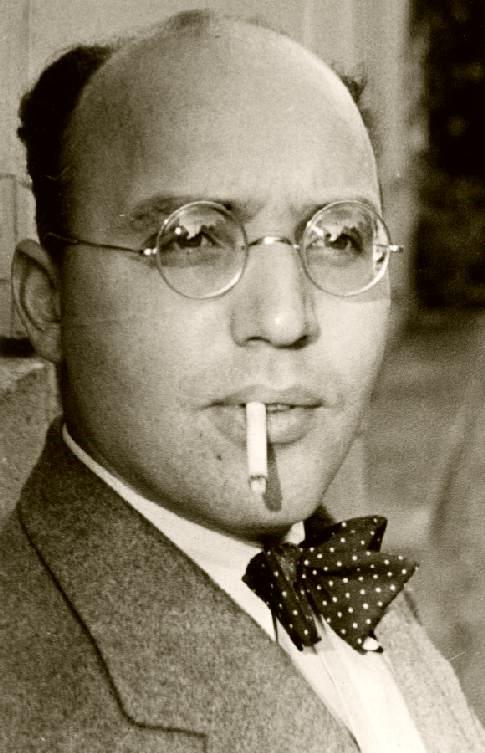
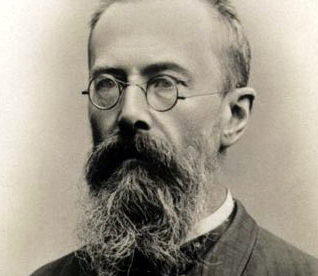
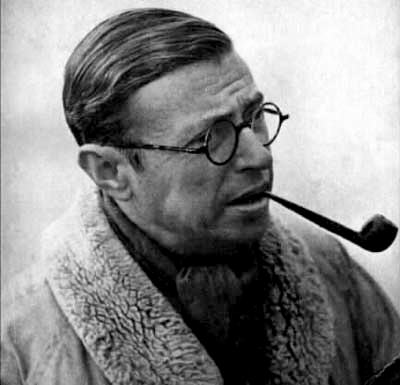
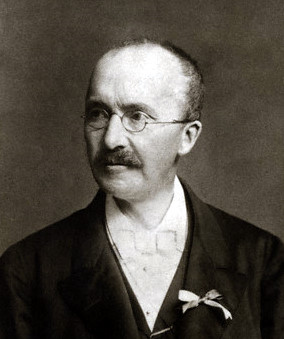
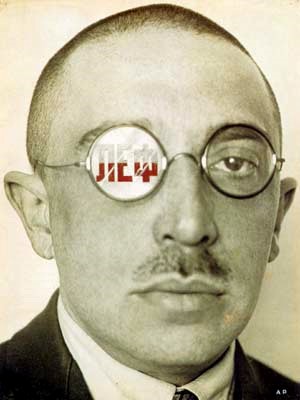
I order to assuage my concerns of potential funniness I am reminding myself of certain famous people that wore round glasses. Here is a short visual list of round spectacles and their wearers.

I begin first with some of my heroes (of sorts).

The heroes:


John Lennon

When I was in highschool I think I liked Paul best. As I grew up, became more educated, more thoughtful, and became more sophisticated in my musical tastes, my preference switched to John. He was, in my opinion, the best of the Beatles.


and again, Lennon

Also, when I was in college, had long hair, and wore cheap, sound sunglasses, people sometimes said I looked a little like John Lennon. I can’t really say that I did, but I thought it was a kinda cool compliment. Maybe it wasn’t meant as a compliment. Anyway, his glasses were round and so are mine.


Henri Matisse

I didn’t know much at all of Matisse until I majored in Art History as an undergraduate. His use of color and simple forms still gets me. When he wore glasses they were round, as are mine.


Bertolt Brecht with his son

Most of the cinema that changed my life was heavily inspired by Brecht. Sometimes he wore round glasses, as I do.


Edith Head

I can’t think of another person’s name that I’ve seen more in the credits of movies. She was one of a kind. She also wore round glasses as I do.


Phillip Johnson

I love architecture and almost began a career in that direction. Johnson was one of the greats, and he wore round glasses like me.


Kurt Weill

Only recently have I studied any of Kurt Weill. The more I do the more I am impressed with his art. Plus, those are really round glasses which, coincidentally, are as round as mine.


Nikolai Rimsky-Korsakov

As a kid I had the Berlin Philharmonic’s version of Scheherezade. I practically wore the grooves off the record. I am also wearing round glasses, and so is Nikolai.

The others:


Jean-Paul Sartre

You know him, probably read him in college. He may be one of the most over-rated philosophers of the past hundred years, but he was a great protester. And here he is with glasses like mine, round.


Heinrich Schliemann

He taught himself Greek, read Homer, and with his copy of the the Iliad in his hands, searched for ancient Troy. Though his methods were crude, he practically began modern archeology. I think my glasses are a little more round than his, but he did quite well.


Osip Brik (photographed by Rodchenko)

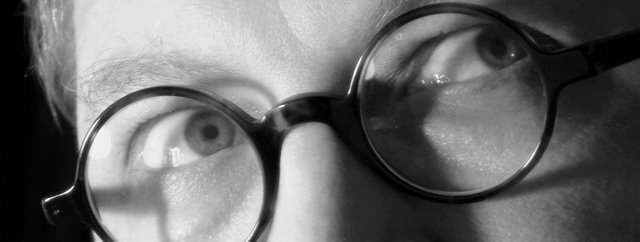
I don’t know, or care, anything about Mr. Brik. But I love the photography of Rodchenko. Brik, needless to say, has some Russian letters reflecting in his very round glasses.


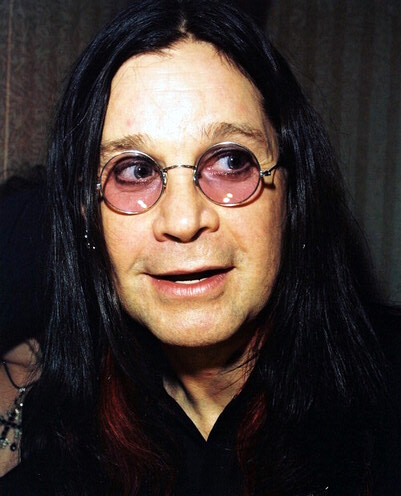
Ozzy Osbourne

No comment.


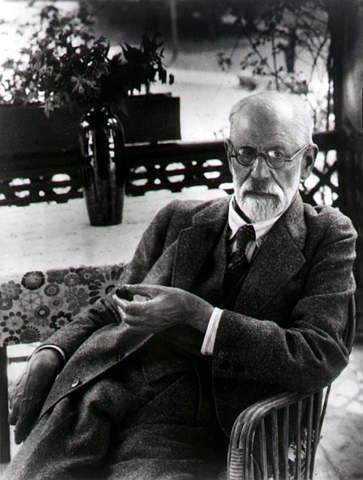
Sigmund Freud

For years I dreamed of having round glasses. Could I have had a round-glasses-complex? Maybe. At any rate, Sigmund and I see eye to eye when it comes to the shape of our glasses.

Thank you for your time.

>Hauerwas on Bonhoeffer

>I have been reading Stanley Hauerwas’ book The Peaceable Kingdom: A Primer in Christian Ethics and I love it. I must say that this book, along with some others, are encouraging my views to change (views that were trained into me by the chistianity in which I grew up) regarding politics, faith, and action. In other words, I am slowly shedding my Baptist/Evangelical acceptance (dare I say love) of “righteous violence” and “just war” for a more pacifist perspective.

Because I know little of Hauerwas I went looking for him on the Interwebs. I came across this lecture of Hauerwas speaking on Dietrich Bonhoeffer’s perspective on truth. It is excellent.

>The Mother of All Demos

>Here are some things that I use and rely on in both my personal life and my work:

  • Email
  • Hypertext
  • Computer mouse
  • Interactive text
  • Video conferencing
  • Teleconferencing
  • …and geographically dispersed teams connected by these technologies

Any one of these technologies is remarkable. If someone did a presentation that demonstrated any one for the first time it would be a seminal presentation. But what about a presentation that demonstrated all of them for the first time? That would certainly be the Mother of All Demos.

For you computer geeks, tech heads, and inventors, here is the Mother of All Demos:

http://video.google.com/googleplayer.swf?docid=-8734787622017763097&hl=en&fs=true

This presentation was given by the brilliant Douglas Engelbart in 1968! Learn more about this early technology here. I find this stuff to be fascinating.

>Occupation

>

When it comes the plight of the Palestinians I don’t trust what I hear coming from either the Israeli government or the U.S. government – and not merely because governments lie. And, of course, I certainly do not support the actions of any group that uses terror against civilians to push forward their political goals. So, that means I don’t support Hamas. But it also means that I don’t support the Israeli government in its present form very much. But it is hard for me to have an opinion, being so far away geographically, socially, and informationally.

If you are like me then you probably don’t know a lot about the Israeli occupation of the West Bank and the roots of the recent Israeli invasion of Gaza. If I have learned anything about what is going on over in Gaza and the West Bank, as well as the rest of the Middle East, it is that I am quite ignorant of the facts. I am not willing anymore to parrot the typical American refrain that “those people have been fighting forever and they will always fight.” (I have become increasing wary of the term “those people” however it’s used.) If they have always been fighting then it follows they were fighting during the time of Christ, and if that is true then the admonition to love one’s neighbor as oneself, or the story of the good Samaritan, or the conversation Jesus had with the woman at the well are meaningless if there is no hope for peace.

The two videos below take a look at life under occupation from a particular and personal perspective. These videos were made before the recent invasion of Gaza and the war against the Palestinian people. Although the audio is sometimes rough this is the kind of news/reporting/insight that the rest of the world needs even if only as a kind of starting point to begin discussing the issues rather than falling into the typical stereotypes and worn out stigmatizations. It is particularly important for American Christians to view, for they are some of the most ideologically driven and yet least informed people when it comes to Israel.
http://vimeo.com/moogaloop.swf?clip_id=2726126&server=vimeo.com&show_title=1&show_byline=1&show_portrait=0&color=00ADEF&fullscreen=1
http://vimeo.com/moogaloop.swf?clip_id=2864803&server=vimeo.com&show_title=1&show_byline=1&show_portrait=0&color=ff9933&fullscreen=1

There is mention of the organization Breaking the Silence. Their web site is here.

>that ribbon of highway

>The inauguration was a great day filled with many notable moments. The clip below has got to be of one of the best:

God bless Pete Seeger.

>Jesus, the event within

>

Would Jesus endorse Christianity as we know it? Would he say, “Yeah, that’s it. You got it.”? Or would he surprise us all by not fitting into our concepts of who he is? I think we all know the answer.

Since the beginning of Christianity there has been the need for reform of one kind or another of the church. The letters of Paul attest to that. Some would argue, and I would generally agree, that refocusing on Jesus as the foundation of Christianity (are not Christians followers of the Christ?) is the most direct and most powerful catalyst for change and reform. This concept interests me a great deal. I am fascinated by the idea of setting aside much of what we Christians cling to and then turning only to Jesus and, with him as our sole example, examine our lives, actions, and worship. With this in mind I give you two quotes to ponder:

A great deal would have been achieved if it were remembered today also that Christianity is obviously not some sort of world view nor a kind of idealist philosophy, but has something to do with a person called Christ. But memories can be painful, as many politicians have discovered when they wanted to revise a party program. In fact, memories can even be dangerous. Modern social criticism has again drawn our attention to this fact: not only because generations of the dead control us, have their part in determining every situation in which we are placed and to this extent man is predefined by history, but also because recollection of the past brings to the surface what is still unsettled and unfulfilled, because every society whose structures have grown rigid rightly fear the “subversive” contents of memory.

Hans Küng, On Being a Christian, 1974, p. 120

In deconstruction, one sets out in search of, or rather, one is oneself searched out or called on by whatever is unconditional, or undeconstructible, in a given order, and it is precisely in virtue of this undeconstructible x, which does not exist, which does does not exist yet, which never quite exists, that everything that does exist in that order is deconstructible. Whatever exists, whatever is present, is contingent, historical, constructed under determinate conditions—like the church or the Sabbath—and as such is inwardly disturbed by the undeconstructible, unconditional impulse that stirs within it—which for the church is the event that occurs in the name of Jesus. To “deconstruct” is on the one hand to analyze and criticize but also, on the other hand, and more importantly, to feel about for what is living and stirring within a thing, that is, feeling for the event that stirs within the deconstructible structure in order to release it, to set it free, to give it a new life, a new being, a future.

John D. Caputo, What Would Jesus Deconstruct?, 2007 p. 68


Rembrandt van Rijn, Holy Family, 1640
Oil on wood, 16 1/4 x 13 1/2″ (41 x 34 cm)
Musée du Louvre, Paris

I like Küng’s concept of the ‘”subversive” contents of memory.’ That there is something subversive in the very person and teachings of Jesus is a powerful idea. What would the church (I recognize that’s an unwieldy and overly broad term) do with Jesus today? In my more cynical moments I am inclined to believe he would be crucified again and again. Though the name of Jesus is prominent in Christian churches I doubt that name represents the true Jesus as much as one might assume. My fear is that I would be part of the mob that called for his death. My desire is that I would know the truth instead, that my life would be conformed to Jesus’ example and, if faced with the physical (living, breathing, walking, talking) Jesus, there would resonate deep within my soul an unqualified and unchangeable “YES!”

Of course, in a profound way we do have Jesus among us. Remember the words of Jesus, like in the following famous passage from Jesus speaking to his disciples:

“Then the King will say to those on His right, ‘Come, you who are blessed of My Father, inherit the kingdom prepared for you from the foundation of the world. For I was hungry, and you gave Me something to eat; I was thirsty, and you gave Me something to drink; I was a stranger, and you invited Me in; naked, and you clothed Me; I was sick, and you visited Me; I was in prison, and you came to Me.'”

“Then the righteous will answer Him, ‘Lord, when did we see You hungry, and feed You, or thirsty, and give You something to drink? And when did we see You a stranger, and invite You in, or naked, and clothe You? When did we see You sick, or in prison, and come to You?'”

“The King will answer and say to them, ‘Truly I say to you, to the extent that you did it to one of these brothers of Mine, even the least of them, you did it to Me.'”

To me this is kind of sneaky, in a good way. We can easily be knocked off kilter and sent spinning if we think we have Jesus pegged. What I find interesting is that the above passage always surprises me even though I have been familiar with it for decades.

How is it that Jesus is a subversive force within the church? In films like Lord, Save Us From Your Followers: Why is the Gospel of Love Dividing America?, and books like They Like Jesus but Not the Church: Insights from Emerging Generations we find that most people have a fondness for Jesus, though many express a dislike for Christians or Christianity or organized religion in general (most especially if it’s Christian). This makes sense to me, but I know there is a difference between a “Jesus is my homeboy” approach and a “Jesus is my lord” approach. I understand the dichotomy, but I also know that those outside the church will just as likely have wrong ideas about Jesus as those within.

If Jesus is subversive then he must challenge the very foundations of the “truths” we cling to, of that with which we are comfortable, of what we claim even in his name. If Jesus is a comfortable idea then we have missed who he is. The irony of modern evangelization is that to begin with Jesus straight away may be the path of least resistance, and yet many Christians may mean something entirely wrongheaded when using that name. This I cannot say for sure, but my intuition says it must be likely.
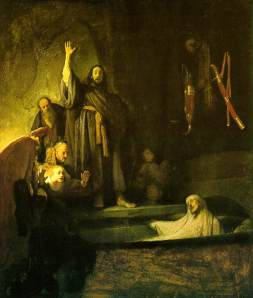

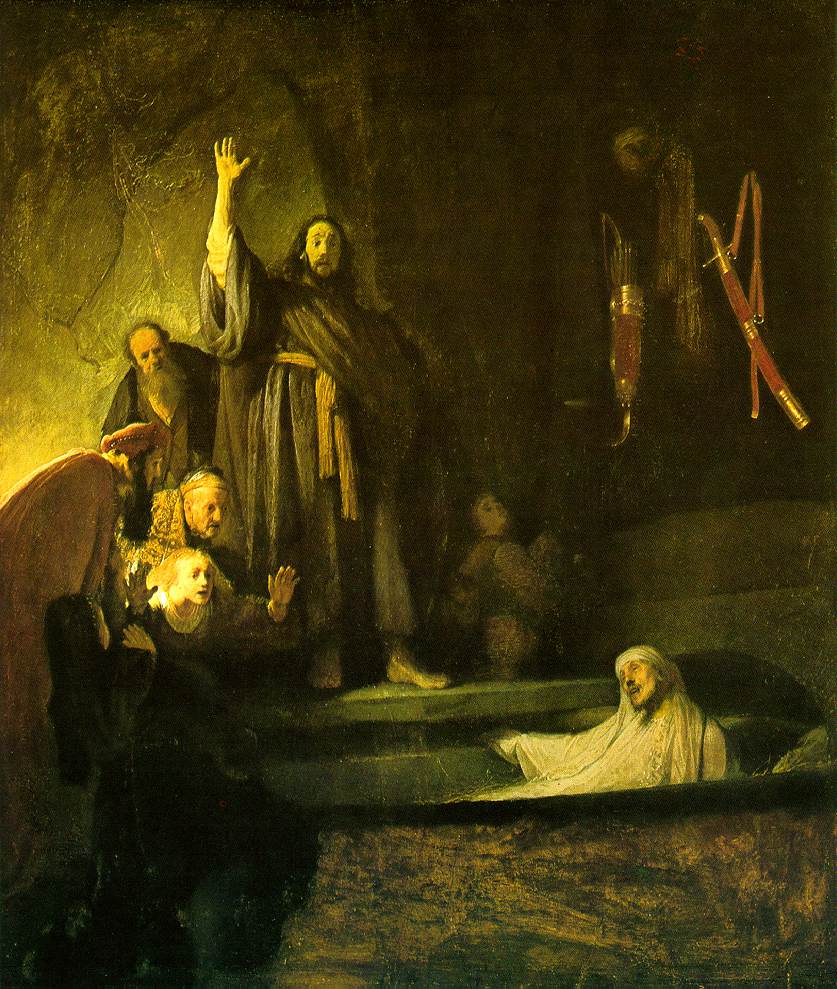
Rembrandt van Rijn, The raising of Lazarus, c. 1630
Oil on panel96.2 x 81.5 cm
Los Angeles County Museum of Art

Caputo argues for Jesus as a kind of deconstructing force within the church. When I set Jesus and the church side by side in my mind and ponder the connection, I cannot think of a better concept than deconstruction with which to understand the force of Christ amongst our religious structures. Caputo sees Jesus as “the event” within the word Christianity. (I know I am not doing the depth of his argument justice.) The idea of “the event” he takes from the French philosopher Jacques Derrida. Think of the word “democracy.” There are democracies and then there is democracy the ideal (not in a Platonic sense, but in a Derridian sense). That ideal calls to us when we think about, speak of, or participate in doing democracy. We don’t ever see the ideal, but we know it is there. Democracy the ideal is the event within the word Democracy. Think of Jefferson Smith (Jimmy Stewart) in the film Mr. Smith Goes to Washington. He is a kind of force, a man who quotes Lincoln and Washington while entering the cynical world of real politik. In the end he becomes a kind of savior-like figure who sacrifices his life for what he knows to be true. Jesus, who’s name is spoken countless times in churches around the world is like Mr. Smith. But rather than just speaking of the truth, he is the truth, he is the image of God, he is the event within the word Christianity.*
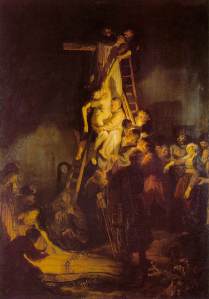

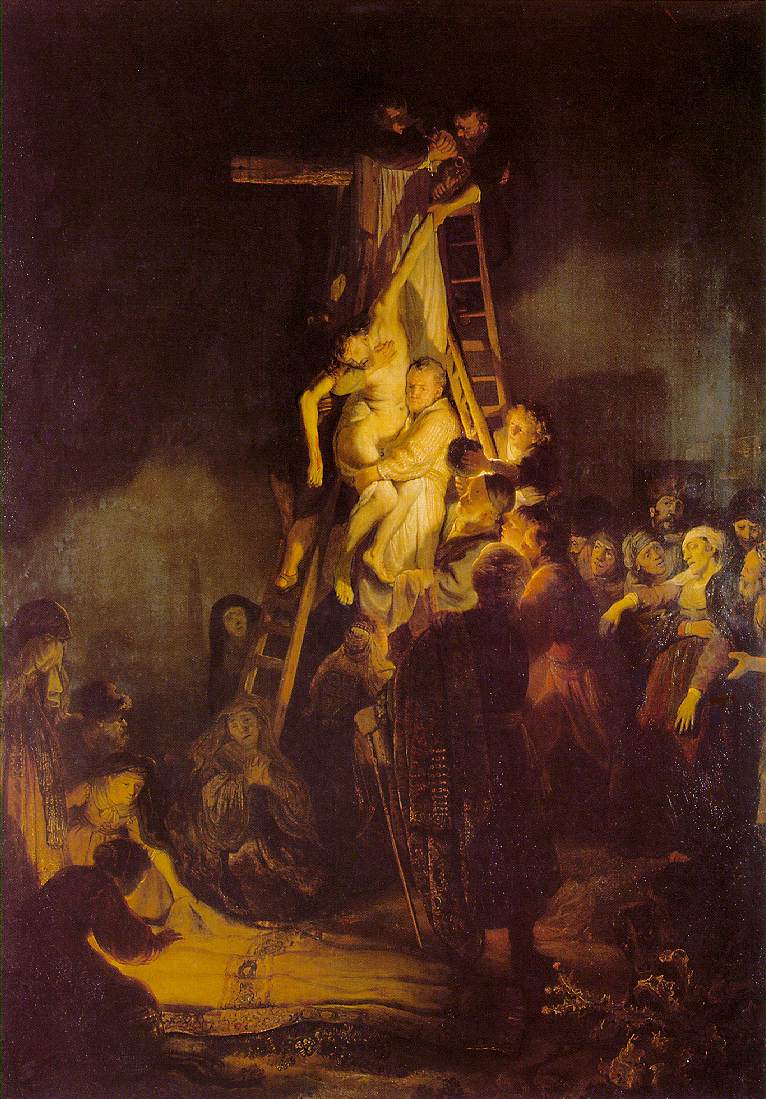
Rembrandt van Rijn, Descent from the Cross, 1634
Oil on canvas, 62 x 46 in. (158 x 117 cm)
Hermitage, St. Petersburg

What I fear is that I live my whole life as a “good Christian” only to one day confront the actual event (Jesus) within this thing (Christianity) I am doing, and to be told “I never knew you.” The fact is I confront the event every day. The question that I must answer is to what am I finally committed, Christianity or the event within.

Back to my original questions. I don’t think Jesus would give our organized versions of Christianity the thumbs up, though I don’t think he would give the thumbs down to all of it. I do think, however, that we would all be surprised by his presence beyond reasons of “wow, he exists!”. I think he would challenge us deeply in ways that get at those very things that we use to convince ourselves of our own wisdom. I think those individuals and groups deeply embedded within the church would have trouble with Jesus on many levels. And I’m not referring to the obvious examples of those who claim Christianity but spew hatred. I am referring to the good, ordinary, run-of-the-mill Christians who try to live good lives and get along with others. They would have trouble with Jesus as much as anybody. But I also think those outside the church, who say they like Jesus but not Christians, would also have trouble with Jesus. Jesus hung around with sinners but he was not their homeboy. He was not their revolutionary either. He is God’s revolutionary, whatever that means – which is something we could spend the rest of our lives figuring out.

* This is one of the reasons I don’t like seeing a U.S. flag prominently displayed in a church. The event within democracy is not the same event as that within Christianity. The event within the U.S. flag is something closer to patriotism than democracy, and it is miles from Christ. With our tendency to focus on Christianity rather than the true Christ already in play, why jeopardize our profound and constantly reforming need for truth that much more with connecting faith to patriotism?

>BHO

>It is difficult for words to express what this truly means.

There is a kind of glory happening here. This, of course, is not really about Obama, rather it is a claiming of that which we know is a better idea, a nobler nature, and a call to a higher goal. While not forgetting the reality of the world we inhabit, including our own corruption, let us promote this experiment we call freedom and seek to love each other better.

I have to say this makes me happy.