
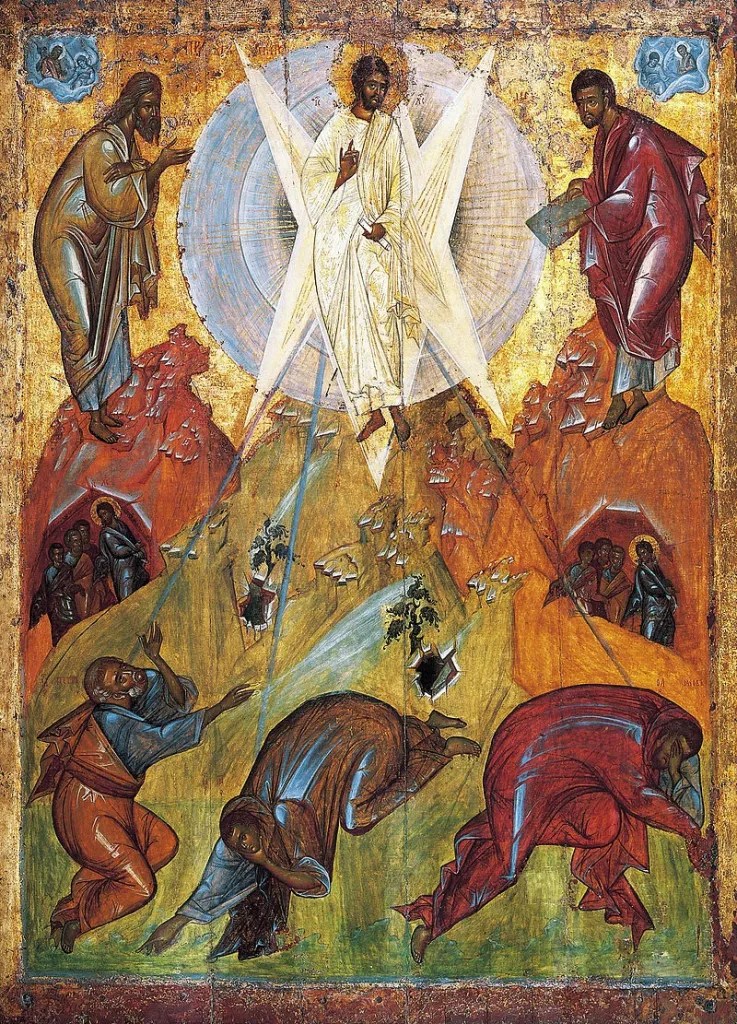
May grace and peace be multiplied to you in the knowledge of God and of Jesus our Lord. His divine power has granted to us all things that pertain to life and godliness, through the knowledge of him who called us to his own glory and excellence, by which he has granted to us his precious and very great promises, that through these you may escape from the corruption that is in the world because of passion, and become partakers of the divine nature. (2 Peter 1:2–4)
Many times I read over these words from Saint Peter but I never paused to contemplate the phrase “become partakers of the divine nature.” The very idea of becoming partakers of the divine nature, though boldly stated here, was never a topic of preaching or teaching in my Protestant upbringing. And later, when I first heard the words of Saint Athanasius below, I was shocked.
“God became man so that man might become god” (St. Athanasius, On the Incarnation 54:3)
These words have rung like a bell down through the history of the apostolic Church(es) ever since they were penned in the 4th century. Alas, they have also been forgotten by many who call themselves Christian and some have even felt themselves scandalized by those words. I know the Protestant world from which I came would have rejected such ideas. And yet…
Be imitators of me, as I am of Christ. (1 Corinthians 11:1)
Are we not to be imitators of Christ? Yes! Is He not the Son of God? Of course! But these words roll off our tongues too easily. Have we not become complacent, given over to excuses? I have.
If imitation of Christ is about checking the boxes of moral perfection it’s easy to back away a bit. No one can reasonably expect me to actually check all those boxes. Right? But if imitation is to become divine… that sounds very interesting.
“You, therefore, must be perfect, as your heavenly Father is perfect.” (Matthew 5:48)
But what is this perfection? I was always taught being a good Christian is to seek moral perfection. And that is true but that is only part of the picture. When something is perfect it is, in the ancient and Biblical sense, to be brought to its proper end, to be finished, completed, lacking in nothing. For humans it means to be what a human is meant to be, that is, fully human as God intends. This is the telos of salvation. To seek it is to seek God, to desire to be like God, to be the Image of God finally and fully realized. So yes, it does mean moral perfection because it means total perfection, to be as God is, perfect.
This is theosis. This is what being a disciple of Christ is all about. This is the pearl of great price.
I’m not writing this to say anything new or profound, rather I want to point to a book and two videos that have helped me to understand that the burning in my soul is my desire for theosis.
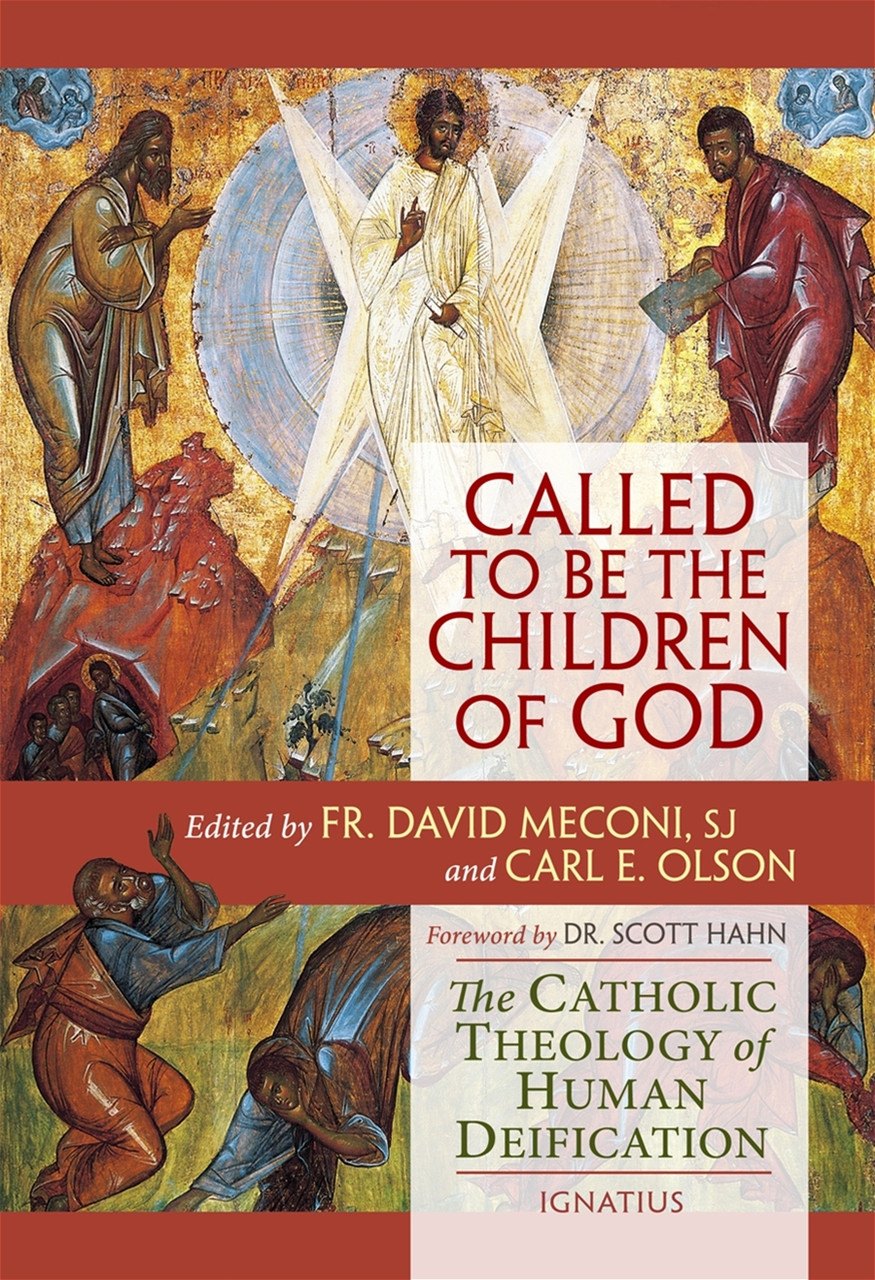
The book is: Called to Be the Children of God: The Catholic Theology of Human Deification Edited by a friend of mine, this book looks at the concept of theosis/deification/divinization from the Old Testament down through the centuries, much of it as understood within the Catholic Church. It’s an excellent overview with countless quotes from the Bible and Church history. For a Christian not familiar with the concept of theosis (so easy to be ignorant these days) this book might blow their mind.
The videos, which are from the Eastern Orthodox viewpoint and are also excellent, are here:
Blessings to you.
[Third Sunday After Pentecost, Feast of Saints Peter and Paul, Apostles]
 pilgrimakimbo