>back to the basics

>

The other night I introduced my daughter Lily to the film Back to the Future (1985). Which she loved, even though some of it she didn’t entirely understand. I don’t think I had seen it for twenty years (which kinda blows me away). The truth is, although the story is deeply flawed in many ways, the film is a wonderful, maybe even great, film. One of the parts that make the film so good is the brilliant performance of Crispin Glover.

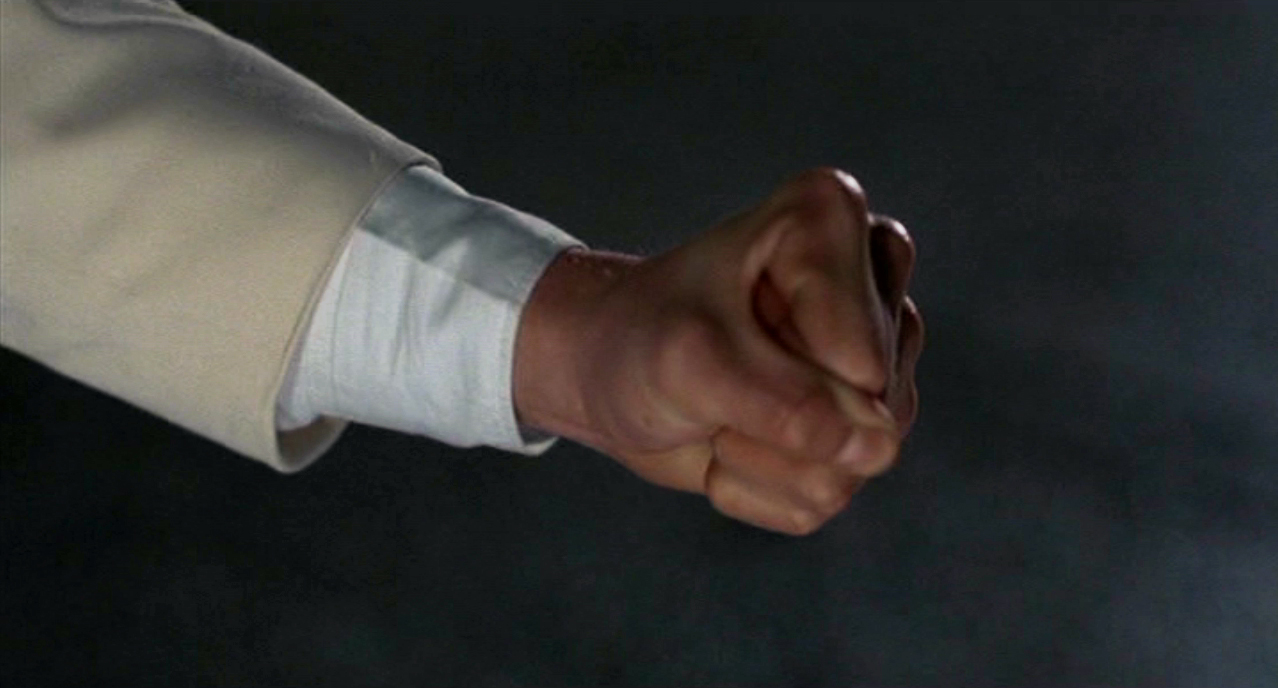
Here is an example of Glover’s acting, at the critical moment George McFly (Glover) has just punched and knocked out Biff (Thomas Wilson). In a matter of just seconds we see George reacting to the punch with a combination of surprise, elation, and pain.


Then George notices Lorraine (Lea Thompson), whom he has just protected from Biff.



George is almost giddy with excitement that he has knocked out Biff and looks to Lorraine for confirmation.



But then he realizes that she has been pushed down to the ground by Biff.


George composes himself and extends a chivalrous hand to Lorraine.


In about 5 seconds we see Glover portray a range of emotions that are not only convincing and seemingly effortless, they also have their own little narrative structure.

As I look at the various awards and nominations for the film, I see some directed toward Fox but none for Glover. This is unfortunate, especially given that Fox’s acting is good, but pedestrian, whereas Glover’s is a tour de force.

Then Lily and I watched Ghost Busters (1984).
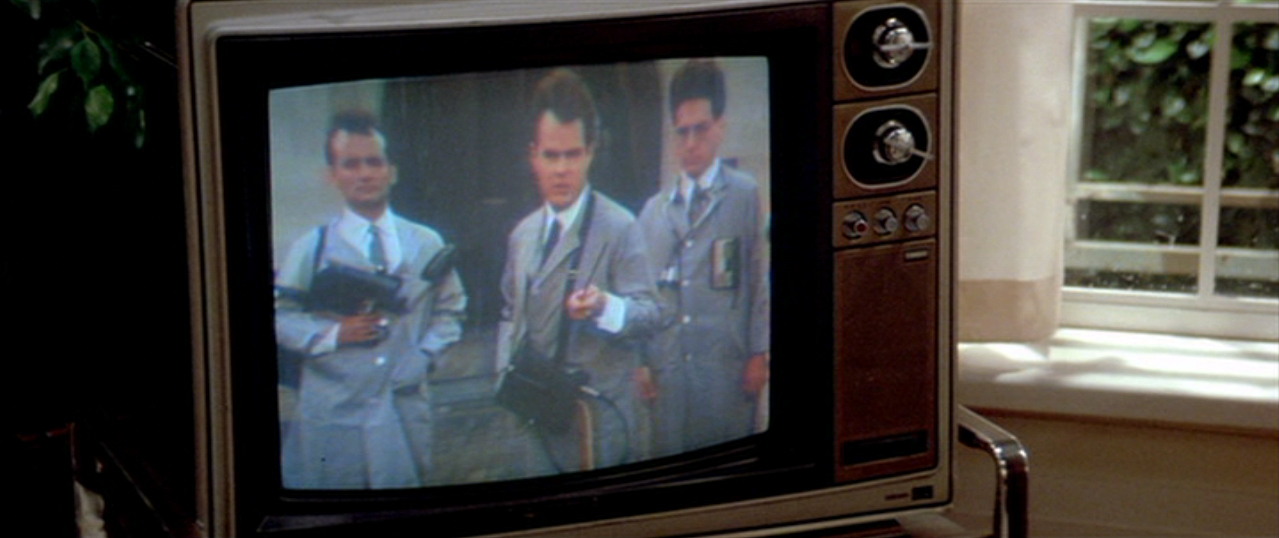


I have to say that the film, though still somewhat fun, does not stand up to the test of time as well as Back to the Future. Why? One key reason is the lack of craftsmanship. Although the film was creatively conceived it lacks the kind of carefully crafted story telling that one finds in Back to the Future. The camera work is largely uninspired, the editing is rather mundane, and apart from its somewhat unique concept, the story arc and pacing are very predictable. What keeps it entertaining are the performances of the principle actors.

I suppose the difference in quality of the two films can be summed merely by pointing to the directors. Zemeckis, though not a genius, is a big step or two above Reitman – in my humble opinion.

* * * * * * * * * * * * * * *


So… is the watching of movies really an education? Can it be counted as such? I have been introducing various films to my seven year old daughter for the sake of her “education.” Is this really valid or am I deluding myself? As far as I know the State doesn’t test for movie knowledge. Proponents of “no child left behind” would just laugh at me. If you want to get some education then hit the books, so the thinking often goes. If you want to “check out” from the day’s troubles and turn off your brain then watch a movie.

If you are a regular reader of this blog then you know my answer already.

I am a bookaholic, and I am a believer in the idea of a classical education. But I believe that a classical education is not only about reading old books. It is really about seeking answers to fundamental questions, such as:
1) What is prime reality – the really real?
2) What is the nature of external reality, that is, the world around us?
3) What is a human being?
4) What happens to a person after death?
5) Why is it possible to know anything at all?
6) How do we know what is right and wrong?
7) What is the meaning of history?

All of us act from within a set of answers, more or less coherent, to these questions. Our answers, or worldview, are like a set of lenses through which we view the world and our place in it. Every film, also, is born out of a set of answers to these questions. In fact, film is one of the best mediums with which to express and explore a worldview. When I watch a film with my daughter I get to discuss with her what the filmmaker is trying to do, trying to say, and wants us to know. Sometimes the films are light and fun, like those mentioned in this post, and the discussion is somewhat light as well. Often we talk about the filmmaking process, and she then learns that films are created things that she can have an opinion about – more than just the “I like it” opinion, which isn’t actually an opinion but an uncritical reaction. Overall, films, being powerful cultural and personal artifacts, are great doorways into important discussions about all that it means to be human, and that is a good place to begin a life of learning.

* * * * * * * * * * * * * *

I would like to say that my blog postings have slowed down because I am on Summer vacation. Fact is, I’m not vacationing, just trying to get my thesis written, remodel the house, spend more time with the family, and well, it’s just more difficult for me to watch films when it’s still sunny outside in the evening. Plus I’ve been watching the Tour de France in my “extra” time.

lights in the vines

lights in the vines
light in hanging jars
lights crisscrossing the cracked patio dance floor
night settling over soft blankets spread on the lawn
this world
what we have
and each other with lights in our eyes
lay our souls on the grass
share our souls at the tables and all about the house

it is July and we are free
these stones
river stones
smooth oval stones
are whispers beneath us like prayers we silently share
continually praying the tears of saints
joy and sorrow and rivers

it is July and you
tender
sleepy joy
swim in the last twilight
Venus and Mars in a moonless quiet sky
and I alone at the gate
pausing at the horizon on my way to you

-July 1999/2007

>Regardless of my opinion…

>can a movie be good, I mean really good?

Or is it a matter of taste?

I have come to the conclusion that the single biggest issue regarding film criticism has to do with the subjective/objective split. In other words, can we say meaningful statements about a given film that are not ultimately subjective, and therefore just a matter of opinion? Much of the debate around how criticism should be done stems from issues regarding this split. And it is an age-old split. In particular because when it comes to art what we all want to know, at some deep level, is whether the work is any good.

We can describe the characteristics of a film all we want, and that is a fundamental part of criticism, but finally we want to know if all that description points to something of value, or not. And if one makes the case that a film has value, is good and not bad, then we want to know the criteria being applied. Or, maybe more commonly, we assume that the criteria doesn’t really matter because film criticism, no matter how detailed, educated, in depth, and carefully referenced, is still merely a matter of personal taste. But is this true?

I plan on writing about this topic in greater detail in the future, but I have been curious about the objective/subjective split elsewhere. At the Amateur Gourmet there is a similar debate going on regarding food. I am interested in what people think, after reading that piece, if the same issues apply to film. Is the objective/subjective split hopelessly unresolvable? Is film criticism really just about carefully crafted opinion?

>Semiotics of the Kitchen

>

As a matter of fact one is continuously anticipating expressions, filling up the empty spaces in a text with the missing units, forecasting a lot of words that the interlocutor may have said, could have said, will certainly say, or has never said.

>>Umberto Eco, A Theory of Semiotics 1979, p. 136

After reading Tram’s post (see: A Room of One’s Own) regarding Chantal Akerman’s Jeanne Dielman (1976), I was reminded of another famous examination of domestic life, Semiotics of the Kitchen (1975) by Martha Rosler. The first time I saw this short film I was in college studying film theory and loving it. I was blown away by Rosler’s piece, not merely because it was an exploration of the very of the concepts I had been studying, but also that she found a way to make semiotics funny (in a dry humor sort of way). Semiotics of the Kitchen was considered a seminal work of the period and shown for years in college film departments and media studies classes, etc. I wonder if it is still watched much anymore.

Semiotics of the Kitchen

>by way of comparison

>Here’s a little interesting side-by-side (or top-over-bottom)…

An excerpt from Pennebaker’s documentary on Bob Dylan, Dont Look Back (1967):

Cate Blanchette as Dylan in the upcoming Tod Haynes film, I’m Not There (2007):

Personally, I think it kinda works for Cate to play Bob, especially from his “androgynous” years. But it still looks like a woman portraying a man. In that sense, it may “work” even better.

>truly

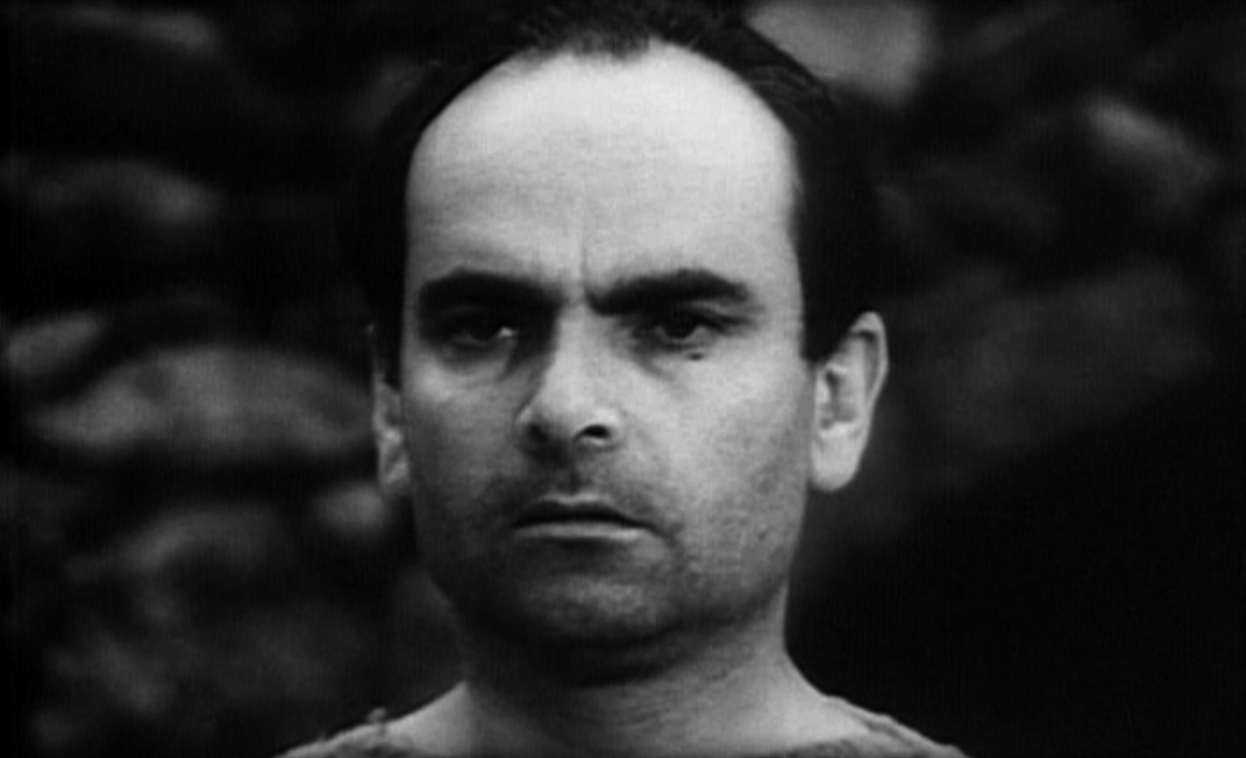
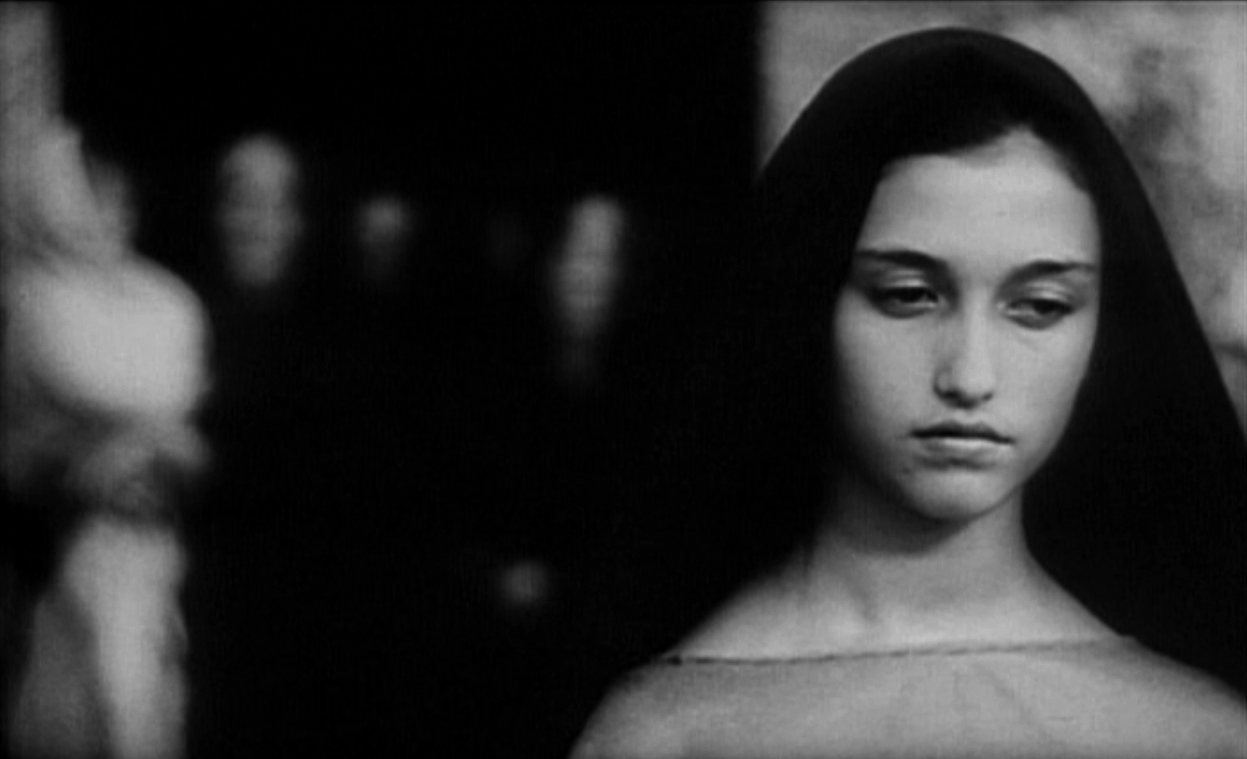
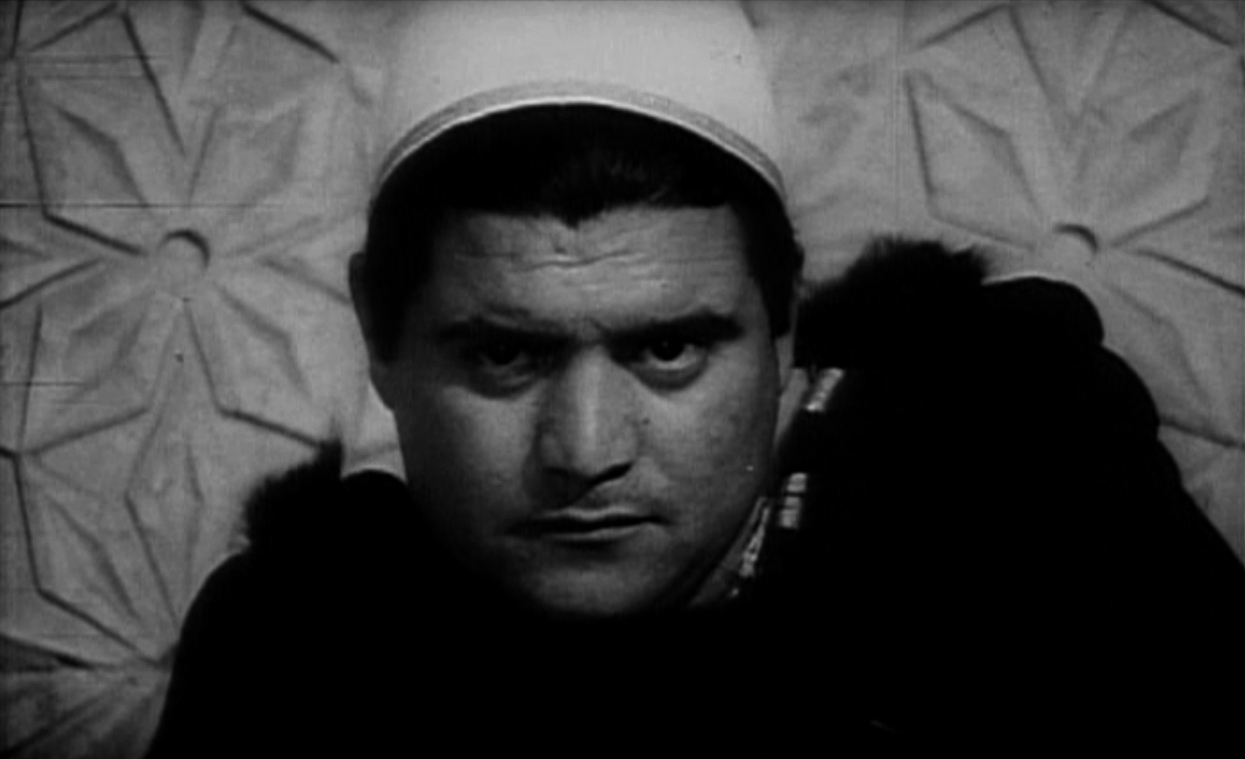
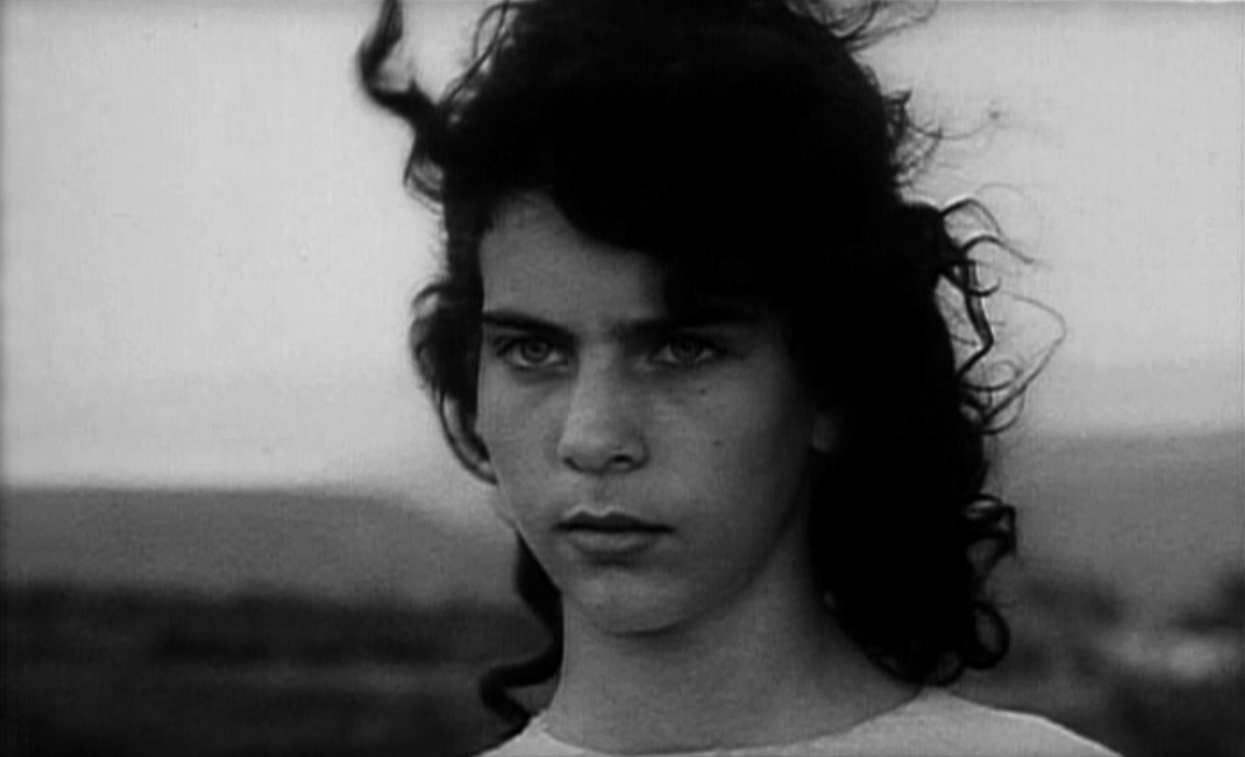
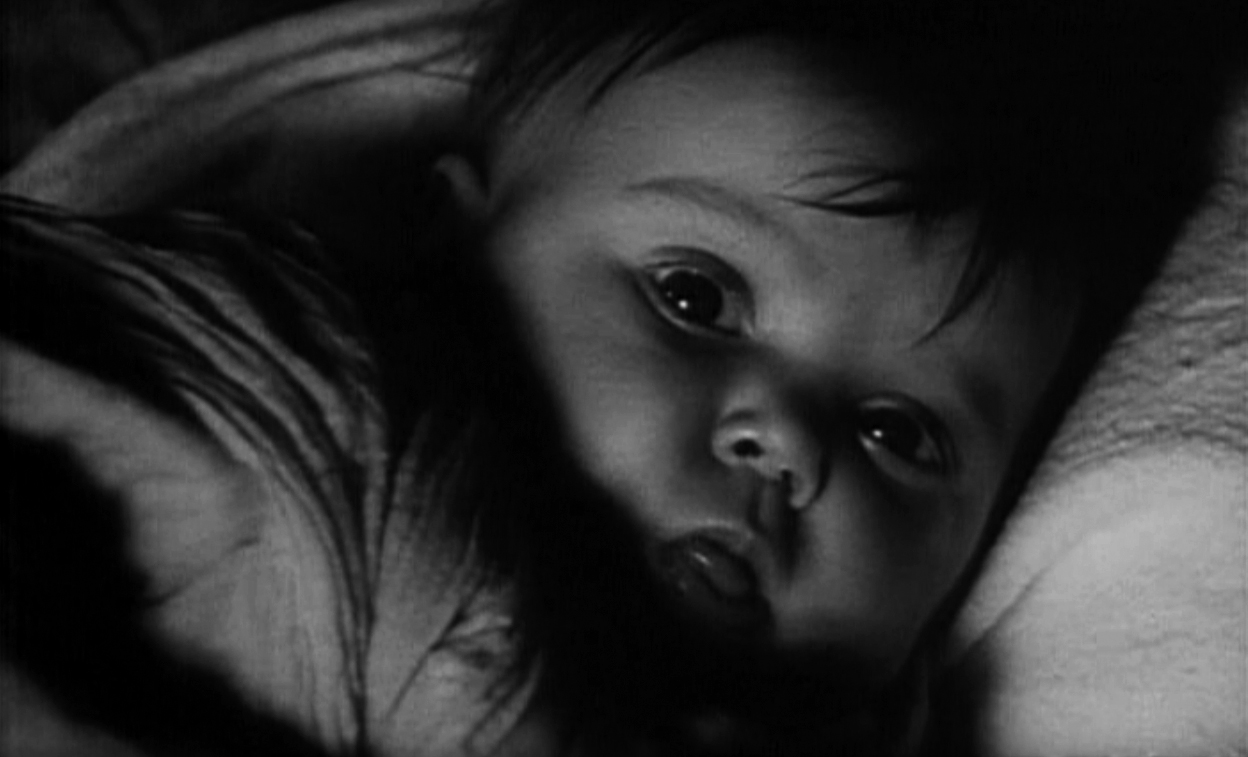
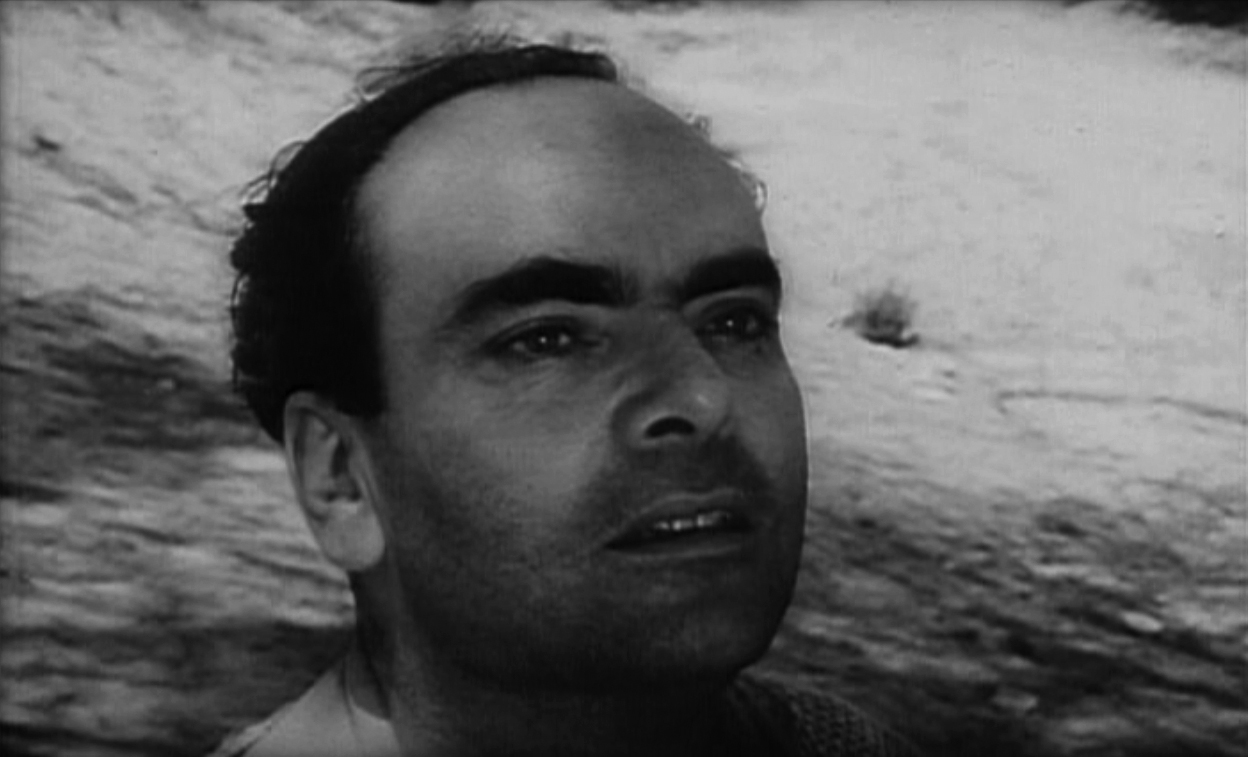
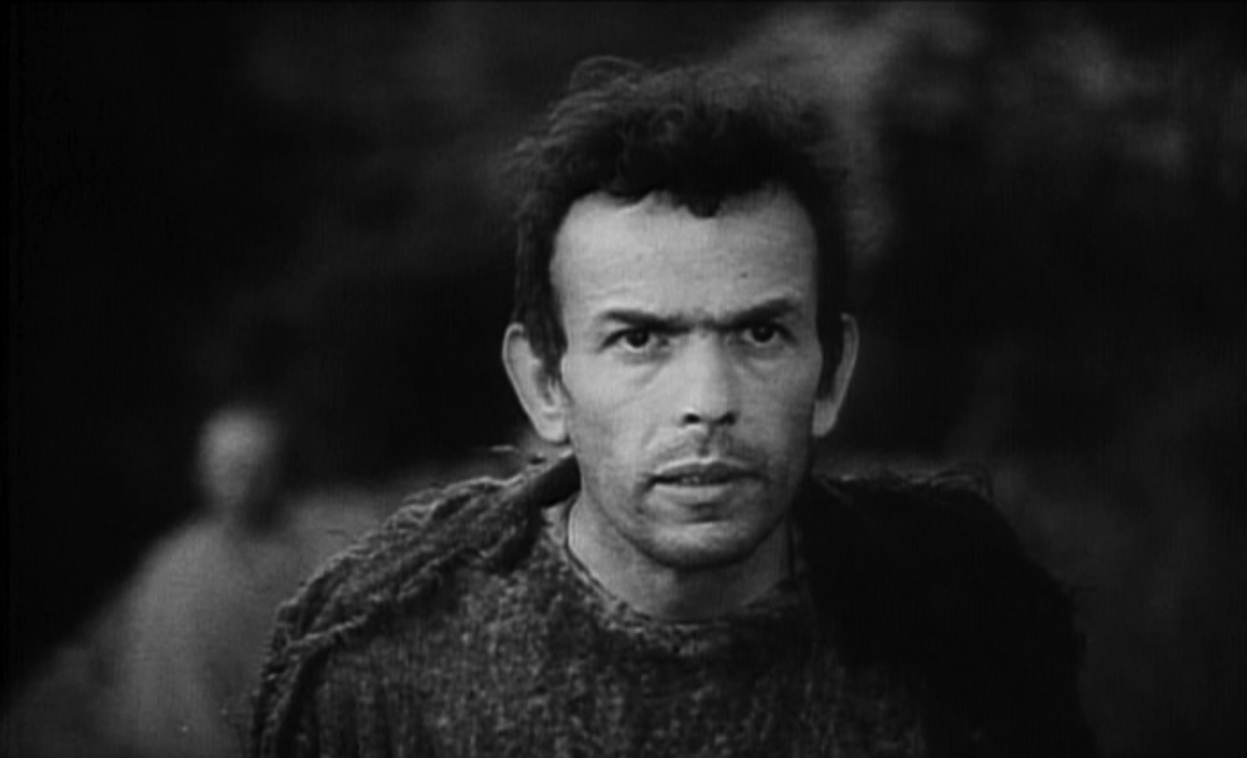
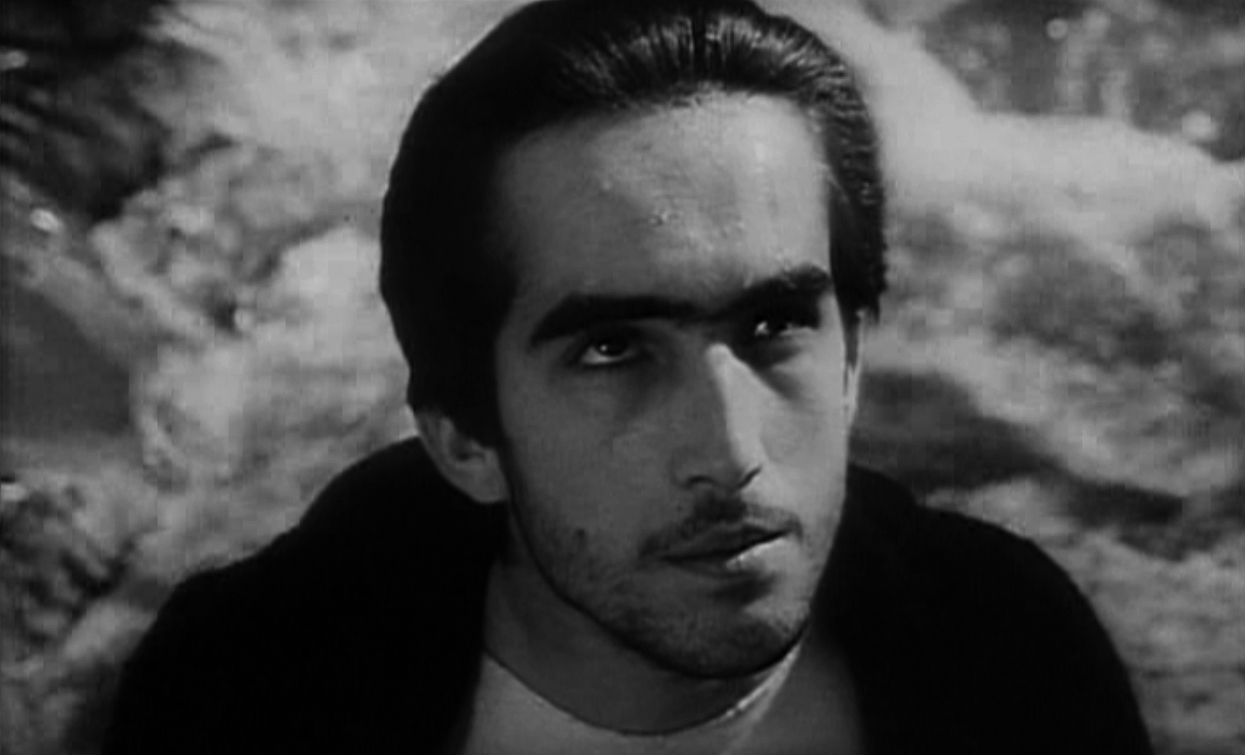
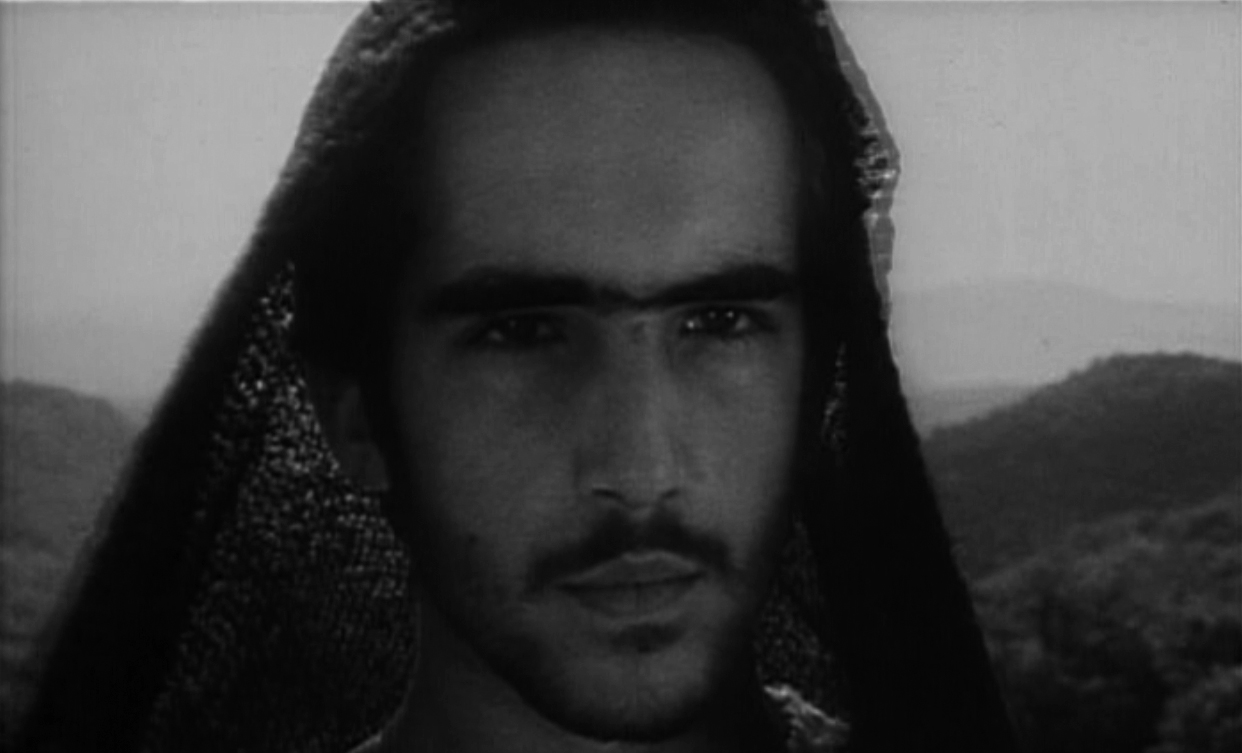
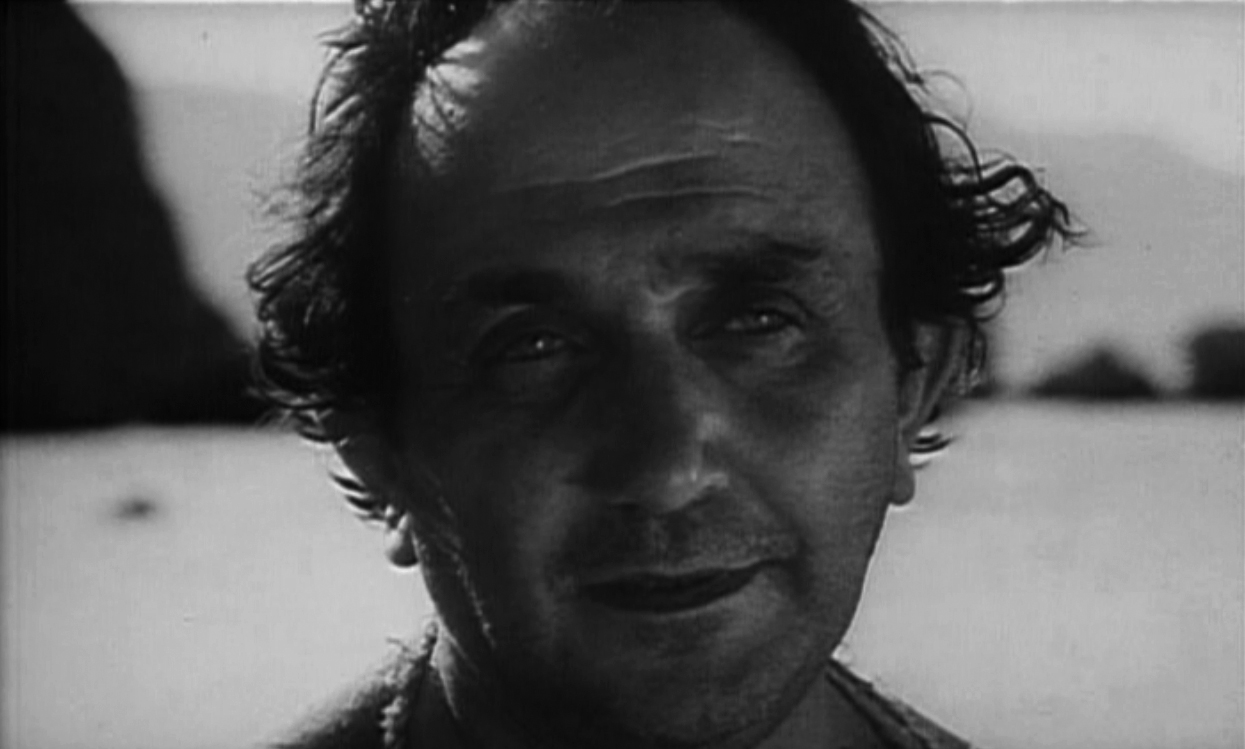
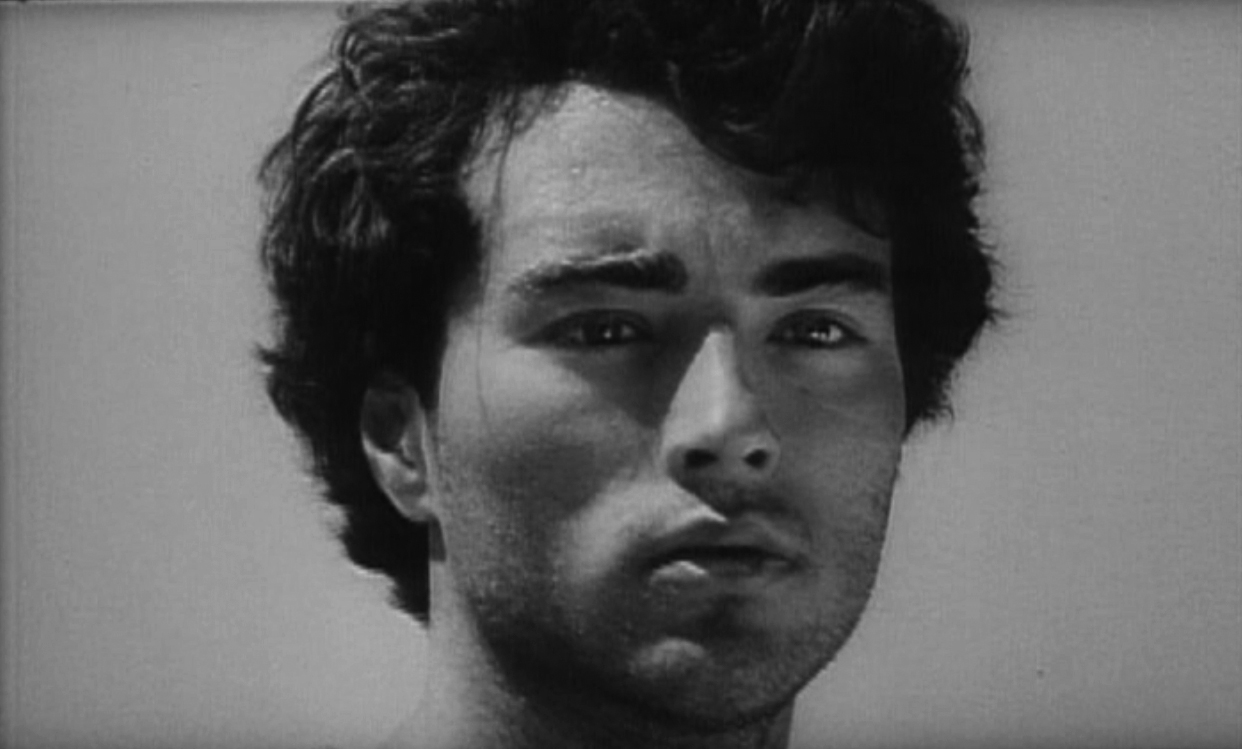
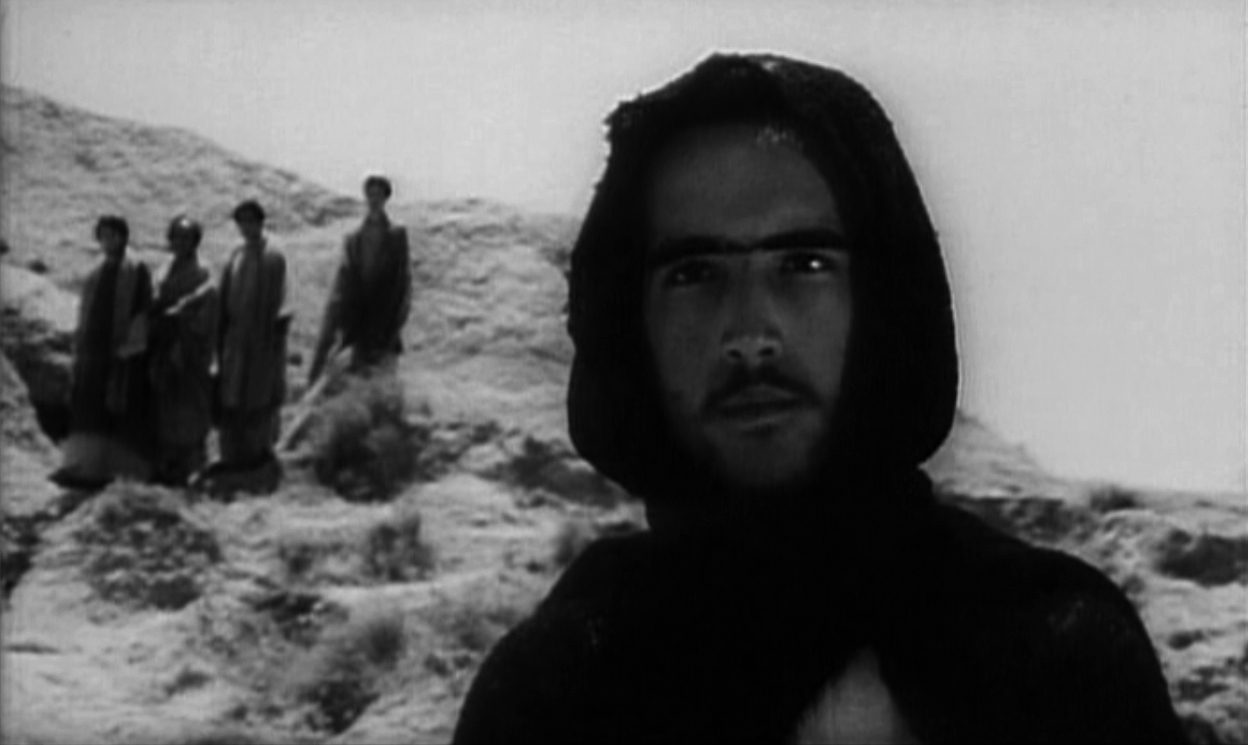
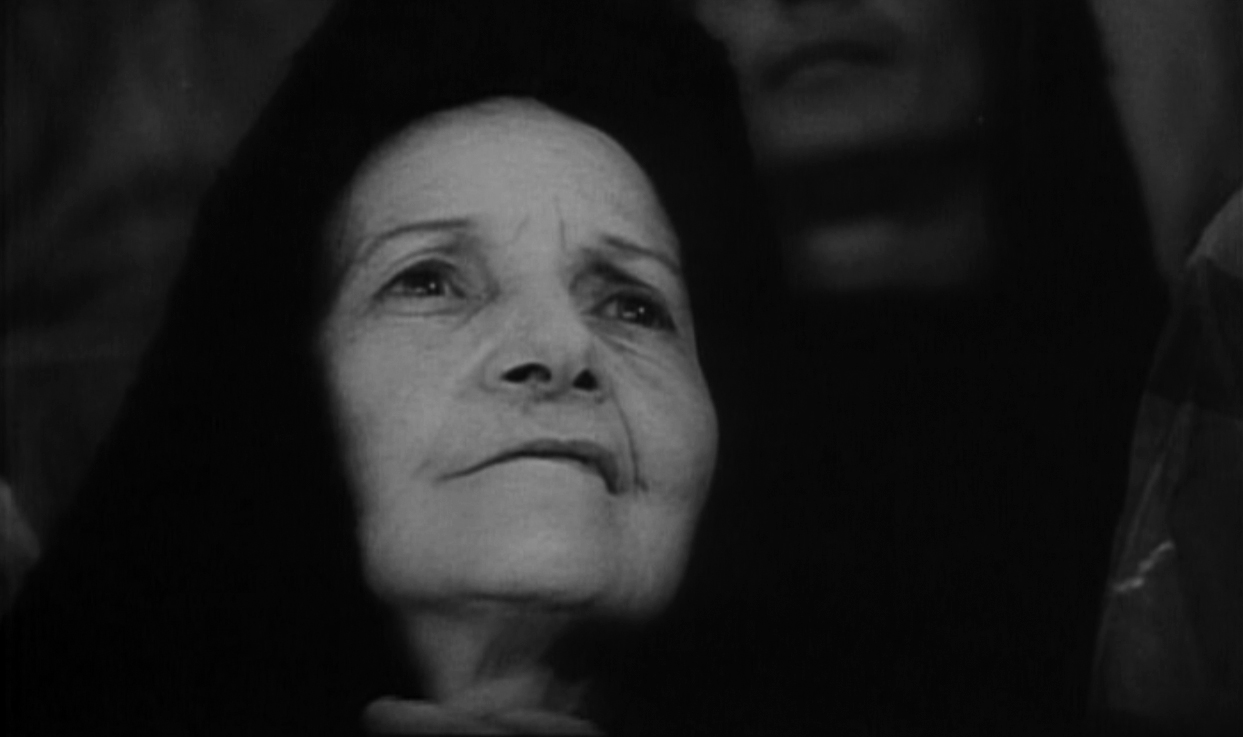
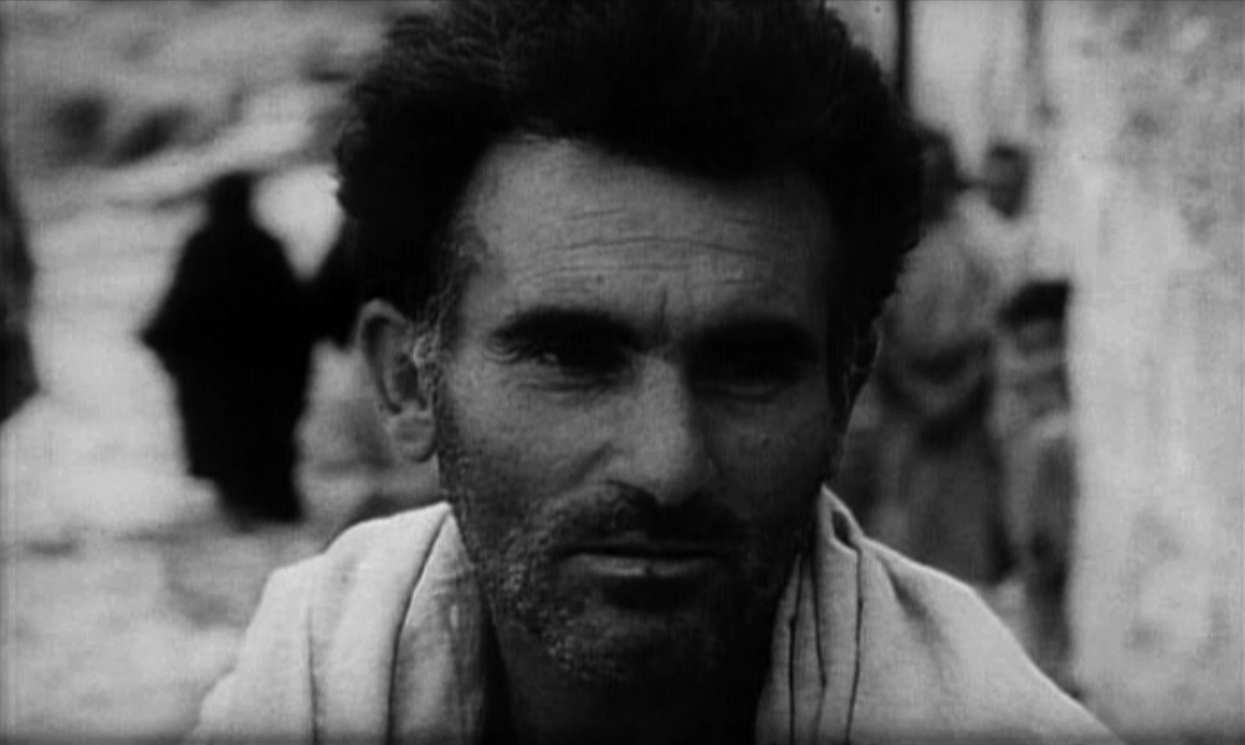
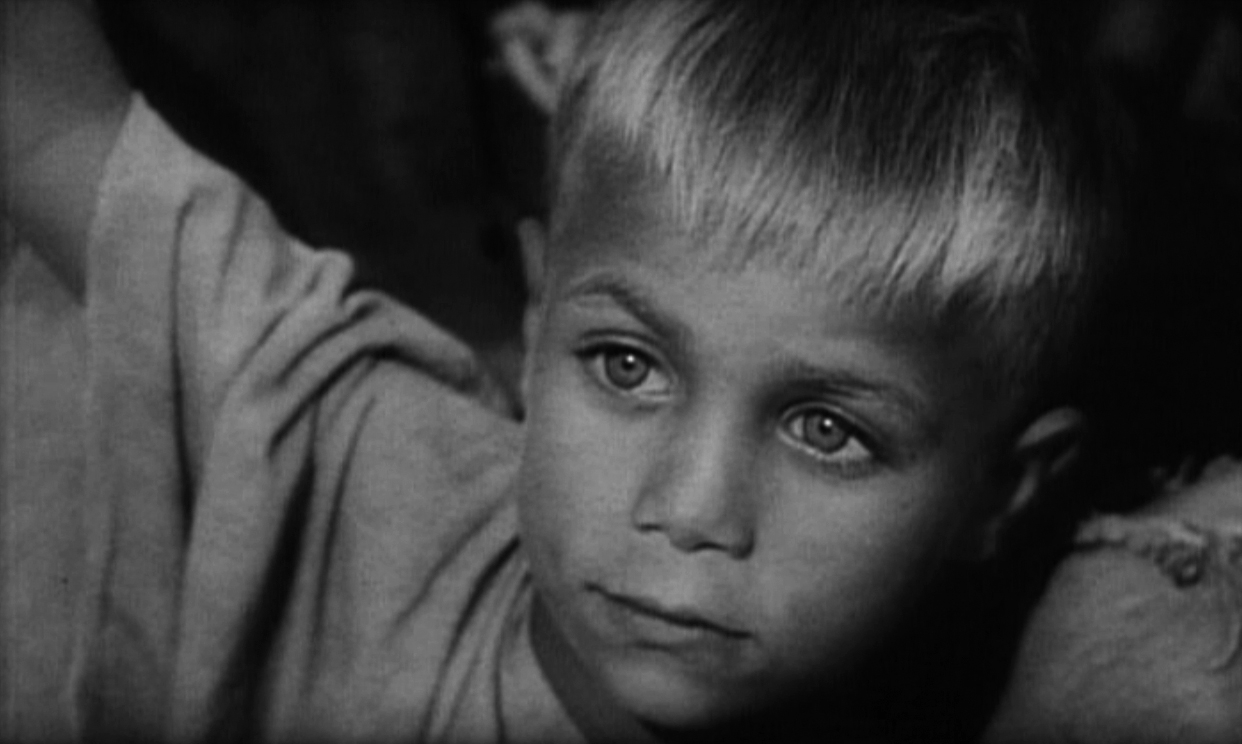
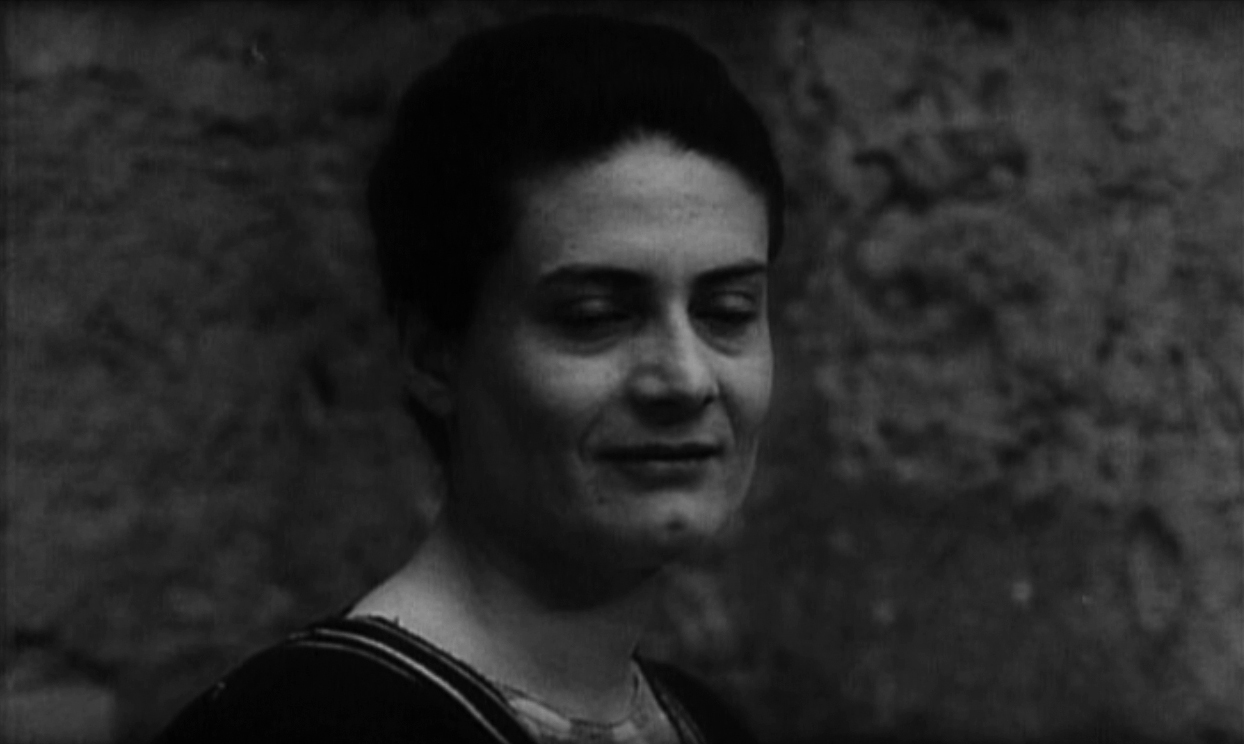
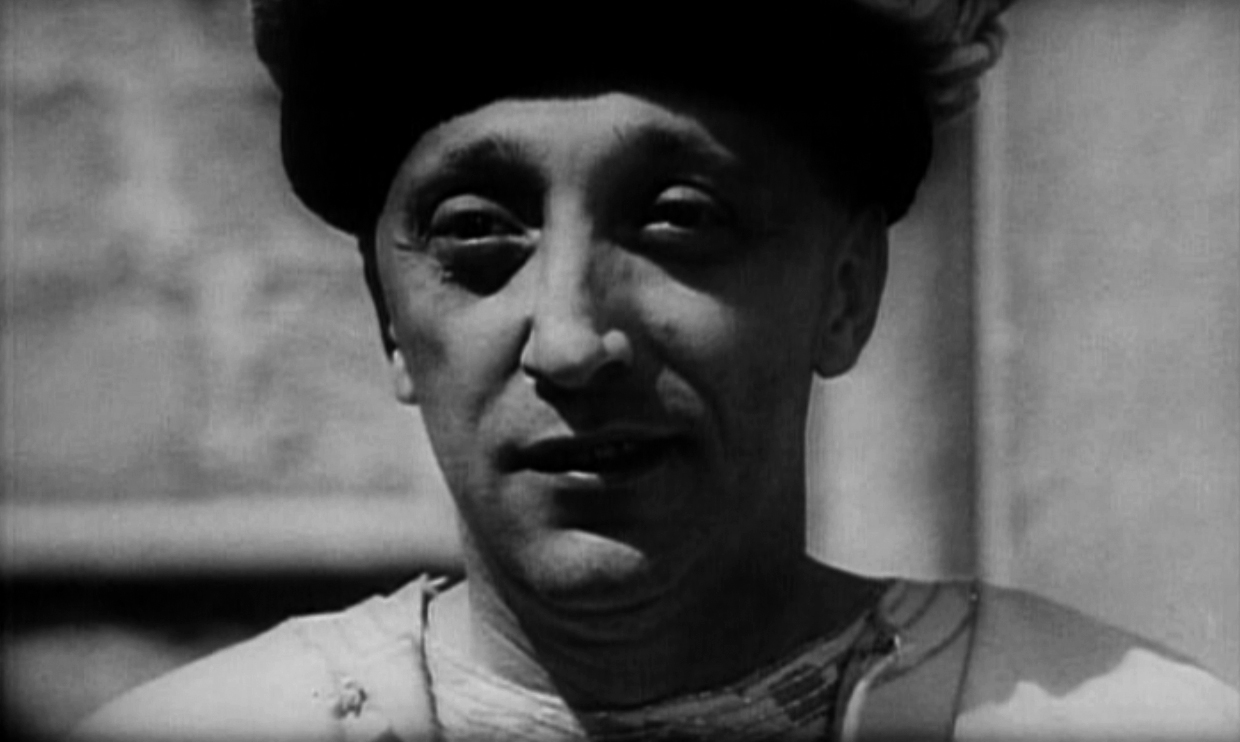
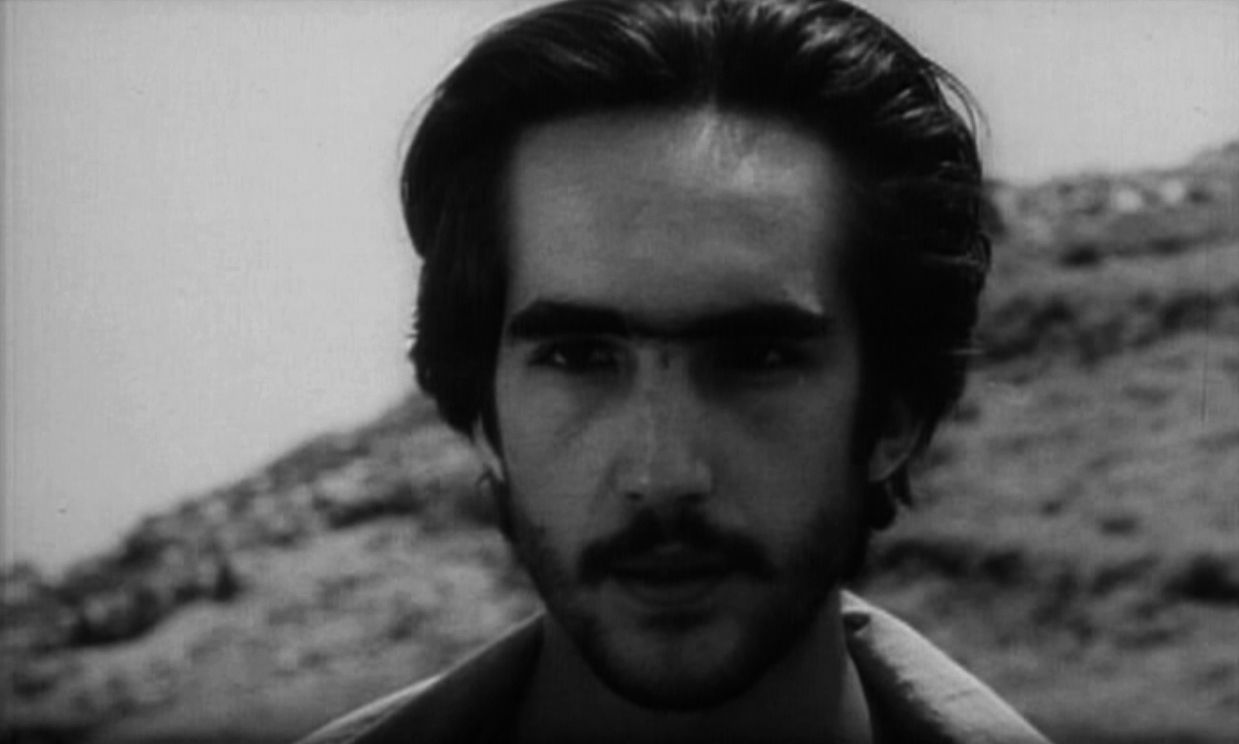
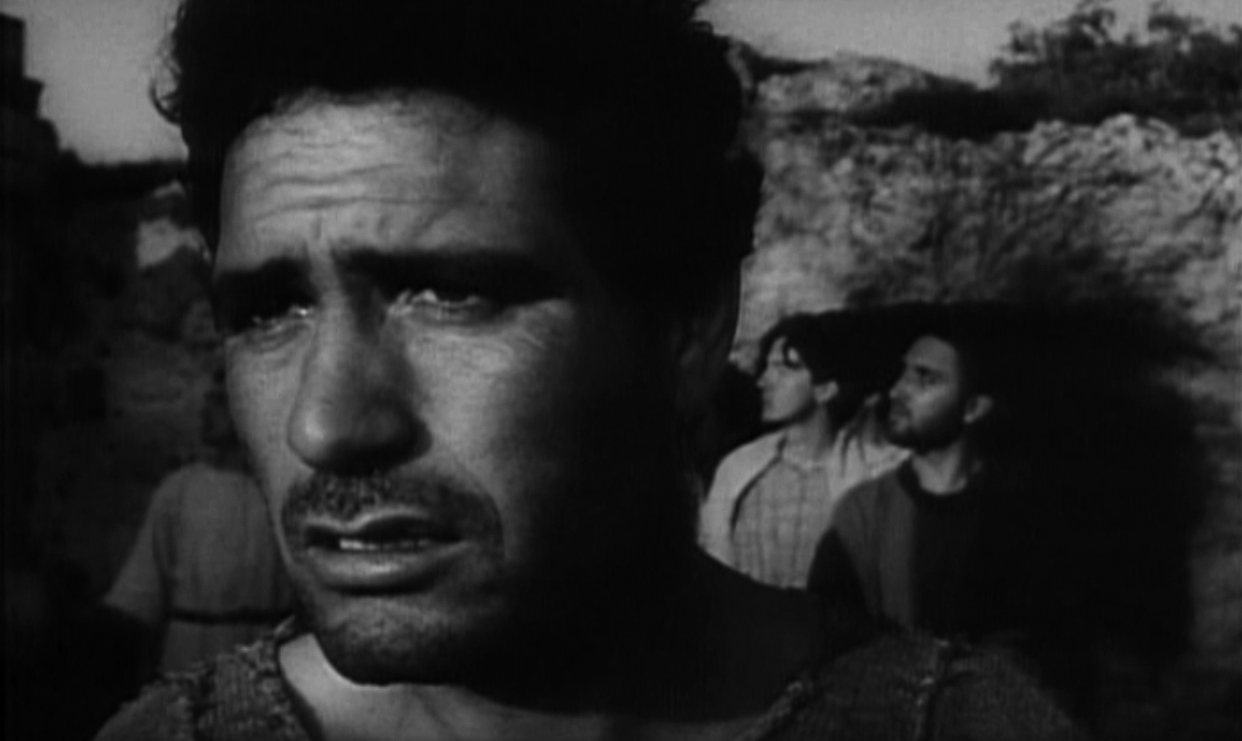
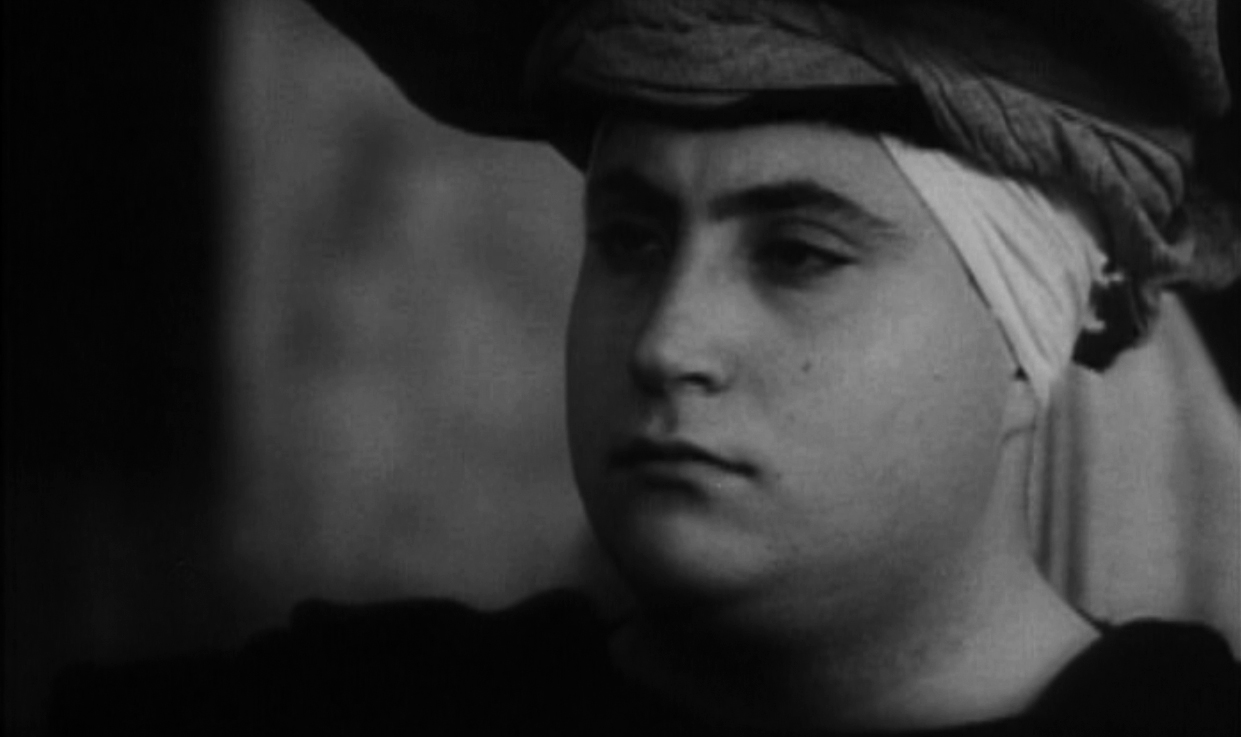
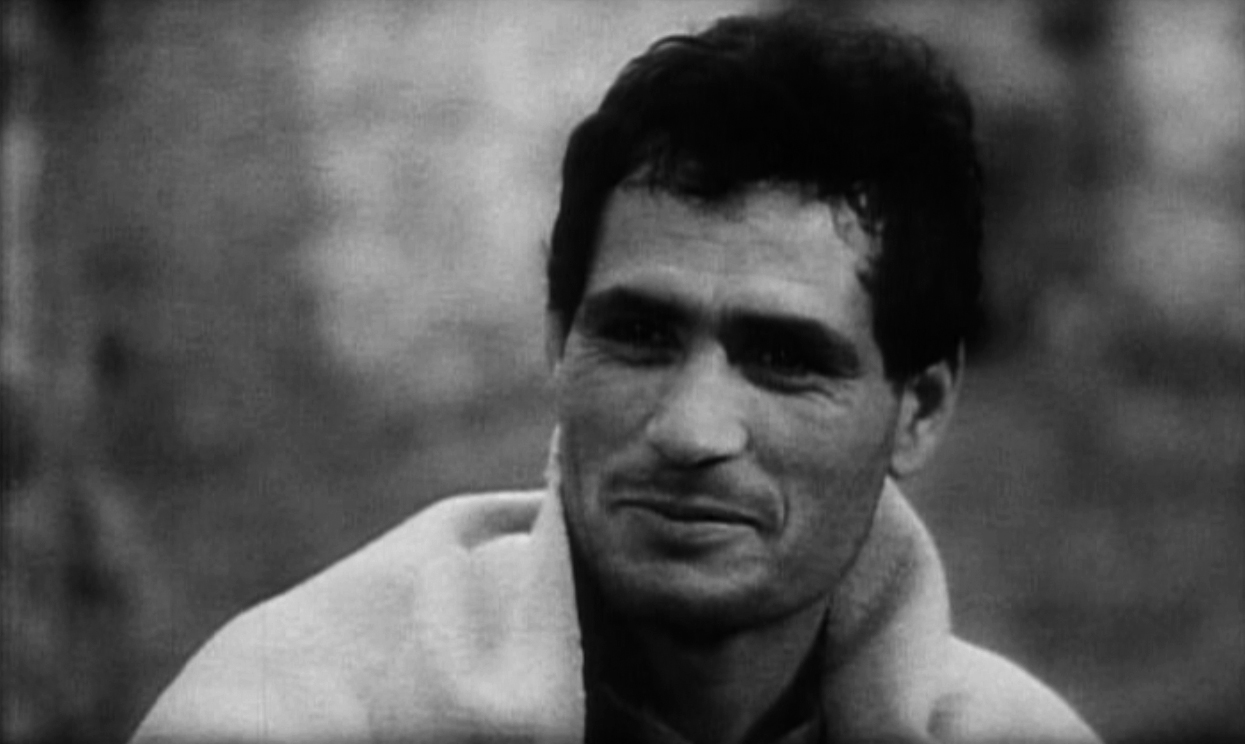
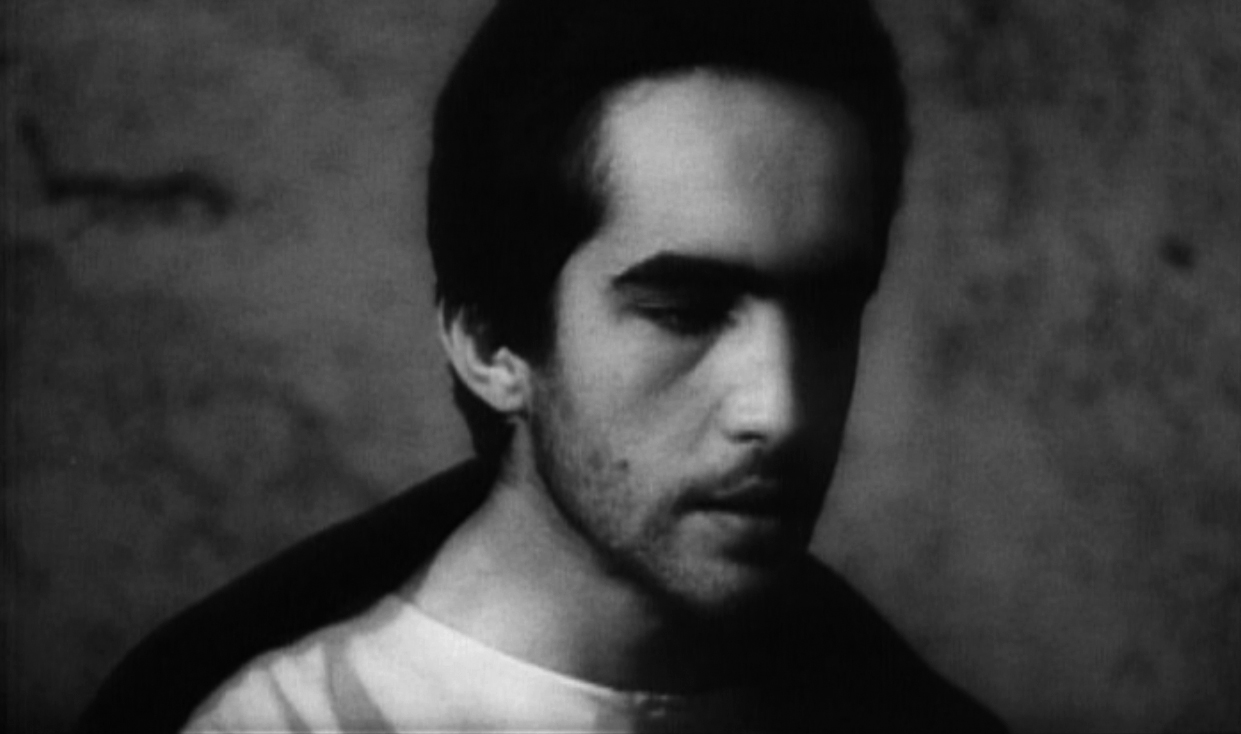
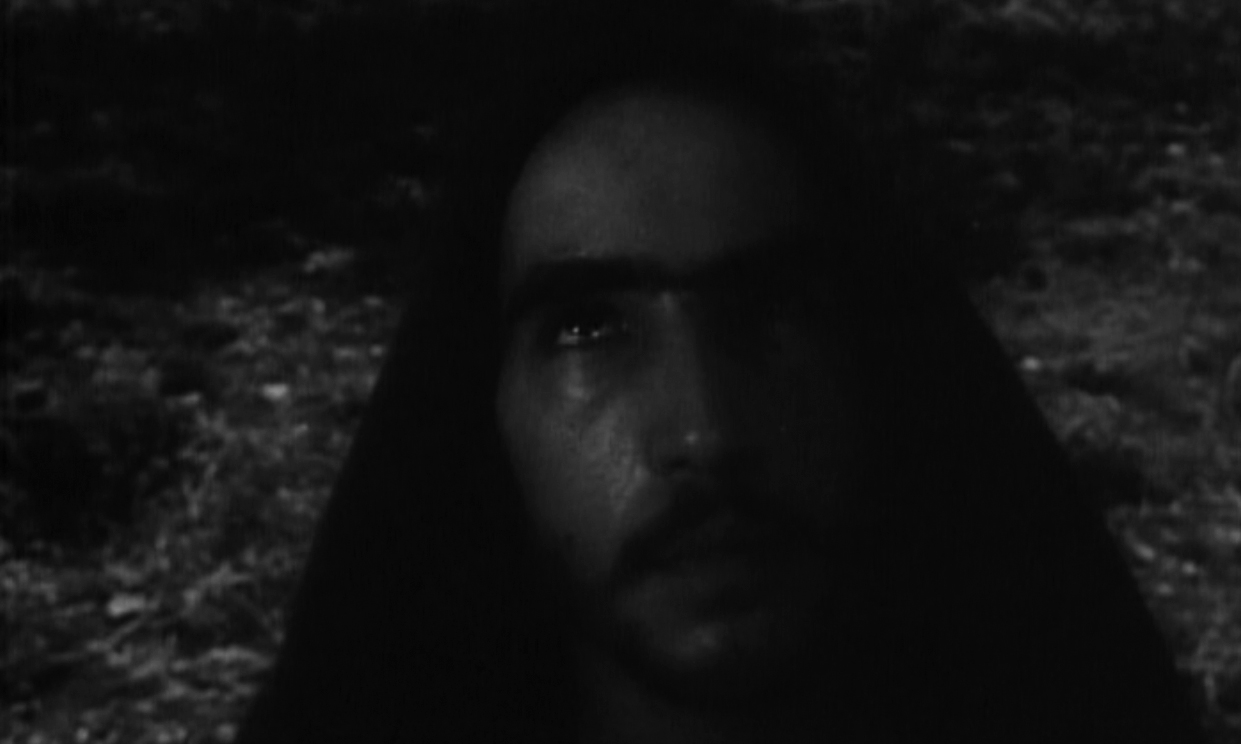
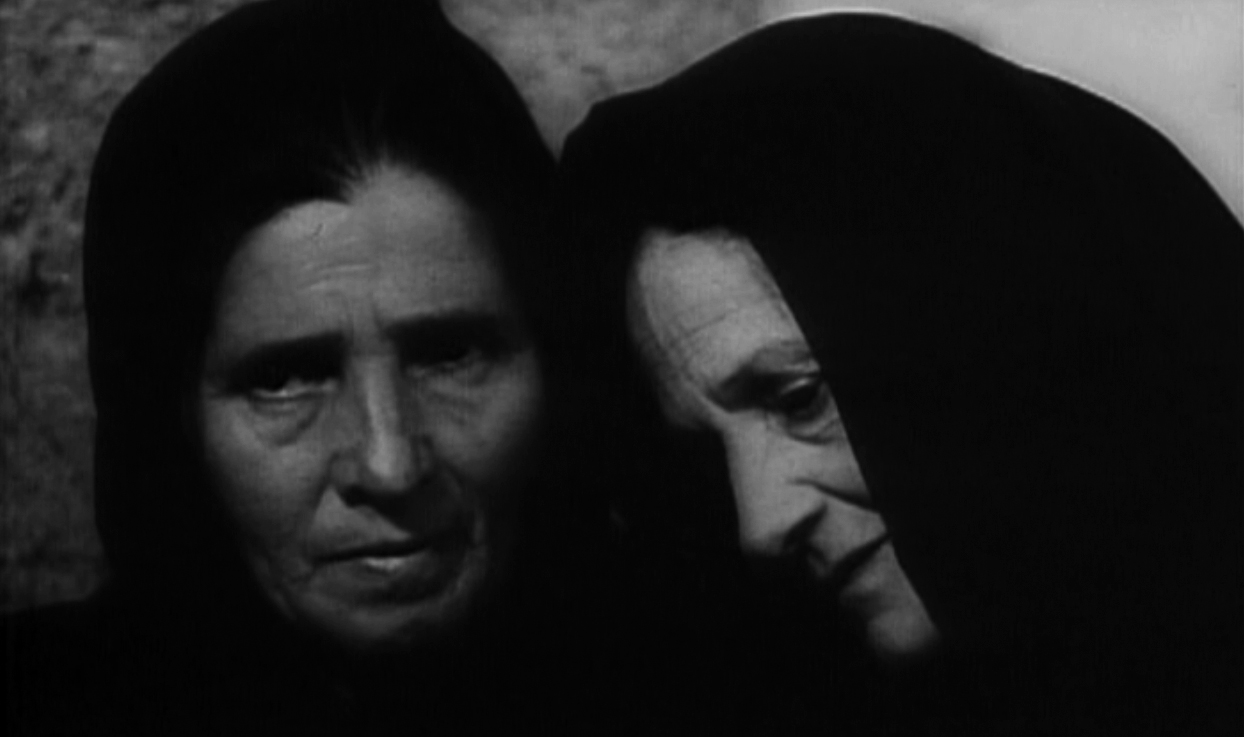
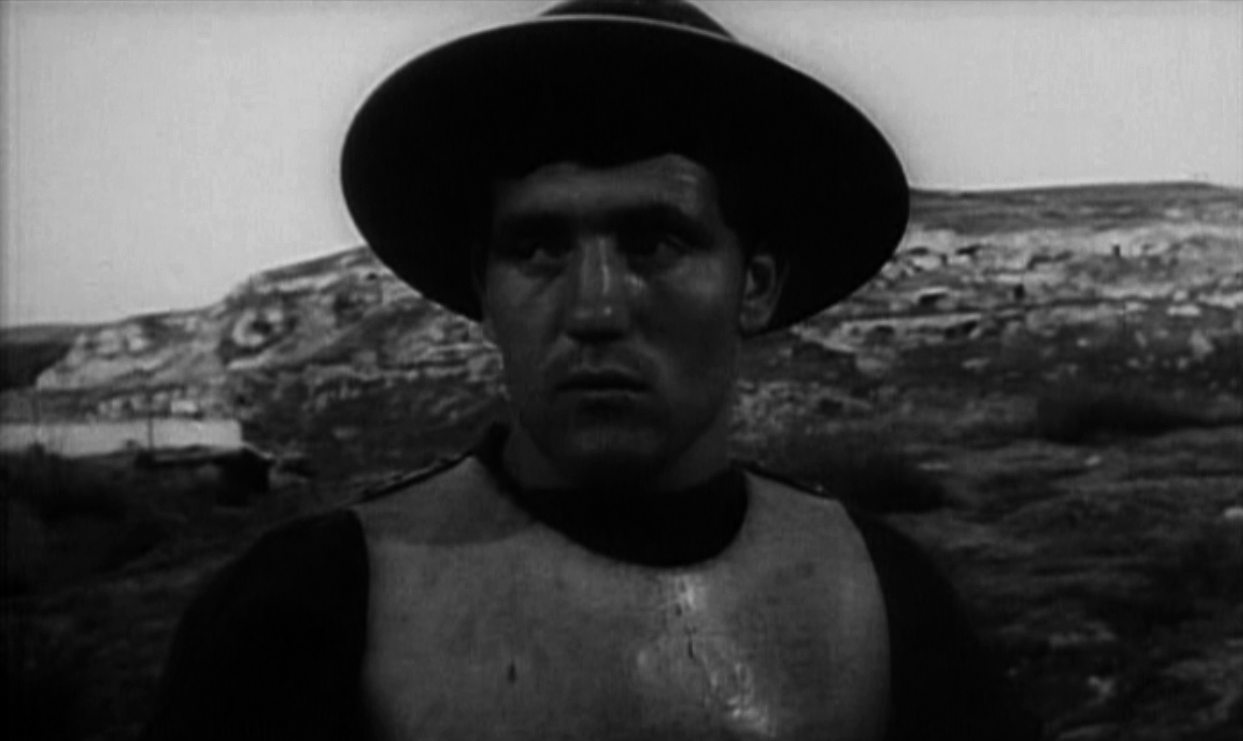
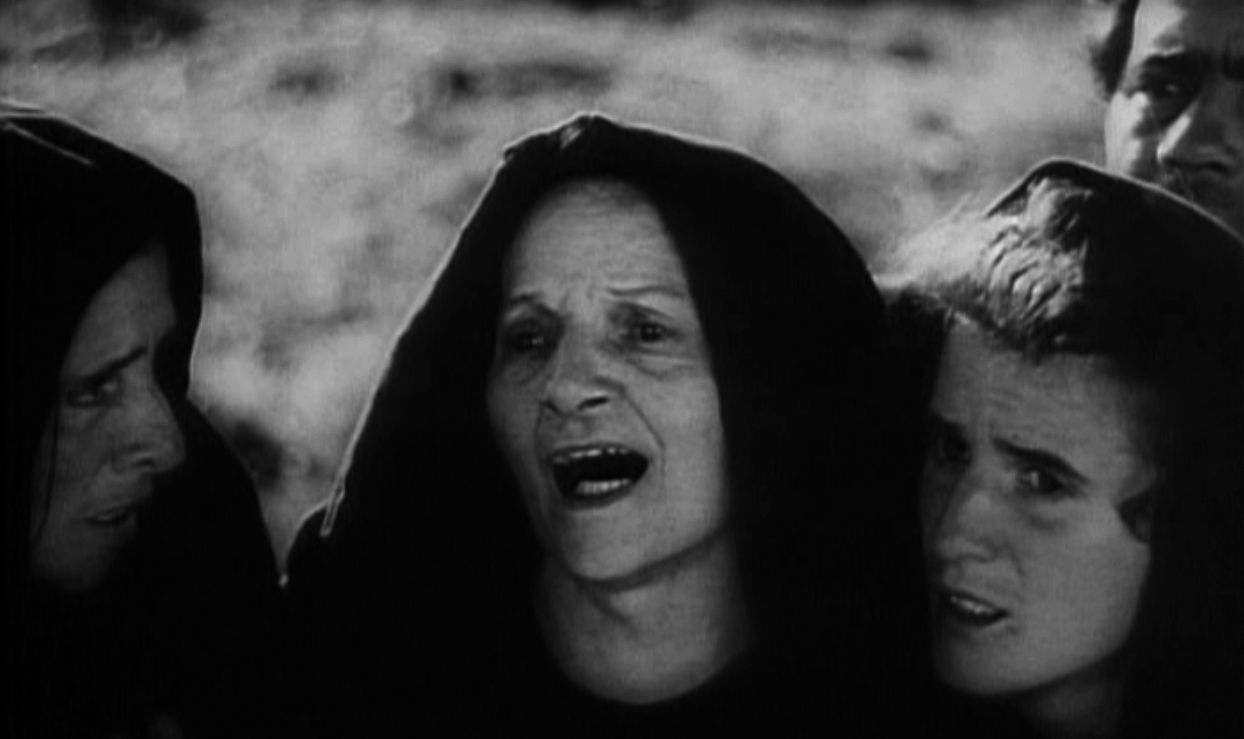
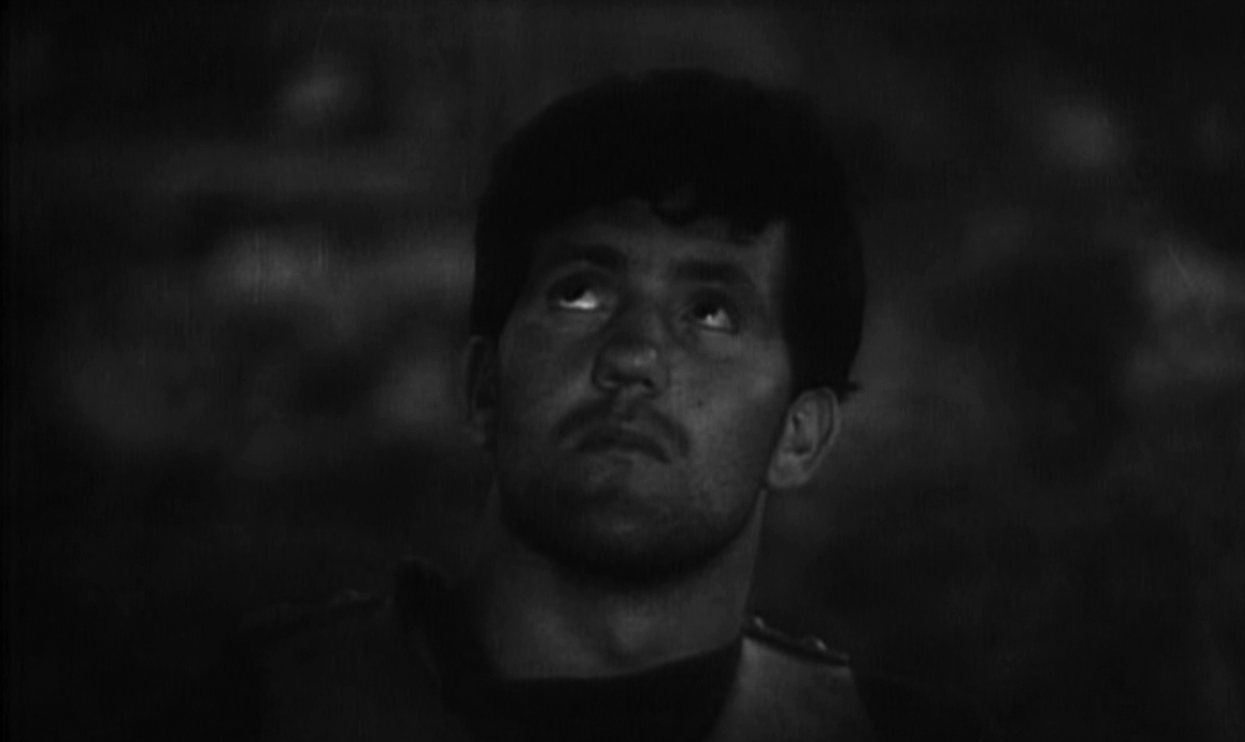
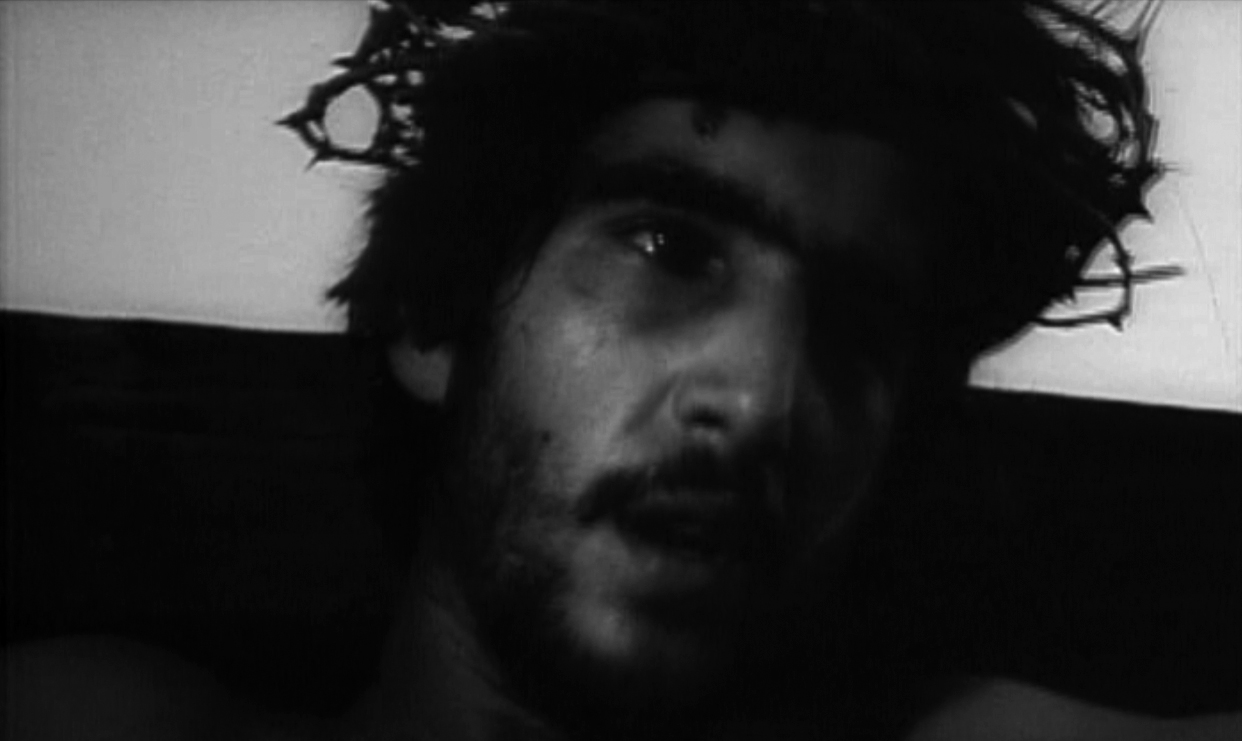
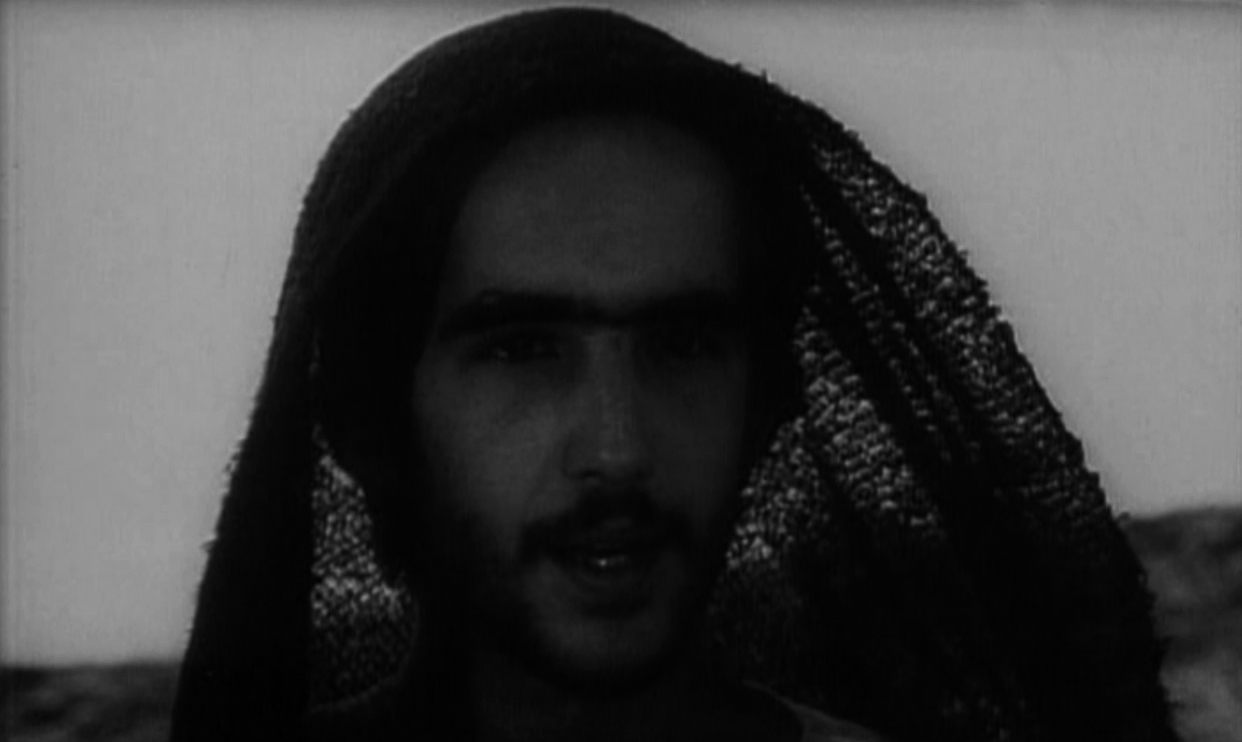
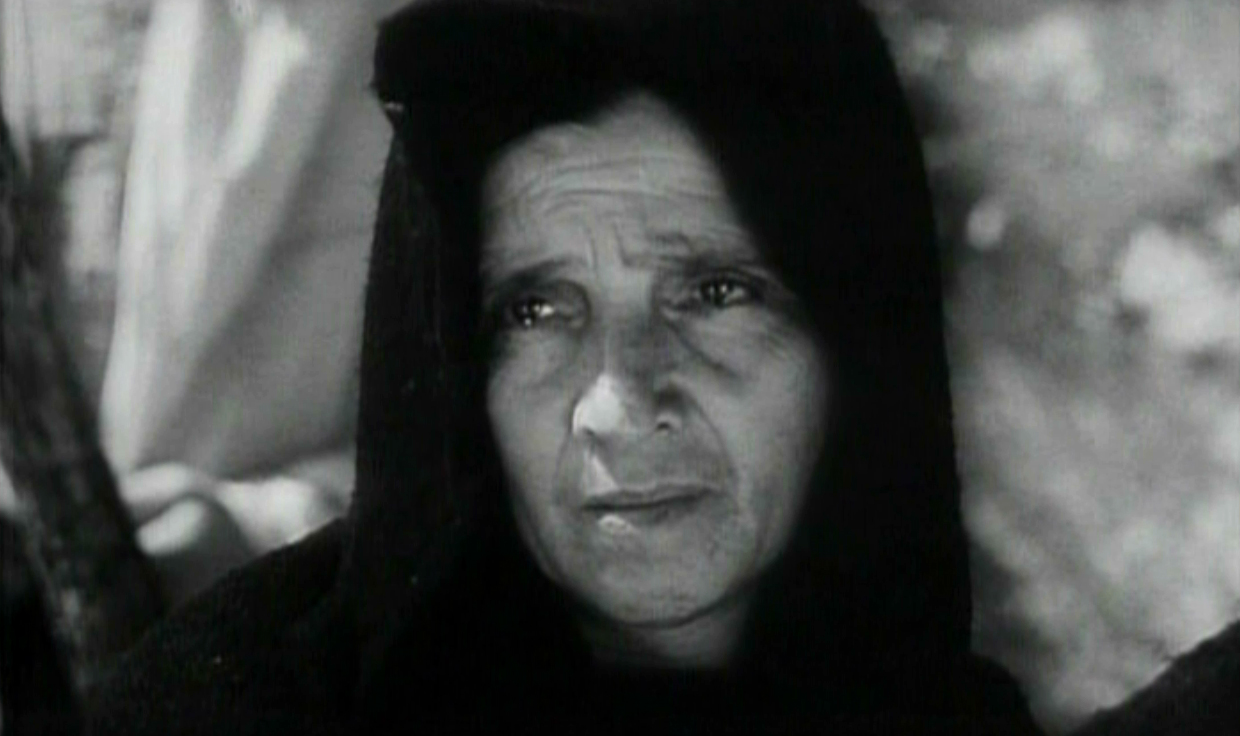
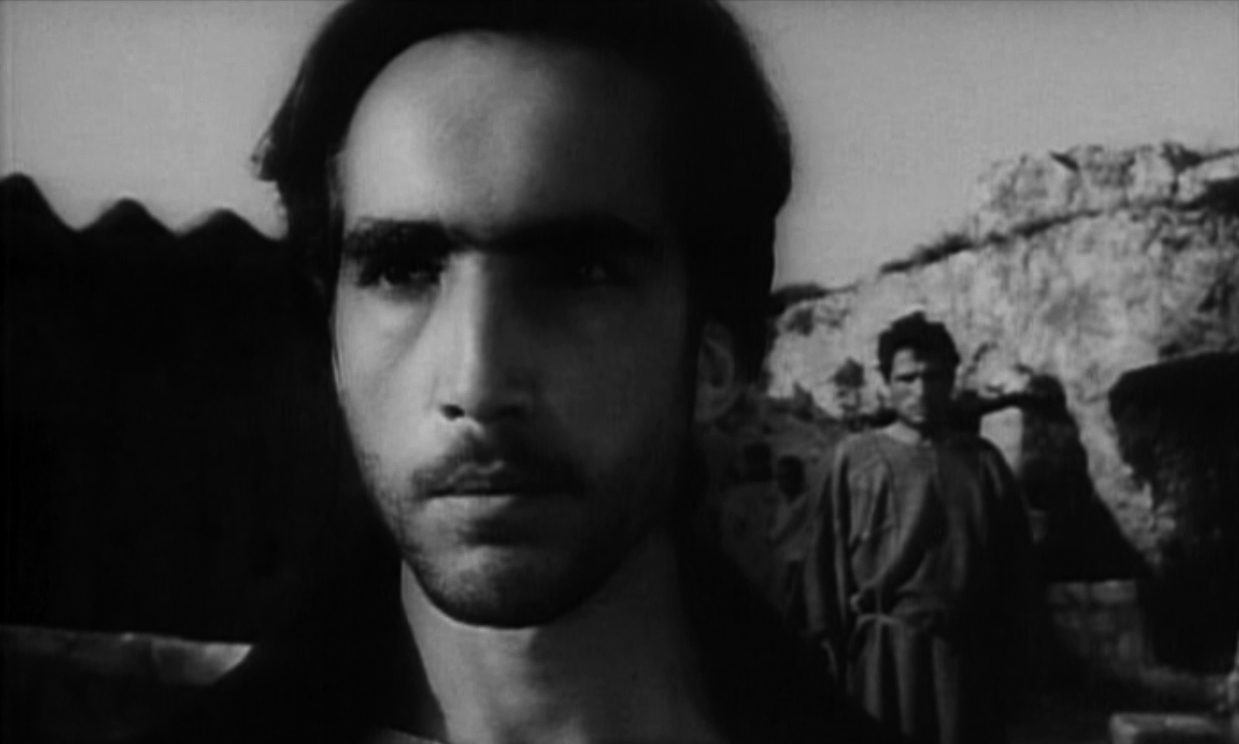
>56 faces from Pasolini:


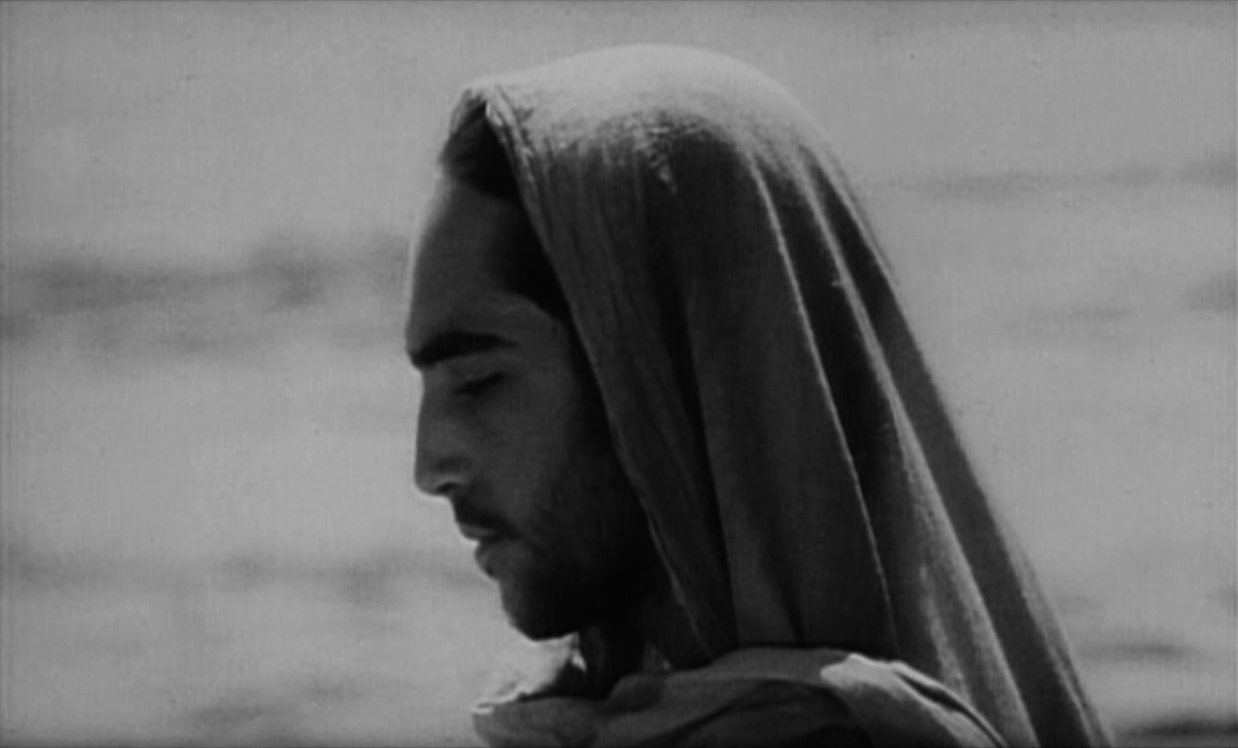
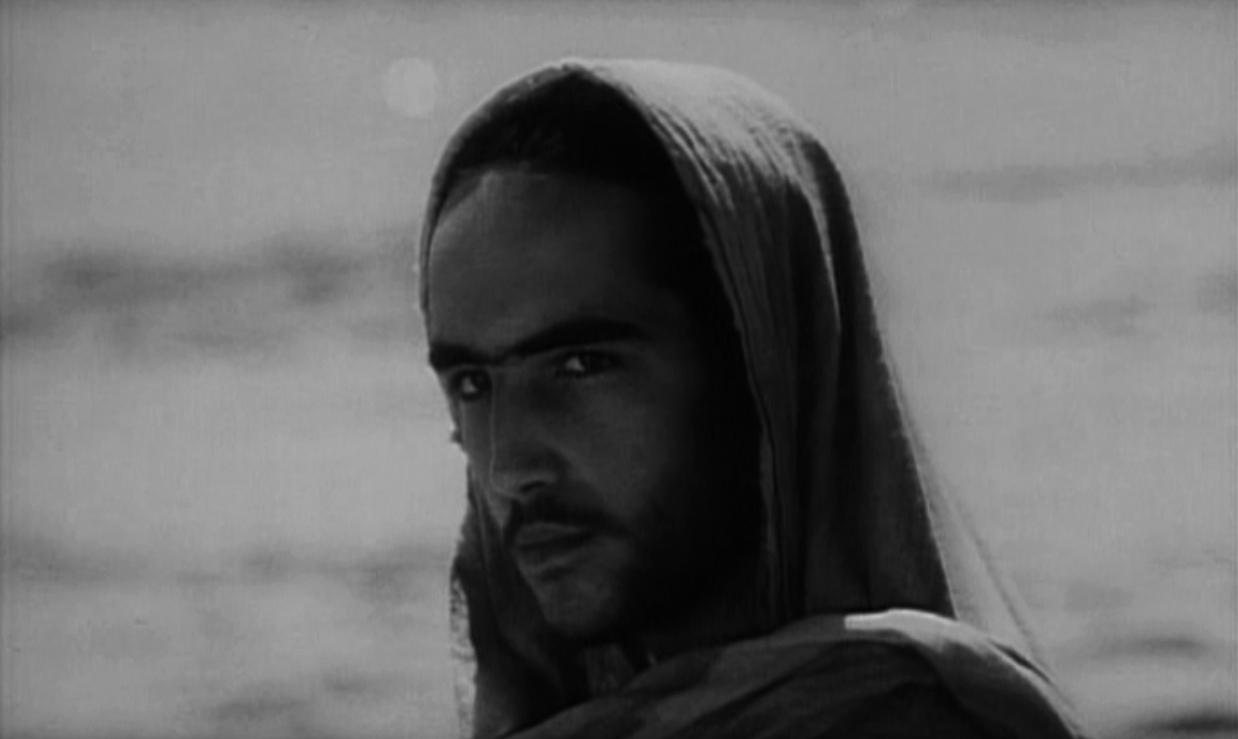
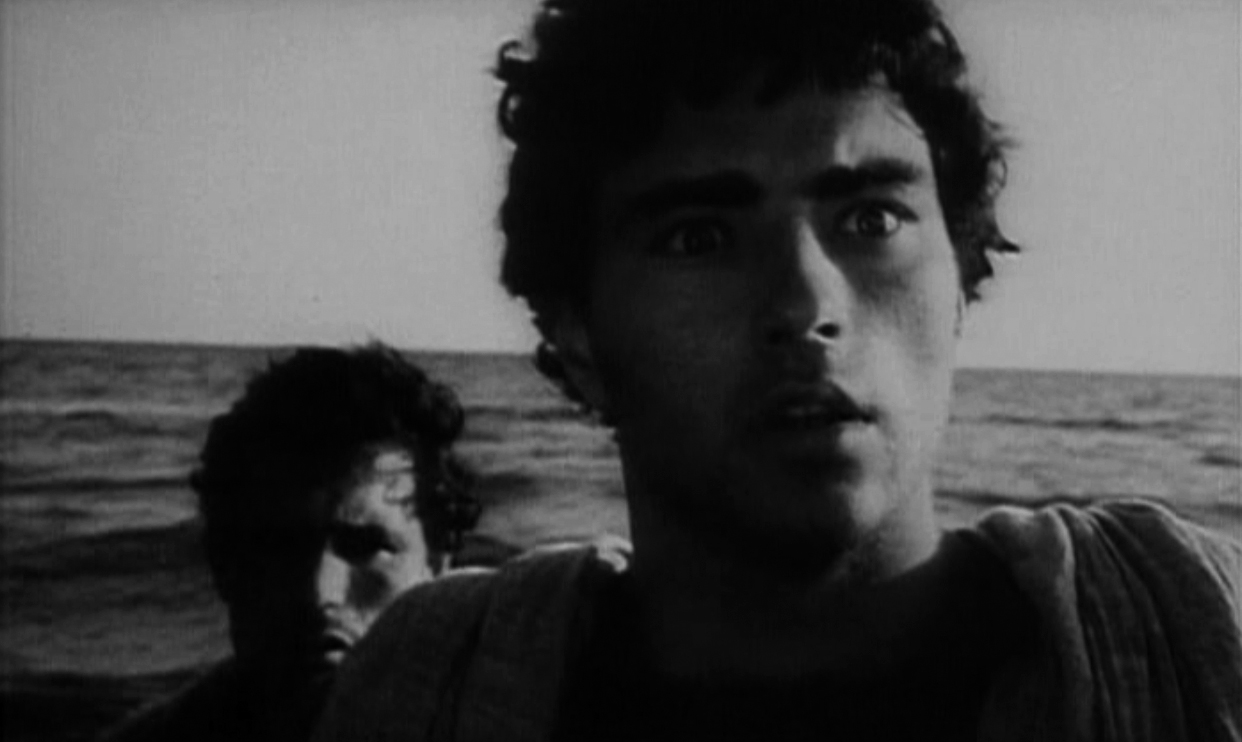
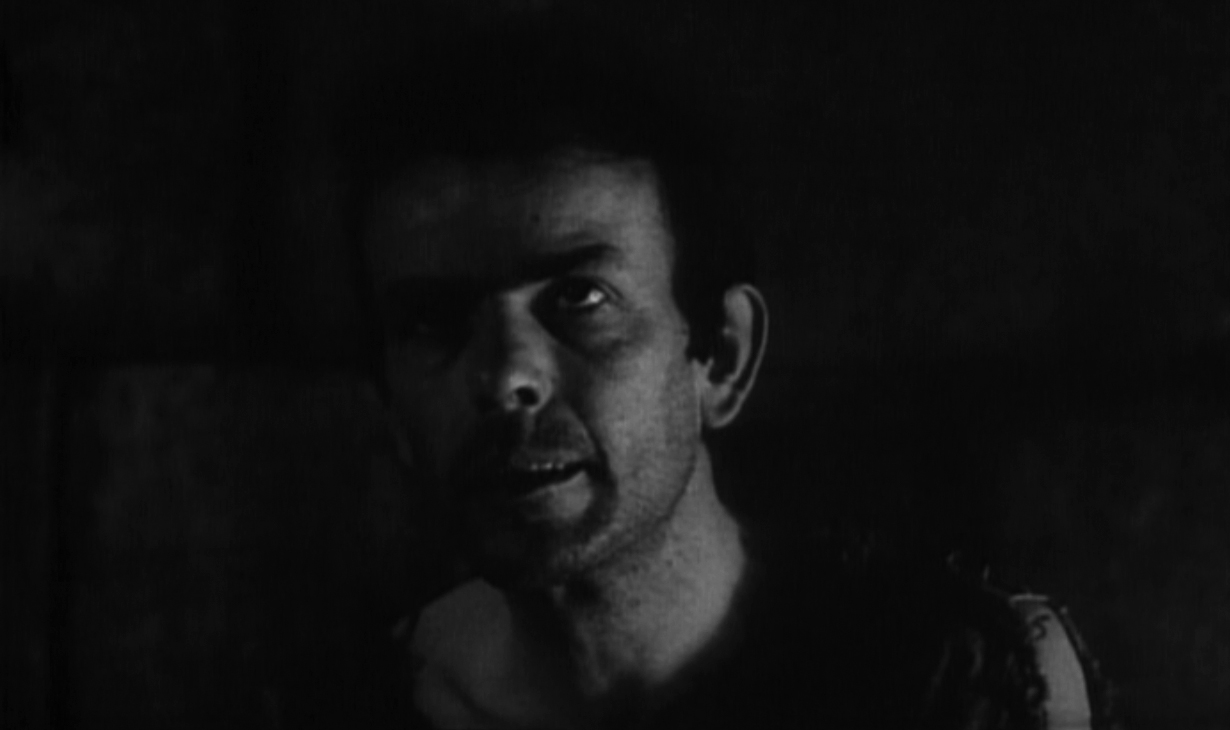
From Il Vangelo secondo Matteo (1964)

>i took a fish head out to see a movie

>There was a time when music videos really meant something, when music videos were going to change the world and usher in a bright new world, when MTV was a shining beacon on the great hill of history…

…anyway, here’s the original Fish Head video in its entirety:

>a pocket full of links (small pocket, good links)

>You thought statistics were boring? No way! Hans Rosling debunks myths about the so-called “developing world” using extraordinary animation software developed by his Gapminder Foundation.
>> talk given in
2006
>> talk given in
2007

“The implication here is that everyday people can’t see over their own biases and deliver objective reviews — but there’s no assurance that professional reviewers can, either[.]”
>>Amateur retaurant critics get the same flack as amateur film critics. Here

‘Two weeks ago I used a computer for the first time. I learned about Google and searched for “windmill” and “solar energy.” I was amazed to learn how many entries there were for both subjects. My friends showed me how to create an email address and now I am on Gmail. Now I am practicing sending and receiving emails when I have access to a computer.’

>>A great new blog from a young man in Africa who has built his own windmill to generate electricity for his family. Worth reading from the beginning. I am inspired.

“I point out that he is clearly unaware of the bigger picture. If he had read what I had (maybe on the internet) he’d realise that this is only the tip of the iceberg.”
>>A little historical perspective from Umberto Eco.
The Amateur Gourmet travels from New York to the Northwest on a film location-scouting adventure and writes about food, camping, rain, and more.

The Shins play in the streets ofParis here
Arcade Fire plays in an elevator here

Oh yes, I made it to the Friday Screen Test at DVD Panache!

a single bird

These streets are named for you
But they are empty
Waiting for your voice
Your touch, your soft skin, your cry,
Your tender body

A single bird in a sky full of birds
Touches infinity
And knows nothing of it
I know you are beyond that sky
I know you have also touched the infinite

Where did we leave off?
Tiny fingers
Little wrinkles on your knuckles
Small hands in the hand of God

And I cannot walk these streets
Without waiting for you
But I will come, you know I will
And you will greet me

June, 2007

Xala, imperialism, and bottled water

About two days before the great African filmmmaker, Ousmane Sembène, passed away on June 9th of this year, I got the urge to watch one of his masterpieces, Xala (1975). Recently I also watched one of his earlier films, Black Girl, and wrote about it here. Needless to say I was surprised at his death. And I have been thinking of Xala ever since, and in particular two structurally and thematically intertwined scenes that feature the use of bottled water.

Here we have the chauffeur pouring a bottle of Evian (a French imported water) into a bucket so that a street beggar can make a buck washing the car:

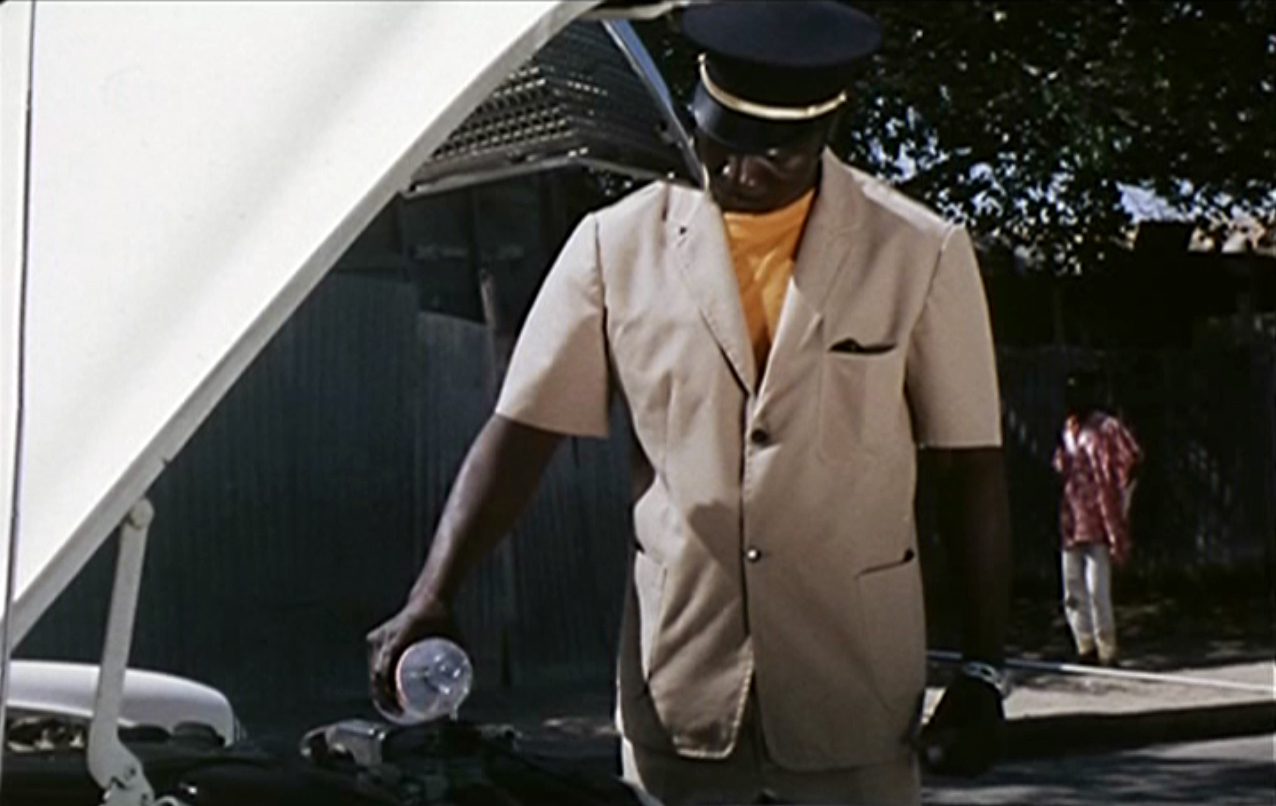
Here the chauffeur pours another bottle into the car’s radiator:

These shots are meant to display a kind of ambivalence towards the product (Evian).

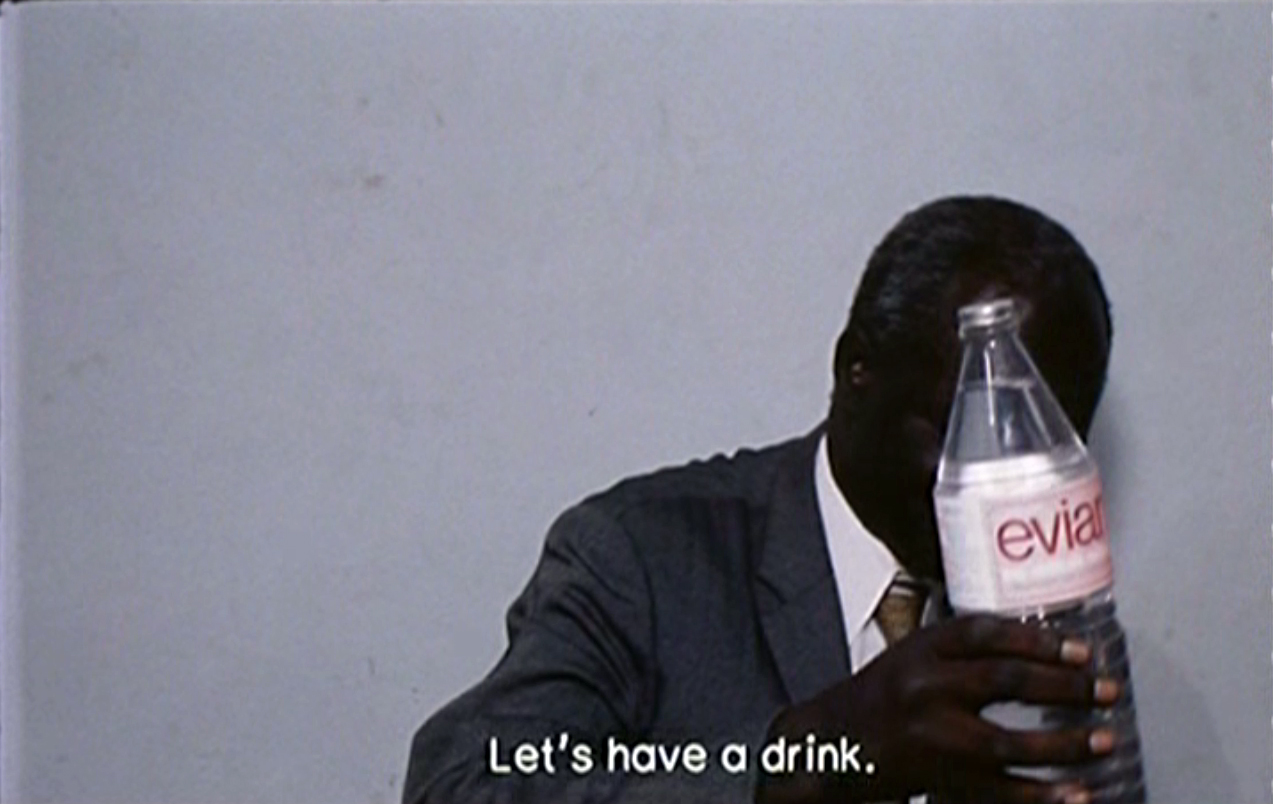
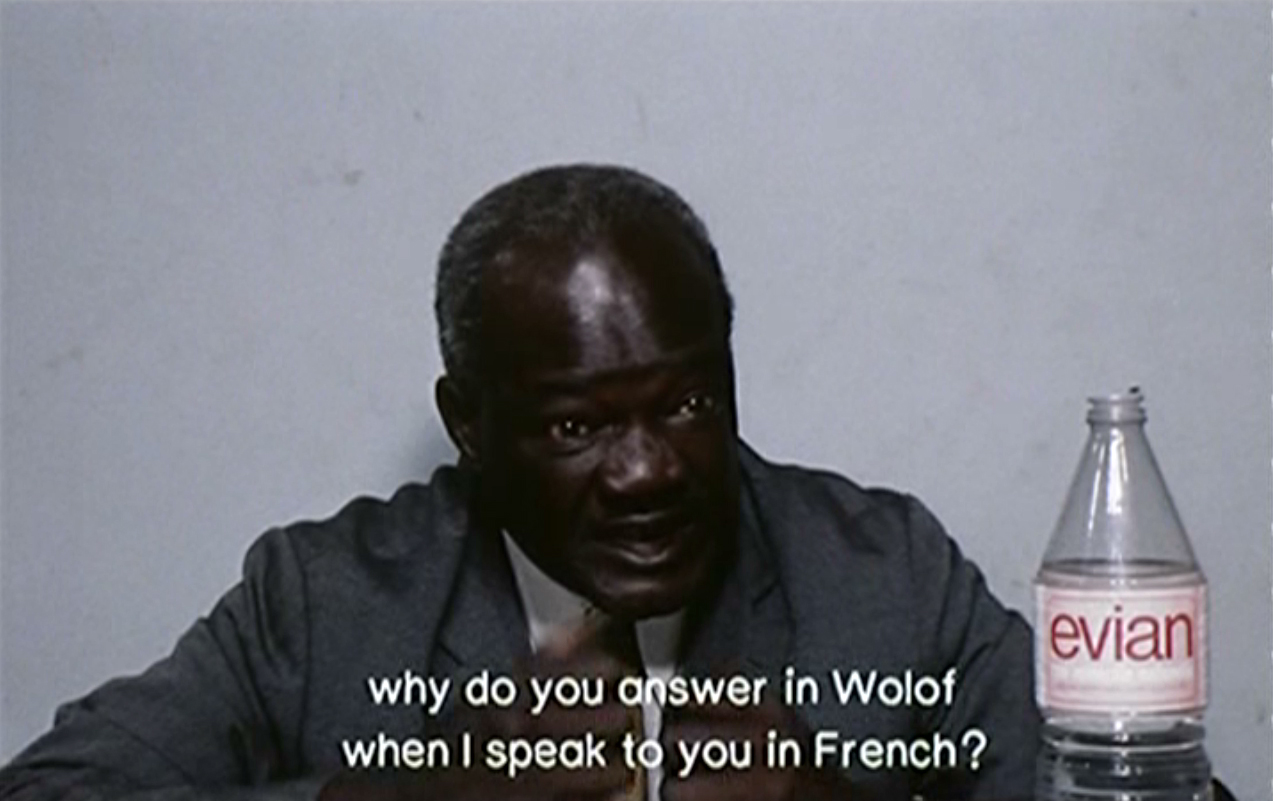
Here we have government minister Hadji Aboucader Beye (the main character if one does not count Africa itself as the main character) offering some Evian to his daughter who has visited him in order to confront him about his marrying a third wife:

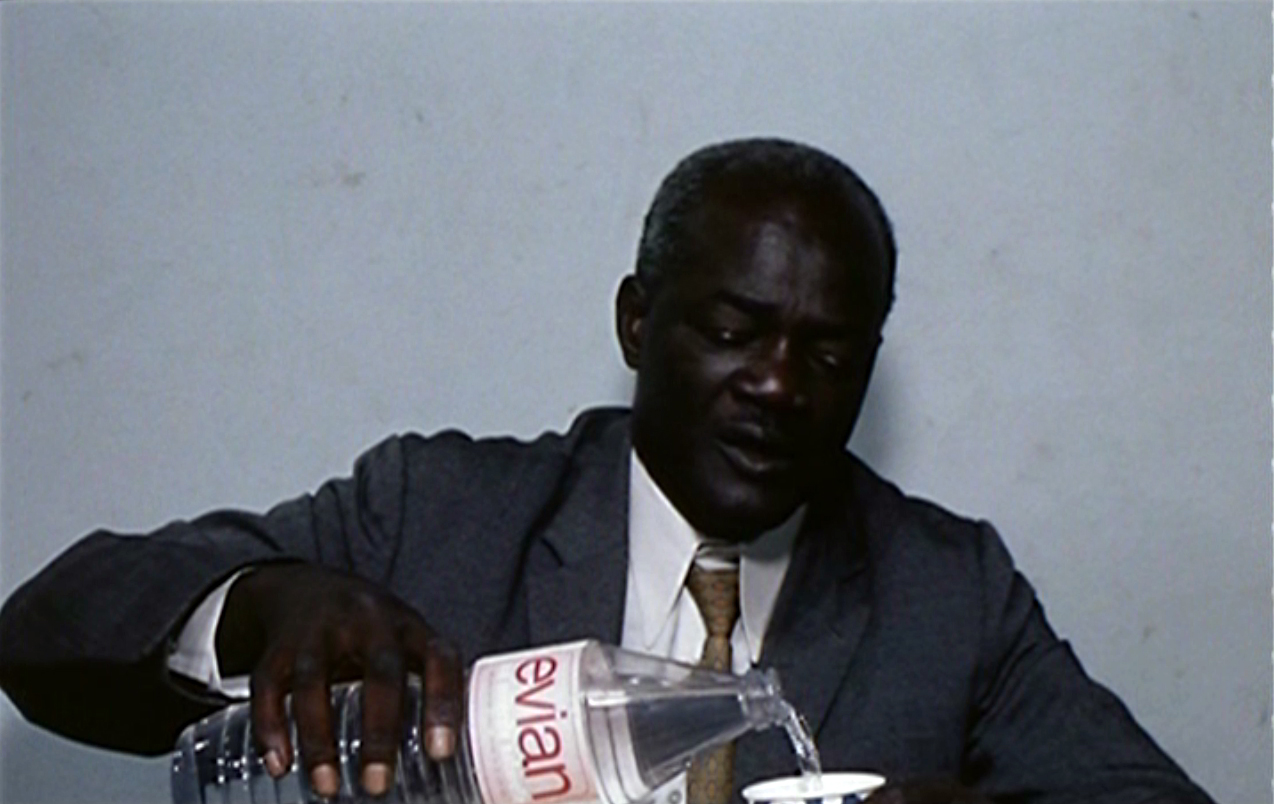
We watch Beye pour himself a drink – the daughter declines:

Emphasis is placed on Beye’s preference for Evian:

Beye speaks to his daughter in French. His daughter speaks to him in the native Senegalese language of Wolof – which upsets Beye:

In these two scenes an apparently innocuous product, a bottle of Evian water, is used as a kind of metaphorical device standing for the continuing hegemonic power of colonial imperialism, even when the former colony has now gained its Independence. Senegal had been a French colony from about the 1850s until 1960. Xala pokes very serious fun at how the newly elected leaders of Senegal ruled for their own self interests, were corrupt, and were still trying to emulate their former masters.

The bottle of Evian also raises the issue of how products play a role in defining cultures and individuals. As consumers we make choices based on needs and desires. Our choices say a lot about who we are and what we value. Just as when we speak our native tongue, or that of another, the products we buy have a kind of symbolic language that is both an expression of who we are and changes (even slightly) the world in which we live. Brands can have real power in the world, but that power is given to them, not inherent to them. In Xala we find that products are not disconnected from culture or power. Not surprising coming from a Marxist like Sembène.

Needless to say, I like Evian, and probably a lot of other products emblematic of imperialism, free trade, and neo-classical economics – for example: Nike, Coke, iPods, low prices, instant gratification, and even organic food grown on farms around the world using low-cost labor. I like to think I am independent of those products, but am I really?

Some good examinations of Xala:
Symbolic Impotence: Role Reversal in Sembene Ousmane’s Xala
Xala at Louis Proyect
The Guardian review