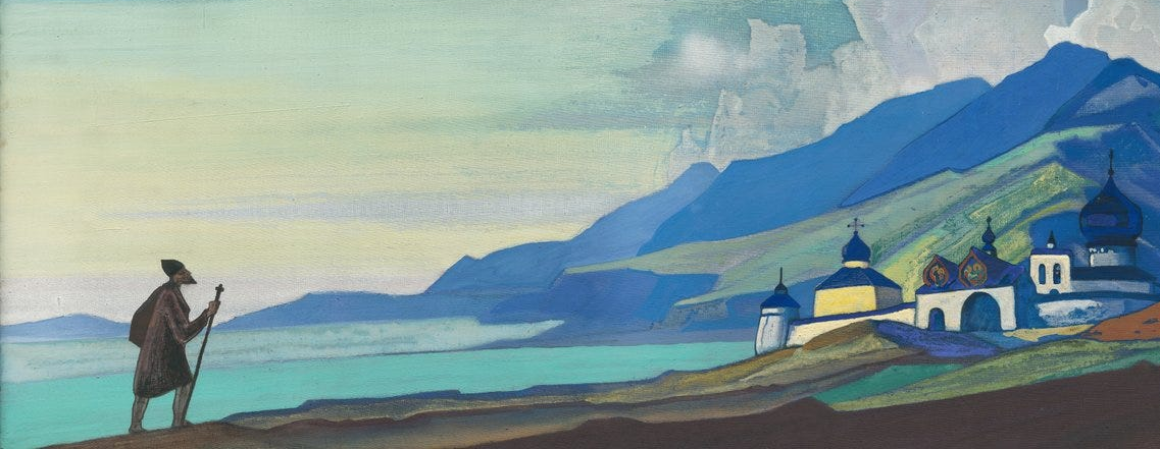
Men need to believe that glory is possible. Belief (in the depths of their souls) that true glory is not possible, that glory was always a myth in which they can no longer legitimately believe, produces much of the malaise of modern man. This man—expressing that malaise in sloppy dress, banal rituals, perpetual adolescence, and constantly sought after distractions—has lost the compass of his nature. But man is made for glory, both temporal and eternal. He loses all hope if genuine glory is merely the ghost of ancient fantasies. Recovering the truth of glory is a critical principle of educating boys.
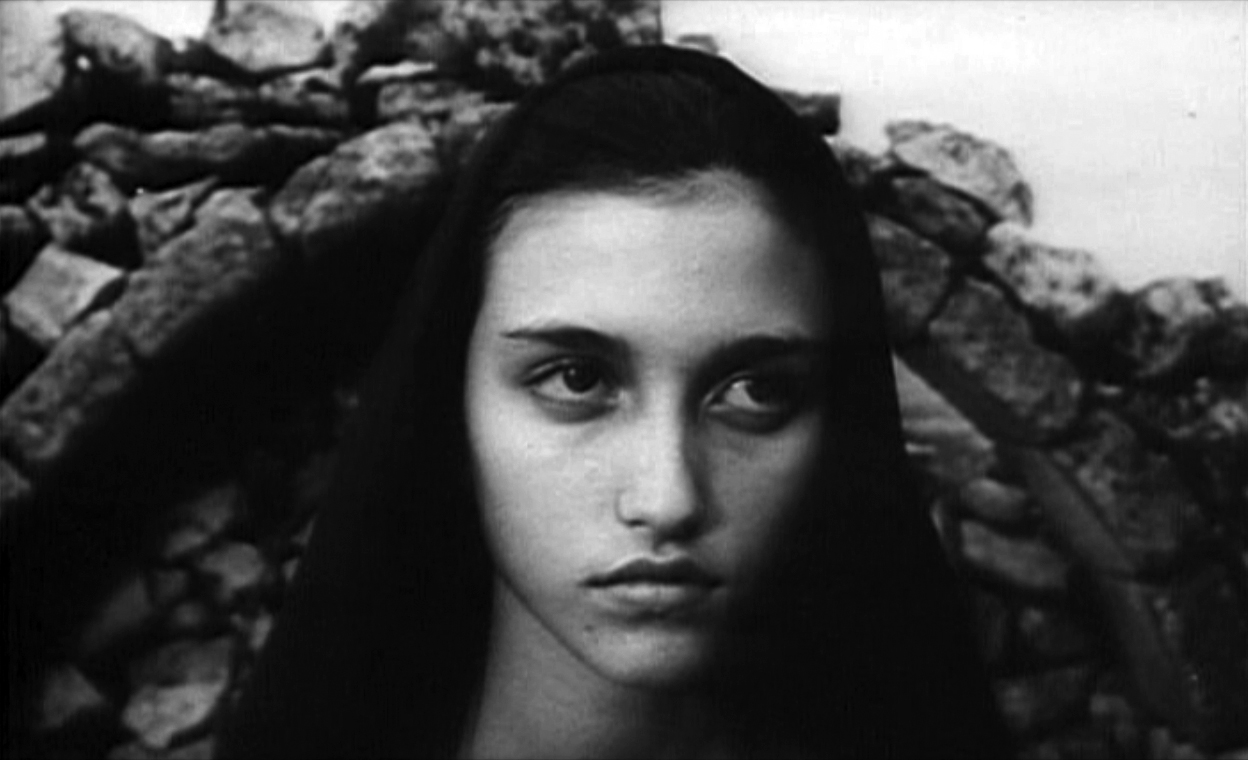
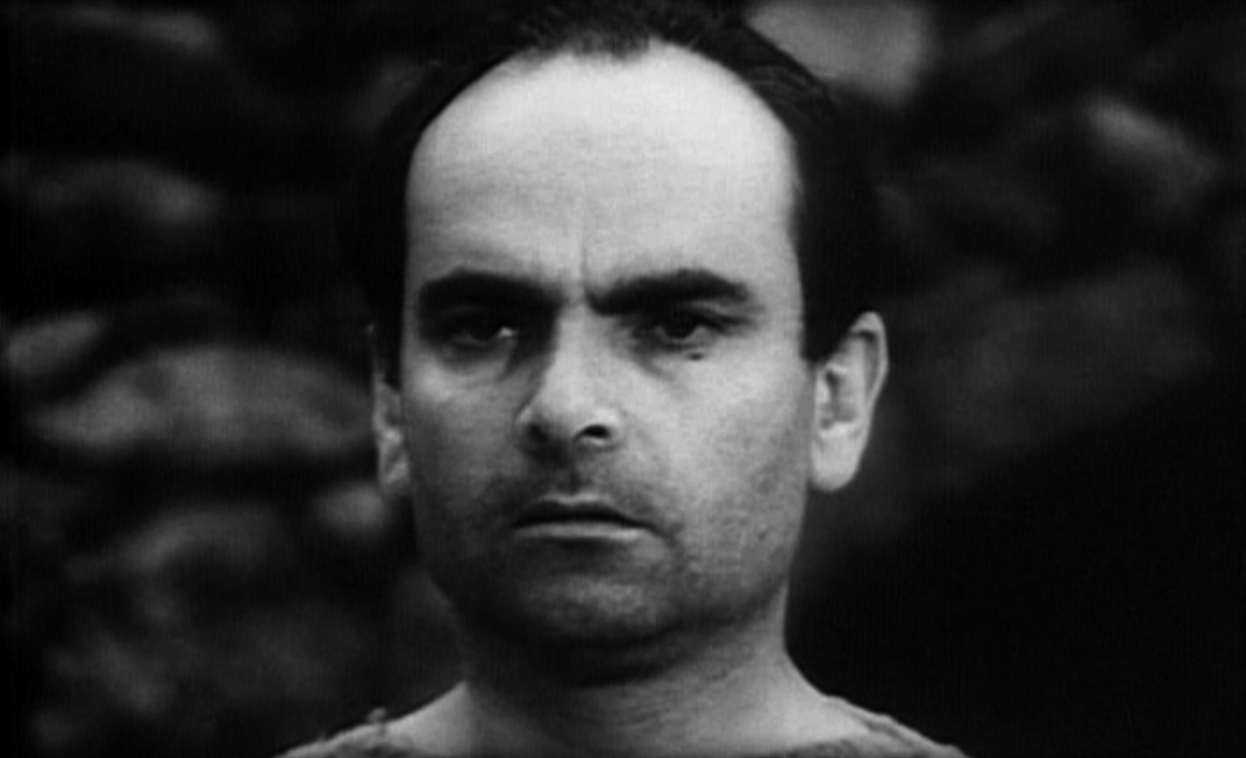
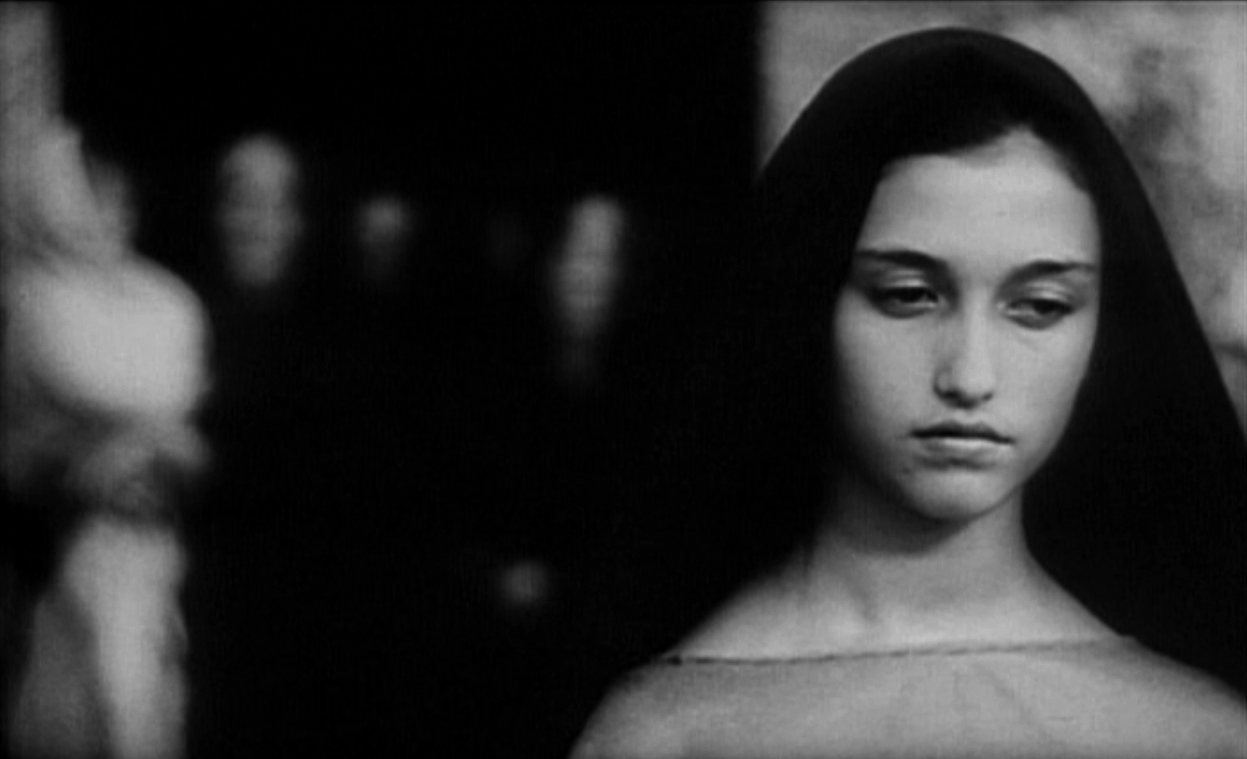
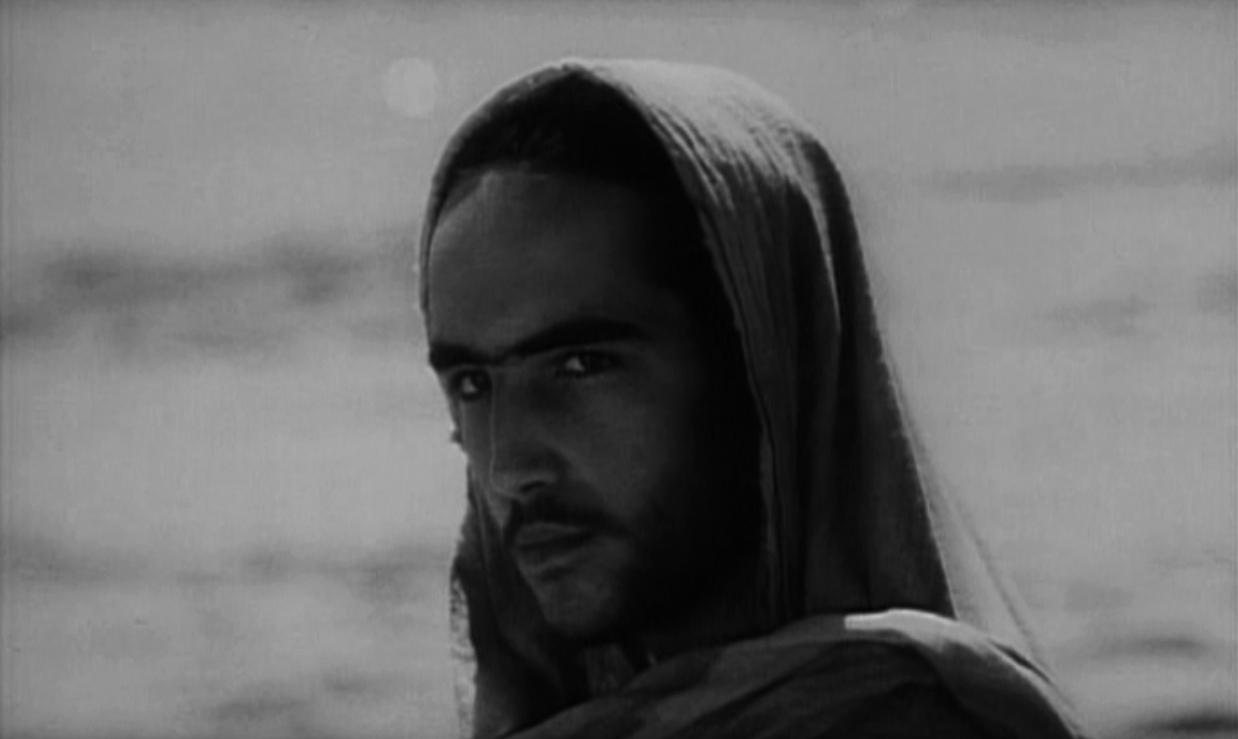
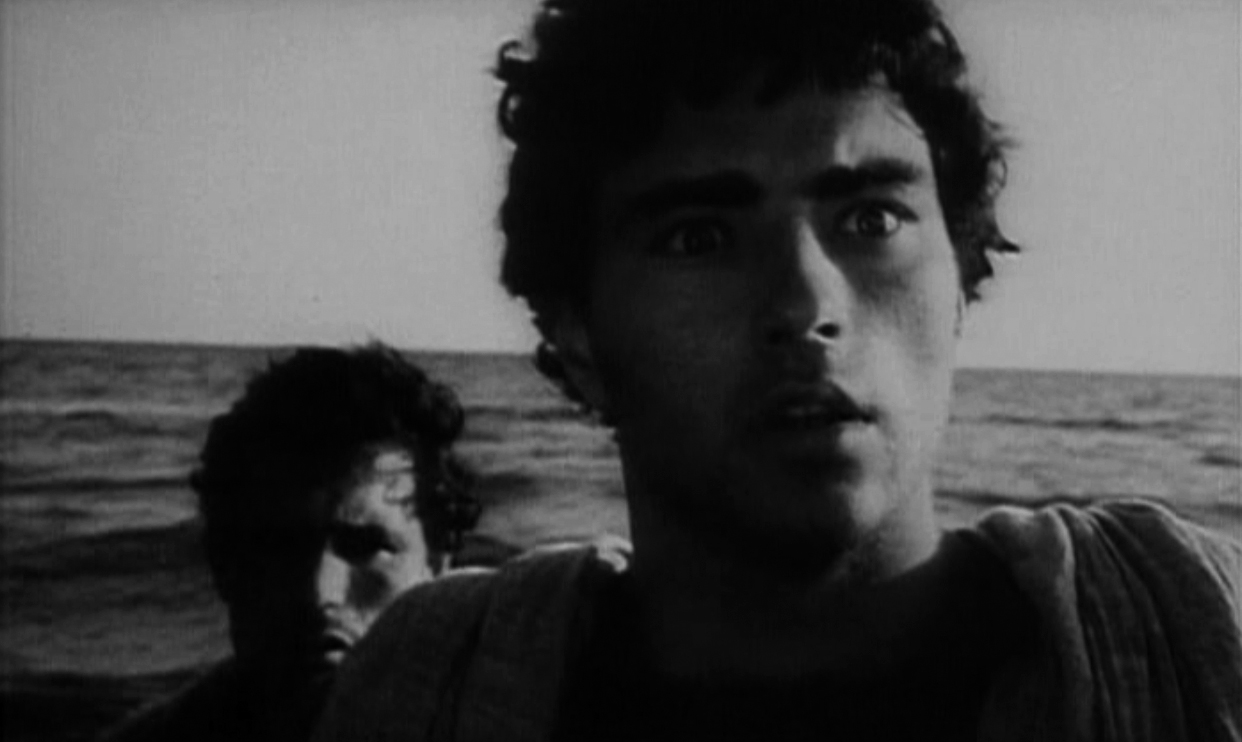
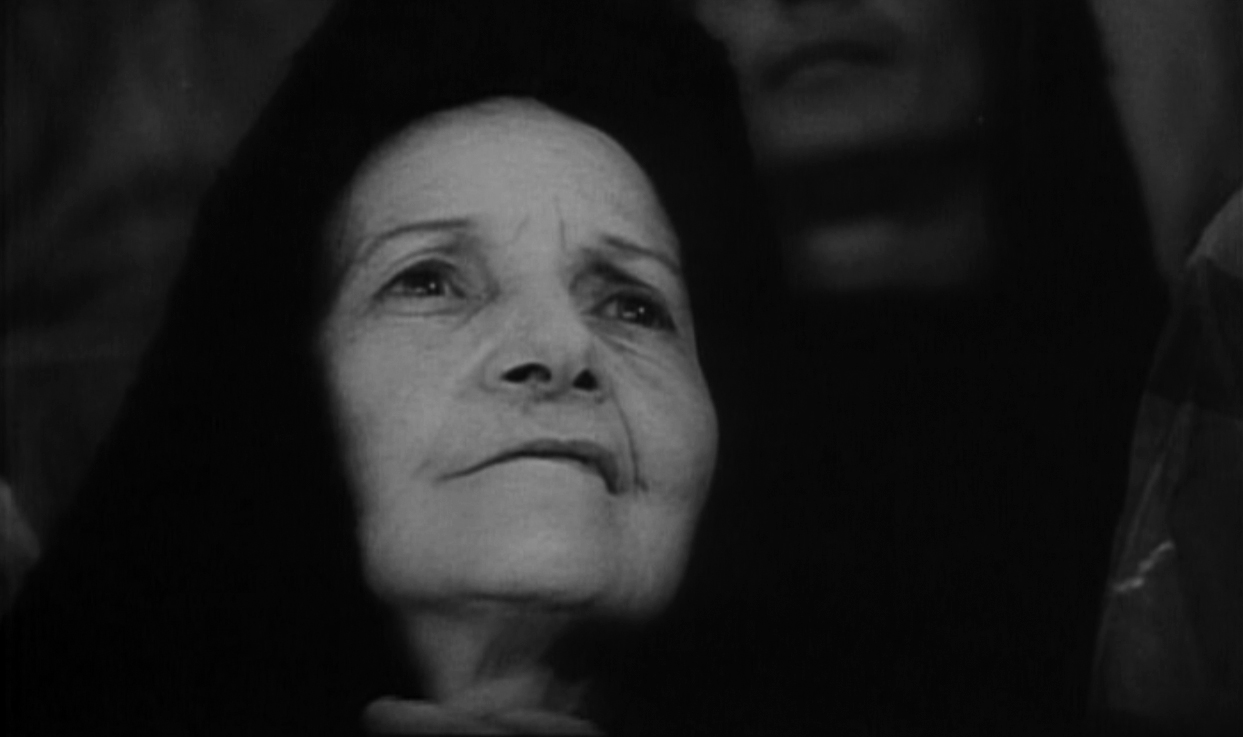
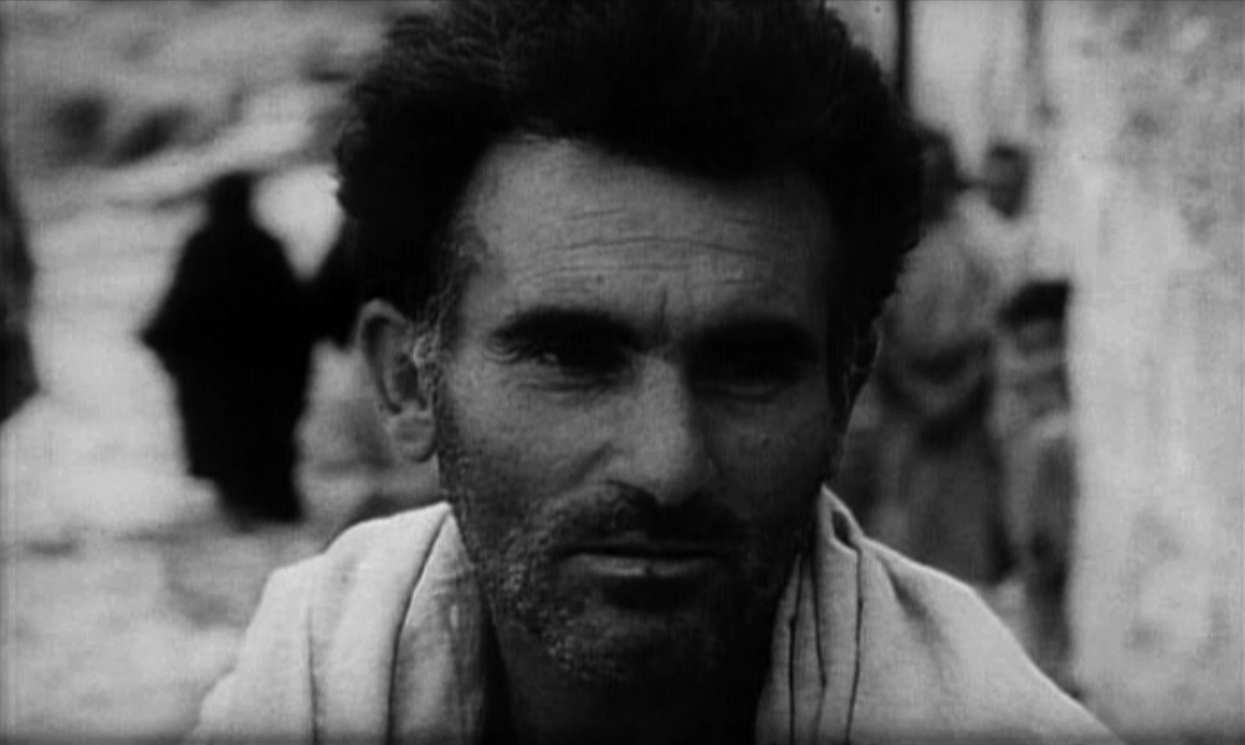
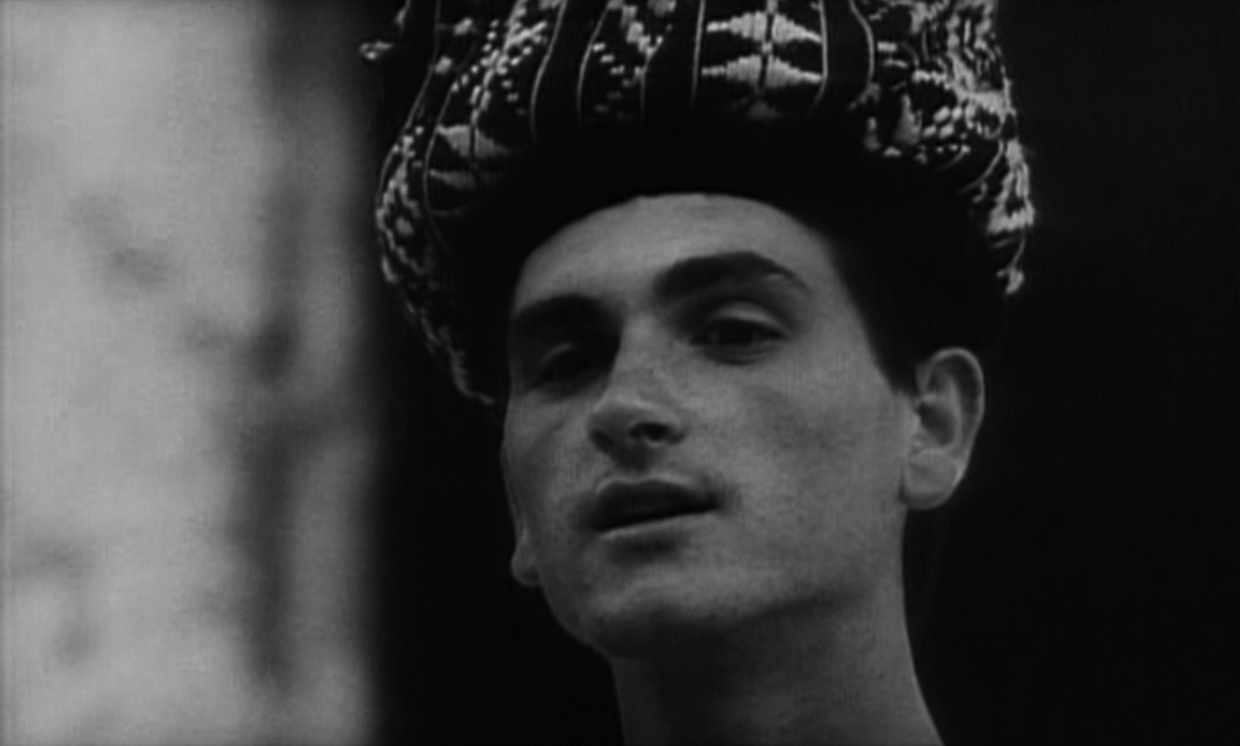
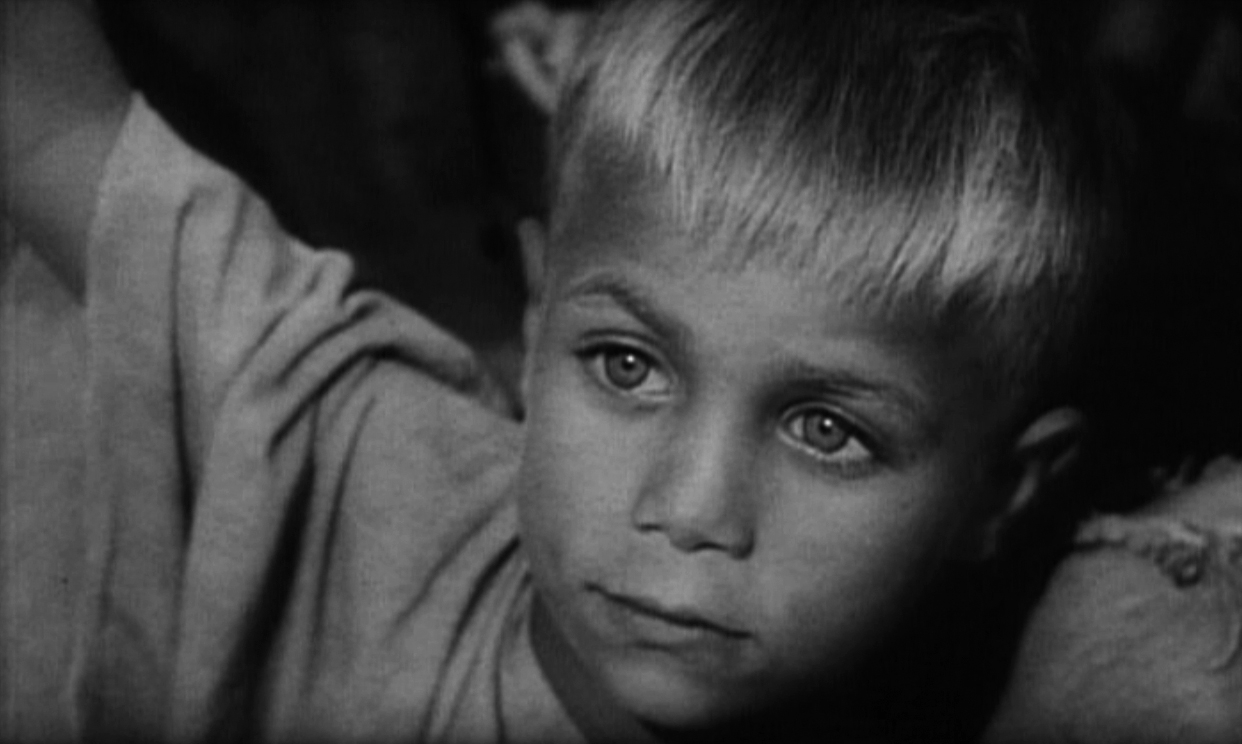
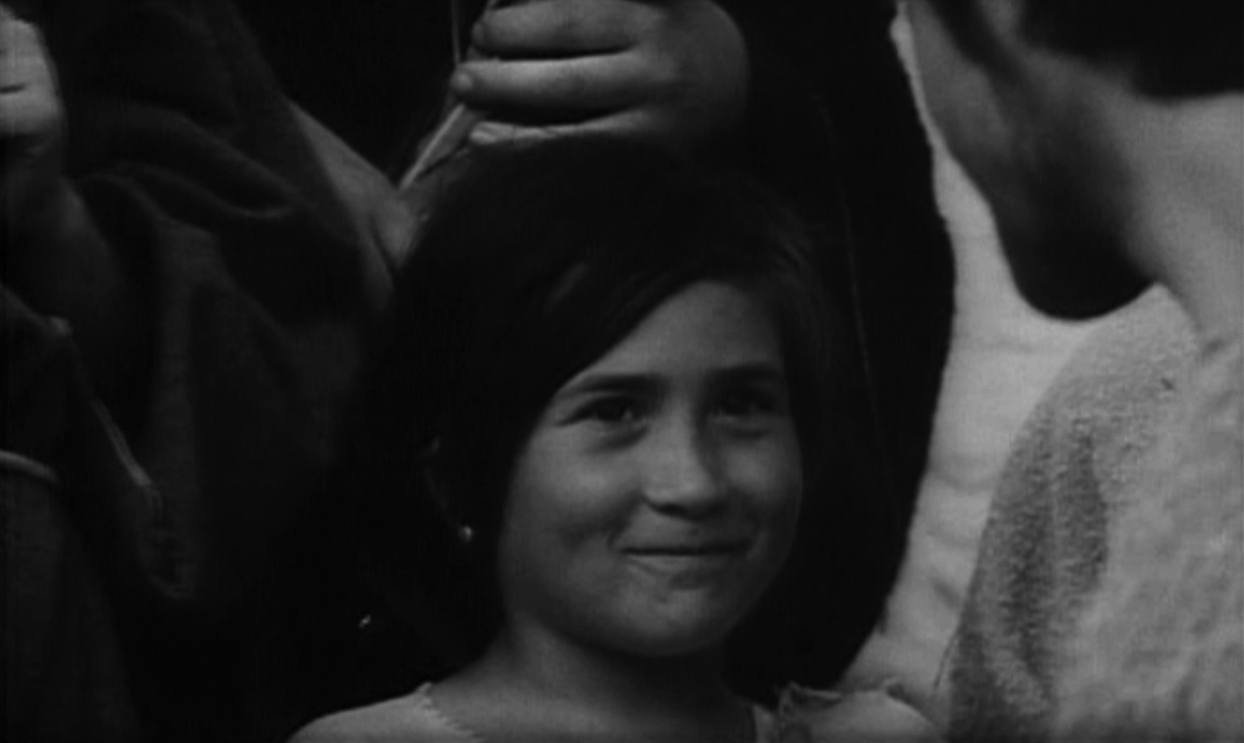
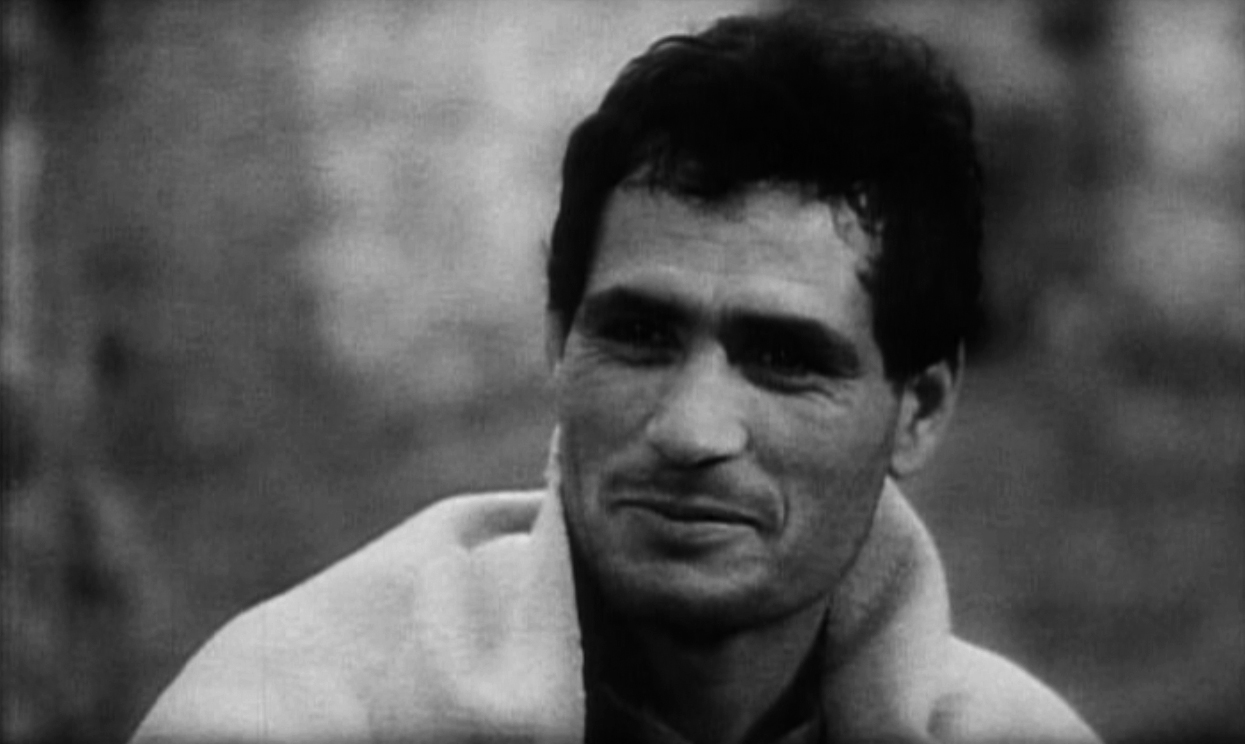
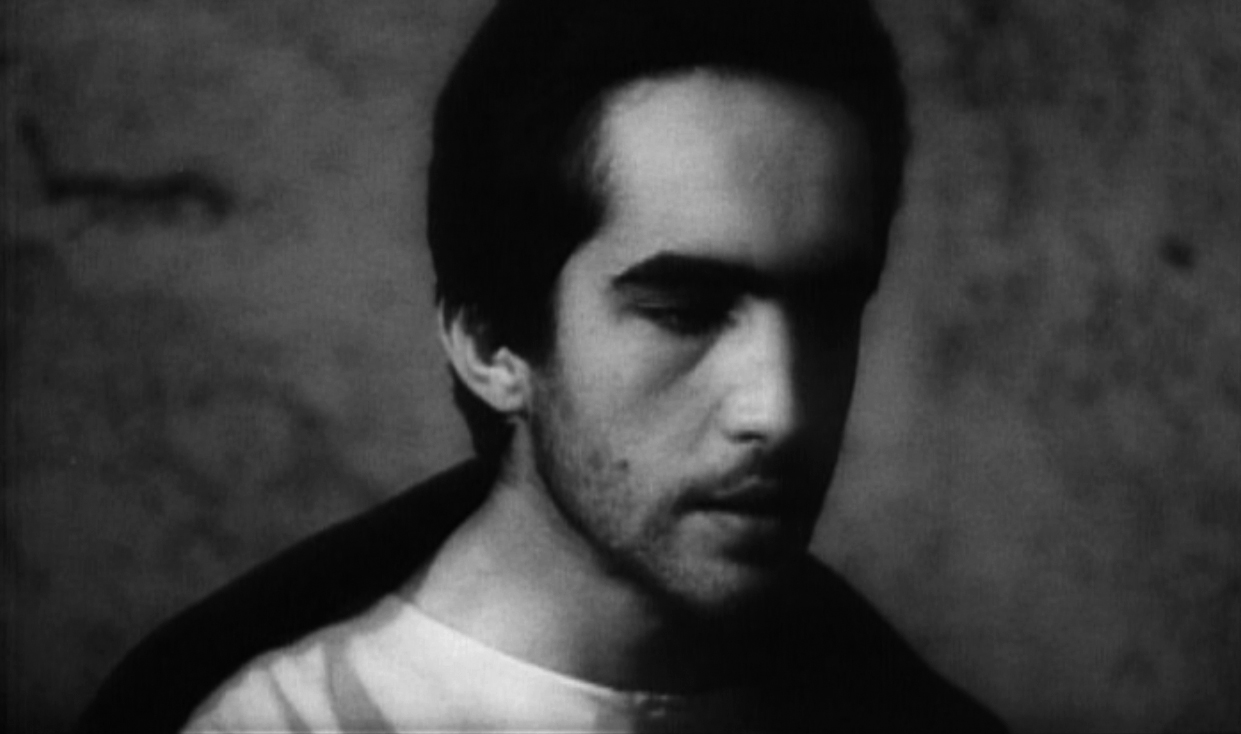
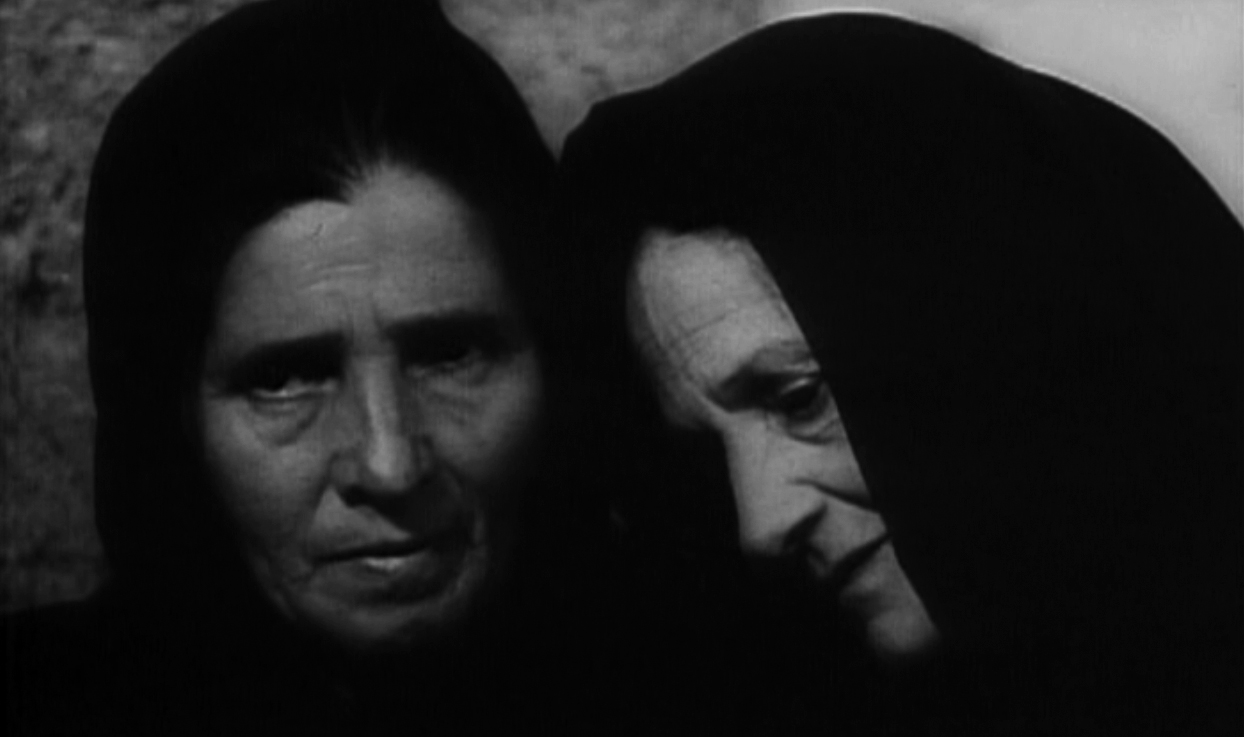
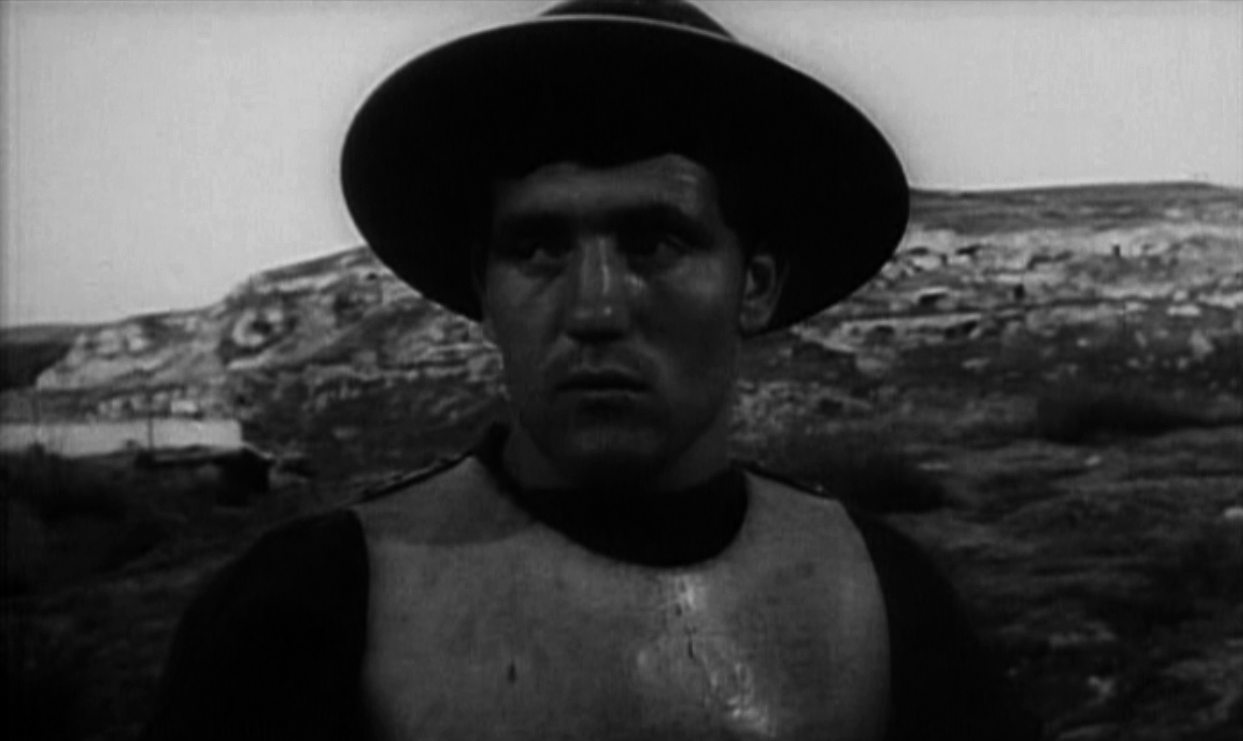
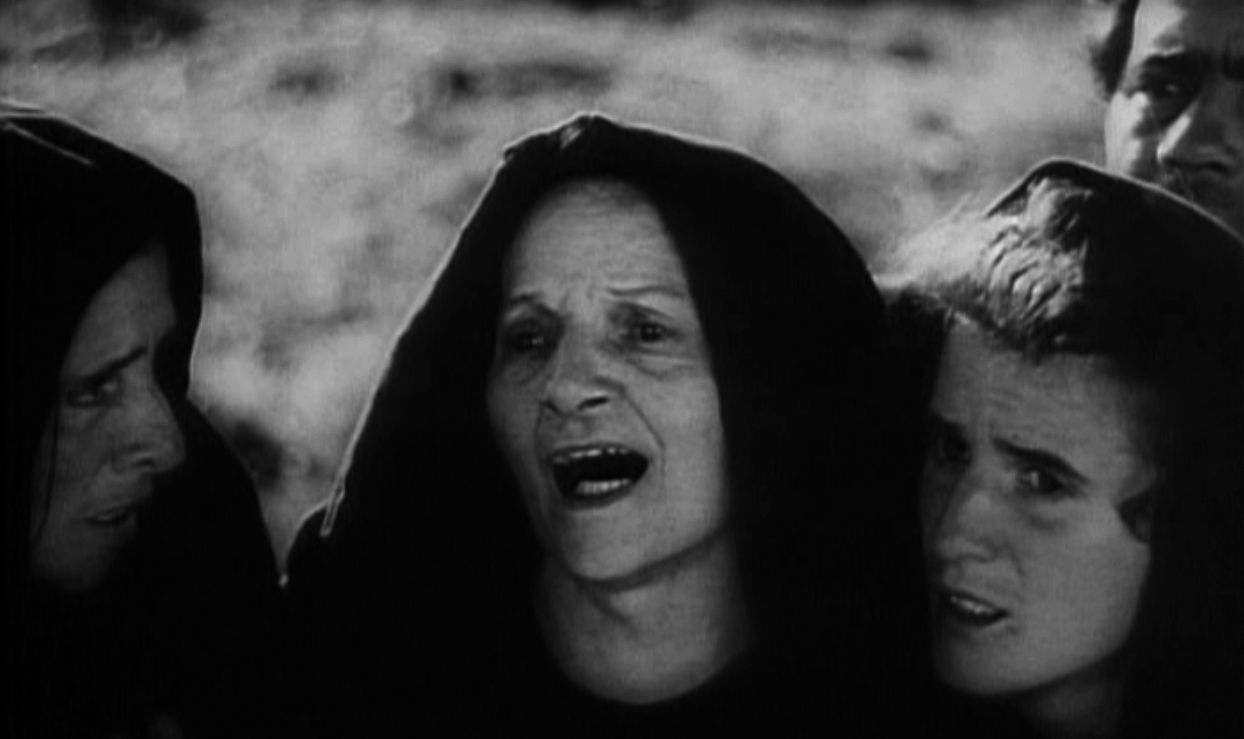
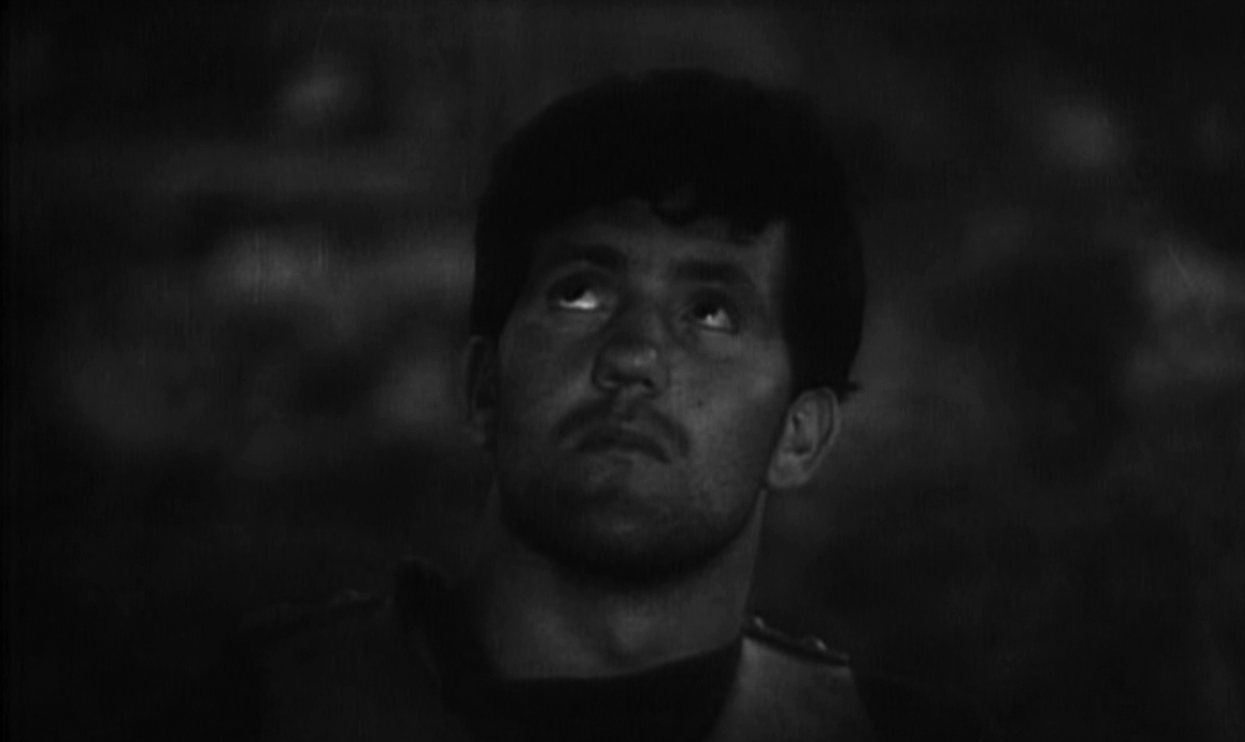
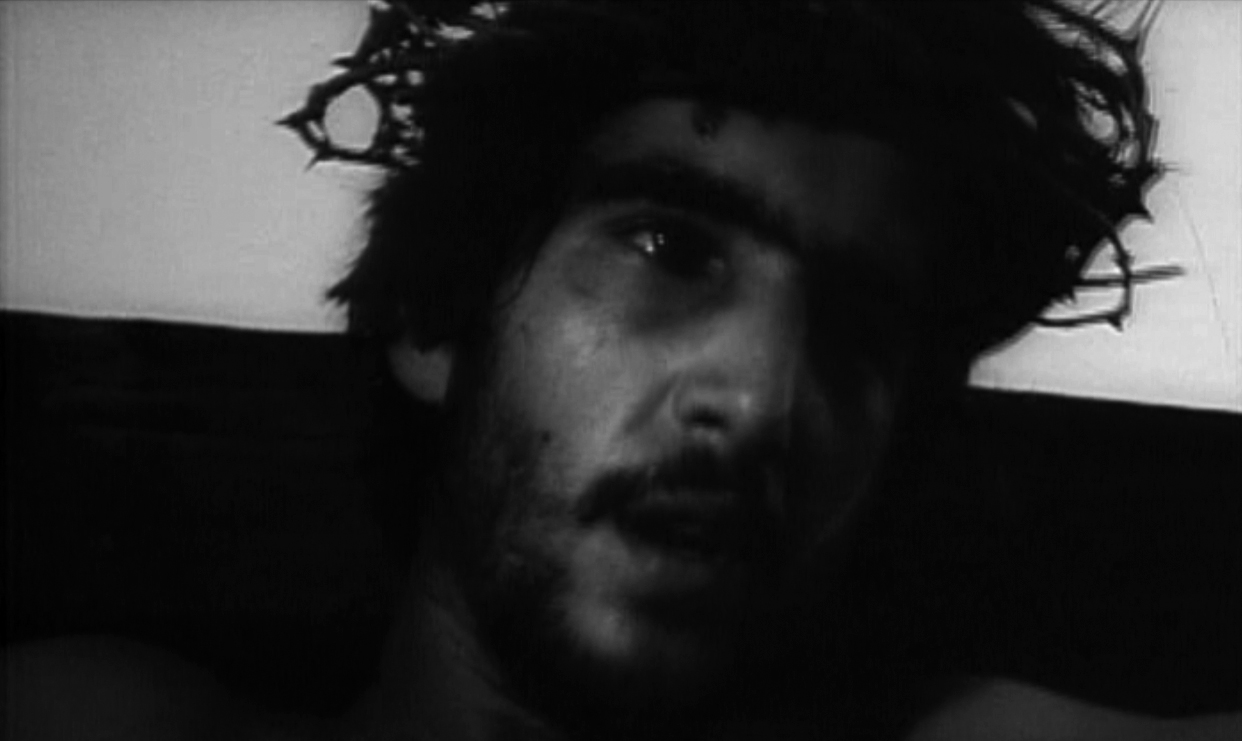
what do we see in a face?

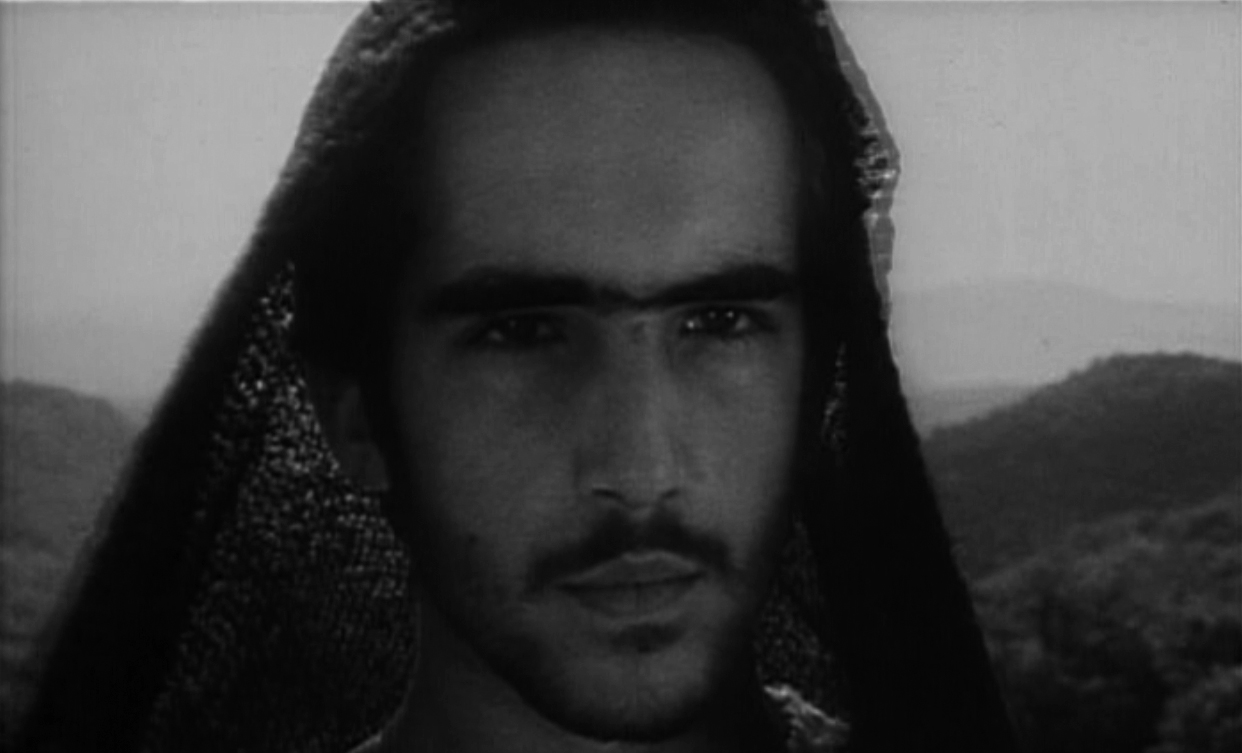
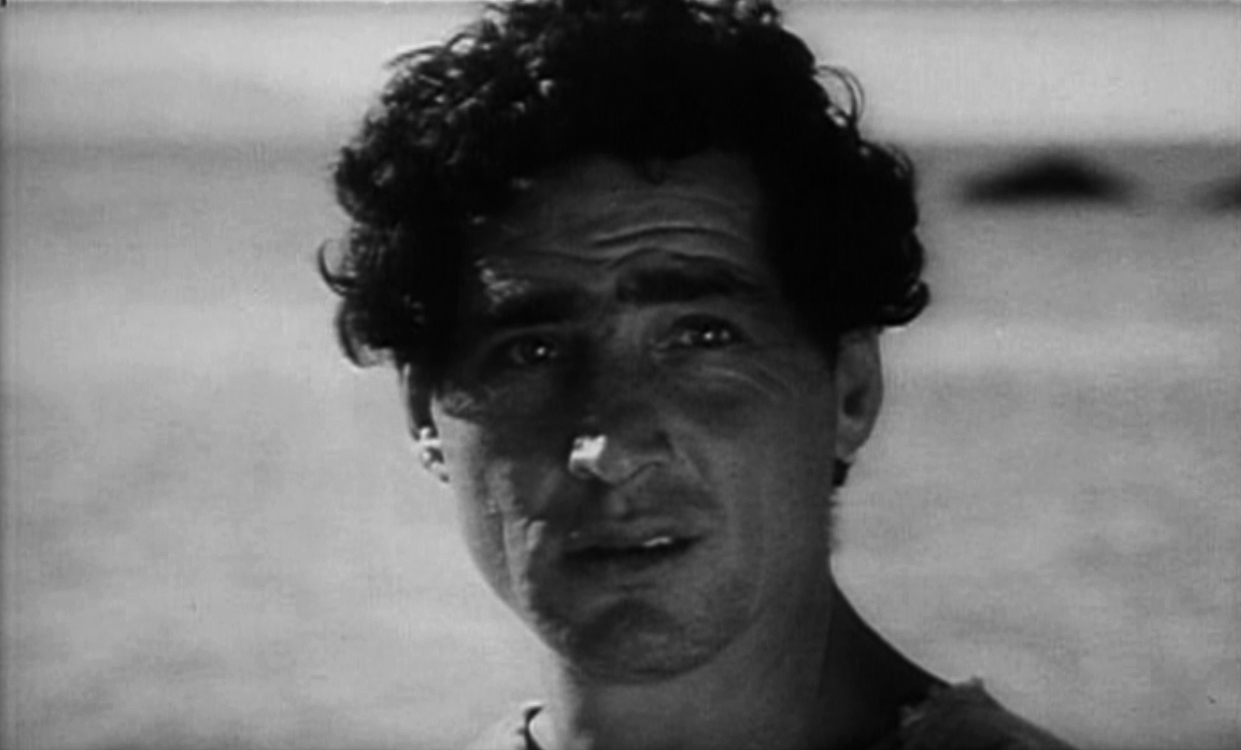
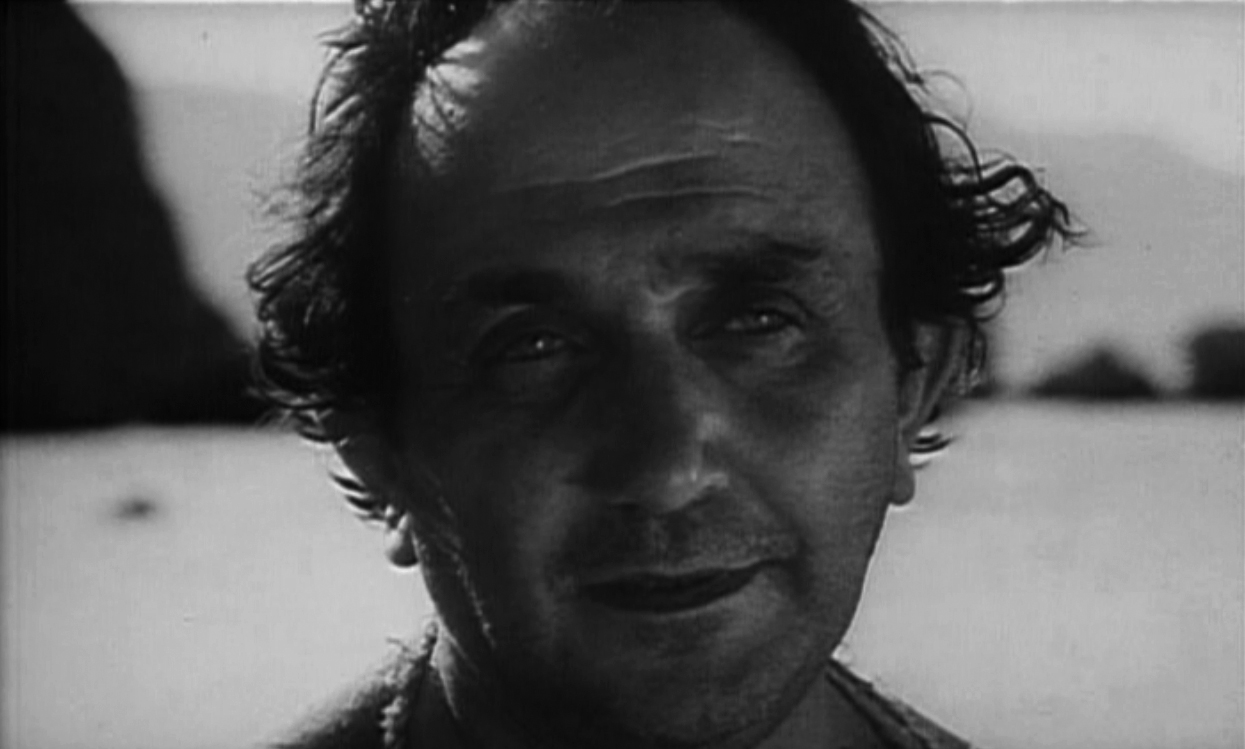
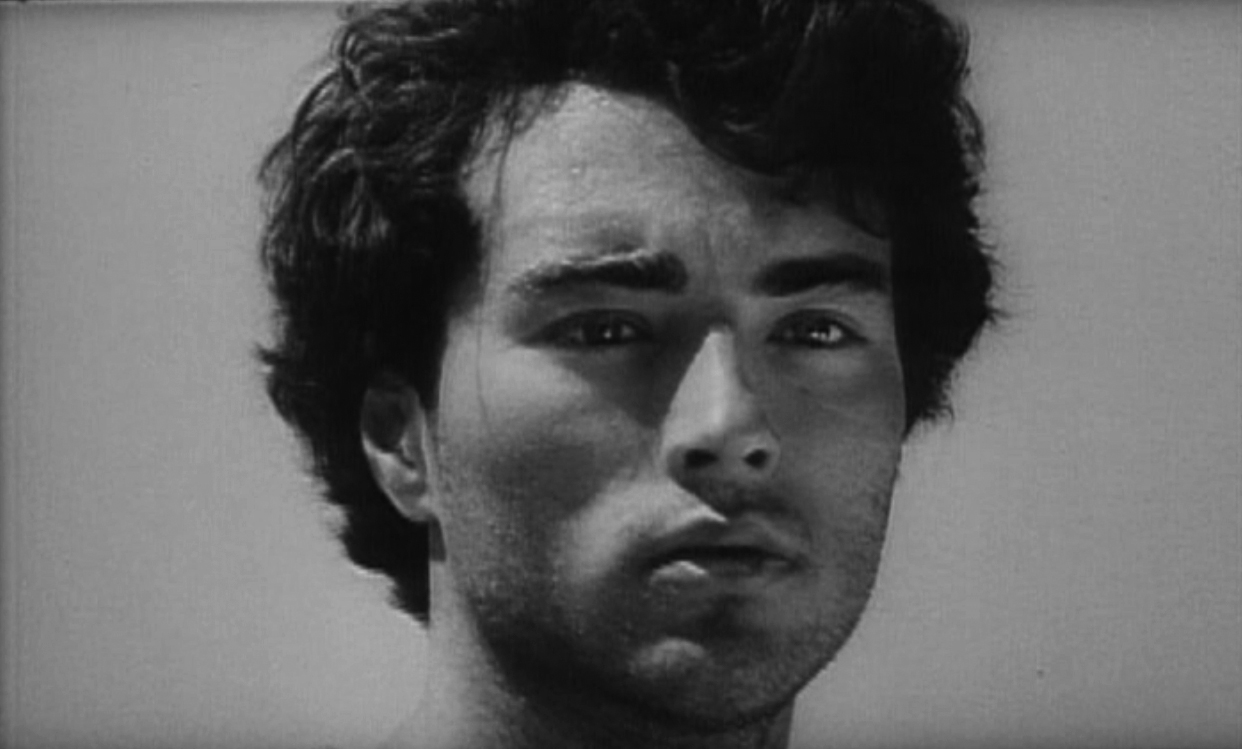
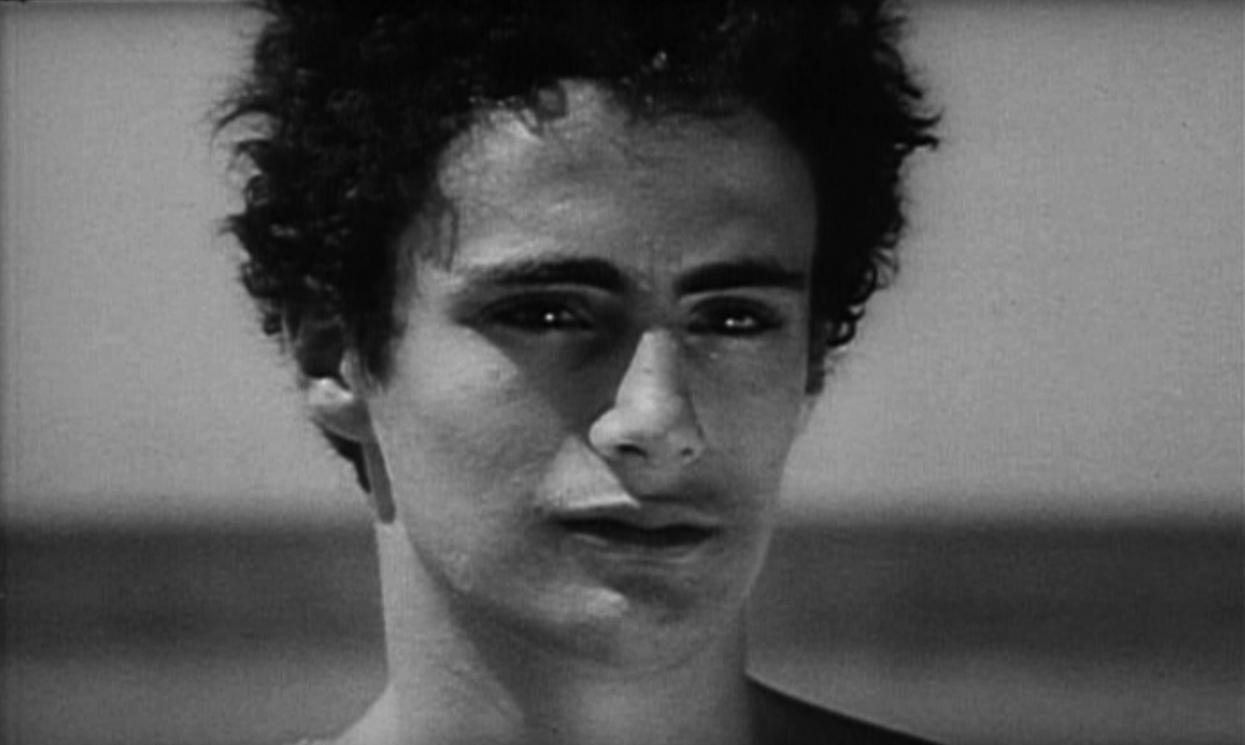
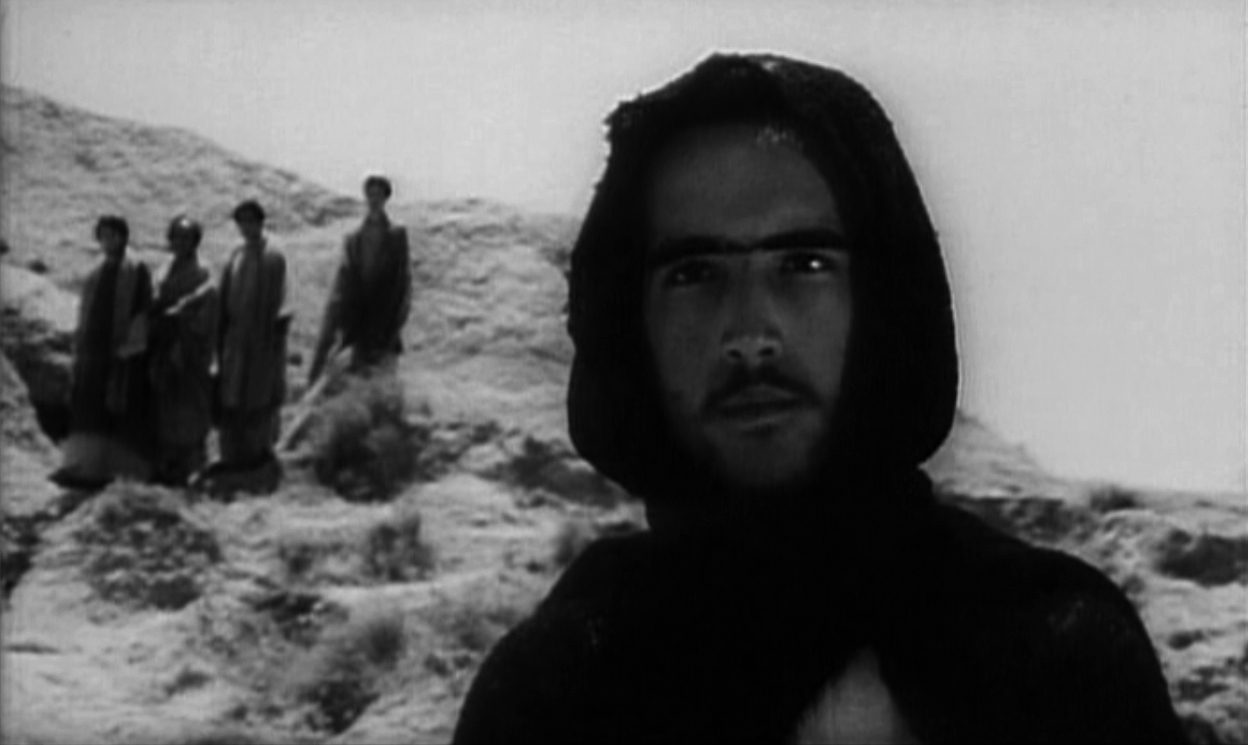
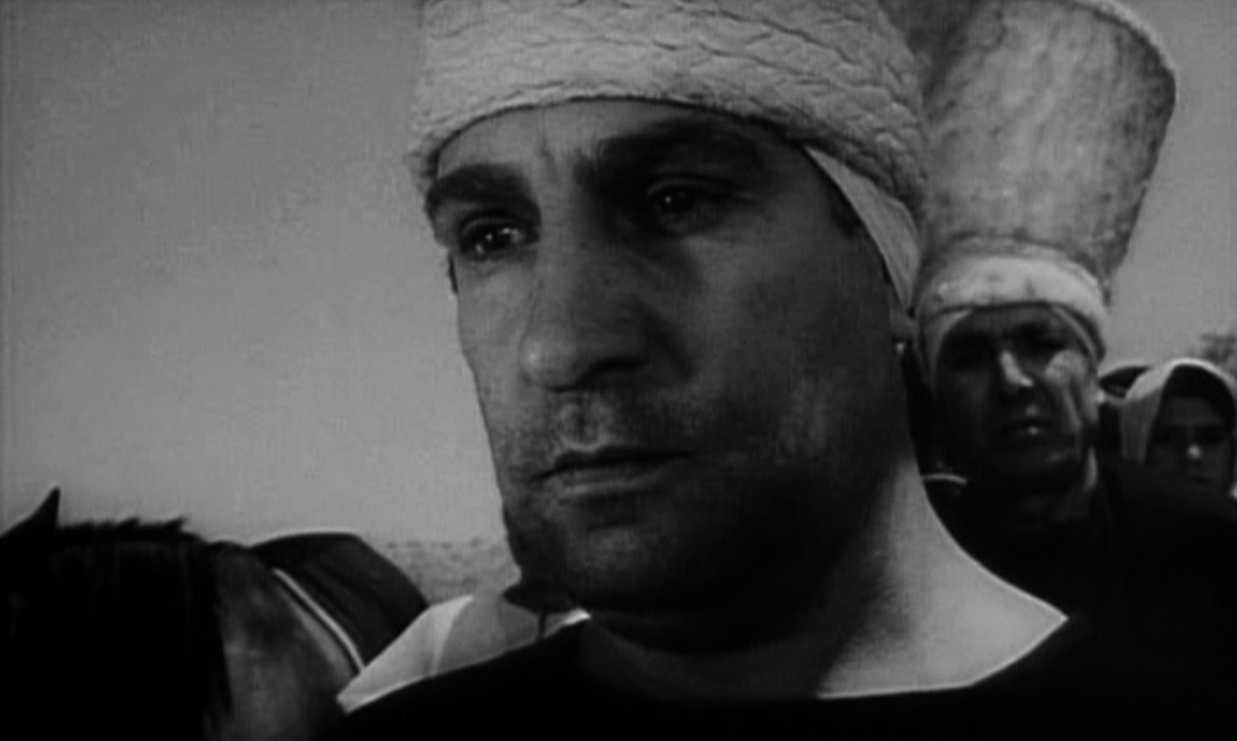
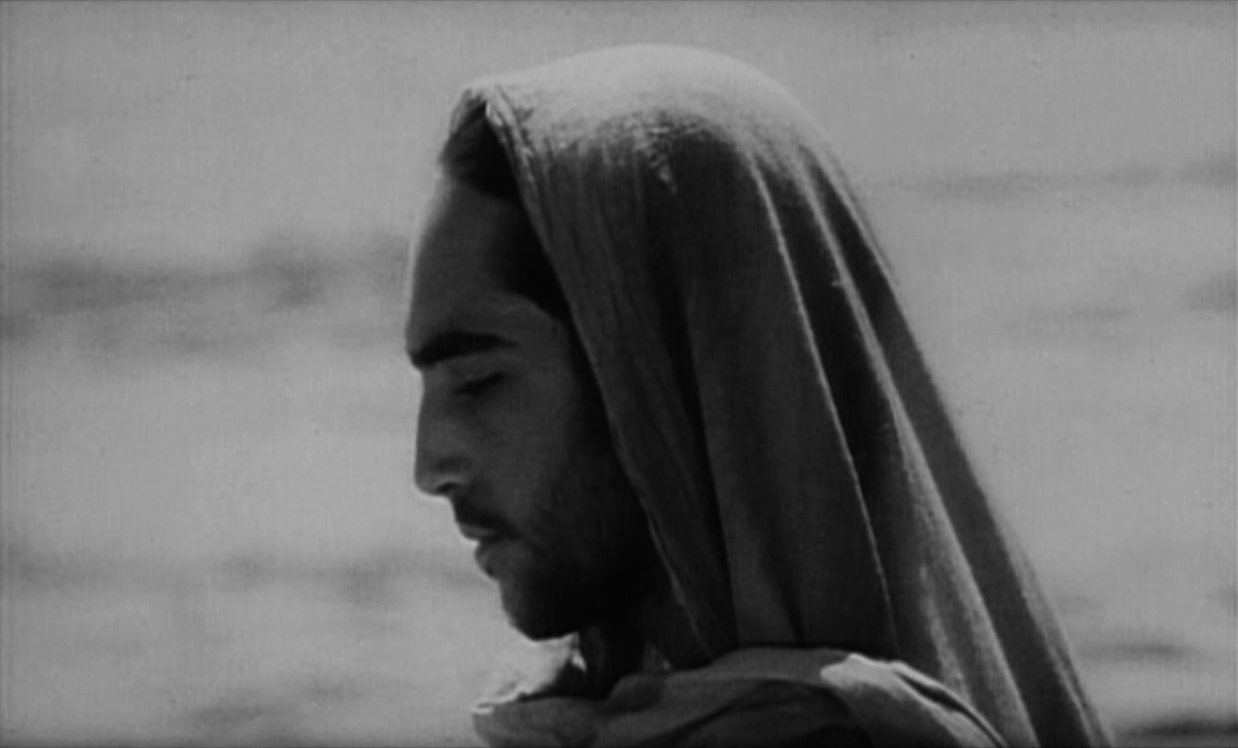





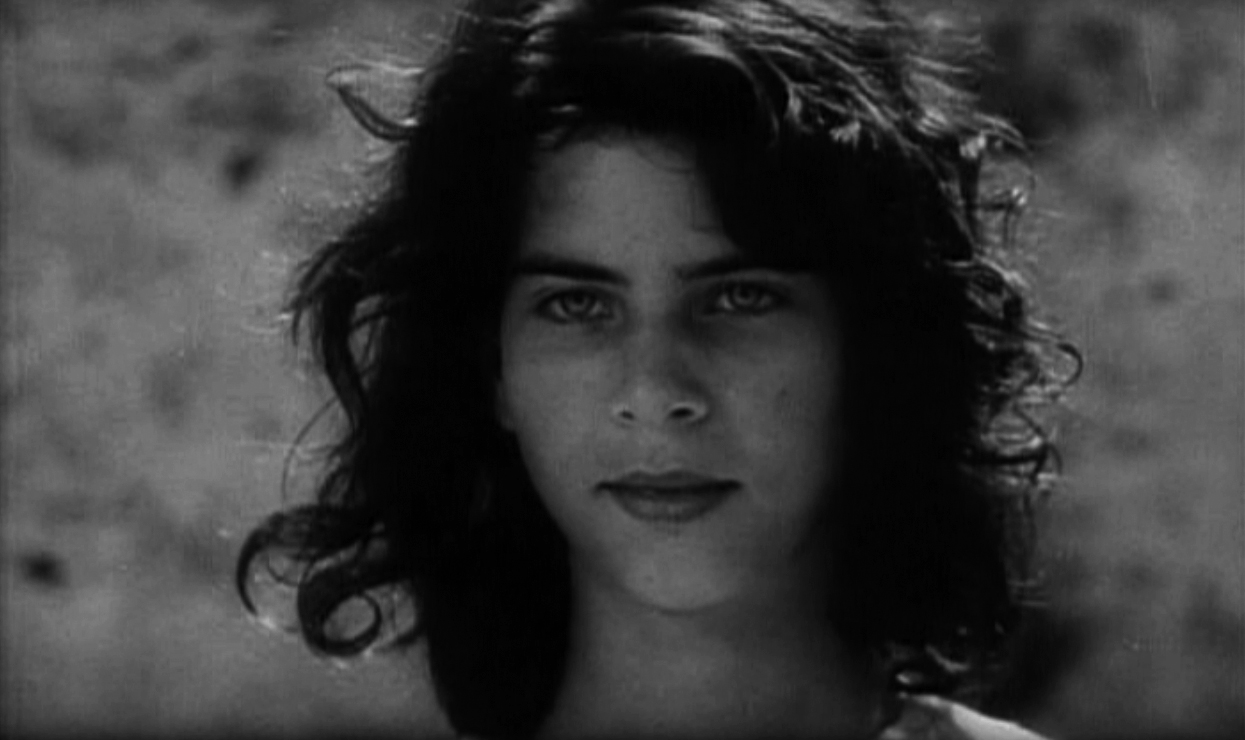

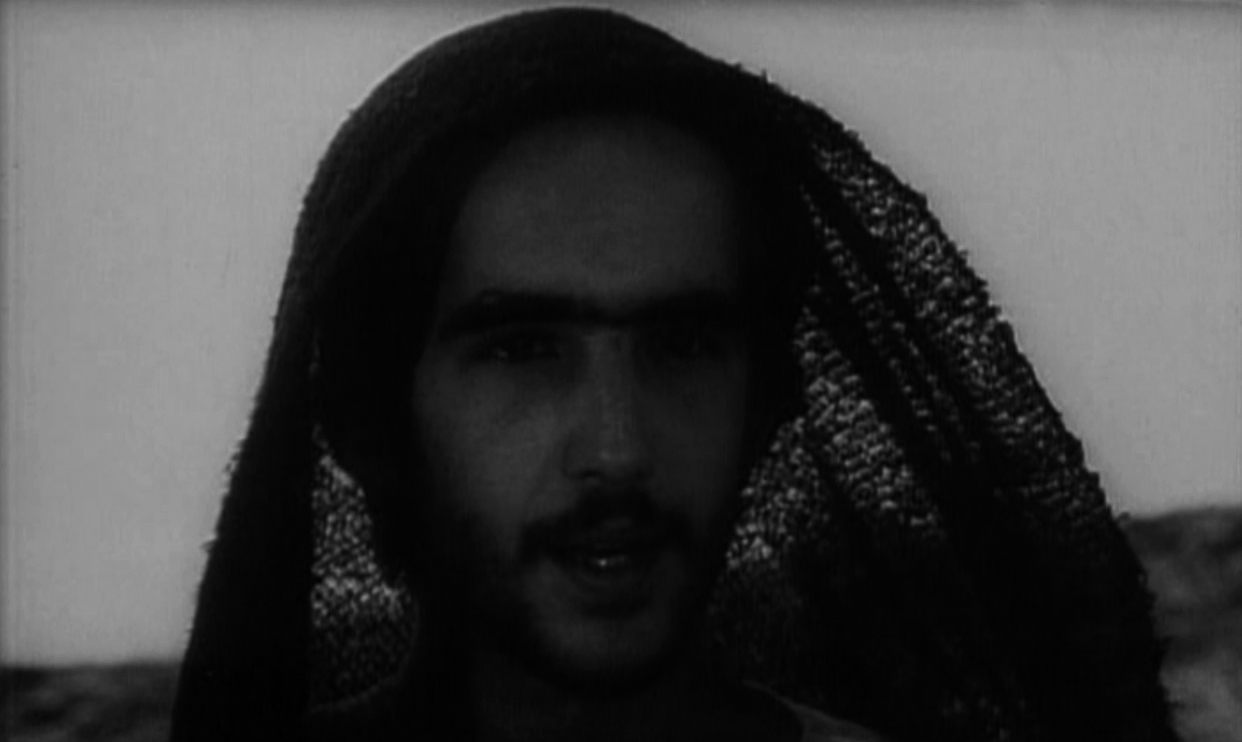
The Bike Brothers – Jack, Ken and Norman Taylor.
A Brief History of John Baldessari
Paris – Roubaix 1988
The Greatest Show on Earth: 1974 Giro d’Italia
Stars and Watercarriers: 1973 Giro d’Italia
A Sunday In Hell: 1976 Paris-Roubaix
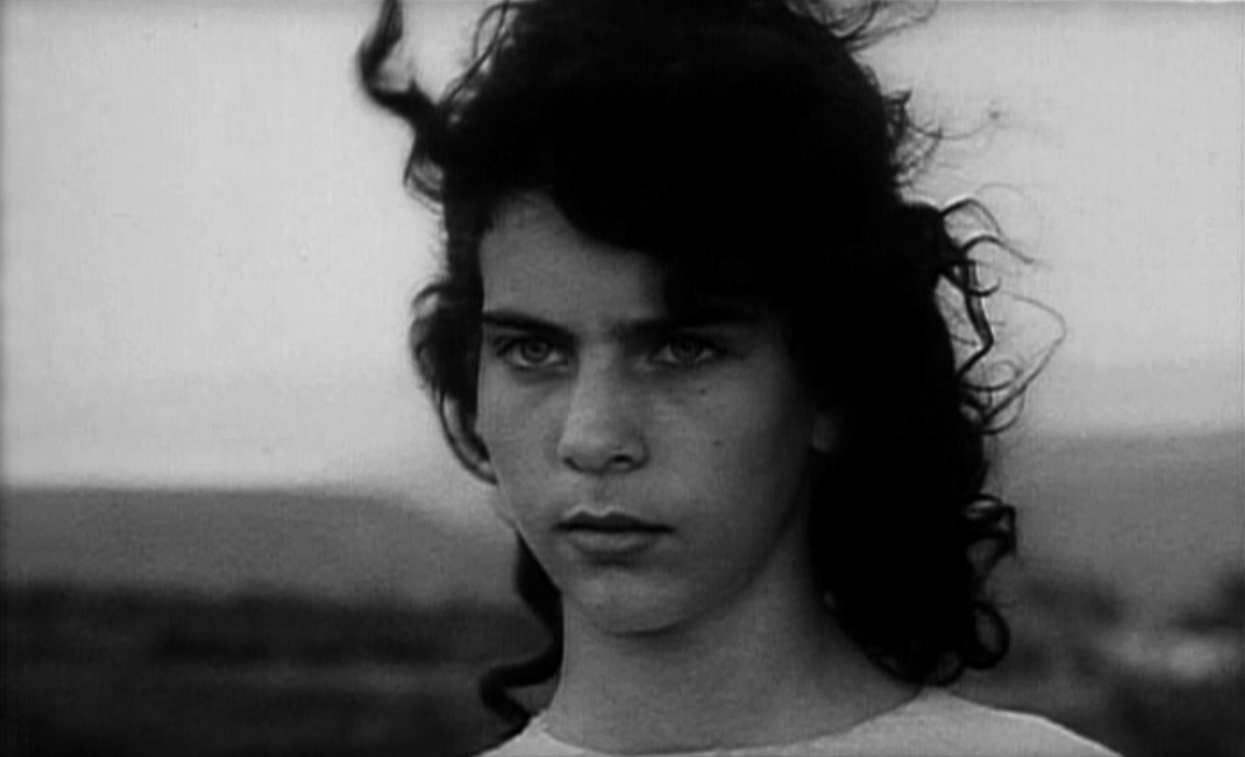
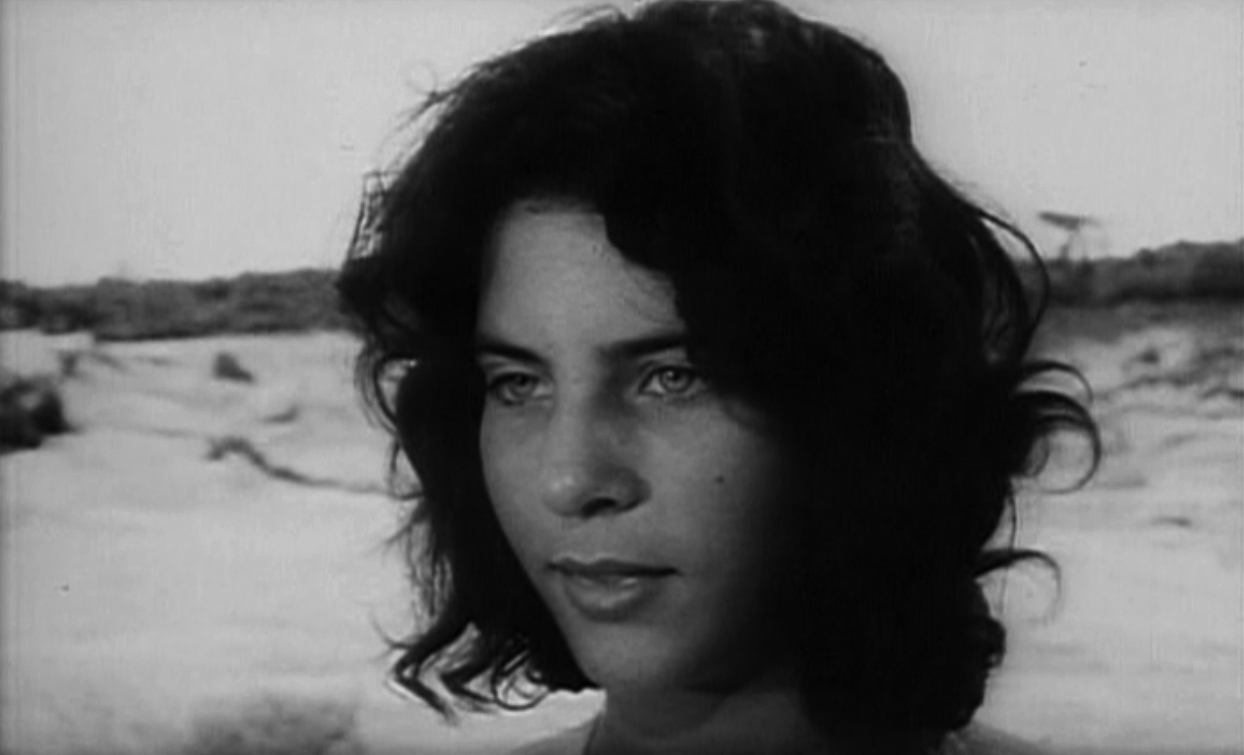
Elliptical Editing in Vagabond
Back in 2008 I wrote a little post on Agnes Varda’s Sans toit ni loi (1985), or Vagabond. Recently David Bordwell and Kristin Thompson put together a video short on Elliptical Editing, and they used Varda’s film as the example. Bordwell and Thomspon have been important in my own thinking about film.
Elliptical editing is one relatively common characteristic of what we might call “art films” that distinguish them from more traditional or “classical” films. I find it’s often a matter of taste; some love this kind of storytelling and some are annoyed by it. I love it. But one can also find elliptical editing in any genre; it just depends on the needs of the filmmaker.
 pilgrimakimbo