the wheel turns, the blog continues

Back in late 2006 I wrote a blog post describing what it was like to watch movies with my family. At that time there was my wife, our six year old daughter, a dog, and me. It’s been a few years since then. Now we have three kids. Our eldest is thirteen. The next is turning seven, and the youngest turning four. We also have two dogs now, one a Labrador puppy. Our house is no bigger either.

Back then I was excited to start this blog (it used to be on Blogger), connect with other bloggers, and document my life a bit. More importantly, at that time I also was eager to write about films and connect with others cinephiles. I had always loved the movies, studied cinema in college while an undergrad and a grad student. I had had dreams of becoming both and filmmaker and a college professor teaching film studies. Neither happened. Starting this blog back in 2006 was a small way to recapture something I felt I had lost.

Then life happened. One of our children (not listed above) died in my arms. Not long after that an SUV driven by a drunk hit my wife and daughter. They nearly died and my wife had a long and painful healing process. Plus three kids, two dogs, homeschooling, work and more work, all contributed to course changes and new goals. My writing began to turn more toward my search for God, my Christian faith, and inner struggles.

Watching the kinds of films I love became harder and harder. I’m not a night owl. I get distracted easily. I find myself watching more kids films than otherwise. Writing about film seemed less and less important. Connecting with other bloggers was fine for a while, but not the same as true friendships and great discussions – but I still miss those distant folks. Oscar nominations are lists of films I have not seen. Other films bloggers have come and gone. Those that remain are excellent. I’m happy to let others do the interesting writing.

Writing, as the old saying goes is easy: just stare at the blank page until drops of blood form on your forehead. It’s hard work to write. It’s really, really hard to write well.

Well anyway… this blog continues. Perhaps I will re-enter the film writing mode of life. I love films. I am truly haunted by great films. I swoon over tracking shots. I genuinely cry at deeply moving moments. I go back and back again to films I love. It’s the way I am wired. There has never been an artform more powerful than cinema. Maybe I’ll start writing about it again.

We’ll see. Thanks for reading.
Filmmaker: A Diary by George Lucas

Run for your life: The opening scene from Diamonds in the Night

Opening scene from DIAMONDS IN THE NIGHT (1964) by Jan Němec. Cinematography by Jaroslav Kucera.

Time within the frame

The following passage comes from Andrei Tarkovsky’s book “Sculpting in Time”, from Chapter 5: The film Image, in the section titled: Time, rhythm and editing.

The dominant, all-powerful factor of the film image is rhythm, expressing the course of time within the frame. The actual passage of time is also made clear in the characters’ behavior, the visual treatment and the sound—but these are all accompanying features, the absence of which, theoretically, would in no way affect the existence of the film. One cannot conceive of a cinematic work with no sense of time passing through the shot, but one can easily imagine a film with no actors, music, decor or even editing. (p. 113)

Tarkovsky goes on to describe Pascal Aubier’s fascinating 1974 short film Le Dormeur, in which there is only the camera moving through a landscape until it “discovers” a man who appears to be sleeping in a field but is actually dead.

Here is a link to the film: Le Dormeur* Note: Since the audio is entirely of natural sounds, it is better to turn up the volume to get the full effect.

I love these kinds of films. The camera work, especially for that time, is wonderful. We are so used these days with cameras moving all over the place. But in 1975 this had to have been done on tracks and dollies with a crane. (The Steadicam was invented in 1975 and was not widely available for some time after that.) The moment in the shot where the camera ascends up the dead tree is amazing.

* film found here.

Story: draw from the well of what you know

Work and (with) family

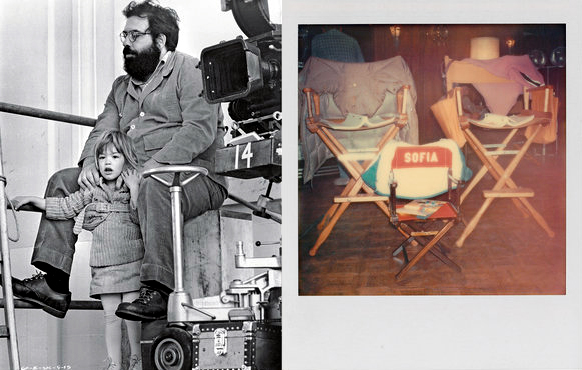
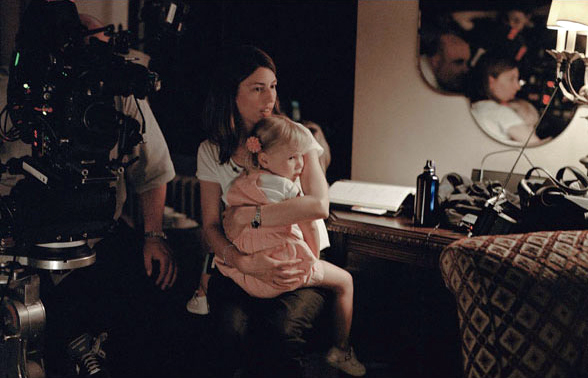
I love this picture of Sofia Coppola on the set of her film Somewhere (2010), holding her daughter Romy:

cess_coppola_somewhere_01_h

There is something really wonderful about this. I don’t know anything about Ms. Coppola, her family, or her working life, except just from watching her films and reading a bit on the Internet. But I like to imagine that her kids are welcome at her work.

It seems this is not an original idea of Sofia’s.

02arena-sofia2-tmagArticle

Much of the time, and for most of us, we cannot bring our kids to work. Although, perhaps it is a good idea to consider choosing vocations where family can more naturally be involved. I love the way Francis Coppola involved his family as much as possible in his life and work, and set an example for his children. This may be the way things should be.

Chinatown and the Rule of Thirds

This is a re-post from 2008. Still timeless.

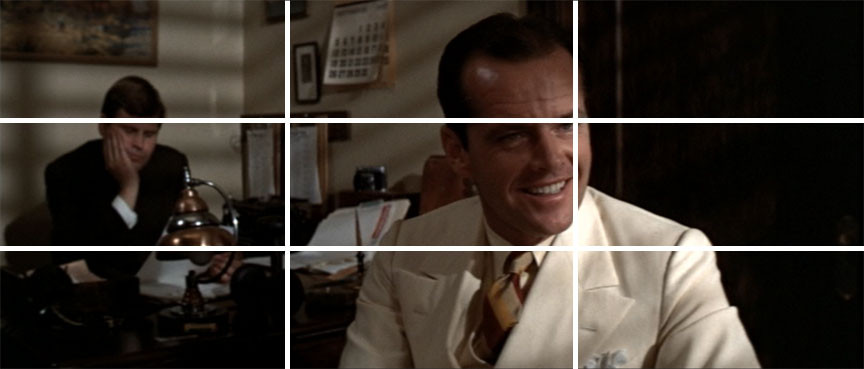
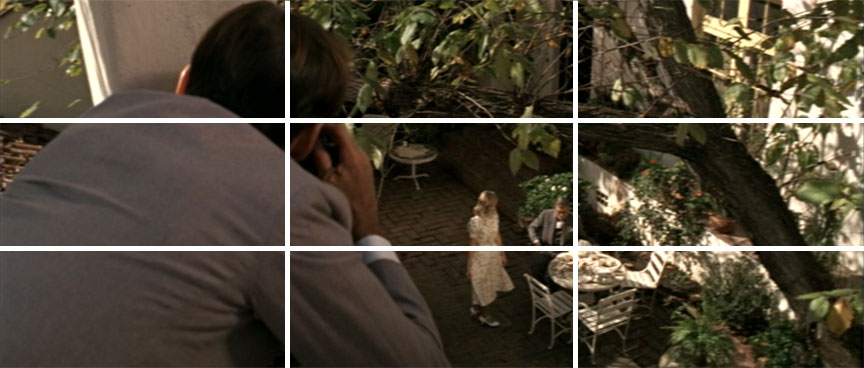
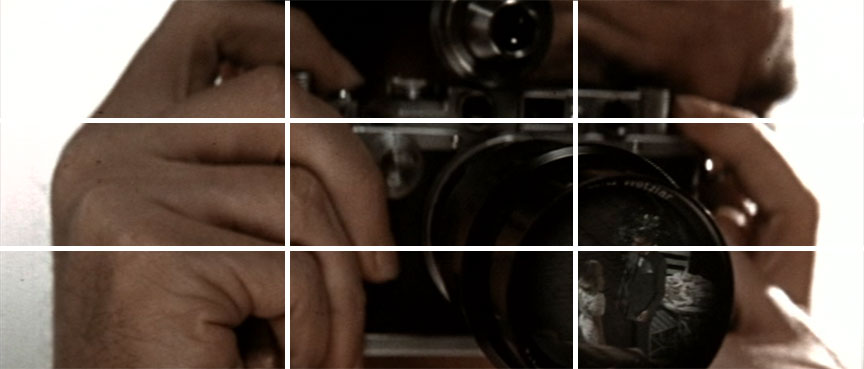
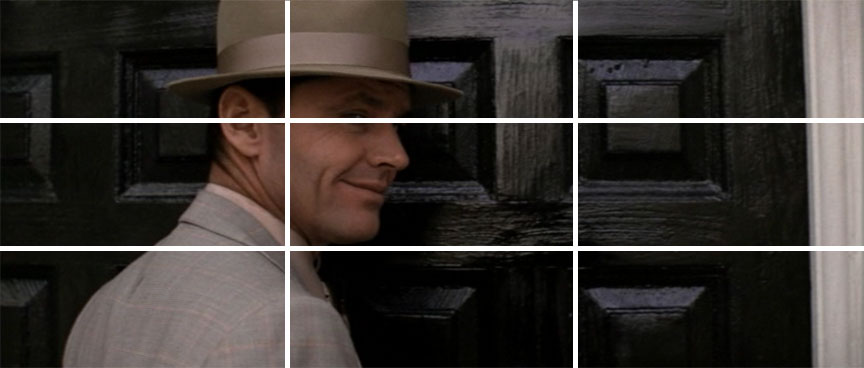
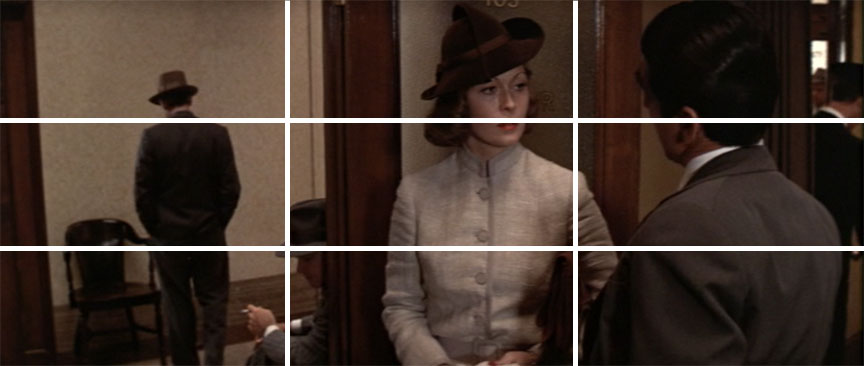
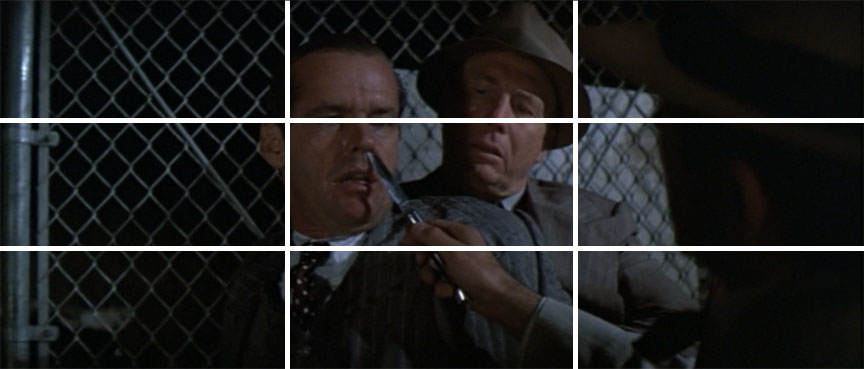
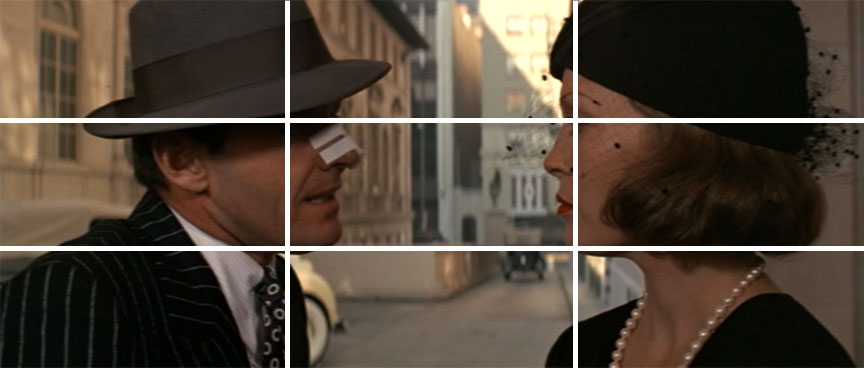
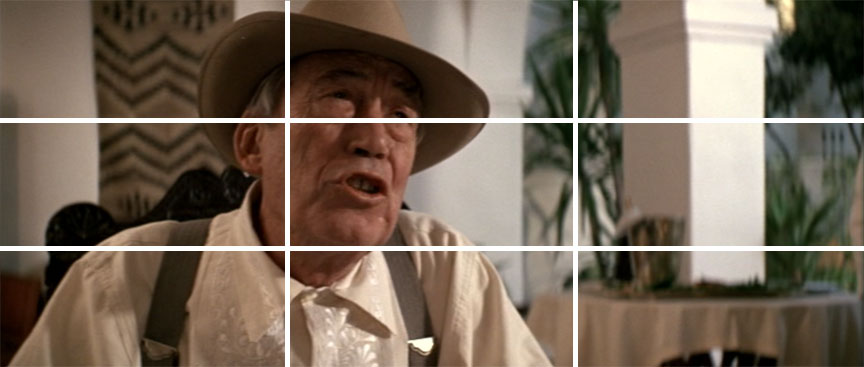
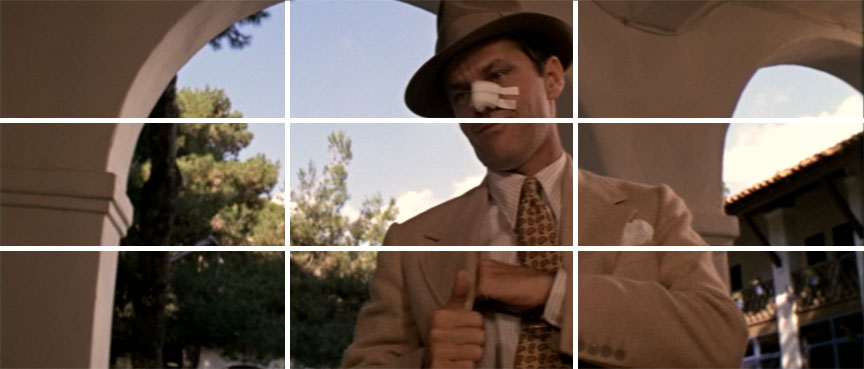
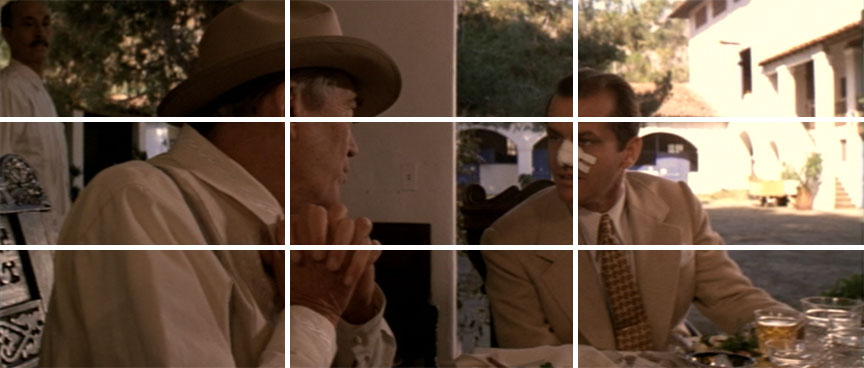
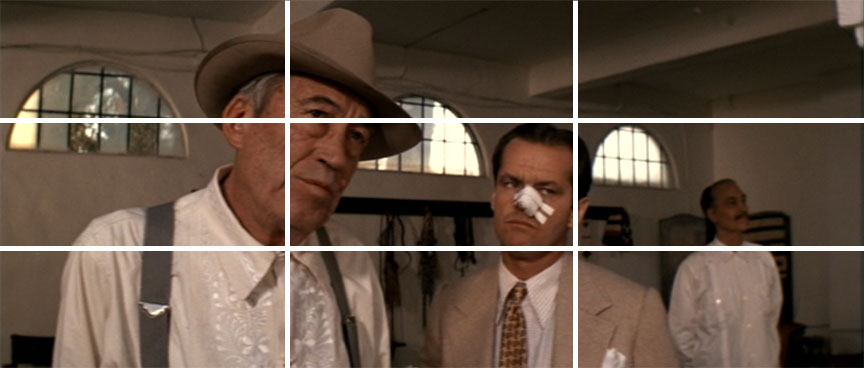
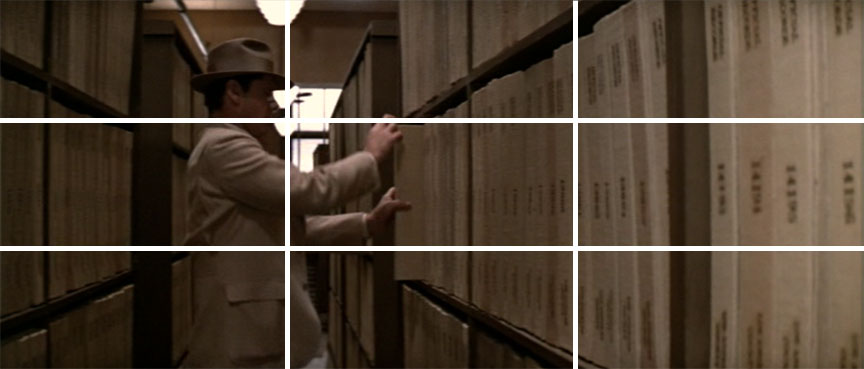
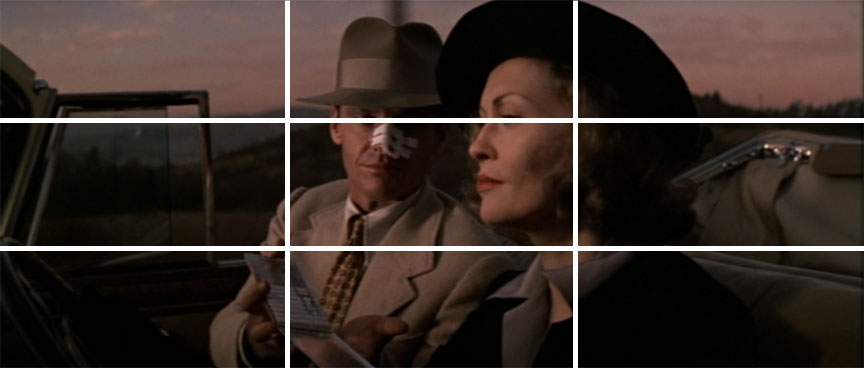
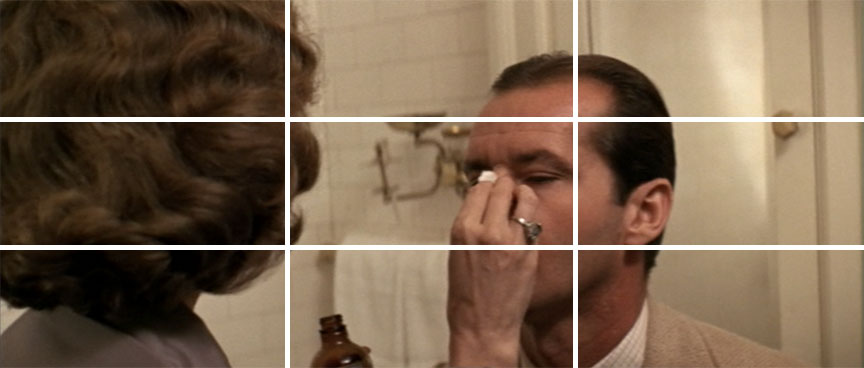
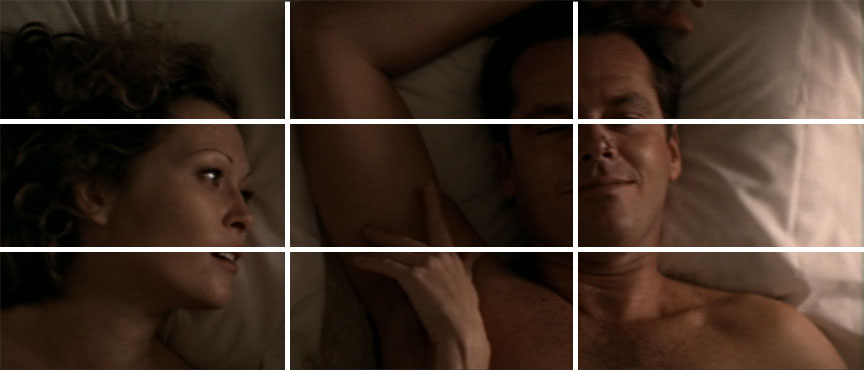
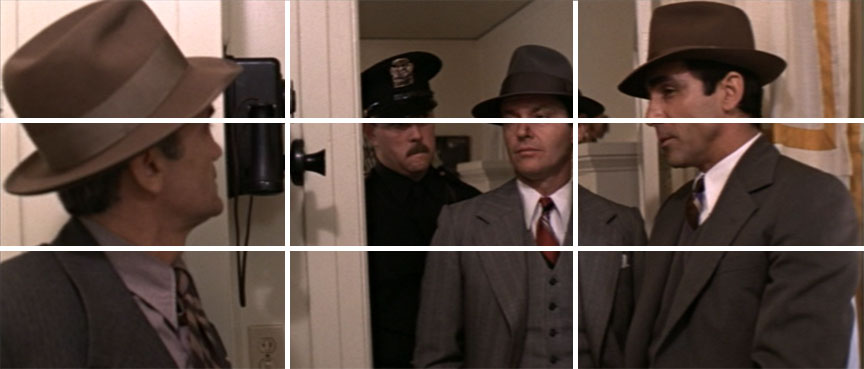
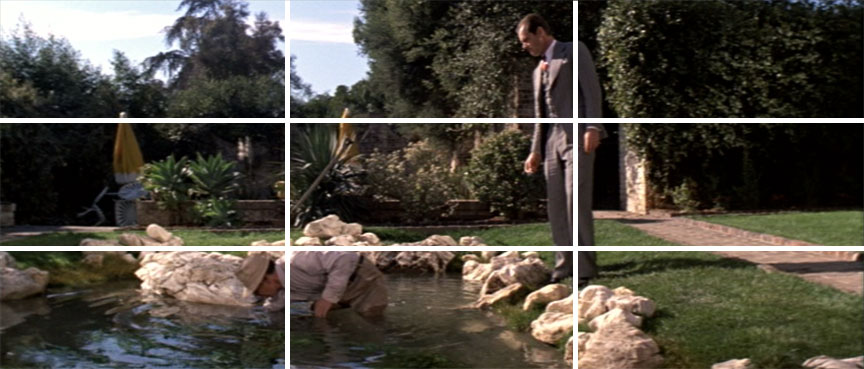
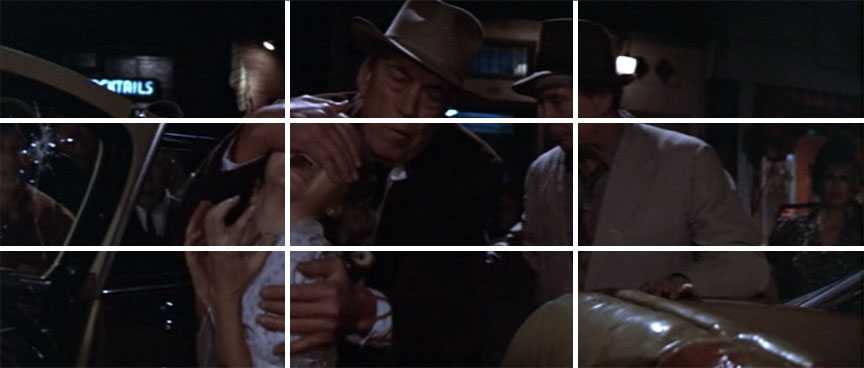
Many films are beautifully shot. Few, though, are as consistently well composed as Chinatown (1974)*. Shot in Panavision (anamorphic) format with a 2.35:1 aspect ratio the somewhat extreme rectangular image would seem to offer significant challenges to effective image composition. As I was pondering this challenge I was struck by how much I loved the images in Chinatown, which I just watched again the other day. That’s when I went back to basics and considered that even with widescreen images there are still fundamentals of composition at play. In this case I figured I would grab a few images (one from each major scene) from the film and apply the Rule of Thirds to each image.

The Rule of Thirds is simply as follows:

Divide the image into thirds, both horizontally and vertically, then put the focus of the image either one third across (from either side) or one third up or down the screen. Those lines, and the points at which they intersect, are the strongest invisible forces in an image.

In Chinatown the images are constructed around those lines and intersecting points. By doing this the aspect ratio becomes a relatively mute point as the human brain automatically takes in the whole image, mentally divides the image into thirds, and finds pleasure as key visual elements are constructed around those thirds. Of course, deviation from the power of the thirds creates visual tension, which is an additional tool in the filmmaker’s toolbox.

Chinatown was shot by John A. Alonzo. He was nominated for an Oscar for best cinematography. Here are the images from the film (I, of course, added the white lines):

Chinatown-1

Chinatown-2

Chinatown-3

Chinatown-4

Chinatown-5

Chinatown-6

Chinatown-7

Chinatown-8

Chinatown-9

Chinatown-10

Chinatown-11

Chinatown-12

Chinatown-13

Chinatown-14

Chinatown-15

Chinatown-16

Chinatown-17

Chinatown-18

Chinatown-19

Chinatown-20

Rules of storytelling according to Pixar

Disney_Pixar Compilation Image

Okay, I’m totally stealing this from the On the Page FB feed:

On Twitter, Pixar storyboard artist Emma Coats has compiled the following 22 items of wisdom she’s received working for the animation studio over the years:

  1. You admire a character for trying more than for their successes.
  2. You gotta keep in mind what’s interesting to you as an audience, not what’s fun to do as a writer. They can be v. different.
  3. Trying for theme is important, but you won’t see what the story is actually about til you’re at the end of it. Now rewrite.
  4. Once upon a time there was ___. Every day, ___. One day ___. Because of that, ___. Because of that, ___. Until finally ___.
  5. Simplify. Focus. Combine characters. Hop over detours. You’ll feel like you’re losing valuable stuff but it sets you free.
  6. What is your character good at, comfortable with? Throw the polar opposite at them. Challenge them. How do they deal?
  7. Come up with your ending before you figure out your middle. Seriously. Endings are hard, get yours working up front.
  8. Finish your story, let go even if it’s not perfect. In an ideal world you have both, but move on. Do better next time.
  9. When you’re stuck, make a list of what WOULDN’T happen next. Lots of times the material to get you unstuck will show up.
  10. Pull apart the stories you like. What you like in them is a part of you; you’ve got to recognize it before you can use it.
  11. Putting it on paper lets you start fixing it. If it stays in your head, a perfect idea, you’ll never share it with anyone.
  12. Discount the 1st thing that comes to mind. And the 2nd, 3rd, 4th, 5th – get the obvious out of the way. Surprise yourself.
  13. Give your characters opinions. Passive/malleable might seem likable to you as you write, but it’s poison to the audience.
  14. Why must you tell THIS story? What’s the belief burning within you that your story feeds off of? That’s the heart of it.
  15. If you were your character, in this situation, how would you feel? Honesty lends credibility to unbelievable situations.
  16. What are the stakes? Give us reason to root for the character. What happens if they don’t succeed? Stack the odds against.
  17. No work is ever wasted. If it’s not working, let go and move on – it’ll come back around to be useful later.
  18. You have to know yourself: the difference between doing your best & fussing. Story is testing, not refining.
  19. Coincidences to get characters into trouble are great; coincidences to get them out of it are cheating.
  20. Exercise: take the building blocks of a movie you dislike. How d’you rearrange them into what you DO like?
  21. You gotta identify with your situation/characters, can’t just write ‘cool’. What would make YOU act that way?
  22. What’s the essence of your story? Most economical telling of it? If you know that, you can build out from there.

Nice, huh?

laconic

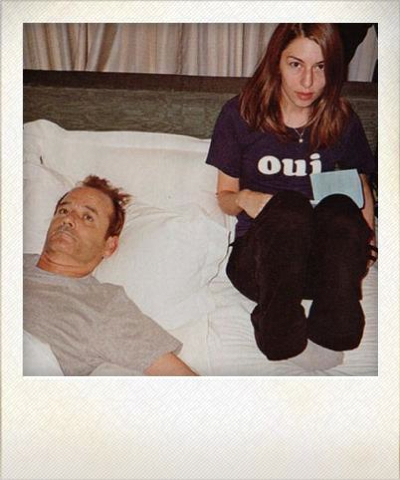
The screenplay for the film Lost in Translation (2003) was only 75 pages.

051311-sofia-coppola38

Lost in Translation is one of my favorite films. Typically, feature length screenplays are 90 to 120 pages.

Many of my favorite directors use few words in their films: R. Bresson, A. Tarkovsky, E. Rohmer, T. Malick.

I love great dialogue, but sometimes I prefer films with little or no talking. Many of my favorite scenes are ones that are purely visual, relying on the moving image to tell the story. Relying on dialogue to tell the story is sometimes just laziness.

The screenplay I’m currently working on is 92 pages and will probably increase to around 95 pages. I was worried I didn’t write enough, but now I think it’s fine, even a bit long.

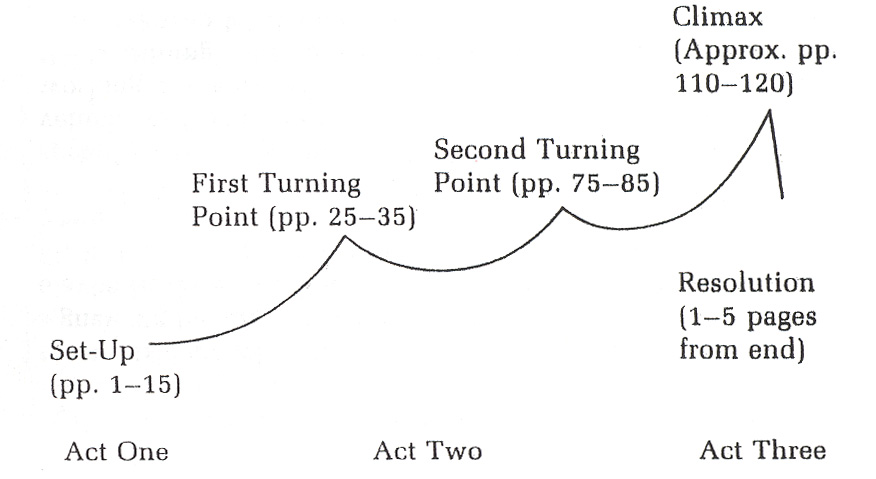
The Three-Act Story Structure

Once again I am diving into the struggle to write screenplays. In the past I got all snobby and looked down on the typical Hollywood story structure. I saw it as too conventional and I wanted to be artsy. Well, that got me a long ways.

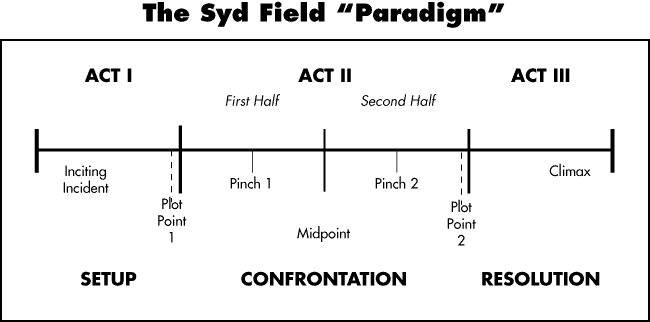
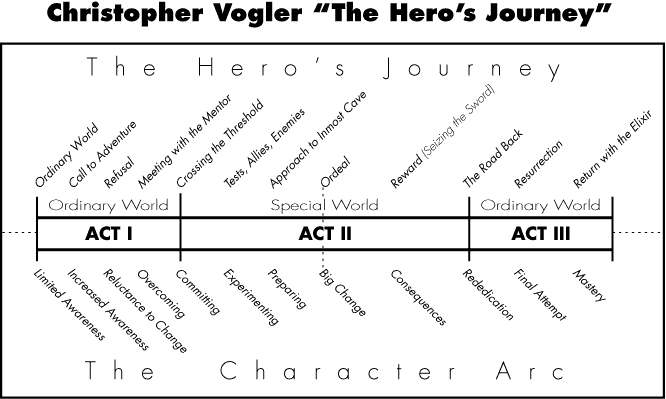
In the mean time I have learned a thing or two, and have come to understand the conventions that drive Hollywood storytelling are, in fact, ancient paradigms that fit with human nature. In other words, the basic three-act structure (and it variations) was built into the human design by God. Sure, many have exploited it, have misused it, have done bad things with it – including making just plain schlock – but that does not nullify the fundamental character of the structure and how it engages with our minds.

With that I am trying to teach myself the structure, and how to use it to my advantage. Here are some examples:

3-Act story Structure

syd-field

how-and-why-vogler-journey

I know that none of us work in a vacuum. We do not create ex nihilo. We work with what is given, and it is in our manipulations of forms that we discover new nuances. Structure is one of the great givens. I have decoded to use the three-act paradigm as strictly as I can and see what happens.

A couple vids on the topic: