>
Category: nature
poison oak
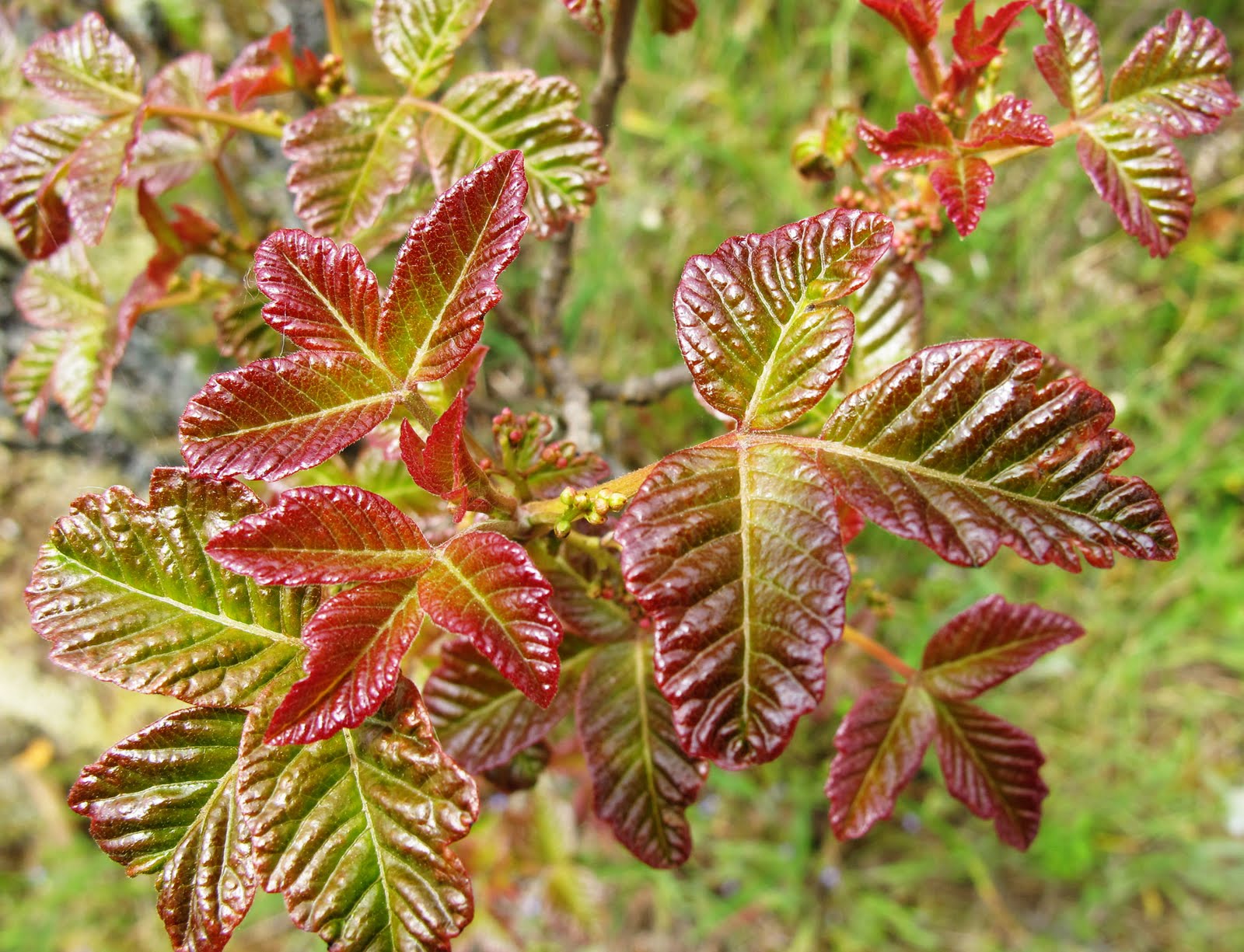
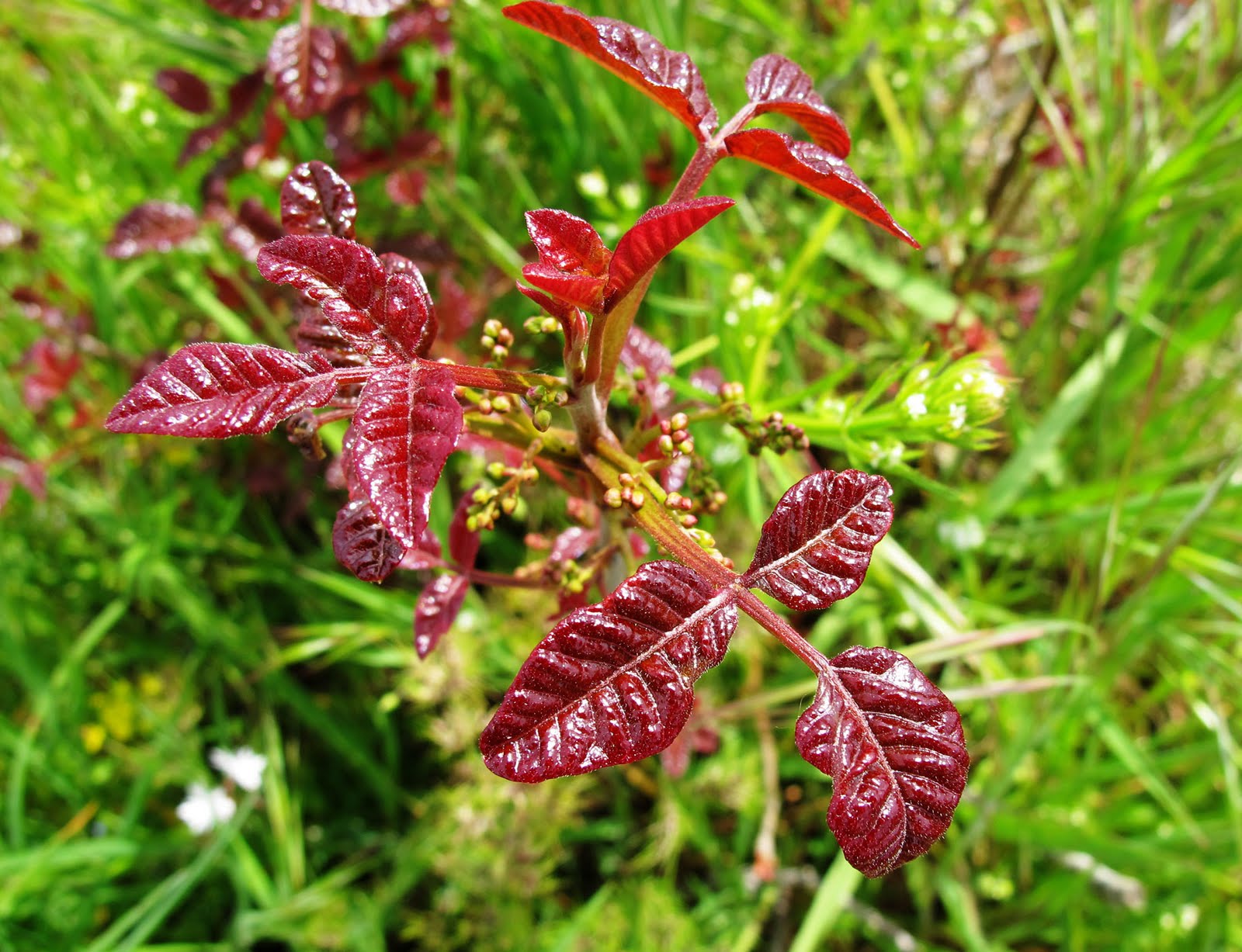
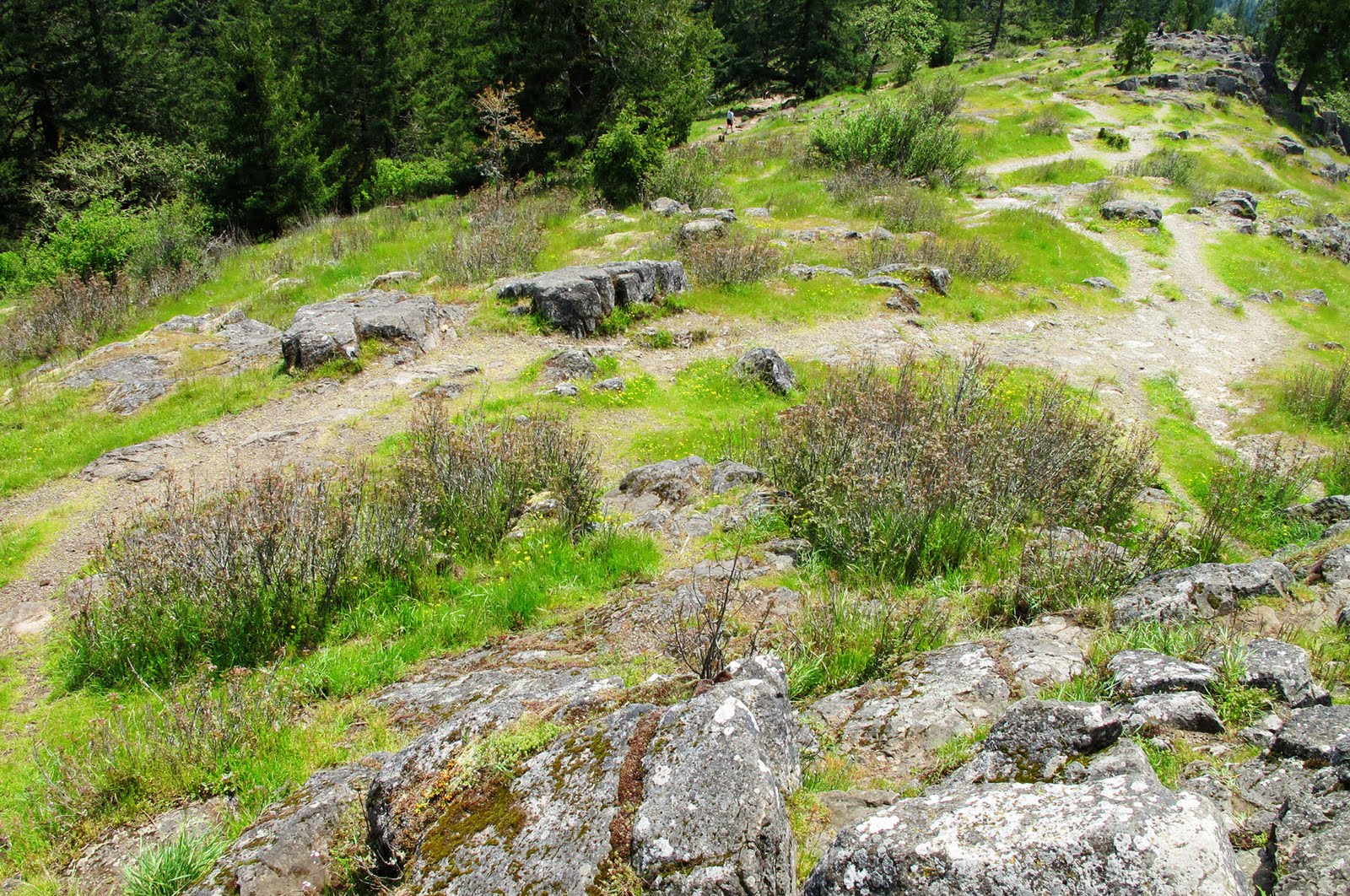
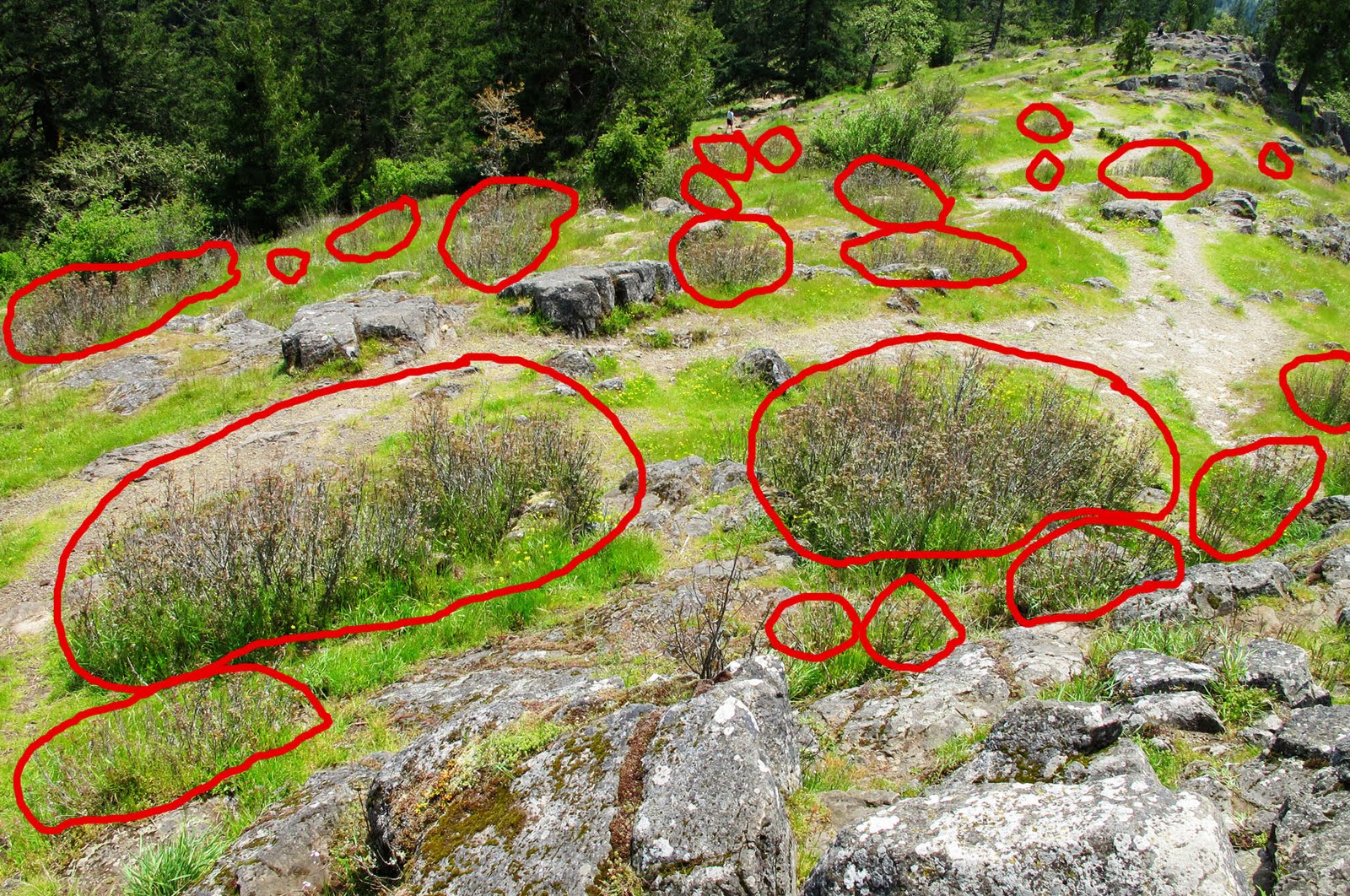
I don’t want to be an alarmist but it’s poison oak season people! Every year we go on hikes and warn the kids not to frolic in the poison oak. Naturally the kids ask what it looks like and we always say, “Well…it’s a bush, and it’s got leaves that are maybe green, or red, or greenishredish. And they’re shiny.” But honestly, we can never remember until we are upon it, or more likely until someone says, “Is that a large poison oak bush you’re standing in?”
So here are some closeups – taken as great risk – for your edification.
>go outdoors
>
The clearest way into the universe is through a forest wilderness.
~ John Muir
Never does nature say one thing and wisdom another.
~ Juvenal, Satires
The poetry of the earth is never dead.
~ John Keats
Do not look to the ground for your next step; greatness lies with those who look to the horizon.
~ Norwegian Proverb
A man does not climb a mountain without bringing some of it away with him, and leaving something of himself upon it.
~ Sir Martin Conway
And this, our life, exempt from public haunt, finds tongues in trees, books in the running brooks, sermons in stones, and good in everything.
~ William Shakespeare
>Spencer Butte with friends
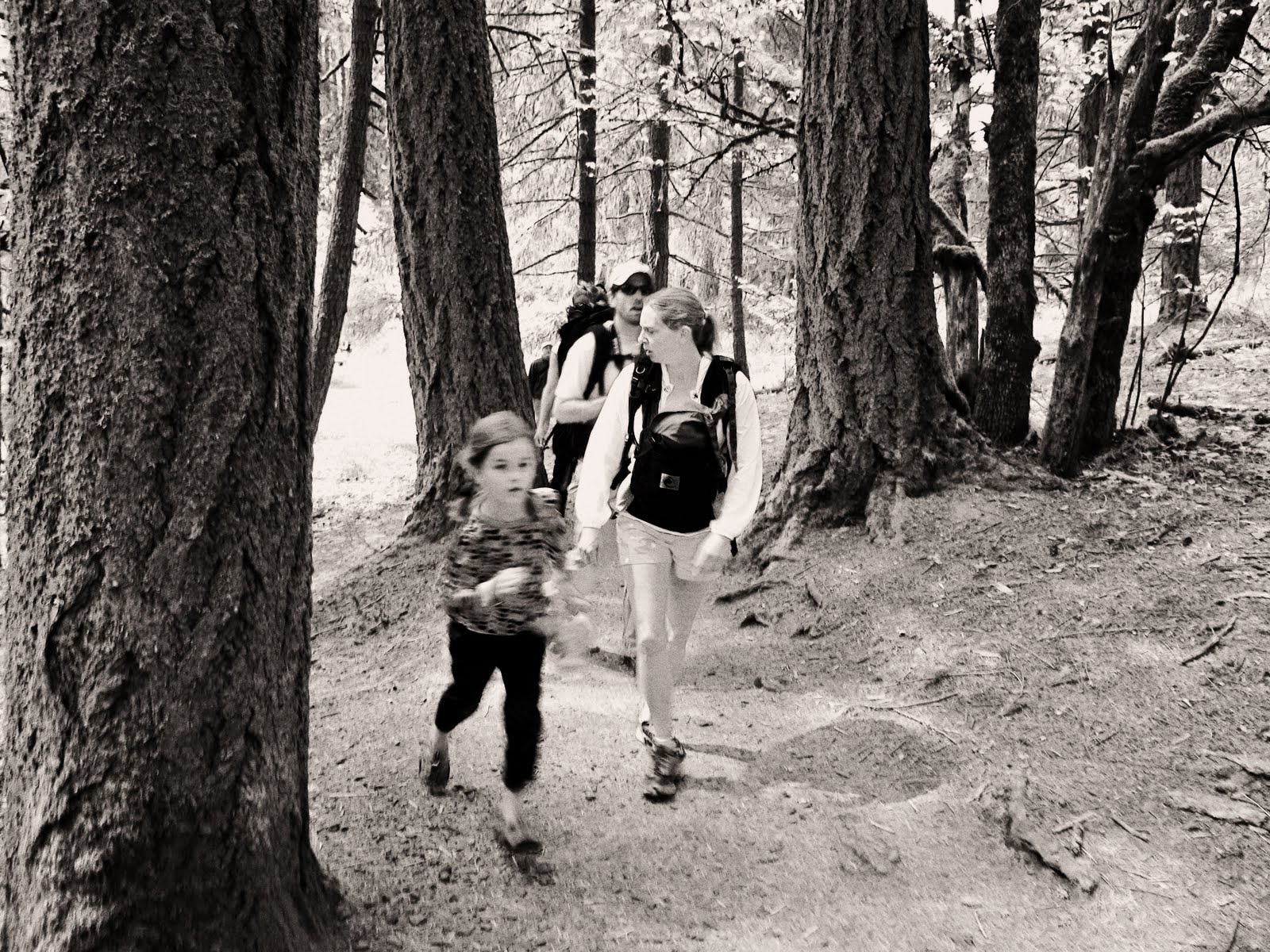
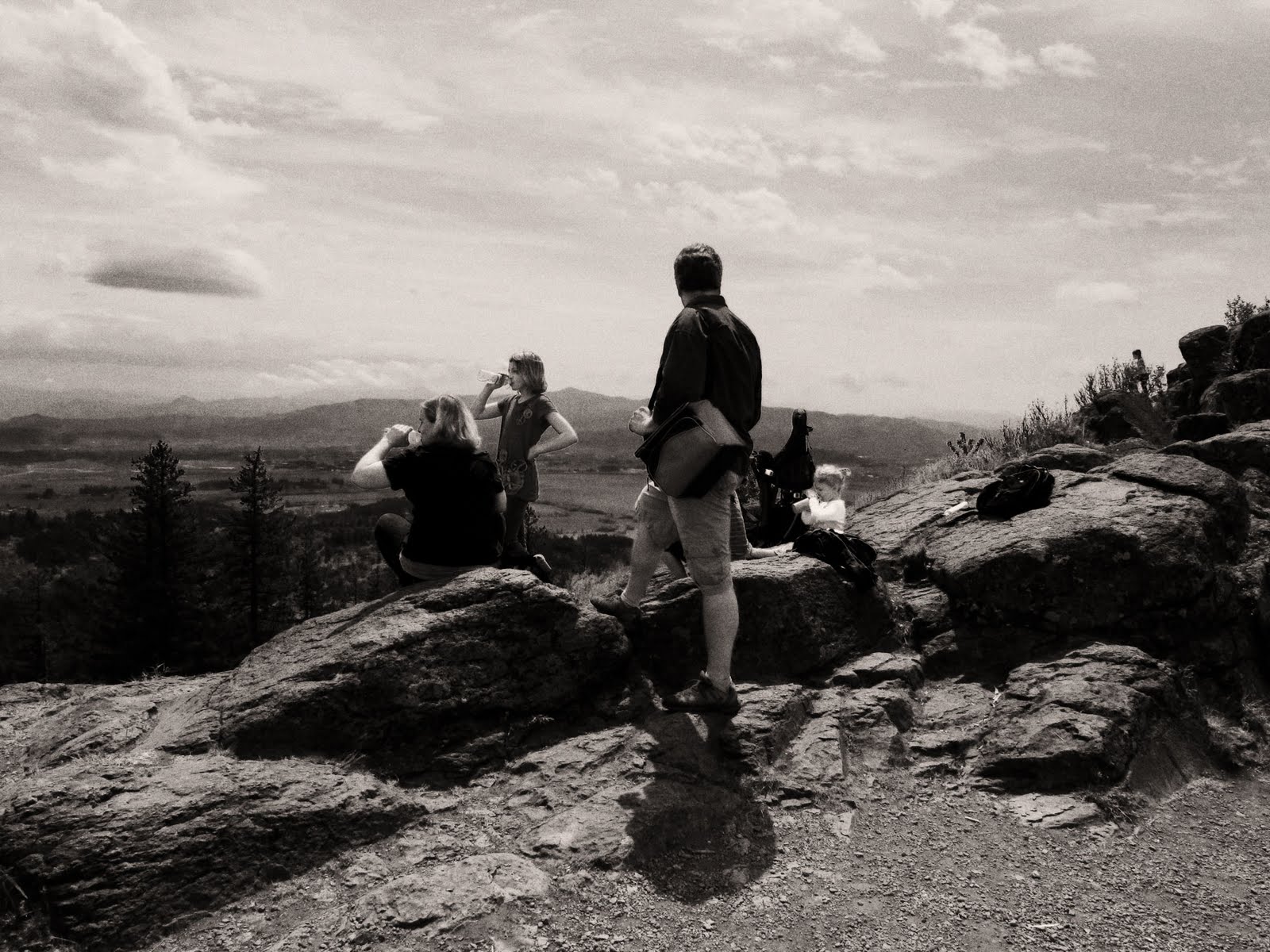
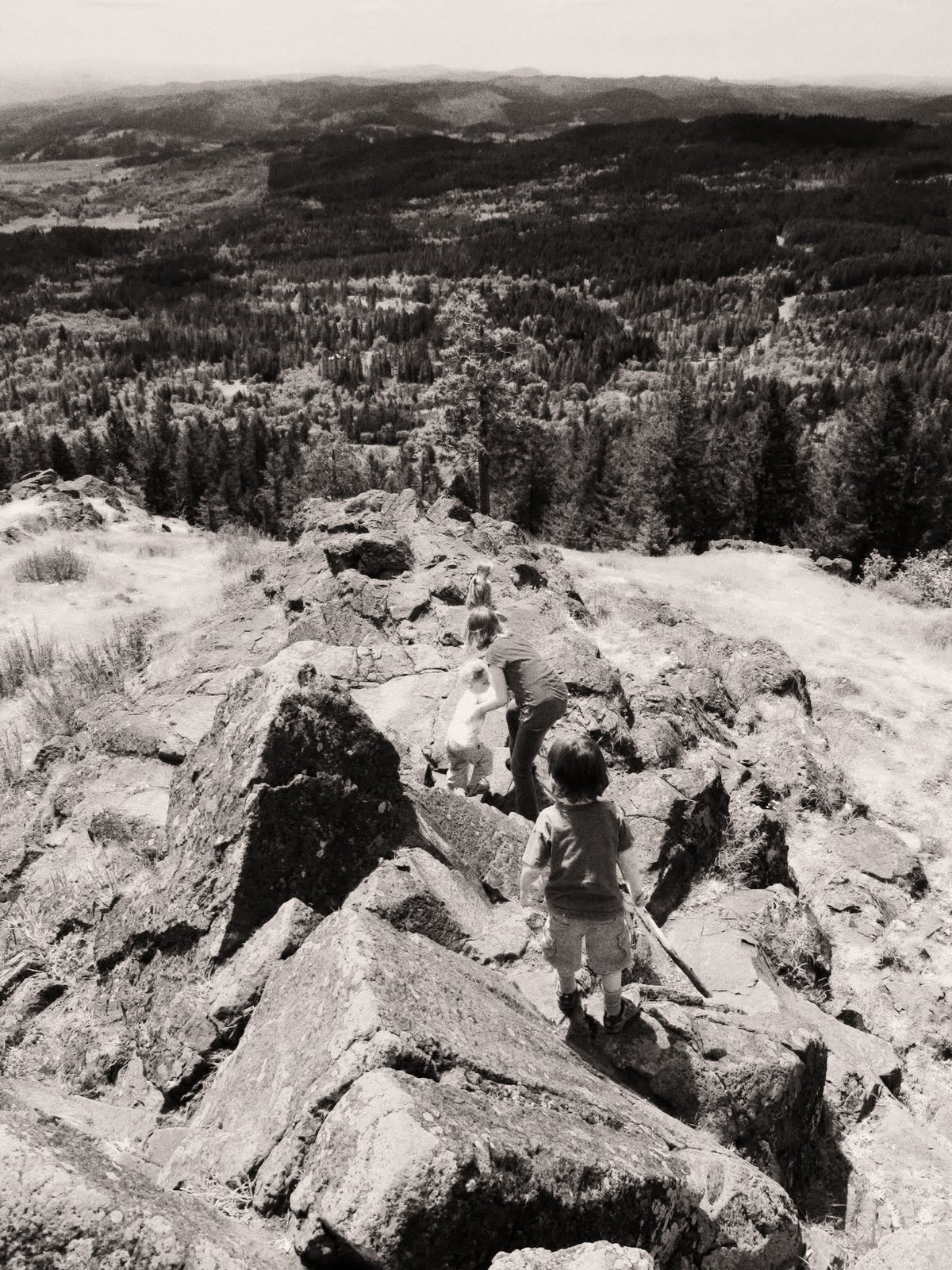
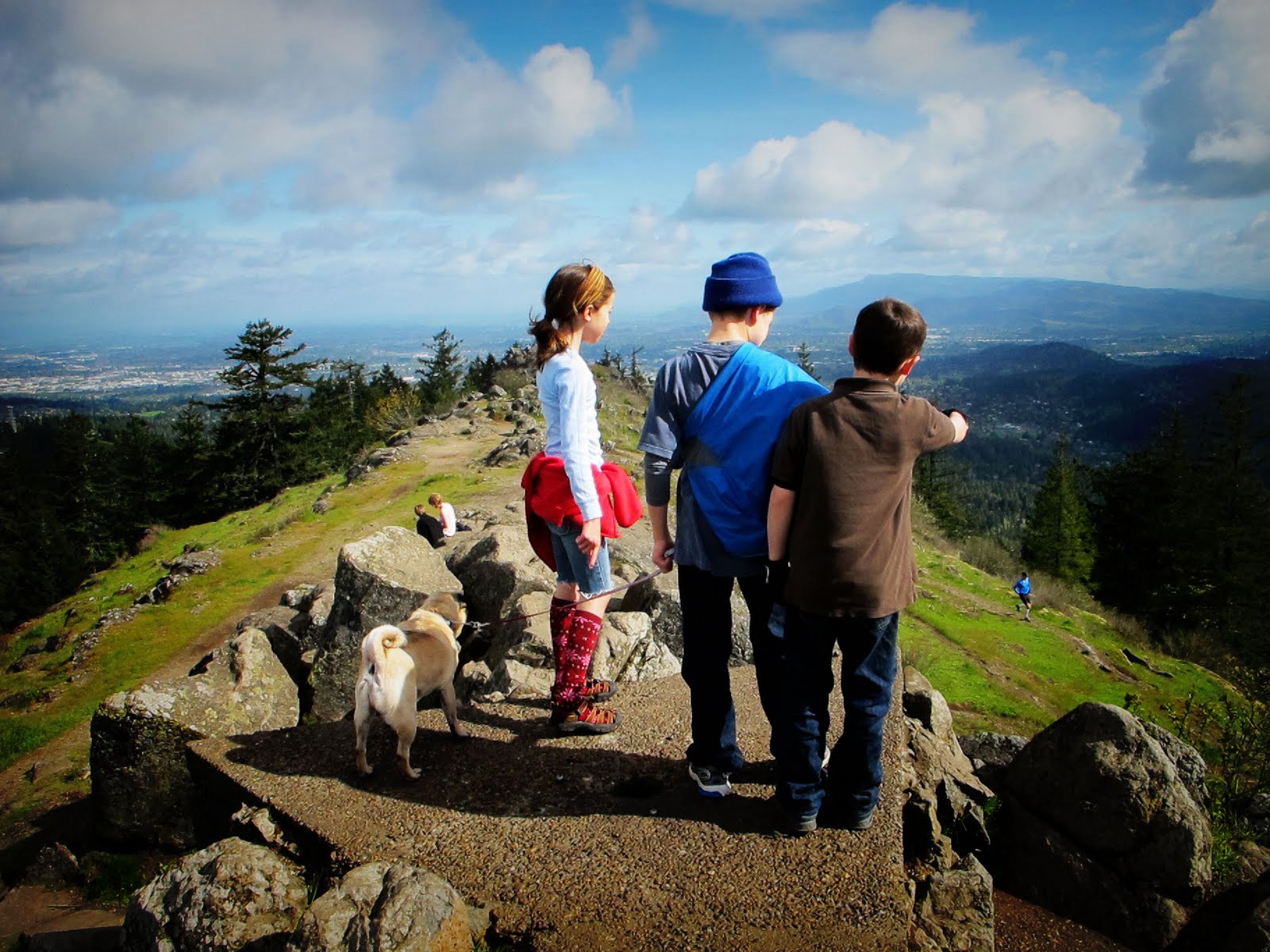
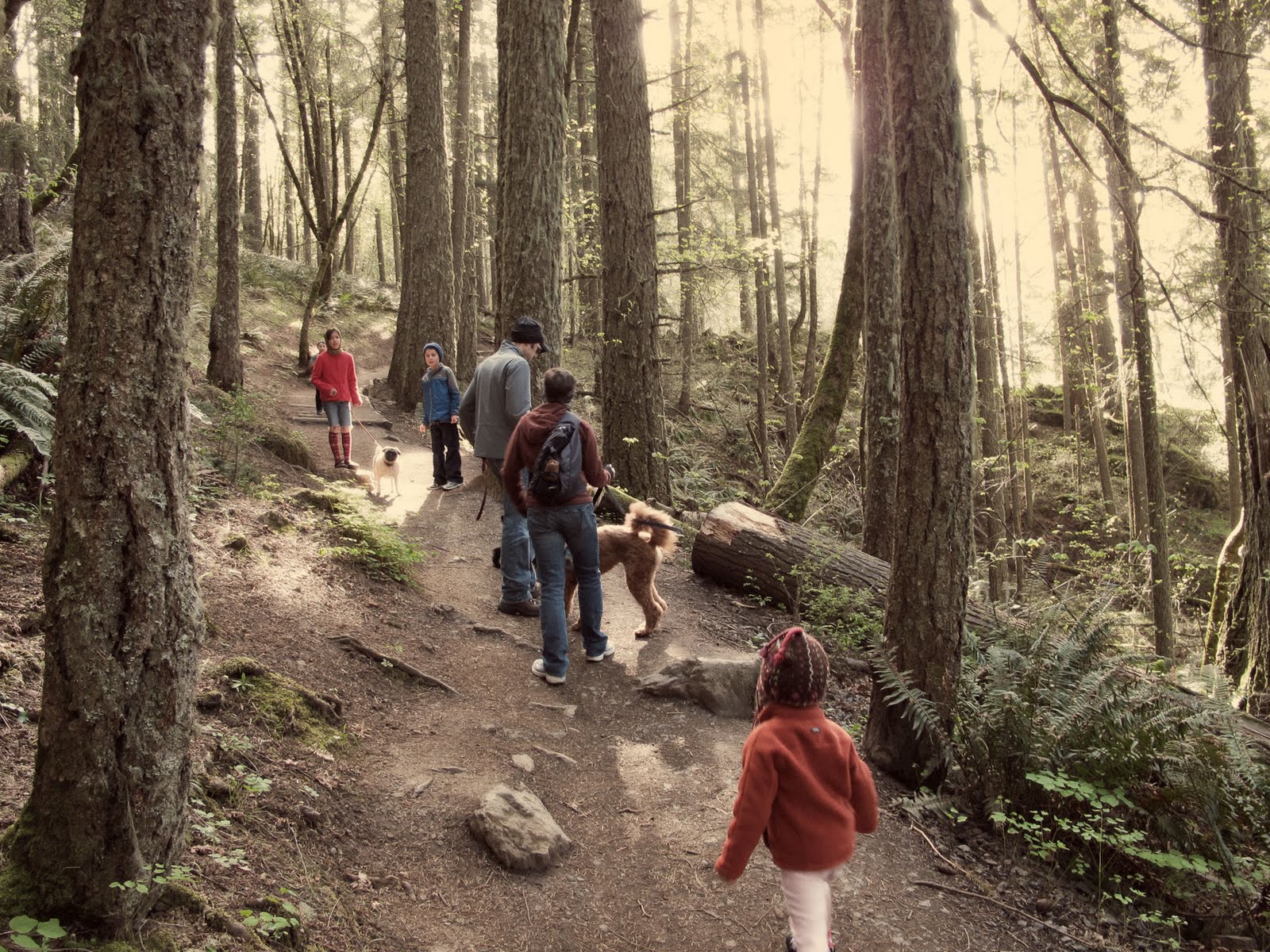
>This past weekend we hiked up Spencer Butte with some friends from out of town. It was cold but beautiful. We saw some folks from the Obsidians doing trail maintenance. And, on our way down, we passed a large group of sorority women on their way up (some looked happy, others looked like they were wondering why they were there). Our big concern for the hike was poison oak, but I think we did okay.
>John Zerzan: On Modernity & the Technosphere*
>John Zerzan lives in Eugene, Oregon. He is an author, speaker, and the host of AnarchyRadio. I have only recent discovered Zerzan, but I like a lot of where he is coming from.
Here is a lecture from Binghamton University on April 2, 2008.
* Grabbed from Essential Dissent. Discovered by way of Jesus Radicals.
>The World According to Monsanto
>I know you may have already seen this video, but if not, it is worth taking the time.
Part One
Part Two
Part three
Part four
Part five
Part six
Part seven
Part eight
Part nine
Part ten
>What’s really going on in Copenhagen? The Yes Men arrive!
>Did Canada just promise to dramatically reduce its greenhouse gases and pay their climate debt? It looks like it:
Uganda responds:
Will the real Canada please stand up:
Oops, its the Yes Men being, well, the Yes men.
I feel rather sorry for Uganda, but not for Canada.
>Ring those bells: 350 in Eugene
This morning I did something new for me. I attended an environmental rally.
Now don’t get me wrong, this was a little affair, just a few people for a few minutes. But it was good. After it was over I walked away glad that I had attended. The purpose of the rally was to highlight the number 350 as it relates to the amount of CO2 in the atmosphere.
The big deal about 350 is that it is the critical number for CO2 in terms of parts per million in our atmosphere. 350 ppm is the upper limit that scientists have determined is safe for life on the planet. Presently the number is near 390 and rising. The goal is to bring it down to at least 350, or lower. 350 is also the name of a non-profit (350.org) started by Bill McKibben. This was a 350.org event.
I had my wife’s Flip camera with me and took a few shots. Here’s the gang doing their thing:
What was great for me, in a very small way, was just to have gone to such an event. I often tend to not do things I want to do merely because of unfamiliarity. Now that I have gone I hope to feel more freedom to attend future events and possibly get more involved in local/global issues. For the time being, however, I am happy to just try to apply good principles of living to my life, and read, think, and write about these things.
>Greenpeace, smokestacks, and my children
>I am reading the book Greenpeace: How a Group of Ecologists, Journalists, and Visionaries Changed the World by Rex Weyler, and thoroughly enjoying it. I have to say the more I learn about Greenpeace the more I like them. And like so many other things in my life, I think I know something until I start reading about it, then I realize what I assumed turns out to be different from the truth, or at least a skewed facsimile.
Also, I recently came across this video of a Greenpeace direct action campaign in England. I would encourage anyone to take the time to view it.
Not only do I like their spirit, but there is something fundamentally human about what they did. As a parent I look to the future for my children and I wonder what kind of world will they live in, and will that world be one where greed, power, and selfishness prevail, or will it be a world where the basic needs of human life take precedence over corporate profits? It’s easy to get sappy, and I can’t say I’m an expert on either global warming or pollution, but I have to say one thing my MBA taught me is that you cannot trust any publicly traded corporation to willingly diminish it potential profits for the sake of my wellbeing, your wellbeing, or the wellbeing of my children and yours.
>the footprint we work
Several years ago I read a great little book on personal finance called Your Money or Your Life. In that book I was captivated by the idea that money represents one’s “life energy.” The idea is that much of the time we work for counterproductive reasons – we falsely trade our life energy for something that feels like life but is something much less. By working more (giving up more and more of our life energy) we end up wasting more trying to maintenance our busy lives. We eat more fast food, pay for dry cleaners, pay for child care, lack time to cut out coupons or shop frugally, drive more rather than bike or take public transportation, and generally have less time for our families. Our modern lives are increasingly lives of diminishing returns.
Recently I came across a somewhat related quote in Bill McKibben’s book Deep Economy. It is as follows:
The more hours you work, the bigger your ecological footprint too. That’s because you’re spending more money and spending it carelessly: with no time to go to the farmers’ market, let alone to cook what you buy there, you drive through the drive-through instead. The numbers are substantial: an American working twenty to forty hours a week requires about twenty-three acres of the earth to support him; someone working more than forty hours requires nearly twenty-eight acres.(1)
I have not been someone to get on the environmentalist bandwagon as much as I probably should, though I have been at the fringes for years. However, if what McKibben says is true I feel I have to take note. If my goal is to love my neighbor as myself then I need to ask how requiring my person acreage, as it were, to be more than the American average, or even more than the global average, is helping me to love my neighbor. One of the great ironies is that the U.S., a country that has claimed Christian roots, praises itself for being such a great help and example to the world while it far outstrips the world in consumption of just about everything. In other words, we puff ourselves with pride for how much we love our neighbors yet we live as though what belongs to others is more rightfully ours. That’s not the way I want to live.
1. McKibben, Bill. Deep Economy: The Wealth of Communities and the Durable Future, pp. 114-115.