Watching What’s Up Doc?, remembering my youth

When I was just a lad I romanticized my future as is the want of youth. One of those inner visions that fueled my imagination was the mythical life of the stuntman. Yes I wanted to be a stuntman. There are certain moments in cinema that have stuck with me from that time in my life, not least of which is the grand finale to the outrageous car chase sequence in What’s Up Doc? (1972).

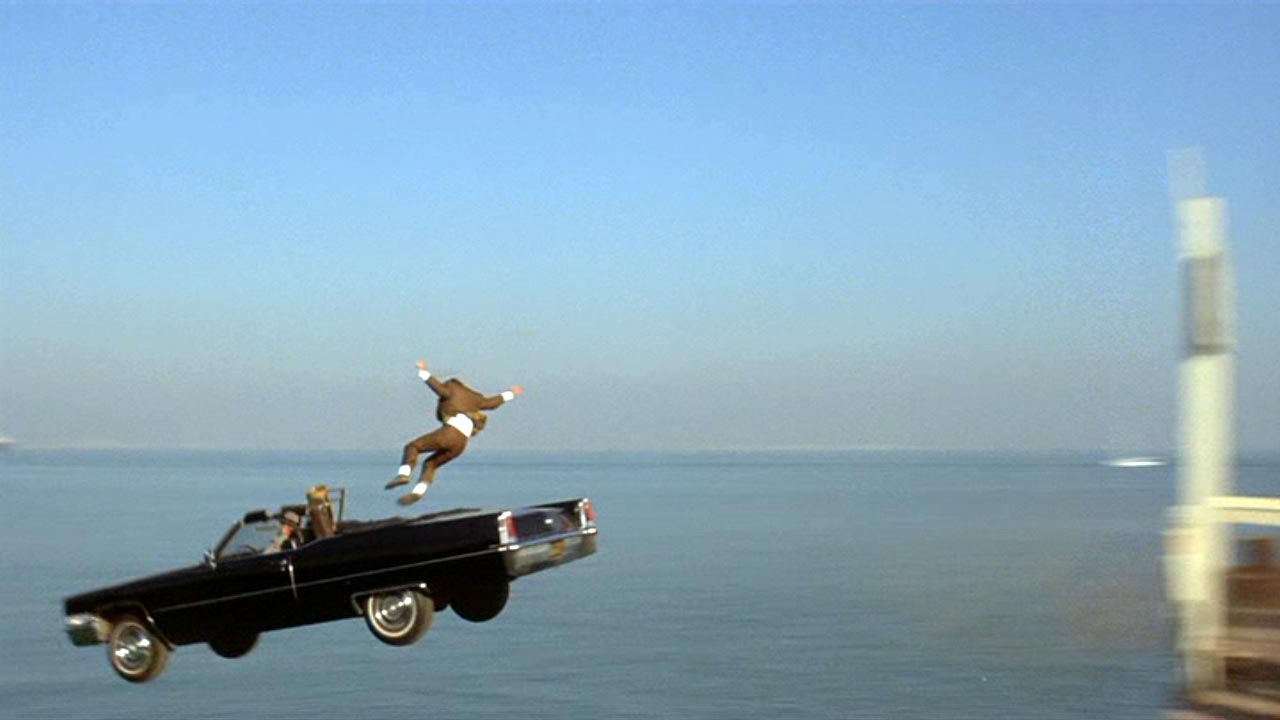
Consider this moment:

I wanted to be the guy who is jumping out of the back seat. To me that looked like such a thrill, and it still does. And it’s funny, which is what I like about the stunts in What’s Up Doc? They’re great stunts and they’re funny.

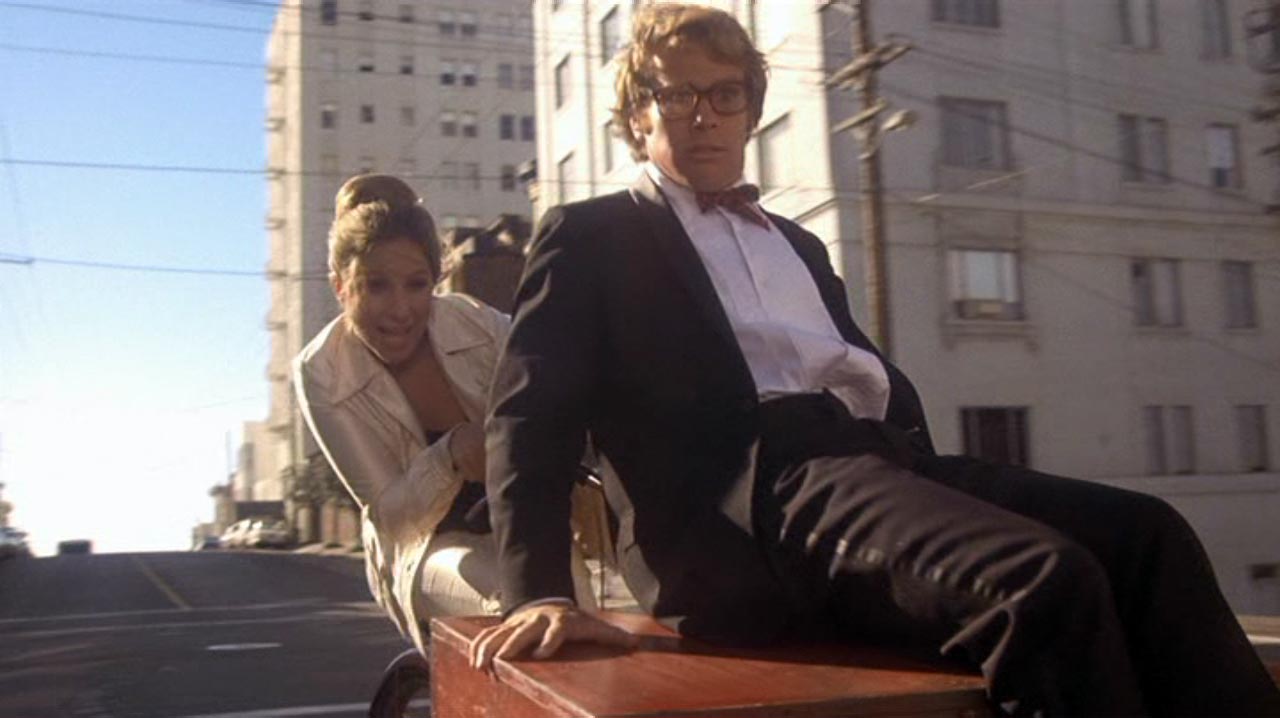
The car chase really got going when our heroes stole a delivery bicycle/tricycle thing and tried to get away with the four identical bags (no time to explain here). We knew that these two were in trouble in the blink of a single edit.

Here we see them round a corner and watch their expressions.

Then we cut to their point of view.

This might be considered the visual equivalent of a humorous expletive. At this point they are committed. And so are we, because now we know we’re in for a great ride. When it comes to car chases, thank you San Francisco!

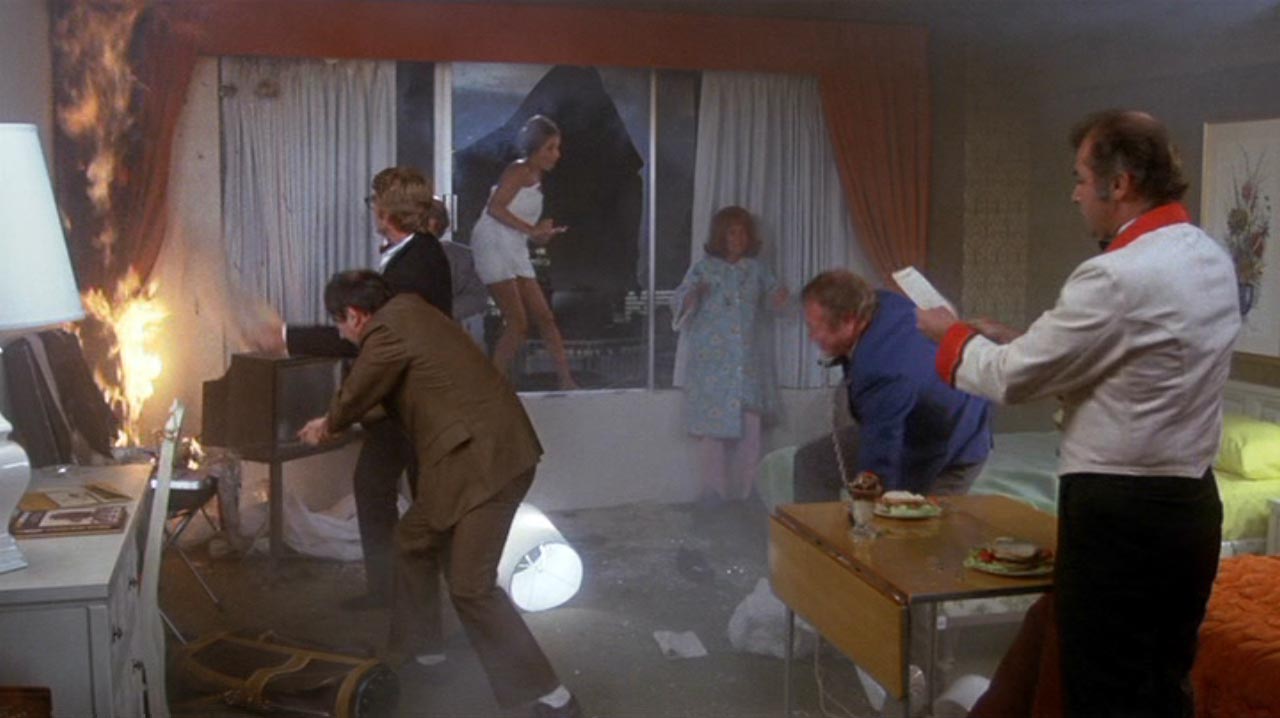
But then again, we could have guessed that the chase would be totally wacky and finish in the bay. Just prior to the chase was the fiasco in the hotel room. Needless to say this image speaks volumes:

You might have also guessed, and correctly I might add, that What’s Up Doc? has now become a part of Lily’s ongoing cinematic education. We watched it this past weekend, along with The Adventures of Robin Hood (1938). I foisted it on her and, I am glad to report, she loved it.

What is sometimes great about the DVD extras is the behind the scenes moments when we get to see the filmmakers applying craft. The What’s Up Doc? DVD has a little documentary called Screwball Comedies… Remember Them? which, though not particularly well made, offers some nice glimpses behind the scenes.

Here is a shot from the feature:

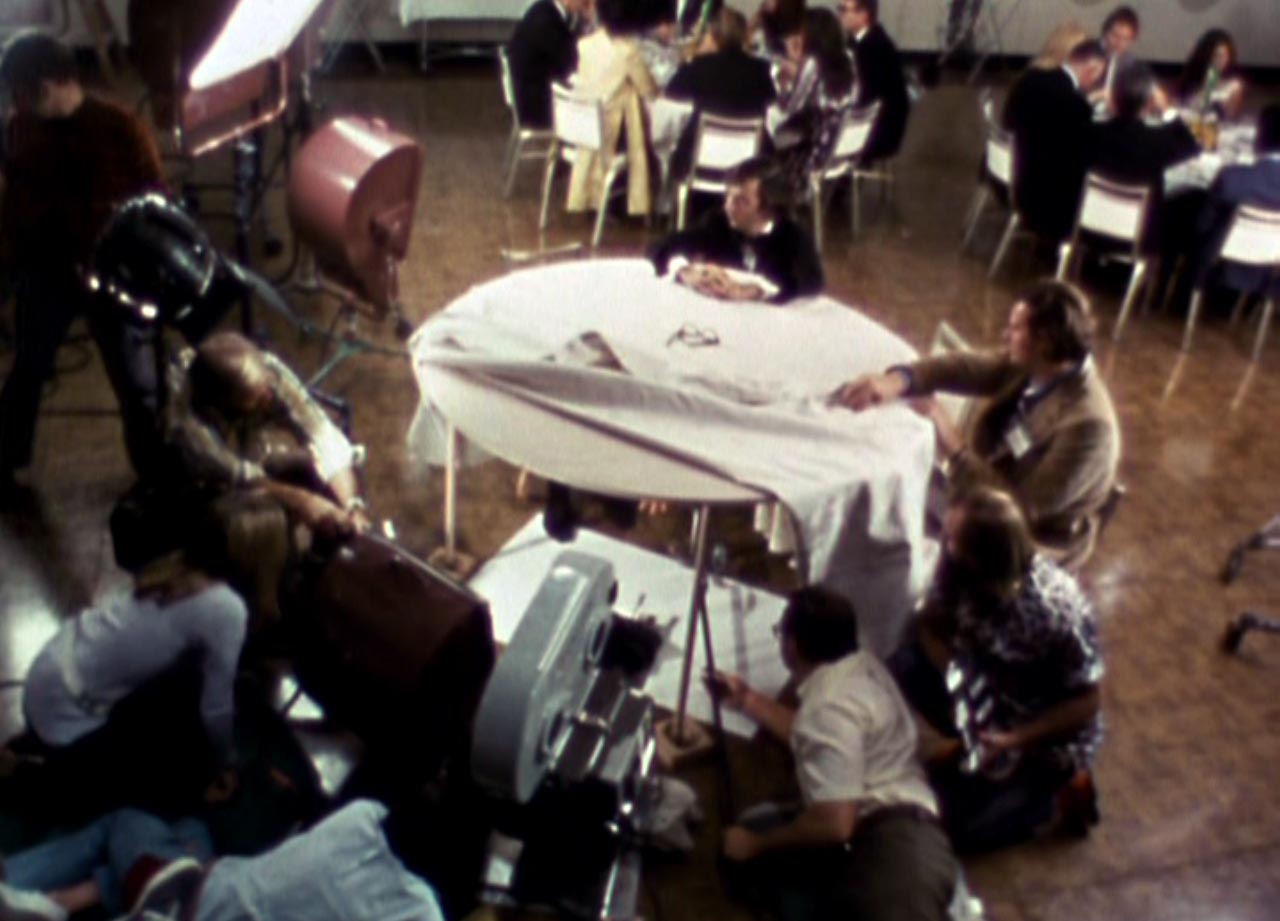
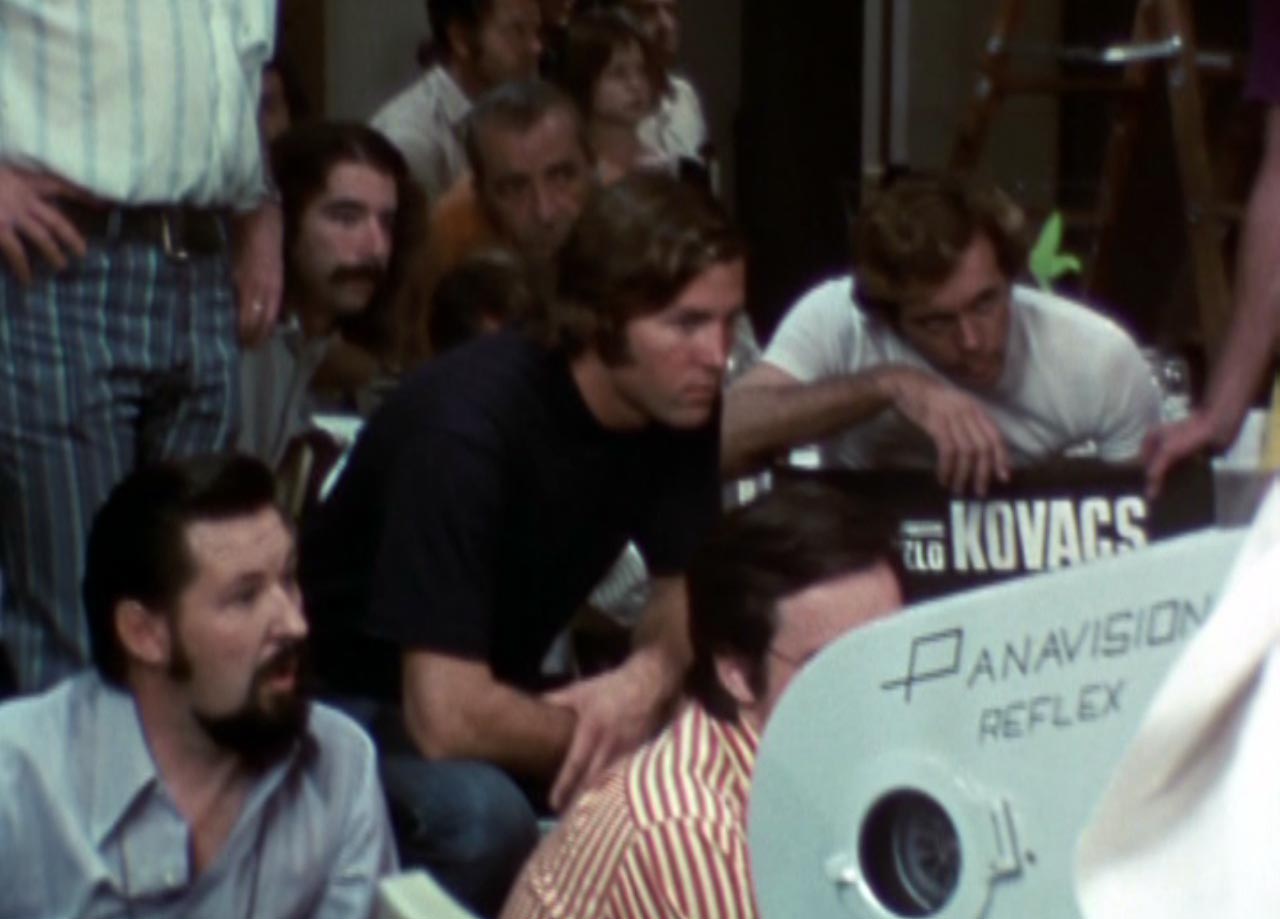
And here are a couple of shots the documentary of the same scene:

And then I started thinking about László Kovács. Kovács lensed What’s Up Doc? We see him above sitting at the lower left. Peter Bogdanovich is next to him in the striped shirt with his face hidden by the camera.

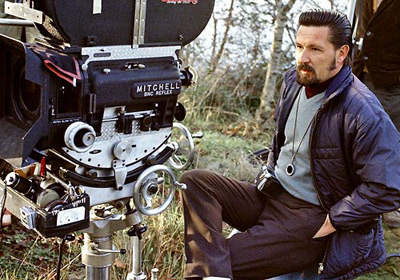
Kovács, who passed away this past July, came to the West from Hungary in 1957 as a political refugee. He brought a great work ethic to his craft and became one of the most significant cinematographers of the “new generation” of filmmakers in the 1960s and 1970s.

I didn’t know it at the time, but László Kovács was playing a role in my formation as a cinephile and, because films have been so significant in my life, as a person. While watching What’s Up Doc? again and remembering how much I have loved this film over the years, and now, again, realizing how well photographed it is, I just have to say thank you Mr. Kovács. Rest in peace.

>more than just doors

>Sunday, Labor Day weekend, was beautiful. The family went out for breakfast to one of our favorite haunts, and then we decided to take a walk around the University of Oregon campus which was next door. I had not been on campus for years.

I graduated from the place in 1989 with bachelors degrees in film studies (the old Telecommunication and Film dept.) and in art history, then again in 1993 with an M.A. in film studies (emphasis on independent film aesthetics). I also used to take portrait photos there when I was a professional photographer. I have to say the campus was perfect for strolling and just enjoying the surroundings on this quiet weekend.

But I also became a little contemplative. As we passed by so many of the buildings in which I spent so much time many years ago I couldn’t help but think about how important some doors can be in one’s life. These are some of those doors for me.

Lawrence Hall

Many times did I walk through this entrance to the Art and Architecture building. Most of my art history bachelors degree came in one year as I crammed five courses a quarter of memorizing slides, dates, painters, architects, styles, and historical periods. I loved it. I have always loved art, but studying art history opened my eyes to how magnificent the breadth and depth of art has been.

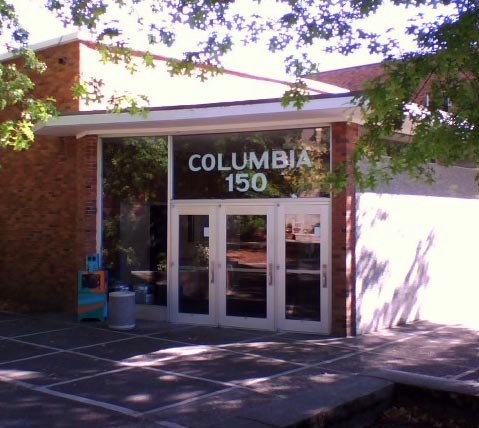
150 Columbia

150 Columbia is a large lecture hall. Although I had some science courses there, this is also where many of the films shown by the student forum (or was it student union?) were exhibited. This is also were visiting filmmakers might show their wares. For example, I saw a two-night presentation of Stan Brakhage’s films with Brakhage introducing each film and talking about his life as a filmmaker.

Villard Hall

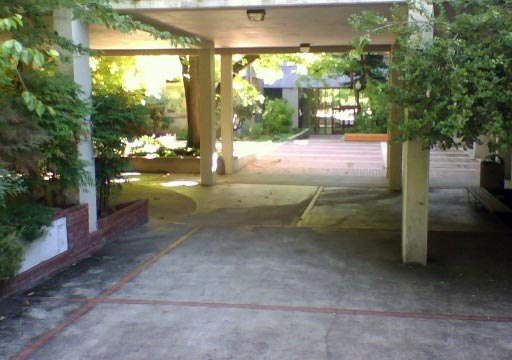
Villard Hall was where the old Telecommunication and Film department (now defunct) resided. I spent many hundreds of hours in this old building, and hundreds upon hundreds of times going through this side door. This is where I studied film history and aesthetics, created videos, and taught film courses as a GTF. I figured out how to “sneak” through this usually locked door late at night and on the weekends so I could spend extra hours editing my projects.

180 Prince Lucien Campbell

Every Tuesday and Thursday evenings I spent a couple hours or so in this large lecture hall watching films for my film history courses. This is where I was introduced to the cinematic “cannon.” Here I saw Griffith, Renoir, Godard, Sembene, and so much more for the first time. Here is where my world opened up and I became a person of the world, with my mind expanded and heart grown bigger. Words cannot really describe how big of an impact this door has had on my life.

So that was part of my Labor Day weekend. I’m sure in your life you have had, or still have, doors that are more than just doors.

>memories of my development (ye maties!)

>For whatever reason I am selfishly prone to consider my past and reflect on events, people, and things – like films – that have been a part of creating this person I call me. And I realize that lately, maybe from the beginning, my blogging tends towards the personal. So feel free, because you are, to take your precious time elsewhere. Anyway . . .

I suppose I could have titled this post “I want a sailboat real bad.”

Rather consistently and with great joy I spent a portion of my childhood entranced on Sunday evenings by Mutual of Omaha’s Wild Kingdom and then Walt Disney’s long-running television program. Some you you may be old enough to remember the following television schedules on NBC:

September 24, 1961 – September 7, 1969: Sunday, 7:30 p.m. – 8:30 p.m.

September 14, 1969 – August 31, 1975: Sunday, 7:30 p.m. – 8:30 p.m.
September 7, 1975 – September 11, 1977: Sunday, 7:00 p.m. – 8:00 p.m.
September 18, 1977 – October 23, 1977: Sunday, 7:00 p.m. – 9:00 p.m.
October 30, 1977 – September 2, 1979: Sunday, 7:00 p.m. – 8:00 p.m.

So where am I going with this, you ask?
At some point during those years I saw Disney’s Treasure Island (1950). Recently I watched it again with my daughter. Although the film is dated and rather straightforward, it brought back memories and reminded me of some images that must have seared themselves into my brain. Treasure Island is a classic story for all ages, but for young boys especially (at least for me) it is a sort of touchstone.

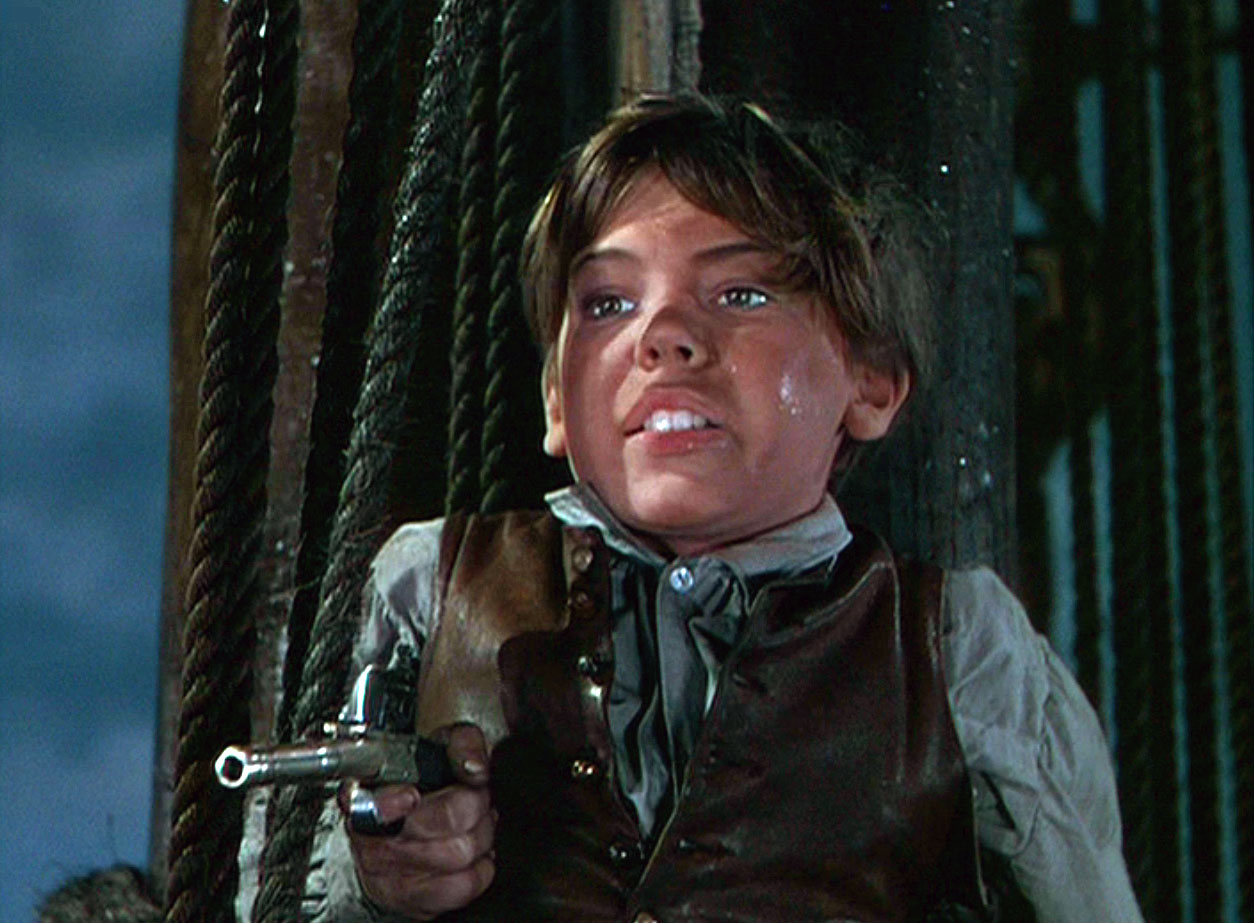
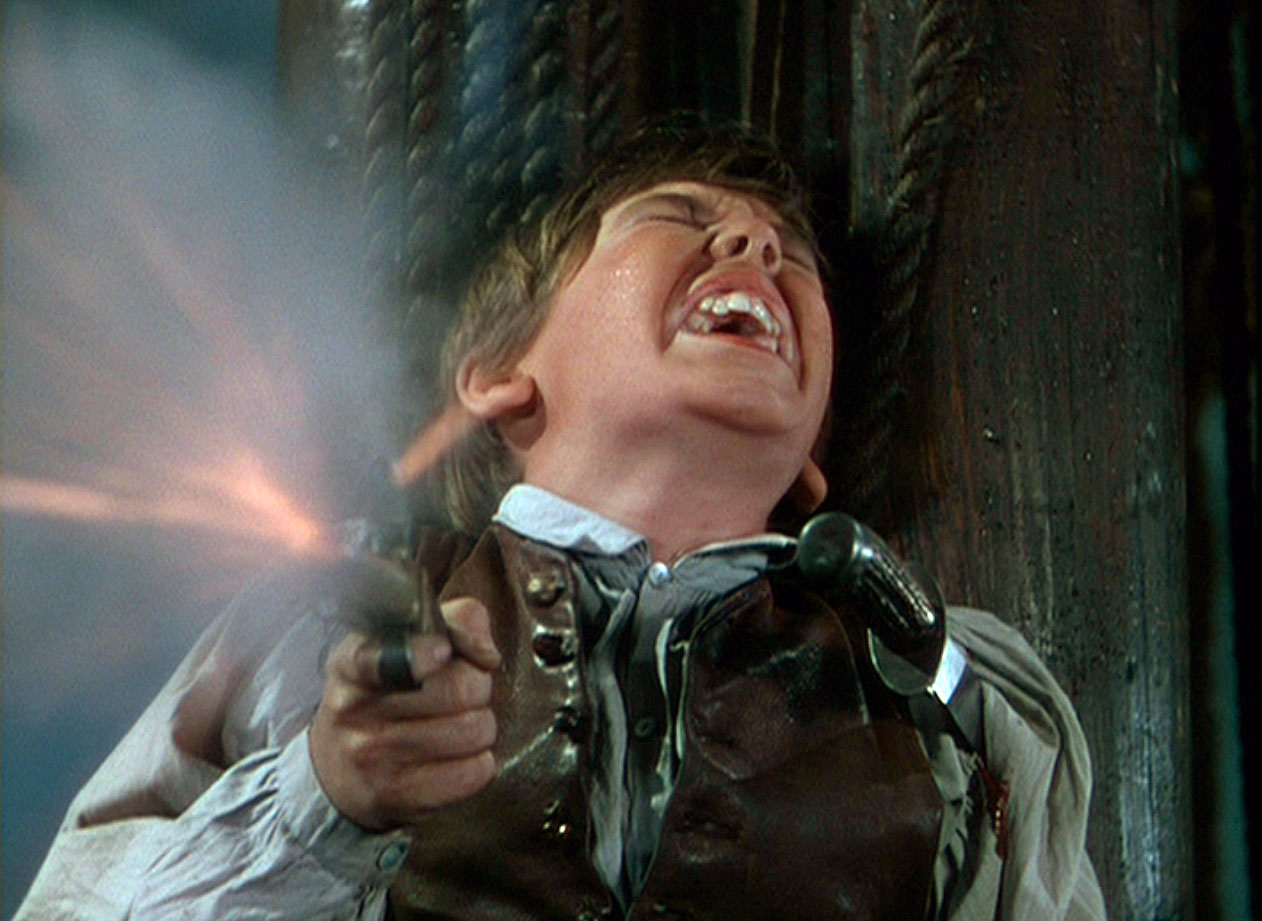
In particular I remember such scenes as the one where young Jim Hawkins (Bobby Driscoll) sneaks back aboard the ship, which the pirates have captured, and reclaims it for the good guys. In that scene Jim has to fight a drunk pirate, Israel Hands (Geoffrey Keen), who is slowly chasing Jim around the ship. Jim climbs the rigging, followed by the Hands. Soon Hands has Jim cornered. Jim pulls out his little pistol . . .

Hands throws his knife at Jim and pegs him in the arm. Jim reacts by shooting Hands who then falls to his death.

As a young boy I often had fantasies about being in dire straits and having to take serious actions in order to survive, even using a gun (sometimes wishing it involved a gun!). I think this is a typical boy’s fantasy (but I’m not offering any excuses). And to be stabbed in the arm by a thrown knife, now that’s really cool. especially if that knife goes through your arm and sticks into a ship’s mast. How much more adventurous and dangerous can you get and still live to tell the tale! If only I had had that kind of life; I know then I wouldn’t be working in a cube farm at some software company, that’s for sure. Avast!

Sadly, Bobby Driscoll’s life did not end well. From IMDB:

Charming as a child actor, he made his mark in films like Song of the South (1946) and Treasure Island (1950). Unfortunately, as he got older and acting offers became fewer, he got involved with hard drugs, which ultimately ruined his health and reduced him to poverty. Years of drug abuse severely weakened his heart, and he died of a heart attack alone in a vacant building in New York. Driscoll’s body was discovered in an abandoned Greenwich Village tenement by two children playing there on March 30, 1968. When found dead, his identity was unknown and he was buried as a “John Doe” in pauper’s grave. A year later, fingerprints finally revealed his identity.

I find that very tragic. I wish someone had come along side him and helped him. But, then again, maybe someone did. Drug addiction is a beast.

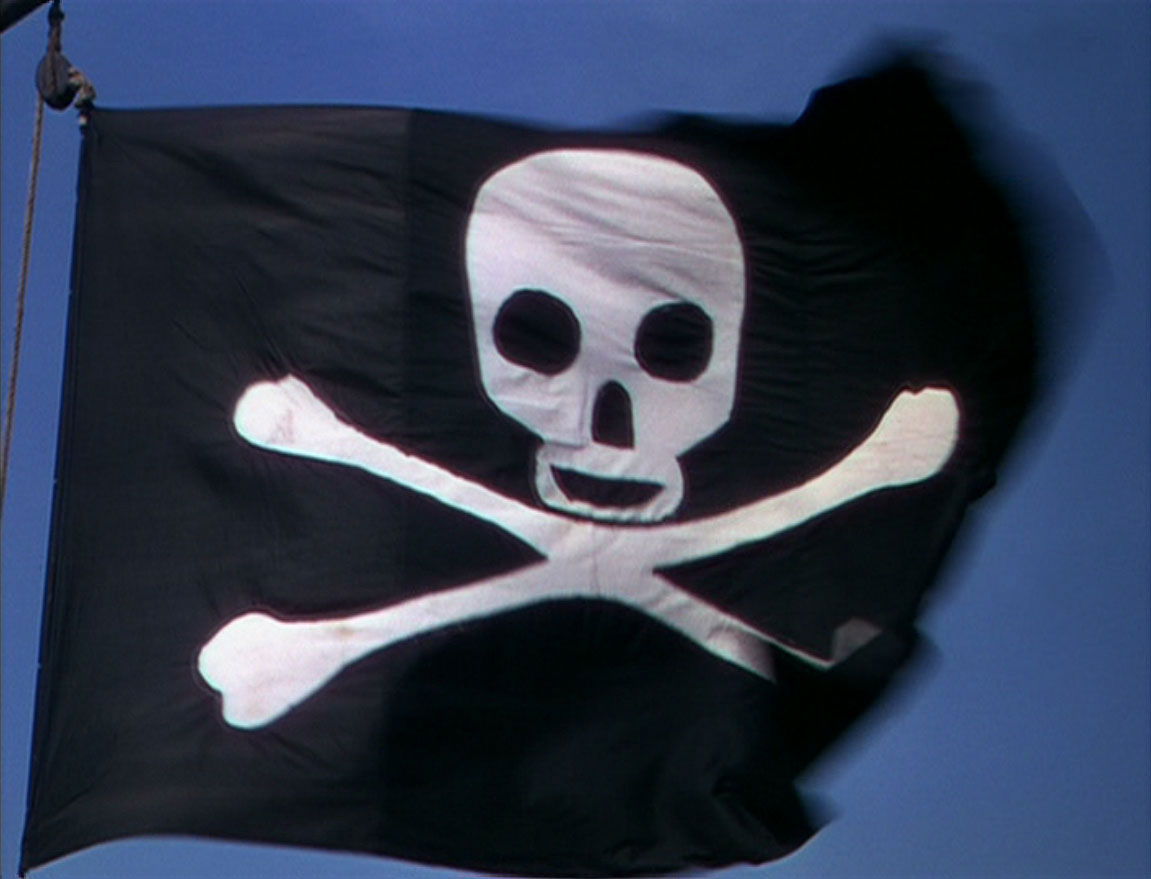
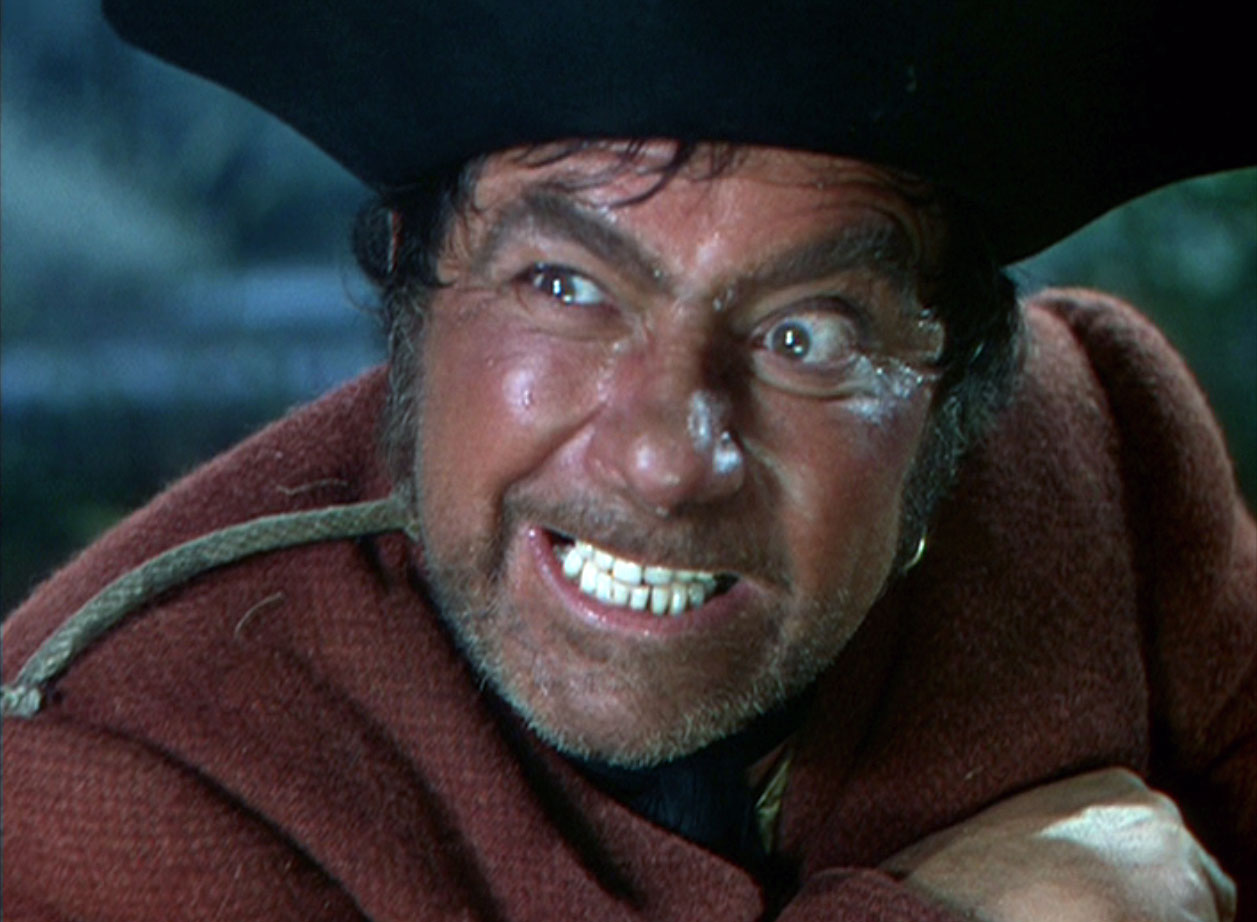
As a boy I could certainly identify with Jim Hawkins in many ways. And I certainly envied him going on his great adventure to find pirate gold. But the real impression the film made on me, and on most I’m sure, was in the character of Long John Silver played brilliantly by Robert Newton. When one thinks of how a pirate should talk (aaarrrggghh!) one is thinking, in fact, of Robert Newton’s John Silver. He created the modern concept what we would call the “classic pirate” archetype. He is the reason behind the reasons why we have Talk Like a Pirate Day and videos that teach us to talk like a pirate.

And who could ever forget that face!

But L.J. Silver was more than that for me. As a boy I new he was a bad guy. But I also knew that he liked Jim as though Jim was the son Silver never had. That was confusing for me. Here was a bad guy that I could legitimately like, not because evil is fascinating, but because he was both bad and good. The idea of moral ambiguity was planted in my soul by Robert Louis Stevenson by way of Robert Newton.

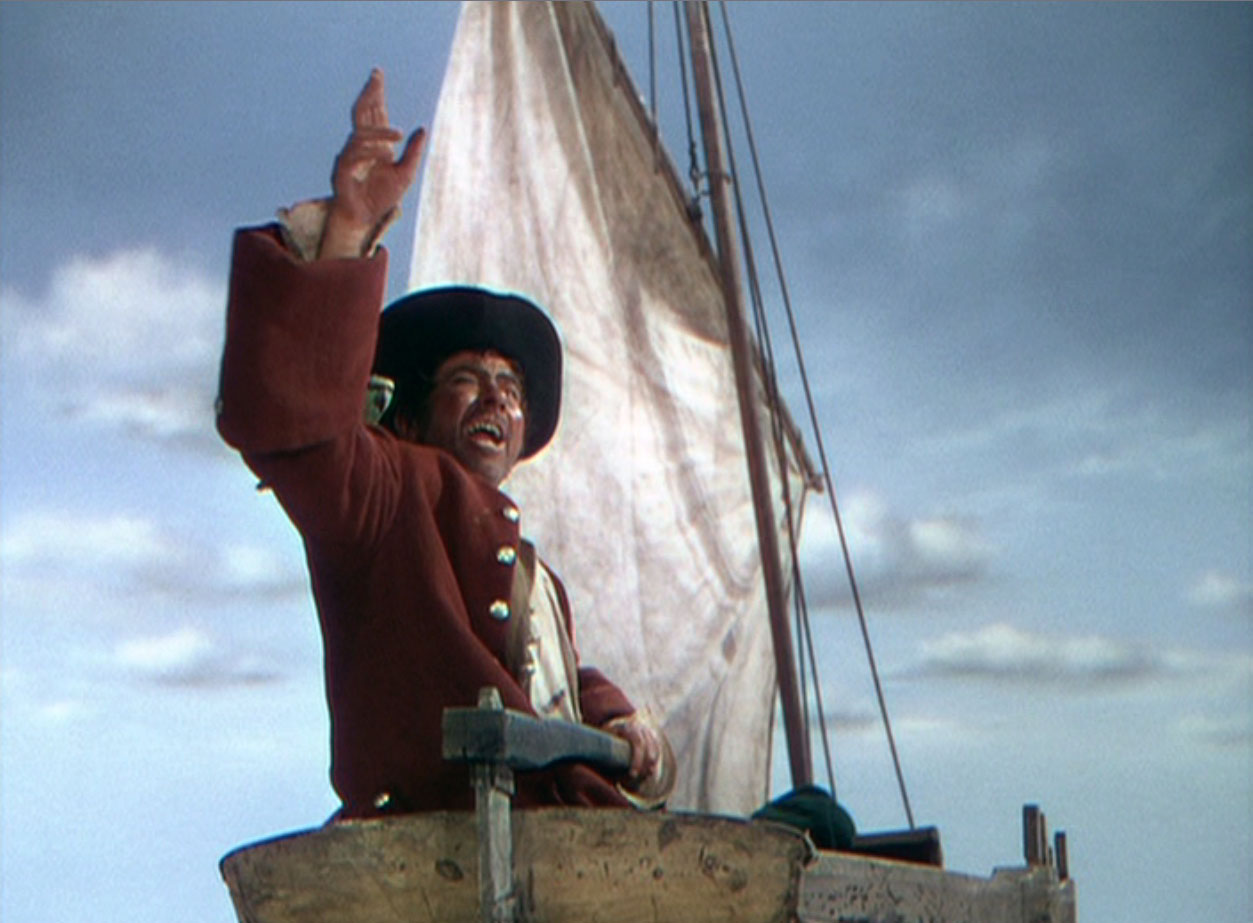
The concept that one could hope for the best for one’s enemies also played itself out in the film. When Silver is trying to escape at the end of the film, Jim helps him. And then Jim and Dr. Livesey (Denis O’Dea) watch as Silver sails away. Dr. Livesey says he almost hopes Silver “makes it.” Silver even waves back – no hard feelings for him either.

And there he is, L.J. Silver sailing away, saving himself from the arm of the law, and here am I wishing he gets away. As a young boy what was I to think? I can tell you it got my head to thinking and wondering, and wishing I could be both good Jim Hawkins and a pirate of the seven seas.


switching gears slightly . . .

BETTER DROWNED THAN DUFFERS IF NOT DUFFERS WONT DROWN

So, the other night I finished reading to my daughter a wonderful book called Swallows and Amazons. Lily loved it, but I have to say I became not a little obsessed with the book. I couldn’t wait to read her the next chapter each night. I would find myself thinking about the book during the day. In short the story is about some kids who, while on Summer vacation near a lake, sail a little sailboat, Swallow, to a little island and camp there for a few days. They meet a couple of other kids who have a boat called Amazon. The kids then have some great adventures and forge life-long friendships. It’s a book I recommend for adults as much for kids.

Apparently there was a film version in 1974, but it sounds like it wasn’t too good.

Anyway, like I said at the beginning, I suppose I could have titled this post “I want a sailboat real bad.”

>The Mayflower and the Life of Cinema

>If I remember correctly the summer of 1977 was rather hot. This was also the year that Star Wars was released in theaters. I mention this because the only theater in the thriving metropolis of Eugene, Oregon that had Star Wars was the (now gone forever) Mayflower, and the Mayflower did not have air conditioning. Good riddance I say.

The Mayflower was right across the street from the run-down frat house used in Animal House the next year – also gone. Why it was called the Mayflower I do not know, but rumor had it that it was slated for demolition, but the revenue generated from Star Wars kept it standing for another couple of years. Good riddance, yes, but not without some sense of loss. I mean those were the days. The next year – 1978 – I would sneak into the same theater with a friend and watch Hooper three times back to back – hiding under the seats between shows – and dreaming of becoming a stuntman. Yes, good times for a kid.

In 1977 I was eleven going on twelve and that was the year in which another movie patron told me to shut up – actually told me and my friend to shut up (yes, the same friend I saw Hooper with). I was so mortified that no one has ever told me to shut up in a theater again, as far as I can recollect. But I cannot take all the blame. Some of the blame goes to Star Wars. You see, Once I had seen Star Wars that first time, I had to see it again. In fact, I saw Star Wars six times the first week of its release – and twelve times that year (all at the Mayflower). By the fifth or sixth viewing my friend and I had most of the dialogue memorized. From the first moments of the 20th Century Fox logo I would feel giddy with anticipation, and at some point during one of those viewings my friend and I just couldn’t keep ourselves from quoting out loud each line. Needless to say some of the other filmgoers were not amused.

Why do I say this? Sometimes I get annoyed going to the movies; People talking, cell phones ringing, not being able to pause the movie if nature calls, having to see the film at a particular time decided by someone else, bad reel changes, bad odors, poor wine selection, etc. You know what I mean. However, I have to say that, for the most part, the multi-plex for all its crass commercialism is an improvement over the single screen theaters of the past – at least for those films that would have already been coming to town, since multi-plexes still don’t show many truly independent or foreign films. The seats are better, the projectors are better (the projectionists are not, however), the sound is better, etc. You know what I mean. So the reason I bring this up is that it has become a common move to periodically decry the death of cinema, even from it’s birth. Louis Lumière once said, “The cinema is an invention without a future.” It would be easy for me to long for those golden days of my youth when I could watch films in rickety theaters with bad pictures, bad sound, bad odors, and annoying patrons (including myself I guess). But that would be like longing for the good old silent film days, or the good old days when the screens were smaller, or the good old smoke filled theater days, or the good old pre-steadycam days, whatever. One might as well long for the good old pre-film days when the cinema was just a wonderful dream, just a twinkle in the eye really – think of all the possibilities.

In a recent piece for the New Yorker (Big Pictures), David Denby writes about how cinema as we know it, or have known it, is changing, and probably not for the better. I can’t say that I disagree with much that he writes, and I won’t pretend to have a tenth of his knowledge, but I don’t have the same fear that he expresses. He describes the (mostly past) utopian vision of seeing a film at the local neighborhood theater:

[W]e long to be overwhelmed by that flush of emotion when image, language, movement, and music merge. We have just entered from the impersonal streets, and suddenly we are alone but not alone, the sighing and shifting all around hitting us like the pressures of the weather in an open field. The movie theatre is a public space that encourages private pleasures: as we watch, everything we are—our senses, our past, our unconscious—reaches out to the screen. The experience is the opposite of escape; it is more like absolute engagement.

Denby then contrasts that cinematic utopia with this description of seeing a film in a modern multi-plex:

The concession stands were wrathfully noted, with their “small” Cokes in which you could drown a rabbit, their candy bars the size of cow patties; add to that the pre-movie purgatory padded out to thirty minutes with ads, coming attractions, public-service announcements, theatre-chain logos, enticements for kitty-kat clubs and Ukrainian bakeries—anything to delay the movie and send you back to the concession stand, where the theatres make forty per cent of their profits. If you go to a thriller, you may sit through coming attractions for five or six action movies, with bodies bursting out of windows and flaming cars flipping through the air—a long stretch of convulsive imagery from what seems like a single terrible movie that you’ve seen before. At poorly run multiplexes, projector bulbs go dim, the prints develop scratches or turn yellow, the soles of your shoes stick to the floor, people jabber on cell phones, and rumbles and blasts bleed through the walls.

My thought is this: Denby’s utopia does sometimes exist, especially at the few remaining art-house theaters and at some college campus or film festival screenings. I also think it exists when a group of friends gather around the flat panel HDTV at someone’s home, after a great meal and good wine, crank up the surround sound, pause the film half way for potty breaks and glasses of good scotch, and then follow the film with a discussion. In fact, Denby’s dour description of the multi-plex experience is really no different than the theater experiences we had in the “good old days.” Communal cinematic experiences are always fraught with potential problems as well as potential joys. Today, however, we have more viewing options available to us. Certainly I decry Denby’s imaginary experience of watching Lawrence of Arabia on a video iPod just as much as he does, but that’s just it, it’s an imaginary experience. The films being watched on video iPods today are Pirates of the Caribbean (another Denby example) and frankly I couldn’t care less if someone watches it on a two inch screen. I am inclined to believe that films will find their most appropriate presentation options and people will seek out those options with some films gaining a large audience through video iPods and other films through other means.

So finally, I wouldn’t give up the summer of 1977 and my twelve times watching Star Wars at the lousy Mayflower. I also wouldn’t give up the 16mm screenings of the cinematic cannon in those cold lecture halls I frequented in college. If I have the time to get to the multi-plex or the local art-house theater I will. And if could afford to buy a video iPod I would. Cinema is not dead. The movies keep moving. In fact, I’m inclined to think that motion pictures are as alive today as ever before. What I do see changing is the almost hegemonic power of Hollywood and the limited methods of delivering movies to all of us. Old cinema gets old (and sometime better with age), just like we all do, and new cinema is born. This is not a value judgment. It’s just life. And we all know how life is.
>Il Mio viaggio in Italia

>

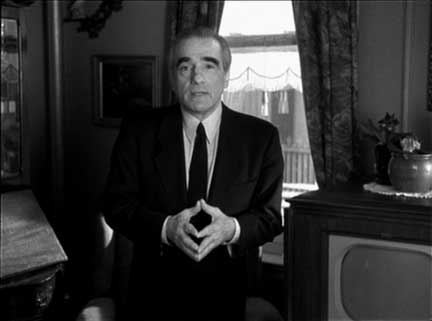
I’m a sucker for movies about the history of film. I just finished watching Il Mio viaggio in Italia (My Voyage to Italy) by Martin Scorsese. Essentially it is a personal and nostalgic look at the Italian films that influenced (and still influence) Scorsese as both a filmmaker and as a person. My Voyage to Italy is also a testament to the powerful effect that cinema can have on all of us.

Structurally the film is simple. Scorsese walks the viewer through the history of Italian cinema up to Fellini by way of his personal experience of those films. It is as though a good friend who, as a deeply passionate connoisseur of great art, is giving you a personally guided tour through his favorite museum. What is particularly interesting to me are his descriptions of watching many of those films as a child on a 16″ black & white television screen, often with several generations of his family around him, and often watching very poor quality prints of the films. And yet, those films still had a powerful effect on him.

I have to admit my favorite section of the film is Scorsese’s description of Italian Neo-Realist cinema.

He says:
“If you ever have any doubt about the power of movies to effect change in the world, to interact with life, and to fortify the soul, then study the example of neo-realism. So what was neo-realism? Was it a genre, was it a style, was it a set of rules? Or, more than anything else, it was a response to a terrible moment in Italy’s history. The neo-realists had to communicate to the world everything their county had gone through. They needed to dissolve the barrier between documentary and fiction, and in the process they permanently changed the rules of moviemaking.”

I have had the pleasure of seeing many of the films he discusses, yet there are many more I have not seen. My own personal response to Scorsese’s own personal journey is to consider doing my own close examination of neo-realism, beginning with the earlier films and working my way forward. All in all, I recommend the film.