postmodern notebook

We have learned to trust the photographic image. Can we trust the electronic image? With painting everything was simple. The original was the original, and each copy was a copy – a forgery. With photography and then film that began to get complicated. The original was a negative. Without a print, it did not exist. Just the opposite, each copy was the original. But now with the electronic, and soon the digital, there is no more negative and no more positive. The very notion of the original is obsolete. Everything is a copy. All distinctions have become arbitrary. No wonder the idea of identity finds itself in such a feeble state. Identity is out of fashion.

~Wim Wenders, 1989

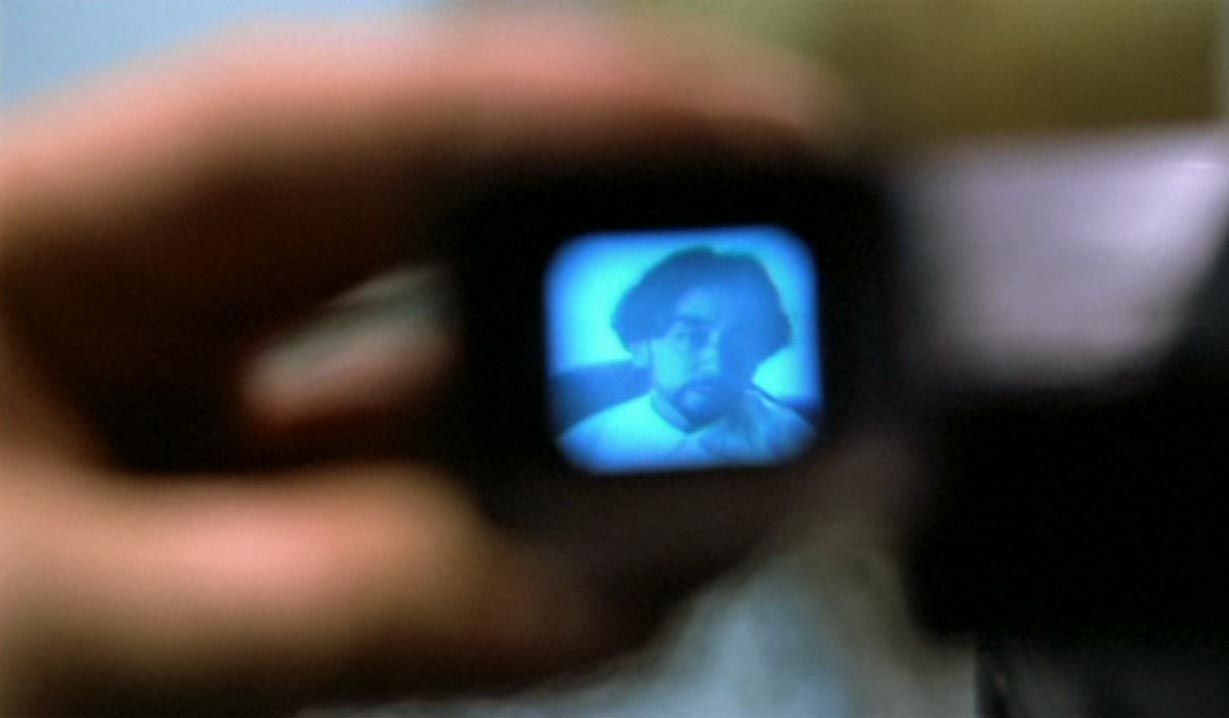
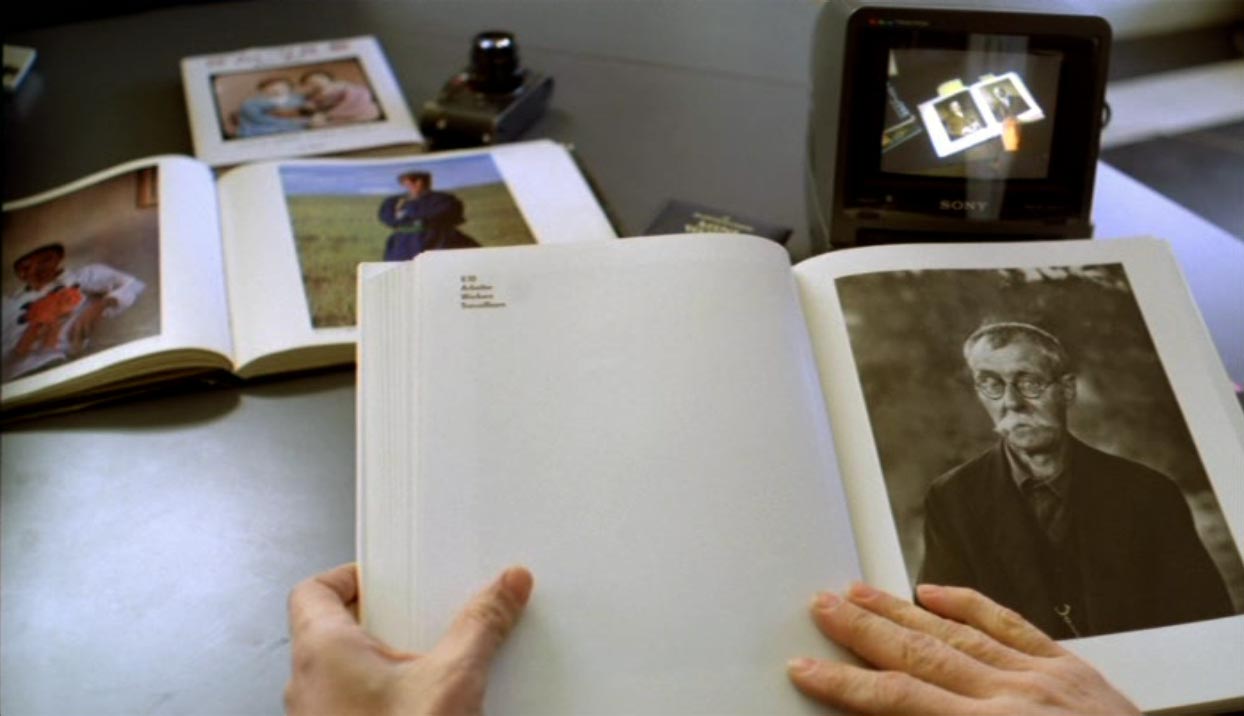
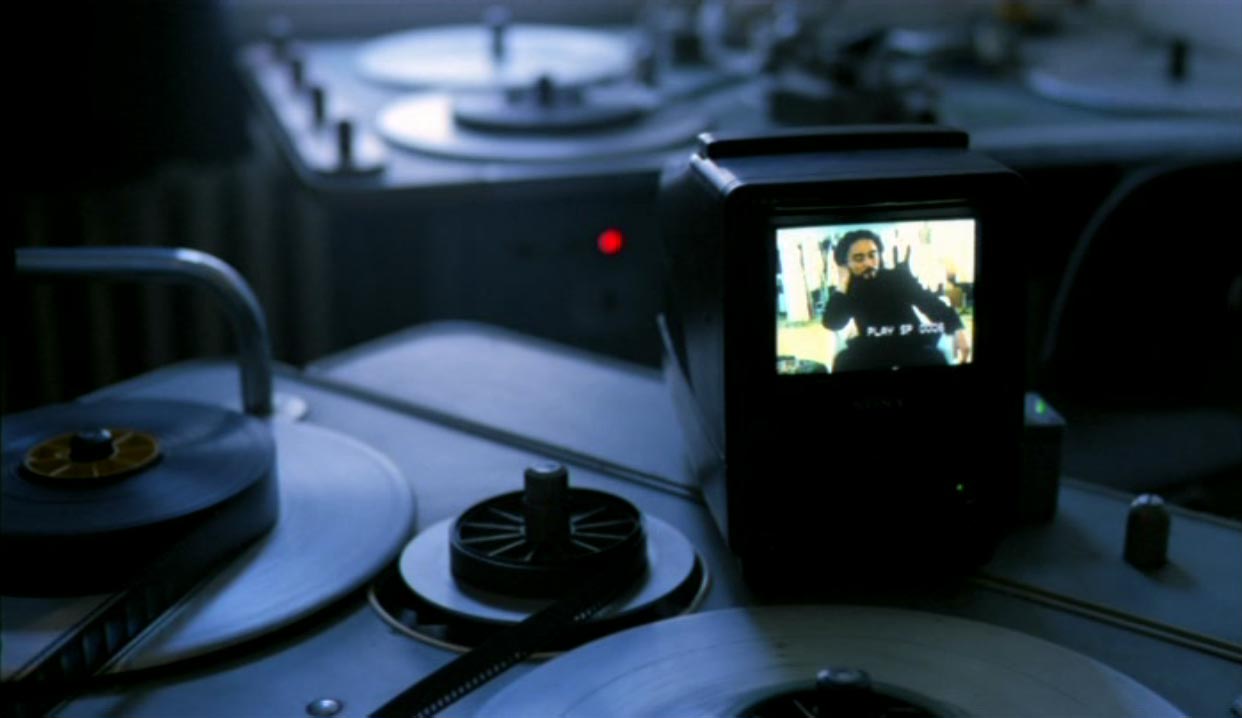
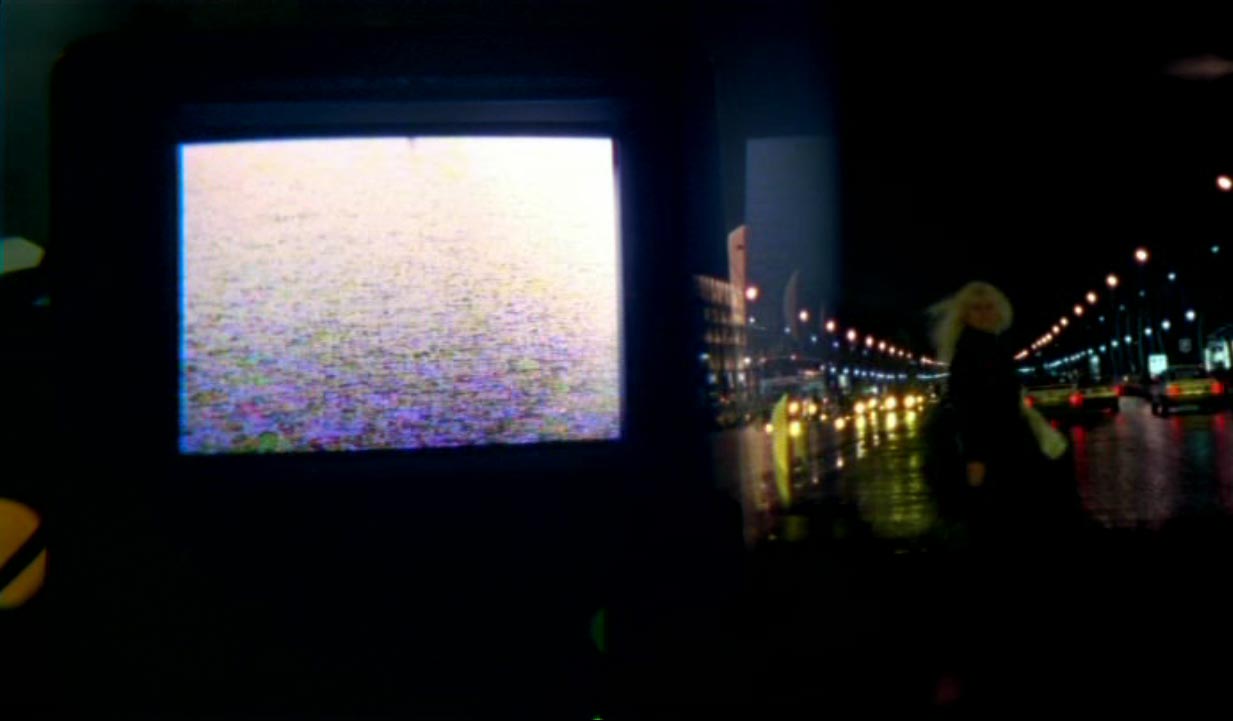
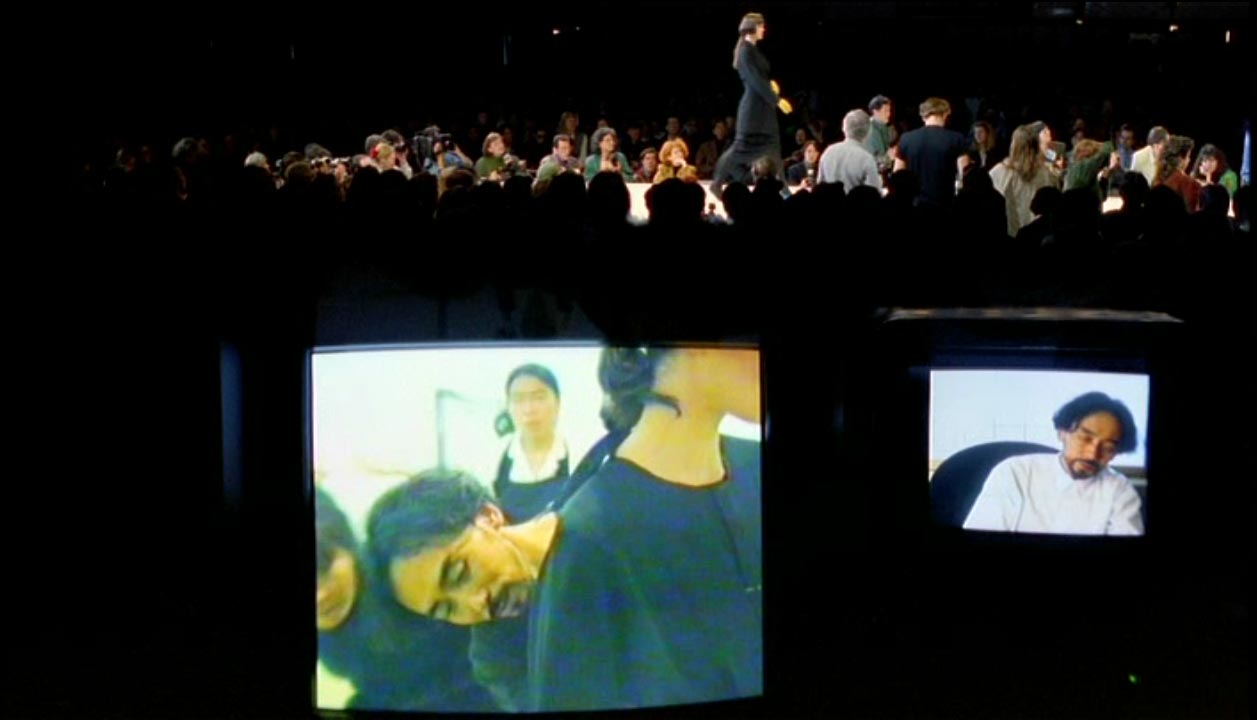
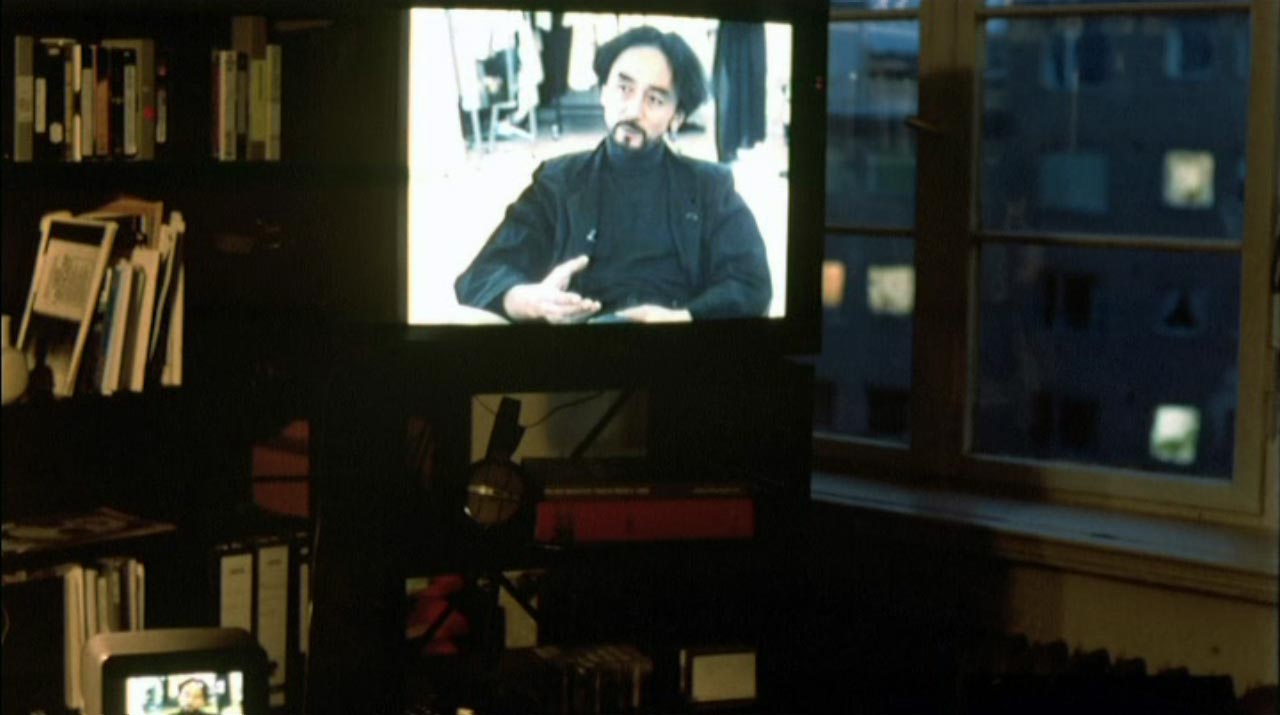
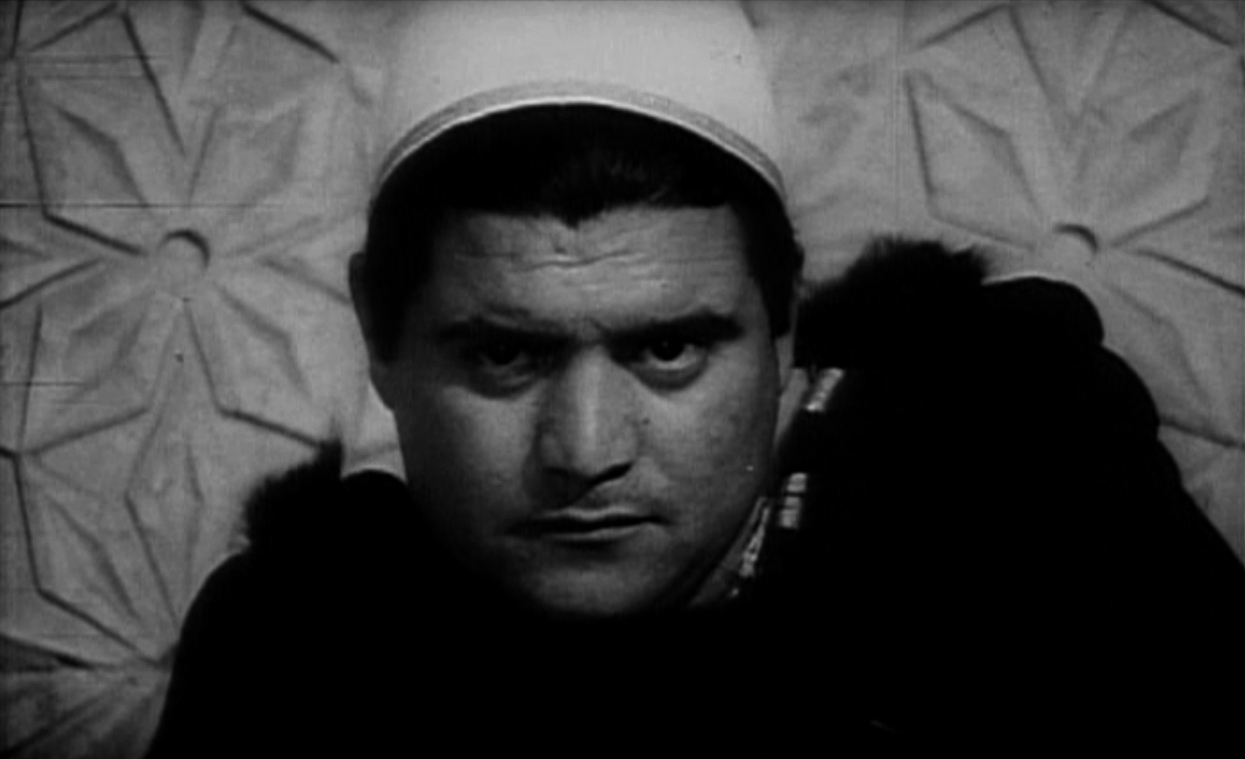
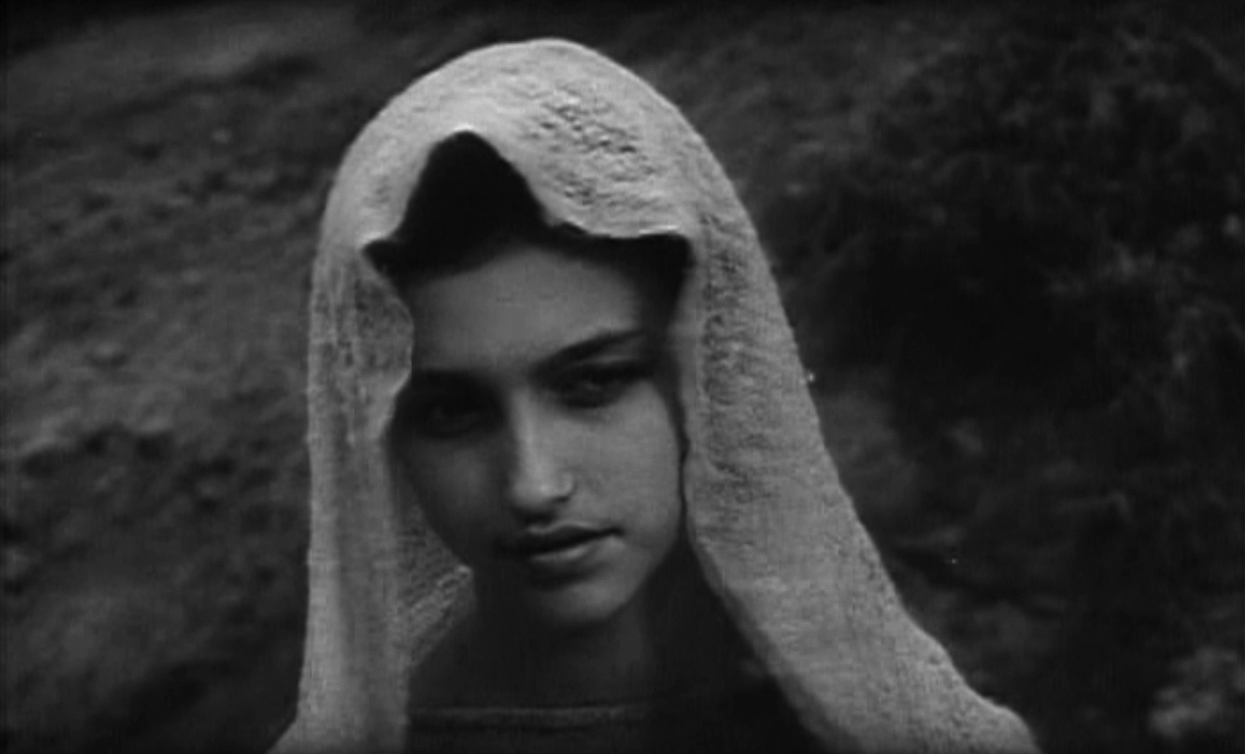
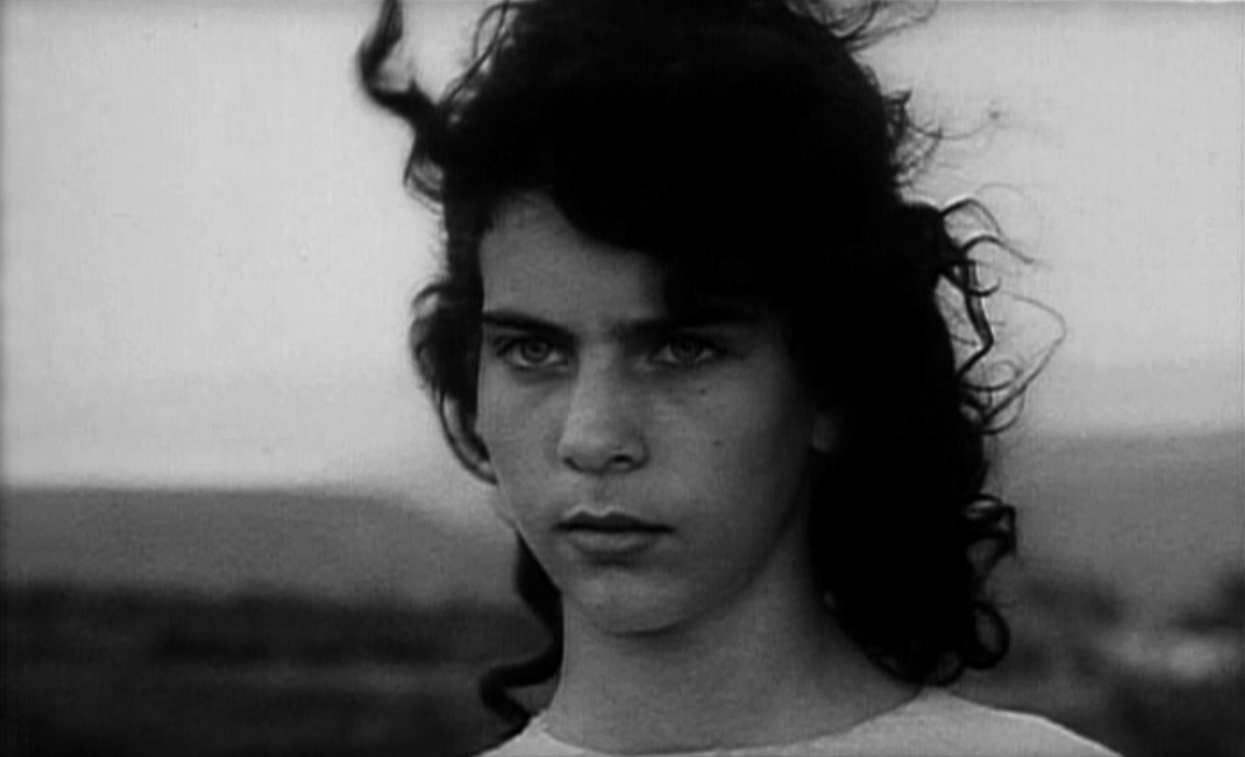
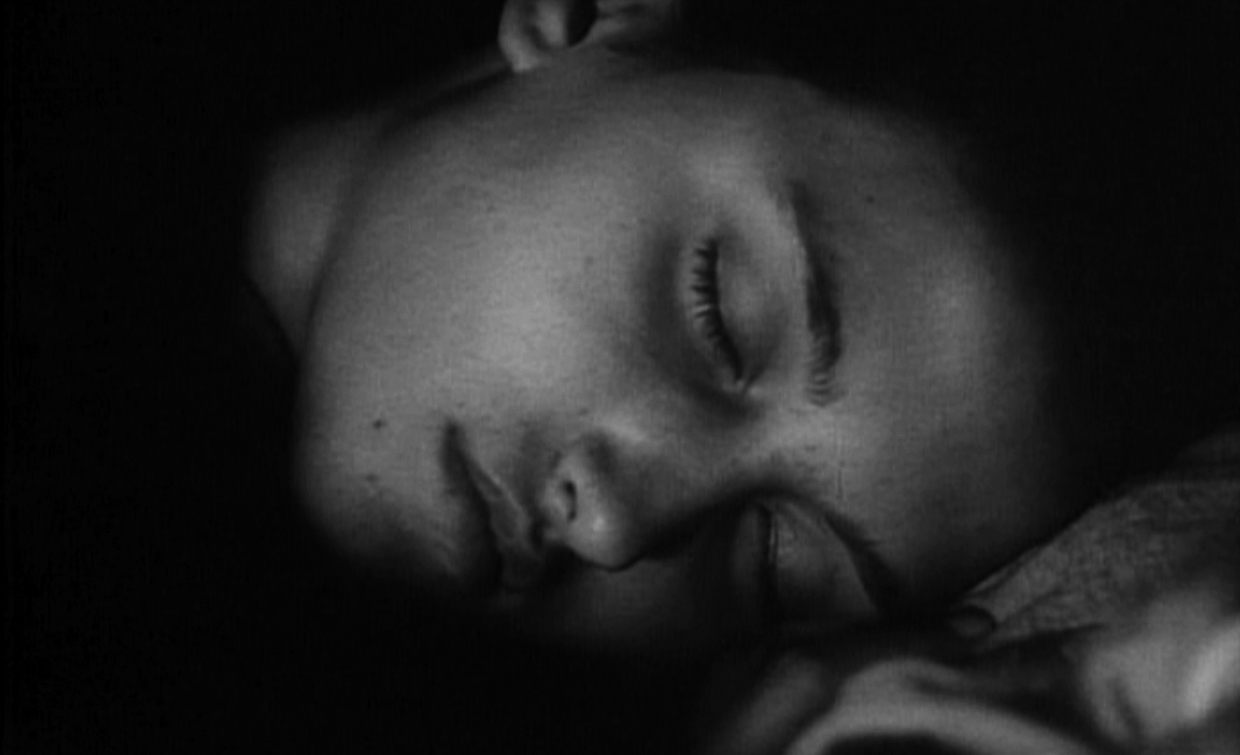
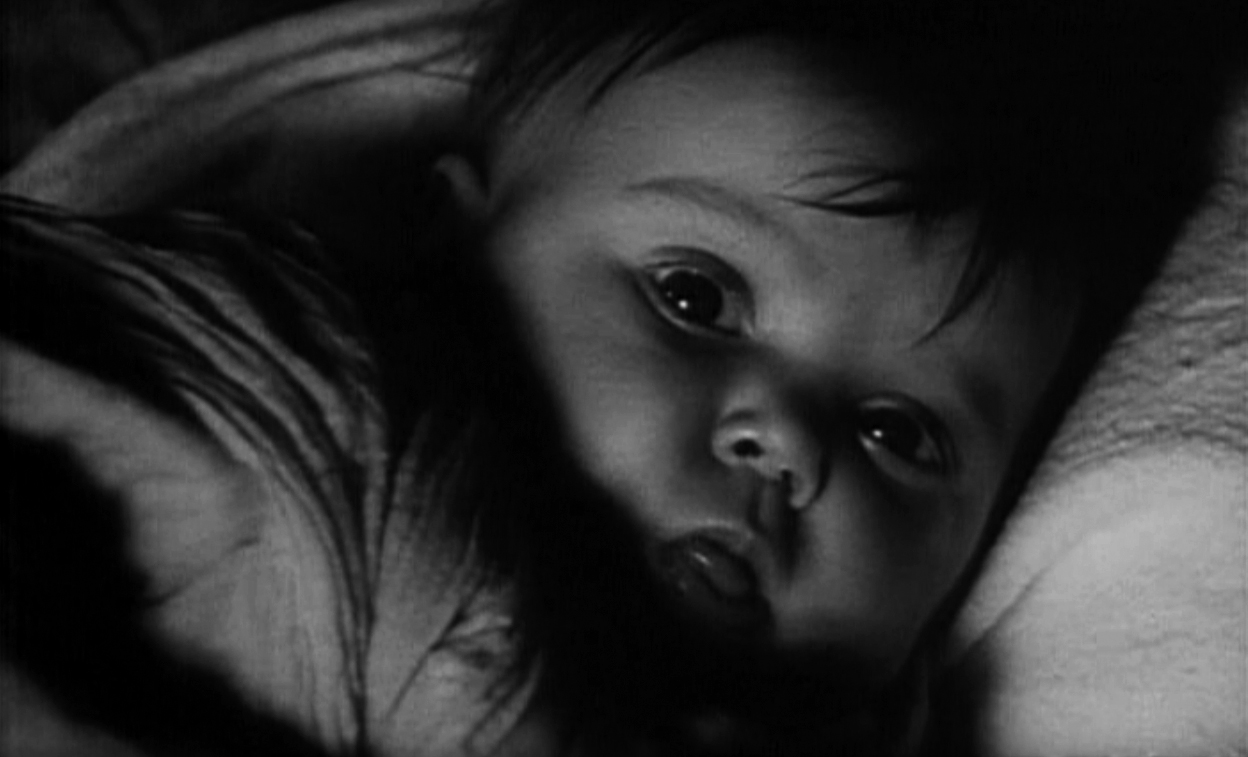
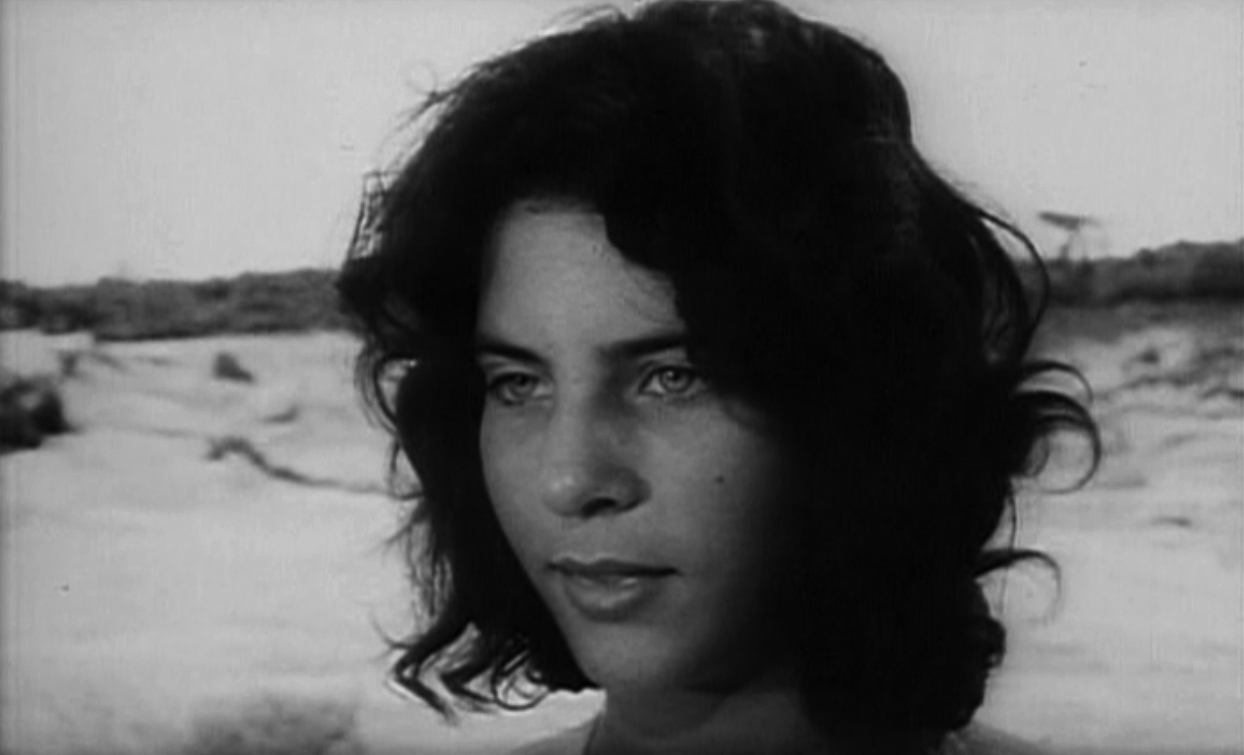
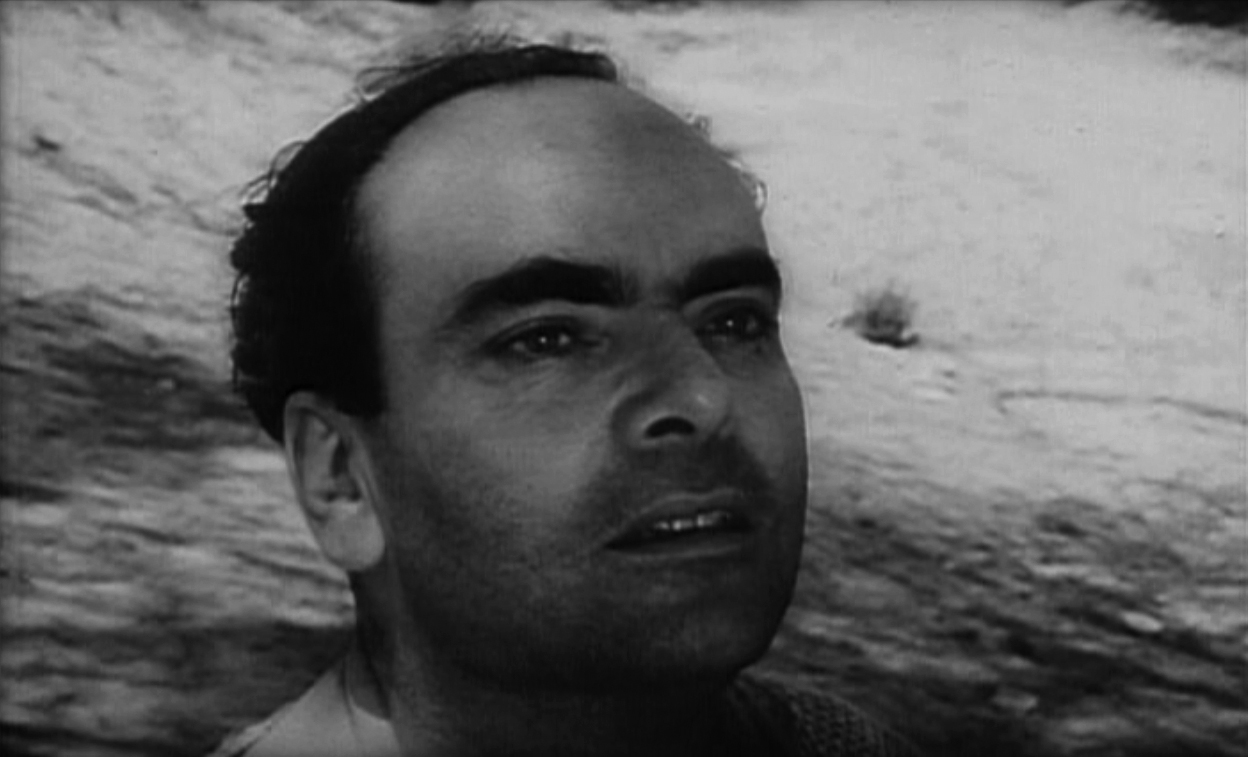
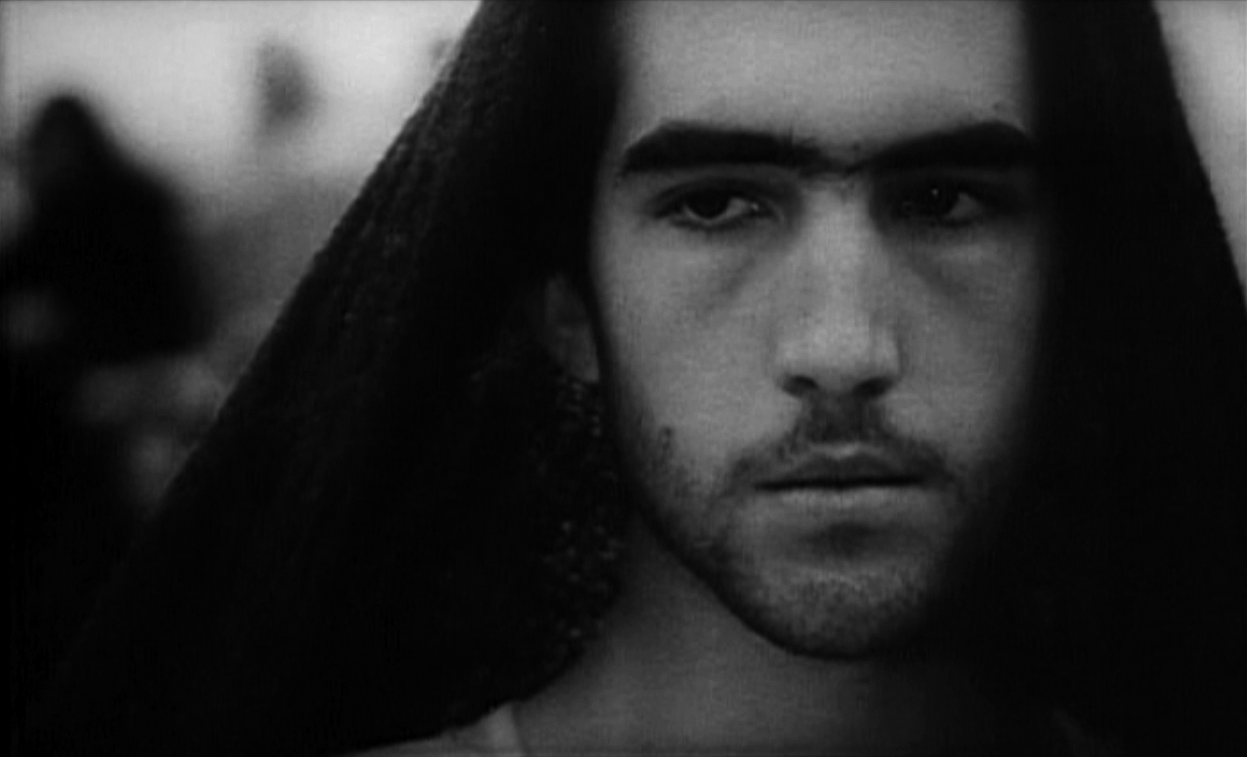
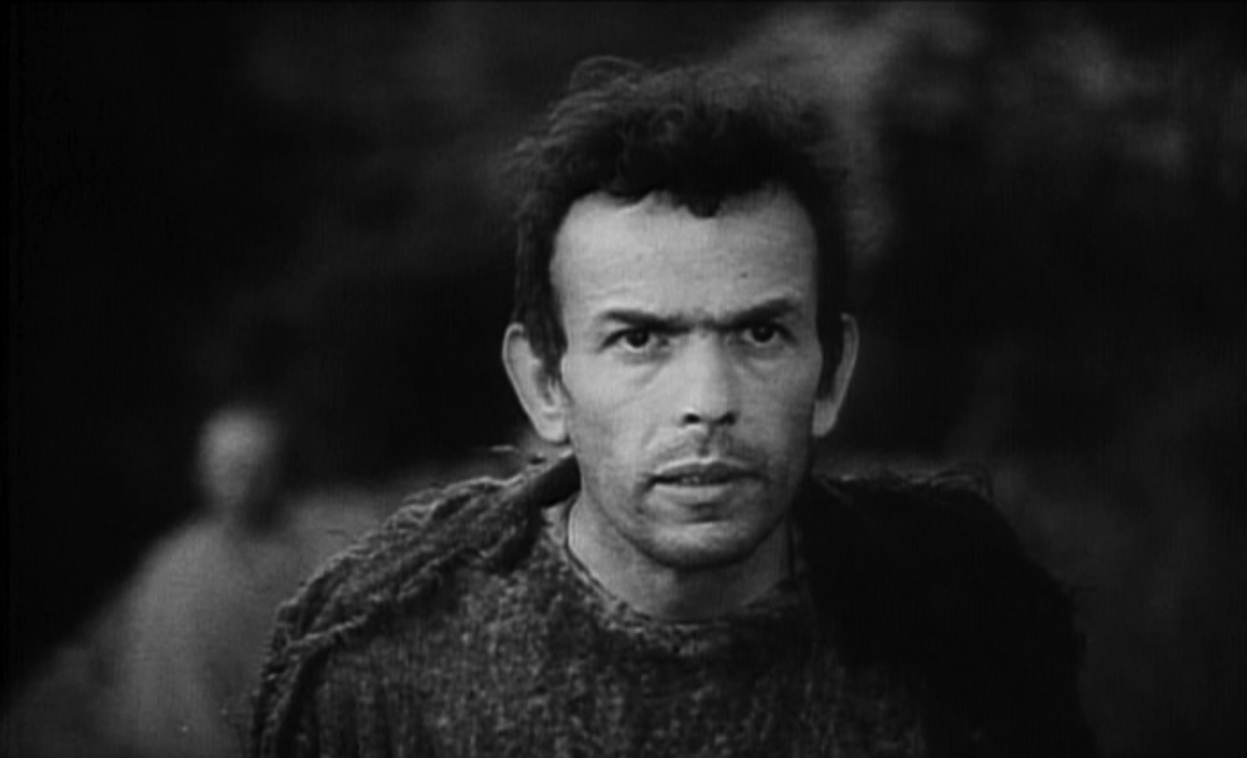
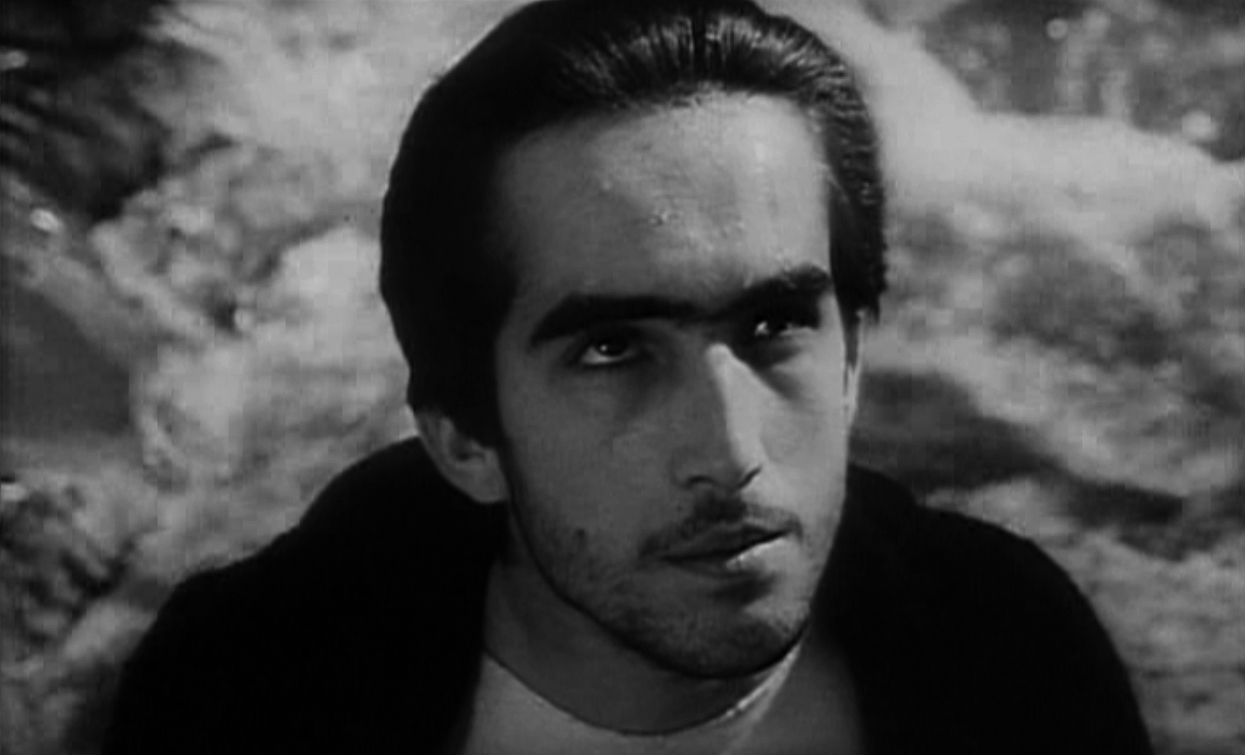
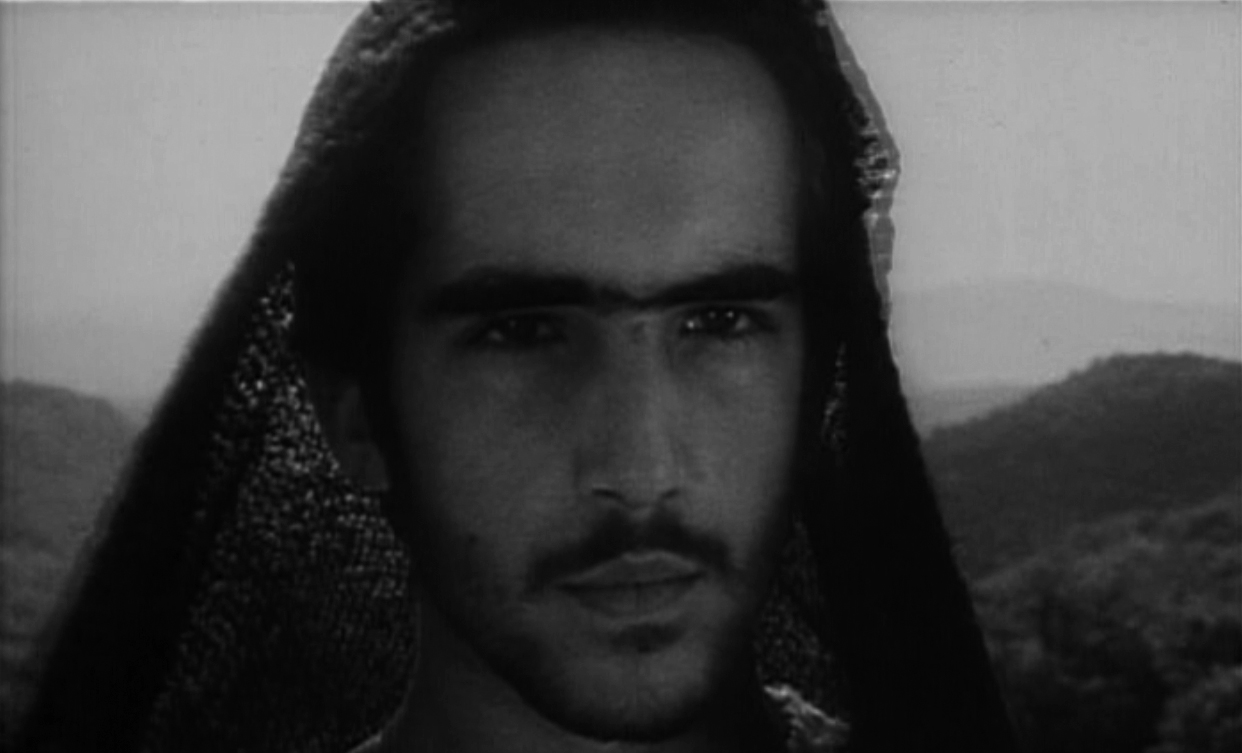
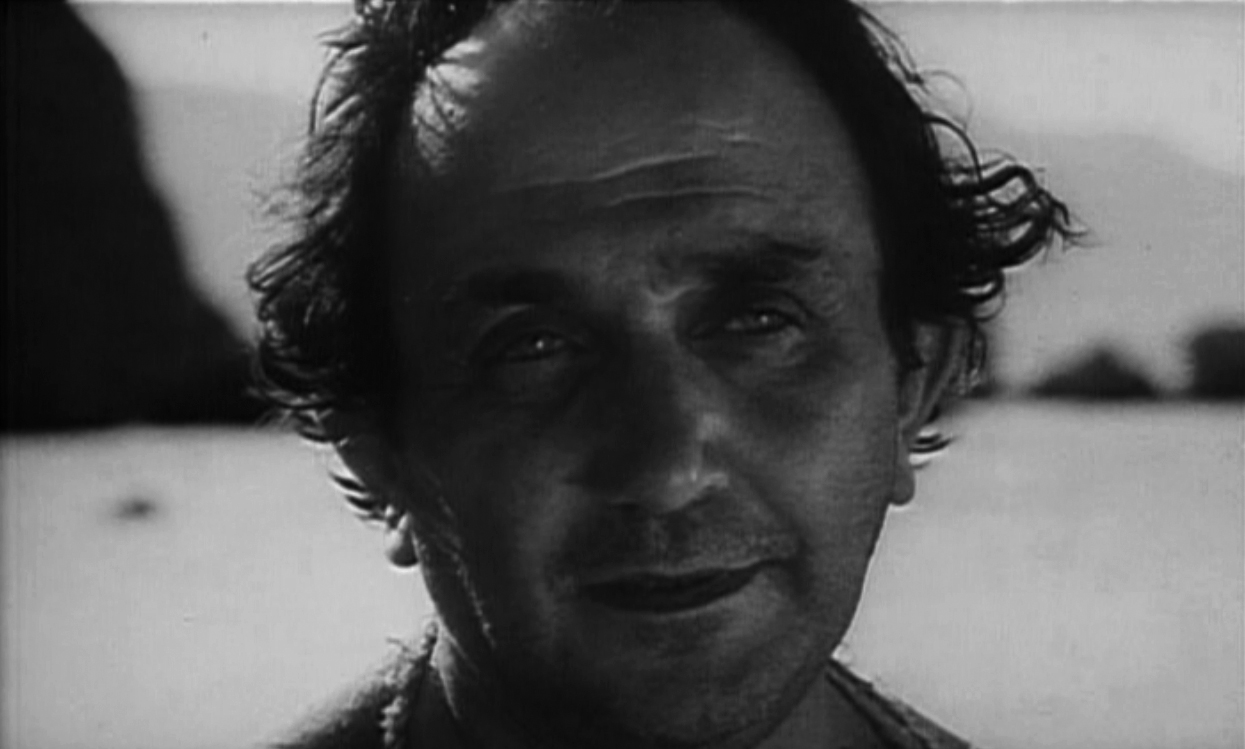
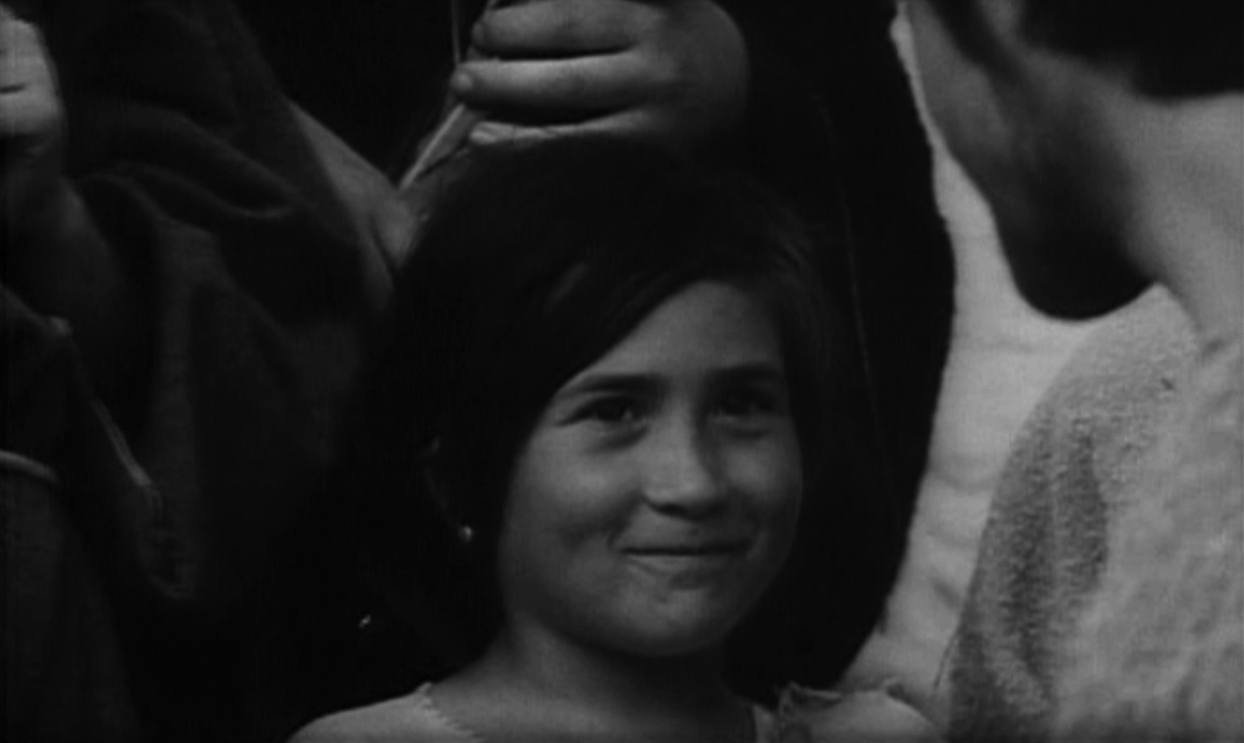
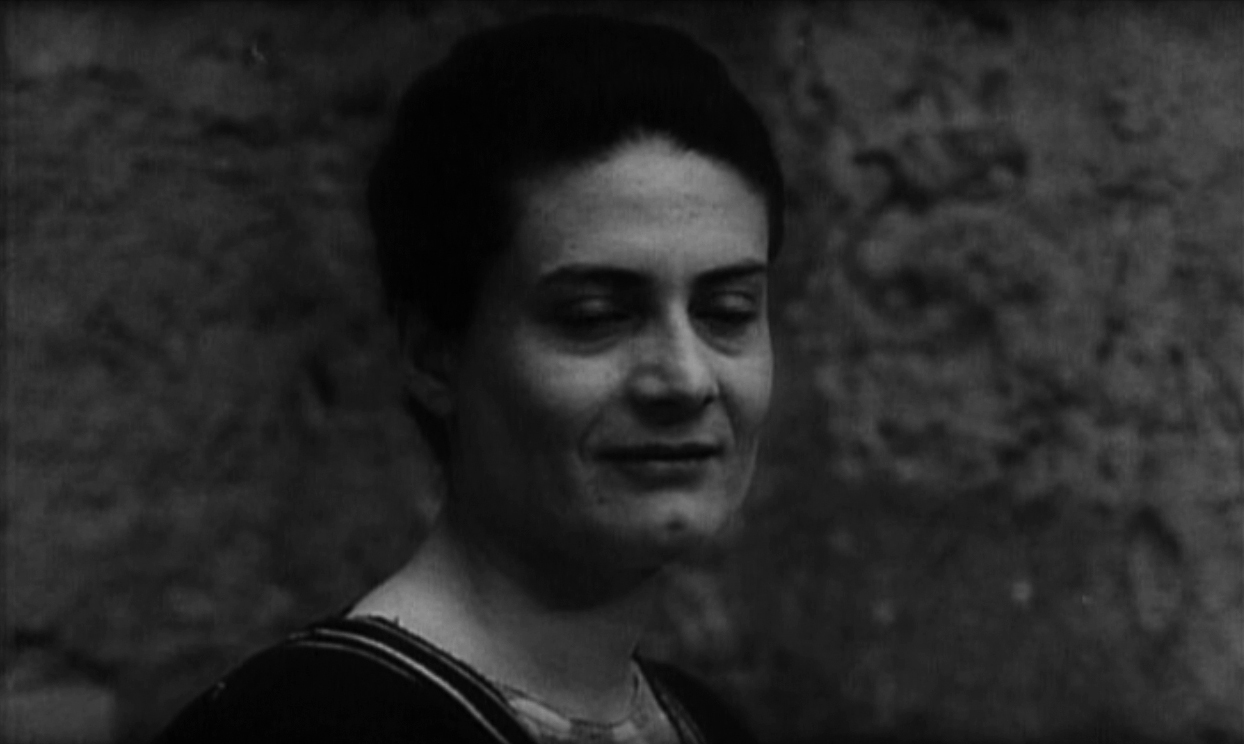
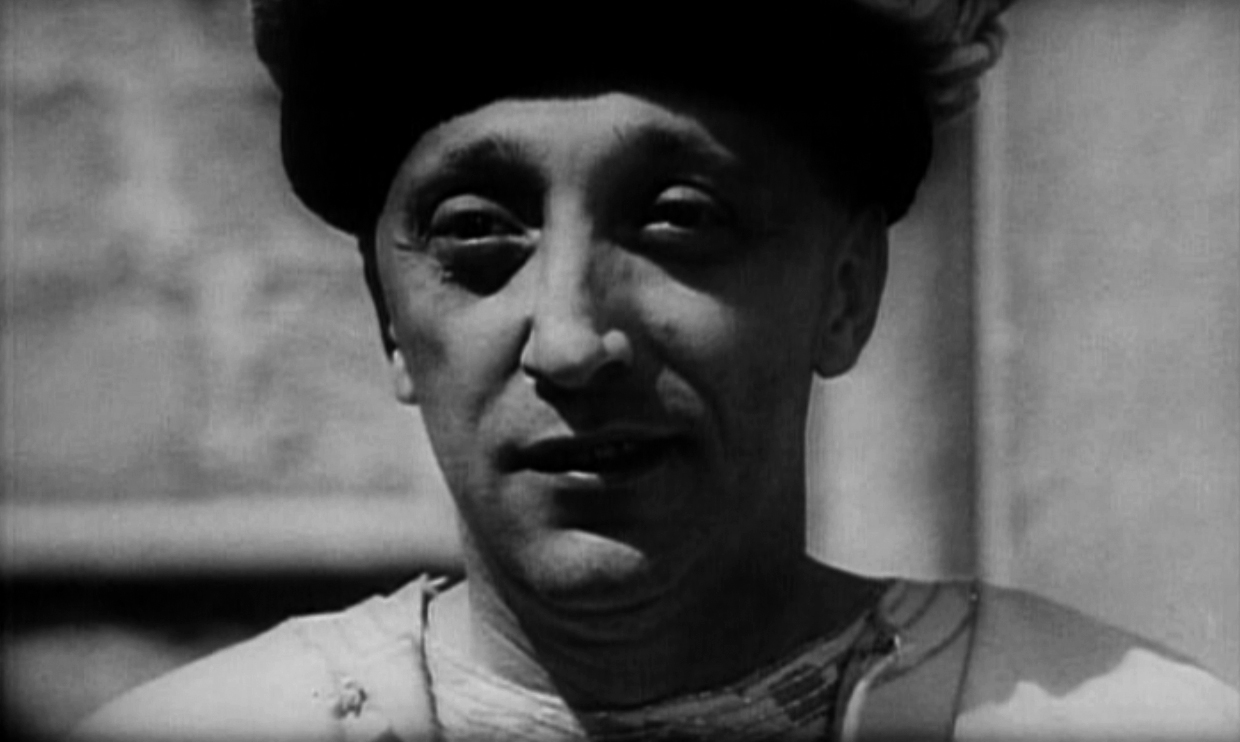
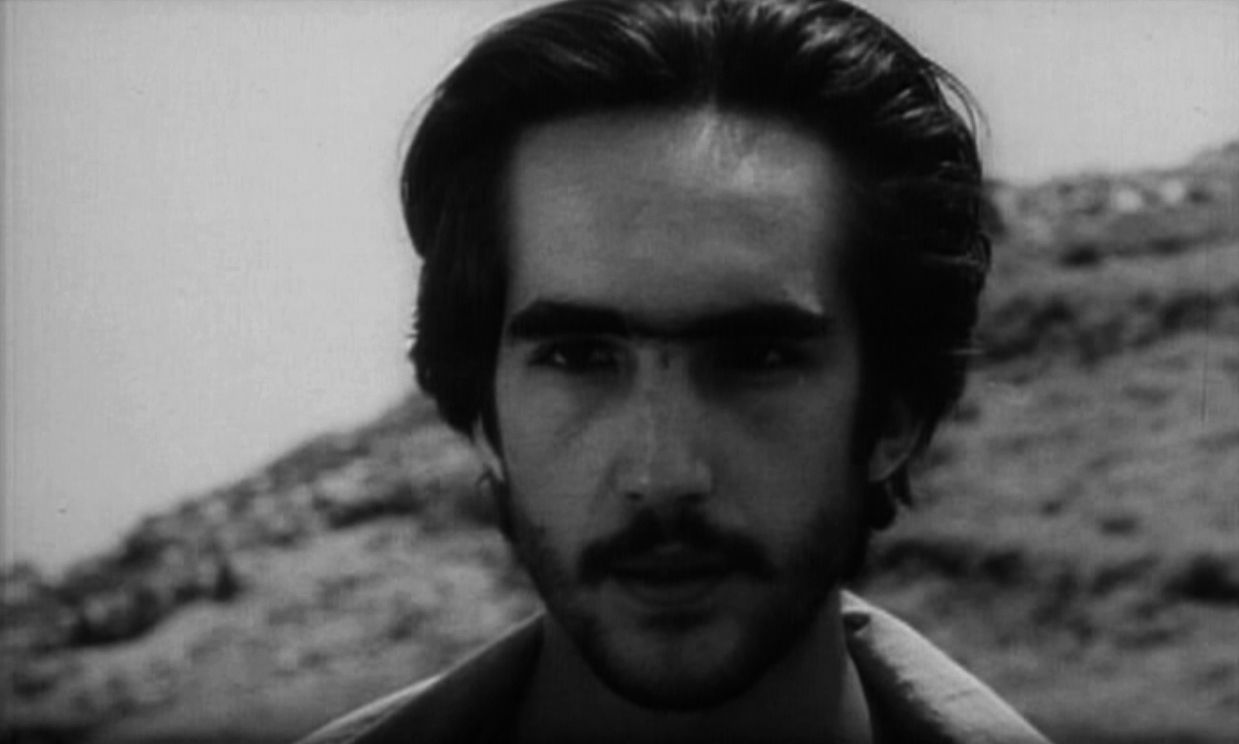
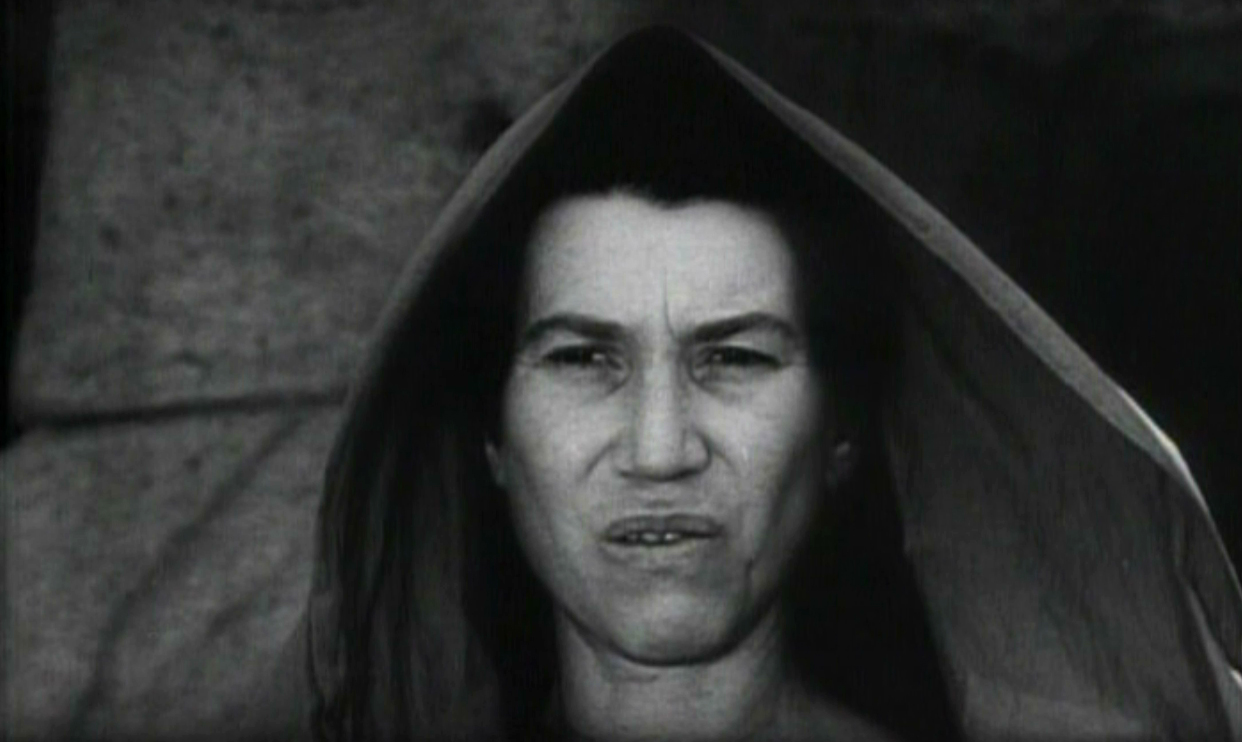
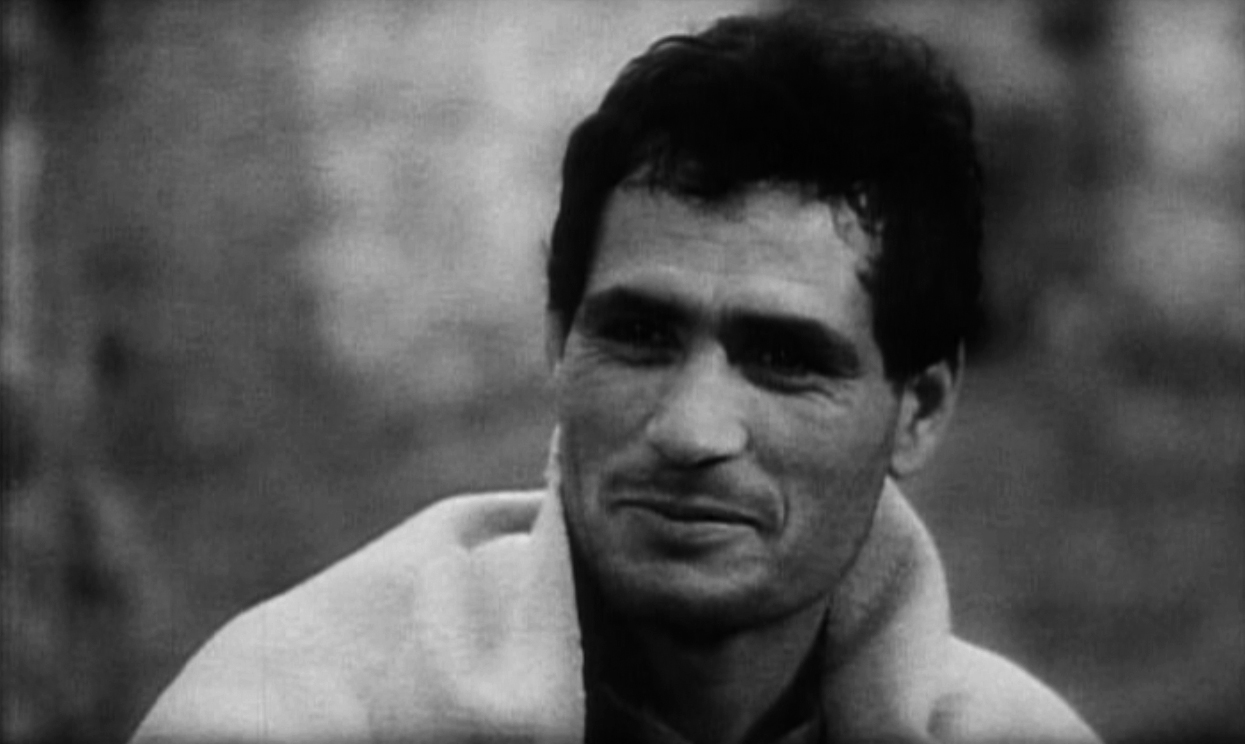
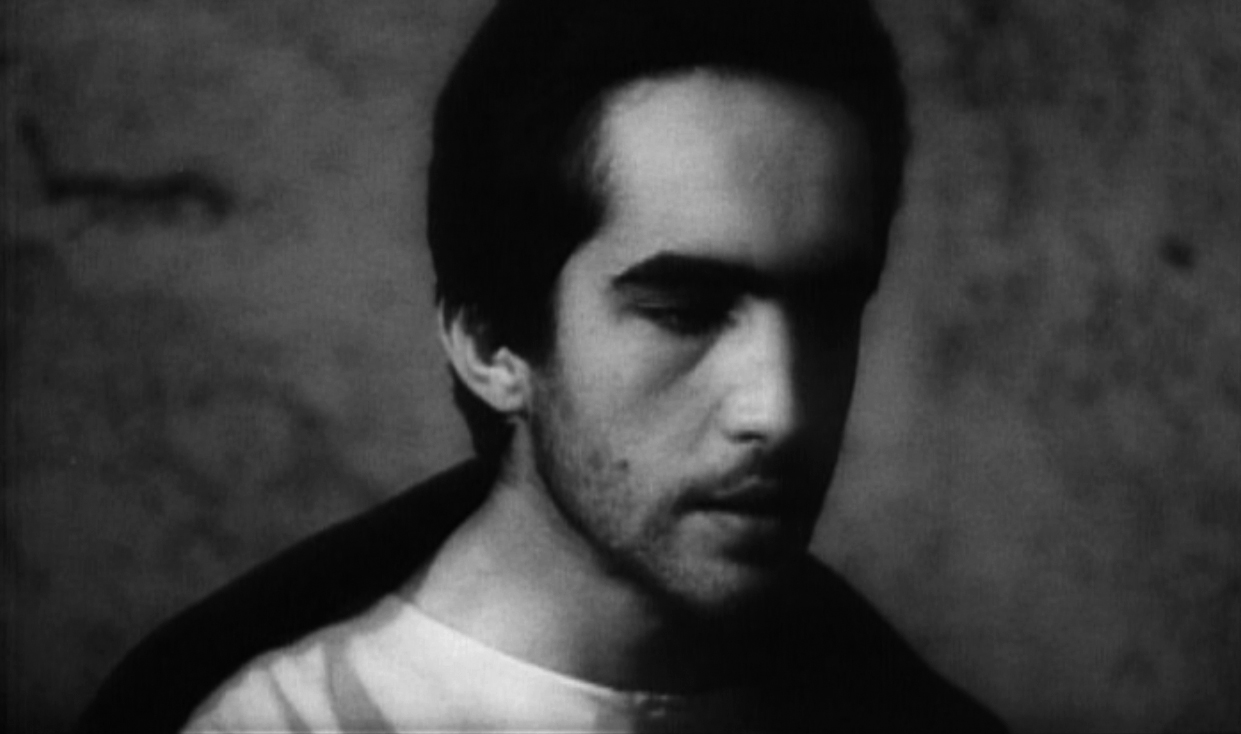
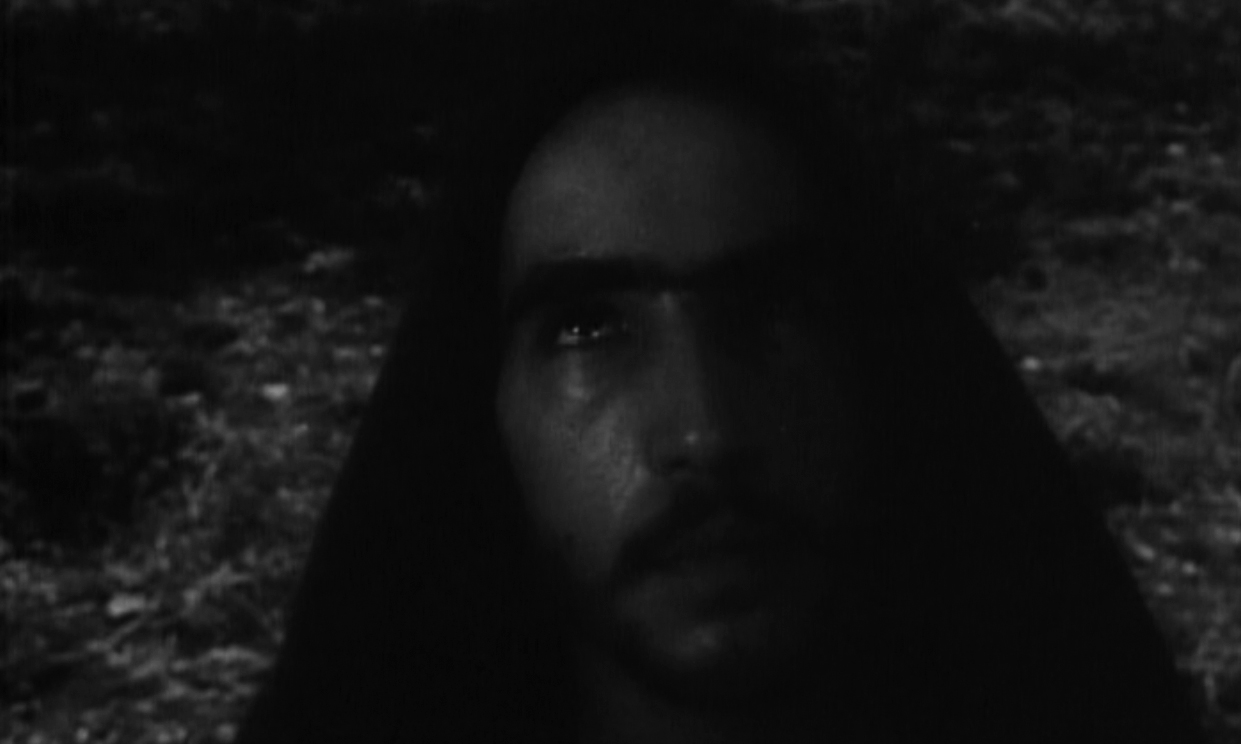
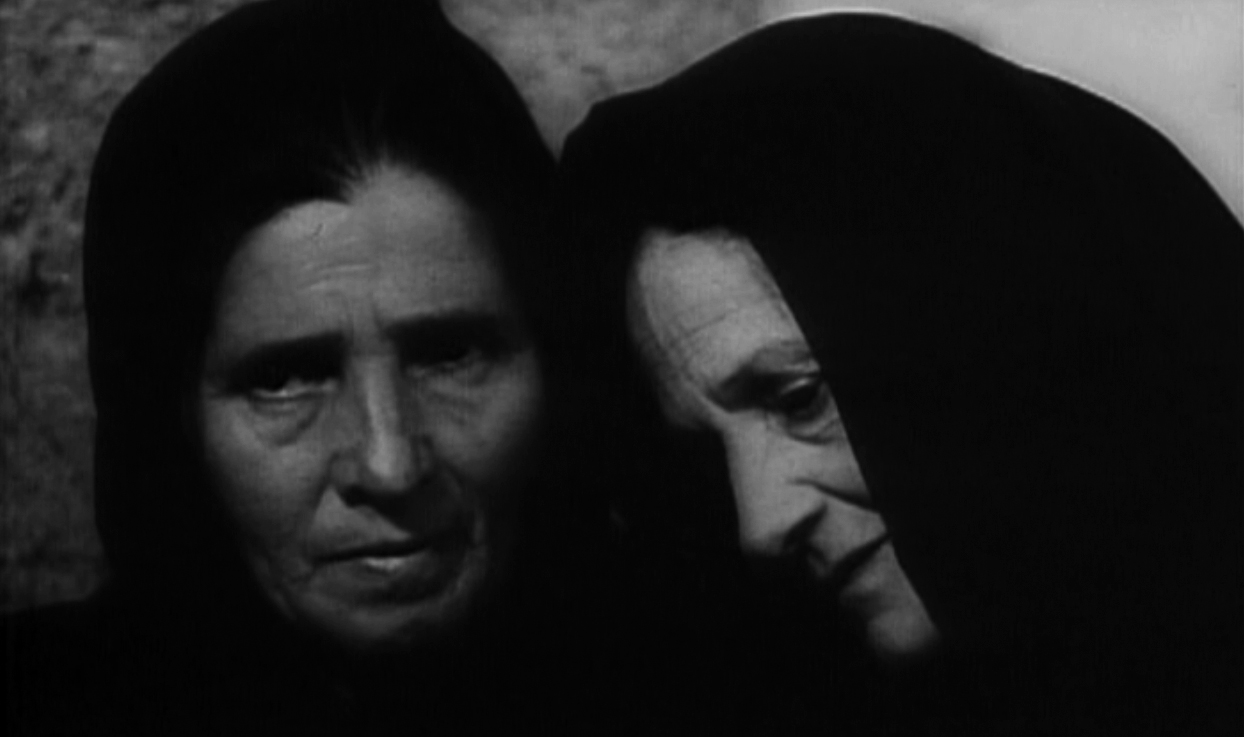
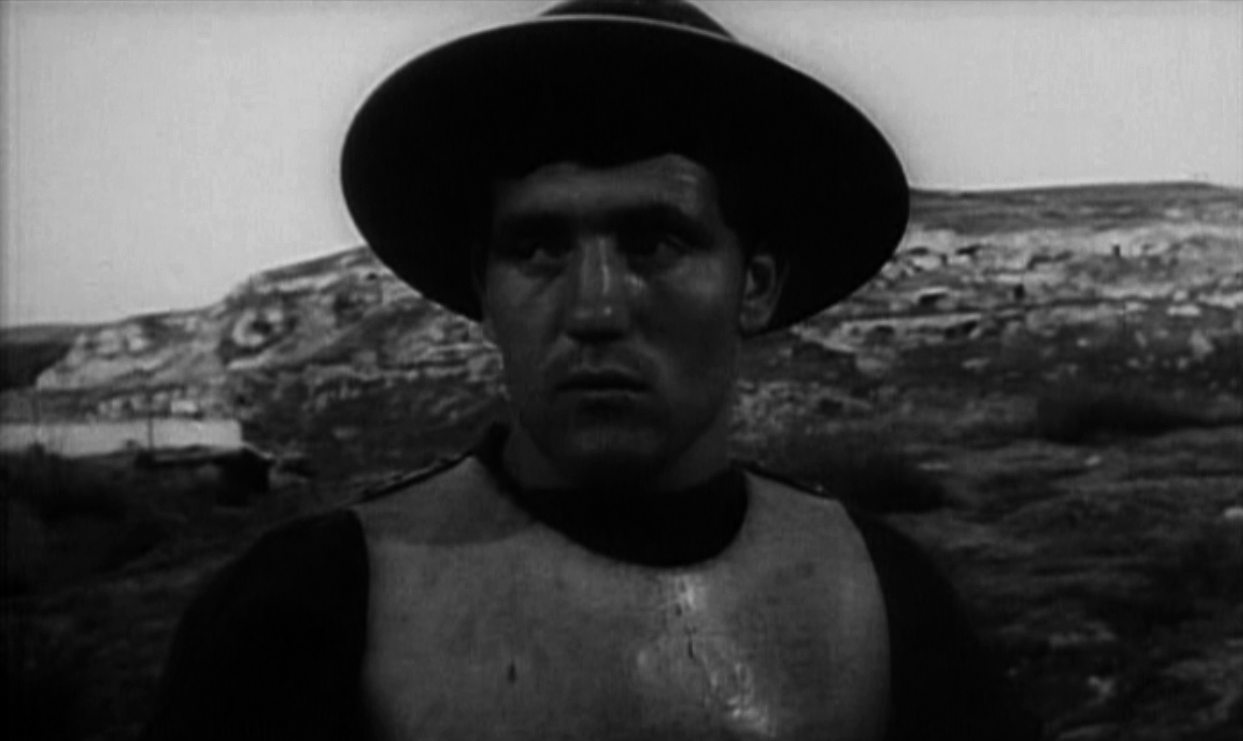
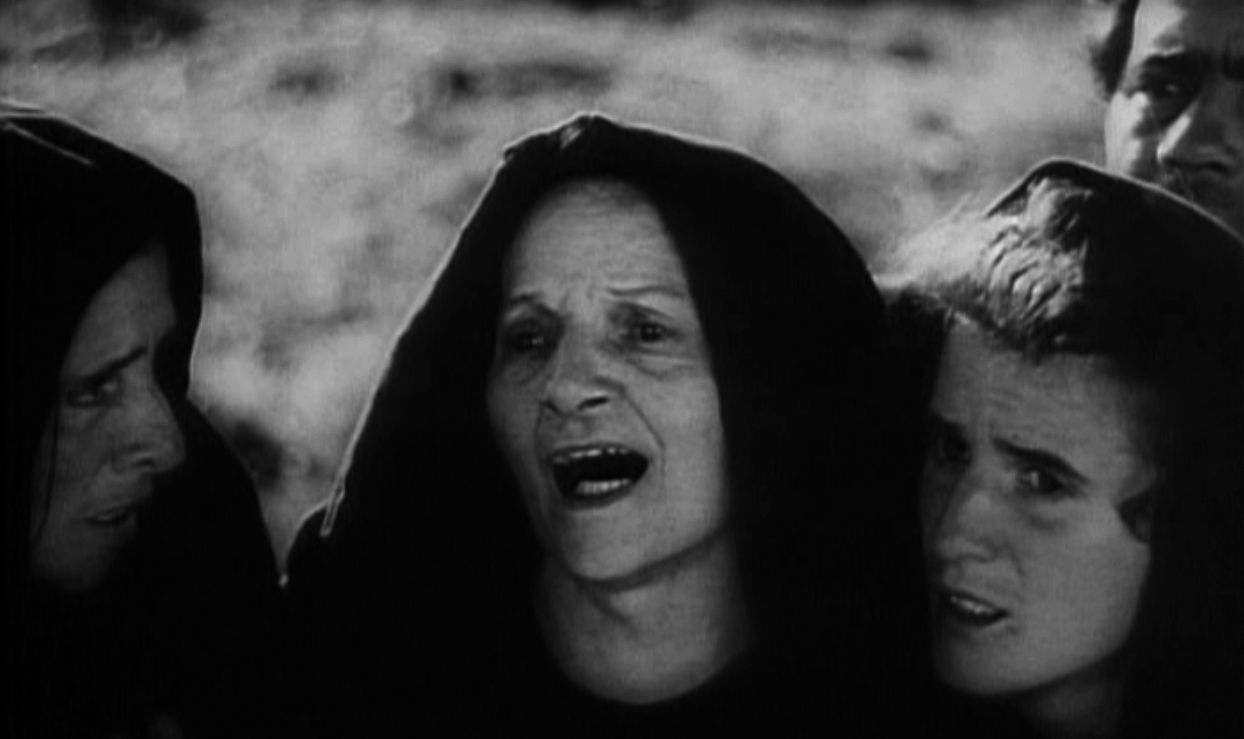
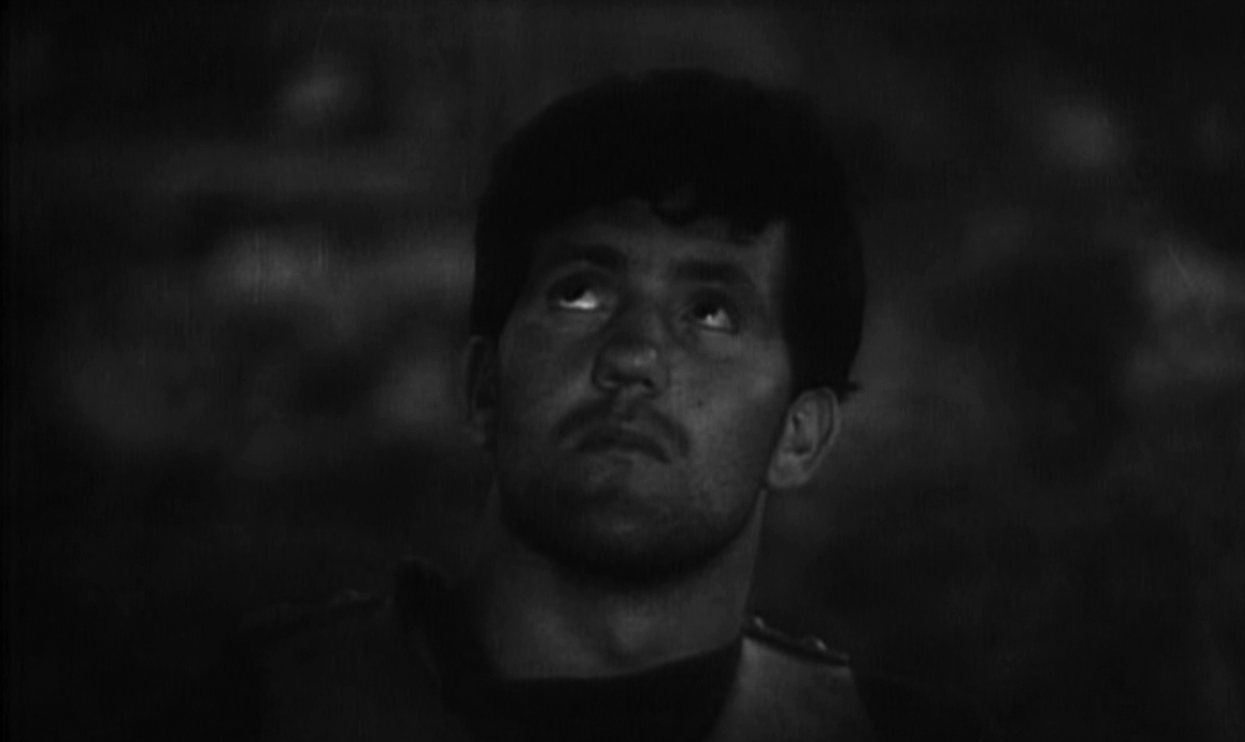
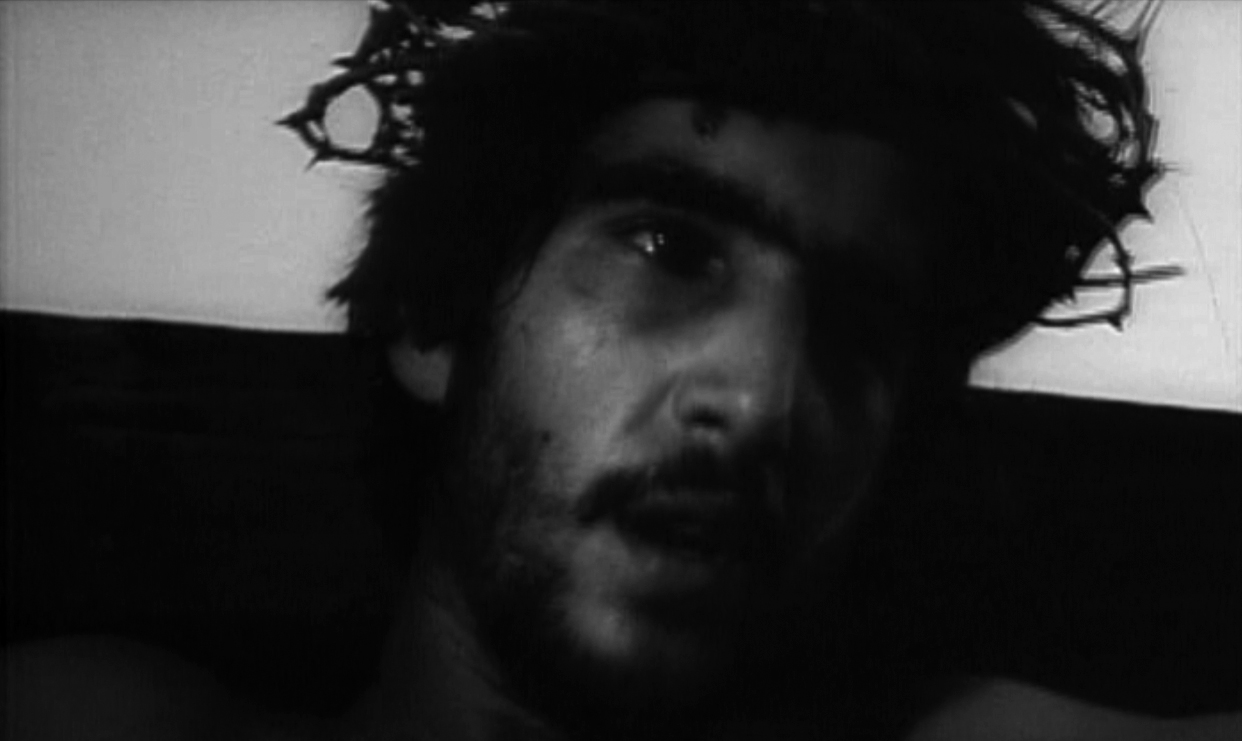
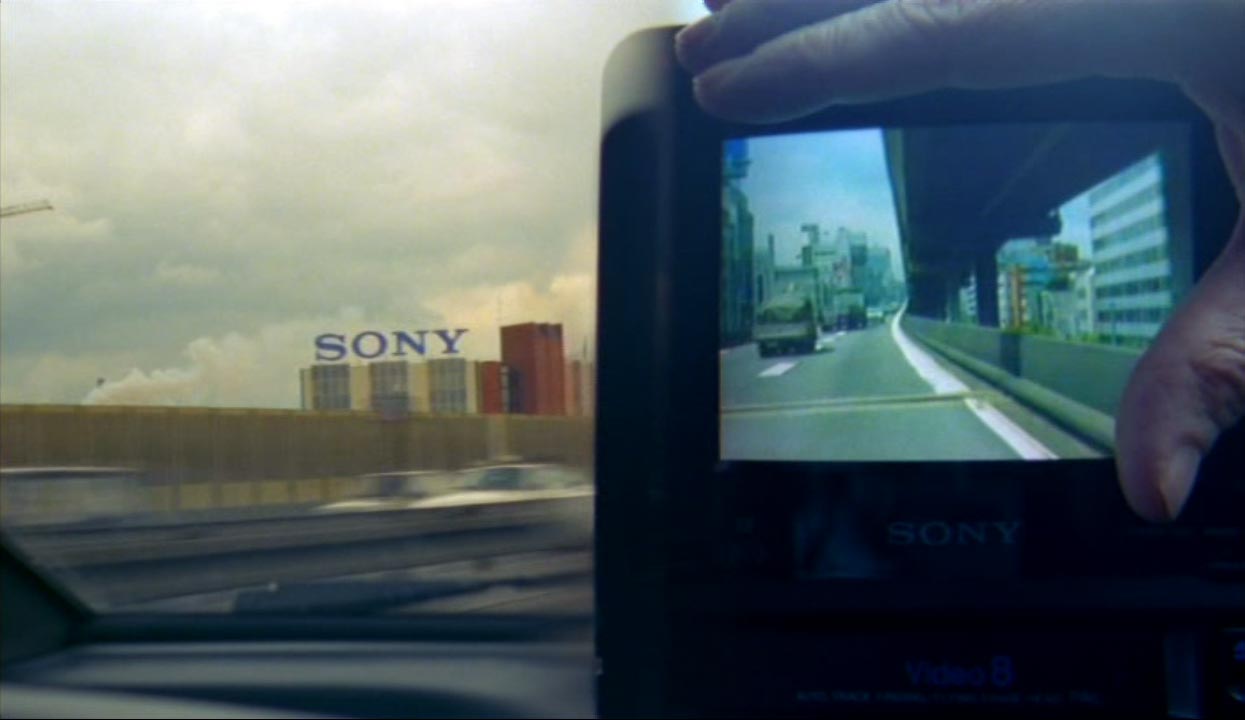
The following screengrabs are from Wenders’ film Notebook on Cities and Clothes (1989). They are all of images within images, and represent/re-present places within places and ideas within ideas.

My mind wanders over these images and then wanders beyond them, both outside their frames and to my own presuppositions and fetishes, and I think of Baudrillard’s quote:

It is perhaps not a surprise that photography developed as a technological medium in the industrial age, when reality started to disappear. It is even perhaps the disappearance of reality that triggered this technical form. Reality found a way to mutate into an image.

-from Photography, or the Writing of Light (2000)

Of course Baudrillard is wrong if we take him literally. Reality has not disappeared. But Baudrillard is right, as all postmodernists are, that the way we understand reality is heavily mediated for us (and by us) to the effect that reality, or “reality”, would seem to be an image created for us, is an image presented to us, is an image we carry with us, is an image we remember, and is an image we create. And, as an image is worth a thousand words, or a million, and therefore images are stories, fragmented or otherwise, connected and intersecting with other stories, stories referencing other stories, images referencing other images, we can apparently say all is reference. With Wenders we have the added question of the ever changing and never original (or always original) electronic image coupled with the question of what is fashion.

I suppose this blog plays a part in how I mediate the world for myself. I write for an audience, largely imaginary, but I also write for myself. Subconsciously, and maybe sometimes consciously, I write so that I can understand the world and my place in it. In this sense I can say that I have my take on reality. But the question is, are all distinctions truly arbitrary? And can this notion apply beyond the world of images to the rest of life?

So some degree Wender’s position hearkens back to his explorations in such films as Paris Texas and Wings of Desire. In those films we see characters struggling to communicate across great barriers (physical, psychological, spiritual) with those whom they love, or believe they love. In Wings of Desire the barrier is the difference between the world of human beings and the world of angels. The film’s story revolves around the idea that to become fully human one has to give up being merely an observer and enter in, that is, to immerse oneself in the tangible messy world we humans call reality. To cross that chasm is to take a leap of faith.

But is faith a leap? In the so-called Western/Christian tradition the word faith has a lot of gravity. Faith is one of those words, like love and happiness, whose meaning we all know and yet can never seem to finally pin down. For many the word has precisely to do with some kind of existential or spiritual leap. And for some that leap is a leap into the unknown or the unsure, or even the absurd. Interestingly, when we read the word faith used by the early Christian writers, such as the Apostles Paul or Peter or John, it is, in fact, the ordinary Greek word for belief. It does not appear that the Apostle’s intentions were to convey any idea of a leap of faith, or of faith being a kind of spiritual ecstasy. For what I can tell they were merely telling others to continue to believe what they have heard about Jesus because it is true, and that they can know it is true because the Apostles were eye witnesses.

Which brings us back to Notebook on Cities and Clothes and the idea of mediation and its relationship to truth. The fact is we are immersed in a world of images, and we seem to understand our world more and more in terms of those images rather than words, and those images are increasingly potentially untrustworthy. We are also in a world in which, while many of the barriers between people and cultures still remain, we are intersecting more and more with an increasingly broader scope of people(s) and a multiplicity of voices. Which means that we live in a world of references, that is, a world in which everything begins to reference something else and is built upon other references.

Maybe no other living filmmaker has more fun with playing with references than Quentin Tarantino. Part one of Death Proof immerses the viewer in a 1970s pastiche, full of faux antiquing of the film, samples from 1970s films, and stylistic choices right out of now classic B-movie road and slasher films. The film is designed to draw attention to itself. Tarantino winks at the audience and the audience winks back, along with the occasional high-five and an “oh yeah!” If a drinking game were devised for Death Proof, where viewers had to down a shot for every meant-to-be-obvious filmic reference, players would die of alcohol poisoning after ten minutes.

Examples include this appropriated “restricted” card from the early days of the MPAA rating system:

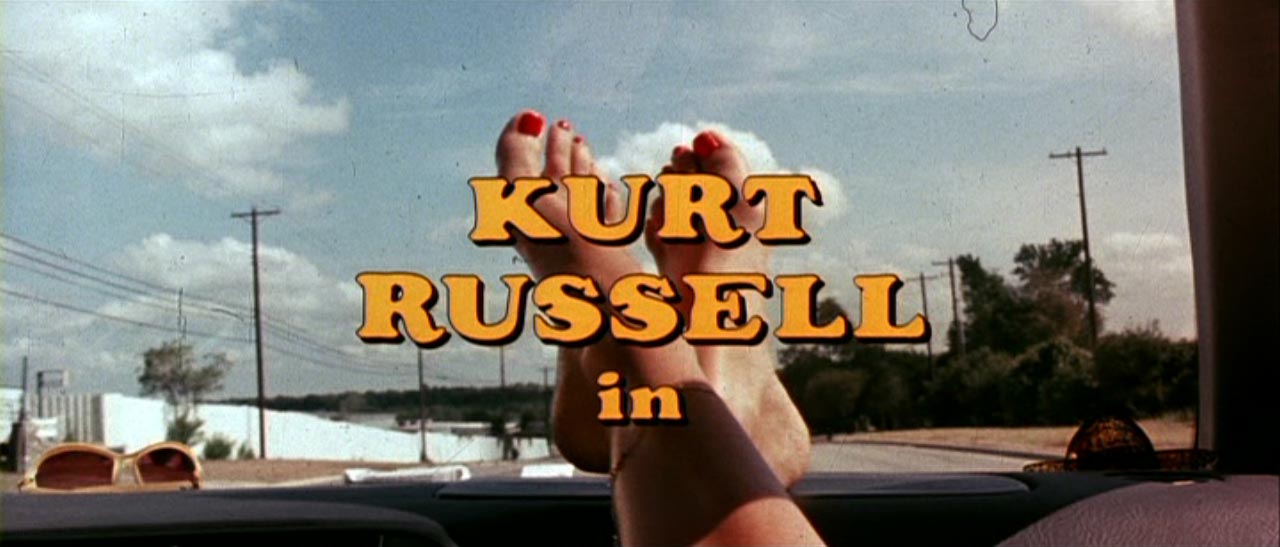
And this created title that looks like it came directly out of an early 1970s Disney film starring you know who:

Other examples include faux scratches and dust on the film and numerous jump-cuts that simulate a worn out film jumping in the projector gate because of splices and damaged sprocket holes.

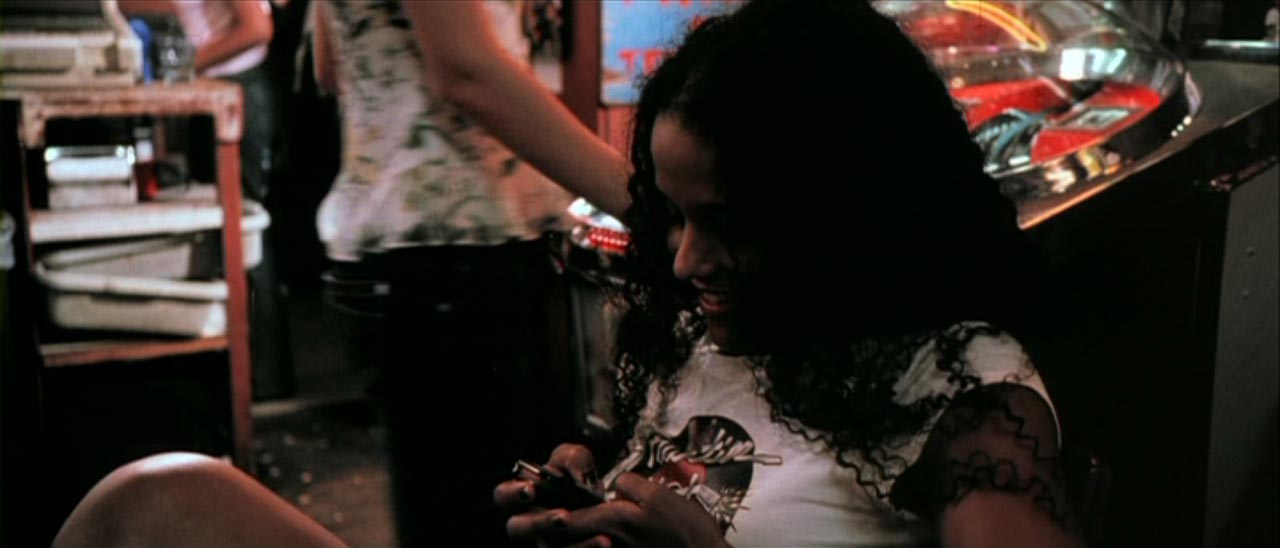
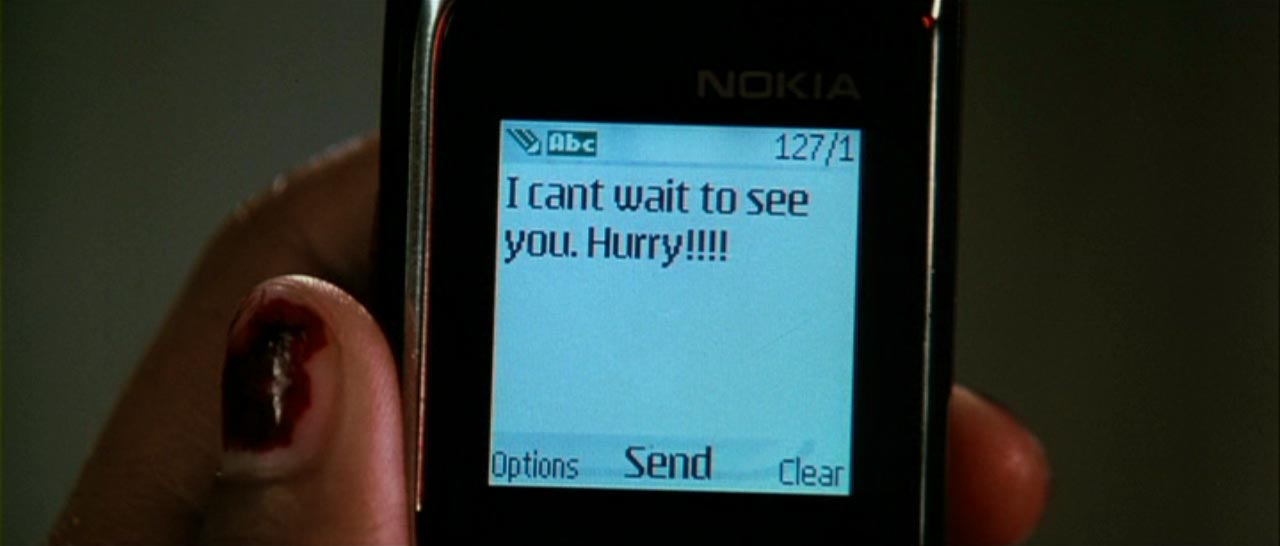
But what is so fascinating is that Tarantino is not making a 70s film. He is making modern film. Consider that while the characters seem to live and play in a archetypal film of a previous era, and while the film makes a point of looking aged and worn out, characters still drive modern cars and use cell phones – like Jungle Julia below.

And yet, I doubt many viewers found this disconcerting, or even noticed, because there are no longer any meaningful distinctions (apparently). For a director like Tarantino there are no boundaries between films or genres or eras, there is only the magnificent cloth of cinema where every film participates in the weave, connecting and intersecting in the psychic playground cinephilia. For Tarantino, I would argue, faith is not a belief in what is true, but in what is cool and can be appropriated. And cool is another word for fashion.

In such a world where does one find one’s identity? Might one say that we are all only references built up from other references? That is the postmodern perspective, and it is the current version of “God is dead.” But is it true? I would say no. Ultimately there is no such world of only references, and we do not live our lives as though such a world were true. Wisdom would say one should always recognize the potential fallibility of our sacred ideas, but we are all creatures of faith, and faith knows there is a final reality that, at least, haunts us. Maybe, as we are immersed more and more in images, so increases the haunting.

starfish

When I was an undergrad studying film history and production I took a class in which the students made several “personal” films (we were using video equipment). One of the film projects required each of us to randomly pick a haiku poem out of a hat and then use that poem as the basis for our film. I can’t say my film turned out well, though it had its moments, but I have to say I loved the project and its process.

Around that same time a couple of my friends and I made a video that was as loosely based on a poem as it was whimsical. It became known in local circles as the infamous garage sale video and, as you can guess, we had a lot of fun making it. For the most part it was a vehicle to explore the idea of how a garage sale might have some thematic relationship to mankind’s place in the universe. Heady stuff, I know. But we kept it rather comical. I edited it at the local community television studio, which I was managing at the time.

These two episodes come to mind because I recently watched some avant-garde films from yesteryear and I couldn’t help making the connection between those films and the avant-garde or experimental filmmaking impulse in me. I am a fan of most all cinema, but I have a special place in my heart for films having a greater kinship with the kinds of art one finds in galleries and museums than with traditional narrative cinema. This is not to say that I don’t also swoon over great narrative films. But, whereas many might shrug there shoulders or even complain at a film by Brackhage (et alia), I get a kick out it it.

The avant garde films I was watching came from Kino Video’s Experimental Cinema of the 1920s and ’30s. I believe it is a good thing to review avant-garde films from the 1920s and 1930s, or thereabouts, to see what those artists where up to and how they were approaching their culture and that new medium called cinema.

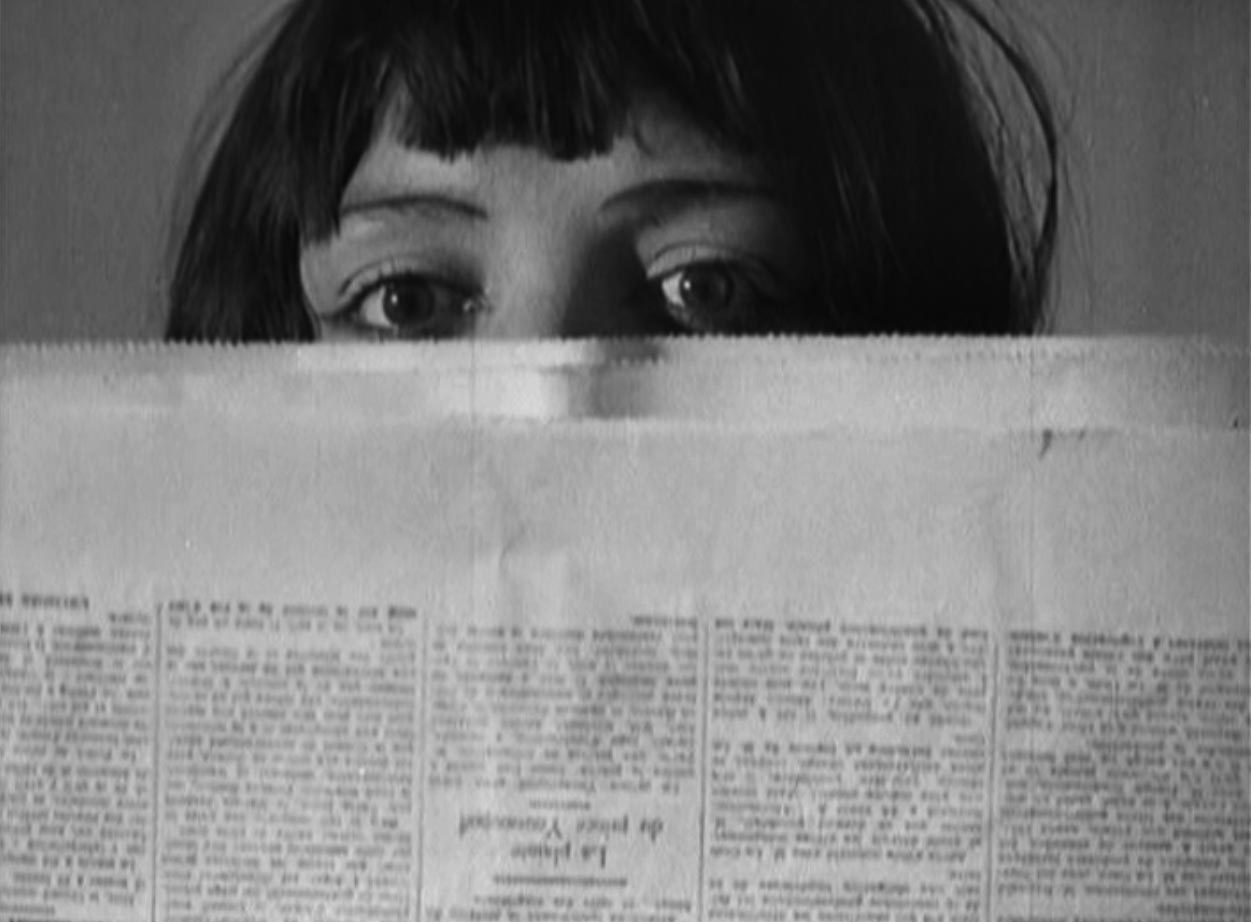
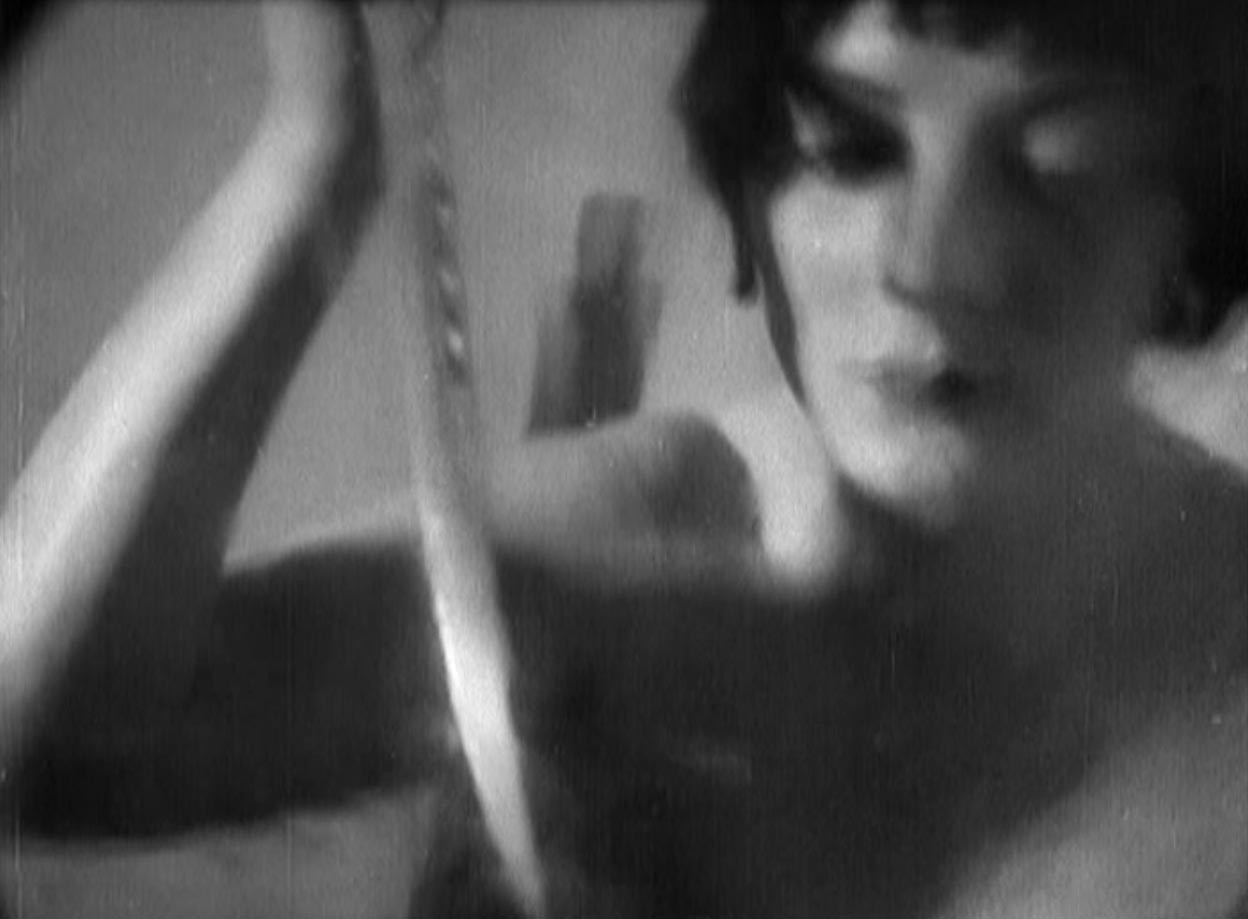
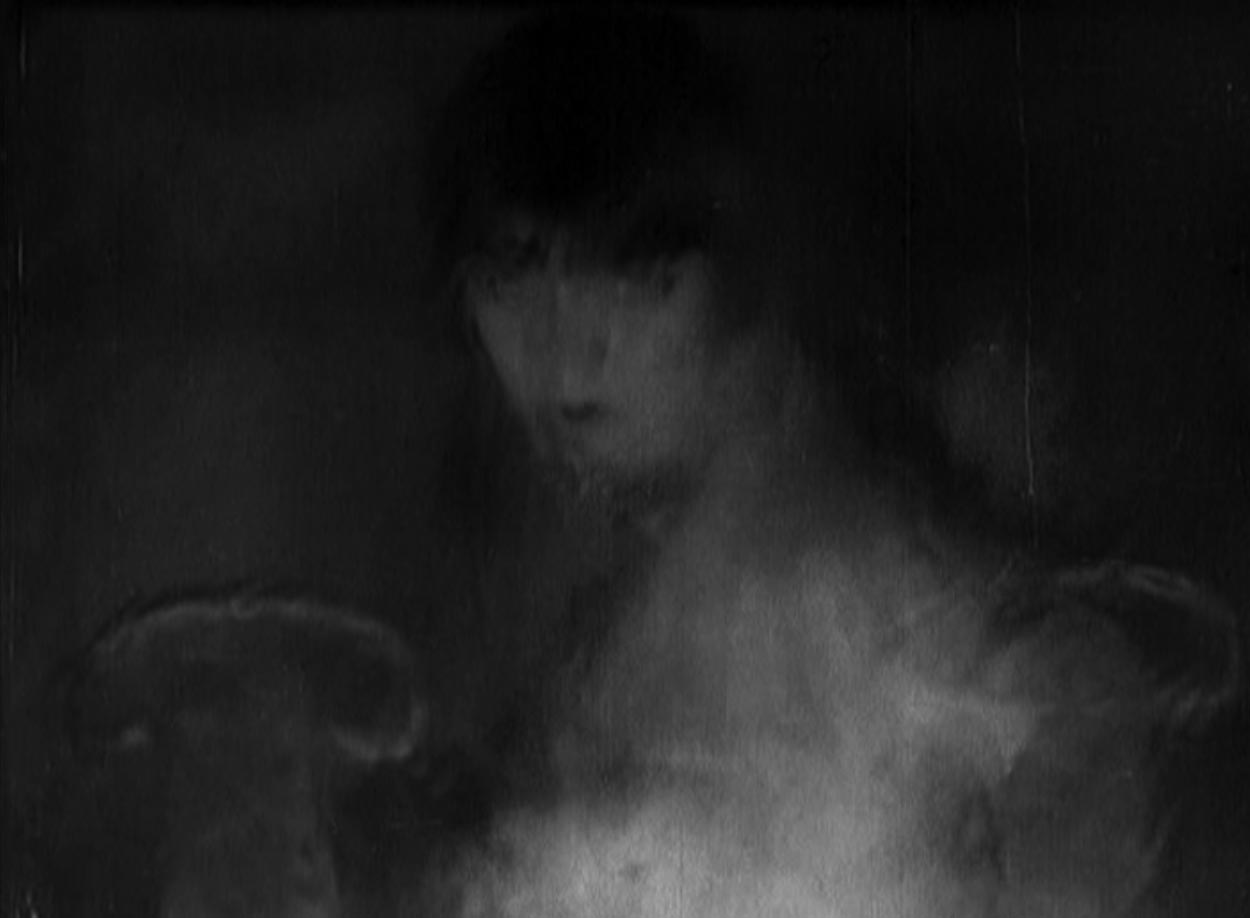
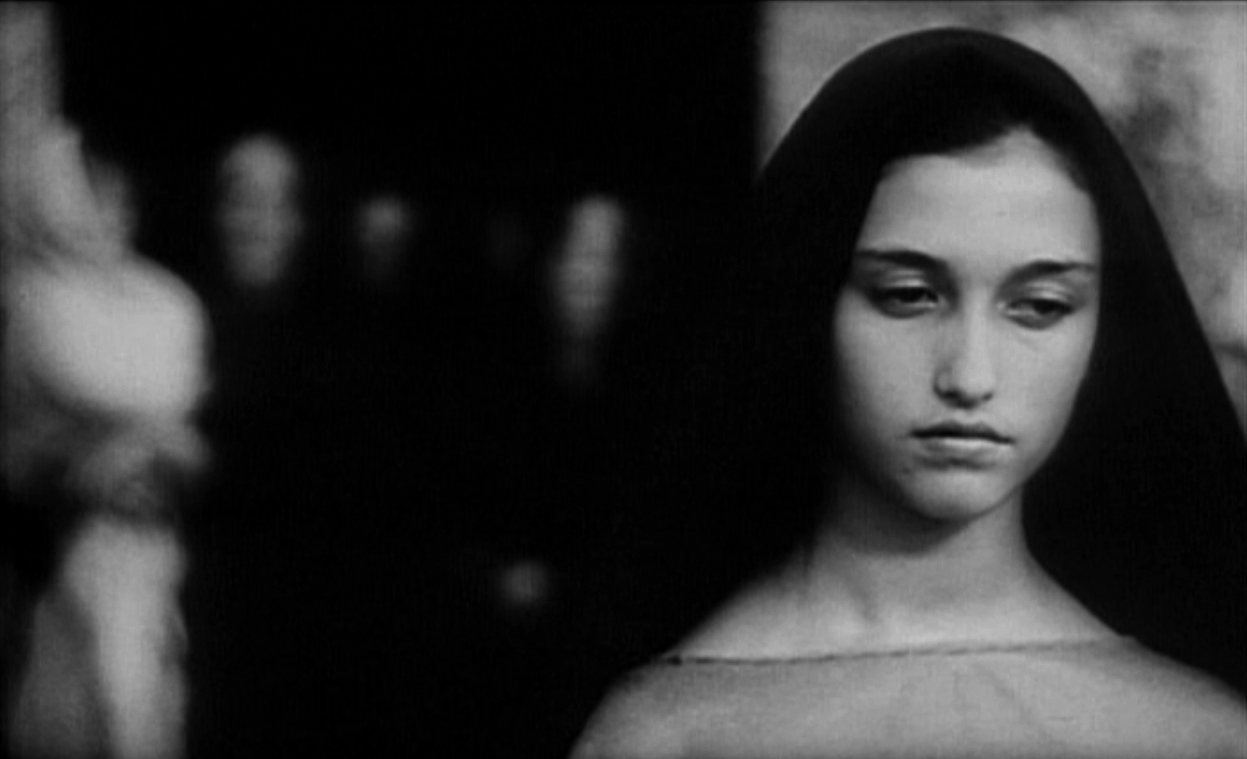
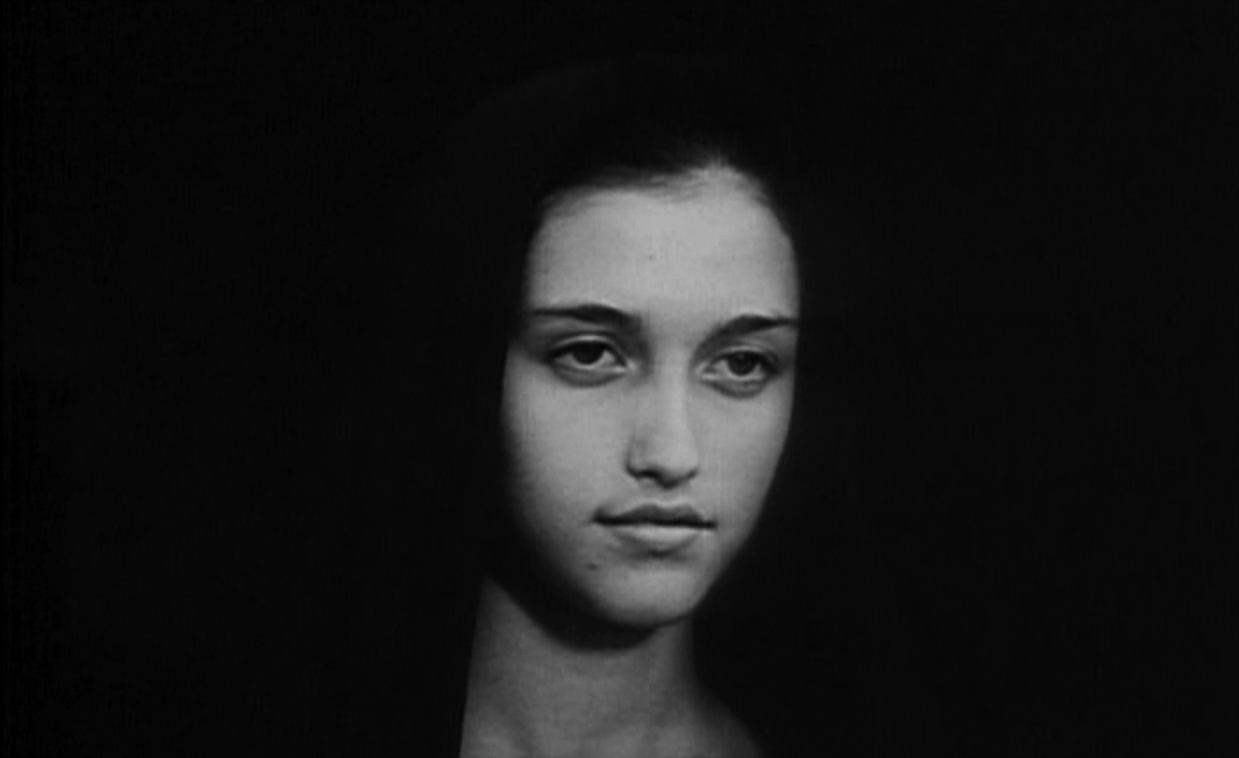
In particular I was taken by Man Ray’s film Starfish (l’Etoile de Mer). Made in 1928, Starfish is a great example of both the Surrealist impulse and Man Ray’s exploration of the “montage of attractions.” It was also based on a poem by Robert Desnos. You can find an online version of it at ubuweb, as well as other Ray films. Here a few screengrabs of some of my favorite images from the film:

One thought that goes through my head when I watch this short film is how much it is like experimental student films I saw years ago, only generally much better. His ideas are more sophisticated than most student films – his Freudian imagery is almost a precursor to Deren’s Jungian imagery from her Meshes in the Afternoon (1943). Some of his images are stunning. But there are also moments that seem a little random and disjointed, as though they were included merely because filming something that moves was interesting enough. Although I like to trust that Ray included each shot for a reason.

With Starfish one gets the impression that using a movie camera in 1928 was still a novel and exciting thing to do, which it was. Think of the excitement brought about by the invention of the portable/affordable video camera of recent decades, or of YouTube, or desktop publishing, or of portable/affordable music studio equipment. All these inventions sparked bursts of creativity in new directions as well as lasting changes to our creative horizons. So was film in the silent era, then again in the 1960’s, then again in the late 1980s, then again with hi-def video.

In 1928 Ray was still a young turk (though he was 38 years old) running with the Dada/Surrealist crowd. He was making a living as a fashion photographer, but one can tell that his passions were for the arts (non-commercial arts) and he lived shoulder to shoulder with many of the great artists of the period. He was a painter and a photographer first, with cinema tagging along a little later.

When I think of Many Ray I think of a towering artist with an impressive pedigree – someone very distant from me. But I know that I am made of the same stuff as he. When I look at this photo of Man Ray…

…I see a man who was very much like me: flesh and blood, curious, thinking, desiring, working, creating, longing.

musings on Jeff Wall and the "cinematic" label

I am always a little curious about non-cinema art that gets labeled “cinematic.” A while ago I posted some thoughts on Cindy Sherman’s Untitled Film Still series. Lately I have been thinking about the staged photographs of Jeff Wall. And I have to say my thoughts are all a’flux.

If you are unfamiliar with Jeff Wall, one of the best overviews of Wall’s work is in this article.

Wall is one of the looming names in contemporary art, and like many artistic luminaries, one either likes his work or doesn’t. I happen to like his work quite a lot, but more from an intellectual curiosity and from being impressed with his virtuosity rather than from emotional engagement. In many ways his photographs seem to be either exercises in meticulous stagecraft or in meticulous banality. One label that has been tossed at Wall’s work is “cinematic” or “movie like.”

One article says the qualities of Wall’s photographs are such “…that the pictures glow like a movie screen.” The article goes on to say that Wall’s images are deeply indebted to cinema, which IS true, especially given that Wall wanted to be a filmmaker at one time. But is his work cinematic? [Other articles that mention the cinematic quality of Wall’s work: here, here, here, here, and here.]

I am inclined to think the label is being misused, but not intentionally so.

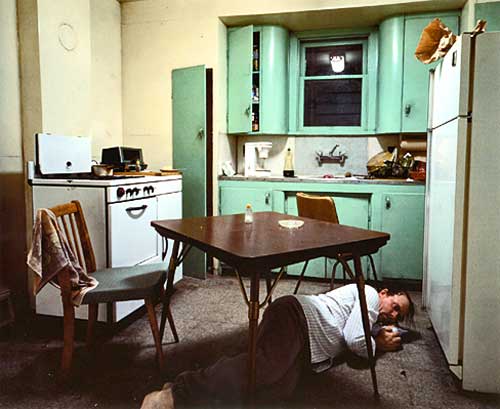
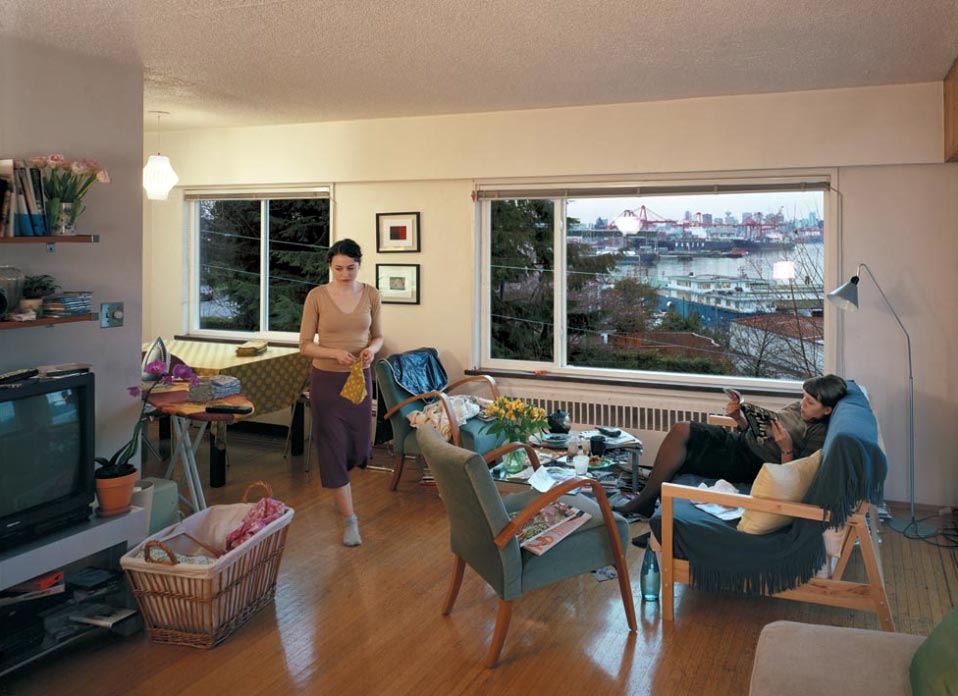
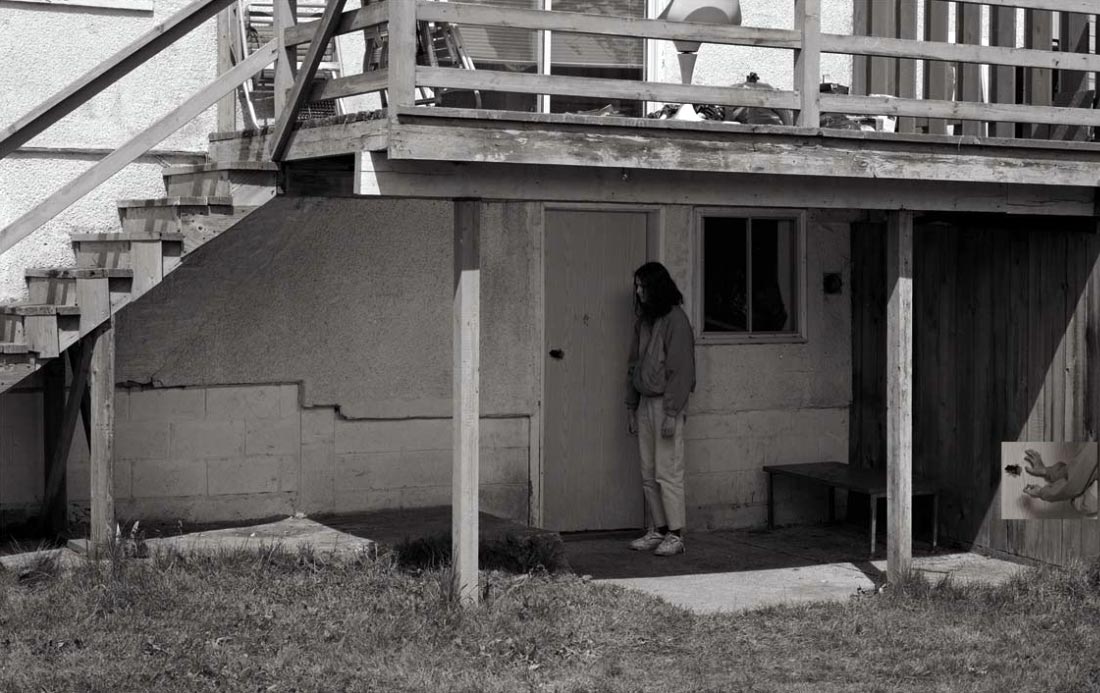
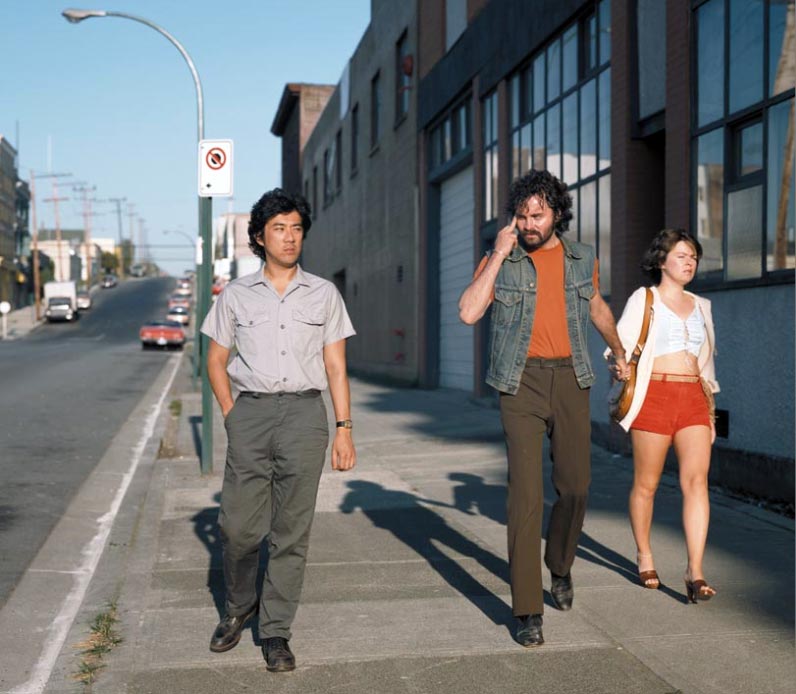
Consider the following four Jeff Wall images*:


Insomnia, (date ?)
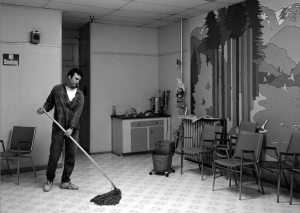

Volunteer, (1996)
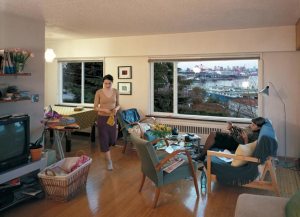

A View From An Apartment, (2004-2005)


Rear, 304 E. 20th Ave., May, (1997)

Each of these pictures are obviously staged and photographed with a great deal of control and specificity applied by the artist. And like any photograph with human beings in the frame, there is some sense of narrative. But can we call them cinematic? Is that fair? Is it because the pictures are of people in some kind of “life world” context? That is, do the images seem as though there is some preceding event(s) to the frozen moment, and that that frozen moment will be followed by another?

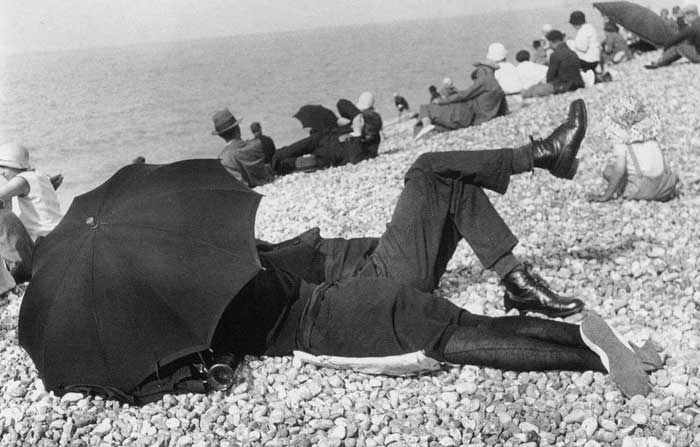
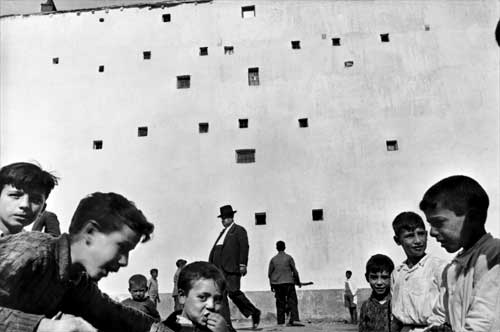
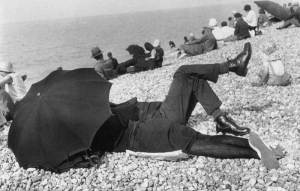
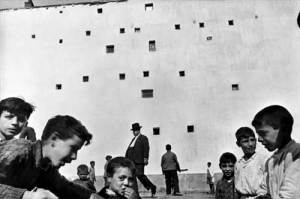
I do not think this is a strong enough argument for the cinematic label. But even if it is, aren’t there many more photographic examples that have richer narrative possibilities? Such as these two, apparently unstaged, photographs from Cartier-Bresson (I don’t have the titles or dates, unfortunately):

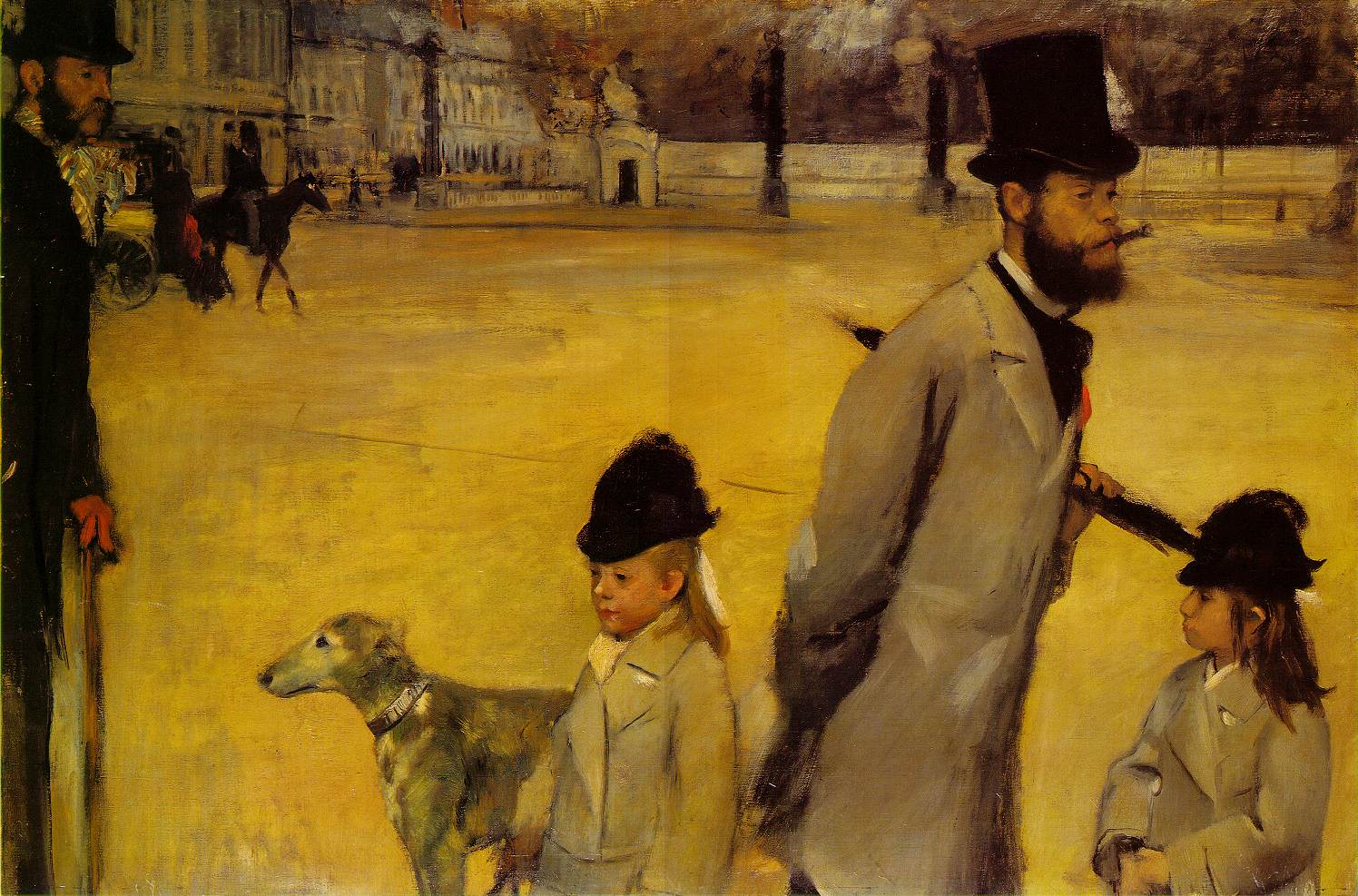
We could say much the same thing about a lot of painting. Consider this paining by Edgar Degas, which has a kind of in media res quality, as well as a sense of the banal.
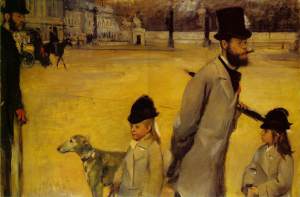

Place de la Concorde, (1875), oil on canvas

Should we consider this Degas to be somewhat cinematic too? If so, then I find Degas to be at least as cinematic as Wall, and maybe more so, which is ironic given that the photographic apparatus is closer to that of cinema.

Maybe, instead, we should consider the typical way Wall’s images are presented to the viewer. Wall’s images are oversized (comparatively) cibachrome enlargements that are placed in lightboxes mounted on the wall. Thus, when one sees a Jeff Wall image in its native setting, one sees a very large photograph that is lit from behind, and therefore glows like a television screen, or, more appropriately, an advertisement light box. In this way Wall’s images have the immensity of a medium-large painting, but with the technical aura and aesthetic more closely aligned with mechanical presentation, i.e. television and cinema. Does that still qualify his work as cinematic? When one sees a lightbox advertisement at a bus stop or a store window does one think “cinematic?” Somehow I doubt it.

This video (below) of the Jeff Wall retrospective at MoMA will give some idea of how the images are presented.

http://www.youtube.com/get_player

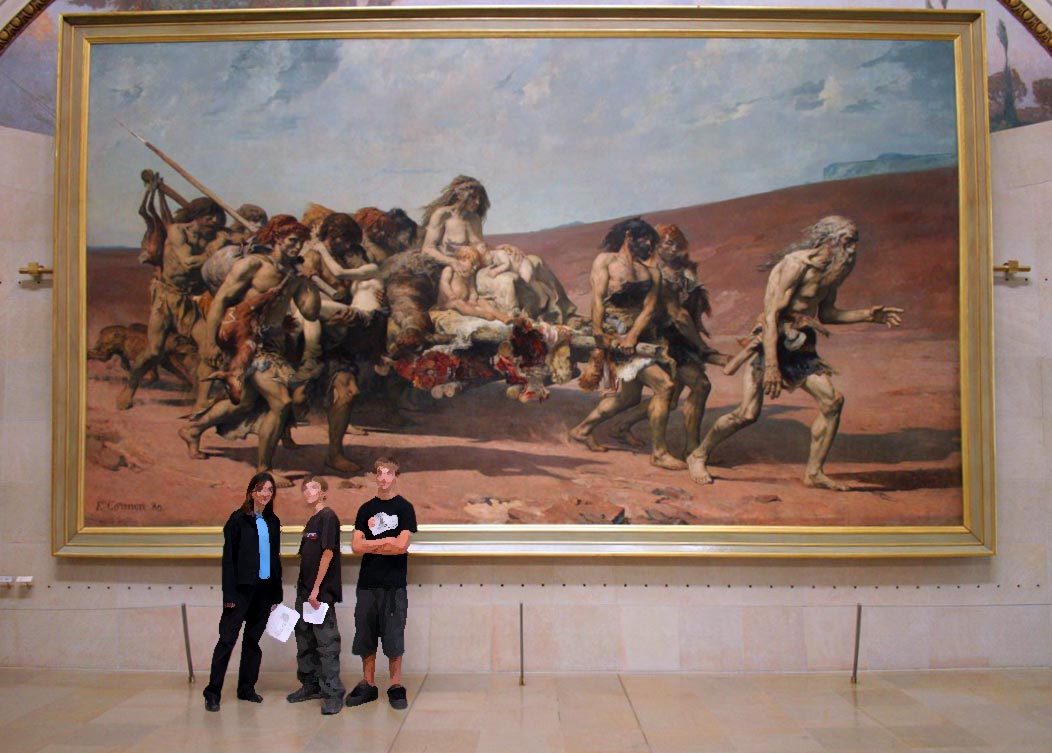
Maybe it’s just the size of Wall’s work. Of course, great big narrative paintings have been around for a long time too. Maybe this painting at the Louvre is somewhat cinematic.
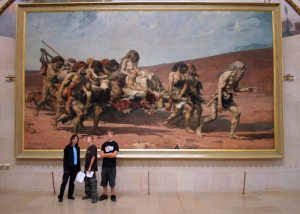

Note: I grabbed this image off the Internets. I don’t know the title or artist of the painting, and I don’t know who took the photo, but I’m sure it’s from someone’s vacation.

It certainly is huge and, although I don’t know its date, it must pre-date the invention of cinema. Does that mean it anticipates the coming of cinema in some way? Maybe, but not likely. Just because a work of art is big and appears to have a story embedded in it doesn’t automatically make it cinematic, seems to me. And, of course, the painting does not glow with its own light source. And yet, maybe it is cinema that is more like oversized genre paintings of the past and not the other way around. Should we label all instances of cinema as cinematic?(!).

Maybe what is most fascinating about Jeff Wall’s work on an immediate level at least, is just how stagey they are. In the history of photography the staged photo has held a lesser place, reserved primarily for advertising, because staging an image apparently undercuts the great achievement of photography: capturing life in a moment, as it is (or was) with no barrier except for the lens and the technical processes. Wall, on the other hand, hires actors, carefully plans and sets up his shots, and probably takes numerous tries to get it just right. Then, of course, he digitally alters them as needed to get what he envisions.

Consider this image:
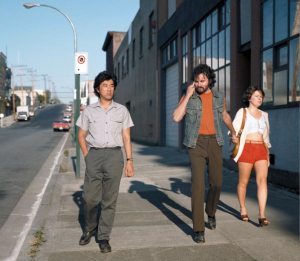

Mimic, (1982)

Here Wall has staged his re-imagined version of a real event which he saw. What hits the viewer, along with the obvious content of the subject, is the fact that this apparent “snapshot” could only exist if it was staged. It’s perfection, its clarity (only achieved with a not-very-portable large format camera sitting on a trip), its careful composition all point to a set-up rather than a lucky shot.

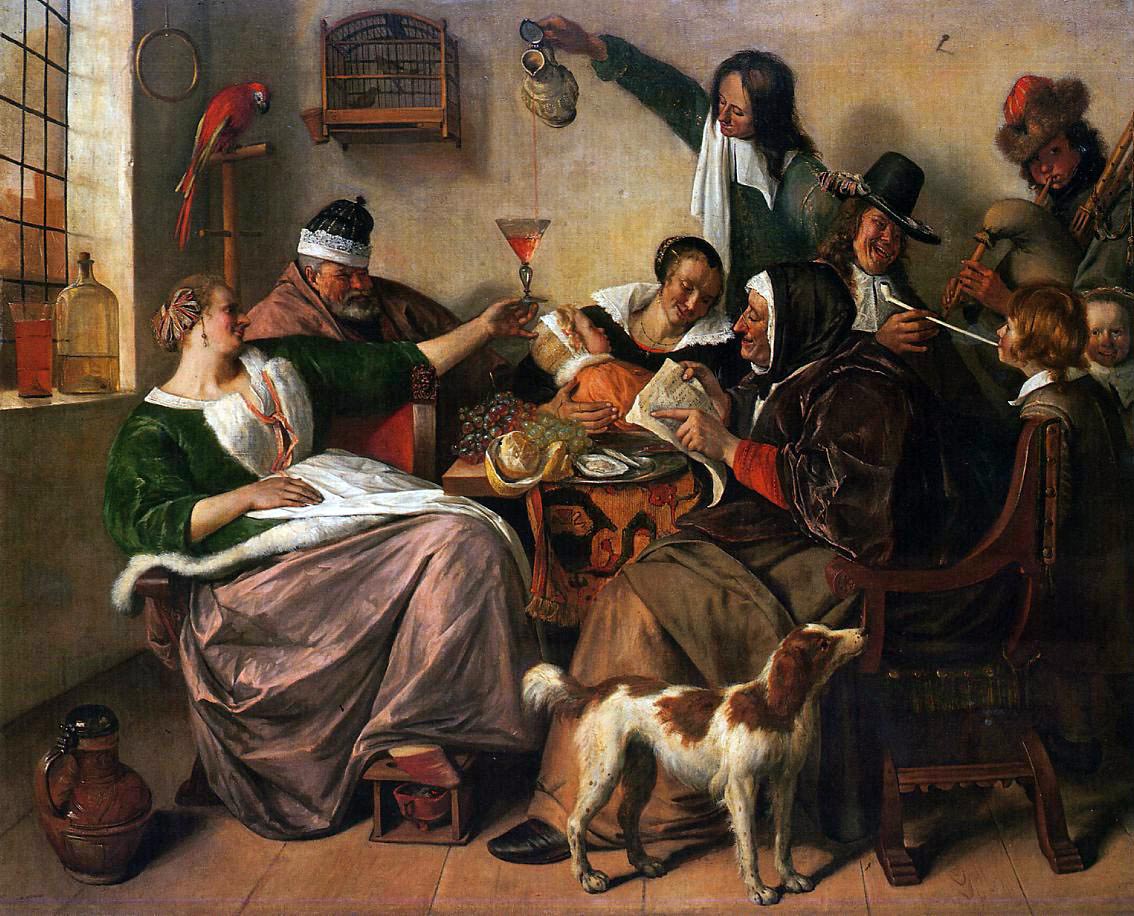
Maybe that staginess is what encourages the cinematic label. But that level of craft and arrangement is not unique to cinema. In most other arts the carefully arranged composition is standard fare. Just consider the genre paintings of Jan Steen:


The Artist’s Family, (c. 1663) Oil on canvas, Mauritshuis, The Hague

In this sense Wall’s work is something more akin to the history of art in general than to photography. The camera is his tool but he is not beholden to the “moment.”

Of course the staging of actors before the lens so that the camera can capture a scene, as it were, is nothing new. Although such staging has played a lesser role in the history of photography, as far as what is considered art is concerned, is has always been present, and maybe more prevalent in the past.

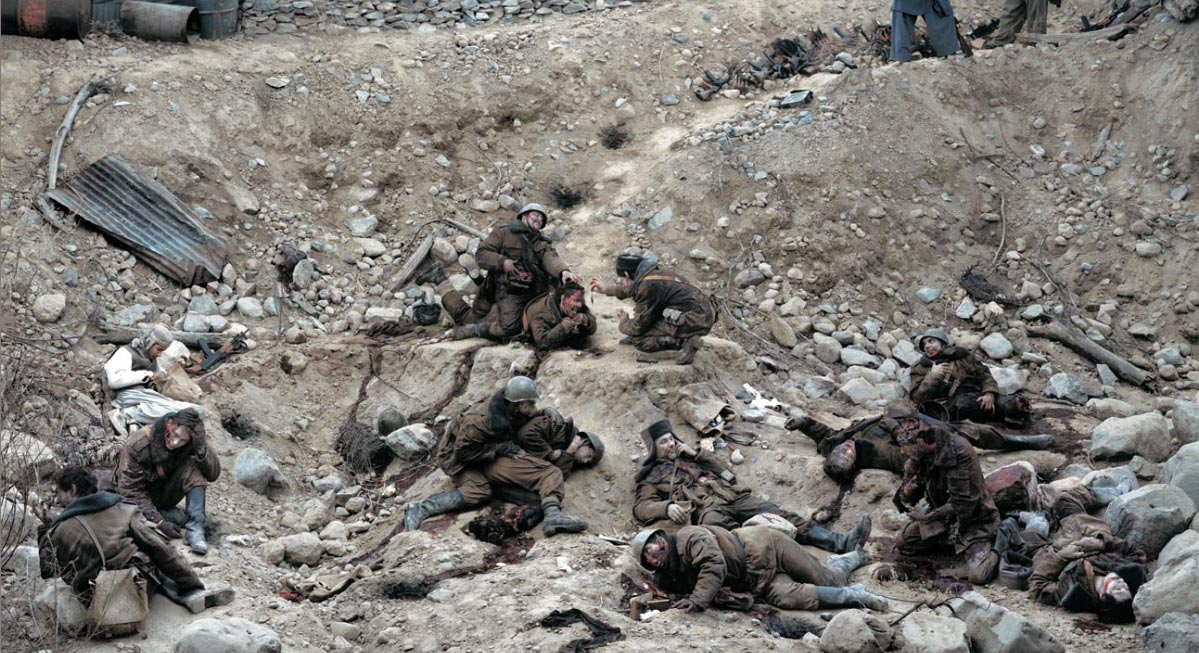
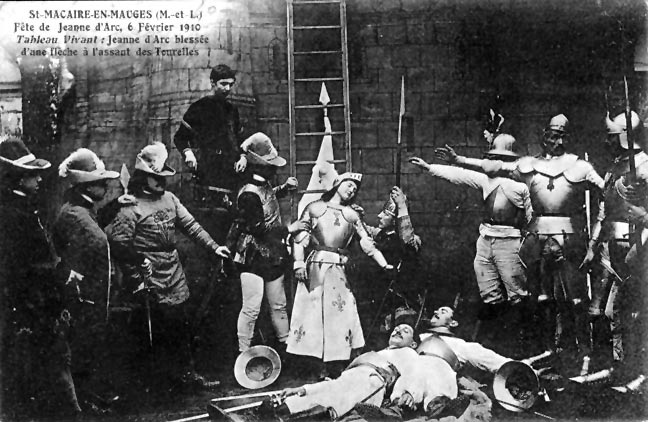
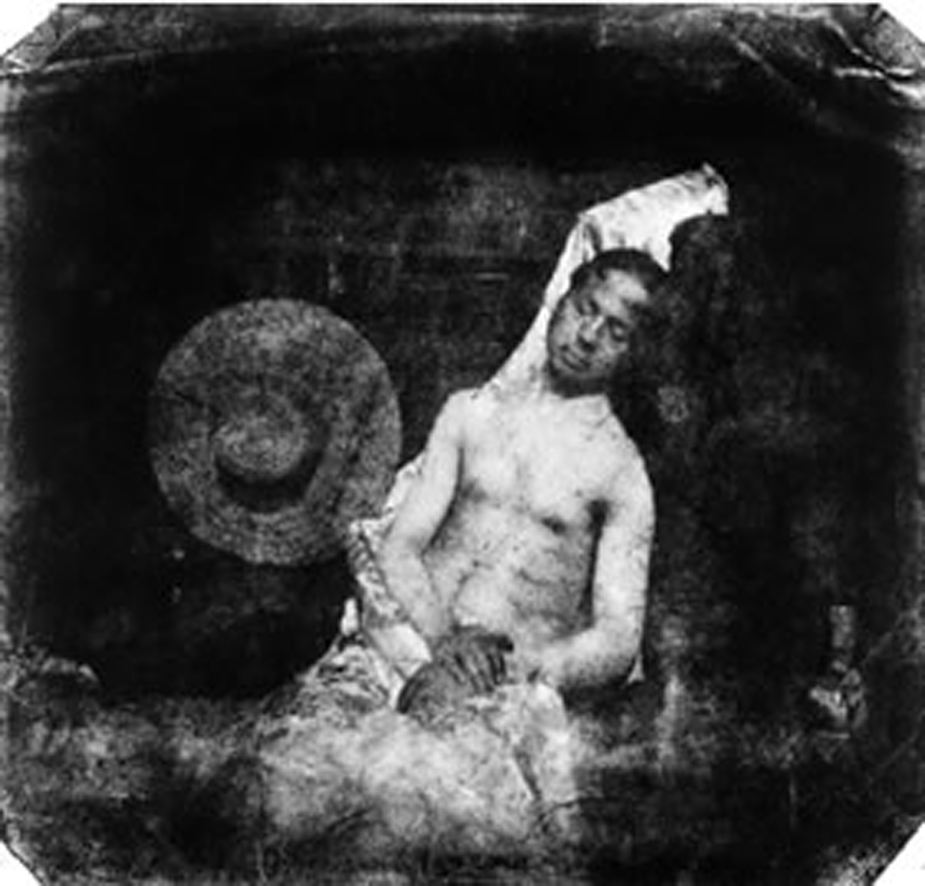
One connection with staging is the idea of the tableau vivant or living picture. Here we have the tableau vivant of Wall’s Dead Troops Talk:
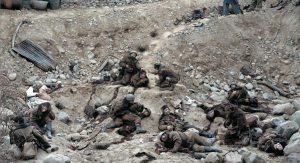

Dead Troops Talk, (1992)

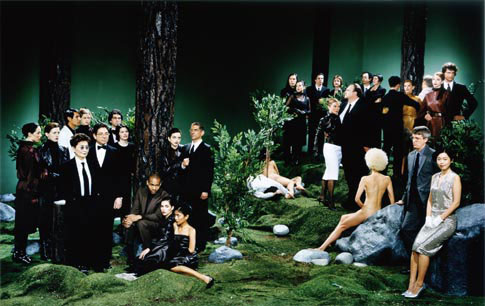
One of the comic ironies of this image is that we have those who are dead animating a tableau vivant. Now here we have an advertisement which appeared in the September 2000 issue of Harper’s Bazaar:
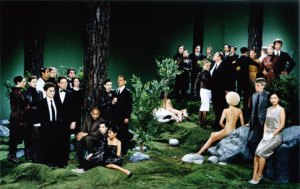


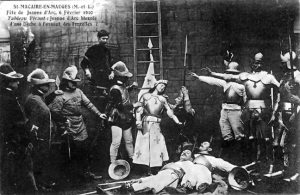
Here we have a tableau vivant from 1910 with actors portraying a scene from the story of Joan of Arc:


And here we have the photographer Hippolyte Bayard circa 1840 playing himself as a drowned man in a very early tableau vivant of sorts:
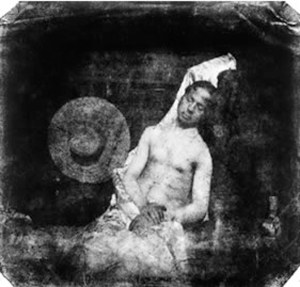


I find these kinds of connections fascinating, but nothing here suggests that Wall’s work is cinematic. In fact, the tableau vivant is more of a theater convention than that of cinema. Certainly Wall’s images have ties to photography, painting and theater that are at least as strong, and probably more so, than to cinema.

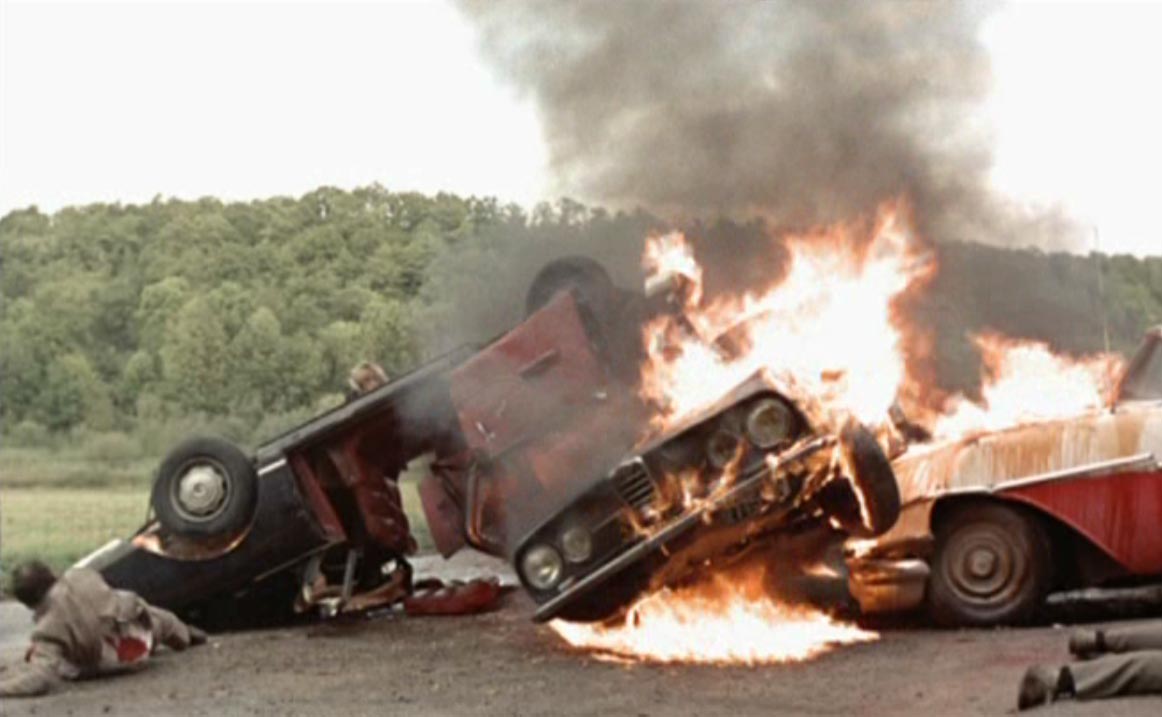
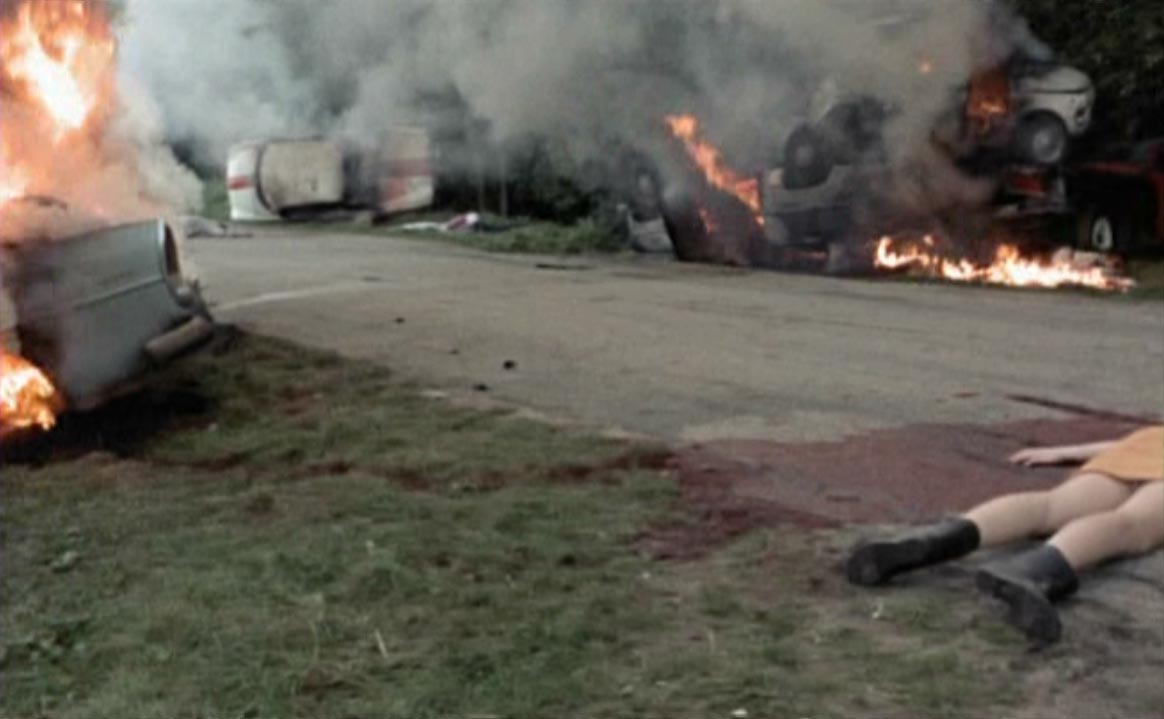
One thing to ponder is that some films do use tableaus to create their meanings. In other words, it is not uncommon for filmmakers to stage relatively static mise en scène for effect, rather than exploit the more cinematic capabilities of the technology. For example, consider these two images from Godard’s Weekend (1967):



Although the burning wrecks are dramatic, and the flames do move, the scenes are obviously carefully constructed piles of autos set aflame and presented to the viewer as a kind of emotional tableau on modernism – even humorous if one can see Godard winking.

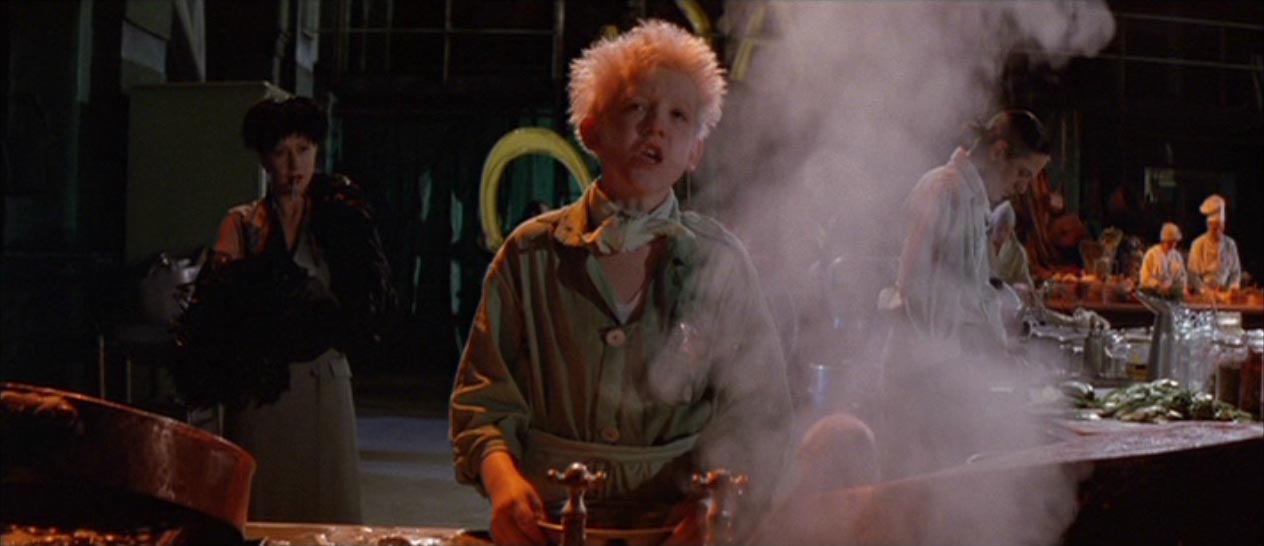
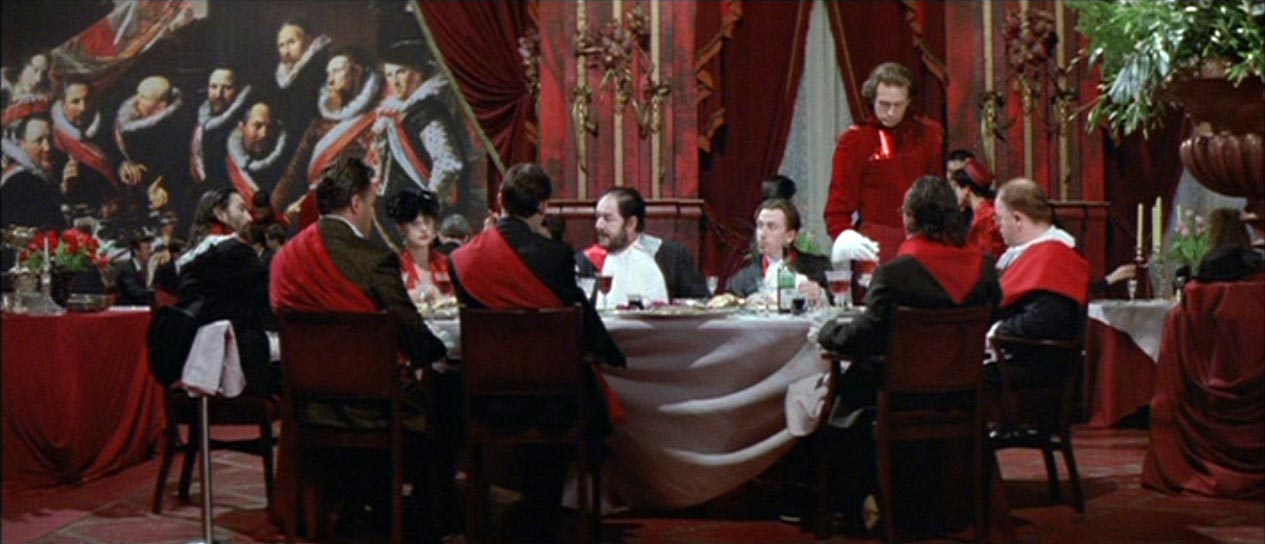
Or consider these two images from Greenaway’s The Cook, The Thief, The Wife, and Her Lover (1989):
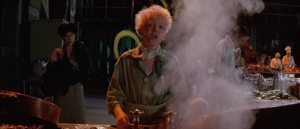
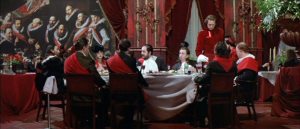
What makes tableau’s work in a cinema context is the fact that they are not cinematic in their qualities. There is something particularly “wrong” with them in the context that then draws our attention to their existence and therefore to our viewing.

And yet, though maybe not examples of the “cinematic,” what makes these images from Weekend and The Cook (et al) cinema is that, regardless of their tableau qualities, they exist in time and they have motion, and they are part of wholes that exist in time and have motion. Unlike the Jeff Wall images, these screengrabs are false images in a way, for the originals (and original intentions) are not of static moments, rather they move: the flames ascend, the steam rises, the camera pans and trucks.

And movement is the one thing photography lacks. But photography can suggest movement by capturing a thing in motion and presenting it as such. For example, this image:
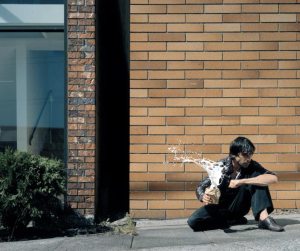

Milk, (1984)

Here Wall has created a particularly enigmatic image of a man crouching on a sidewalk or path with milk shooting out of the bottle for some mysterious reason. At least one thing that makes this image interesting is the fact that the milk is in an impossible position. Liquid does not hang suspended in the air like that. Photography provides a unique ability to capture such images

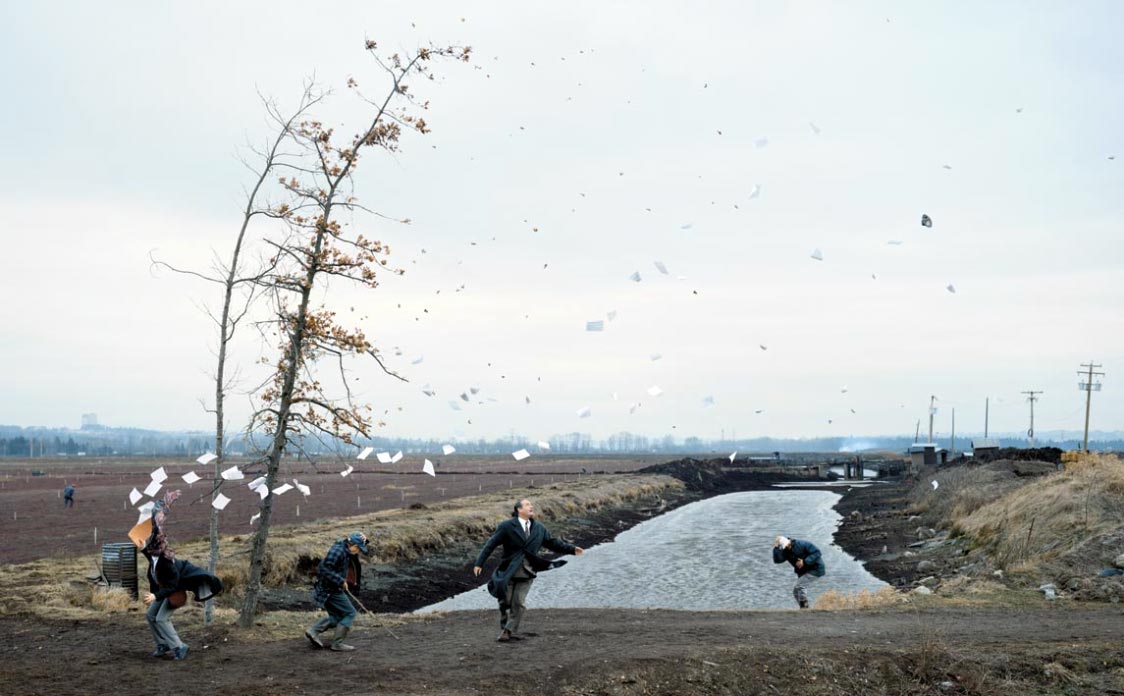
But Wall also works on a grander scale with imaging movement. Consider this image:
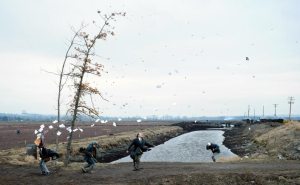

A Sudden Gust of Wind, (1993)

I would consider A Sudden Gust of Wind to look the most like a still from some film, maybe an Eastern European film. But of course this image is not the progeny of cinema. It is a re-imaging of a famous Japanese print:


This print is from Hokusai’s 36 Views of Mount Fuji. Hokusai lived from 1760 to 1849, before the invention of cinema.

So even when we get close to something that might be cinematic there are specific non-cinema connection that pull us back. What then is cinematic? What are its qualities?

I am going to say that cinematic is a feeling more than a set of specific characteristics. The reason being that cinema has so many characteristics that a mere listing, and then tagging, would be an almost endless task. But feelings come from somewhere, are grounded in something, and I believe to feel that a work of non-cinema is cinematic must be based in some sense of what makes a movie a movie and not something else.

Cinema’s greatest strength lies with its unique abilities to manipulate the image in time and space. But it is important to realize that there are so many connections with other arts and with the varieties of human expertise that strict demarcations are impossible. Regardless, the cinematic image is an image that moves and that exists in time. One could add montage to the list, but one can find montage in all the arts – even Eisenstein argued for that. There is great power in the combination of film images, but “[t]he dominant, all-powerful factor of the film image is rhythm, expressing the course of time within the frame.” – Tarkovsky, Sculpting in Time, p. 113.

But it is important to make a distinction. The time within the image is not the same as the time of the viewer even if they both tic off the same number of seconds. An artist creates a world and presents it to the viewer or reader. To receive the work is to enter into that world. With cinema one enters the image, as it were, and into the time of the story – into the world of the work. Cinema, unlike photography, can carry one along inside the image, inside the created world. The static photographic image, regardless of its qualities, can only go so far in this regard.

All arts create their worlds. What makes cinema cinematic is the ability to do so with greater power than other visual artforms, and in particular photography. Which brings us back to Jeff Wall.

There are aspects of Wall’s photographs that have kinship to cinema. But there is also a pushing back. The careful and obvious staginess, the frozen moment, the artificiality at times seem to undercut the cinematic label, even deny it. One may chaff at the mystery and long for more of a story, but Wall’s images, in that sense, are dead ends. Very quickly one realizes there really isn’t a story in the images because they are purely fabricated moments. They are not part of a rhythm. And thus, I see Wall’s works to be humorous in this regard: They draw one into an expectation of the cinematic but deliver something else. That something else is a mystery of Jeff Wall’s.
_____________________________________
*I have “screen grabbed” Jeff Wall’s images, except one, from the
Jeff Wall Online Exhibition at the MoMA web site. Needless to say, the images here are not quite as good as they are on the MoMA site, and nothing compared to the real thing.
>Semiotics of the Kitchen

>

As a matter of fact one is continuously anticipating expressions, filling up the empty spaces in a text with the missing units, forecasting a lot of words that the interlocutor may have said, could have said, will certainly say, or has never said.

>>Umberto Eco, A Theory of Semiotics 1979, p. 136

After reading Tram’s post (see: A Room of One’s Own) regarding Chantal Akerman’s Jeanne Dielman (1976), I was reminded of another famous examination of domestic life, Semiotics of the Kitchen (1975) by Martha Rosler. The first time I saw this short film I was in college studying film theory and loving it. I was blown away by Rosler’s piece, not merely because it was an exploration of the very of the concepts I had been studying, but also that she found a way to make semiotics funny (in a dry humor sort of way). Semiotics of the Kitchen was considered a seminal work of the period and shown for years in college film departments and media studies classes, etc. I wonder if it is still watched much anymore.

Semiotics of the Kitchen

>truly

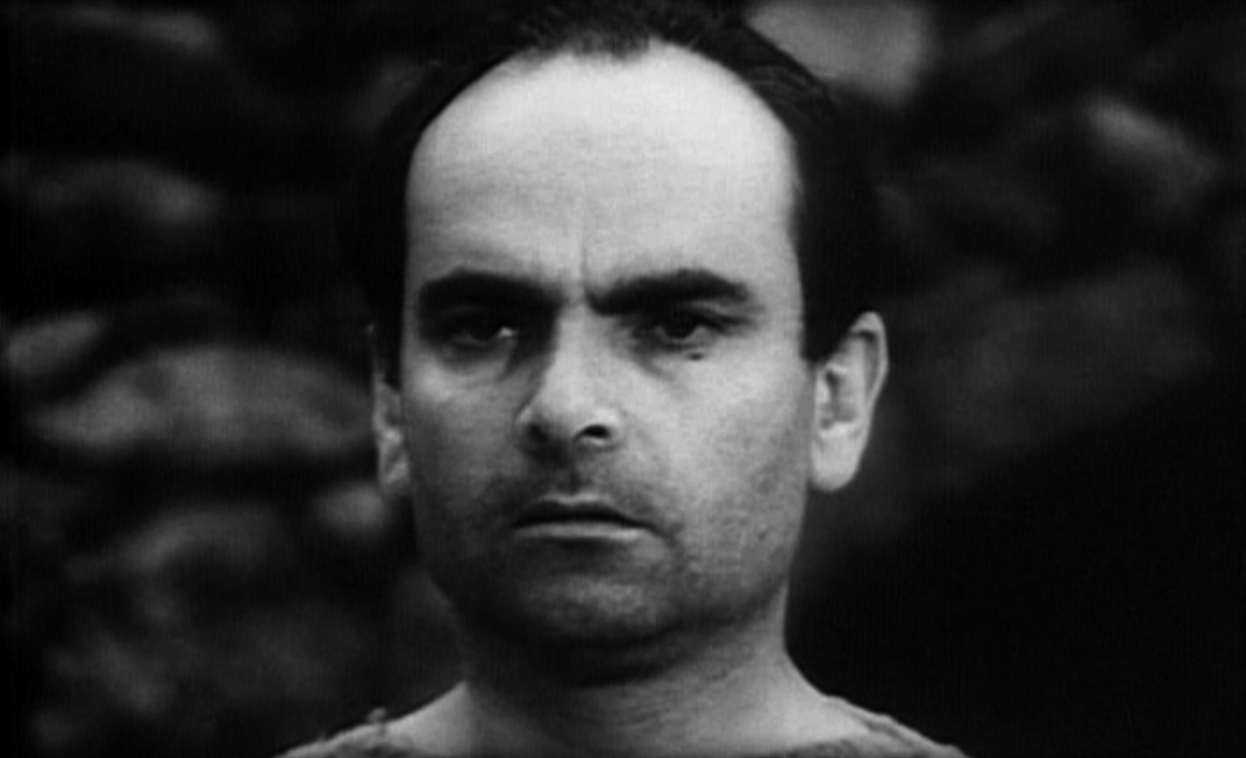
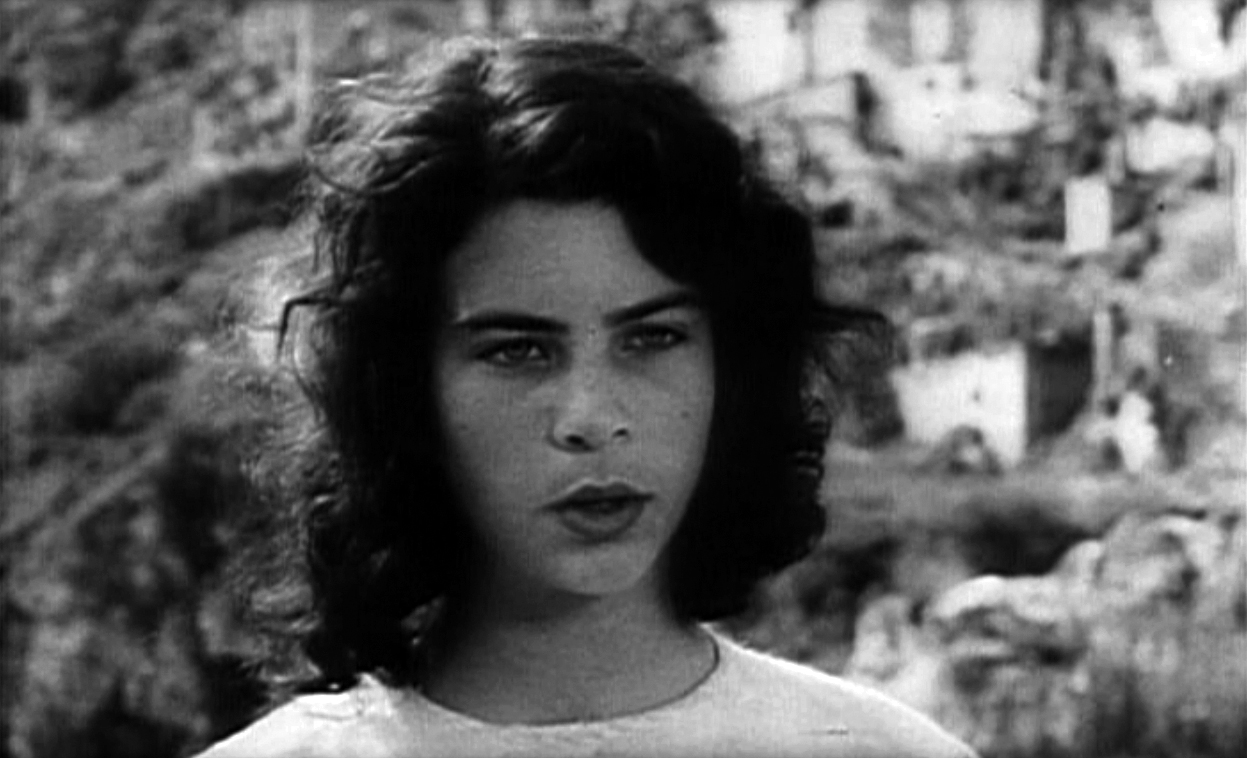
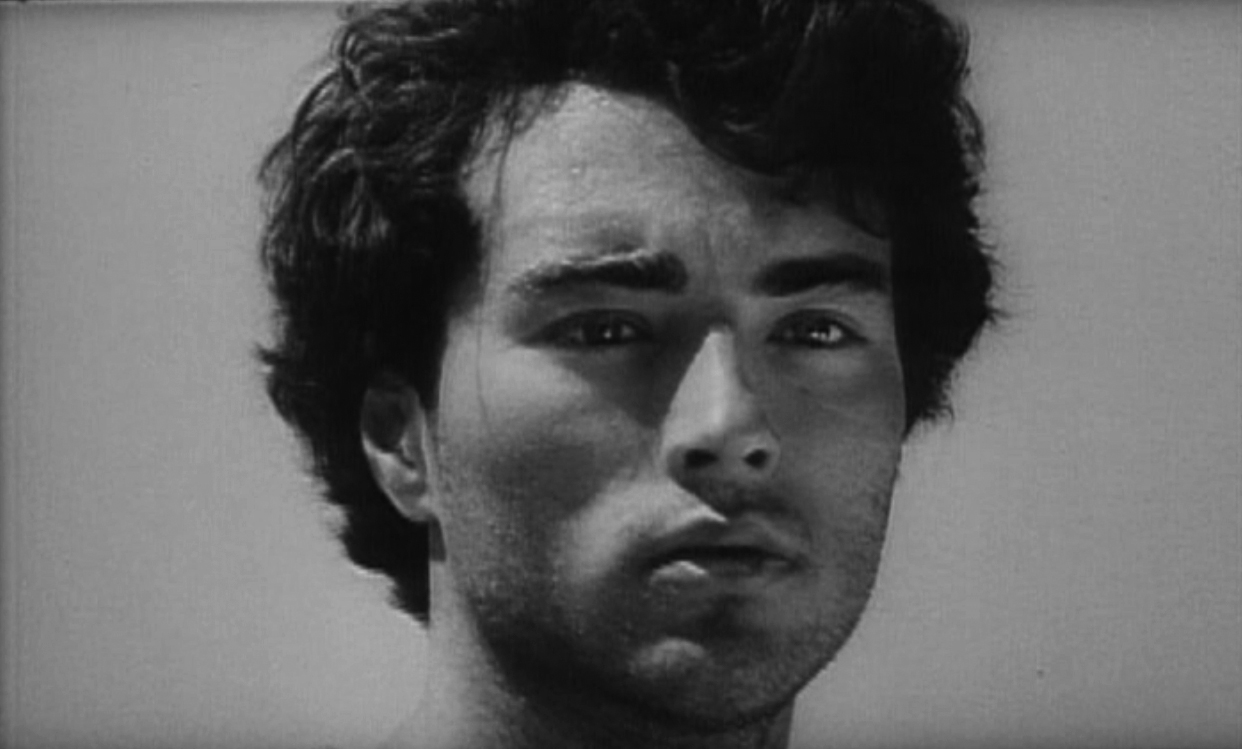
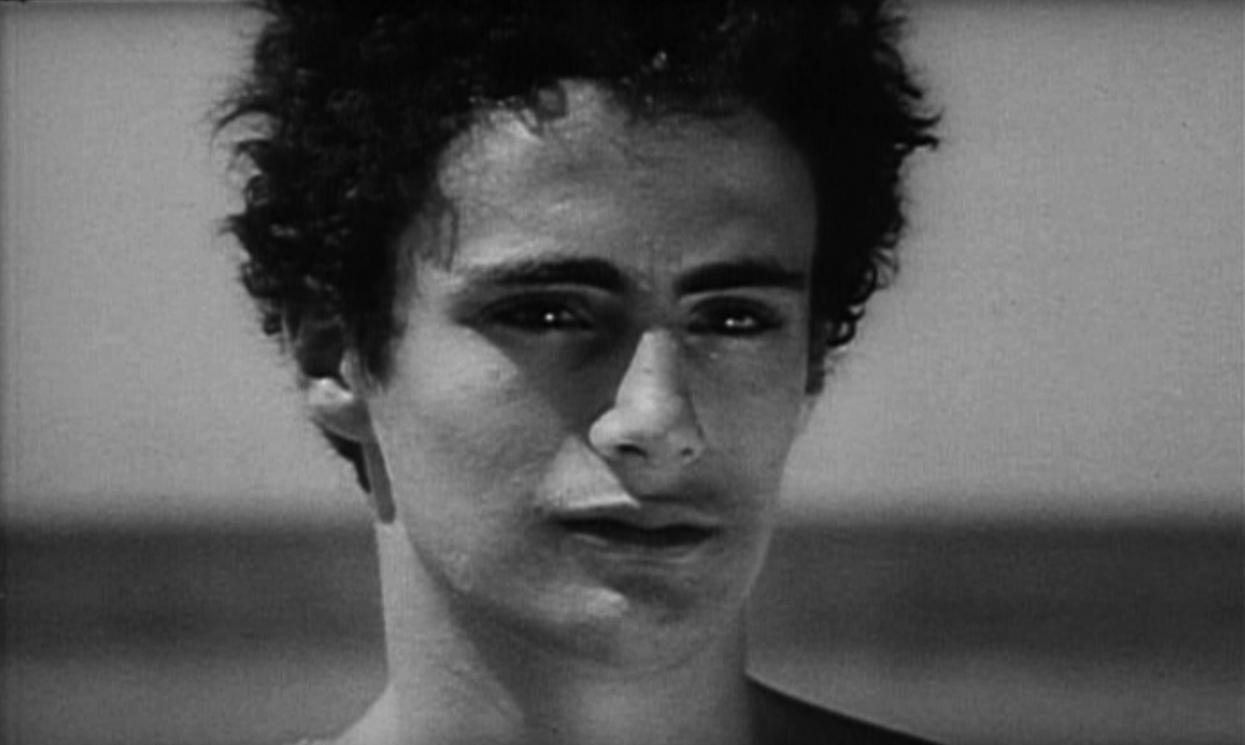
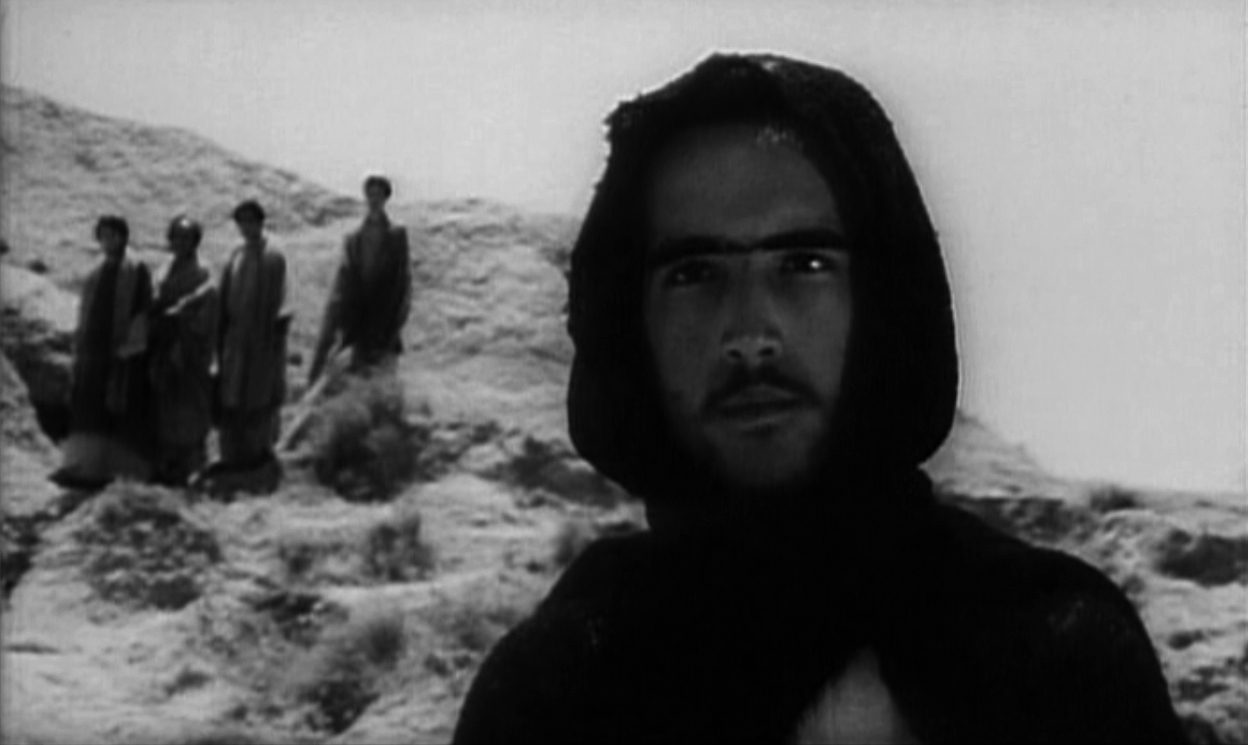
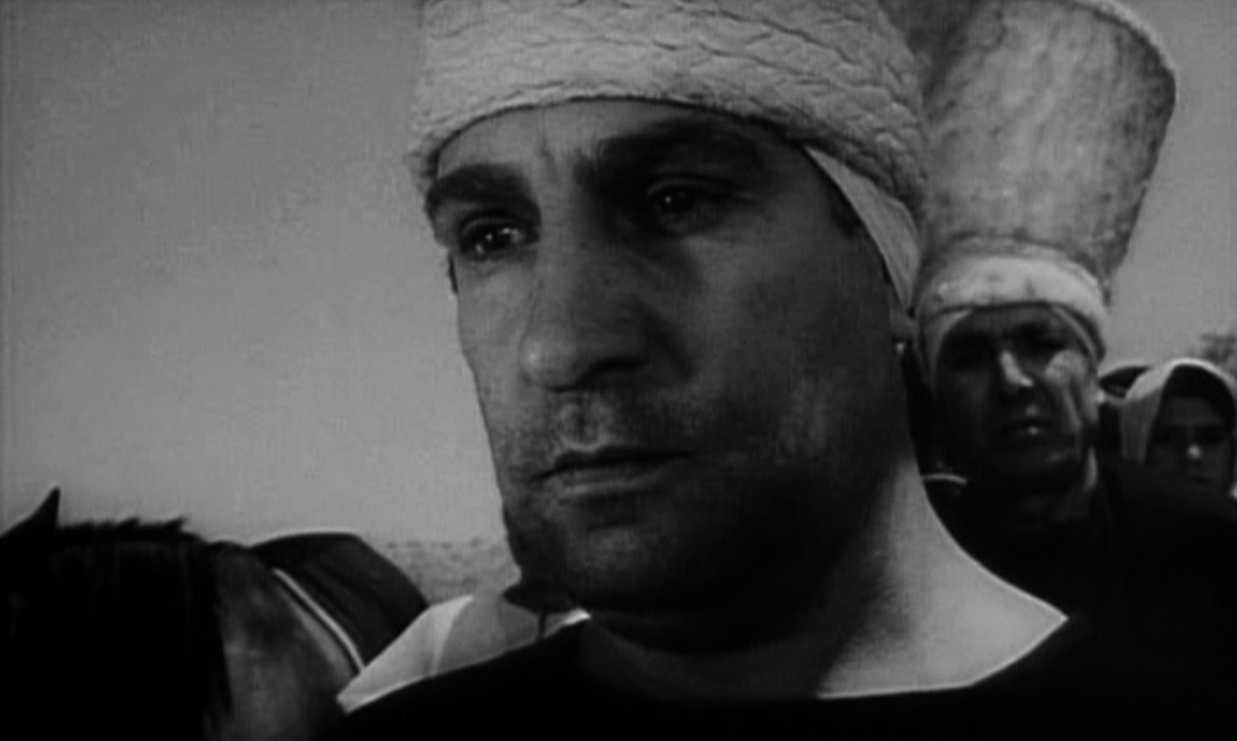
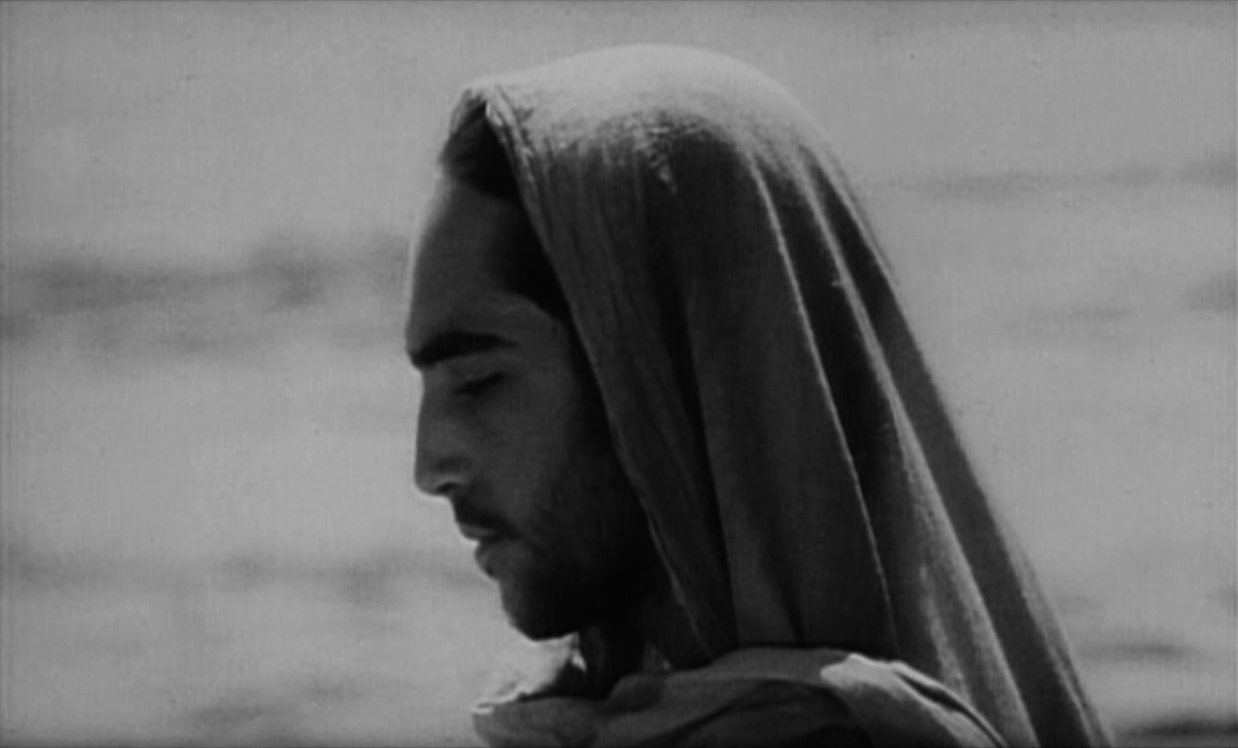
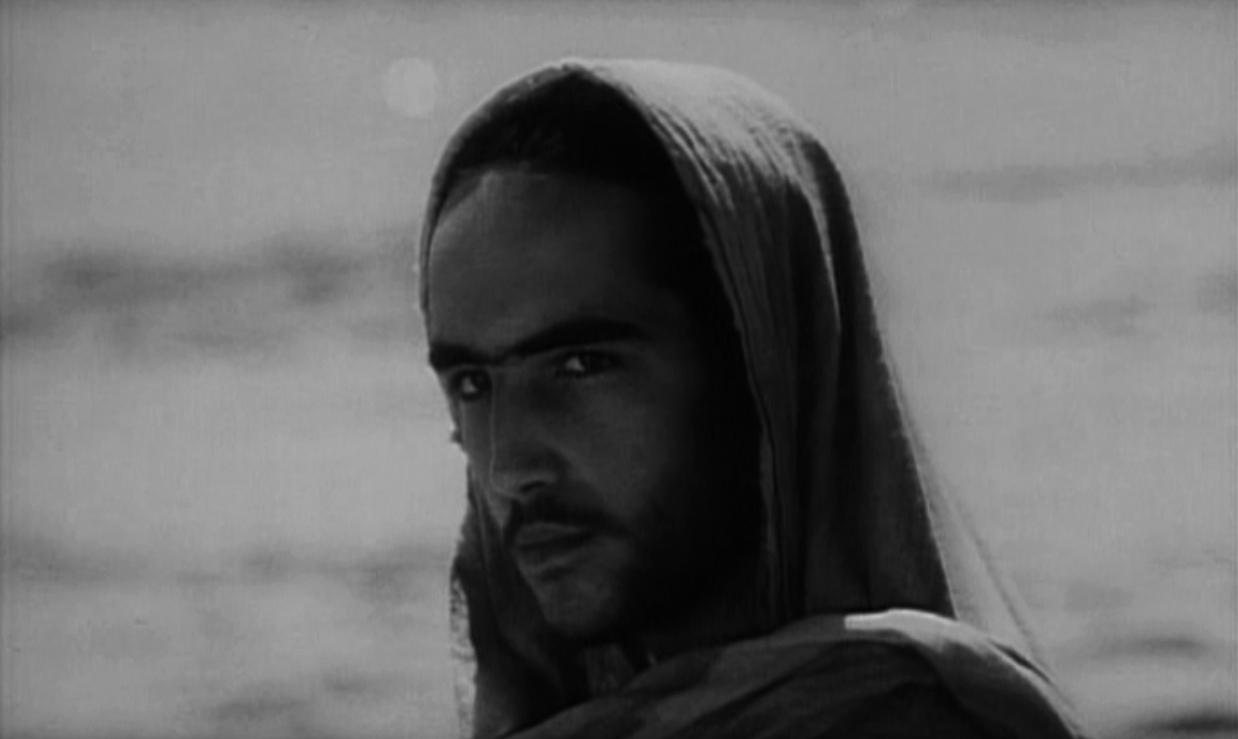
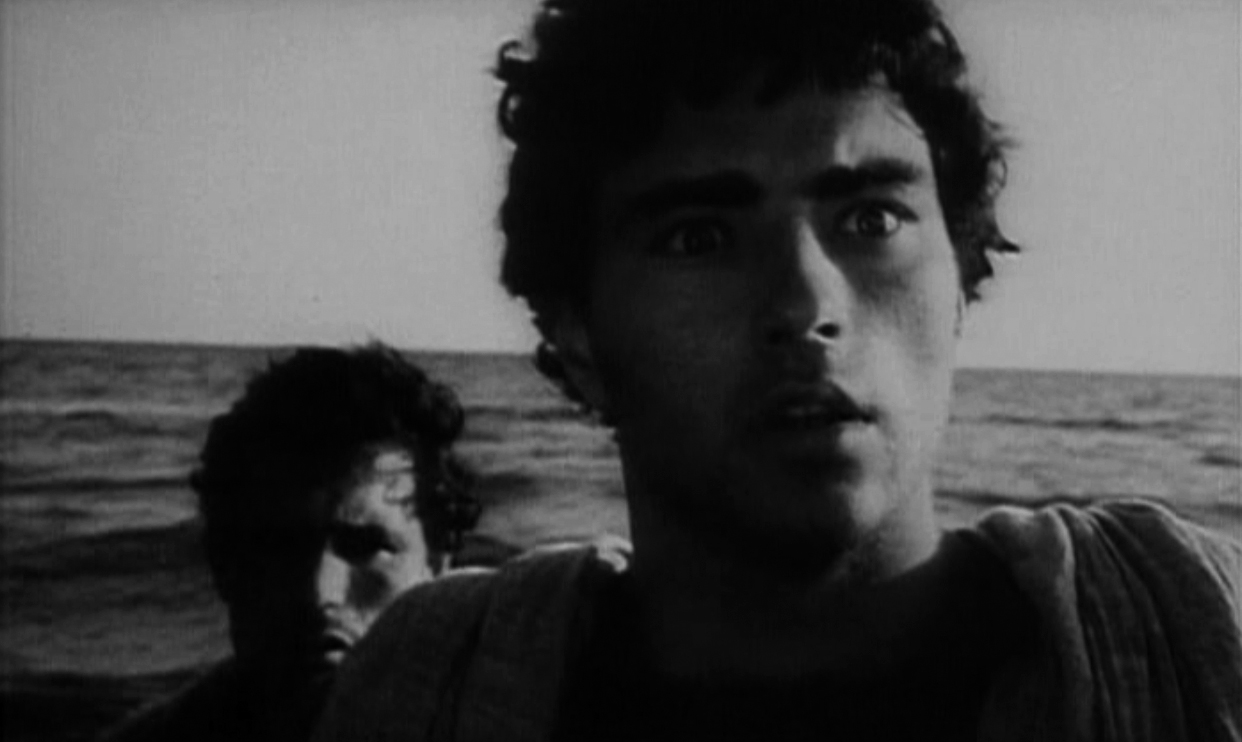
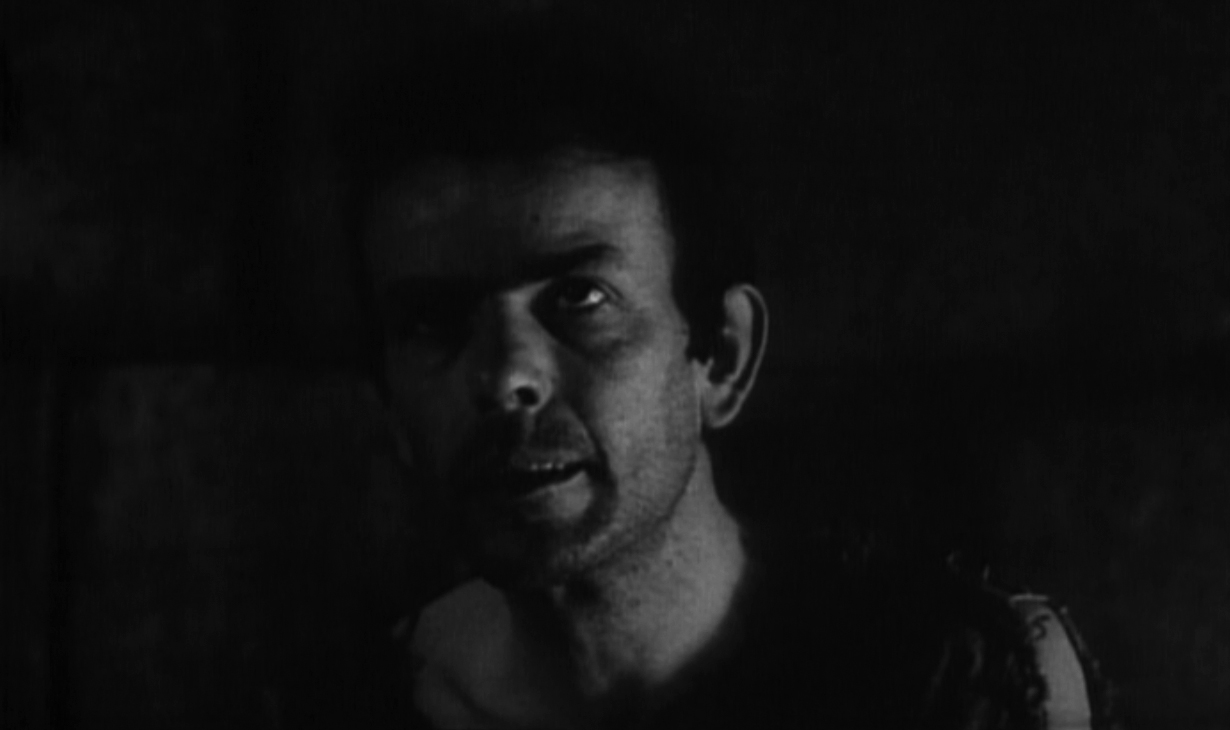
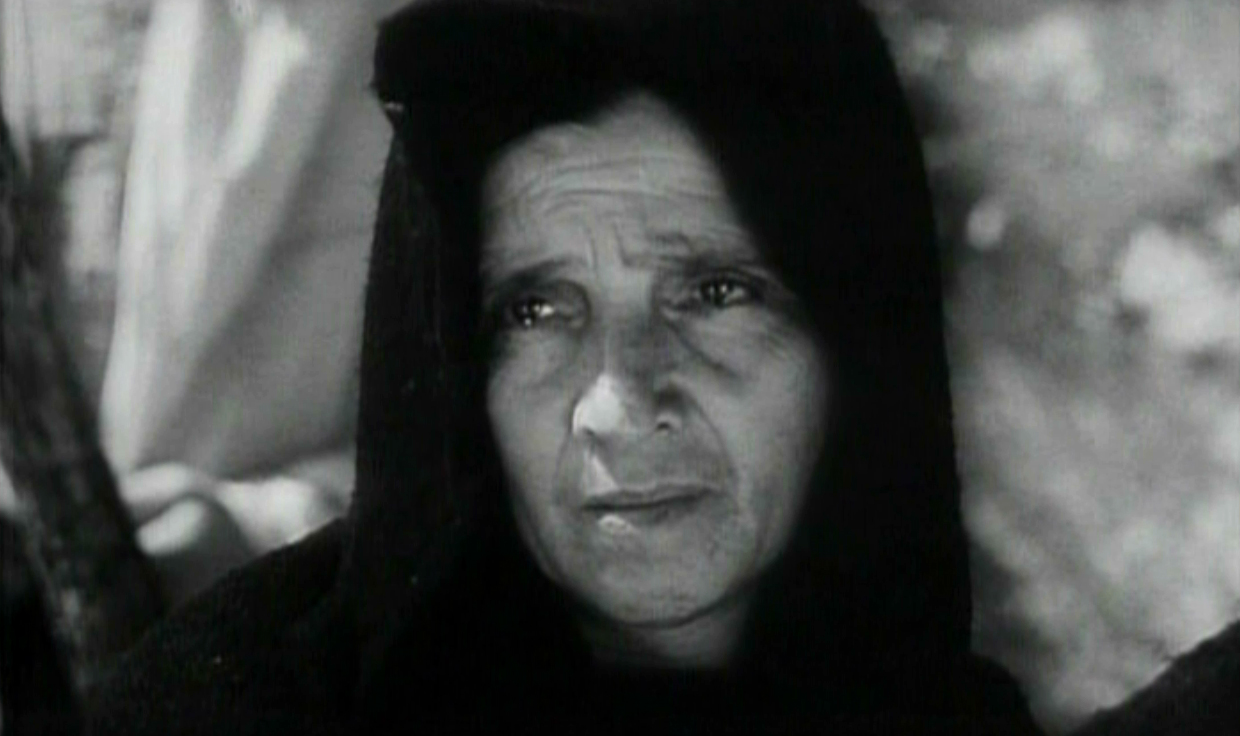
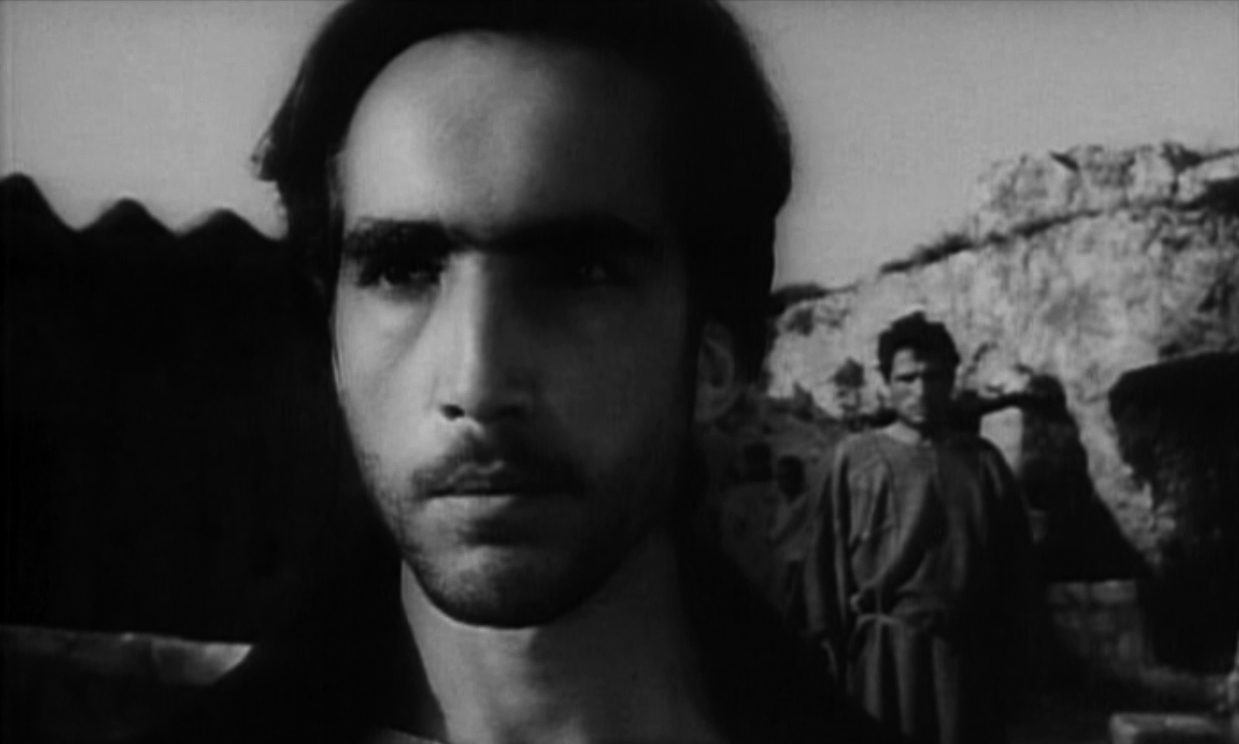
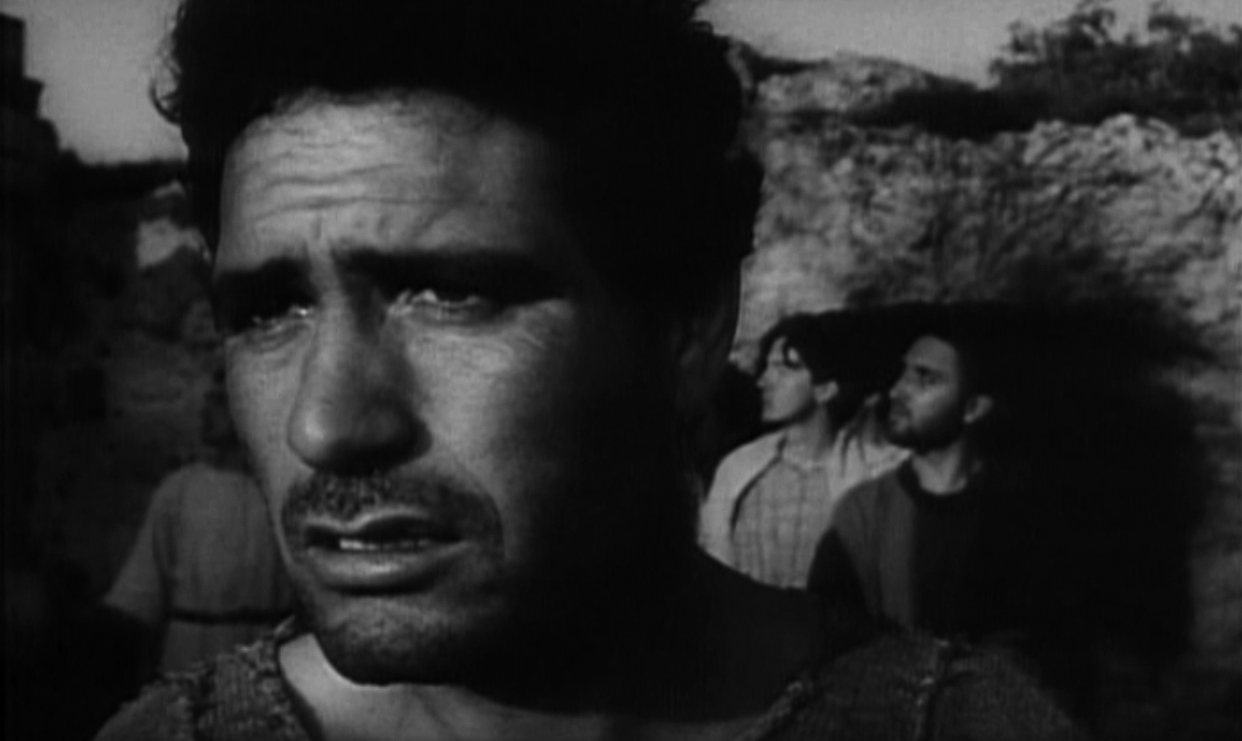
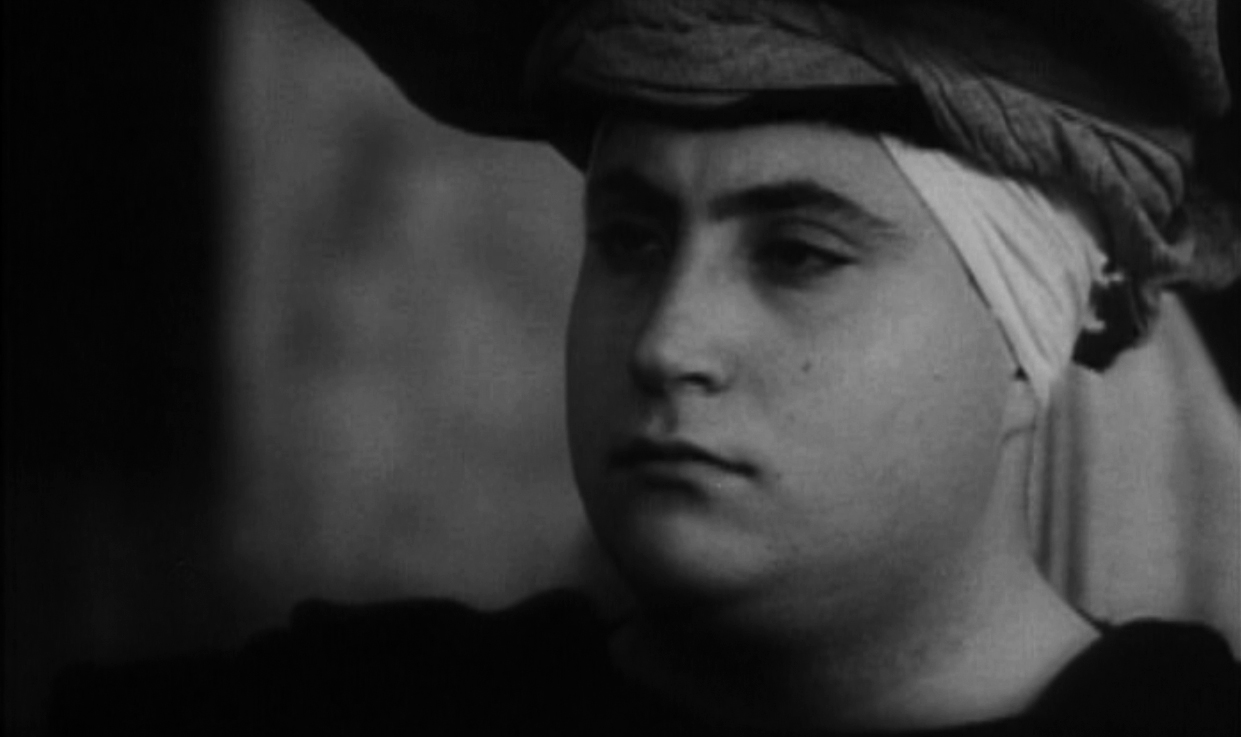
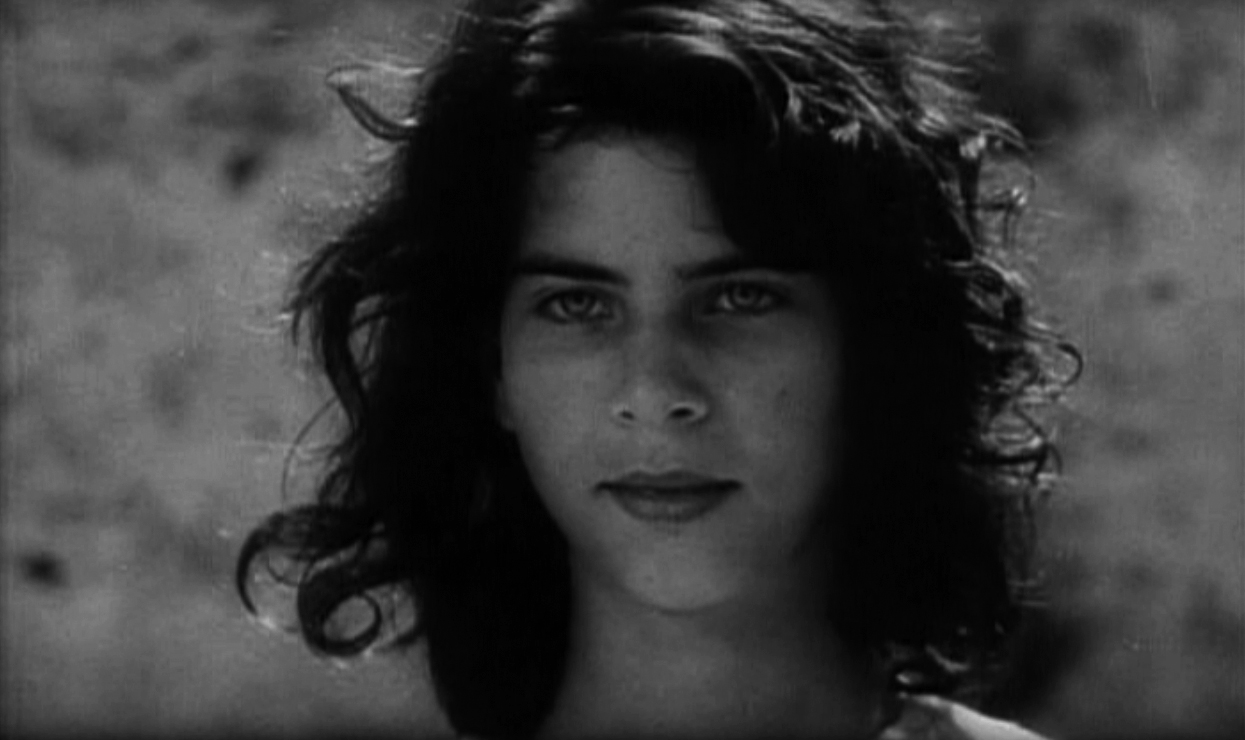
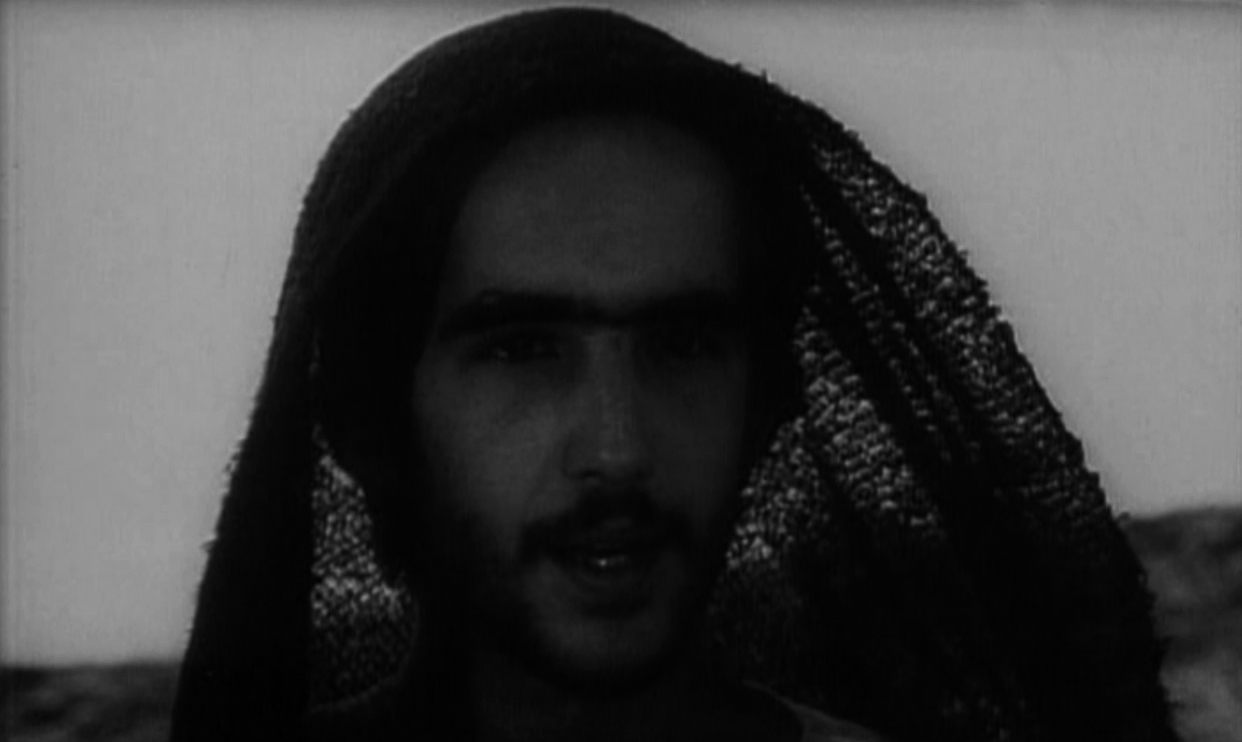
>56 faces from Pasolini:


From Il Vangelo secondo Matteo (1964)

untitled film post


I was always glued to the television when I was a kid, and I loved movies. There was one show, The Million Dollar Movie, that played the same film over and over every night for a week, so you could really know it by heart. I remember stumbling across a bizarre futuristic film that was made up of nothing but still images except for one of the final scenes, which moved: it was Chris Marker’s La Jetée, which must have been on PBS when I was a teenager. I didn’t know it was meant to be science fiction, it was just very weird. Another time I had to go with my parents to a dinner party and wound up watching TV in the basement, eating my little dinner alone watching Hitchcock’s Rear Window while the adults partied upstairs. I loved all those vignettes Jimmy Stewart watches in the windows around him–you don’t know much about any of those characters so you try to fill in the pieces of their lives.

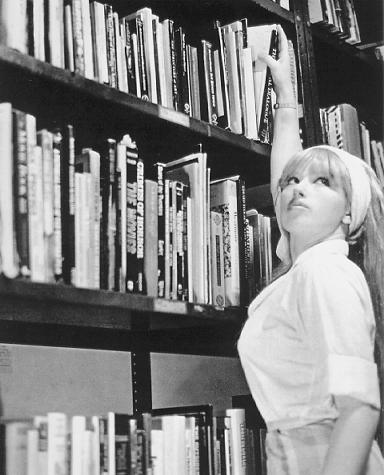
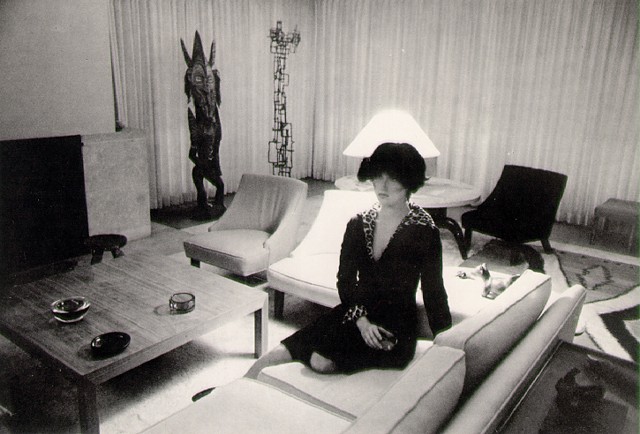
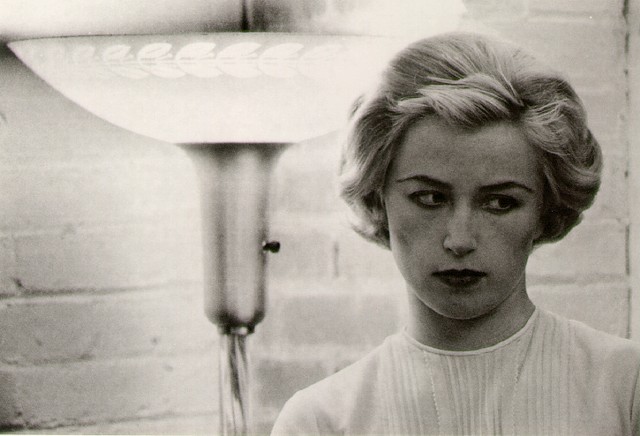
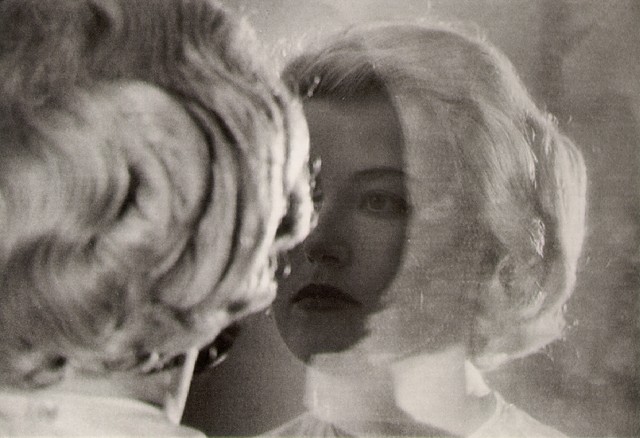
Cindy Sherman, The Complete Untitled Film Stills, MoMA 2003


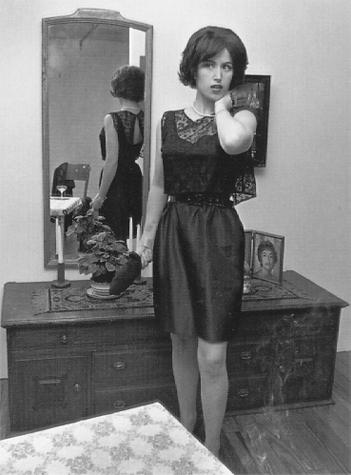
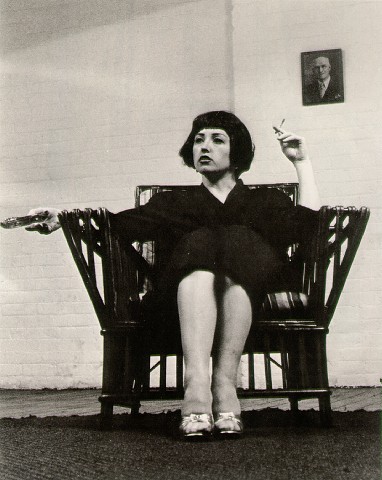
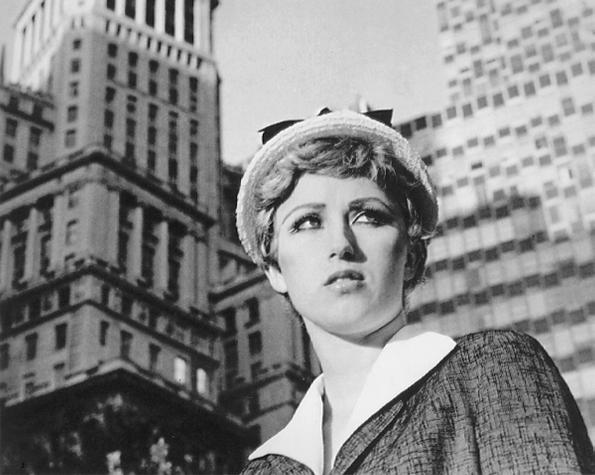
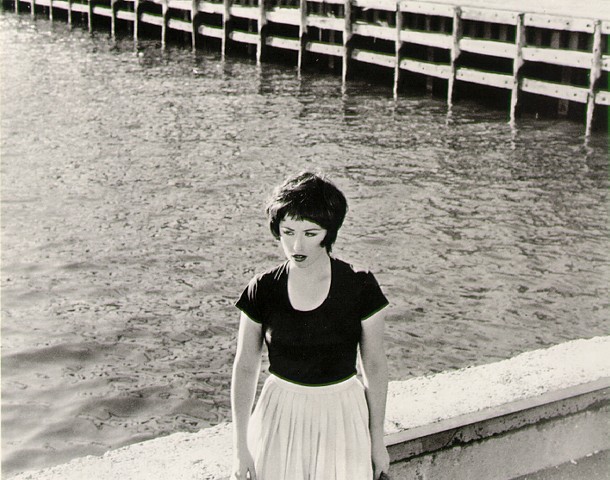
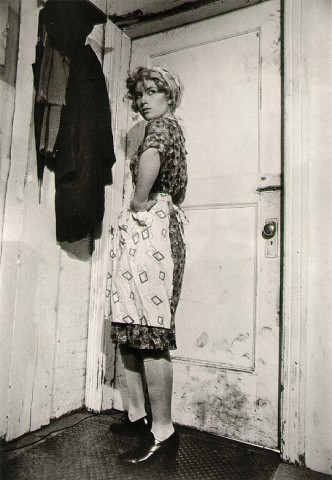
For years I have been fascinated by Cindy Sherman’s famous/infamous Untitled Film Stills series of photographs. I am still fascinated.


#7, 1978


I have wondered if the pictures truly represent established stereotypes of female identity and societal norms for some serious artistic purpose, or are really the end-product of just having fun. I am inclined to think that they really are about having fun, about dressing up, about the strange joy of having one’s picture taken, and about having some control over that picture taking, and, of course, about pretending to be someone else. I am inclined to think the pictures do invite a more contemplative attitude, but are first and foremost about play. Then again, I might be wrong.

#10, 1978

A gang of artists would converge there to watch Saturday Night Live or Mary Hartman, Mary Hartman. I’d be in my studio making up a character and then go out in character to join the party. I’d have put in all this energy into the makeup and I’d think, Why waste it. There’s a photo of me as Lucille Ball from that time: I had a wig that reminded me of her hairstyle.

Cindy Sherman, The Complete Untitled Film Stills, MoMA 2003

Then again, I might be right.

#13, 1978

Her fascination with self-transformation extended to her frequent trips to thrift stores, where she purchased vintage clothes and accessories, which suggested particular characters to her: “So it just grew and grew until I was buying and collecting more and more of these things, and suddenly the characters came together just because I had so much of the detritus from them.” Sherman began wearing these different costumes to gallery openings and events in Buffalo. For example, to attend a gallery opening, she dressed up as a pregnant woman. While there was an obvious performative element to this practice, Sherman never considered these outings “performances” in an artistic sense because she was “not maintaining a character” but simply “getting dressed up to go out.”

Amada Cruz, Movies, Monstrosities, and Masks: Twenty Years of Cindy Sherman, (2003)


#14, 1978

I didn’t want to make “high” art, I had no interest in using paint, I wanted to find something that anyone could relate to without knowing about contemporary art. I wasn’t thinking in terms of precious prints or archival quality; I didn’t want the work to seem like a commodity.

Cindy Sherman

#15, 1978


Ultimately, as I have experienced it, Sherman’s practice participates in what I have argued to be the opening of the subject to otherness (the baring of the circuits of desire connecting self and other in a dynamic of intersubjectivity) that gives what we might call postmodernism its most remarkable and particular antimodernist thrust. In feminist and phenomenological terms, the body, which instantiates the self, is a “modality of reflexivity,” posing the subject in relation to the other in a reciprocal relationship; through gendered/sexual performances of the body, the subject is situated and situates herself through the other.

Amelia Jones, Tracing the Subject with Cindy Sherman (2003)

#16, 1978

The subject, then, is never complete within itself but is always contingent on others, and the glue of this intersubjectivity is the desire binding us together (the projective gaze is one mode of intersubjectivity but functions specifically to veil this contingency by projecting lack onto the other rather than admitting its own). It is the intersubjective dimension of Sherman’s work that has largely been ignored (not surprisingly, since it exposes the investedness and contingency of every reading of her pictures – including this one).

Amelia Jones, Tracing the Subject with Cindy Sherman (2003)

#21, 1978


The work is what it is and hopefully it’s seen as feminist work, or feminist-advised work, but I’m not going to go around espousing theoretical bullshit about feminist stuff.

Cindy Sherman

#25, 1978


The still must tease with the promise of a story the viewer of it itches to be told.

Cindy Sherman

#35, 1979

I find it interesting that many of Sherman’s Untitled Film Stills do not follow any standard film aspect ratios: #35 above for example. I believe that one might almost not notice this fact because of the naturally evocative power of the image, and all her images. We are given the title and accept it as though it were from a film. We know it is not; we know it is entirely contrived; but then again, we know that all film is entirely contrived, that images of women (and men, and of ethnicity, etc.) are all contrived, all reductions in one sense of another. Sherman is giving us our stereotypes, our comfort and our curse. While we are looking at her, at her dressing up before the camera as though she were not herself, we are looking at ourselves. It does not matter whether one is a woman or a man, when one looks at the image, one is looking at oneself. That is why we do not see the faulty aspect ratio. There is nothing more fascinating to oneself than oneself.

#48, 1979

Why do images #48 and #50 remind me so much of David Lynch?

#50, 1979

The text between these images you can take it or leave it. If the images contradict the text, the images win.


#53, 1979

Men look at women. Women watch themselves being looked at.

John Berger, Ways of Seeing (1972)

I always though Berger was right. But I’m no longer so sure. And yet, I don’t doubt Berger.

#56, 1980

Not a final word: What is it I see in myself when I look at Sherman’s Untitled Film Stills?

I see myself looking at myself looking at a photograph of a woman knowing that I am looking not at herself, but at her creation. I see my psychologiocal self swimming in a sea of signifiers. I see myself as a moral agent who makes choices to believe, or not believe. I see that I, as a singular individual, am plural.

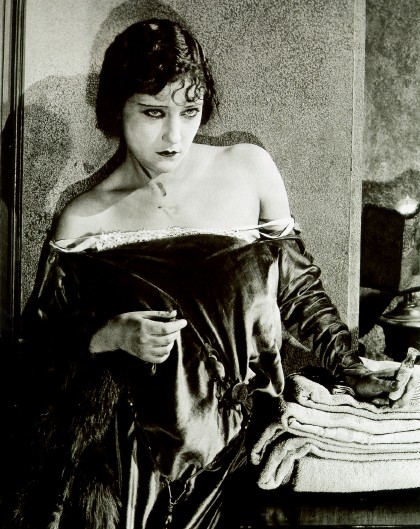
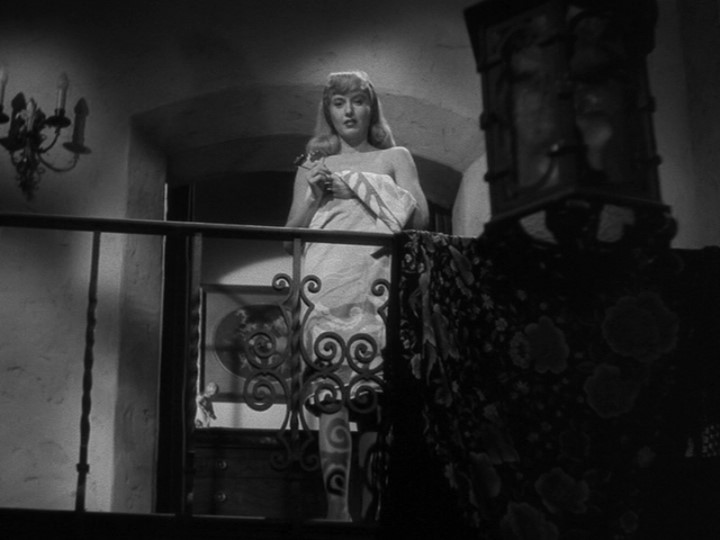
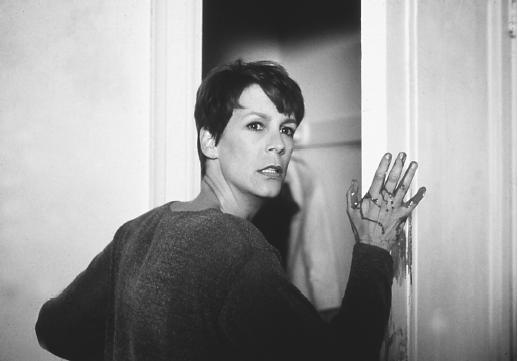
Before and After: A Sample

Gloria Swanson: before

Barbara Stanwyck: before
Jamie Lee Curtis: after


You know the rest.

Cinema Sublime: considering contemplative cinema’s relationship to the infinite

Okay, the contemplative cinema blogathon is voodoo. I mean, I have been thinking about it too much when I should be working on my thesis. Bad, bad, bad. So here are more of my thoughts:

Contemplative cinema seems to have certain aesthetic traits. An excellent overview of the most obvious traits can be found at The Listening Ear: Defining Contemplative Cinema (Bela Tarr). I have also tried to triangulate somewhat on the traits with these posts on “Art Cinema” Narration: Part One, Part Two, and Part Three. Then I tried, somewhat unsuccessfully, to describe the distancing aspect of contemplative cinema by way of contrast here. And finally, I tried, feebly, to find some links to 20th century painting and contemplative cinema here. In some ways I feel my posts have only been scratchings at the surface and not really getting at the heart of the matter. I anticipate this post will also add to the scratching. Probably because I do not see a “solution” to the question of contemplative cinema, merely a myriad of signifiers in an ever expanding galaxy of meaning.
I firmly believe that contemplative cinema is not the sum of a set of unique traits – the long shot, narrative in the background, etc. – although there certainly are unique traits. Contemplative cinema must, I believe, come from a set of ideas – loosely organized and very arguable for sure. What those ideas are is too big of a topic for this post, but I have an idea that the ideas behind and underneath contemplative cinema are complex, very human, and have deep roots planted long before cinema was born.

Here’s just one possible approach to one kind of contemplative cinema.

The concept of the sublime and contemplative cinema
In the 17th and 18th centuries our (richer) predecessors trudged through Europe on their grand tours seeking that fullness of experience that would round out their lives and, if young, complete their educations. When confronted with the awesome grandeur of the Swiss Alps, these trekkers gaped in fearful admiration at nature’s terrifying and beautiful power. Trying to give name to the strange and conflicting experience of fearfulness and mutual attraction, philosophers gave it the name “sublime,” and then set out to argue about it from then until now. Edmund Burke and Emmanuel Kant both dove masterfully into the subject, but it is Schopenhauer who may have clarified it best for us when he listed off the stages of going from mere beauty to the fullest feeling of the sublime (taken from Wikipedia):

Feeling of Beauty – Light is reflected off a flower. (Pleasure from a mere perception of an object that cannot hurt observer).

Weakest Feeling of Sublime – Light reflected off stones. (Pleasure from beholding objects that pose no threat, yet themselves are devoid of life).

Weaker Feeling of Sublime – Endless desert with no movement. (Pleasure from seeing objects that could not sustain the life of the observer).

Sublime – Turbulent Nature. (Pleasure from perceiving objects that threaten to hurt or destroy observer).

Full Feeling of Sublime – Overpowering turbulent Nature. (Pleasure from beholding very violent, destructive objects).

Fullest Feeling of Sublime – Immensity of Universe’s extent or duration. (Pleasure from knowledge of observer’s nothingness and oneness with Nature).

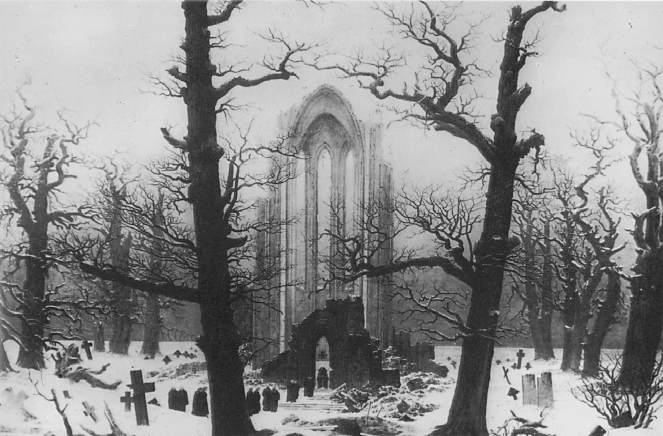
For examples in painting we might look at Caspar David Friedrich’s Cloister Cemetery in the Snow (1817-1819)…


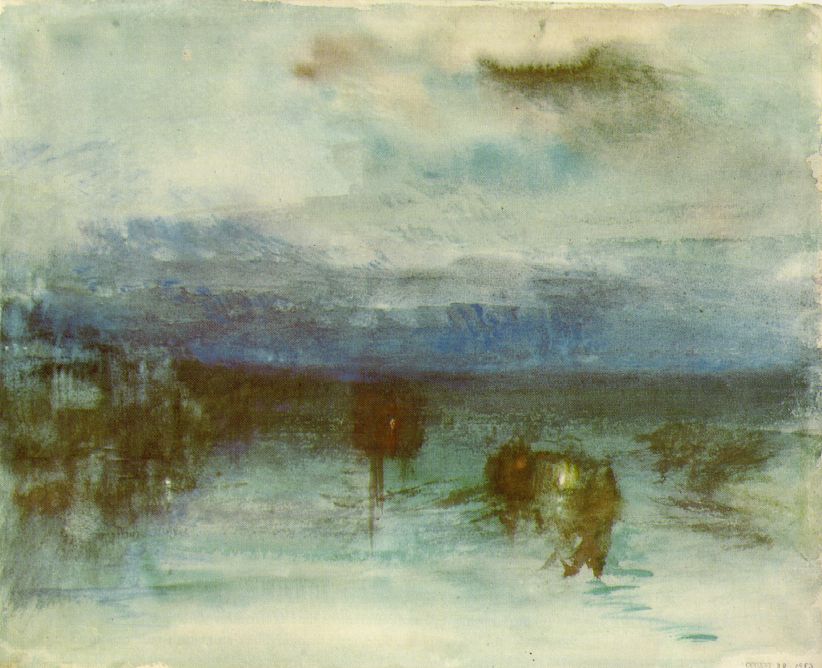
…or at JMW Turner’s Moonlight (1840)

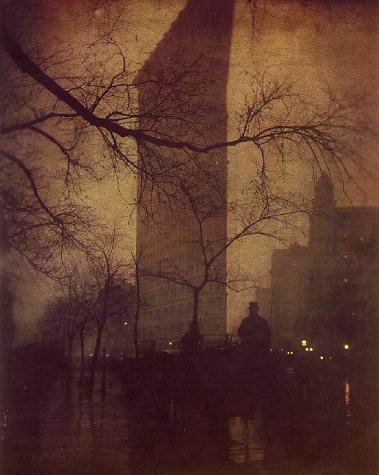
In photography we might consider Edward Steichen’s The Flatiron (1905)…

…or Minor White’s Pacific, Devil’s Slide, California (1947)


I believe we can use these examples from other arts as part of the groundwork in understanding how the sublime might function within contemplative cinema.

Prior to the 20th century the sublime was found mostly in nature, which, for all its potential danger, is fundamentally morally neutral. But in the 20th century unimagined horrors were foisted on humankind – trench warfare in WWI, the Nazi genocide of European Jews, the atomic bombs dropped on Japan, and the list continues. I would argue that a shift occurred in the concept of the sublime to include the fact that human beings commit such horrors, both consciously and subconsciously, and that that inclusion has had a significant affect on the arts including cinema. In other words, one could extend concepts of turbulent nature, overpowering turbulent nature, and the immensity of the universe’s extent to the apparently overpowering aspects of human desire, the power of technology, and human evil. A fully engaged response to this reality could include a scientific approach where one just has to face up to the emptiness of human existence in a world created by time + matter + chance, or it could explore the soul as though on a sea of meaning both frightening and hopeful.

What I am saying is nothing new. However, I think the modern concept of the sublime, with its roots going back to 17th century, may offer pointers towards an understanding of contemplative cinema. For example, it is obvious the Bergman’s The Silence or Resnais’ Hiroshima mon amour are artistic explorations of a human response to the modern world from within a position of the nihilistic universe, but a more sublime film, such as Tarkovsky’s Stalker, might address the same concerns, but from a different vantage point. I would argue that that vantage point is not the scientific perspective of the individual in a cold universe, but the soul in relation to the infinite. This is not to say the Bergman or Resnais (in these examples) did not make contemplative films, but they do so by rooting the viewer in the narrative process and therefore in a materialistic world. I propose a sublime contemplative film calls the viewer beyond the narrative – and to me this seems to be a higher level of contemplation.

Another angle on the sublime might be:
The experience of the sublime involves a self-forgetfulness where personal fear is replaced by a sense of well-being and security when confronted with an object exhibiting superior might, and is similar to the experience of the tragic. The “tragic consciousness” is the capacity to gain an exalted state of consciousness from the realization of the unavoidable suffering destined for all men and that there are oppositions in life that can never be resolved, most notably that of the “forgiving generosity of deity” subsumed to “inexorable fate”. (also taken from

Wikipedia )

In this sense the sublime is an almost religious concept – one might think of the concept of fearing God (a combination of love, reverence, and trembling), for example. A contemplative film which has its roots in the sublime might then call on the viewer to transcend narrative construction (mentally speaking) in order to enter into a feeling of the “tragic consciousness” of the universe, and thus transcend narrative climax. The potential issue with this way of thinking, however, is the reality that the viewer’s response is personal, which is unique for each viewer. That is why I cannot go so far as to say the characteristics of contemplative cinema are a set of particular visual or narrative cues. But there may be characteristic goals.

Does it make sense to see contemplative film, then, as primarily non-narrative? One might consider Love Song (2001) by Stan Brakhage, an abstract, undulating, “hand-painted visualization of sex in the mind’s eye.” No doubt this short, purely abstract film seeks to produce an effect within the viewer. No doubt it calls of the viewer to be open to exploration of the self in some capacity. But what can we really say about it? In my opinion, sublime contemplative film still needs something more tangible to hang on to, and part of that tangibility is narrative, even while seeking to transcend narrative.

Love Song (2001)


Of course, a question raised by considering a film such as Love Song is whether or not sublime contemplative cinema succeeds by accurately representing something that is already sublime, or whether by using cinematic means, however so, to induce a feeling of the sublime in the viewer.

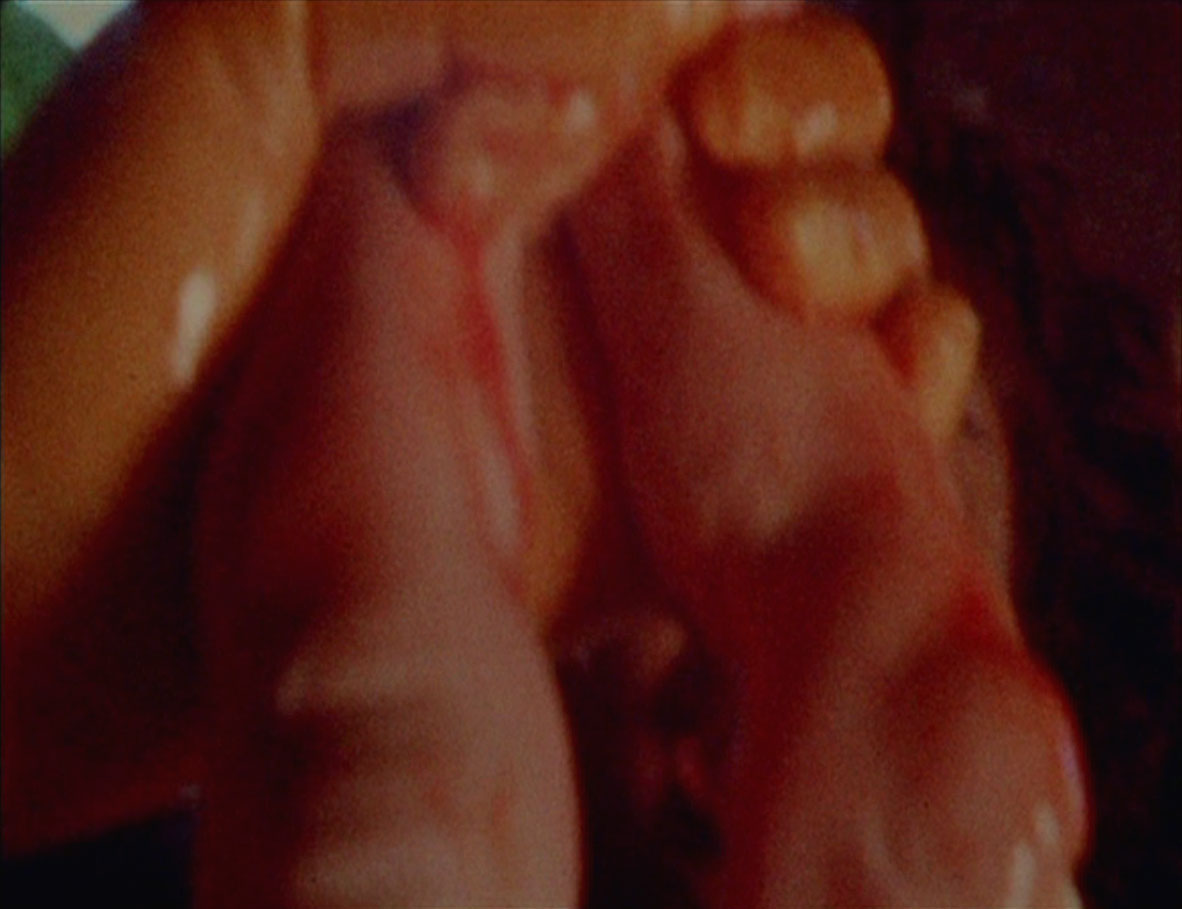
A better option may be to consider another Stan Brakhage film, Window Water Baby Moving (1962). In this powerful short film about the birthing process there is the natural narrative of the birth. Although told unconventionally, there is enough of a narrative, and just enough balance between abstraction and reality, that one can “enter” into the film more fully. This entering process then allows the transcending process to be more substantial, that is, it seems more likely that the viewer will end up in a different place at the end than at the start, psychologically and spiritually speaking. The sublime nature of the piece shines through in the combination of the beauty of body, life, and love with the graphic intensity of actual birth in bloody closeup.
Window Water Baby Moving (1962)

Interesting, Window Water Baby Moving is constructed via the often rapid juxtaposition of many different images, and thus potentially subverts the idea that contemplative film is necessarily and characteristically made of lengthy shots in which very little action takes place.

Finally, a cinema of the sublime is not a genre or style or even a set of aesthetic choices so much as it is a particular attitude to the place of human beings in the universe. How this plays out in the arts can be varied and fascinating. I believe the concept of contemplative film includes the concept of the sublime whether is is of primary emphasis or resides in the background. I’m sure much more can be said, but I will leave it there.
more fun with contemplative cinema


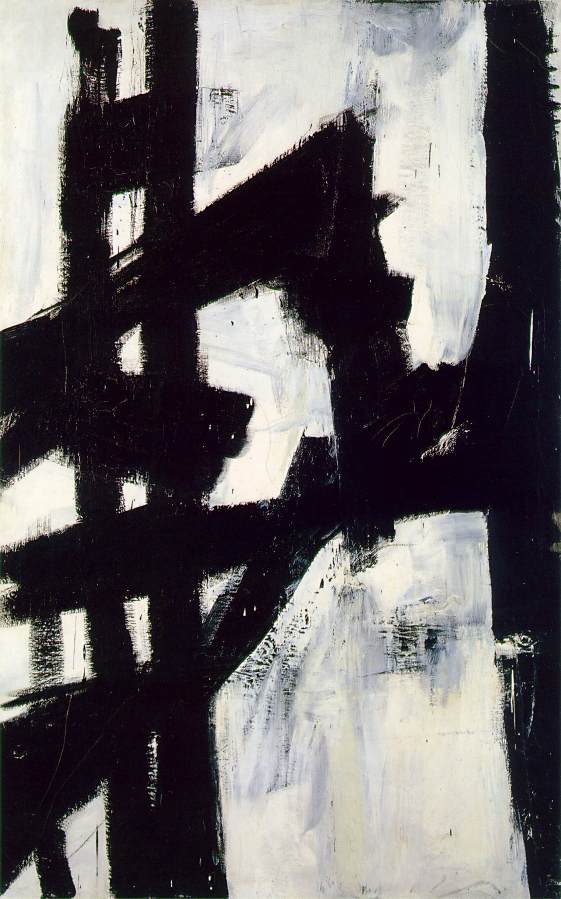
New York, N.Y.
Franz Kline, 1957


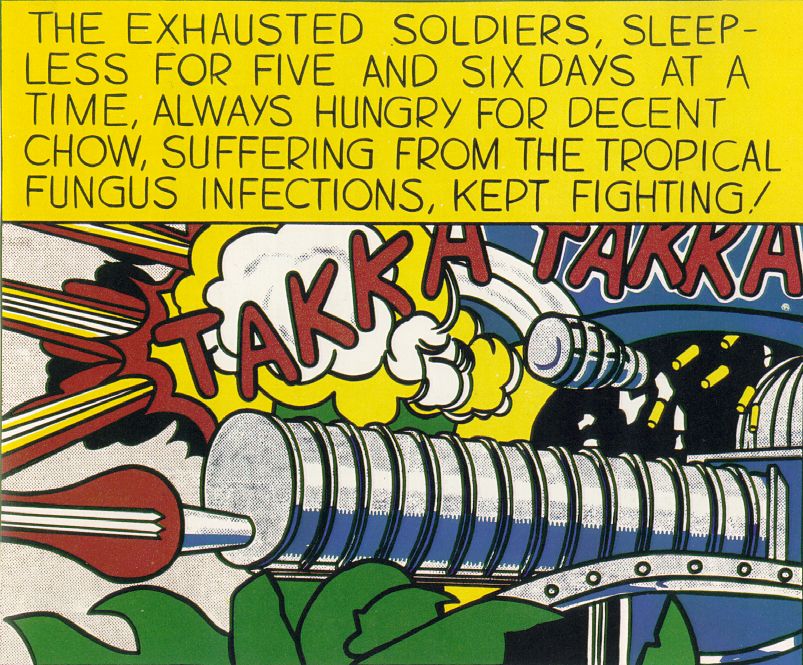
Takka Takka
Roy Lichtenstein, 1962

A thought experiment on “contemplative cinema.”

As I mentioned in my previous post (towards an exploration of contemplative cinema) on the subject, I see contemplative cinema producing a distancing effect, but not in terms of the politics of the image, as one finds with Godard. In other words, not in terms of power. I see the distancing effect being much more subtle and ultimately inviting – a kind of drawing one into the subtext of the film by way of “asking” the viewer to contemplate the object (film, image, etc.). Contemplative film is, in this way, highly connotative. The reason I bring up Godard by way of comparison is because his work is such a good example of one kind of of disanciation, and I want to foreground the other. One side of distanciation pushes the viewer back, making her aware of the contingent and contrived nature of cinema, of the power of the cinematic image, and the ability (even necessity) of subverting that image by the viewer. The other side is to see the process helping the viewer to more fully and consciously participate in the philosophical and artistic implications of the cinematic image. For the contemplative film I believe those implications are frequently grounded in the sublime rather than the political.

[Note: I use the term “political” in a structuralist/post-structuralist sense developed within screen theory which treats filmic images as signifiers encoding meanings but also, thanks to the apparatus through which the images are projected, as mirrors in which, by (mis)recognizing themselves, viewers accede to subjectivity. In my view, contemplative cinema is concern with other things.]

In this light, I wonder what connections to other arts can we make. I believe that comparisons can be a good way to zero in on the topic. One thought is in the comparison we can create by placing two painting genres side by side: abstract expressionism and pop art. I see these two painting genres to be somewhat similar to the differences we find between contemplative cinema and what we might call, more or less, political cinema. It seems to me that New York, N.Y. by Franze Kline (1957) can be compared with Takka Takka by Roy Lichtenstein (1962) along similar lines as one might compare, for example, The Mirror by Tarkovsky (1975) and Deux ou trois choses que je sais d’elle by Godard (1967). I don’t have the time at this point to go into a full analysis (I would love to if I could), but I think there are a few salient points. I think it is fair to say that both paintings call attention to themselves, that both point to something beyond the obvious features of each, and that Takka Takka sets one back on one’s heels bit while New York, N.Y. calls for attentive, yet quiet contemplation. That is the difference, as I see it, between two possible intentions of distanciation.

This kind of comparison seems valid to me, but I am curious as to how others see it. I am also curious as to other contemplative cinema comparisons with non-cinema stuff, such as landscape archtecture or poetry. I welcome your comments.

>thinking & making & thinking

>Some unformed thoughts on the relationship between film criticism and film making, followed by a shameless plug.

Here’s the theory:
I am convinced it is good that those who think & write about films & filmmaking (including video/tv production) should also have some hand in actually doing the “making”; not in the specific film beings critiqued, but in the general process of filmmaking. My thought is this: Filmmaking is a complex craft, often collaborative and impossible to grasp all at once. The end product of filmmaking, the film, is also complex and impossible to grasp all at once. One has to focus on parts and try to related them to wholes. By dealing with the filmmaking process one may become more sensitive to the multiplicity of signifiers (to throw in a little semiotics) up there on the screen.

The interplay between the making and what is made is a fascinating topic, but that is not my point here. I believe that to be a good critic it may be helpful, not necessary but helpful, to have been a part of the process of solving the kinds of problems faced by filmmakers. I say not “not necessary” because any film under scrutiny must be taken as it is regardless of its means of production or even the intention of the filmmaker. The critic must attend to the film before her/him. However, production brings one closer the fact that filmmaking is a very human endeavor.

Unfortunately, I am unable to provide an example here of any “better than typical” criticism by someone who has also done significant production. So maybe my idea is bunk.

But I have to say production (film or video) is a hoot.

Now for my own shameless plug:
Years ago I used to make my living with film and television production. I have always wanted to get back into it, but for various reason have not.

Recently, however, I had the privilege of “tagging along” on the crew of a recent video production – I handled script continuity and took a number of production photos. The video is called All Sales Final and it was part of the 2006 National Film Challenge – The Premise: Participating teams have just one weekend to write, shoot and edit a short film or video. To make things interesting, each team is given a genre for its film, and a character, prop and line of dialogue that must appear in each team’s movie.

The National Film Challenge: http://www.filmchallenge.com/index.htm

You can see my production photos here:
http://picasaweb.google.com/cineboy65/AllSalesFinalFilmChallenge2006

All Sales Final