>Society, Technology, Neil Postman, and Crap-Detection

>I’ve been thinking of the late Neil Postman lately. His seminal book, Amusing Ourselves to Death, would be a great re-read now with the presidential election looming. He was always one to remind us of how technology has changed the way we communicate, think, and conduct public discourse. He warned us of what we lose when politics becomes theater made for television rather than face to face debate and an exchange of substantial ideas. I was thinking of that when I was watching the Democratic convention last night. A convention, I have to say, that I thoroughly enjoyed and by which I was frequently moved to genuine emotion. Nevertheless, it was grand theater and the real proof, as they say, is in the pudding.

Here is Neil Postman speaking ten years ago on technology and society:

Part 1

Part 2

Part 3

Part 4

Part 5

Part 6

Part 7

I cannot help but wonder how the current political campaign, and the way we think about about it, has been affected by the Internet and other technologies, like the way the Obama campaign has been leveraging text messaging. What have we gained that was necessary to gain? What have we lost? And do we know what we have gained and what we have lost? Has political discourse qualitatively improved or declined? Unfortunately we may not know the effects until we’ve swallowed that pill.

FYI: TechPresident is a site dedicated to tracking the use of technology in the presidential election.

Years earlier, and along similar lines, Postman gave a lecture at a convention for English teachers. He titled it “Bullshit and the Art of Crap-Detection.” You can find it here. The basic premise of that lecture is ever more true today. I doubt he was ever invited back.

>camping decamping

>

Here is this vast, savage, howling mother of ours,
Nature, lying all around, with such beauty, and such affection for her children,
as the leopard; and yet we are so early weaned
from her breast to society, to that culture which is exclusively
an interaction of man on man.
~ Henry David Thoreau


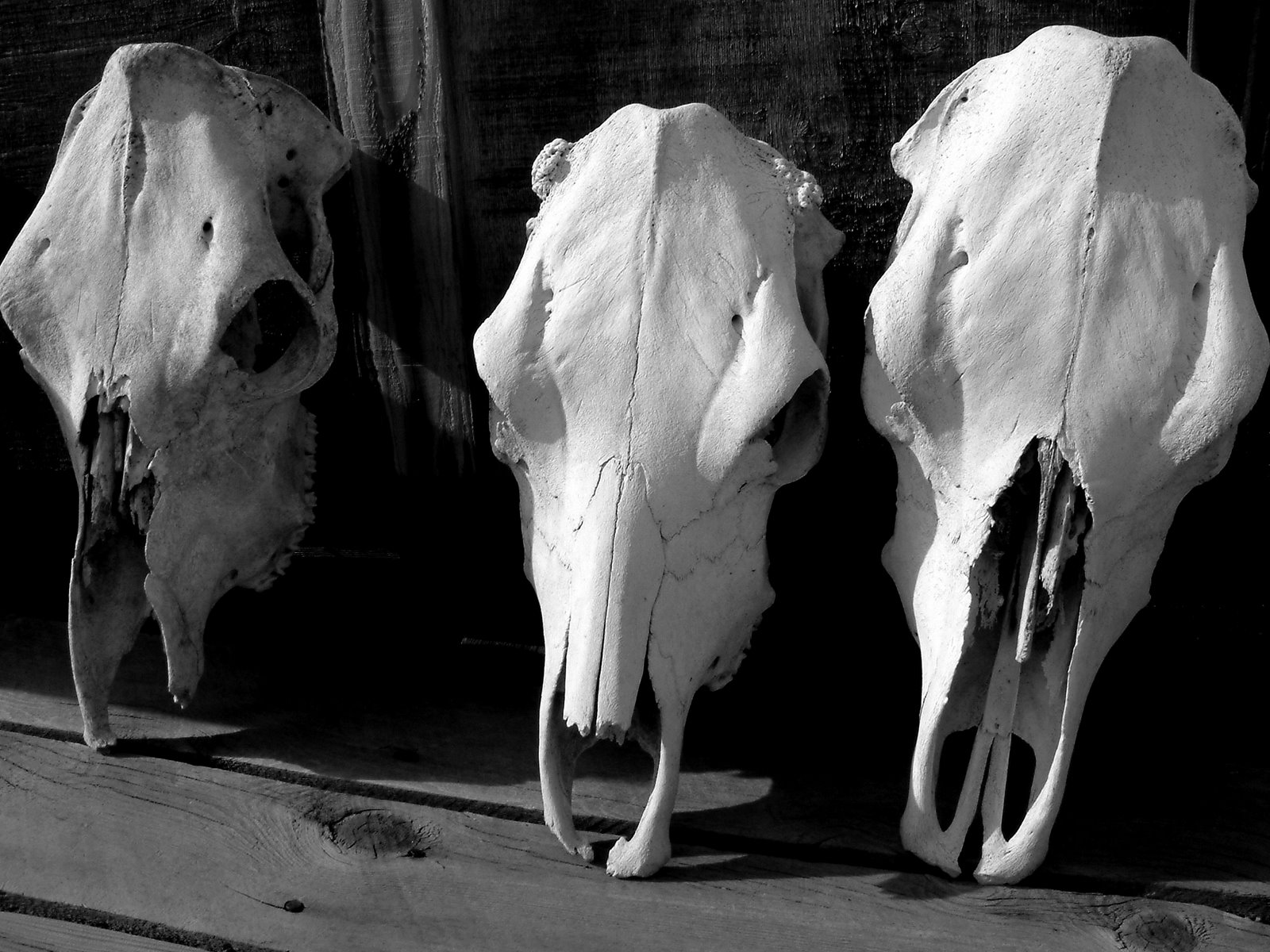
Three skulls – beauty and mortality.

Livy describes Fabius Maximus’ strategy of fighting Hannibal as a war of attrition, no pitched battles, just a wearing down through a series of hassles and an ebbing of morale. That picture is not far from the process it took to get myself and my family out the door, over the mountains, and to our nearly perfect campsite this past week end. In the end, however, and to our joy, the morale came back as we immersed ourselves in a wonderful weekend of camping in nature and with good friends.


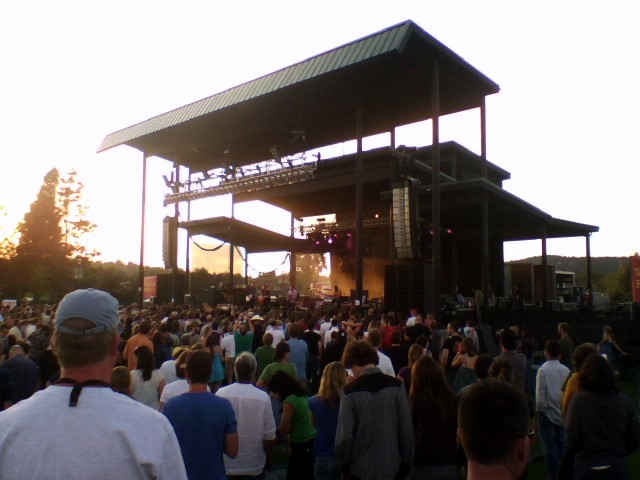
Wilco and the setting sun.

Before I was fully decamped from my urban life I was dropped off at a Wilco concert along with the other husband in the party. The sun set over the opening band and then Wilco performed a wonderful, amazing, and long set. They are truly one of the best bands anywhere at this moment.

While I lounged on the grass my wife went to the campsite with the kids and the remainder of our party to graciously unpack the car, set up the tents, et al. She is a good and beautiful woman. I arrived sometime near 11PM. Although I felt slightly guilty at not having to set up camp, I was ready for bed, exhausted from a long week and the hellish activity of getting camping in the first place. The next morning I woke to a sunny morning with views of woods and water and an increasingly bluing sky.


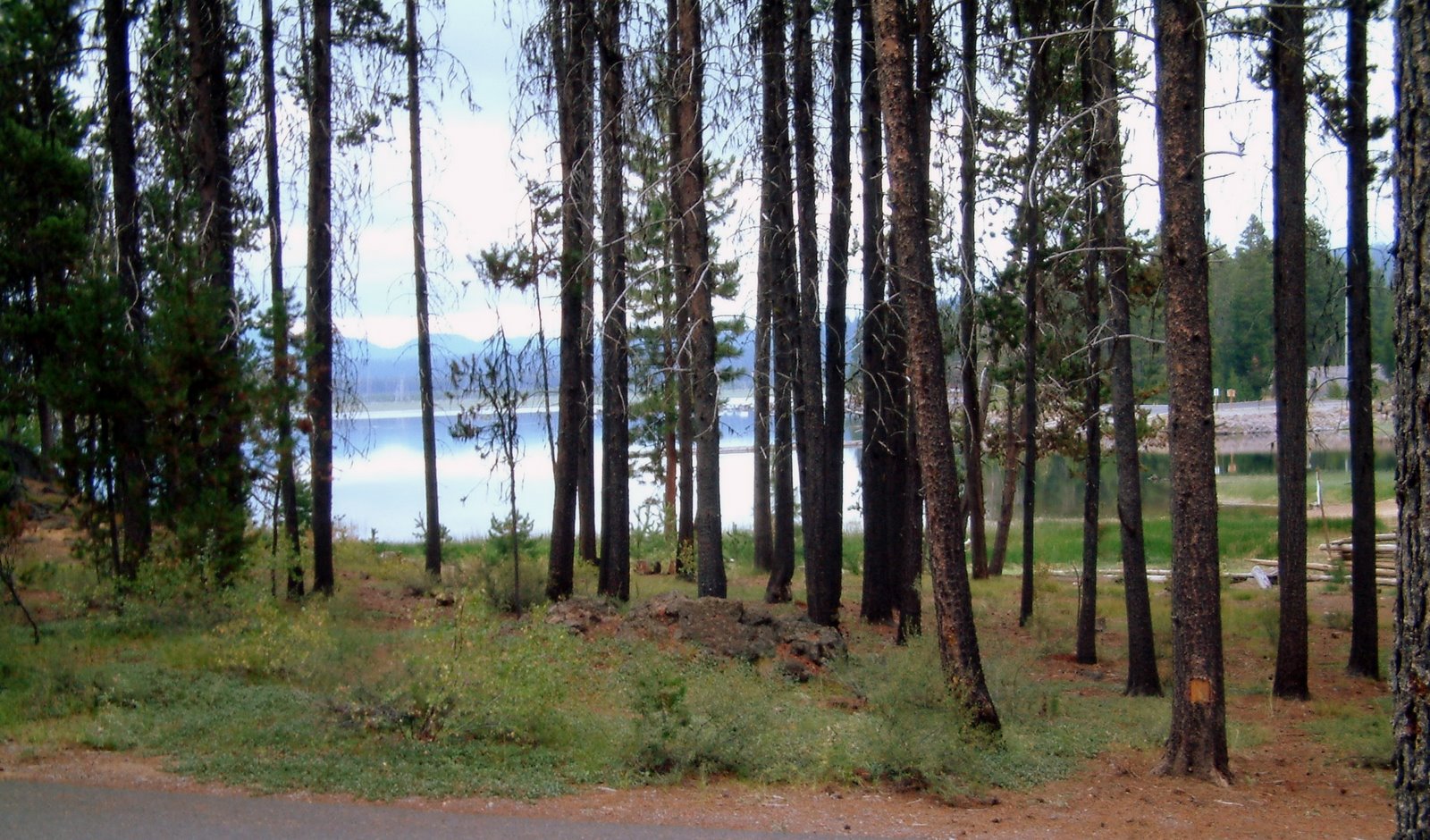
Lake and woods from the camp.

In short, our camp bordered a lake, the weather was beautiful, the camp was a good camp, the kids had loads of fun. The parents worked, chatted, chased the littlest one around, and cleaned wounds – of which there were a lot.


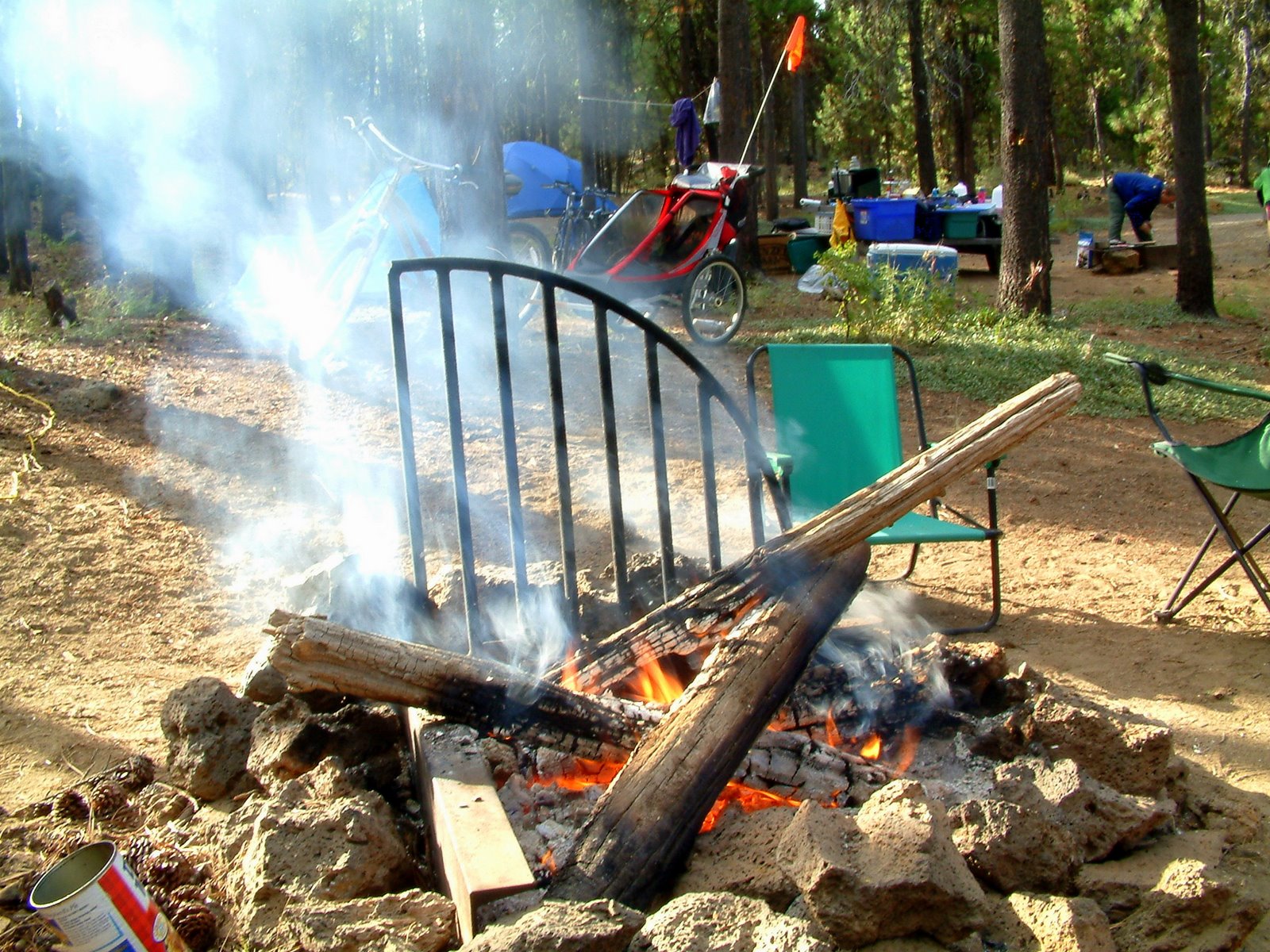
The fire pit at the center of the camp.

Of course the biggest concern was keeping the fire going, especially in the cold mornings and the cooling evenings. Fortunately we had a lot of wood to burn.


Hash browns for eight.

The food, well… it was good, yummy, feel-good camp food. I am now eating lots of salad.

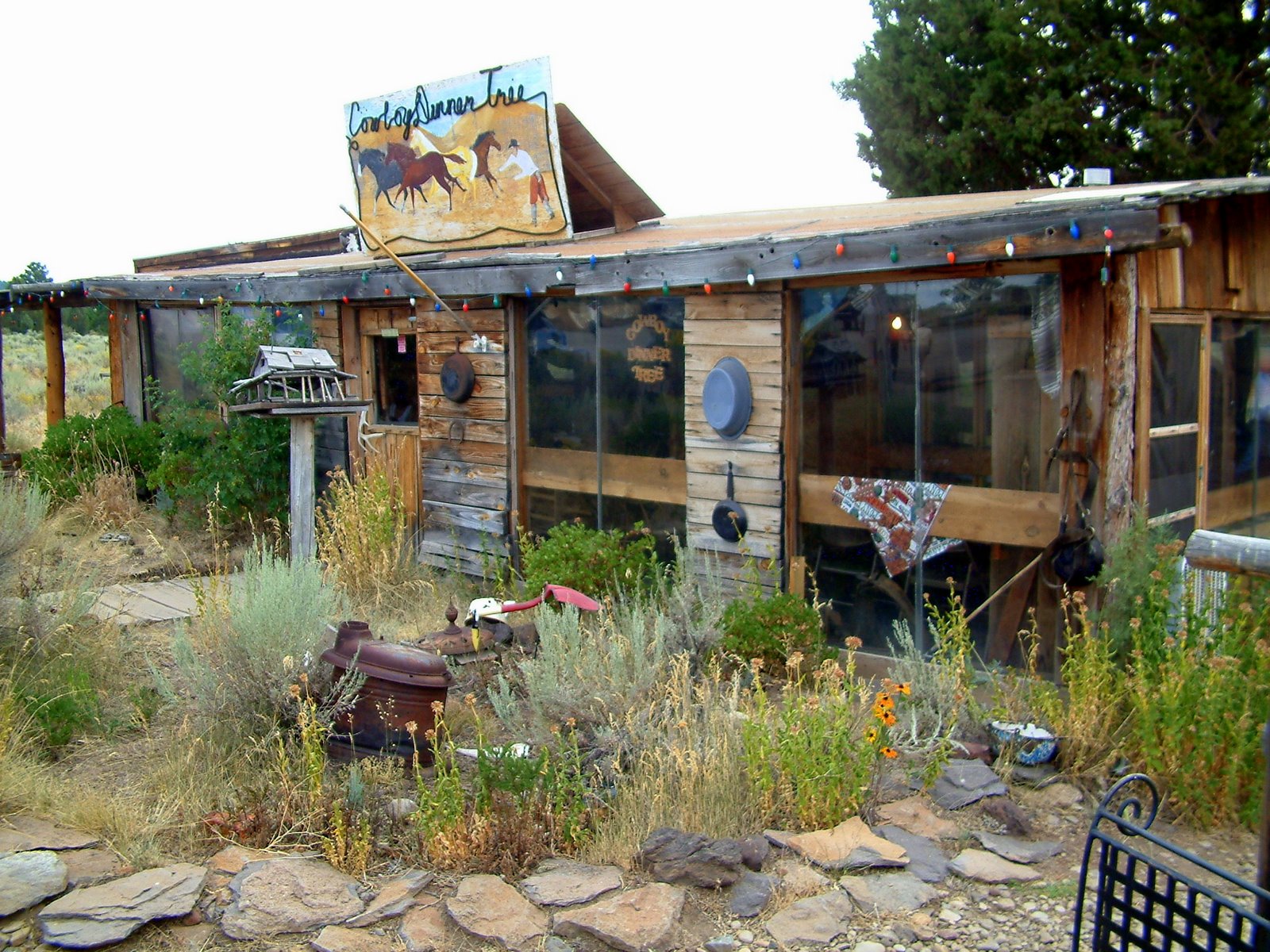
One night we drove to a restaurant in the middle of a beautiful nowhere/somewhere. The place is call the Cowboy Dinner Tree Steakhouse. Follow the link to get the menu. You’ll see it says “26 – 30 oz. Top Sirloin Steak or 1 Whole Chicken” which is exactly right.


The Cowboy Dinner Tree Steakhouse.

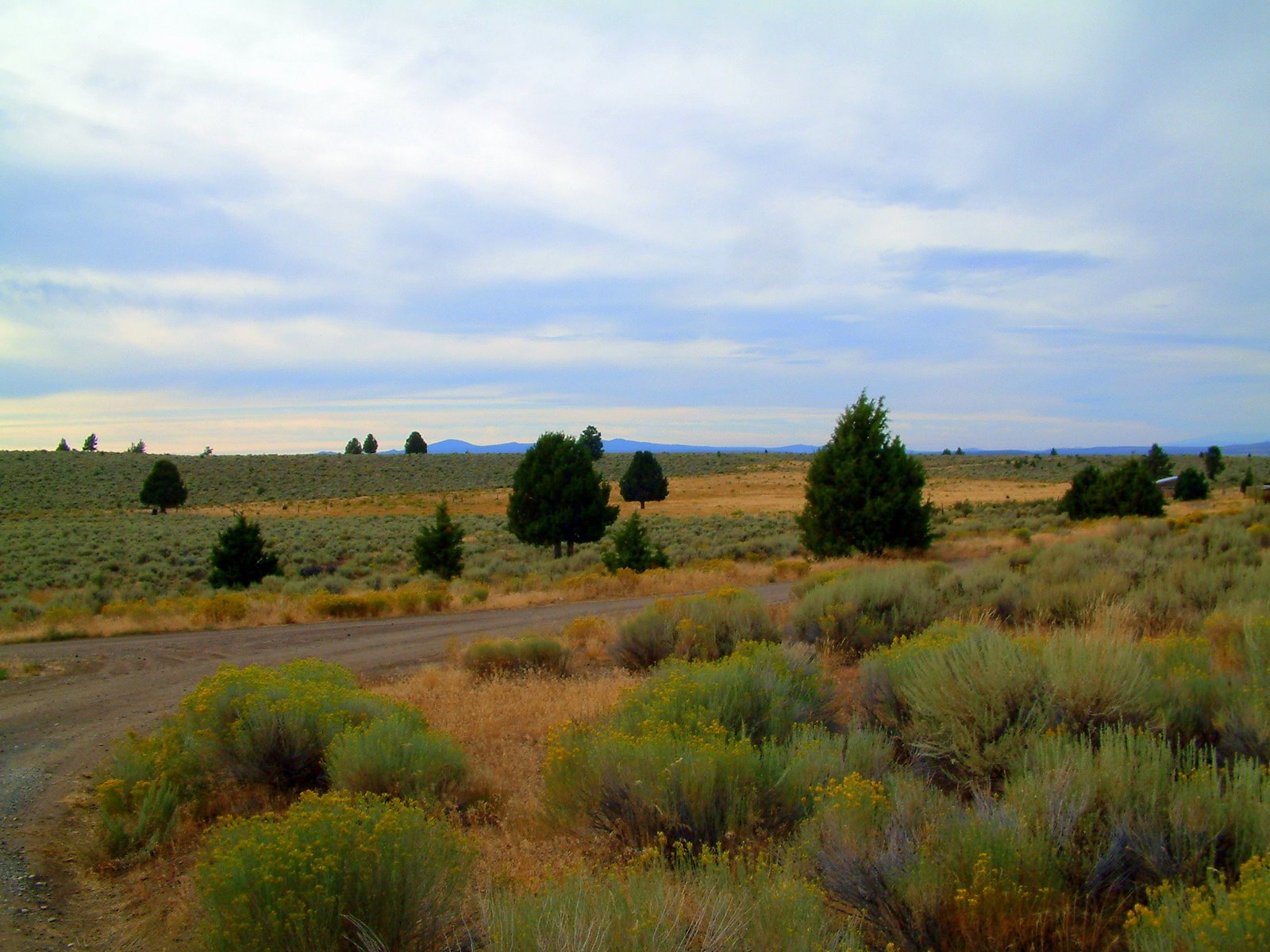
The steakhouse is four miles south of Silver Lake, Oregon, which is itself miles from nowhere in the most beautiful country. The landscape is classic high desert sage and juniper with rolling hills and occasional geological formations.


High desert vistas.

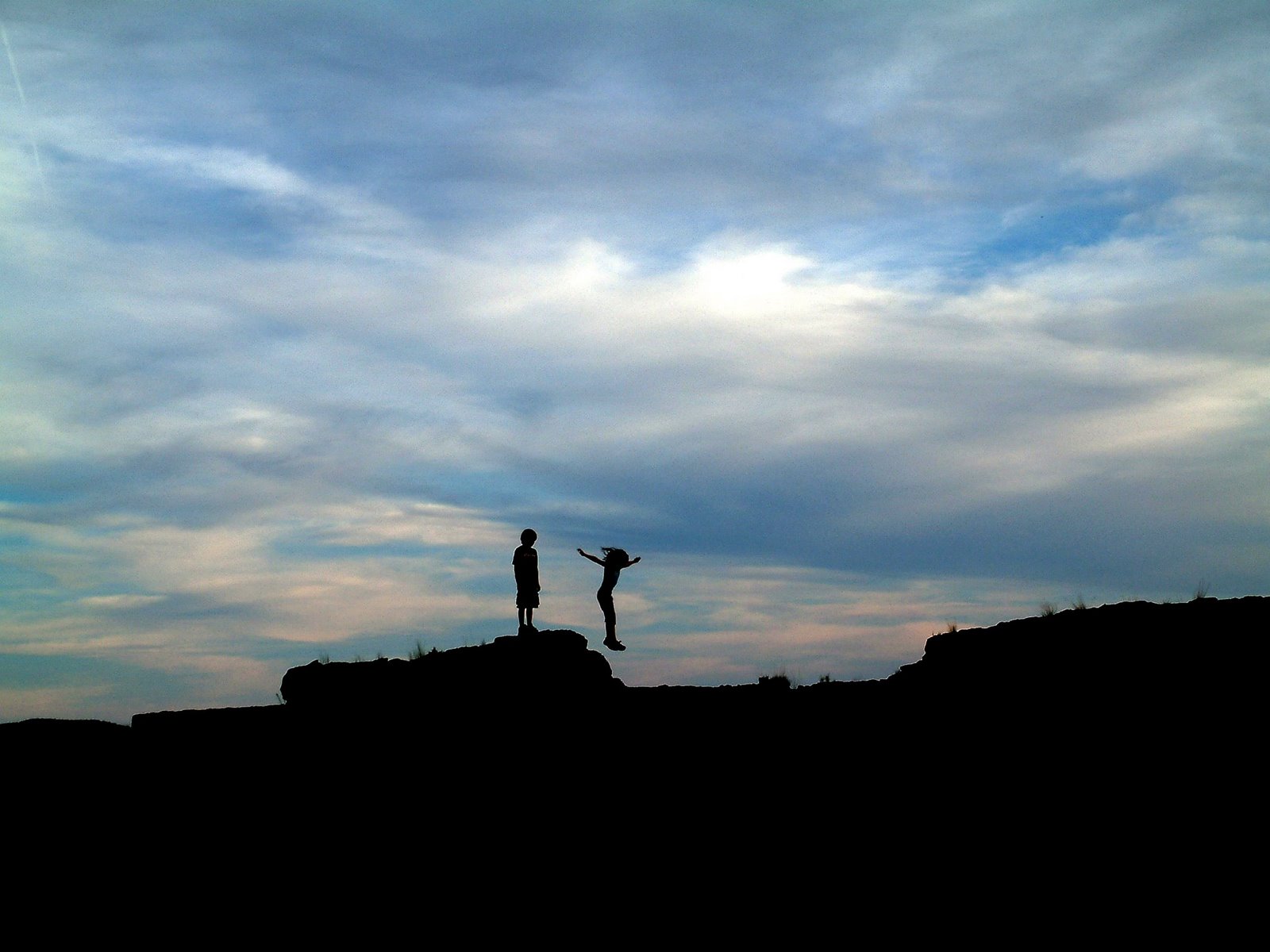
From there we drove on dusty roads to Fort Rock, a massive and unique geological circle of rock jutting up from an ancient sea bed. We hiked inside and the kids ran around like crazy.


Jumping at Fort Rock.

As the sun began to set we headed back to the camp. The next morning we sliced up the leftover steak (yeah there was a lot) and fried it in bacon grease (my arteries are tightening as I type this) and had it with our eggs and hash browns. Oh yum!


An eagle visited us one day.

I can’t help but notice how good it is to camp, especially for the kids. It’s not merely about having fun or getting away from the everyday. There is a profound need within us to engage directly with wilderness, even in a rather controlled environment as a campground. Children grow better with nature, I am convinced.


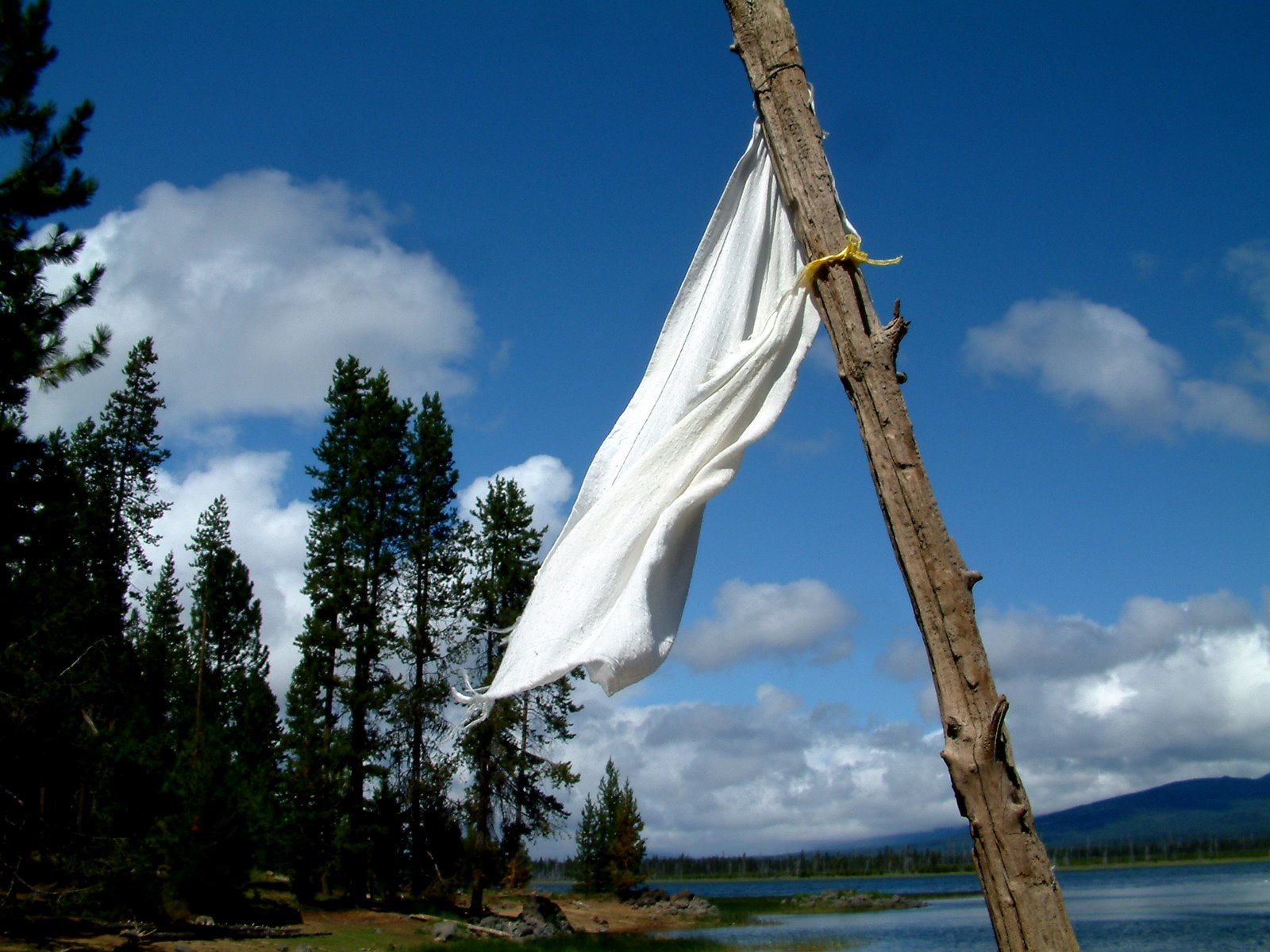
Previous campers left us a flag.

Finally, I have to say it is both good and sad to be back in town. I am relieved to be able to sleep in a bed, to take a shower, to have Internet, etc. I am also that much more aware of how much we cling to the false security of cities and society. My goal is to find the balance, to cease the war of attrition and to be content.

faves: cinematographers


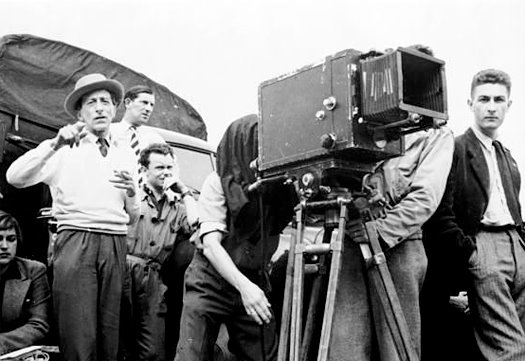
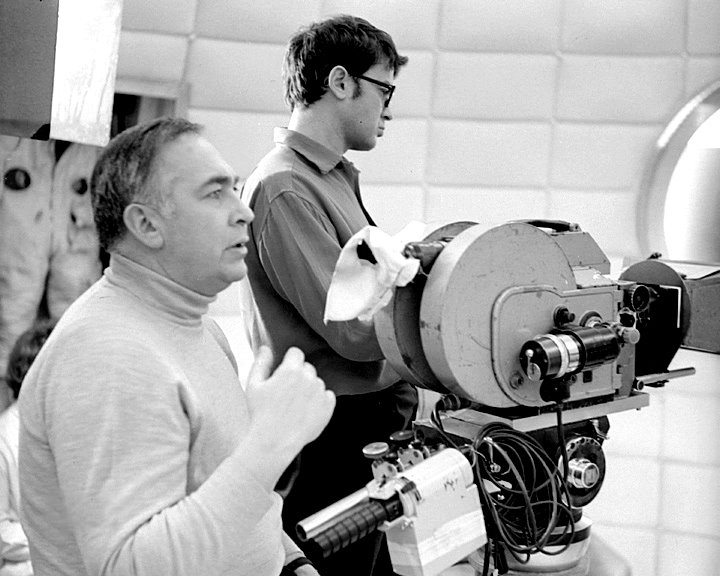
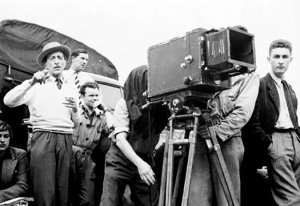
The camera takes center as Cocteau directs.

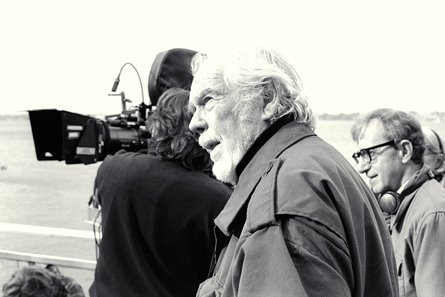
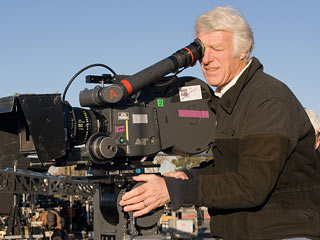
I became more interested in cinema when I began to understand the various working parts of the medium. My interest especially took off when I started to grasp the idea of cinematography and the role of the cinematographer. This growing realization came upon me sometime during my undergraduate years. Like the music connoisseur who finds new albums by seeing which musicians are listed in the credits and then following the trail, I began to find films based on who shot them. If I liked the cinematography of Apocalypse Now (1979), I would see that it was shot by Vittorio Storaro, and that fact would lead me to the films of Bernardo Bertolucci. Or I could look for a kind of aesthetic story by tracing a cinematographer’s oeuvre, such as Robby Müller shooting the great early films of Wim Wenders, for example Alice in the Cities (1974) and The American Friend (1977), and then shooting Repo Man (1984), and then To Live and Die in L.A. (1985), and then Down By Law (1986).

Recently I noticed something about myself as well. The cinematic image is like a drug for me. In fact I am frequently more moved, and more intrigued, by the images on the screen than the stories they tell. Narrative is often not my main reason for watching and liking films. I watch films in much the same way that I walk through a gallery or museum, going from one art work to the next, tying them together in my mind, creating connections. As the images move and shift in a film I take in each shot like the paintings in a gallery. Maybe this is because I was a professional photographer for a number of years. Or maybe that’s why I became a photographer.

With cinema the images are part of a narrative, and I do find the way those images serve the narrative to be interesting as well. But it’s still the images that get me first. The story is the excuse for their existence. I can’t say that’s a good approach to watching films, but I can’t help it. I guess I am wired that way. That may also explain why learning about cinematography and cinematographers opened up my appreciation of cinema as a whole.

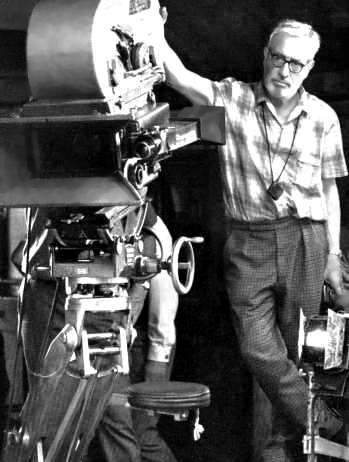
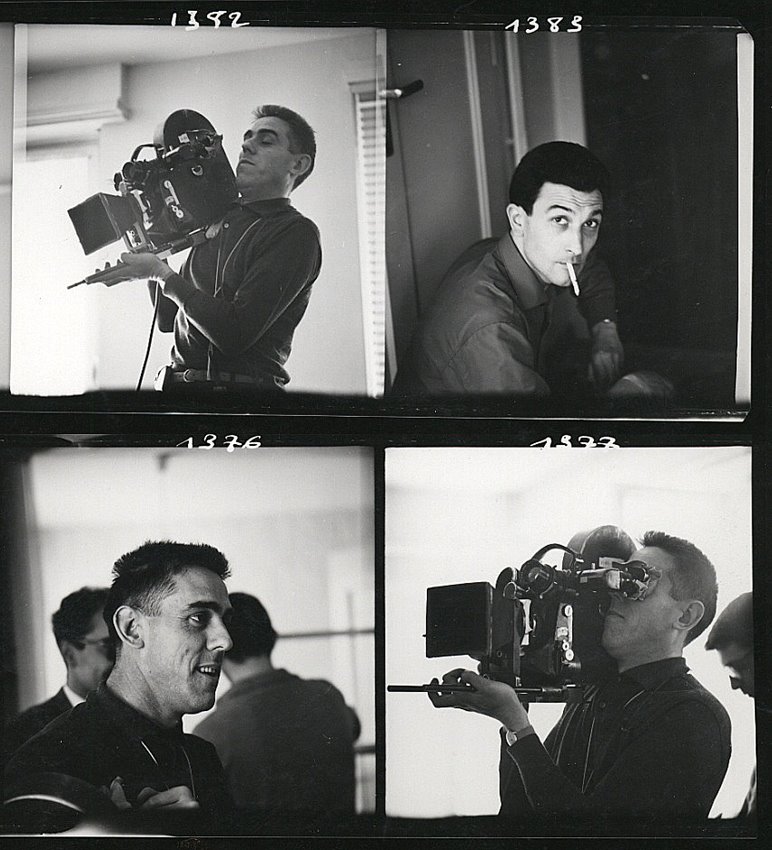
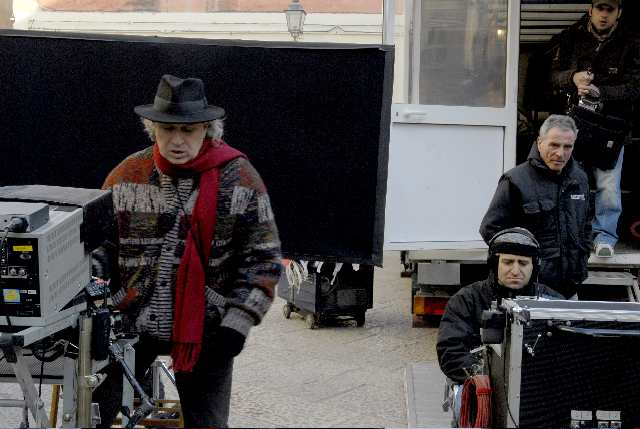
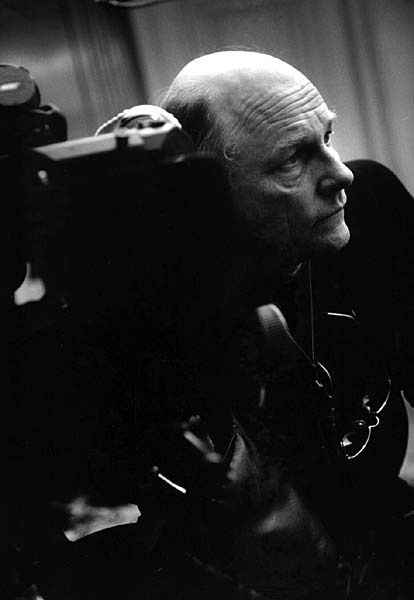
Here is a list of some of my favorite cinematographers. These are the ones who’s work have most influenced my appreciation of cinema. Needles to say, there are many more I could and should list, but then it just gets unwieldy. There is so much great work out there. I have broken the list up into two groups, not as a designation of quality or capability, but of the place each has played in my development. The list is also not ranked. They could go in just about any order.

GROUP ONE:
Freddie Young

There may be no more significant film in my cinephiliac development than Lawrence of Arabia (1962), which was the first of Young’s three academy awards for best cinematography. The other two were for Doctor Zhivago (1965) and Ryan’s Daughter (1970). But look at his other films, like: Treasure Island (1950), Lust for Life (1956), The Inn of the Sixth Happiness (1958), and You Only Live Twice (1967). Beautiful stuff.

Raoul Coutard
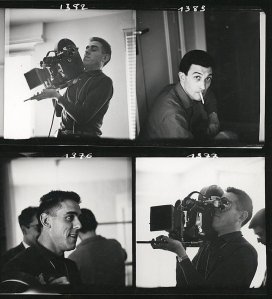
Coutard was THE cinematographer most closely associated with la nouvelle vague and, in particular, Jean-Luc Godard. He shot Breathless (1960), of course, but take a look at his list and you’ll see a what’s what of ground breaking films, including Week End (1967), maybe the most significant work of art in the latter half of the 20th century.

Vittorio Storaro
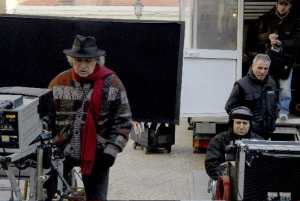
Storaro may have been the first cinematographer that I really noticed for what he did. For a while he was my favorite. His films include such seminal works as The Conformist (1970), The Spider’s Strategem (1970), Last Tango in Paris (1972), 1900 (1976), Reds (1981), Ladyhawke (1985), The Last Emporer (1987), and many others. He also has won three academy awards for best cinematography.

Robby Müller
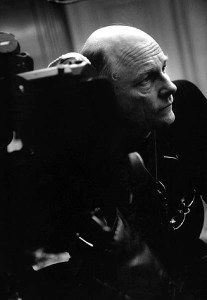
Robby Müller does not get considered enough in the U.S. But look at his film list! I already mentioned some films above, others include The Goalie’s Anxiety at the Penalty Kick (1972), Kings of the Road (1976), Paris Texas (1984), Dead Man (1994), Breaking the Waves (1996), Dancer in the Dark (2000), Coffee and Cigarettes (2003), and many more. His work with Wim Wenders was seminal in my development. All that angst was just what I needed at that time. Sometimes I still do.

Néstor Almendros
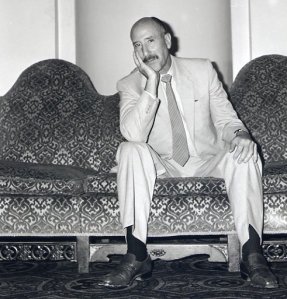
For me it was a revelation to discover Almendros was the cinematographer for Eric Rohmer. Some of those films includes such greats as La Collectionneuse (1967), My Night at Maud’s (1969), Claire’s Knee (1970), Chloé in the Afternoon (1972), and more. He was also the cinematographer for Truffaut. Some of those films inlcude Two English Girls (1971), The Man who Loved Women (1977), and The Last Metro (1980). But he also shot Days of Heaven (1978) which is stunningly lensed.

Sven Nykvist
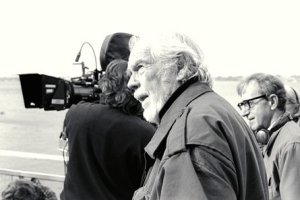
Ah Sven. There are few filmmakers that have had as much influence on me as Ingmar Bergman, and Nykvist was his primary cinematographer. I don’t need to list those films, you know them. He also shot Tarkovsky’s The Sacrifice (1986) and Allen’s Crimes and Misdemeanors (1989).

Roger Deakins
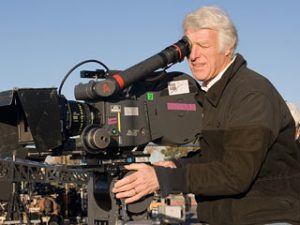
Deakins is almost the defacto shooter for the Coens. He started with them back on Barton Fink (1991). Before that conspiracy he shot Sid and Nancy (1986) and Mountains of the Moon (1990). He also lensed Passion Fish (1992), The Shawshank Redemption (1994), Kundun (1997), and The Assassination of Jesse James by the Coward Robert Ford (2007), plus a lot of other wonderful films.

GROUP TWO:
Henri Alekan
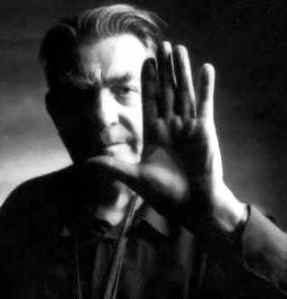
I first heard of Alekan by way of Wings of Desire (1987). Only later did I realize that he photographed such great films as Beauty and the Beast (1946) and Roman Holiday (1953).

Dean Semler

For me Semler is the guy who shot The Road Warrior (1981). I can hardly think of a better way to use a camera than to build a cage around it, put it in the middle of the road and then, while its running, crash a car into it. That’ll give the guys at the lab heart palpitations, or at least it did back then.

Vadim Yusov
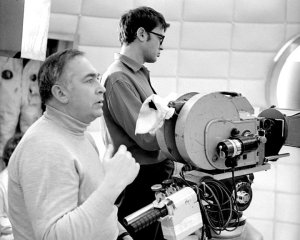
Yusov was the early cinematographer for Andre Tarkovsky. He and Tarkovsky cut their teeth together. His most famous film was Andrey Rublyov (1969). But Solyaris (1972) is worth a gander (as are all of Tarkovsky’s films). Tarkovsky is my second favorite filmmaker, right behind Jean Renoir. Or maybe they’re tied.

Karl Freund

I already wrote a post about Freund. Check it out. Don’t you just love that picture?

Many of these cinematographers are rather long in the tooth and several have passed on. Many were long past their prime by the time I “discovered” them. Fortunately their work survives and still lives. I have not been keeping up with the newer crowd who are re-setting the standards. But my point here was to list off those who played a part in my earlier development as a lover of cinema. I cannot say how many I have left off the list, but it is a lot. I hope you have your favorites as well.
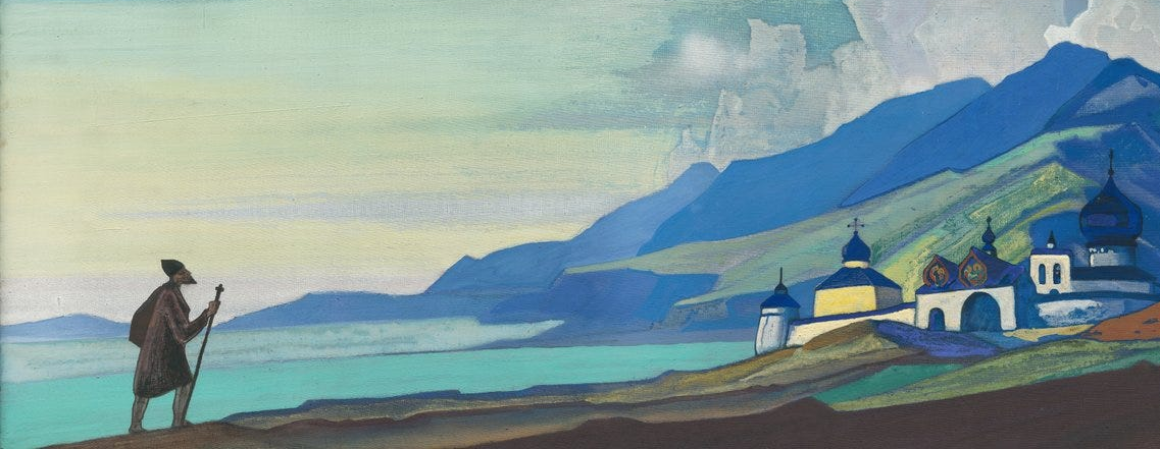
>DAS RHEINGOLD baby!

>I know nothing about opera. Recently, however, I listened to Radio Lab‘s podcast on Richard Wagner’s ring cycle, and how some people go crazy for the thing, and how truly brilliant the whole thing is. Somehow it hooked me and I needed to find out more.


As performed in 1990 by The Metropolitan Opera

I checked out the first part, Das Rheingold, of this multi-part massive opera. My daughter and I are slowly working through it and let me tell you… wow! I can see why people go crazy for the ring cycle. For all his faults Wagner must have been a genius. Of course you already knew that.


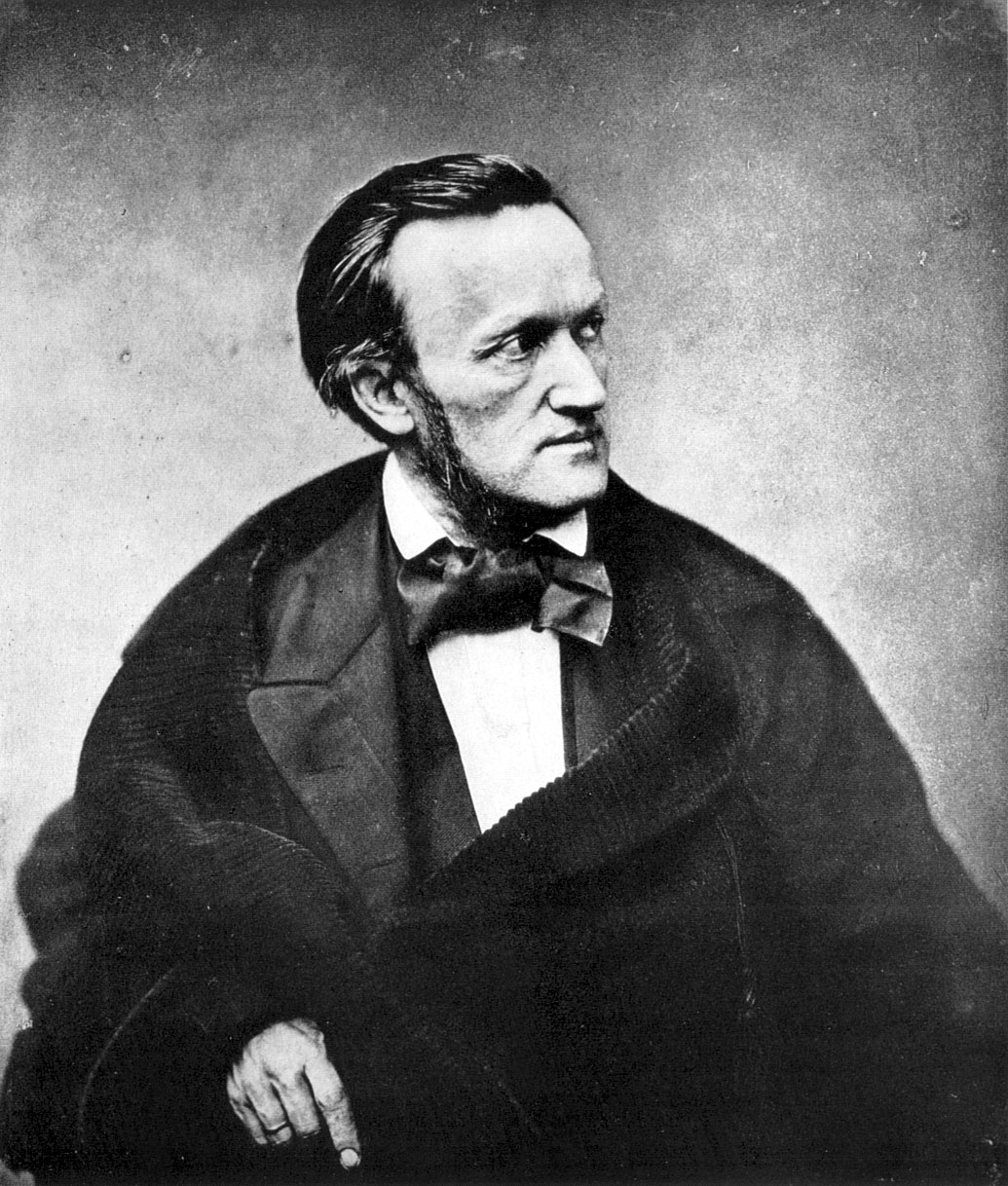
Wagner emanating.

I mean, just look at those brows! And that forehead! They are operatic all by themselves.

And for all the craziness of opera it has its appeal. Years ago I saw the opera’s La bohème and Carmen, both of which I loved. I’m realizing I need to educate myself about opera and see a lot more. Maybe I too shall become crazy for opera!

>vacationing over, rest needed

>

Three longs days of traveling, intense heat, too much coffee, strong drinks, family visits , book stores, fun parties, and lots of good friends have finally done us in. We are back, hunkered down, and needing to recover. But we are doing good and glad for the opportunities we’ve had.

I also came away with two prizes at cheap prices:
Jean Renoir: Letters, Ed. Lorraine LoBianco and David Thompson, Pub. Faber and Faber, 1994.
Jean Renoir: A Conversation with His Films 1894-1979, Ed. Christopher Faulkner and Paul Duncan, Pub. Taschen, 2007

>ah nature!

>We’re out of of town this weekend.

Friday we sent to the zoo.

There’s nothing quite like seeing zoo keepers in their natural habitat. The animals, on the other hand, were just trying to manage the heat and ignore the gawkers – who would be us.

without roof or law

What is the difference between a dead body and a nearly dead person? Is it not a great gulf? Is not that gulf as great as the distance between the furthest stars and even further? That’s obvious, but strangely we can forget. People become topics of conversation, objects of judgement, things to behold. We put people in boxes, including ourselves.We simplify our world by simplifying each other. But it is a survival tactic that leads to death.

Agnes Varda’s film Sans toit ni loi (1985), translated as “without roof or law” (English title Vagabond), begins with a dead body, but ends with a living, breathing, suffering, confused, crying, dying human. And in that difference is the true power of the film.

Like Citizen Kane or Sunset Blvd, Sans toit ni loi begins with a body (or death), and the story that follows is the story of that body. Varda has not made an easy film. The story is episodic, but the arc of the main character is not really an arc as much as a steadily sloping line downwards to the right. But we have seen these kinds of stories before, the inevitable demise of a person as their life tragically spirals towards tragedy or death. In that light Sans toit ni loi could be understood as a meditation on nihilism. But I don’t think it is only that.


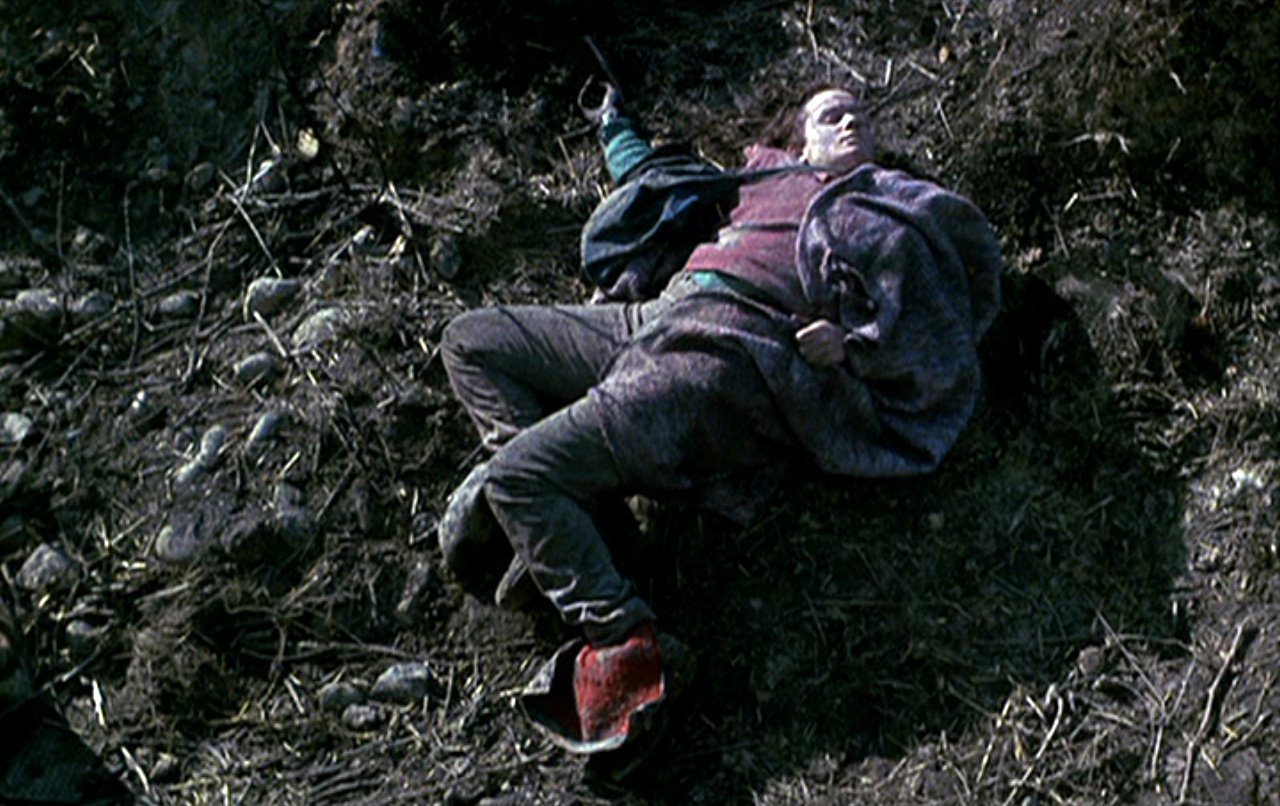
Mona’s body

Mona Bergeron, played by Sandrine Bonnaire, is a woman without a compass, without any purpose other than staying alive and finding small, fleeting pleasures. She may be running from something or someone, but we don’t know. She might have been abused or abandoned, but we don’t know. What we do know is that at the beginning of the film we see that she has died in a shallow culvert, in the middle of winter, in a farmer’s field. We also know that she is fully human, even though her existence is truncated and deeply flawed. She would seem to be free: Free of life’s constraints, life’s worries, life’s responsibilities, life’s burdens.

Mona’s life has become distilled down to the barest rudiments of survival. It would be tempting to think of Mona as merely an animal, as a being without a soul. That would be wrong. Though she may not see it, she is an inherently valuable creature regardless of her history or her choices.

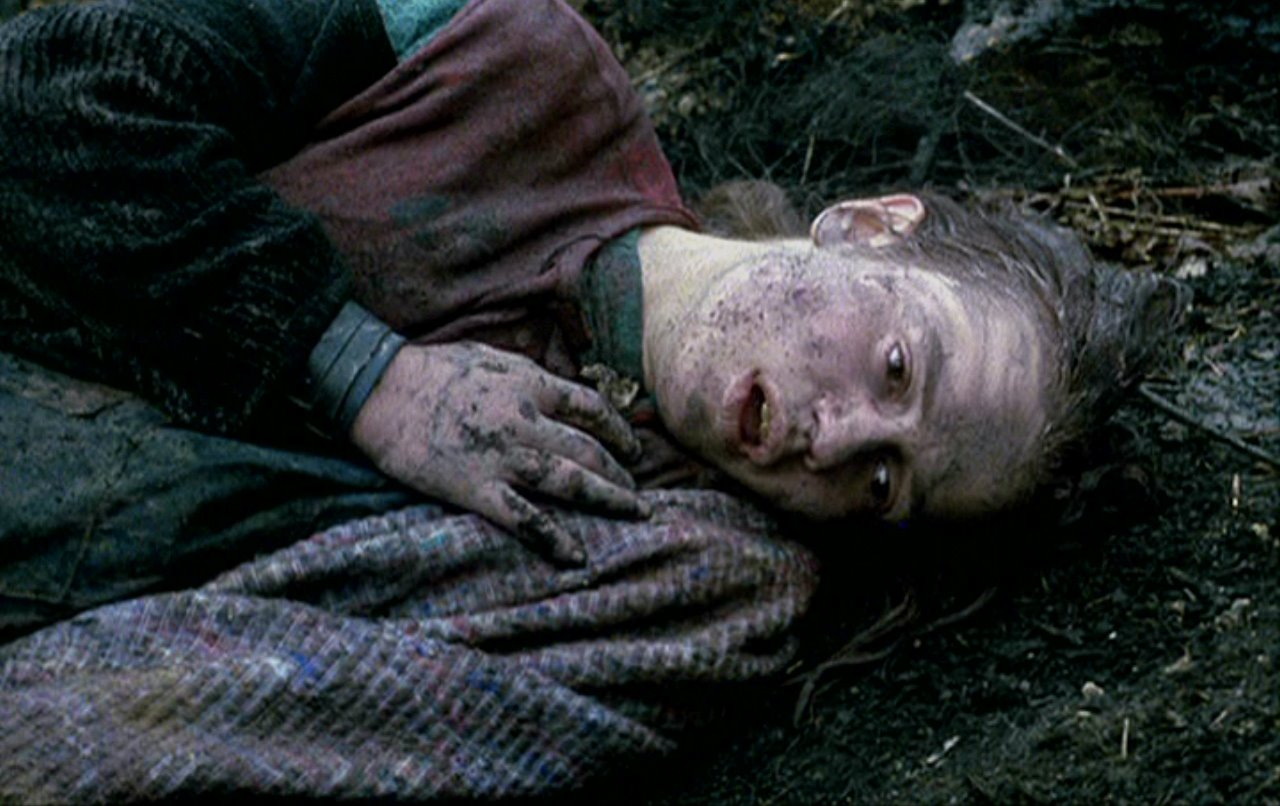
The first shot of the film displays her twisted body in the clean morning light almost as a work of art, nearly as an object. The last shot of the film shows her minutes before she dies, and then fades to black as she cries from deep hopelessness and emptiness. If it does anything at all, Sans toit ni loi strips away our tendency to see Mona as the “other.” She is not an object, or even a subject of investigation. In the film’s final moment she is a person profoundly like me, like you.


Mona near death

This last shot reminds us that, though we might judge her throughout the film, we cannot see her merely as worthless and deserving of her fate. Her final frailty is the frailty of us all. We are all so week, we are all so mortal, and we are all so contingent. For any number of reasons Mona has made a lot of bad choices, but she has done so as a human being, from within her will, not merely from instinct. She may reap what she sows, but in the end don’t we all.

If Citizen Kane‘s moral is banks shouldn’t raise children, then maybe Sans toit ni loi‘s moral is life is hard and freedom is even harder, and total freedom is death. Regardless, though Varda has given us a story that has little plot, and a character who does nothing but wanders aimlessly, yet this film speaks with the voice of the Universe.

>in country: an unembedded view

>Where is journalism today?

The following is a three part look at what it’s like in Iraq today by Ghaith Abdul-Ahad. It is worth taking the time to watch all three.

I believe these clips represent real journalism. By way of comparison, ask yourself if what you get from mainstream American news is real journalism. For the most part the answer has to be no.

When it comes to the war against Iraq there are few more problematic issues than the fact of the embedded journalist. Sure there are some good journalists who are embedded and who try to get good stories from within the cocoon, but most do not and cannot. And yet, I do not envy the non-embedded journalists, a number of whom have been killed or wounded in the the war because they operate largely without protection. There is a price to pay for being a non-protected journalist.

But there is also a price for embeddedness – that is the loss of objectivity and integrity.

When the war began I found several non-American news outlets that had video clips and articles about the war (these were mostly German & French news sites online). What I saw was very different than what American news was providing. Interestingly the other news sources didn’t come across as biased, just much better. What one saw was the other side of the conflict. In other words one witnessed what was happening to the Iraqi people, not merely columns of tanks charging ahead or interviews of American soldiers saying they were fighting for freedom and giving payback for 9/11. In fact, it was the American news that seemed biased – biased toward war, biased toward the machines of war, biased toward images of toppling statues.

It is by watching journalism like those clips above that we begin to understand what we generally are not getting in American news.

The Pagnol/Waters connection: Chez Panisse and the good life

The reason people find it so hard to be happy is that they always see the past better than it was, the present worse than it is, and the future less resolved than it will be.

~ Marcel Pagnol

This post is about dreaming…


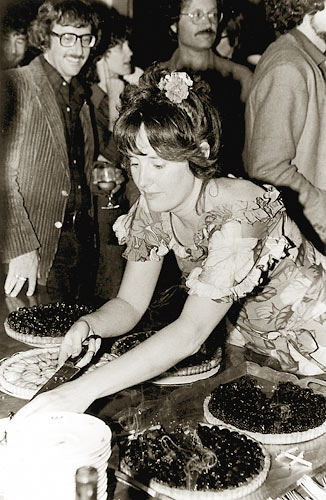
Alice Water in early 1970s.
Image by Charles Shere.

If you are a food lover then you’ve heard of Alice Waters. What I had never heard was the story behind the name of her famous restaurant, Chez Panisse. In the forward to the English translation of Marcel Pagnol‘s My Father’s Glory and My Mother’s Castle, Waters writes the following words:

Fifteen years ago, when I was making plans to open a café and restaurant in Berkeley, my friend Tom Luddy took me to see a Marcel Pagnol retrospective at the old Surf Theater in San Francisco. We went every night and saw about half the movies Pagnol made during his long career: The Baker’s Wife and Harvest, taken from novels by Jean Giono, and Pagnol’s own Marseille trilogy—Marius, Fanny, and César. Every one of these movies about life in the south of France fifty years ago radiated wit, love for people, and respect for the earth. Every movie made me cry.


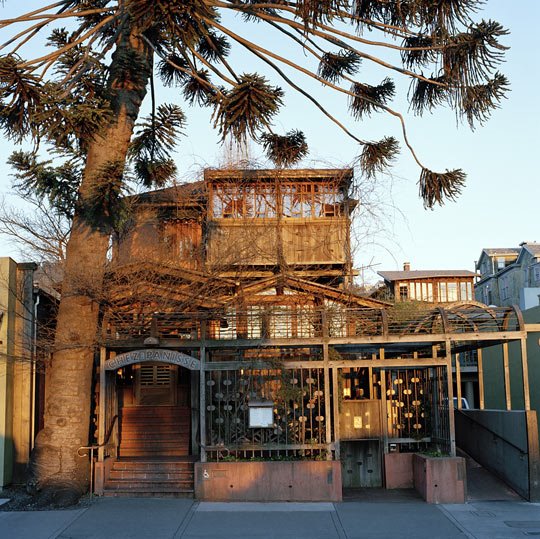
Vahala a.k.a. Chez Panisse
Image by Aya Brackett

She goes on:

My partners and I decided to name our new restaurant after the widower Panisse, a compassionate, placid, and slightly ridiculous marine outfitter in the Marseille trilogy, so as to evoke the sunny good feelings of another world that contained so much that was incomplete or missing in our own—the simple wholesome good food of Provence, the atmosphere of tolerant camaraderie and great lifelong friendships, and a respect for both the old folks and their pleasures and for the young and their passions. Four years later, when our partnership incorporated itself, we immodestly took the name Pagnol et Cie., Inc., to reaffirm our desire of recreating an ideal reality where life and work were inseparable and the daily pace left you time for the afternoon anisette or the restorative game of pétanque, and where eating together nourished the spirit as well and the body—since the food was raised, harvested, hunted, fished, and gathered by people sustaining and sustained by each other and by the earth itself.

This little passage was a revelation for me. I am a fan of Waters and her vision. I love the slow food movement and community supported agriculture (though I need to put by enthusiasms more into practice). I had no idea of her love for Pagnol’s films or how Chez Panisse got its name. Maybe I am the last to know.

A video look at Chez Panisse.

I was searching the library catalog for the films My Father’s Glory and My Mother’s Castle, but the library only had the book, so I checked it out. Originally published in 1960 (in French of course) the Alice Waters’ foreword is from a 1986 edition.


Alice Waters today.
Image by David Sifry.

Two of my favorites things in this world – the kinds of things that makes me say “there is a god” – are great films and great food. I was so pleased to read those words from Alice Waters. Here is someone who is famous for her restaurant, her cook books, her simple, earthy philosophy – all of which I admire – and yet she displays a deeply felt response to cinema. And then she creates a permanent connection between the two great arts. That is the kind of human action of which we need more.


Marcel Pagnol looking suave.

I am now in the hunt for the Marseilles Trilogy (a.k.a. The Fanny Trilogy). I see that is is available on DVD. Since my local library doesn’t have it this might be the final straw that gets me to sign up for Netflix (you’re wondering why I haven’t already). I know very little of Pagnol’s work, but I have a feeling I will love it. I would hazard a guess that he was an interesting individual and a great filmmaker.

The day would turn enchanting when Marcel arrived, unheralded, in the middle of our boring summer holidays in La Treille. From then on, our day was filled with unusual commotion as my brother would immediately stage some activity: long hikes in the hills, picnics, highbrow conversations way off our usual chattering.

~ René Pagnol, Marcel Pagnol’s brother

One day, I saw La femme du boulanger (“The Baker’s Wife”)… It was a shock. This movie is as powerful as a film by Capra, John Ford and Truffaut altogether. Pagnol must have been an outstanding man.

~ Steven Spielberg

Here is a three part homage to Pagnol and the world he inhabited, wrote about, and filmed:

I began this post by saying it was about dreaming. I dream of visiting southern France (where I’ve never been), of making films and writing books (which I’ve only done on the smallest scale), of cooking gourmet meals (which I’ve done many times, but there’s always more), and of eating at Chez Panisse (which I’ve also yet to do). These dreams, and others, keep me alive.

>Bread and Circuses Desks

>This weekend was as crazy as always. In the midst of everything I decided on Saturday to bake some sourdough bread. I had already created a sourdough starter about ten days ago. The bread turned out really good. Here’s a pic:

This past week I started the process of creating a desk space for myself. It’s just a tiny corner, but it’s better than the non-desk space (read end of kitchen counter) I’ve been using for over a year.

I built the thing from scratch, then painted it. I still have some trim work to do, but I will get to that later. For now I’m ready to move in.

It will take me awhile to figure out how to arrange my books, computer, etc. The bottom shelf is now completely full of library books – which gives me pause. I have hopes of this little space becoming my center of operations. Maybe here is where I will write my book.