>’Why I Ride’ photo contest

>

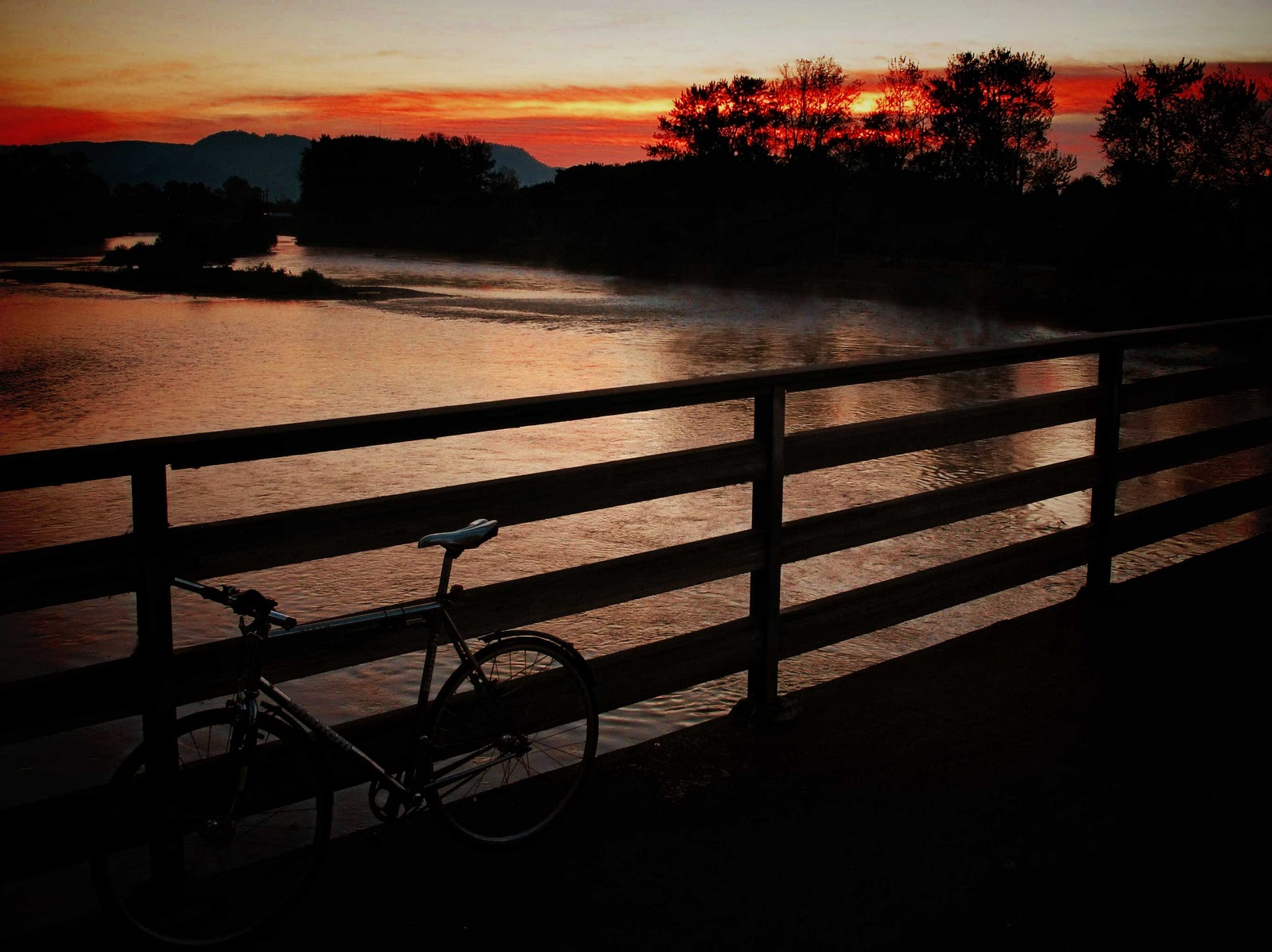
I recently entered the image and poem below in the EcoVelo “Why I Ride” Photo Contest. The rules allow one to include some text with the image. I chose to write a poem rather than an explanation.
In the half light dawn
two wheels carry all this:
The dreams of a life,
the body and the heart,
the fire,
the flame.
Early morning sojourn
traveling light,
moving in balance,
so swiftly tilting
the corners,
the frame.
The river running slow
beneath a darkened bridge,
with sunrise streaking,
I stop to see
the water,
the game.
My path continues east,
then westward back
when day end comes,
and home calls out to me,
my soul,
my name.

handlebars and tape and getting shellacked

Starting sometime in high school or college I began my amateurish and neophyte forays into homespun bicycle maintenance. (I will not relate how I used a gas station air pump to duly pop my bicycle tire or how I still have the crescent moon scars on the back of my hand from getting my skin caught in the chainring.) Eventually, as is the case with both the neophyte and the seasoned pro, I faced the daunting task of re-taping my handlebars.

At the time I had a mid-seventies Motobecane 10-speed. I wish I still had that bike, or at least the frame and the Brooks saddle, but it was eventually stolen. I had begun the slow process of upgrading the components to better quality used parts. When it came to taping the bars, however, I knew I was going back in time. Cloth tape was what I had available to me. Later I “upgraded” to fake cork tape. And since I like how things go together I observed how the tape had been wrapped as I carefully unwound it from my cheap drop-style bars. Needless to say, my first wrapping jobs were a little painful and produced mixed results. I knew nothing of double or triple wrapping, or of shellacking the tape. I’m not too bad at taping handlebars now, but as I am waiting for my ancient 7-speed shifters on my ancient Novara Randonee (shouldn’t that be “Randonnée”?) to get repaired I am staring at another pair of naked handlebars hanging in my studio. Maybe I will try some of the great (and classic) ideas presented in the videos below.

I found this video via Rivendell Bicycle Works. I love the craftsmanship and attention to detail, especially the final steps of the twining. Just beautiful.

This second video gives a more complete process from wrapping to shellacking. The quality of the video and the craftsmanship are a little less than the above video, mainly because I want to see more closeups and the wrapping doesn’t look as neatly done, but you still get the idea. Two things that I love here is the use of real corks in the bar ends and the important use of mixed drinks to complete the process.

My plan is two-fold: 1) I will try cloth tape again, probably double wrap the bars and use twine. I will then shellac the tape and see how the whole thing pans out. I am still not decided on what color tape I will use. 2) Learn how to make a good martini.

>goodbye bike lane, hello bike path (and trouble?)

>

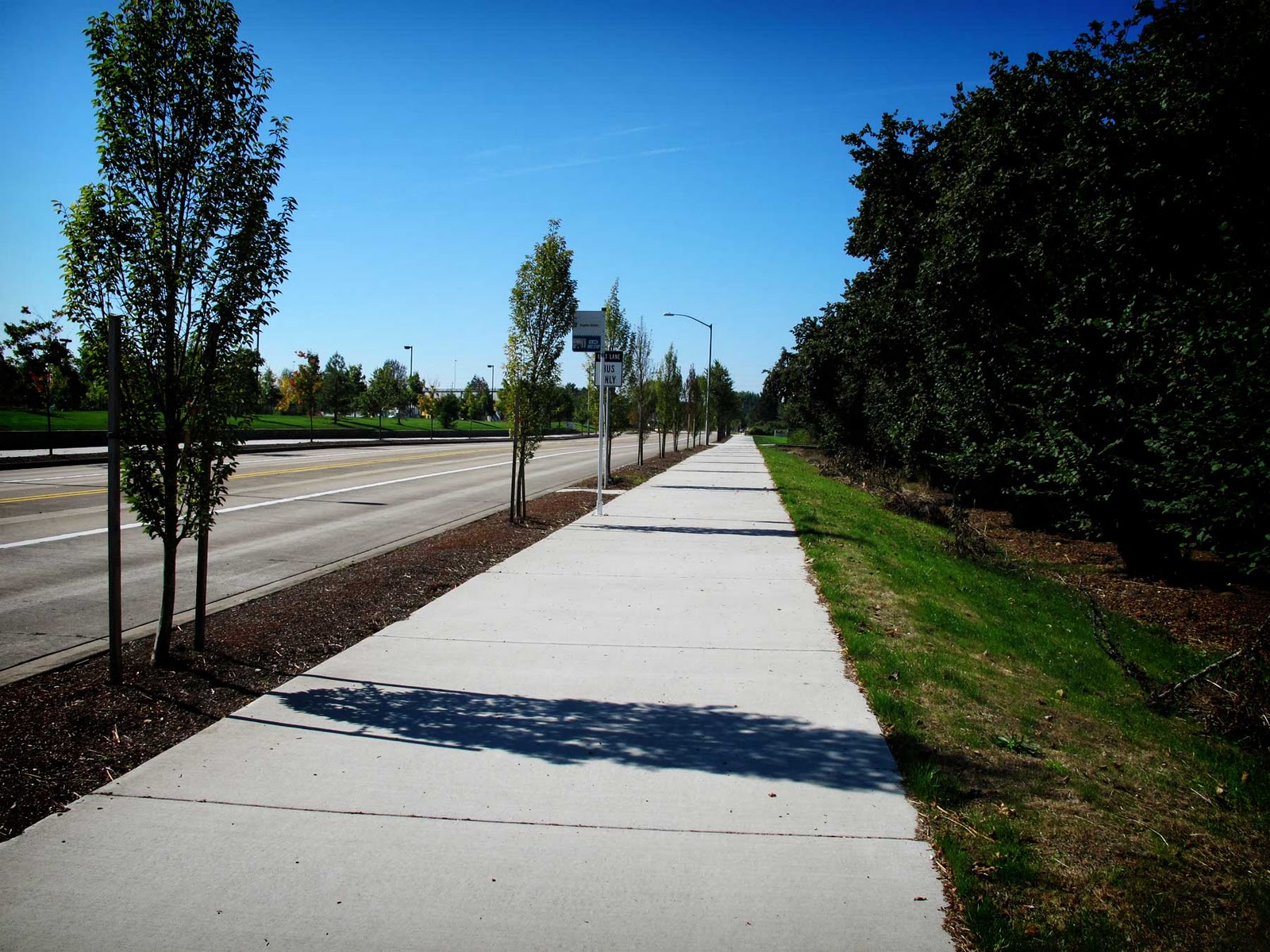
Over the last year some changes have occured to the pedestrian and cycling infrastructure on the roads and sidewalks near where I work. In short, the bikes lanes along the edge of the roadway were removed to accommodate a new bus lane down the center of the road. The sidewalk was then made much wider for peds and bicycles.* It looks beautiful when compared to what was there before and it is much nicer to walk on, which many do during the day, often two or three abreast. Here is a look at the new sidewalk:
I don’t really like riding on it though. And I doubt the city responsible for the construction entirely understood what they were doing, though I am sure they are convinced they had the interests of cyclists in mind.
There are many reasons for bicyclists to avoid sidewalks. By law cyclists are required to give deference to peds, which is fine, unless there are a lot of peds walking three abreast. When I am riding to and from work I don’t like to dally. More importantly is that sidewalks create a situation where cyclists must go back and forth between being traffic and being “peds.” In other words sidewalks remove cyclists from the roadway, but then require them to enter traffic again at each intersection. For peds this is fine. For cyclists moving at cycling speeds this is problematic. This coming and going is only more confusing to the already confused motorists. It is also more stressful for cyclists.
Plus the entering and exiting of intersections includes a bump at each threshold. One experiences a good kathump kathump at each entry and exit. This is unnecessarily uncomfortable, especially when a perfect smooth road is immediately to one’s left.
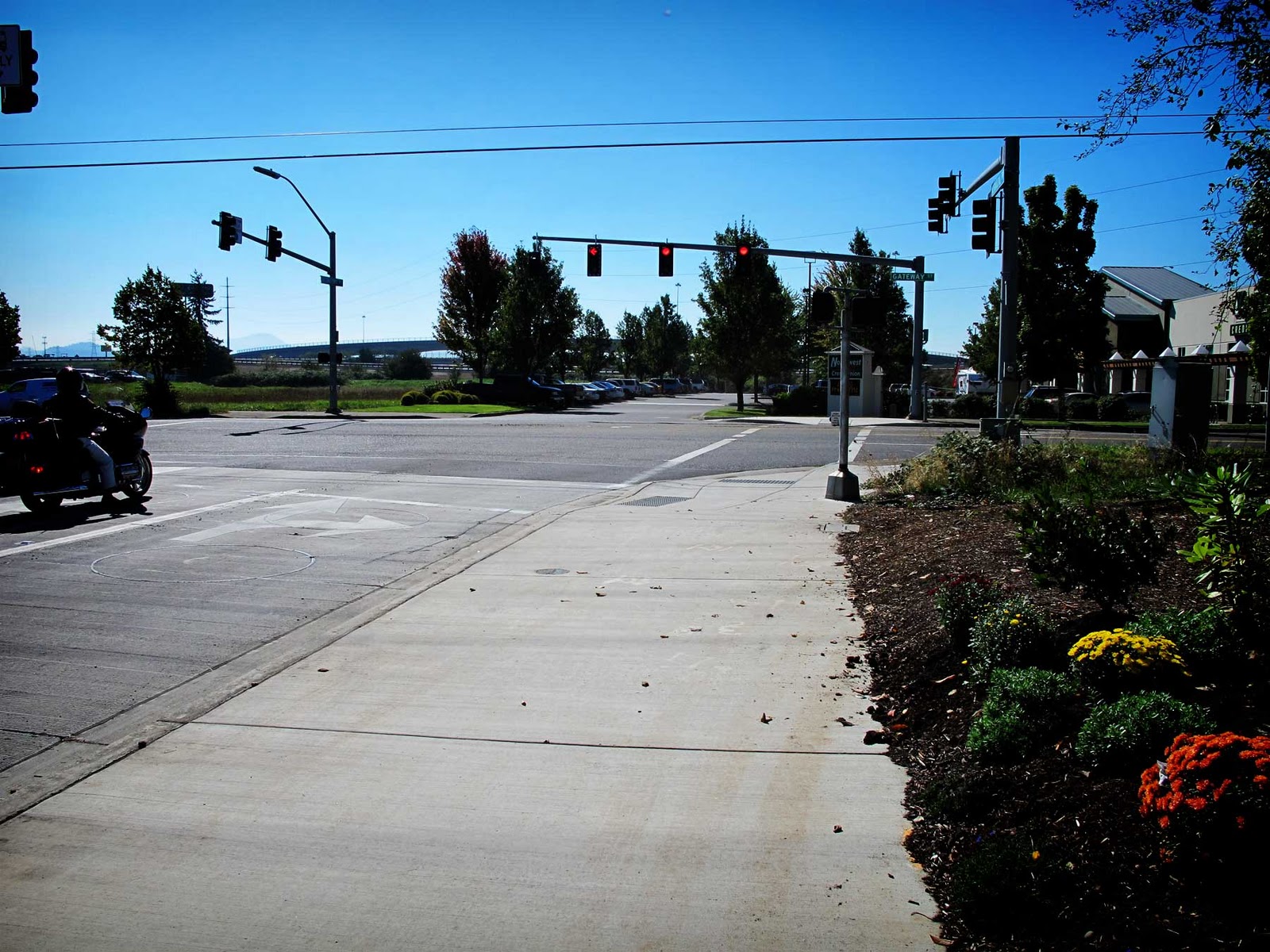
And then there is this:
The end of the sidewalk exits into a busy intersection. There is a bike lane perpendicular to the path. I typically go right at the intersection, and so do many of the cars. I have to be extra careful coming off the path into the lane. It is better if I just start in the road and behave as traffic. I am convinced that motorists, rightly or wrongly, see cyclists on sidewalks as required (or at least more likely) to yield to motorists, where cyclists in the roadway, even if inconvenient at times for drivers, are treated more as traffic.
I have started not riding on the sidewalk path. Instead I ride with the traffic even though there is no bike lane and drivers might get frustrated that I am not up on the sidewalk and out of their way. Fortunately I feel fairly confident riding around cars and I don’t care that much about their prejudices. Anyway, as a driver myself I know those prejudices well. Plus I keep one eye on my rear view mirror. And I treat each day commuting by bike as a chance to observe and learn. So I could change my mind in the future.

I write this post in part to encourage other cyclists to consider the infrastructure around them and to realize that a “bike path” is not necessarily a bike path if one prefers a better and safer alternative. Ride safe.

* I am not actually sure if the sidewalk is for bikes. There are no signs that say so. At this point saying the sidewalk is for bikes is pure conjecture on my part.

>Considering businesses flying government flags

>

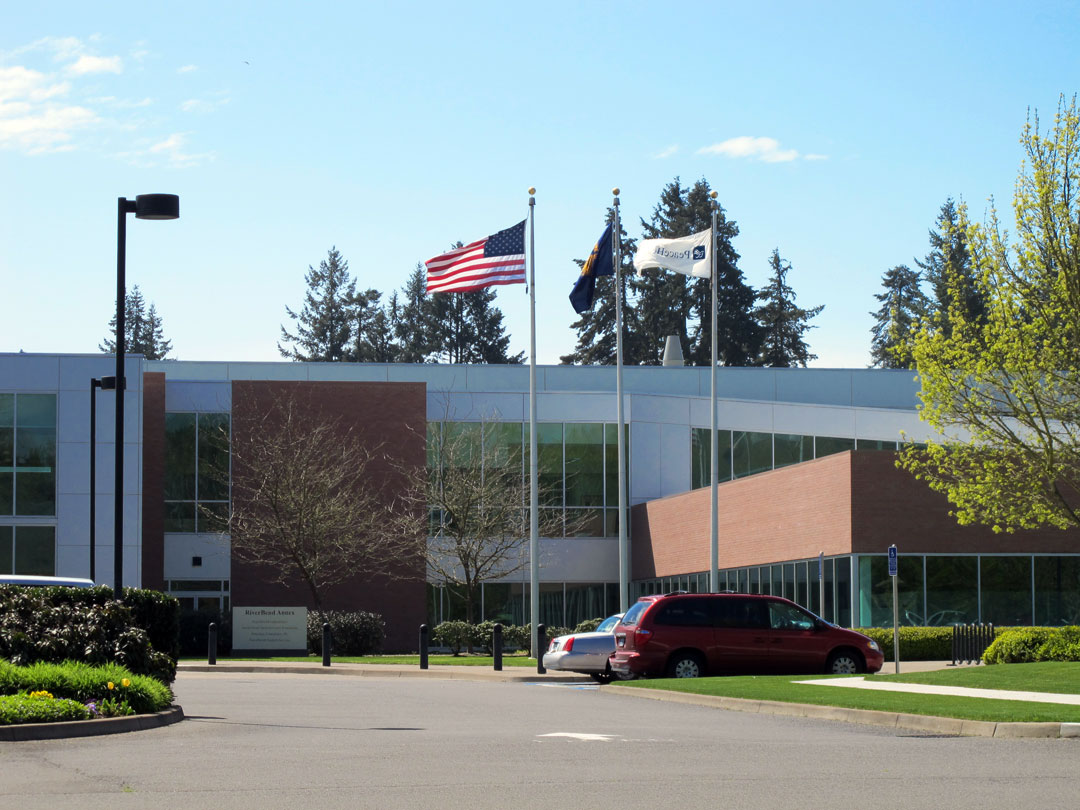
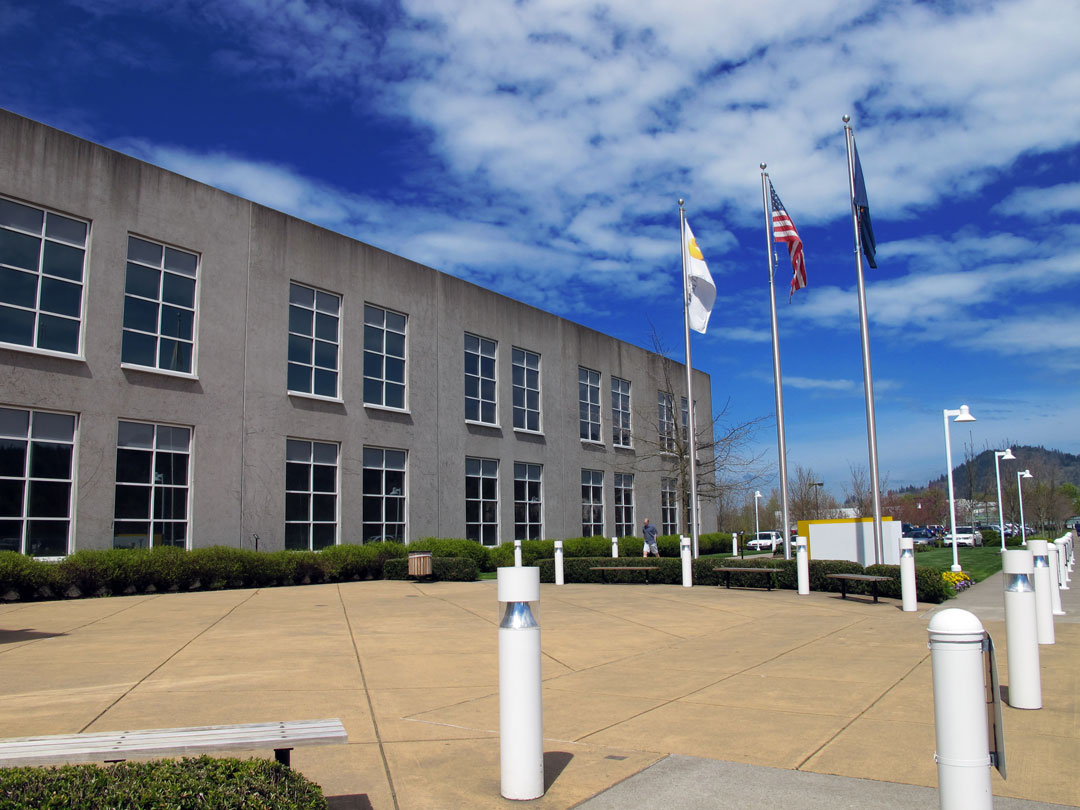
I am curious. What is it with businesses and flags?
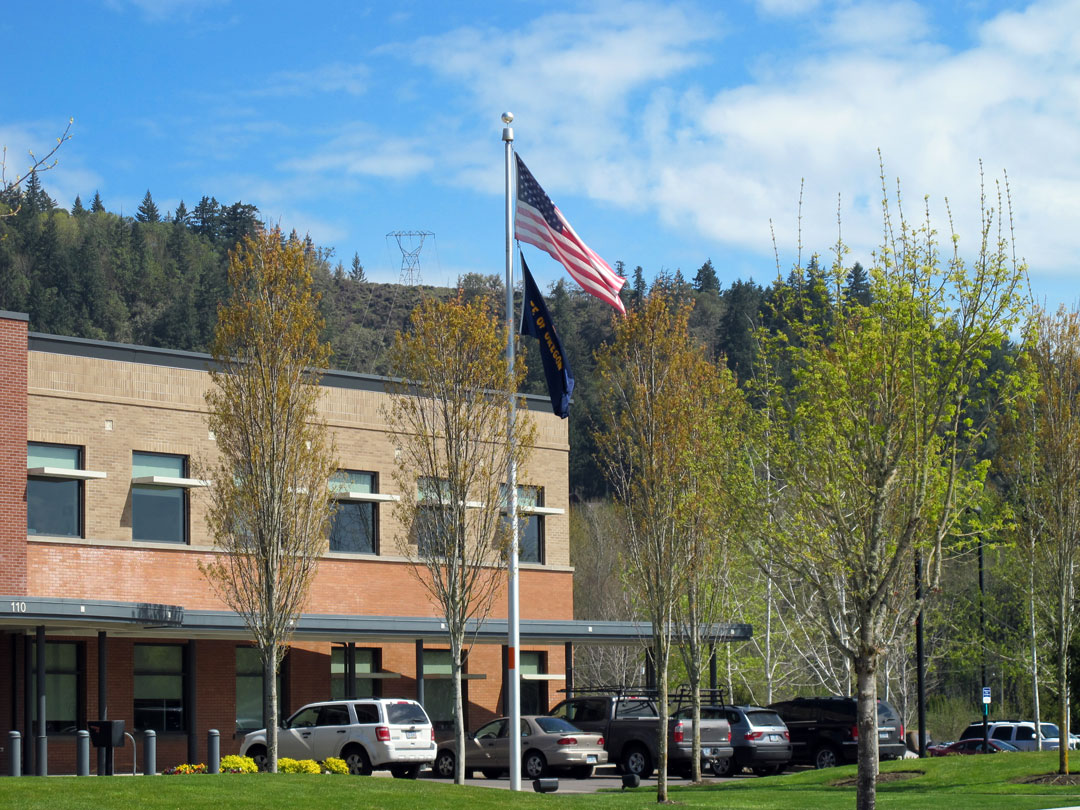
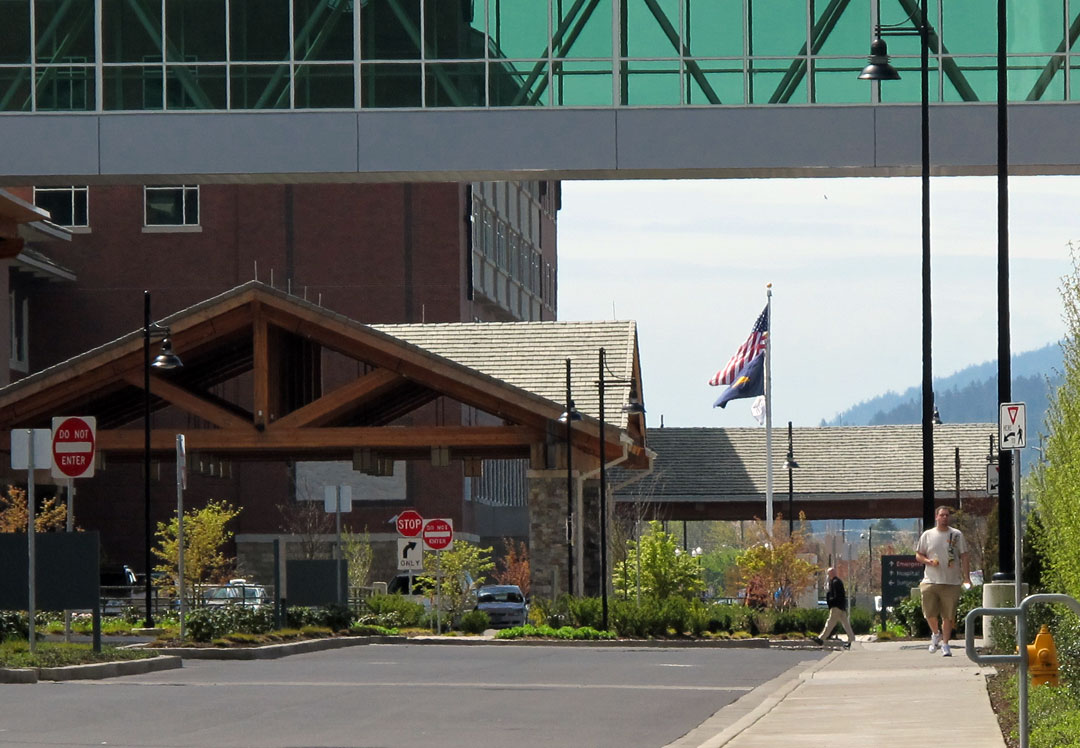
There is some sense in a state capitol having a state flag out front, or the U.S. Capitol building having the Stars and Stripes waving out front. But why is it necessary for a business to have a U.S. flag, a state flag, and even a flag with the business’s name or logo on it? I ask this, in part, because government flags in front of buildings have become so ubiquitous that we barely notice them, and when we do we never ask why are they there.
I suppose most people would give a quick unthinking kind of answer, a kind of “isn’t it obvious?” answer. But stop for a moment and wonder if it really is so obvious, or should be so obvious.
What are flags anyway?
Flags are symbolic representations of something bigger. The Stars and Stripes “stand” for the United States of America, all that is good and all that is bad. That is why some people salute the U.S flag, yeah even get tears in there eyes at it presence, and others burn the flag, even get tears in their eyes as well, but for other reasons.
When a business flies a flag it is showing us a symbol for something that represents that company. So a U.S. flag, in this sense, stands not only for the country but for the business as well. The business is “claiming” the symbol as being meaningful to the business. 
Personally I find flags interesting, but troubling as well, especially when the flag represents a state or government. People have fought and died for the Stars and Stripes. That’s a big deal for a lot of people. For that reason alone it seems almost demeaning to the flag (and those who have died) for any business – like a car dealership – to wave the flag outside as a means of advertising their business. On the other hand, I find it sad and problematic that anyone would willingly or unwillingly die for a state (in this sense a nation state). Flags are part of the ongoing problem we call humanity and what emerges from that humanity is sin (among other things). People get tribal, power hungry, territorial, and vain. People kill each other and even like doing so. Governments, such as the violent and all too self-righteous U.S. government, wave flags and create mythologies around those flags. Government flags are about power. The U.S. is a great country in many ways, but it is also a country of countless problems and even atrocities. For that reason it is also troubling to fly the flag in front of a business.
It is better to not fly the flag. There is no need to do so and probably several excellent reasons not to. Anyway, as I stated at the beginning, I am curious.
>Cyclist’s Eye View

>I do appreciate good cycling infrastructure. However, the number one basis for safe cycling is not infrastructure or laws, but proper cycling technique. For that reason I like the following video. Ride safe!

>No ridiculous car trips

>

I like the idea of this campaign. Would it work in your city?

>Are bike lanes better?

>

I am all for mixed cycling infrastructure. The best solutions come from carefully considering what is best for the particular situation and the needs of cyclists. Many people are for bike lanes regardless of the situation. The assumption is that if a city cares for its cyclists it will create bike lanes wherever cyclists ride. However, bike lanes can create a false impression of security; they can actually be more dangerous depending on the design and the context. Bike lanes also exist in large part to get cyclists out of the way of motorists who do not want to slow down and generally have no intention of seeing cyclists as equals on the road – not necessarily out of outright contempt, just out of not caring. Thus a bike lane can actually be created primarily for the wants of motorists, not for the needs of cyclists.
Here is a great video showing how a bike lane in NYC can become more of a liability than a solution:
In my opinion bike lanes should be considered as options (individually and legally). Cyclists who feel that bike lanes are unsafe should ride with the car traffic. Cyclists who are comfortable riding in traffic, and have the skills to do so, should probably take the road and ride with the traffic. This has numerous benefits and is known as vehicular cycling. Cyclists who like the perceived security of the bike lane, or who want to cycle very slowly, should probably use the bike lane, but with the realization that it also comes with its own hazards.

>considering cycling utopias

>

I have been showing a lot of cycling related videos from or about the Netherlands and Denmark. Amsterdam and Copenhagen may be the most bike friendly cities in the world or, at least, in the Western Hemisphere. And since I have never been to either city they function as Utopian cycling destinations for me, which probably means I have a false picture of their realities. False or not, here is another great look at Copenhagen from the Little Known Travel site:

There is some value in considering these kinds of cycling utopia scenarios if only to highlight the gap with our own scenarios. I say “our own” because if you are not living in Copenhagen or Amsterdam it is likely you are not living in a city designed nearly so well for cyclists. So, wherever you are you probably noticed some gaps with your own city and that of the video. Raising consciousness, as it were, is a good thing. It can lead to positive change over the long run.

What I find interesting is how cycling enthusiasts and, to some degree, just plain old commuters, speak of cycling in such glowing terms. They talk as if they have reached the shores of Valhalla or some kind of Nirvana. I imagine it was the same way for motorists decades ago. At one time a car was just about the most exciting thing a person could buy. Then came the personal computer and the Internet. But now people are acting like bicycling is this new, exciting, even transformative thing, even though bicycles have been around longer than cars. If anything it demonstrates that the car never fully replaced nor completely improved upon the bicycle. 

This rediscovery of the bicycle, if that is what it is, may end up being something akin to the Renaissance when those of the (then) modern world rediscovered and enthusiastically appropriated the great thinkers of the ancient world. This is not to say that the bicycle ranks with the brilliance of Plato or Aristotle, but one could say that the invention of the bicycle ranks as one of the best in all of history, a perfectly balanced and beautiful combination of form and function. What the movers and shakers of the Renaissance sought was harmony in thought, design, polity, business, and art. May we do so well.

>Death Rides On My Left

>

Here is a great video on the perils of urban cycling, plus with good tips on safe cycling.
I would like to see more of these kinds of videos and used for teaching cyclists and motorists what is really going on from the cyclists perspective.

Here is another shorter video from the same creator:

>Star Gazing

>

Two nights ago we bundled up our little family and joined up with a few of our homeschooling friends for some star gazing. What a wonderful experience.
Compared to so much of our fast-paced, highly technologized world, looking at the stars is a truly remarkable experience that also connects us to the ancients. It is fascinating to think that the stars and planets we look at today are the same ones the ancient Greeks gazed upon. On the cosmic time scale essentially nothing has changed since they looked out to the heavens.
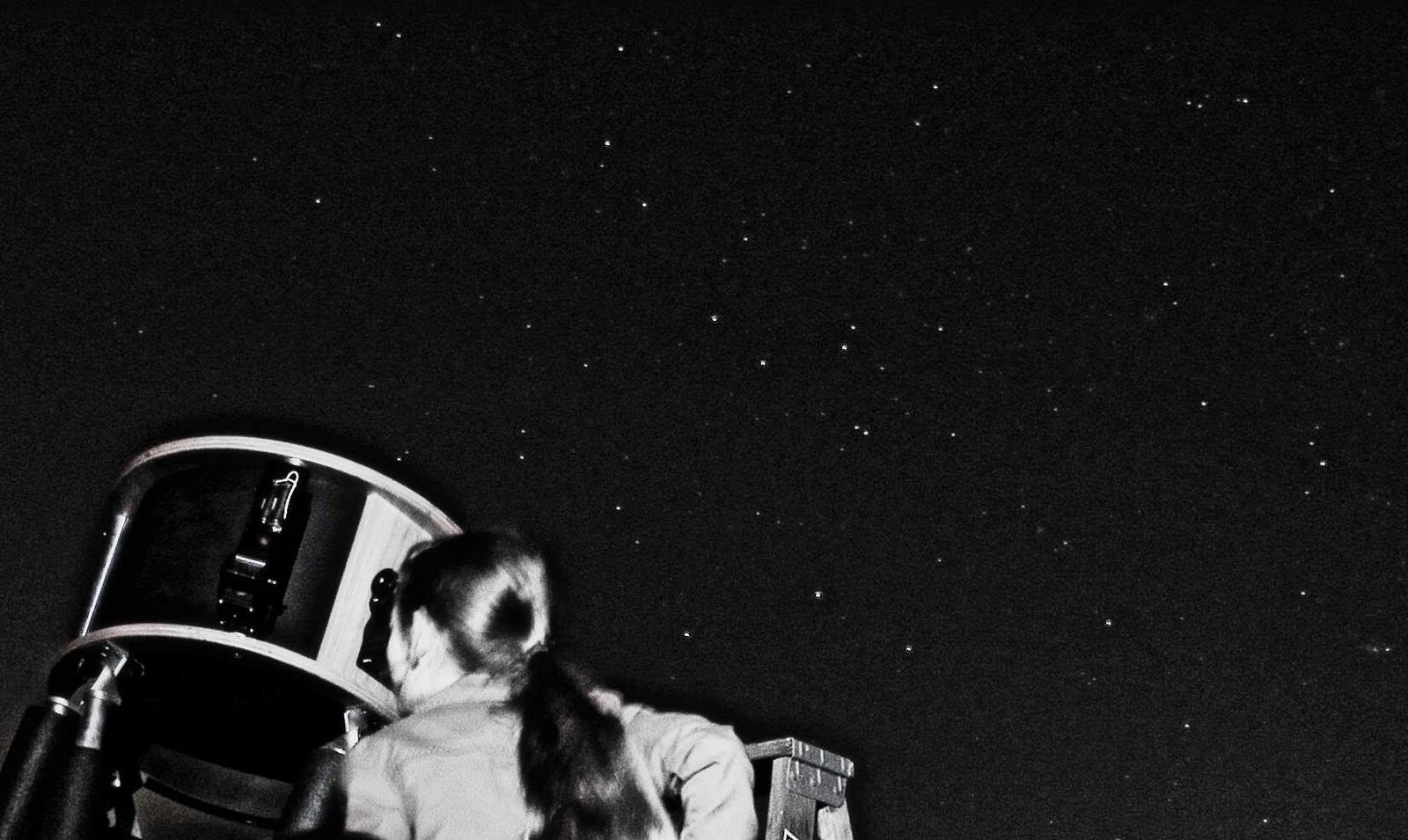
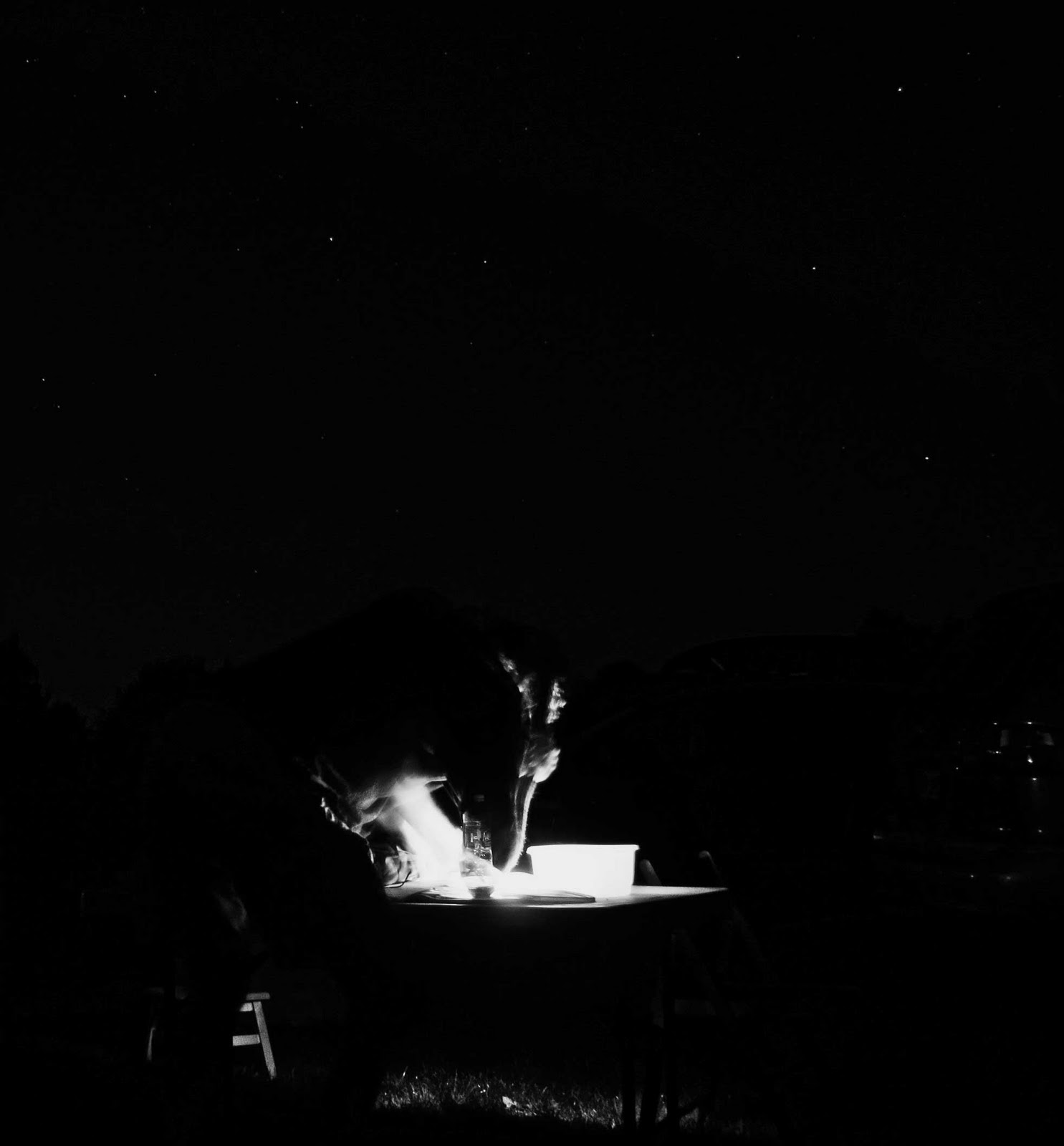
The telescope we used was hand built and is owned by our friend Chris. It is a Dobsonian telescope and he built it with some help from a former student based on plans from a book. Here is Chris gazing upon a star map looking for clues to finding M31, or the Great Andromeda Nebula, which he did locate and we saw through the scope:
We were behind a middle school just outside of a town outside the city, so we were not bothered by the city lights. The kids ran and played in the dark with glow sticks. There was a playground nearby, so while we looked for stars we could hear them playing. When some interesting object was focused in the telescope the kids would then come running. Sometimes they needed a ladder to reach the eye piece:
We also saw Jupiter and three of its bright moons (it has at least 63 moons). To think that we saw what Galileo first saw in 1610 is really cool. We could even see a clear line of one of its atmospheric cloud bands. Later we gazed upon a globular cluster and the double star in the handle of the Big Dipper.
I know that these kinds of experiences are not unique to homeschoolers, but I know they were not available to me as a kid. I know we were not worried if we got to bed late because our school schedule is flexible. Regardless, if you know someone who has a passion for astronomy and has a decent telescope, convince him or her to organize a night out with several families. Both kids and adults will be rewarded.